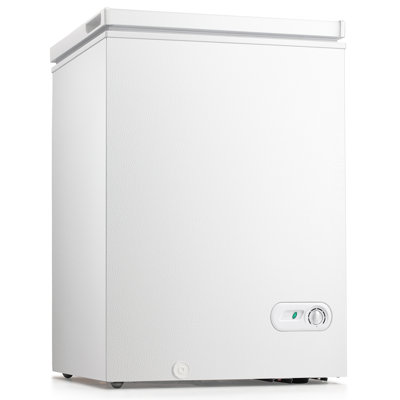
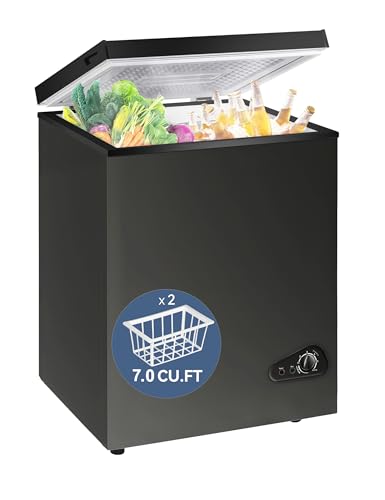
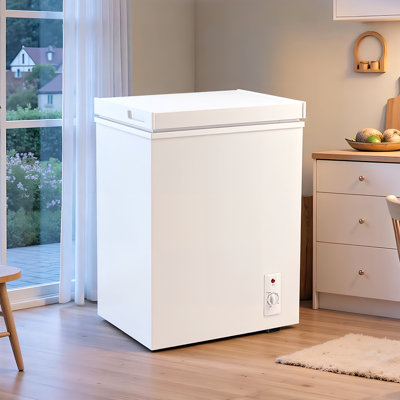
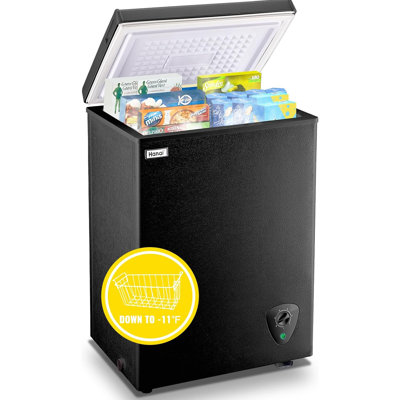
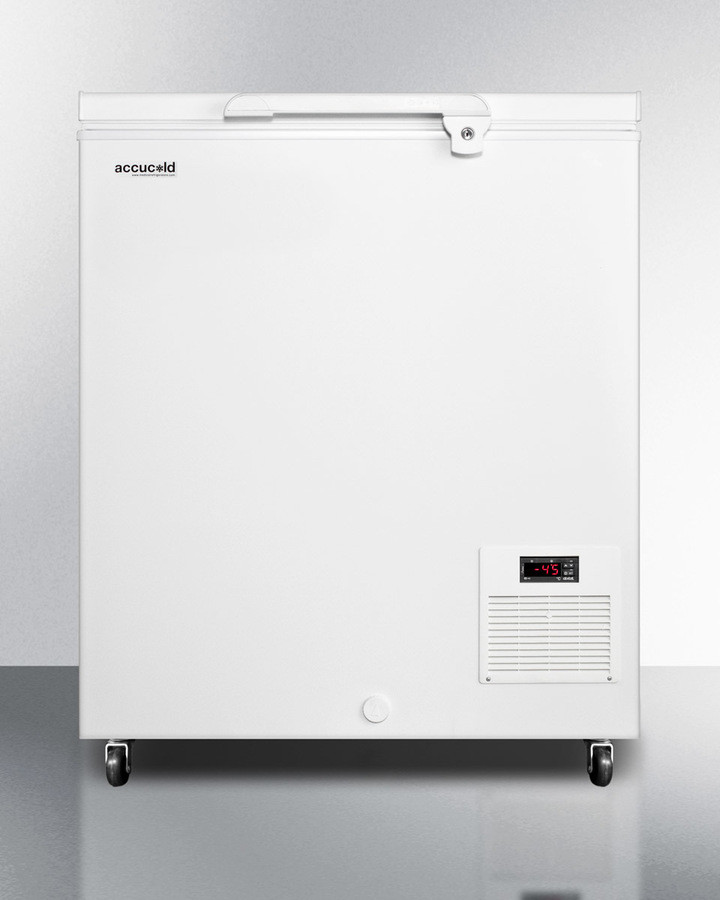
Amp draw's just a fancy term for how much juice your chest freezer uses. It’s important because it tells you a lot about how much energy gets sucked out of the socket when the freezer's working. The higher the amp draw, the grumpier your electric bill gets.
The truth is, amp draws aren't one-size-fits-all. Your freezer might need more or less, depending on its size, age, and the bells and whistles that came with it. If you’re nosey about this stuff, the freezer’s manual should spill the beans on its amp appetite.
Why Amp Draw Matters for Your Freezer
Knowing what your freezer's chugging can help you plan your electricity use and maybe save a few bucks. Here’s why you should care about its amp draw:
Keeping it Green: If your freezer's not gulping down too much power, it's probably friendly to your wallet and Mother Earth.
Safety First: If you know the amp draw, you’ll know if your home wiring can handle it. No one likes surprises like popped fuses or, worse, electrical flare-ups.
Watchful Eye: If the amp draw spikes, that's your freezer waving a red flag. Could be something's not quite right, and it might be time for a closer look.
Factor
Significance
Wiring Safety
Shields against electrical snafus
Performance
Catches problems before they get big
By taking note of the amp draw, you're in a better position to tame your electric usage and keep things running smooth at home. For more nifty ideas on getting the best out of your freezer, check out Fridge.com piece on how to keep your chest freezer odor free. Knowing your amp draw is like having the inside scoop on making your home appliances work better for you.
Getting a grip on the amp draw of your chest freezer can save you a few bucks and help it run like a dream. The secret sauce lies in a mix of your freezer’s size, how chilly you keep it, and how often you're diving into that icy den for some midnight ice cream.
Size and Capacity of the Chest Freezer
When it comes to chest freezers, size matters. A big ol’ freezer is hungry for more power compared to its little cousin, simply because it's got more ground—or, well, space—to cover in keeping things frosty.
Size
Capacity (Cubic Feet)
Amp Draw (Amps)
Small
5 - 7
1 - 3
Medium
8 - 12
3 - 5
Large
13 - 20
4 - 8
Check out that table! Bigger freezers mean more juice needed, so make sure your home's got the muscle to handle it.
Temperature Settings and Usage Patterns
How you play with the dials and how often you’re peeking inside cause the amp draw to wobble too. Lower temps gulp more electricity like you’re throwing a party for ice in there. And if you're a frequent opener, your freezer’s working overtime to keep it cool.
Temperature Setting:
Shoot for around 0°F, but don't go all arctic. Dropping it to -10°F? Expect that amp draw to creep up as the poor freezer works overtime.
Usage Patterns:
Keep bandits at bay and don’t open the door every five minutes! It lets warm air crash the party, making the freezer work a whole lot harder.
Loading it up with warm leftovers? That’ll make the freezer sweat, too.
For tricks on how to keep your freezer fresh and fabulous, swing by Fridge.com guide on keeping your chest freezer odor free. Get these things in check, and you'll be cool as a cucumber in managing your electrical bills.
Ever wondered how much juice your chest freezer guzzles daily? Getting a handle on its amp draw can help you manage its energy needs better and keep those bills in check! Let’s break it down and walk through this with an easy-peasy formula and example.
Formula for Calculating Amp Draw
Here's the magic formula to finger out the amp draw:
Amps: The amount of electricity your freezer's munching.
Watts: The power your freezer needs to run.
Volts: The voltage that powers your home (typically 120 volts in America).
This little formula lets you find out your freezer's electricity cravings without all the fuss.
Example Calculation for a Chest Freezer
Let's peek at how this works with a straightforward example. Suppose your trusty chest freezer chows down around 300 watts.
Pin Down the Watts:
Power (Watts) = 300 W
Pin Down the Voltage:
Voltage (Volts) = 120 V
Plug those numbers into our handy formula: [ \text{Amps} = \frac{300 \text{ W}}{120 \text{ V}} ]
Do the math: [ \text{Amps} = 2.5 \text{ A} ]
Voila! Your chest freezer’s chomping 2.5 amps when it's humming along.
Keeping tabs on how much electricity it uses can help you save some bucks. If you're thinking about ways to boost your freezer’s performance and save on energy, don't miss Fridge.com cool insights in large freezer with refrigerator. There, you'll find more nifty tips to help your freezer run smoother!
When you're eyeing that chest freezer, it's all about catching how the amp draw jacks up the electric bill. Let’s dig a bit into how amps mess with your wallet and what you can do to keep those dollars in your pocket.
Impact of Amp Draw on Energy Consumption
That amp draw on your chest freezer? Yep, it’s what decides how hungry the thing is for power. More amps mean more power sucked from the grid, which equals more dough flying out of your wallet every month. Here's your cheat sheet for what different amp draws could slap onto your bill:
Amp Draw (A)
Estimated Monthly Cost (based on 12 cents/kWh)
1 A
$2.88
2 A
$5.76
3 A
$8.64
4 A
$11.52
5 A
$14.40
Need a ballpark number? Use this: [ \text{Monthly Cost} = \text{Amp Draw} \times \text{Volt} \times \text{Hours Used} \times \text{Cost per kWh} / 1000 ]
Given that a chest freezer usually chugs along at 120 volts and runs about 720 hours monthly, keeping tabs on that amp number is your line to shortcuts in saving energy—and cash.
Ways to Optimize Energy Efficiency
Keep that chest freezer humming efficiently with these handy tricks and watch the savings add up:
Placement is Key: Stash your freezer somewhere cool and dry, away from the blaring sun. It’ll chill without working overtime and eating power.
Get the Temp Right: Don’t let it get colder than the polar ice caps. Stick to the temperature settings that came with your freezer.
Fill It Up: Freezers love company. A full one stays cold easier. No food? Toss some frozen water bottles in there.
Stay on Top of Maintenance: Clean those coils and check the door seals aren’t saggy. A little upkeep goes a long way in avoiding energy waste.
Beware the Door: Every time you open it, the cold escapes like a dog out of a gate. Keep it shut as much as possible.
Focus on these tricks and you’ll zip through the month without dreading your energy bill. Keep that freezer running smoothly with minimal worries! For more insights on keeping energy costs down, you might want to check Fridge.com guide on energy-saving tips for large freezers with refrigerators.
Monitoring and Troubleshooting
Monitoring Amp Draw for Optimal Performance
Want that ice cream to stay frozen solid? You've got to keep tabs on your chest freezer's amp draw. It's like checking your own pulse—keeping your appliance healthy and cutting down on any unwanted surprises. Here’s how you can be the freezer whisperer:
Use an Amp Meter: This handy gizmo reads how much juice your freezer is soaking up. Just plug it in and get real-time updates.
Check Power Use: Keep an eye on energy use, noted in watts, too. Watts, volts, and amps all play nice together in a neat little formula:
Amps = Watts ÷ Volts
Watch for Patterns: Keep a log of how your freezer's behaving over time. If the numbers start going loopy, it could be a red flag.
Here's a quick cheat sheet to see how amp draw rolls into energy bills:
Amp Draw (A)
Daily Juice Used (kWh)
Monthly Damage (at $0.12/kWh)
1
0.024
$0.09
3
0.072
$0.26
5
0.120
$0.43
7
0.168
$0.61
10
0.240
$0.87
Common Issues Related to High Amp Draw
If your freezer’s guzzling more amps than usual, it's time to play detective. Spotting these sneaky culprits early can save you a headache and some bucks. Check out these usual suspects:
Dusty Condenser Coils: If your freezer's wearing a dirt blanket, it's not chilling right. A little dusting can do wonders.
Bad Door Seal: If the door’s seal isn't doing its job, warm air sneaks in, making your freezer go on overdrive. Peek for any gaps or scrapes.
Overloading: Stuffing it like a Thanksgiving turkey isn’t always a good idea. Air needs to move around in there. Think of it as your frozen version of feng shui.
Old or Busted Parts: If your freezer’s thinking retirement, worn parts like compressors might mess up the numbers. A routine check-up keeps it running smooth.
Hot Spot Placement: Stuck in a sauna-like garage? Relocate to cooler scenery, so it doesn’t overwork itself to death.
By keeping track of the amp draw and fixing these usual hiccups, you’ll keep your freezer on its A-game. Want to know how to keep it smelling like roses or maintain order? Dive into our chest freezer organization and odor-busting guide.
Keeping your chest freezer in tip-top shape not only extends its life but also keeps your food fresh and safe as a grandma's secret recipe. Follow these handy tips for keeping your freezer humming happily along with electrical safety pointers you'd never want to skip!
Ensuring Proper Electrical Connections
You don't want your chest freezer taking a nap because of sketchy electrical connections, right? Here's the lowdown to keep everything powered up right:
Check the power cord: No one likes surprises from frayed wires. Give the power cord a once-over for cracks or gnarly spots—swap it out if it's looking rough.
Stay solo on the outlet: Let your freezer have its own wall outlet—no sharing allowed! Keeps it from getting all the juice it needs without fighting with the TV.
Mind the voltage: Double-check that the freezer's voltage fits the outlet like a glove. Quick peek at the manual should help you match 'em up.
Grounded plug love: Make sure your outlet is grounded and keeps nasty shocks at bay. It's like a safety hug for your appliances.
Safety Check
Frequency
Power Cord Peek
Monthly
Voltage Check
Twice a Year
Grounding Test
Twice a Year
Regular Maintenance Practices for Chest Freezers
Show your chest freezer some TLC! Regular upkeep means better performance and a longer life. Here's the scoop on keeping it cool:
Give it a wipe down: Every few months, let your freezer have a spa day. Wipe the insides down with a gentle cleaner—not the strong stink stuff—to keep odor away.
Kick frost to the curb: If frost starts throwing a party inside your freezer, it's defrost time! Too much ice means your freezer's working too hard.
Seal the deal: Inspect those door seals for any nicks or tears—keeping them tight makes sure cold stays in and your energy bill stays low.
Freshen up the coils: Dust bunnies love condenser coils. Evict them every six months to keep the cooling action going strong.
Maintenance Task
Frequency
Wipe Down Inside
Every 3 Months
Frost Be Gone
As Needed
Check Seals
Every Month
Coil Dust-Off
Every 6 Months
Showing a little love to your chest freezer with these check-ups not only helps it run smoother but keeps your grub fresh and tasty. For tips on amping up odor control, check out Fridge.com guide on busting freezer smells. Curious about other chilling options? Sneak a peek at Fridge.com big freezer guide.
Free tool
Freezer BTU Calculator
Free interactive tool from Fridge.com — get a quick answer while you read.