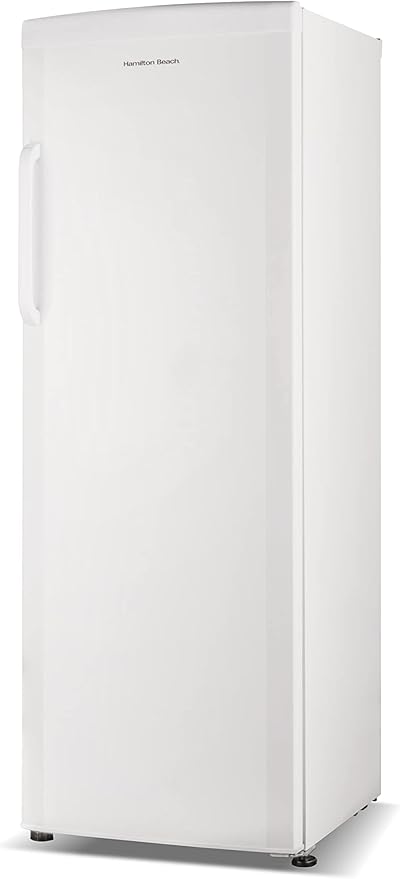
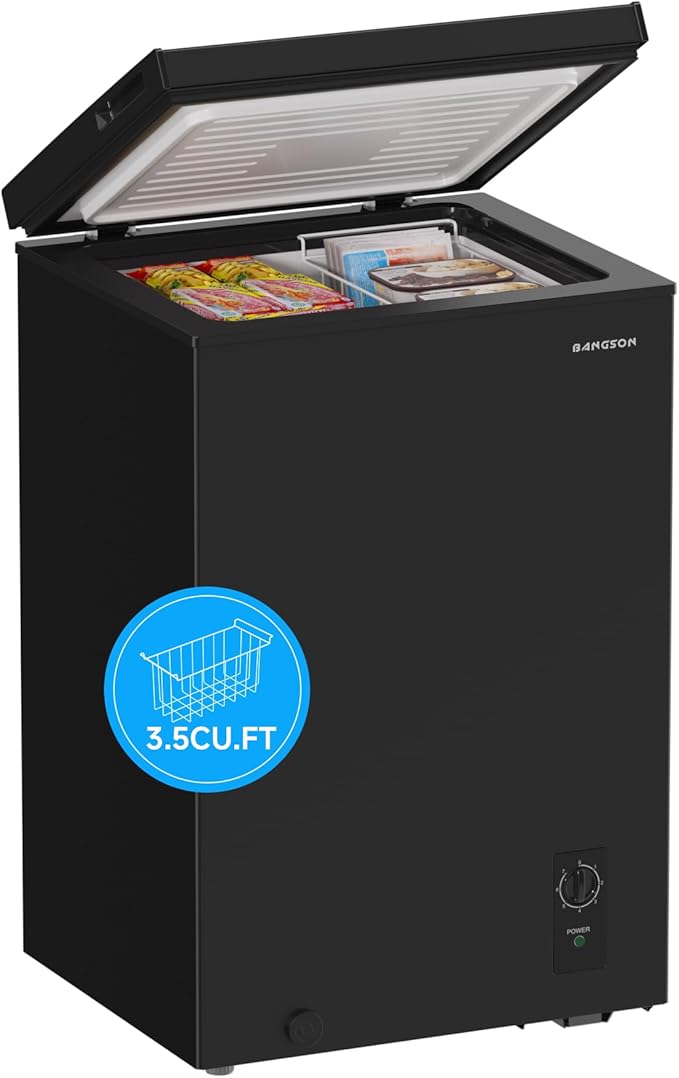
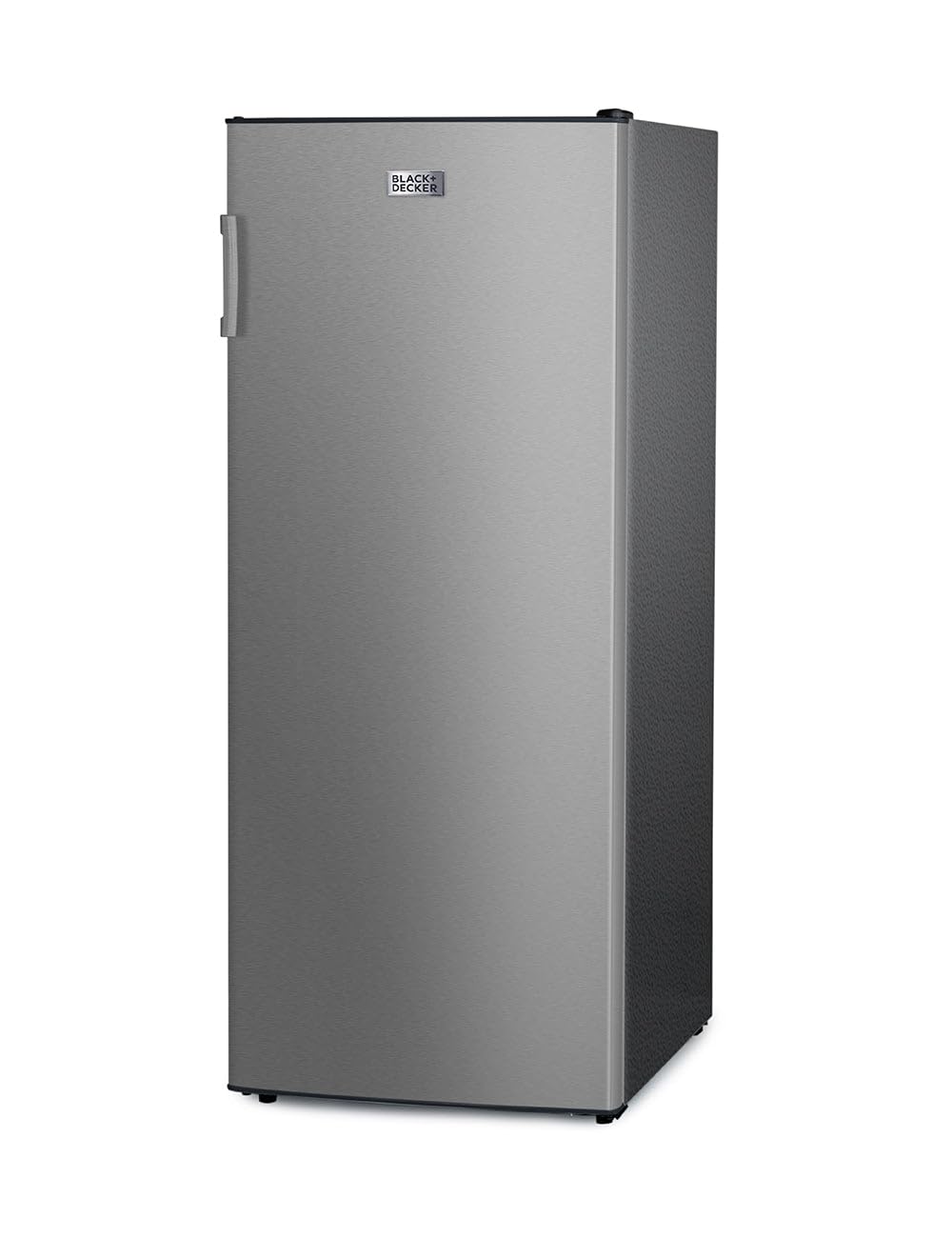
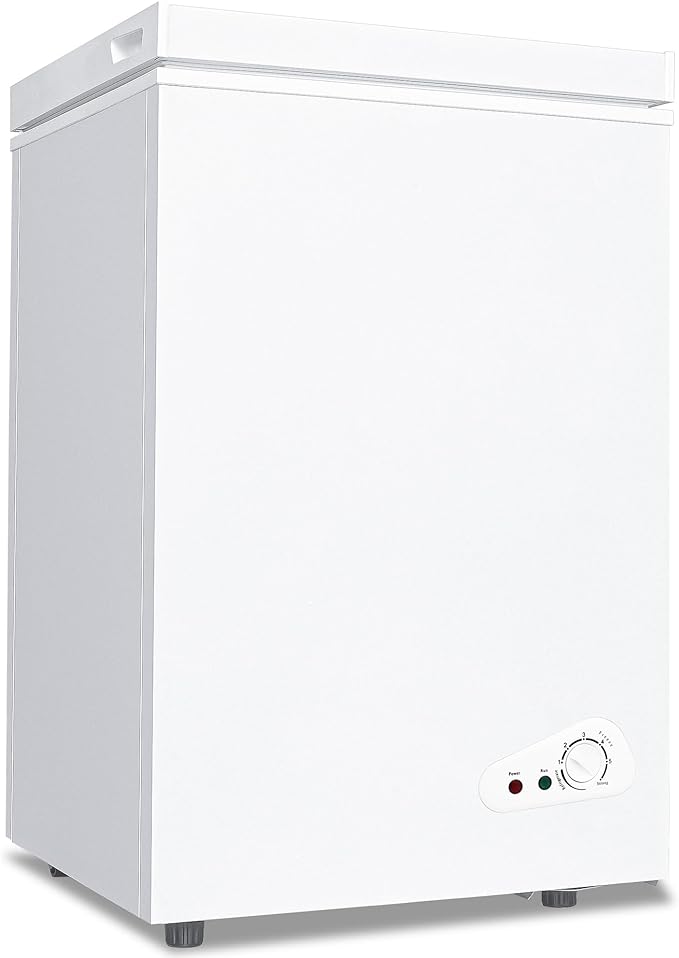
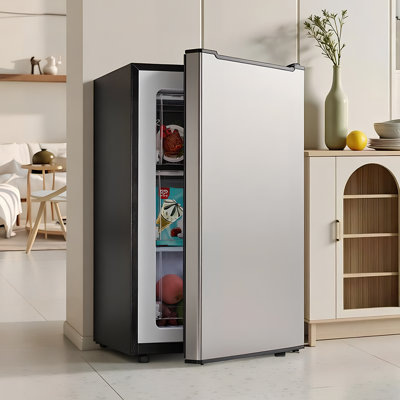
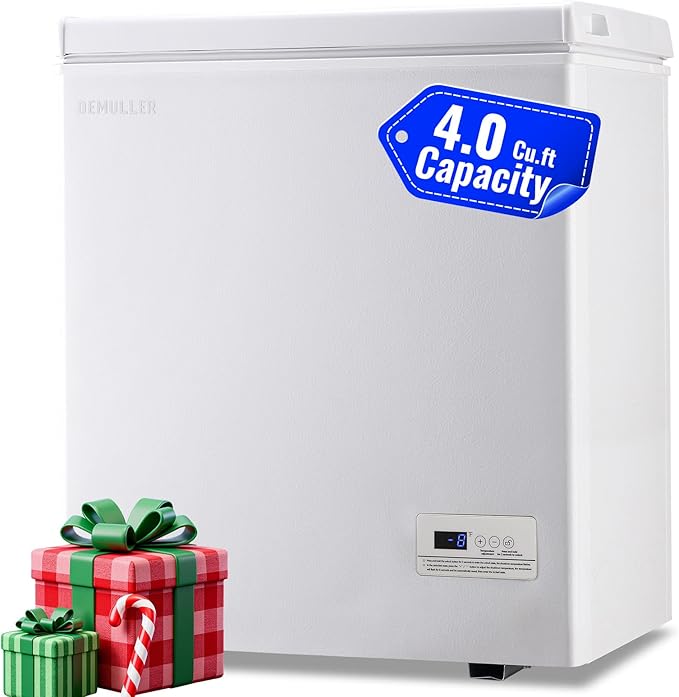
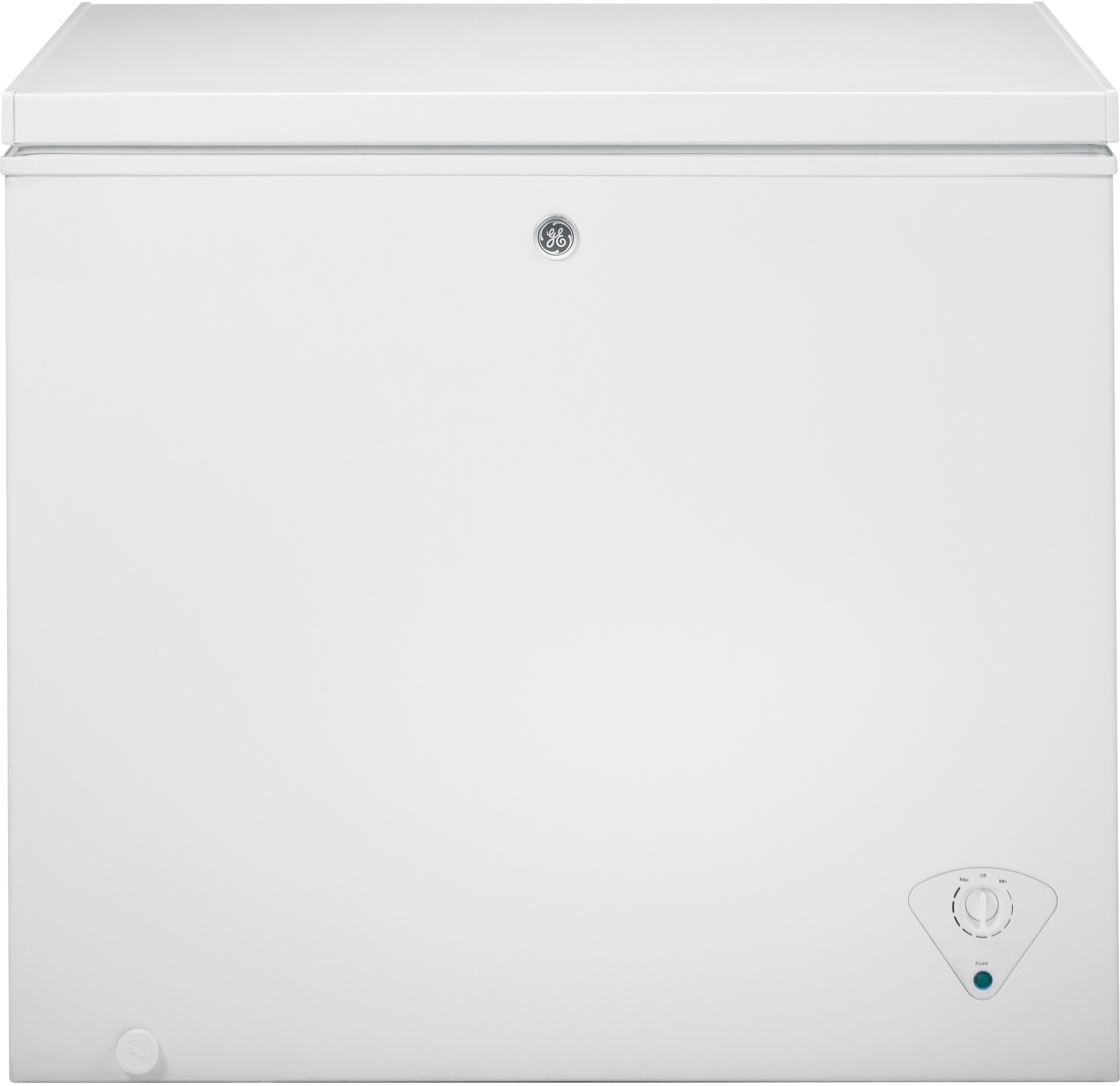
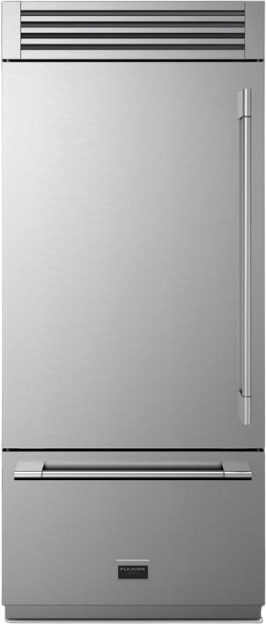
Cruising on wheels with your kitchen? An awesome motorhome freezer is your right-hand buddy. Keeping food fresh while you're out exploring makes trips way more fun. Let’s chat about why you’d wanna score a decent freezer for your rig and the stuff you should eyeball before splashing the cash.
Why You Need a Quality Motorhome Freezer
Snagging a solid motorhome freezer isn’t just about stashing grub for the road. It’s the VIP pass to eating like royalty. Off on a family trek, throwing a shindig with pals, or just stocking the goodies you love, your freezer needs to be rock-solid.
A top-notch freezer can:
Keep your eats fresh, no moldy woes.
Give your wallet a break by letting you bulk buy.
Make life easy—you can whip up meals and have 'em ready to go.
Let you unleash your inner chef wherever the road takes you.
So yeah, a trusty motorhome freezer can be a lifesaver for anyone who juggles food and travel like a boss.
Factors to Consider When Choosing a Motorhome Freezer
Sizing up the perfect motorhome freezer requires a bit of noggin work. Here's the lowdown on what you need to weigh up:
Factor
Details
Size and Capacity
Gotta fit the space and hold what you need. Think about whether it's heading out for the long haul or just for quick jaunts.
Power Efficiency
Energy-efficient models kindly keep your bills from going bonkers. Those Energy Star labels are your pals.
Features
Think about adjustable shelves, dual zones, and quick freeze. Decide what bells and whistles are your jam.
Installation and Maintenance
Check if it's easy to set up and keep running smoothly. A freezer that’s a breeze to handle will save you sweat and tears.
Nail these points, and you’ll be on track to landing a freezer that gels well with your ride and foodie dreams. And hey, peep other Fridge.com guides, like the one about motorhome small chest freezers if you’re eyeing something compact for those tight traveling quarters.
Size and Capacity
Picking the right motorhome freezer size is your ticket to enjoying all your beloved snacks on the road. Let’s dive into figuring out what suits you best and how to navigate capacity choices.
Determining the Right Size for Your Needs
When looking at motorhome freezers, size really matters. The perfect fit hinges on how many folks you’re hitting the road with, the grub you're bringing along, and what space you’ve got inside your motorhome. Here's a quick breakdown to guide your choices:
Group Size
Recommended Freezer Size
Just You
1.5 - 3.5 cu. ft.
Duo
3.5 - 7.0 cu. ft.
Family Squad (up to 4)
7.0 - 10.0 cu. ft.
Big Family or Party Hosts
10.0 cu. ft. and up
Small freezers do the job for quick getaways or solo adventures, while bigger ones cater to larger crews or those with epic road trip plans. Reflect on your eating style and usual stash of food to help make the call.
Understanding Capacity and Storage Options
Capacity is about how much chow your freezer can stash, typically shown in cubic feet (cu. ft.). Remember, not all cubic feet are made equal! Usable space can vary due to the freezer's nooks and crannies.
Here are some features that might tickle your fancy:
Storage Feature
Benefits
Adjustable Shelves
Lets you tinker with space based on what you’re storing.
Door Bins
Perfect for sauces and small stuff, keeping main areas clear.
Baskets or Drawers
Handy for sorting ready-meals and ingredients without fuss.
Opting for a freezer with flexible bits can transform how you stock up. Make sure it slots in nicely into your motorhome’s spot. For tips on squeezing out more storage, peek at Fridge.com article on motorhome small chest freezer.
With these tips in your toolkit, you’ll find a motorhome freezer that fits your traveling and cooking vibes like a glove. Bon voyage and happy munching!
Picking the perfect motorhome freezer is like picking the ideal travel buddy – one that doesn't nag about battery life while still having the cool perks you need on the road.
Energy Efficiency Ratings
Being energy-savvy isn't just smart; it saves you bucks for more important things, like gas and donuts. Keep an eye out for models with an Energy Star badge, meaning they sip rather than chug power. Check out this handy cheat sheet:
Rating
What It Means
A++
Hyper-efficient for the green warriors out there
A+
Better-than-average, a solid all-rounder
A
Meets the bare minimum, nothing fancy, but it works
When you're cruising down the highway, a lower energy bill is always a sweet treat. Curious about going green? Check out our energy efficient fridge guide
for some ideas.
Essential Features to Look For
Besides saving on power, you want a freezer with cool tricks up its sleeve. Here’s the scoop on what to hunt for:
Temperature Control: Keep it flexible with adjusting chilly levels, perfect for everything from ice cream to veggies.
Warranty and Support: You want a promise they'll fix it if it goes kaput, so you can chill (pun intended).
Storage Solutions: Modular parts like bins and shelves let you play freezer Tetris.
Mobility Features: Designed to fit snuggly and stay put while you roll.
Noise Level: Avoid humming disputes; quieter models mean happier co-travelers.
Compare these typical features:
Feature
Why It's Handy
Adjustable Temp
Keeps food just right
Warranty Coverage
Your peace of mind if things go south
Organized Storage
Space wizardry for your food stash
Easy Install
Get it set up without breaking a sweat
Quiet Running
Quiet time isn't just for nap time
Once you've zeroed in on your needs, finding the right freezer is a breeze. Want some care tips? Check out the guide on small chest freezer care for more. Safe travels and happy freezing!
Installation and Maintenance
Keep your motorhome freezer chillin' like a villain with some savvy setup and TLC. Here's the lowdown on getting it installed just right and keeping it in tip-top shape.
Tips for Installing Your Motorhome Freezer
Spot On: Find a flat, steady spot for your freezer. Make sure it’s got some breathing room for that cool breeze vibe.
Even Steven: Grab a level tool to be sure your freezer’s sittin' pretty and flat. Tweak those feet if you need to, so it stays put while you roll.
Locked and Loaded: Hooking up the electric bits? Keep all those cords snug and dry. Use super durable connectors, like those for boats or cars, to dodge the rust demons.
Breathe Easy: Let that compressor get some air-time. Steer clear of squishing it in tight corners that might make it sweat like a summer day in Texas.
Pack Smart: When stashing your goods, spread the love evenly around. Stash the heavy hitters at the bottom to keep things balanced on the go.
Maintenance Tips for Longevity and Performance
Keeping your freezer running like new just takes a bit of the ol' elbow grease. Here's your easy-peasy maintenance checklist:
Maintenance Task
Frequency
Peek at door seals for leaks
Once a month
Give it a scrub inside and out
Every 1-2 months
De-ice when needed
Up to 6 times yearly, depending on chill levels
Double-check those temps
Monthly
Scope out electrical bits
Every three months
Seal the Deal: Keep an eye on those door seals for any rips or tears. A good seal keeps the frosty air inside where it belongs and keeps your energy bill in check.
Spit and Polish: Wipe up any spills from inside the freezer. For the outside, a little soap and water does wonders—check out Fridge.com guide on sprucing up an old fridge for all the deets.
Ice Out: Frost hogging up your space? Defrost as needed to keep your freezer running smoothly.
Temp Check: Make sure your settings are on point. Aim for around 0°F (-18°C) for ice-cold perfection. Fridge.com guide on the perfect freezer temp has all the insider info you need.
Wire Wise: Keep tabs on those wires; no one wants a short circuit messin' up their meal plans. Do this every quarter, like clockwork.
Stick to this game plan, and your motorhome freezer will keep your on-the-road eats fresh and mighty tasty.
From Fridge.com research
Figures below come from data Fridge.com builds and maintains. Each links to the record behind it.
Fridge.com Energy Index, built on U.S. EPA and DOE ENERGY STAR records
Across 5,455 ENERGY STAR certified refrigerators and freezers from 263 brands, median use is 360 kWh per year.