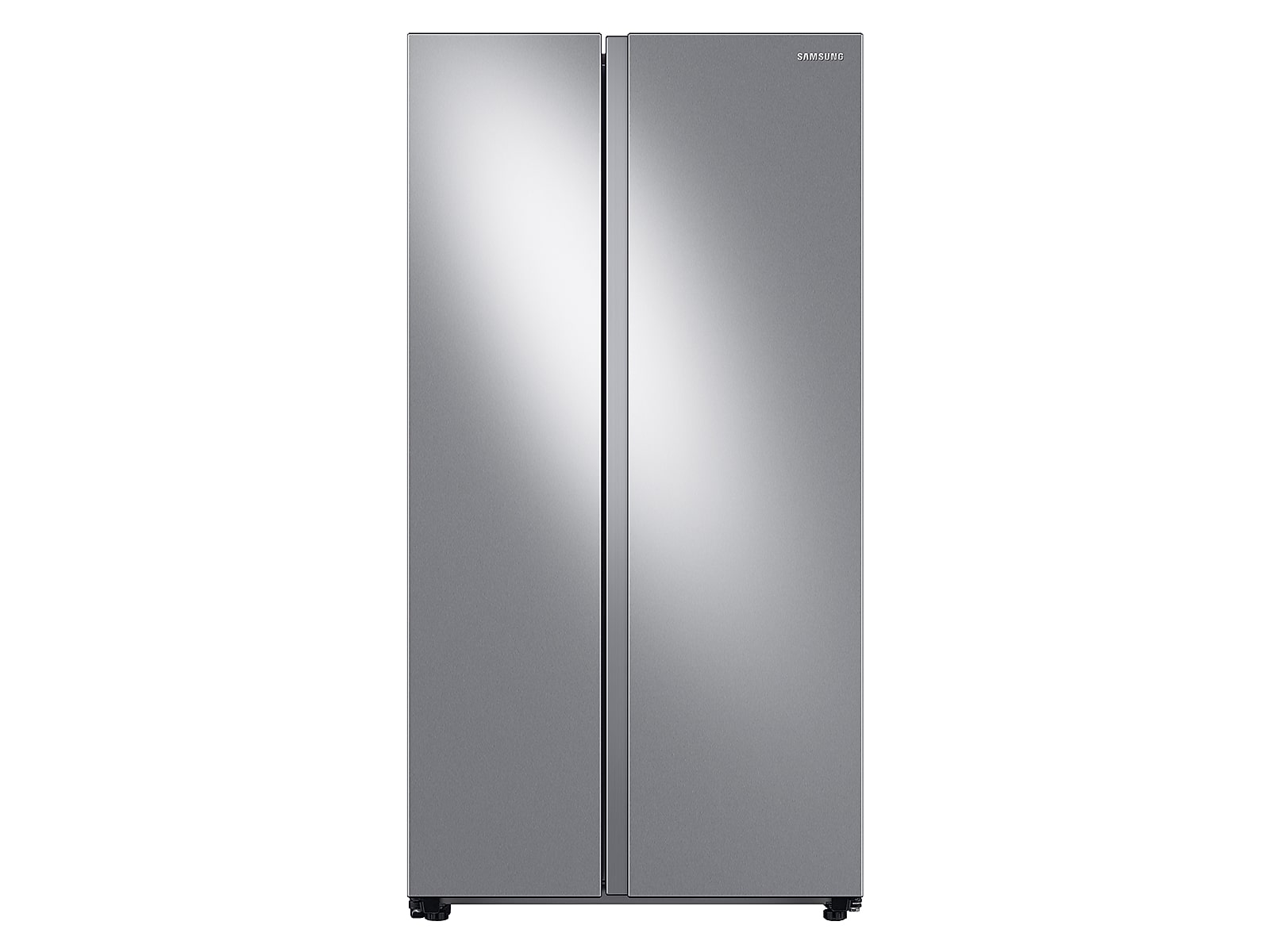
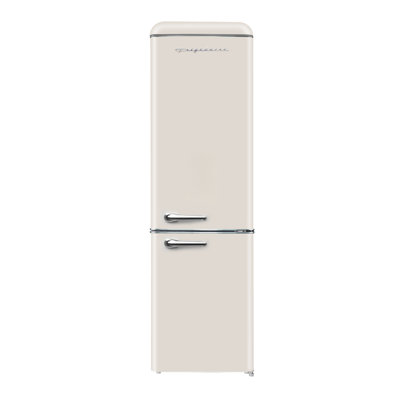
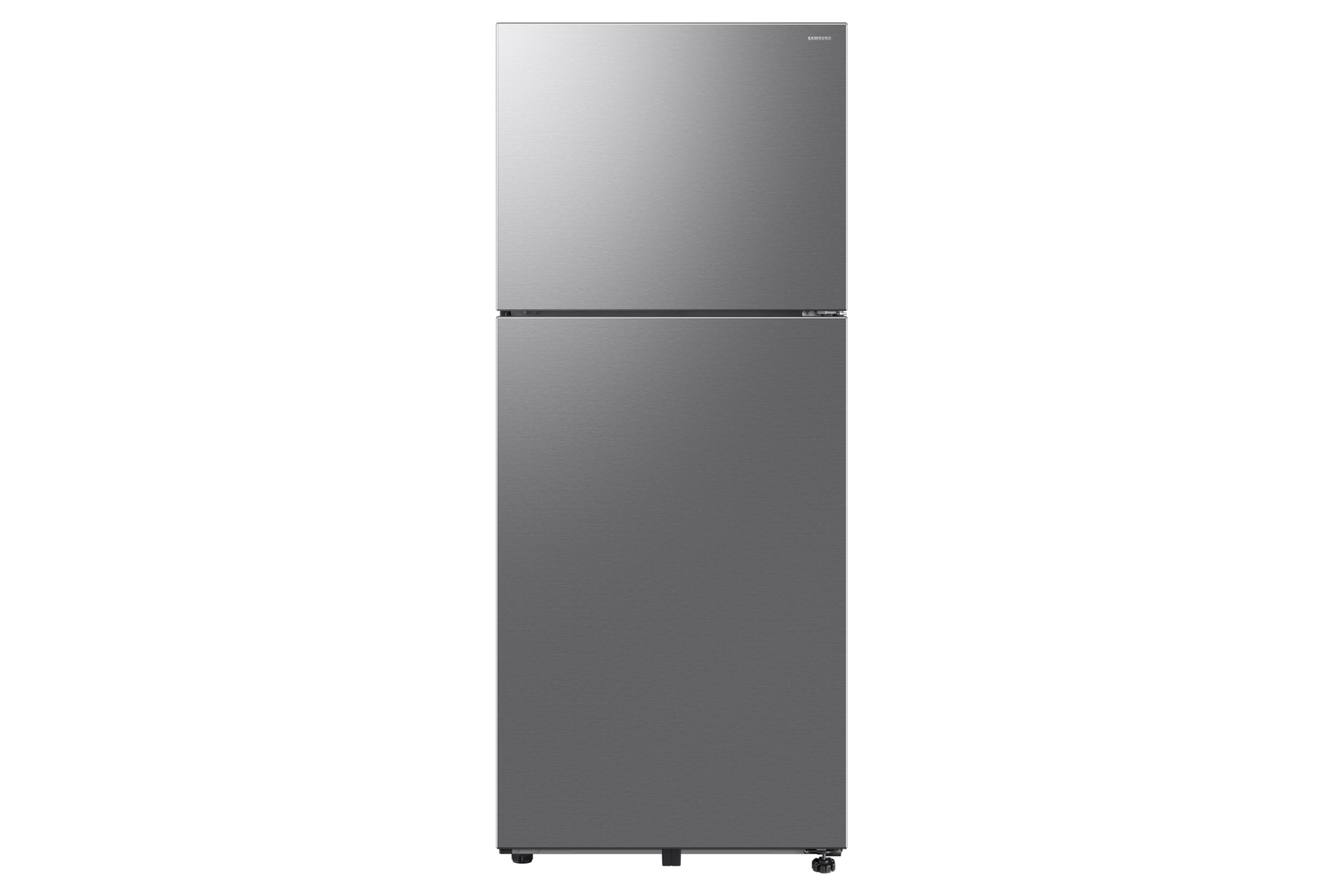
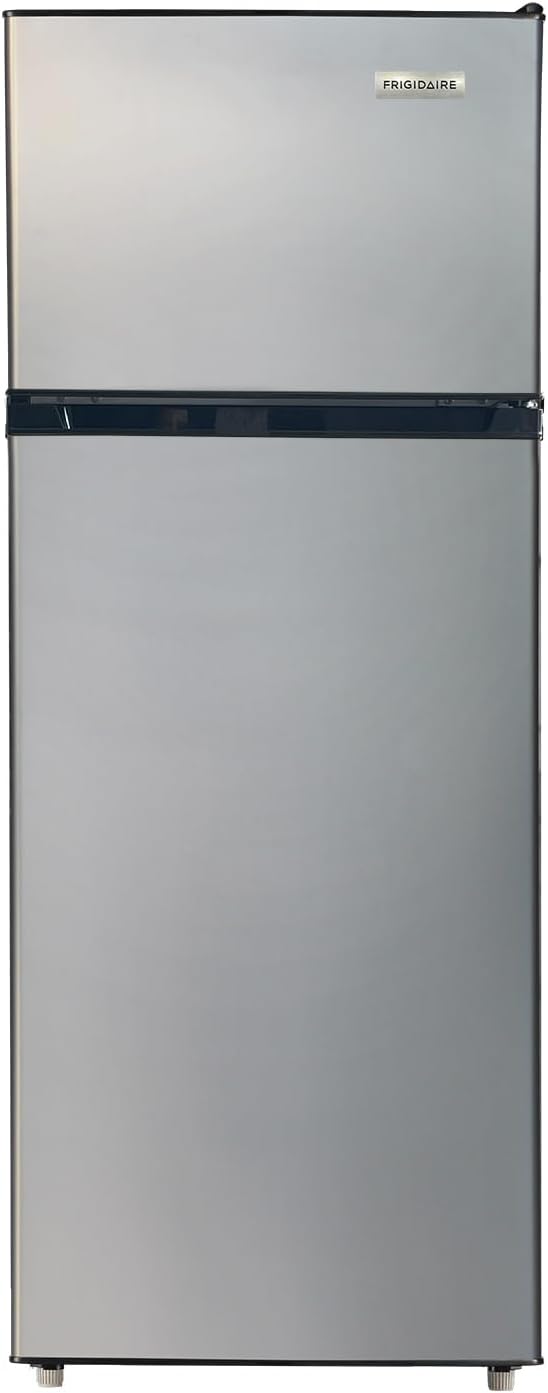
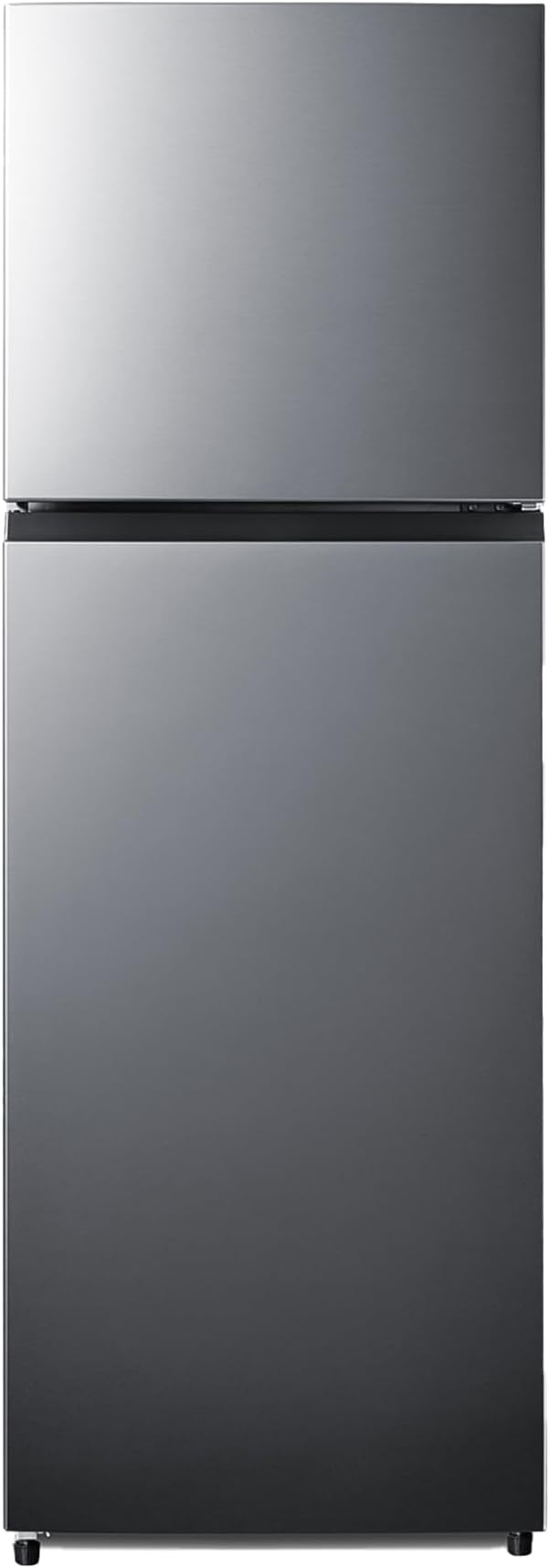
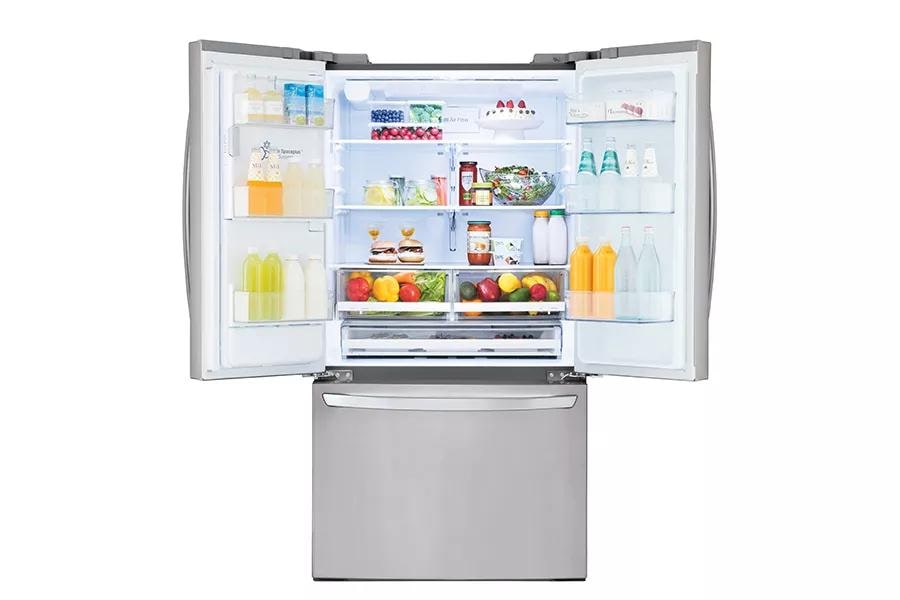
When selecting the best home smart fridge, homeowners should consider several key features that can greatly influence their overall satisfaction and cooking experience.
The most important aspects include connectivity options, energy efficiency, and storage capacity and layout.
Homeowners should look for models with the ENERGY STAR label, indicating they meet strict energy efficiency guidelines.
Home refrigerators have come a long way from the traditional iceboxes of the past. Initially, these cooling devices served a primary purpose: to keep food cold and preserve its freshness. Over the decades, they have undergone significant changes influenced by advancements in technology and changing consumer needs.
In the earlier days, refrigerators operated on basic cooling mechanisms and had minimal features. As time progressed, they began to incorporate more sophisticated temperature controls and energy efficiency improvements. The introduction of frost-free technology further enhanced convenience, eliminating the need for manual defrosting.
Today, the landscape of home refrigeration has transformed entirely. Modern refrigerators offer various features, from adjustable shelving to different cooling zones. The following table summarizes key milestones in the evolution of home refrigerators:
Year
Milestone Description
1913
First commercially successful electric refrigerator introduced
1940s
Frost-free technology becomes available
1990s
Introduction of energy-efficient models
2010s
Emergence of smart refrigerators with internet connectivity
The Rise of Smart Fridges
With the rise of smart home technology, refrigerators have evolved into smart fridges equipped with innovative features that cater to contemporary lifestyles. The integration of the Internet of Things (IoT) into kitchen appliances allows users to connect their fridges to the internet, providing remote access and control through smartphones or other devices.
Smart fridges offer several advanced functionalities, such as real-time monitoring of food inventory, automatic temperature adjustments, and even touchscreen interfaces to view recipes. These appliances aim to enhance the overall user experience while promoting better food management and reducing waste.
The table below outlines some common features found in modern smart fridges:
Feature
Description
Inventory Management
Monitors and tracks food items, notifying users when items are running low
Meal Planning
Suggests recipes based on available ingredients
Voice Control
Allows users to interact with the fridge using voice commands via smart home systems
Smart fridges represent a significant shift in how households manage food storage and preparation. These appliances cater to families, food enthusiasts, and anyone looking to simplify their kitchen experience. As technology continues to advance, the functionality and efficiency of smart refrigerators will likely expand even further, making them a staple in modern homes.
When selecting the best home smart fridge, homeowners should consider several key features that can greatly influence their overall satisfaction and cooking experience. The most important aspects include connectivity options, energy efficiency, and storage capacity and layout.
Connectivity Options
Smart fridges offer various connectivity options that enhance their functionality. These features allow users to connect their refrigerators to home networks and control them via smartphones or voice-activated devices.
Feature
Description
Wi-Fi Connectivity
Allows remote access and control through apps
Bluetooth Support
Enables connection with other smart devices
Voice Control
Compatibility with virtual assistants like Alexa or Google Assistant
Connectivity options enhance the cooking experience and improve meal planning. Users can receive notifications about food expiration, adjust temperature settings, or create shopping lists right from their smartphones.
Energy Efficiency
Energy efficiency is another crucial factor to consider. Smart fridges often feature advanced technologies designed to minimize energy consumption.
Efficiency Rating
Estimated Yearly Energy Use
Savings Compared to Traditional Models
Non-Energy Star
350 kWh
Baseline for comparison
Choosing an energy-efficient model can lead to long-term savings on utility bills and reduce the overall environmental impact. Homeowners should look for models with the ENERGY STAR label, indicating they meet strict energy efficiency guidelines.
Storage Capacity and Layout
Storage capacity and layout play a significant role in how well a smart fridge meets individual needs. A refrigerator that is too small or poorly organized can lead to inefficiencies in food storage and access.
Feature
Options Available
Total Capacity
Ranges from 18 to 30+ cubic feet
Shelf Configuration
Adjustable shelves, slide-out drawers
Door Storage
Additional bins for condiments and drinks
Buyers should evaluate their lifestyle, family size, and cooking habits when considering storage capacity. A well-designed layout can make it easier to organize groceries and access items quickly. For additional tips on choosing the right fridge, visit Fridge.com article on what size fridge freezer for a contemporary home.
By carefully considering these features, individuals can find a smart fridge that aligns with their needs and enhances their culinary experience.
The integration of advanced technologies has transformed traditional fridges into smart appliances that cater to various user needs. Understanding these technologies can help homeowners make informed decisions about the best home smart fridge for their lifestyle.
IoT Integration
The Internet of Things (IoT) has revolutionized how refrigerators operate. Smart fridges can connect to home Wi-Fi networks, allowing users to control and monitor their appliances remotely via a smartphone app. This connectivity enables features such as:
Inventory tracking, which helps users know what food items are available.
Alerts for expiration dates to minimize food waste.
Integration with other smart home devices, enhancing overall home automation.
As technology continues to evolve, IoT features are becoming standard in modern fridges, enabling a more convenient and efficient kitchen.
Advanced Cooling Systems
Modern fridges often come equipped with advanced cooling technologies that improve temperature regulation. Some key features include:
Feature
Description
Dual Cooling Systems
Separate cooling systems for fridge and freezer compartments maintain optimal humidity and temperature.
Zoned Cooling
Allows different sections of the fridge to maintain specific temperatures, perfect for storing various food types.
Adaptive Defrost
Monitors usage patterns to activate defrost cycles only when needed, preserving energy efficiency.
These systems not only keep food fresher for longer but also contribute to energy savings, making them a valuable addition to any kitchen.
Convenience Features
Smart fridges are designed with user convenience in mind. Some popular features that enhance the overall experience include:
Built-in touch screens that offer recipe suggestions and meal planning tools.
Water and ice dispensers for easy access to hydration and cooling beverages.
Smart alerts that notify users when doors are left open or if temperatures fluctuate.
This blend of convenience features caters to various lifestyles, whether for busy families, food enthusiasts, or home cooks. With these technologies, modern fridges are more than just food storage; they are integral to daily life.
For those looking to evaluate how these smart technologies can benefit their homes, understanding these features will support better decision-making when selecting appliances.
Smart fridges offer a variety of advantages that can enhance the household experience, especially for homeowners, families, and cooking enthusiasts. Understanding these benefits can assist in making an informed decision when selecting the best home smart fridge.
Improved Food Management
One of the primary benefits of a smart fridge is its ability to improve food management. Many models come equipped with features such as inventory tracking and expiration alerts. This technology helps users keep track of their groceries, reducing food waste and ensuring that items are consumed before they spoil.
With integrated cameras, some smart fridges even allow users to see the contents of their fridge from a smartphone, making grocery shopping more efficient. Families or housemates can easily manage shared grocery lists and avoid duplicate purchases.
Table: Features for Food Management
Feature
Description
Inventory Tracking
Monitors the items stored and alerts when running low
Expiration Alerts
Notifies when food items are approaching expiry
Camera Integration
Provides a view of fridge contents via a smartphone
Energy Savings
Energy efficiency is another significant advantage offered by smart fridges. Many modern models are designed to consume less power compared to traditional refrigerators. Features such as adaptive cooling and eco-friendly settings help in optimizing energy usage.
Smart fridges can also provide energy reports, allowing users to monitor their consumption and make adjustments to reduce costs. This is especially beneficial for families or individuals who are conscious of their energy bills and environmental impact.
Table: Energy Consumption Comparison
Type
Average Annual Energy Use (kWh)
Traditional Fridge
700 - 800
Smart Fridge
350 - 450
Enhanced User Experience
Smart fridges come equipped with a range of convenience features that enhance the overall user experience. Touchscreen controls, built-in recipe suggestions, and integration with voice assistants are just a few examples of how these appliances can simplify kitchen tasks.
Moreover, smart fridges may provide reminders for maintenance, such as when to clean the filter or check the water supply. This proactive approach helps ensure that the fridge operates optimally, which is particularly advantageous for busy households.
Table: User Experience Features
Feature
Benefits
Touchscreen Controls
Easy navigation for settings and options
Recipe Assistance
Provides cooking ideas using available ingredients
Voice Assistant Integration
Allows hands-free operation and queries
By improving food management, enhancing energy savings, and elevating user experience, smart fridges prove to be a worthy investment for those looking to modernize their kitchen appliances.
Choosing the Best Smart Fridge for Your Home
Selecting the ideal smart fridge involves considering various factors that align with personal needs and preferences. This section highlights key aspects to keep in mind while making a choice.
Budget Considerations
Smart fridges come in a wide price range, making it essential to establish a budget beforehand. Prices can vary based on features, size, and brand reputation. Homeowners should assess their budget against their desired features to find a balance. Below is a breakdown of price ranges based on features:
Feature Category
Price Range
Basic Smart Features
$800 - $1,200
Mid-Range Smart Fridges
$1,200 - $2,000
High-End Smart Fridges
$2,000 and above
It's also advisable to consider long-term savings associated with energy efficiency and longevity when evaluating the costs of a smart fridge. For further insights, visit Fridge.com article on is it expensive to buy a fridge in the usa?.
Lifestyle and Usage Patterns
Understanding personal lifestyle and usage patterns plays a vital role in selecting the right fridge. Individuals who frequently prepare meals or store large quantities of groceries may benefit from a refrigerator with ample storage and advanced features. Those who live alone or in small households may prefer a compact model.
The table below lists considerations based on lifestyle patterns:
Lifestyle Type
Recommended Features
Large Family
High storage capacity, multi-zone cooling
Individuals
Compact size, basic technology
Foodies/Chefs
Smart inventory management, advanced cooling systems
Roommates
Flexible shelving, shared spaces
Additionally, different usage styles may require specific functionalities. For instance, families with dietary restrictions might prioritize fridges that allow for easy organization and visibility of food items. For tips on organizing groceries, visit Fridge.com article on how to organize any freezer.
Design and Aesthetics
A smart fridge should blend seamlessly with the kitchen's overall design. Homeowners often consider the finish, color, and style of the fridge to complement their kitchen decor. Common finishes include stainless steel, matte black, and white.
When choosing a design, consider the following factors:
Design Element
Considerations
Size and Fit
Ensure it fits in designated space
Finish
Match with kitchen appliances and cabinetry
Configuration
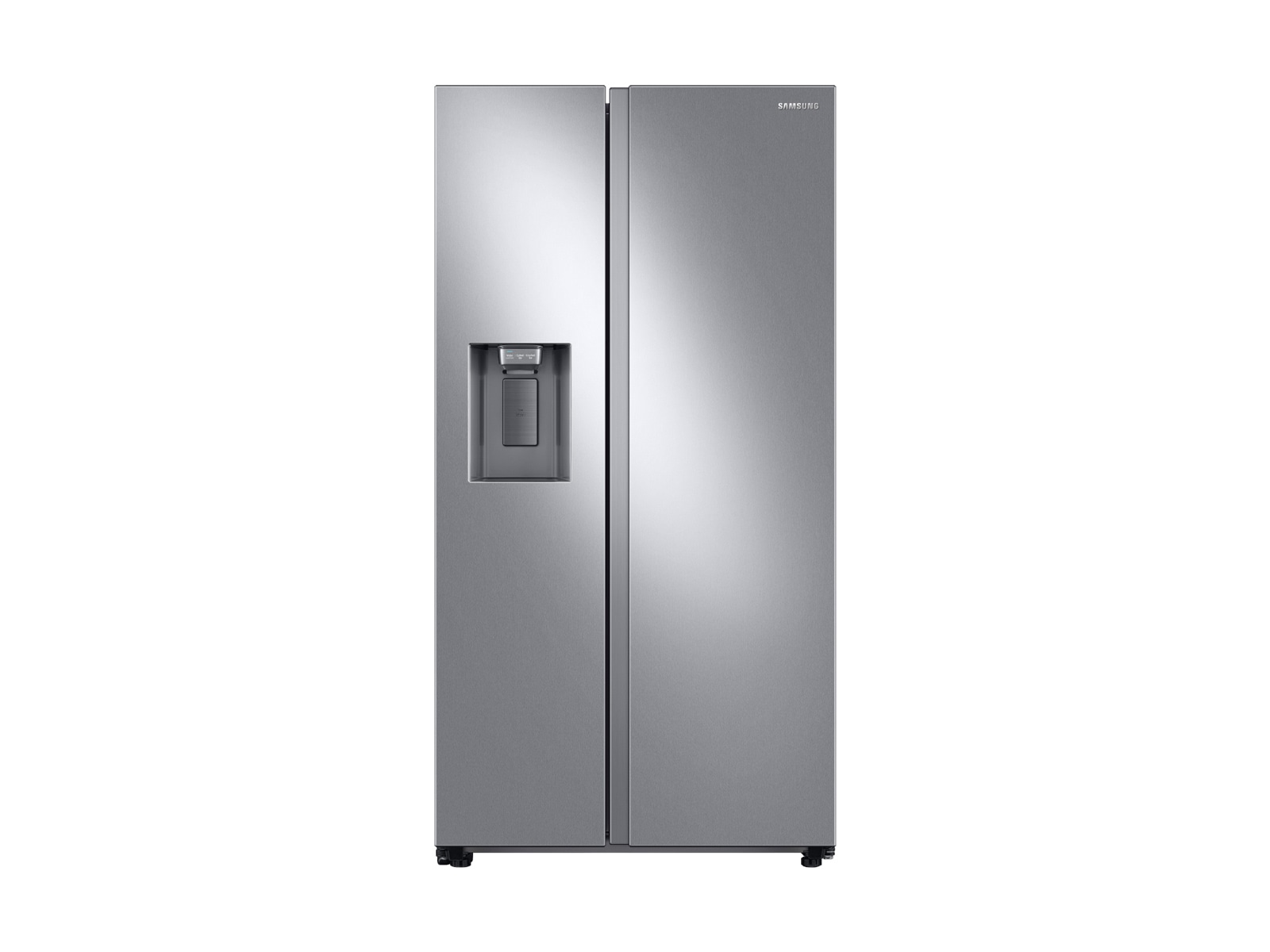
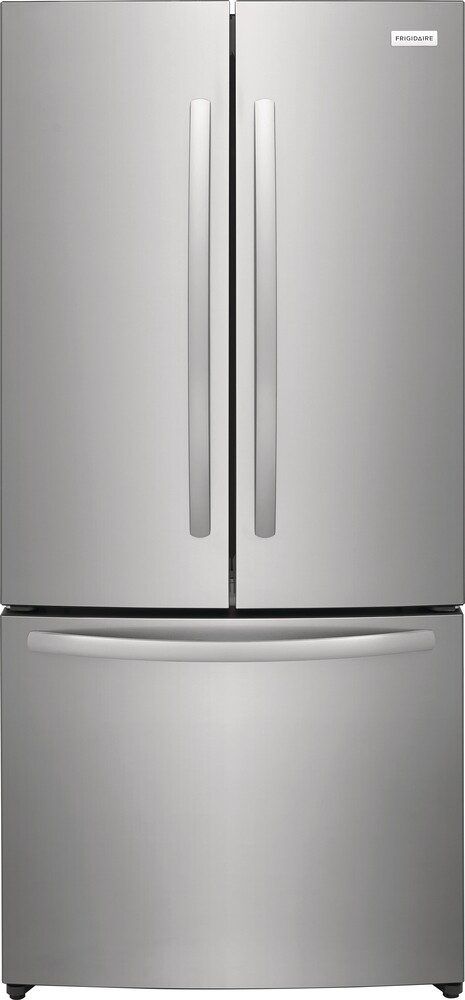
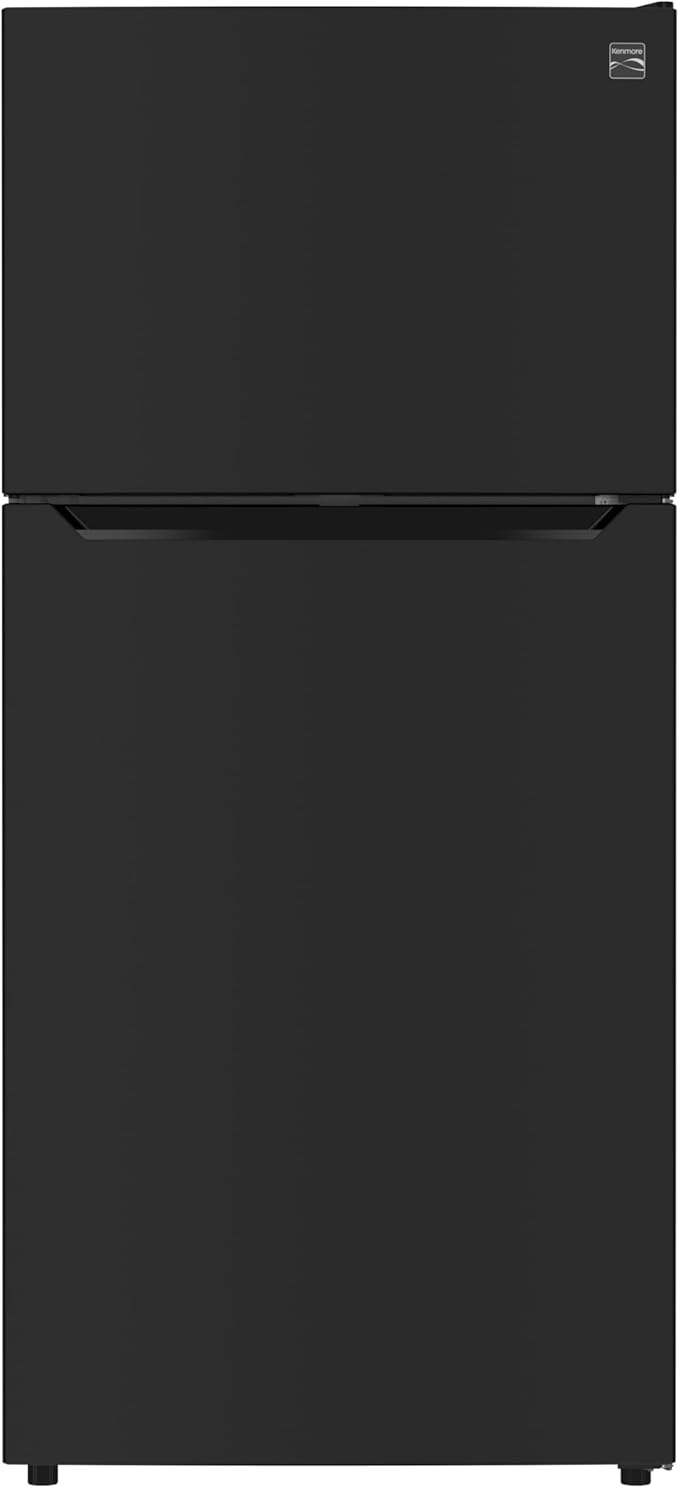
Choose between side-by-side, top freezer, or French door
A cohesive visual appeal can enhance the kitchen atmosphere, making it friendly for gatherings and daily life. For families looking to integrate fridges into smaller spaces, consider checking Fridge.com article on the best compact refrigerators for small apartments.
By assessing the budget, lifestyle needs, and aesthetic preferences, individuals can identify the best home smart fridge that caters to their requirements while enhancing their kitchen experience.
Maintaining a smart fridge is essential for optimal performance and longevity. Regular care can enhance its efficiency and ensure that it meets the household's needs effectively. This section covers key aspects of maintaining a smart refrigerator, including cleaning tips, software updates, and troubleshooting common issues.
Cleaning Tips
Proper cleaning is crucial for maintaining hygiene and performance in a smart fridge. Here are a few essential cleaning tips:
Unplug the Fridge: Always unplug the refrigerator before cleaning to ensure safety.
Use Soapy Water: Utilize a mixture of mild dish soap and warm water to clean the interior and exterior surfaces.
Shelves and Drawers: Remove shelves and drawers for thorough cleaning. Wash them separately and dry them completely before placing them back.
Regular Wipe Down: Establish a routine for wiping down surfaces, especially around handles and areas where spills might occur.
Deodorizing: Place an open box of baking soda inside to help neutralize odors. Change it every three months for best results.
Cleaning Task
Frequency
Interior cleaning
Monthly
Exterior cleaning
Every month
Deodorizing
Every 3 months
Filter cleaning
Every 6 months
Software Updates
Smart fridges come equipped with software that may require regular updates to enhance functionality and security. It is essential to stay updated on these improvements:
Check for Updates: Frequently navigate to the settings menu to check for available software updates.
Automatic Updates: Many smart fridges offer an automatic update feature. Ensure this option is enabled for convenience.
Read Release Notes: Pay attention to update notes to understand new features and fixes that enhance performance.
Regular updates can prevent bugs and offer new functionalities, making it easier to utilize all aspects of the fridge.
Troubleshooting Common Issues
Smart fridges, like any appliance, may experience issues from time to time. Here are some common problems and their solutions:
Issue
Possible Cause
Solution
Fridge not cooling
Temperature settings too high
Adjust temperature settings to desired level.
Ice maker not working
Water supply issue
Check if the water line is properly connected.
Wi-Fi connectivity problems
Network issues
Restart the fridge’s Wi-Fi module and check home Wi-Fi connectivity.
Noise from fridge
Loose components
Inspect for loose parts and ensure they are tightened.
For more specific guidance on maintaining efficiency, refer to Fridge.com articles on how to organize any freezer and smart appliances care tips. Through diligent maintenance and care, a smart fridge can deliver optimal performance while enhancing the culinary experiences of its users.
From Fridge.com research
Figures below come from data Fridge.com builds and maintains. Each links to the record behind it.
Fridge.com Energy Index, built on U.S. EPA and DOE ENERGY STAR records
Across 5,455 ENERGY STAR certified refrigerators and freezers from 263 brands, median use is 360 kWh per year.