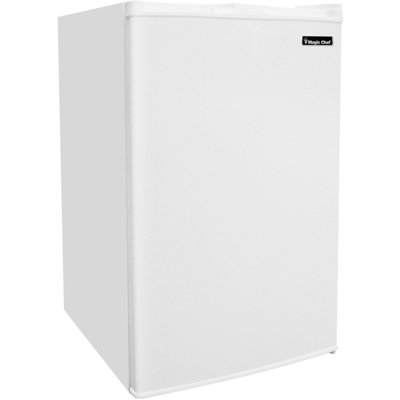
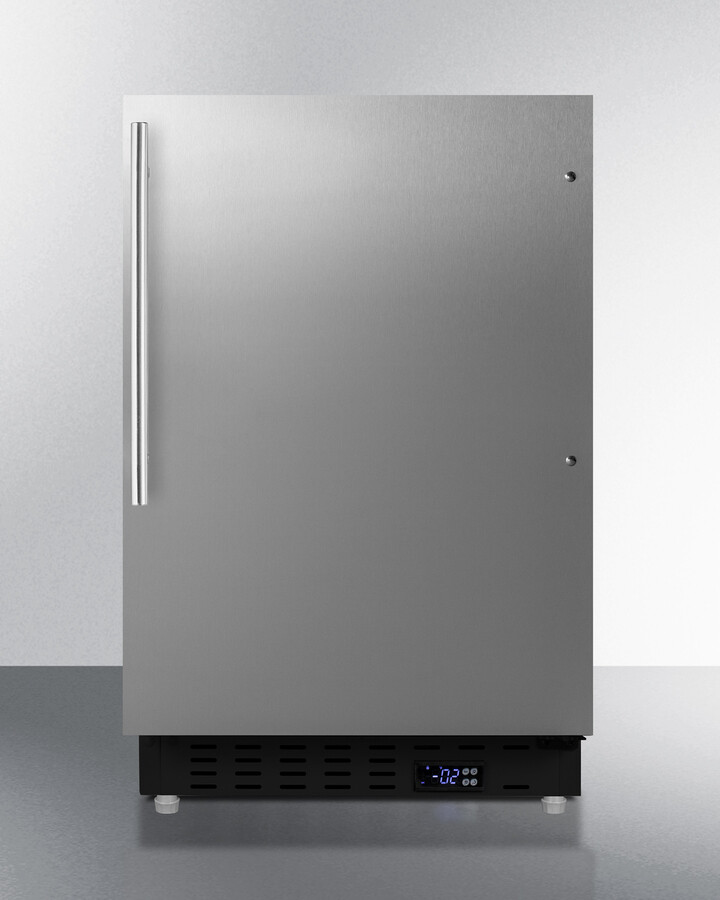
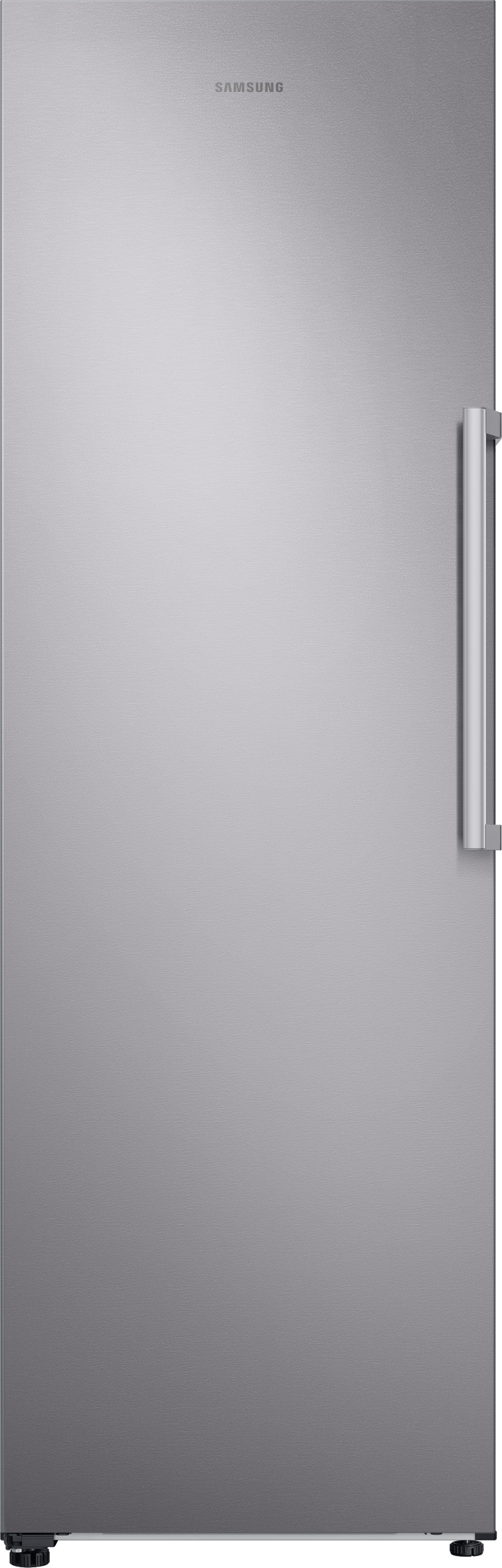
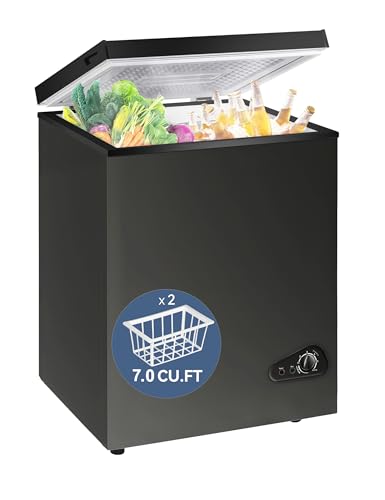
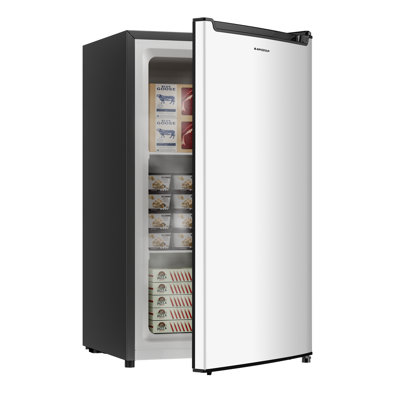
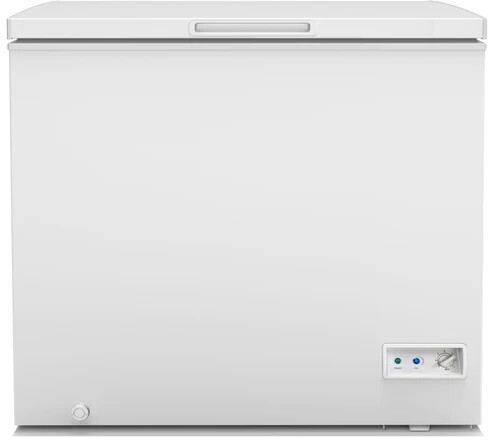
The ideal temperature for a deep freezer is 0°F (-18°C).
Homeowners should assess the amount of frozen food they typically keep and select a model that offers adequate storage.
For individuals looking to balance style and utility, it’s worth exploring the best compact refrigerators for small apartments or checking built-in freezers under 1000 where applicable.
Duration: Typically ranges from 1 to 5 years, covering parts and labor for repairs.
Deep freezers are an invaluable addition to many homes, providing extra storage for food products. They allow individuals and families to buy in bulk, reduce grocery trips, and minimize food waste. When properly utilized, deep freezers can help preserve the freshness of meat, vegetables, and other perishables for an extended period of time.
The convenience offered by deep freezers is particularly beneficial for food enthusiasts, busy families, and those who enjoy meal prepping. With a specialized appliance, one can store a significant amount of food, ensuring that meals are readily available at any time. This is especially relevant when entertaining guests or managing dietary restrictions.
How Deep Freezers Differ from Regular Freezers
Deep freezers differ significantly from standard freezers typically found in refrigerators. Understanding these differences can help consumers make informed decisions about which appliance best fits their needs.
Feature
Deep Freezers
Regular Freezers
Design
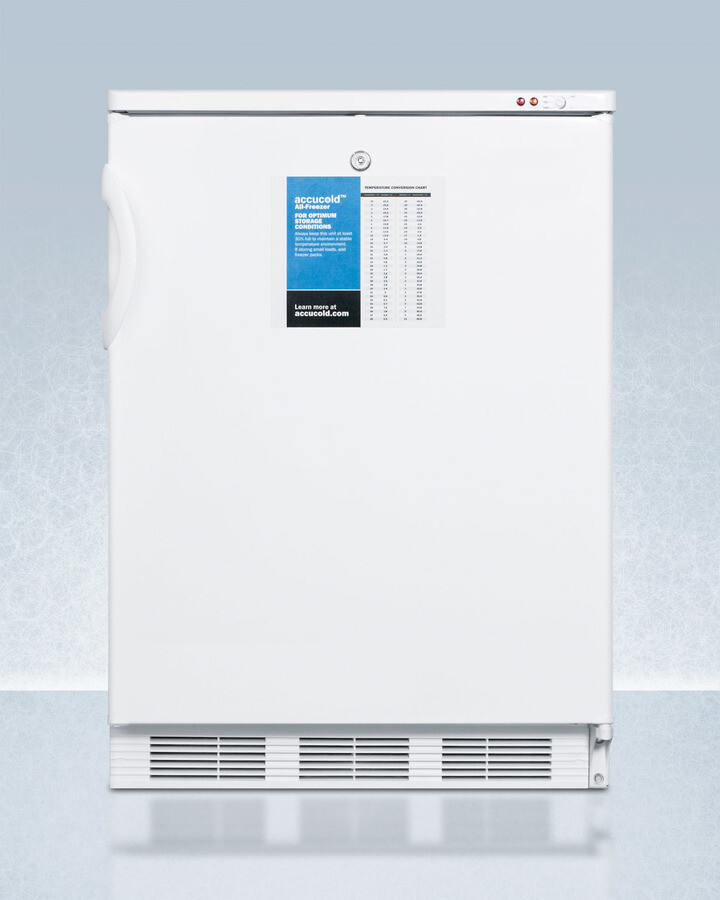
Chest or upright
Attached to refrigerator
Capacity
Higher capacity for bulk storage
Limited capacity
Temperature Control
Typically maintains lower, more consistent temperatures
May fluctuate based on refrigerator use
Organization
Often requires manual organization; may include baskets
Usually designed for convenience and accessibility
Deep freezers are intended for long-term food storage, while regular freezers are meant for immediate access to daily items. For those interested in how to maximize space and organization in freezers, refer to Fridge.com article on how to organize any freezer.
Choosing the right type of freezer is essential for optimizing food storage and reducing waste. Whether one decides to shop deep freezers or consider alternative options, understanding the unique features and advantages of each type is critical for any homeowner, roommate, or aspiring chef.
Before making a purchase, it is important to consider several factors that can influence the performance and suitability of a deep freezer for your needs.
Capacity and Size
The capacity and size of a deep freezer are crucial aspects to evaluate. Homeowners should assess the amount of frozen food they typically keep and select a model that offers adequate storage.
Size Category
Capacity Range
Ideal For
Compact
1.7 - 5.0 cu ft
Small apartments or dorms
Mid-size
5.1 - 10.0 cu ft
Small families or couples
Large
10.1 - 20.0 cu ft
Large families or bulk users
Extra Large
> 20.0 cu ft
Commercial use or avid cooks
Energy Efficiency
Energy efficiency is another important factor. Deep freezers can consume a significant amount of electricity, especially if not designed efficiently. Homeowners should look for models with an Energy Star rating to ensure they are making a cost-effective choice for long-term energy savings.
Energy Efficiency Ratings
Typical Usage (kWh/year)
Non-Energy Star
600 and above
Selecting an energy-efficient model can help save on utility bills while reducing environmental impact.
Features and Functions
Different models come with various features that enhance usability. Here are some features to consider:
Feature
Description
Adjustable Shelving
Customizable storage space for various foods
Temperature Control
Digital or manual settings for precise temperature
Alarm System
Alerts for temperature fluctuations or power loss
Locking Mechanism
Security for stored items
Interior Lighting
Improved visibility in low-light conditions
Understanding these features can help homeowners choose the right freezer that meets their specific needs. For more insights into deep freezers, consider options available under different categories, or explore shop deep freezers: deals to find the best offers.
Finding the right deal on deep freezers can significantly impact a budget. Homeowners, roommates, families, food enthusiasts, and influencers can benefit from understanding sale cycles and where to look for the best prices.
Understanding Sale Cycles
Deep freezer sales often align with seasonal trends and retailer schedules. To help identify the best times to purchase a deep freezer, consider the following sale cycles:
Sale Period
Description
Spring Sales
Many retailers offer discounts as people prepare for summer fun.
Back-to-School
Late summer and early fall often see promotions aimed at college students needing storage solutions.
Holiday Sales
Major holidays like Black Friday and President's Day feature deep discounts.
End of Season
Inventory clearances in late winter or early summer can lead to significant savings.
Monitoring these sale periods can help potential buyers choose the right time to shop for deep freezers. Staying updated with local advertisements and online flyers can provide insights into upcoming promotions and clearance sales.
Where to Find Deep Freezer Deals
Various places offer competitive deals on deep freezers. Common sources include:
Big-Box Retailers: Stores such as home improvement centers and large department stores often have a wide selection of models with seasonal discounts.
Online Marketplaces: Websites specializing in home appliances frequently run promotions and provide price comparisons.
Manufacturer Websites: Bookmarking manufacturers' sites can allow shoppers to access exclusive deals, rebates, and clearance models.
Local Appliance Stores: Checking smaller, local stores may yield unexpected deals and personalized service.
Being informed about shopping trends and knowing where to look makes it easier to find the best deep freezers at competitive prices while ensuring quality and functionality.
When considering the purchase of a deep freezer, it’s essential to understand the different models available. Each type serves unique purposes and caters to various needs. This section will review three popular models: chest freezers, upright freezers, and portable freezers.
Chest Freezers
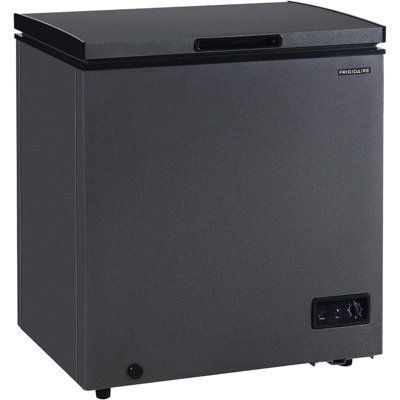
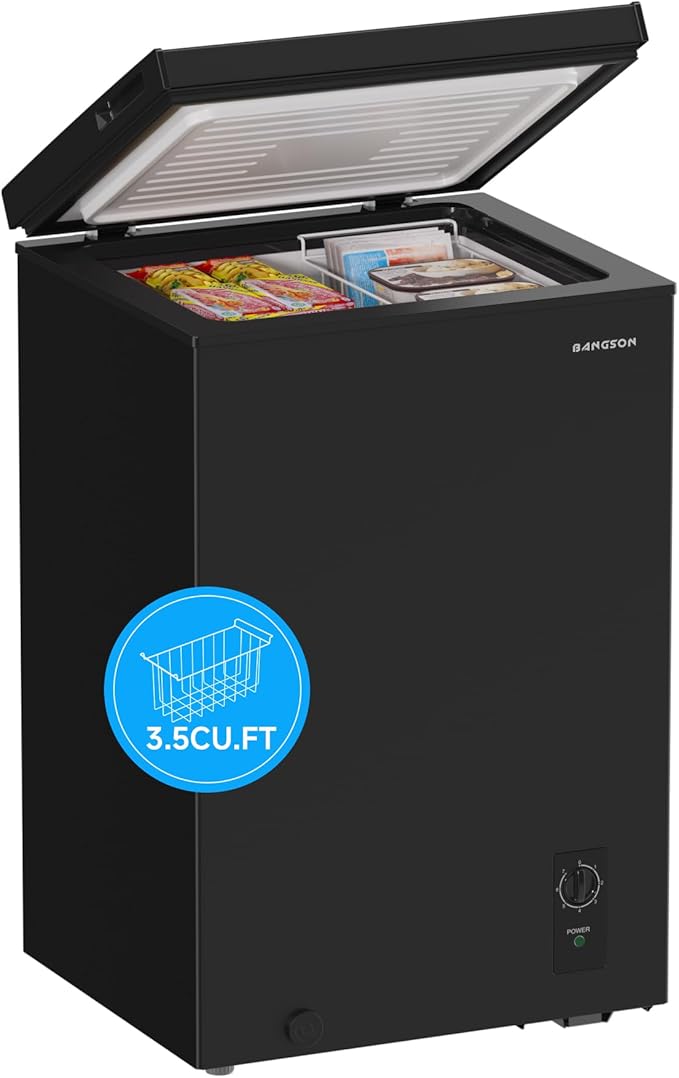
Chest freezers are known for their spacious storage capacities. They open from the top and offer a wide area for storing large quantities of food. This design makes them ideal for individuals or families who buy in bulk.
Advantages
Greater energy efficiency compared to upright models
Better temperature retention when opened
Suitable for long-term storage
Common Sizes and Capacities
Size
Capacity
Small
5 - 7 cu ft
Medium
8 - 15 cu ft
Large
16 - 25 cu ft
For homeowners wanting ample storage, chest freezers can be beneficial. For more specific needs, they should consider accessories like baskets for better organization.
Upright Freezers
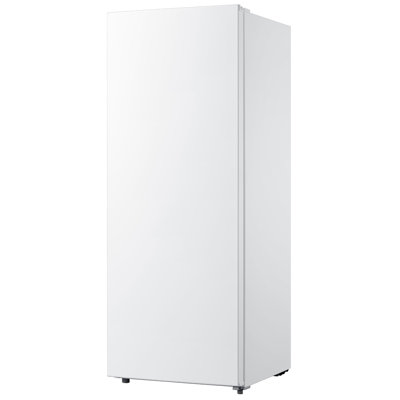
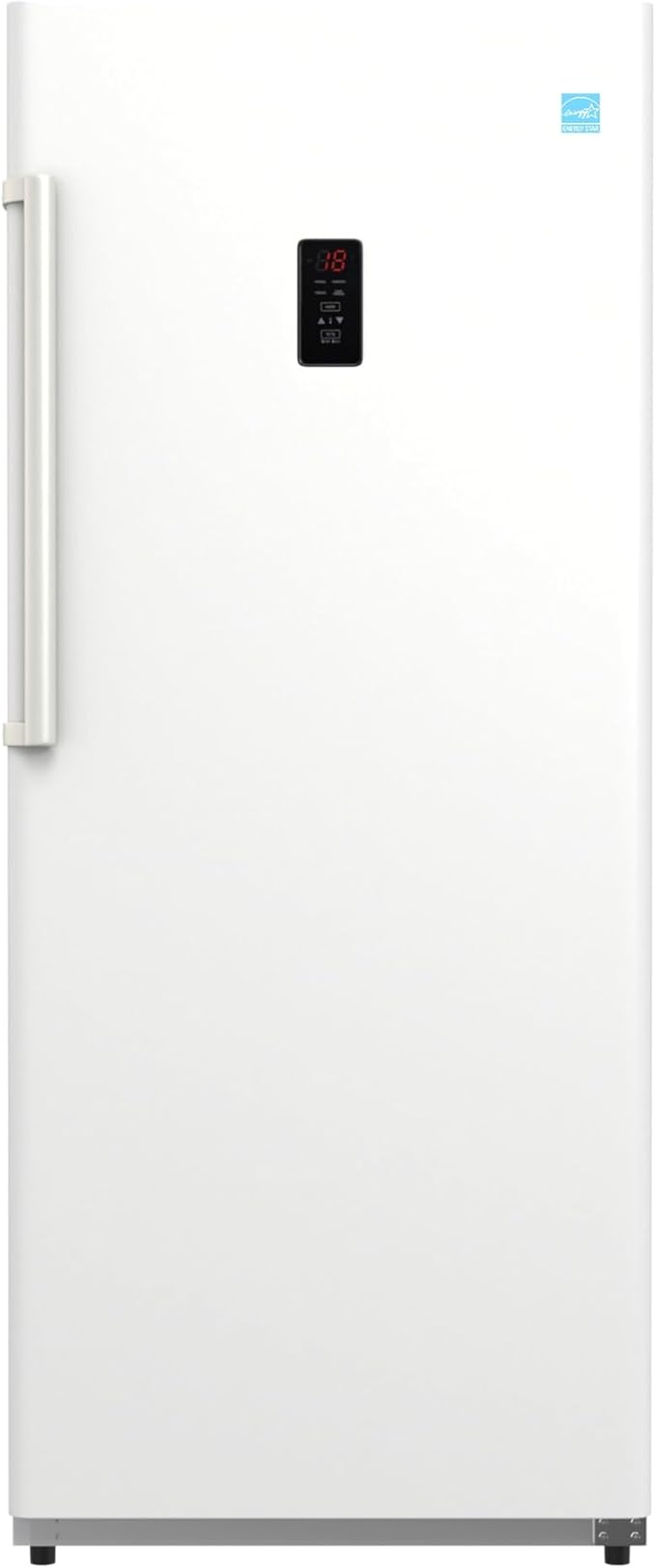
Upright freezers offer a more compact design compared to chest freezers, making them easier to fit into tighter spaces. They open from the front like a traditional refrigerator, providing easy access to items.
Advantages
More shelves and organizational options
Easier to access food without bending over
Less floor space required
Common Sizes and Capacities
Size
Capacity
Small
5 - 8 cu ft
Medium
9 - 18 cu ft
Large
18 - 30 cu ft
Upright freezers are particularly suitable for smaller kitchens or for those who want the convenience of organization. There are even options with frost-free technology to minimize maintenance.
Portable Freezers
Portable freezers are designed for those who need a chill spot on the go. These compact units can be used for camping, road trips, or even as supplementary storage in a small kitchen.
Advantages
Lightweight and easy to transport
Versatile usage (can be plugged into a car's power supply)
Ideal for temporary storage solutions
Common Sizes and Capacities
Size
Capacity
Small
1 - 3 cu ft
Compact
4 - 7 cu ft
Portable freezers are perfect for foodies and families who enjoy outdoor activities or need extra storage for events. They may not have the capacity of larger models but offer convenience for specific needs.
Understanding the different types of deep freezers helps homeowners, food enthusiasts, and families make informed decisions based on their individual requirements. Whether one prefers a chest freezer for bulk storage, an upright for organization, or a portable option for on-the-go use, there is a model suitable for everyone.
Making an Informed Purchase
When consumers decide to shop deep freezers: deals, it is essential to understand the various specifications and warranties associated with the models they are considering. This knowledge can greatly influence the quality and longevity of the purchase.
Reading and Understanding Specifications
Specifications provide vital information about a deep freezer's capabilities and limitations. Key specifications to consider include:
Specification
Description
Capacity
Measured in cubic feet, indicating how much food it can hold. Typical sizes range from 5 to over 20 cubic feet.
Temperature Range
Refers to the lowest temperature the freezer can reach, often essential for optimal food preservation.
Dimensions
Physical size of the appliance, ensuring it fits in the designated space at home.
Weight
Important for transport considerations.
By carefully reviewing these specifications, consumers can select a freezer that aligns with their storage needs and space requirements. For additional details on energy consumption, readers may visit Fridge.com article on is it expensive to buy a fridge in the usa?.
Warranty and Customer Service
Warranties vary by manufacturer and model, and understanding them can save consumers significant costs over time. Key aspects to review include:
Duration: Typically ranges from 1 to 5 years, covering parts and labor for repairs.
Coverage: Ensures what parts of the appliance are included in the warranty, such as circuit boards, compressors, or seals.
Service Options: Availability of customer service support for troubleshooting and repairs.
A comprehensive warranty offers peace of mind, as it can address potential failures without hefty out-of-pocket expenses. Understanding these terms helps consumers make a more informed decision, ensuring they select a model that offers solid support should issues arise.
By prioritizing the reading of specifications and being aware of warranty details, individuals can confidently navigate their options when looking to shop deep freezers: deals. This strategy sets the stage for a successful acquisition that meets both their culinary storage needs and budget.
Maintaining a deep freezer is crucial to ensure optimal performance, longevity, and food safety. This section covers essential maintenance tasks including defrosting procedures, cleaning and odor control, and temperature calibration.
Defrosting Procedures
Regular defrosting helps to maintain the efficiency of deep freezers. Ice buildup can hinder airflow, causing the appliance to work harder and consume more energy. Here are recommended steps for effective defrosting:
Empty the Freezer: Remove all food items. Consider transferring them to a cooler to keep them frozen.
Unplug the Unit: Disconnect the power to ensure safety during the defrosting process.
Allow Ice to Melt: Leave the freezer door open to allow ice to melt naturally. For faster results, place bowls of hot water inside.
Scrape Off Loose Ice: Use a plastic scraper to gently remove any stubborn ice.
Clean Up: Once defrosted, clean the interior with a mixture of warm water and mild detergent.
Reconnect and Restock: Plug the freezer back in, allow it to reach the correct temperature, and then restock food items.
Task
Frequency
Defrosting
Every 6 months or when ice buildup exceeds 1/4 inch
Cleaning and Odor Control
Regular cleaning helps prevent odors and keeps the freezer hygienic. Follow these cleaning tips:
Clean Regularly: Wipe down the interior surfaces monthly with a mild soap solution.
Odor Elimination: To eliminate odors, place an open box of baking soda inside the freezer. Replace it every 3 months.
Storage Containers: Use airtight containers for food storage to minimize odor transfer.
Cleaning Task
Frequency
Wipe Interior
Monthly
Replace Baking Soda
Every 3 months
Clean Exterior
Every 2 months
Temperature Calibration
Maintaining the correct temperature is essential for food preservation. The ideal temperature for a deep freezer is 0°F (-18°C). Here’s how to ensure your freezer maintains the right temperature:
Use a Thermometer: Place an appliance thermometer inside the freezer to monitor the temperature accurately.
Adjust Temperature Settings: If necessary, adjust the thermostat according to the thermometer reading until the desired temperature is achieved.
Regular Checks: Check the temperature weekly, especially after adding a large amount of food to the freezer.
Temperature Setting
Recommended
Ideal Temperature
0°F (-18°C)
By adhering to these maintenance tips, individuals can ensure their deep freezers run efficiently, prolong their lifespan, and keep food items safe and fresh. For more insights on the variety of freezer models available, visit Fridge.com section on shop deep freezers: deals.
From Fridge.com research
Figures below come from data Fridge.com builds and maintains. Each links to the record behind it.
Fridge.com Energy Index, built on U.S. EPA and DOE ENERGY STAR records
Across 5,455 ENERGY STAR certified refrigerators and freezers from 263 brands, median use is 360 kWh per year.