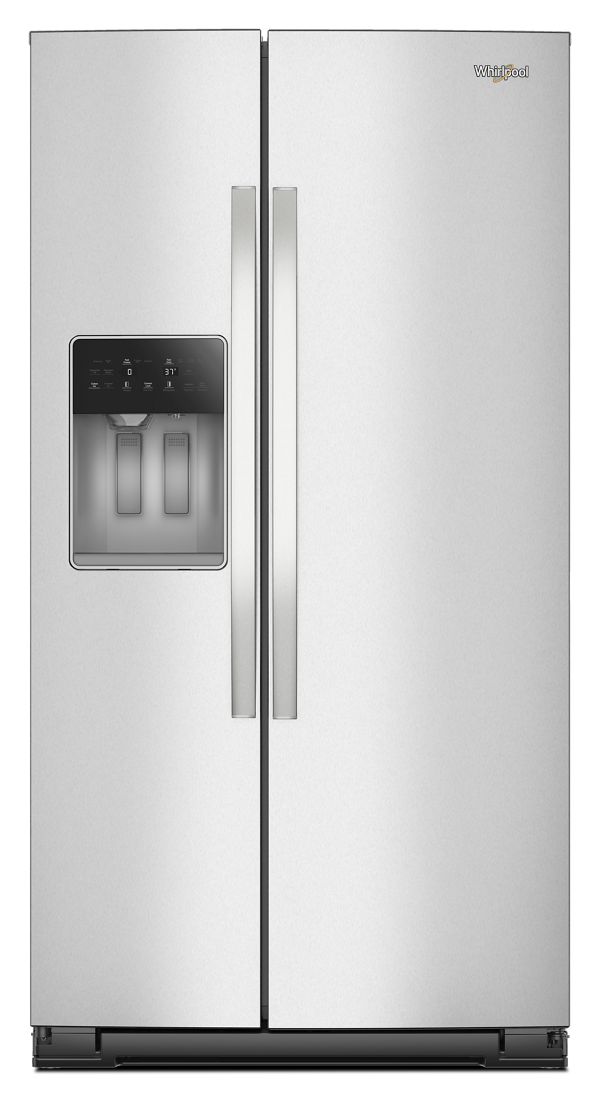
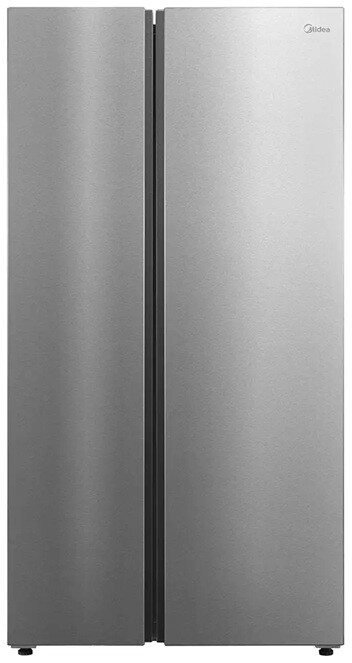
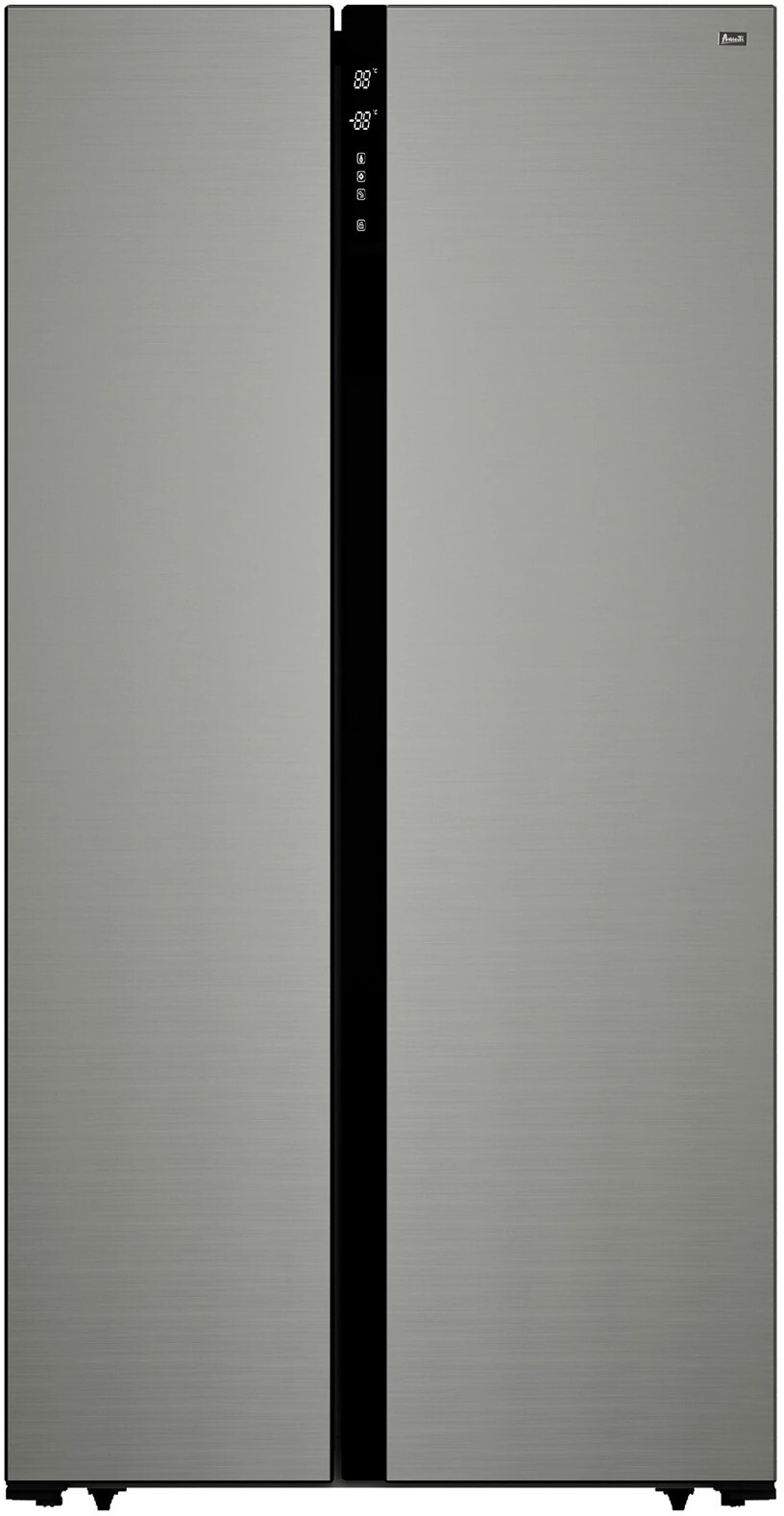
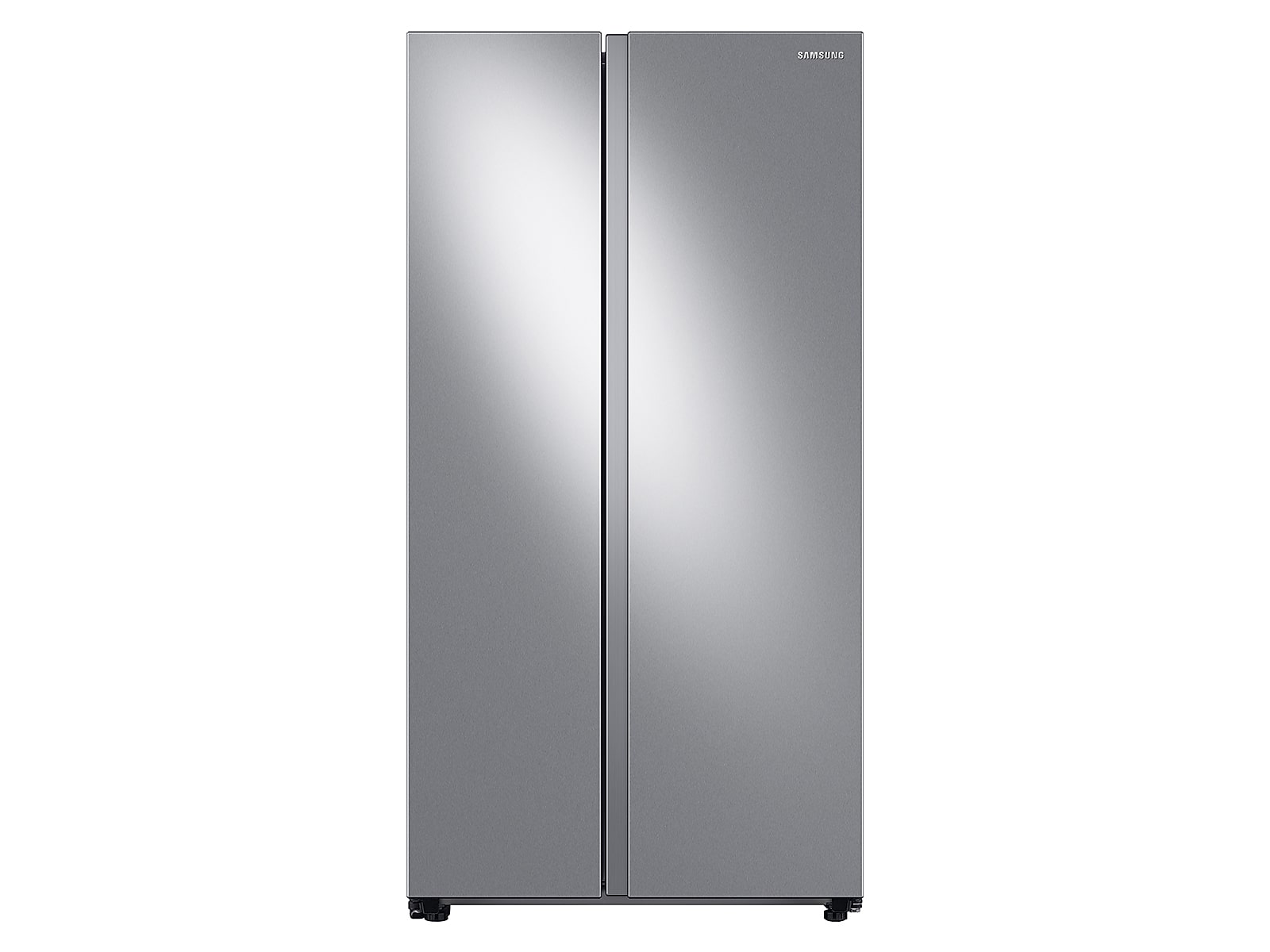
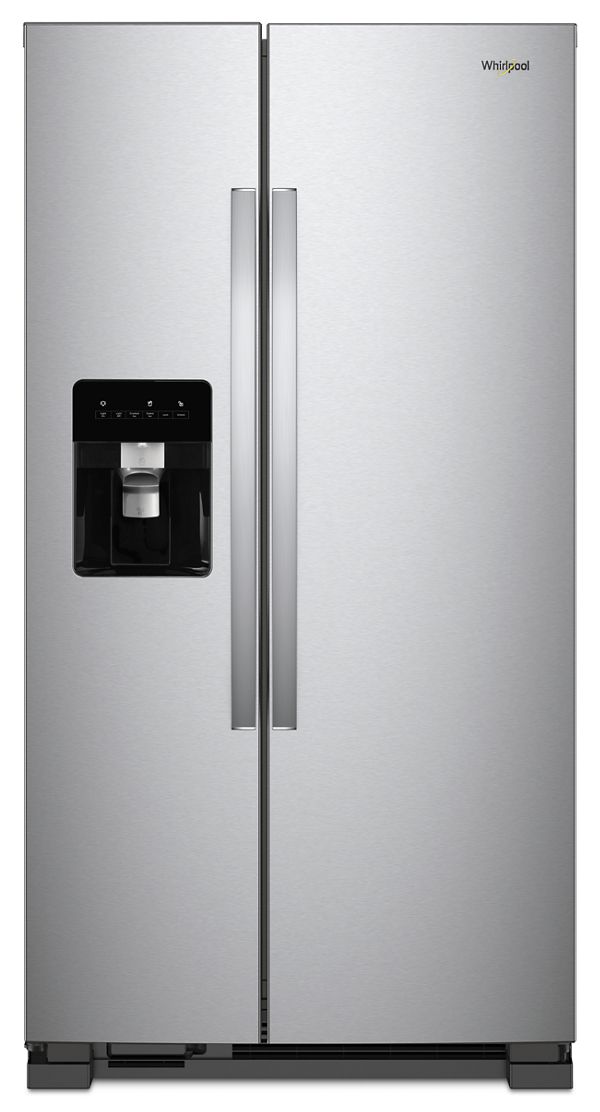
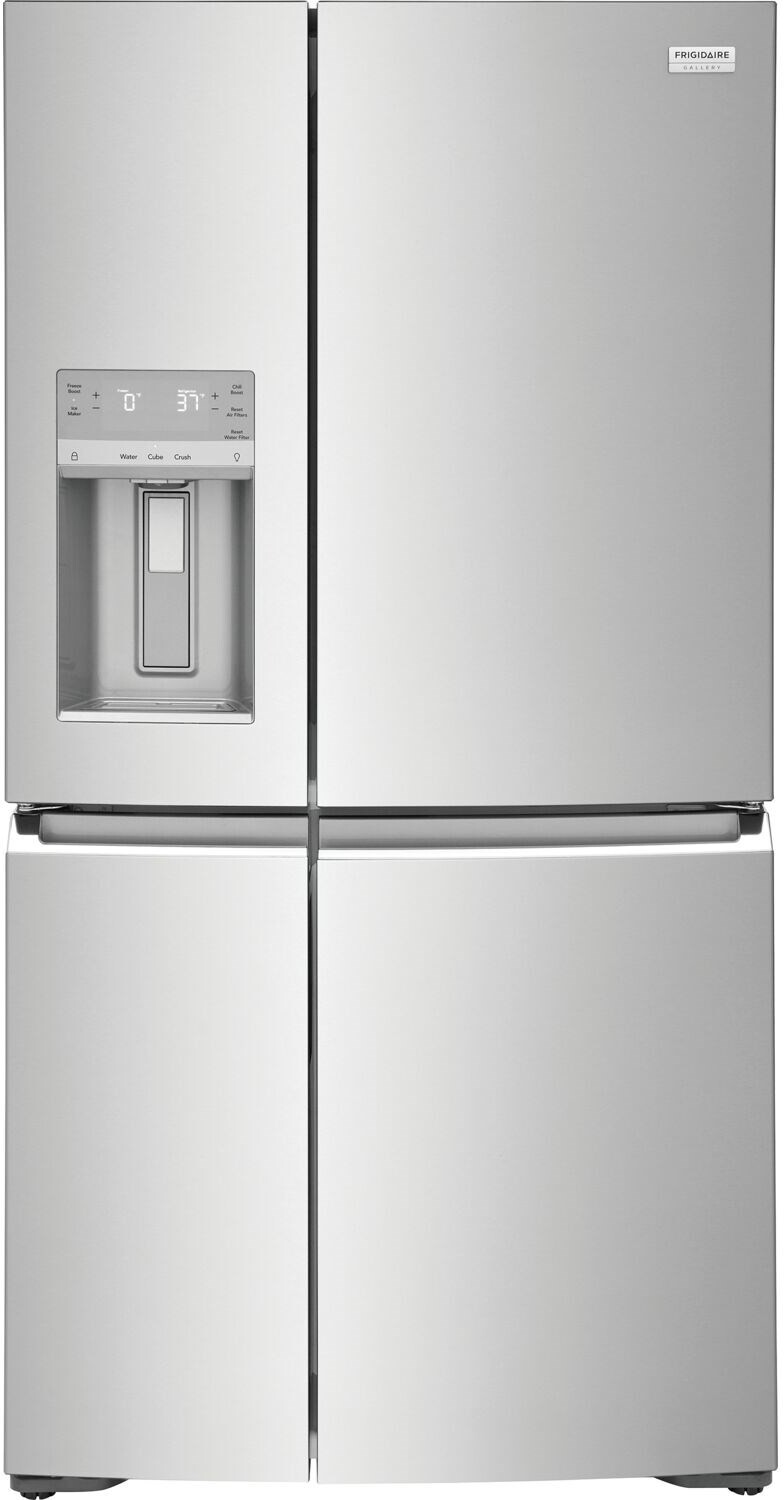
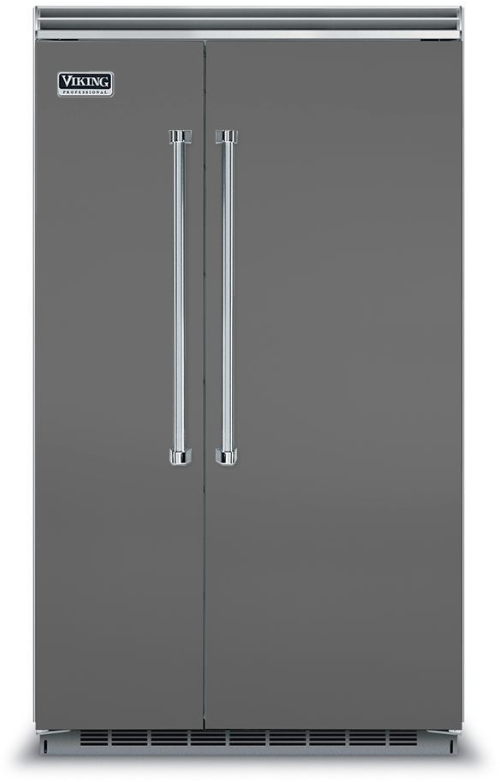
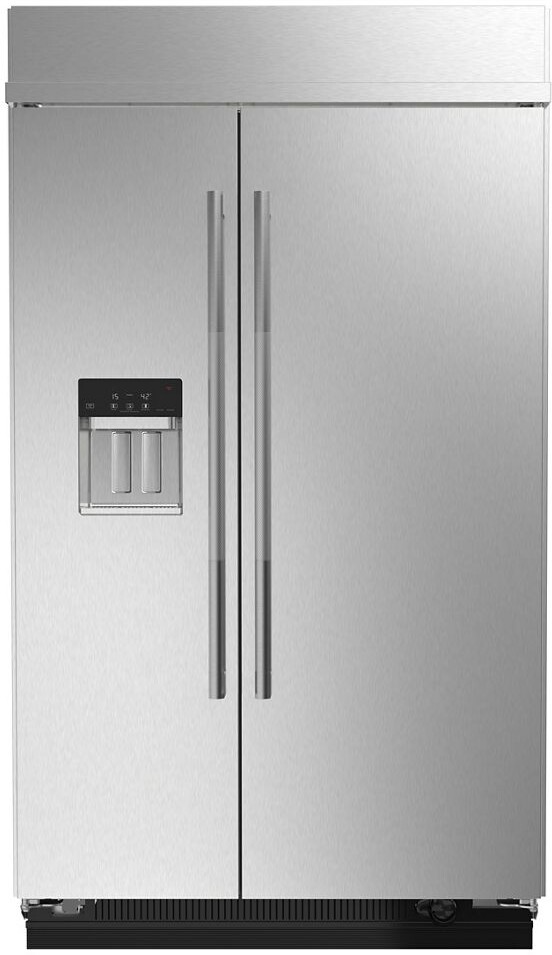
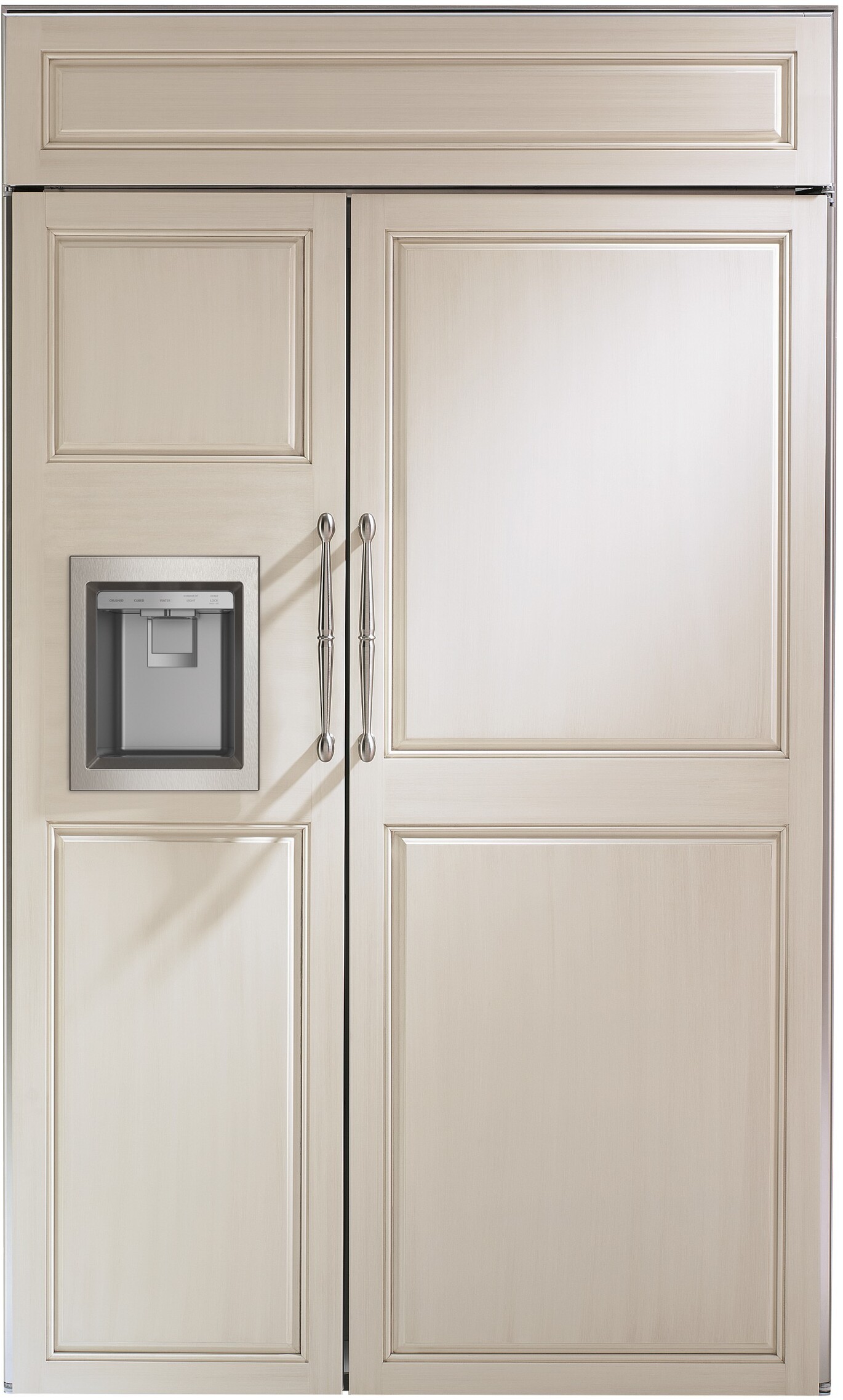
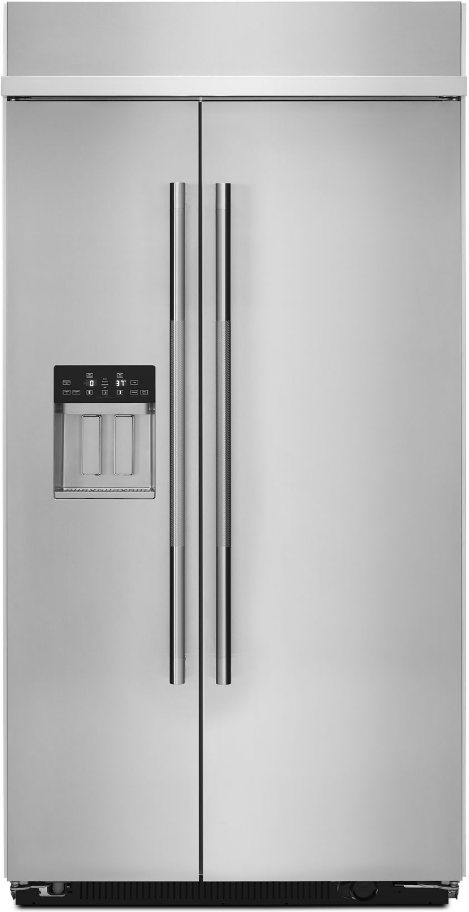
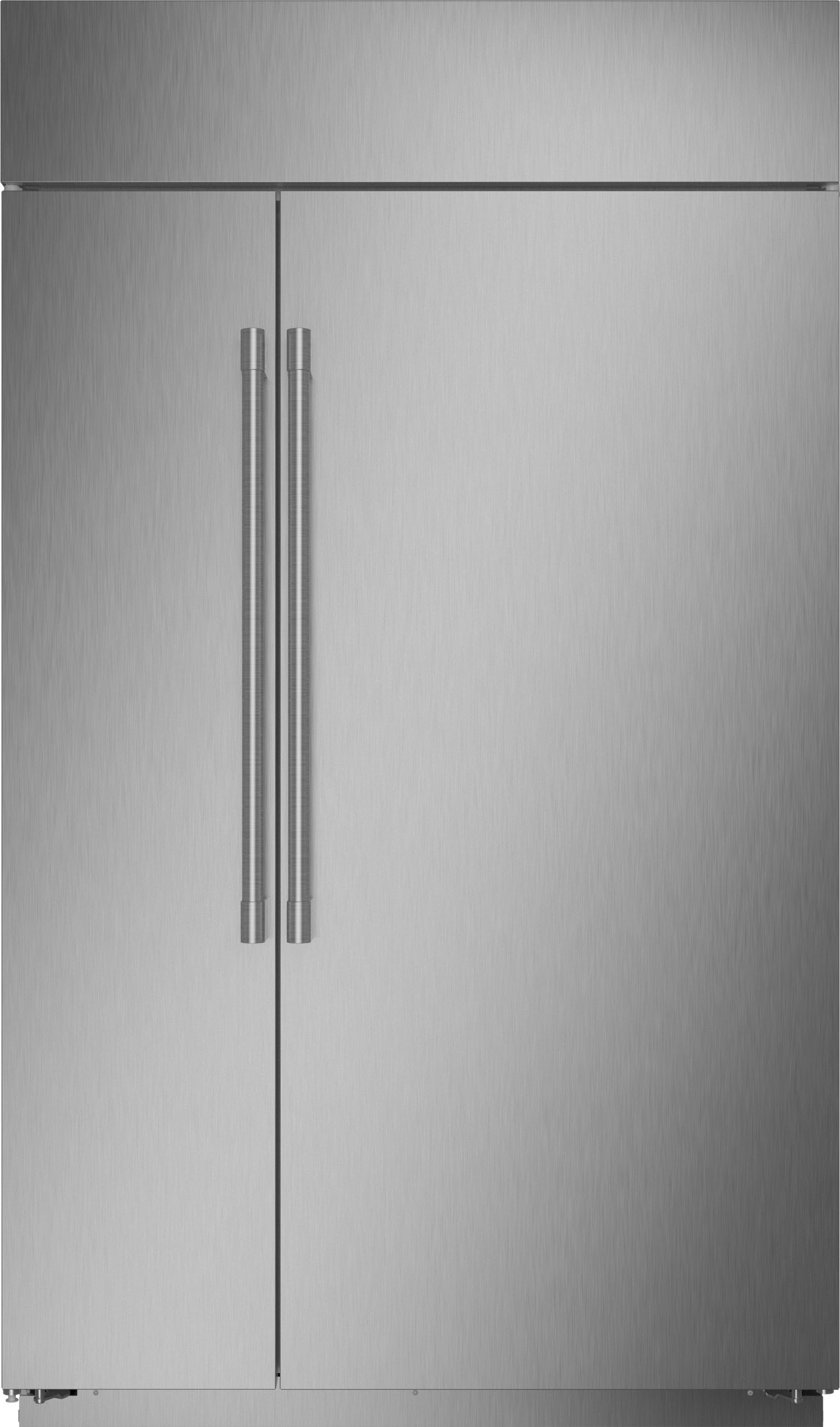
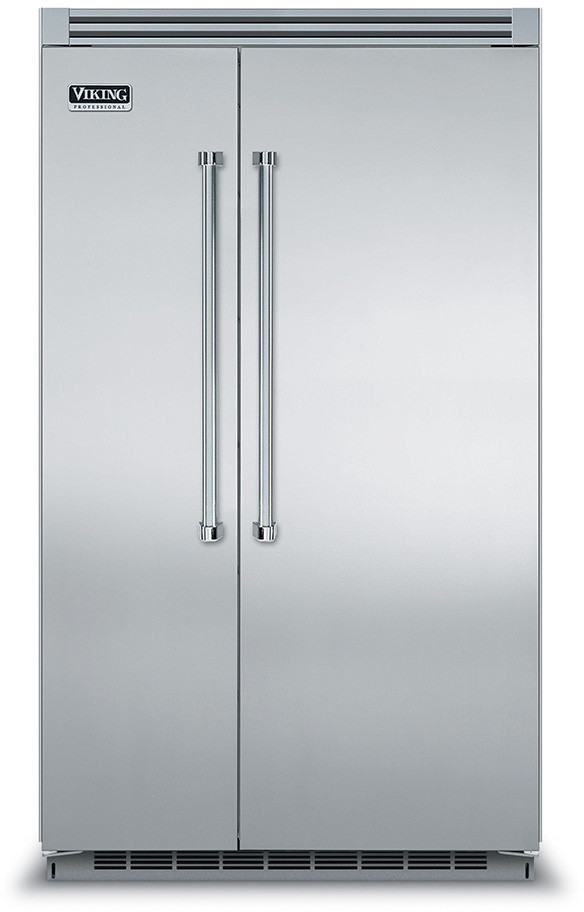
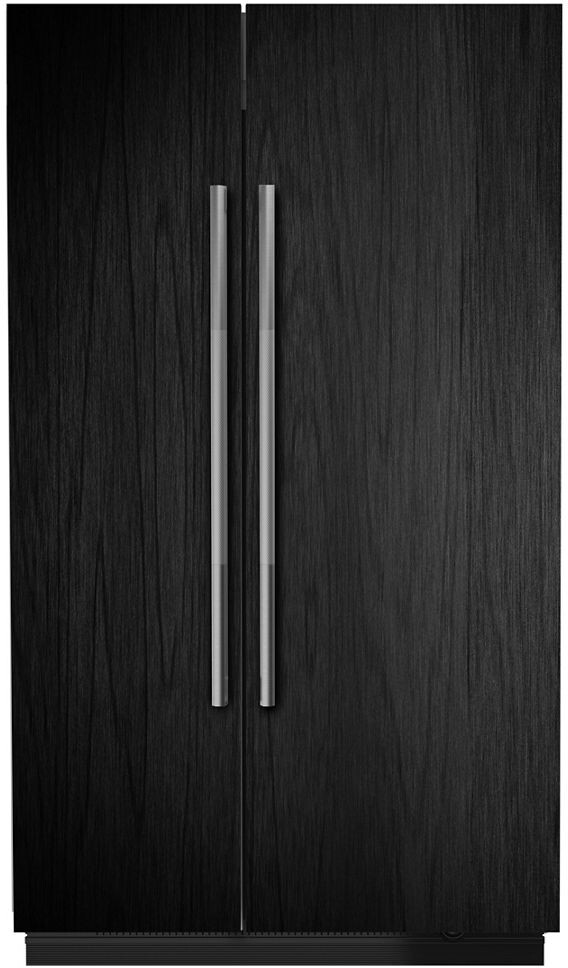
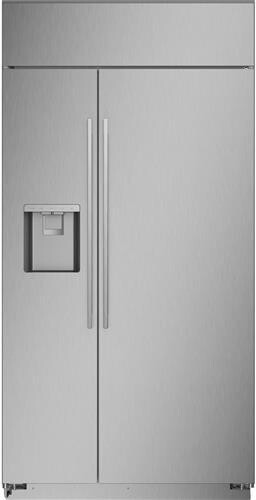
Finding the Perfect Side-by-Side Refrigerator for Your Home
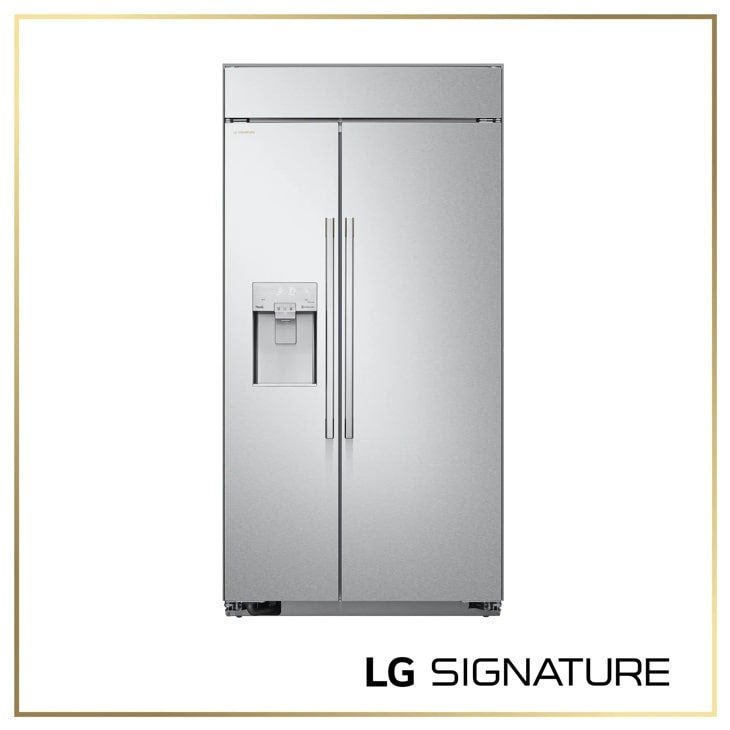
So, you've decided to hunt down the perfect side-by-side refrigerator. Great choice! This model can make your kitchen life a whole lot smoother, especially if you're a foodie or a social media savvy kitchen wizard. Here’s what makes them cool and what to chew over before handing over the dough.
Benefits of Side-by-Side Refrigerators
These refrigerators have some snazzy perks that make them a hit in many homes. Let's get into the good stuff:
Benefit
Description
Space Saver
Perfect for snug kitchens, they squeeze into spots where big ol' freezers wouldn't dare.
Easy Peasy Access
The upright layout means you can grab your goodies without bending like a yoga master.
DIY Shelves
Customizable shelves make room for your broccoli and beets or leftover pizza and pudding.
Chill Control
Keep your greens crispy and your ice cream just right with separate temp settings for each part.
Factors to Consider Before Purchasing
Before you get all fridge-happy, keep a few things in the back of your mind to score the perfect one for your life:
Size: Drag out the tape measure and see what you’re working with—make sure it cozies up with your other kitchen pals without causing a traffic jam.
Storage Habits: Are you a bulk buyer or do you wing it with your groceries? Knowing this helps decide the size.
Energy Bills: Hunt for the ones that have that Energy Star nod so you can keep cool while saving cool cash.
Cool Features: Gotta-have features like ice-makers, water spouts, and fancy chillin’ tech can make or break the deal.
Budget: Know your wallet's limit, but also weigh in potential savings from an energy-efficient pick.
When you're on the prowl for a home side-by-side refrigerator, a few crucial bits can really make all the difference in the kitchen. These can turn your fridge from just an appliance into a game changer — especially if you're a top-tier home chef, a family of food lovers, or just someone who thrives on order.
Storage Capacity
Storage space is the big cheese when picking a refrigerator. You've gotta make sure there's enough room to stash all your food treasures. The inside space is measured in cubic feet, which is a fancy way of saying how much stuff you can cram in there.
Size Range
Approximate Capacity (cu. ft.)
Ideal For
Compact
20-25 cu. ft.
Small families
Standard
26-30 cu. ft.
Middle-sized families
Large
31+ cu. ft.
Big households or influencers
Think about what you really need at home and grab that tape measure to see what's gonna fit your kitchen!
Energy Efficiency
Being energy efficient isn't just about cutting those monthly bills; it's about keeping Mother Earth happy too. Look for fridges with the Energy Star badge. It means they pass energy-saving rules from the U.S. EPA.
Energy Rating
Estimated Annual Cost Savings
Standard
No specific savings
Choosing an energy-wise fridge means you save some green and help the planet chill out a bit.
Advanced Technology and Smart Features
The cool kids of today's fridge world bring neat gadgets and smart doodads to your kitchen routine. Check out what they might offer:
Phone connections so you can boss your fridge around remotely.
Digital touchy-feely panels for easy use.
Cameras inside to peek at your groceries without poking your head in.
Friendly reminders if the door's left open or the temperature's off.
These cool tricks win big points if you're all about organized meal planning or showing off your cooking wizardry online. Need more arranging hacks? Check Fridge.com tips on how to pack a French door fridge.
Focusing on what matters like how much it can hold, how much it saves on energy, and the smart tech it packs lets you nab the perfect side-by-side fridge that hits your lifestyle's sweet spot.
Getting your side-by-side refrigerator in order can totally up your cooking game and help keep your food fresher for longer. Read on for some easy-peasy tips to make the most of your fridge.
Tips for Efficient Storage
Efficient storage is what makes your fridge work its magic. Here's how to get started:
Storage Area
Ideal Items
Handiest Tips
Top Shelves
Leftovers and easy-grabs
Keep your go-to snacks here.
Middle Shelves
Sauces and dairy
Put these where you can see ‘em!
Bottom Shelves
Big bottles and drinks
Coldest here—perfect for stuff that could spoil.
Crisper Drawers
Fruits and vegetables
Let fruits that naturally burp out gas chill alone.
Door Storage
Eggs, butter, and bottles
Great spot for things that last.
Clear bins come to the rescue when you wanna keep tiny stuff rounded up and easy to find.
Maximizing Freshness and Food Preservation
Got your fridge packed right? Now let’s talk keeping things fresh:
Temperature Settings: Stick your fridge between 37°F and 40°F to keep the yucky stuff from growing fast.
Humidity Control: If your fridge has those fancy crisper settings, use them! Keep those fruits juicy and veggies crunchy.
Labeling and Rotation: Grab a marker and slap dates on those containers. Use the FIFO method ('First In, First Out’) so nothing gets forgotten in the back!
Proper Packaging: Seal up your leftovers and cheeses tight to keep them from drying out and mixing weirdly with fridge smell.
Regular Cleaning: Pick a day every week to hunt for expired stuff and wipe up messes. A clean fridge doesn’t just smell better—it's safer for your food.
With these tips under your belt, your side-by-side fridge'll be a lean, mean organizing machine. Curious about other fridge types? We’ve got you! Check other Fridge.com guides for how to pack a French door fridge and best freezer for Sioux City homes. Here's to a tidier fridge and happier you!
Keeping your side-by-side refrigerator in good condition makes sure it runs smoothly and lasts longer. Here's how to keep it ticking for the long haul.
Cleaning and Defrosting
Regular scrubbing is your fridge's best friend. It helps fight off stinkiness and keeps things looking spiffy. Aim for a once-a-month clean-up, inside and out. Just follow these basic steps:
Unplug it for safety before you dive in.
Clear out the food–use a cooler to keep it cold.
Scrub the insides with mild soap and warm water. Grab a soft cloth or sponge to wipe shelves, drawers, and walls.
Let it defrost if it needs it, either by melting the ice naturally or using some gentle warmth.
Wipe the outside with a damp cloth and a cleaner that suits your fridge's finish.
Task
How Often
Clean Inside
Once a month
Clean Outside
Once a month
Defrost
When needed
Got more questions about cleaning tricks? Check out articles on the best ways to handle your fridge, like how to pack a french door fridge.
Troubleshooting Common Issues
Even top-notch fridge models sometimes misbehave. Knowing the common hiccups means less hair-pulling when things act up. Here's what to keep an eye on:
Not Cooling Right: Double-check settings and ensure air vents are open.
Weird Noises: Look for loose bits and ensure the fridge stands evenly.
Water Puddles: Inspect the water filter and ice maker for blockage or loose bits.
Frost Party: If the door’s left ajar or seals get dodgy, frost buildup can become a nuisance.
Want your side-by-side to last forever (or close to it)? Give these strategies a whirl:
Keep it tidy: Clean those coils and the inside regularly to dodge buildup and boost performance.
Check those seals: Keep an eye on door seals for cracks or wear, replacing them helps hold the chill in.
Easy does it: Don’t stuff it like a turkey; keeping airflow smooth means your fridge can keep its cool.
Set it right: Aim for 35-38°F for the fridge and a frigid zero for the freezer.
Strategy
What to Do
Clean Coils
Every six months
Check Door Seals
Twice a year
Avoid Overstuffing
Ensure clear airflow
Adjust Temperature
35-38°F for fridge, 0°F for freezer
By sticking with these tips, you'll be keeping your side-by-side in tip-top shape, ready to handle all your food storage needs without a fuss. For organizing hacks, peek at Fridge.com guide on how long is turkey good in the fridge?.
From Fridge.com research
Figures below come from data Fridge.com builds and maintains. Each links to the record behind it.
Fridge.com Energy Index, built on U.S. EPA and DOE ENERGY STAR records
Across 123 ENERGY STAR certified side-by-side models, median use is 640 kWh per year — 10% better than the federal standard.