Finding the best freezer for Rock Hill homes means matching your lifestyle, space and budget to the right model. Whether you’re a home cook stocking up on batch meals, a family storing bulk groceries or a craft beer fan looking to chill kegs, your freezer needs can vary widely. In Rock Hill’s humid subtropical climate, you’ll also want an appliance that handles warm garage temperatures or fits seamlessly into your kitchen. In this guide, you’ll learn how to assess capacity, compare styles, weigh energy savings and pinpoint features that matter most. By the end, you’ll be ready to pick the ideal freezer for your Rock Hill abode.
Assess your freezer needs
Before you browse models, get clear on how you’ll use your freezer. Answering these questions upfront will save time and prevent buyer’s remorse.
- How much space do you have? Measure height, width and depth of the intended spot. Don’t forget to allow 2–3 inches of clearance for ventilation.
- What will you store? Bulk meats, frozen produce for meal prep, ready-to-eat snacks, craft beer or specialty items like frozen baby food all have different storage demands.
- How often do you access it? A chest freezer may hold more, but an upright model gives quicker access to items you pull daily.
- Where will it go? Indoor kitchen, garage or outdoor kitchen? If you’re considering a garage installation, check whether your model works reliably in high or low temperatures by reviewing specs or consulting support—especially if you’re asking, will my fridge freezer work in the garage?.
- What’s your budget? Freezers range from a few hundred dollars for compact models to over a thousand for premium built-in units.
Jot down your answers and rank them by priority. That roadmap will guide you through the options ahead.
Explore freezer types
Freezers come in several styles. Here’s a quick comparison to help you decide which family fits your needs.
| Type | Best for | Pros | Cons |
|---|---|---|---|
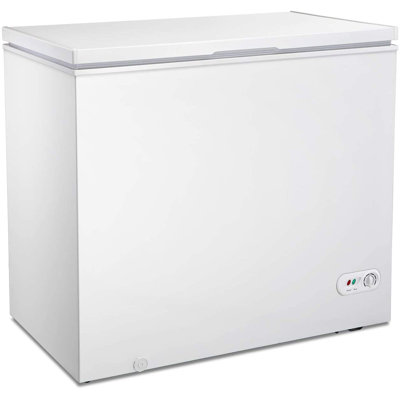
| Chest freezer | Bulk storage, meal prep | Energy efficient, more cubic feet per dollar | Requires bending to access items |
| Upright freezer | Frequent access, organized storage | Shelves and bins, easy to organize | Slightly higher energy use than chest |
| Undercounter | Small kitchens, bonus storage | Fits beneath counters, sleek look | Limited capacity |
| Built-in | Seamless kitchen design | Integrated flush mount, premium finish | Higher cost, professional installation |
| Portable/freezer for RV | Camping, tailgating | Runs on 12V/110V, compact | Smaller capacity, less insulation |
Chest freezers
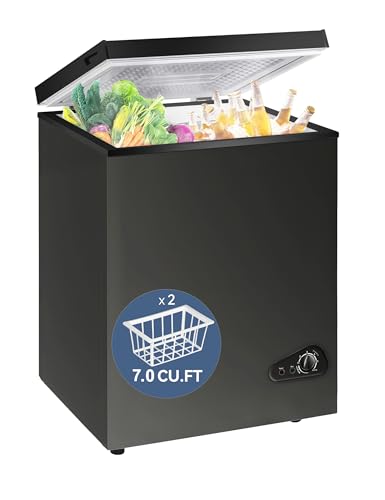
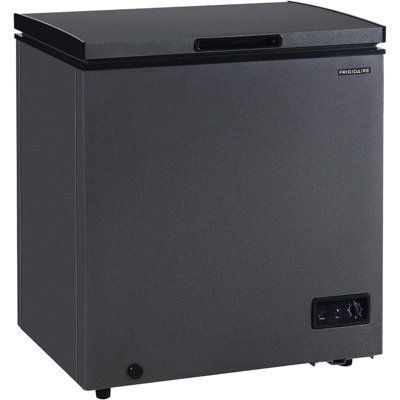
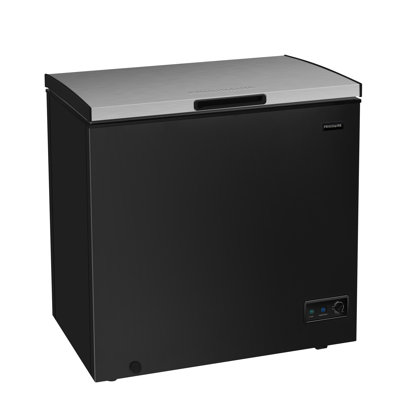
Ideal for large families and serious bulk buyers, chest freezers offer top-down access and generally lower energy costs. You’ll find models from 5 to 25 cubic feet. If you stock up on meat, frozen fruits or meal-prep batches, this style maximizes usable volume. Consider adding freezer baskets or gallon food storage freezer bags to keep items visible and easy to reach.
Upright freezers
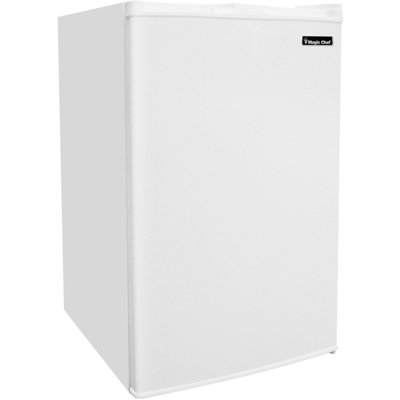
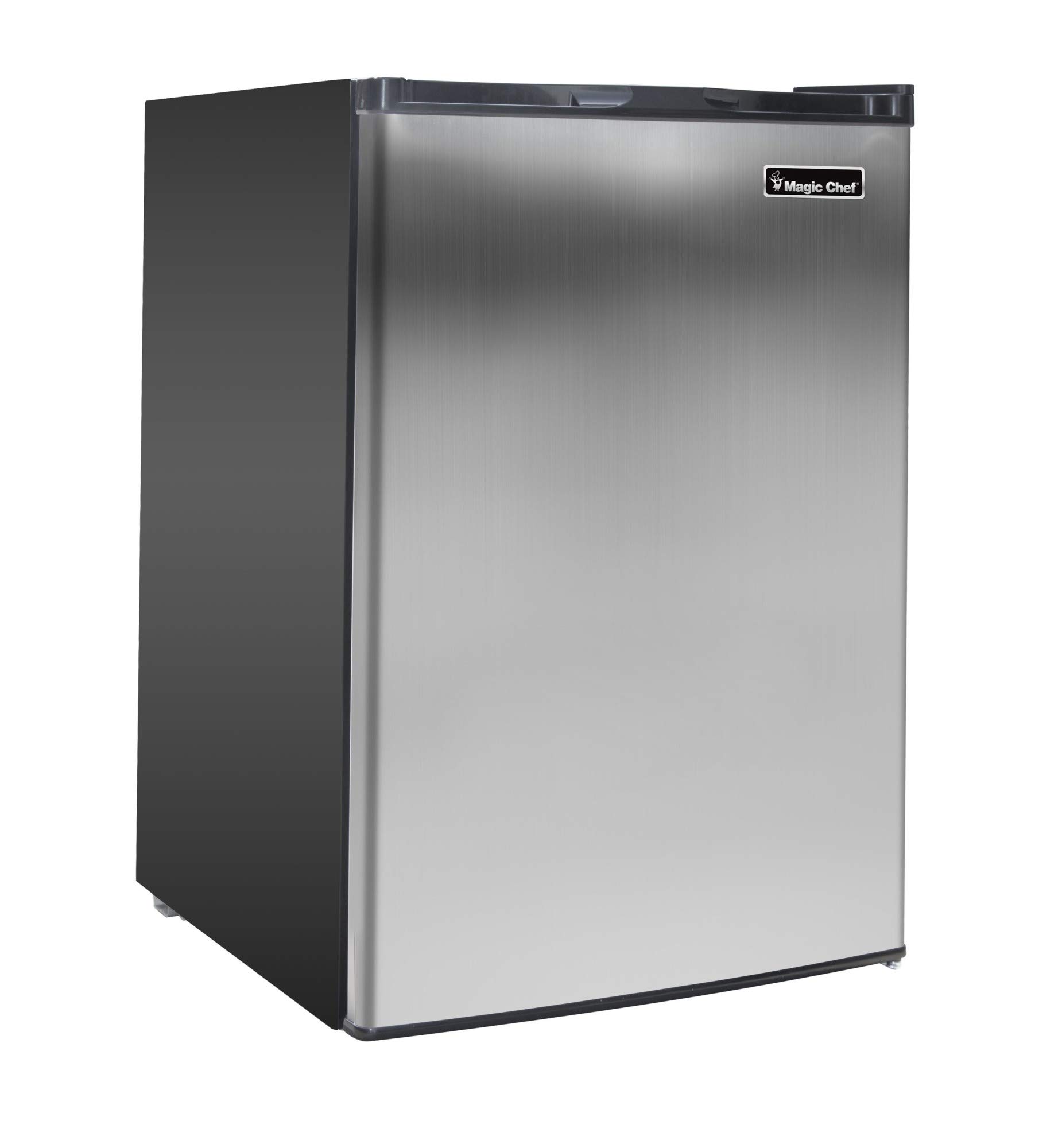
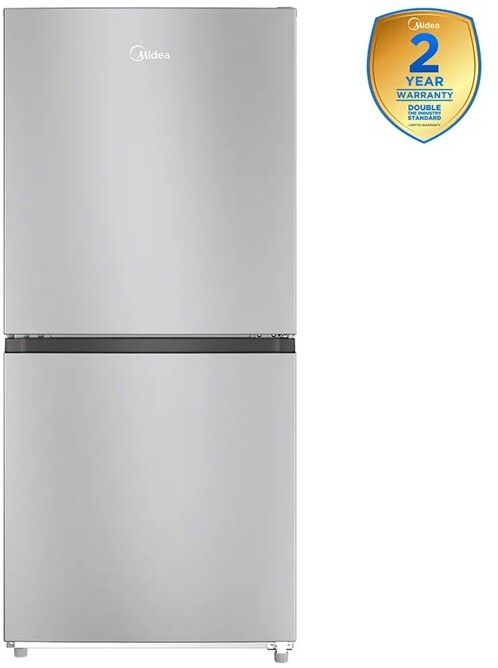
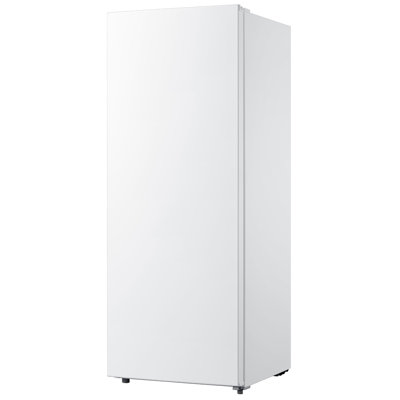
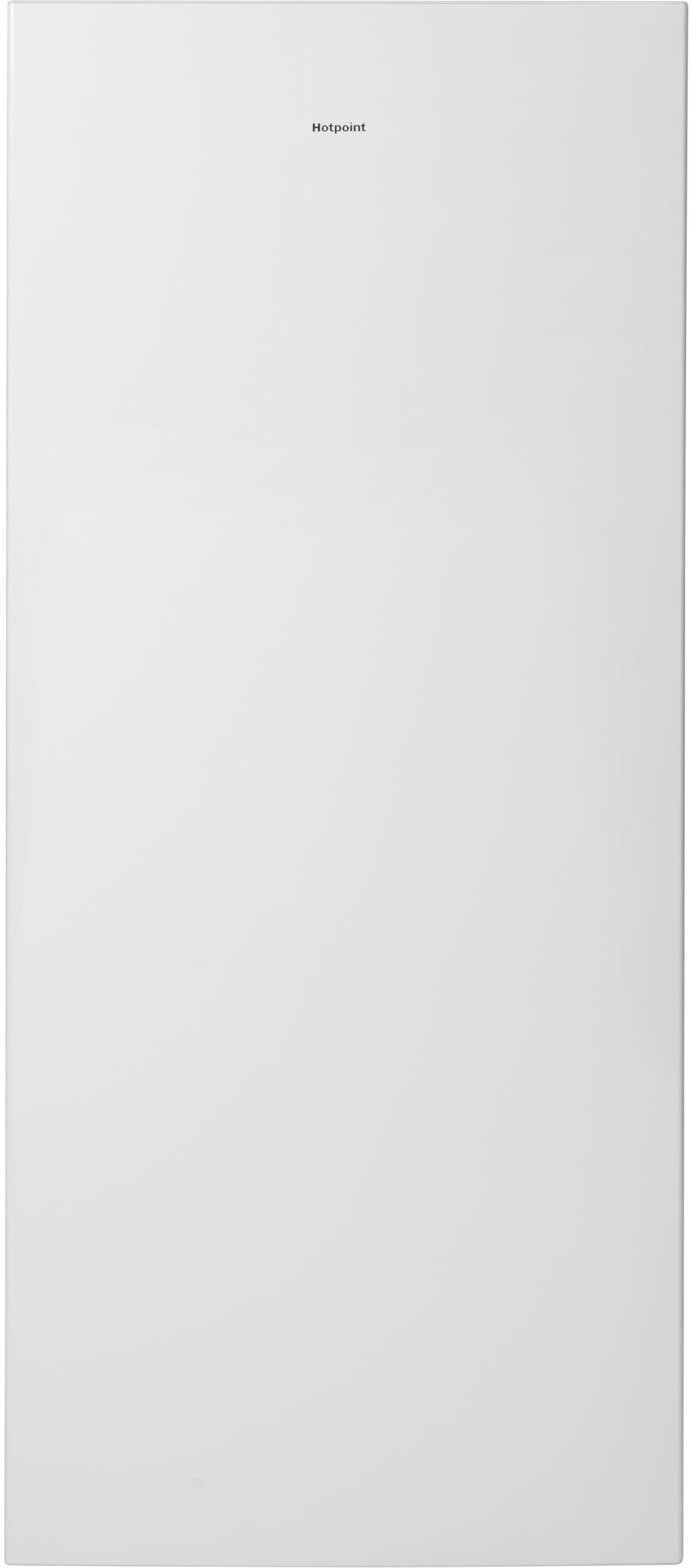
Upright freezers fit the footprint of a fridge and open front-load style. Shelves, bins and door compartments make organizing quick grabs a breeze. They’re a solid choice in a busy kitchen when you need to locate a frozen pizza without wading through loose bags.
Undercounter freezers
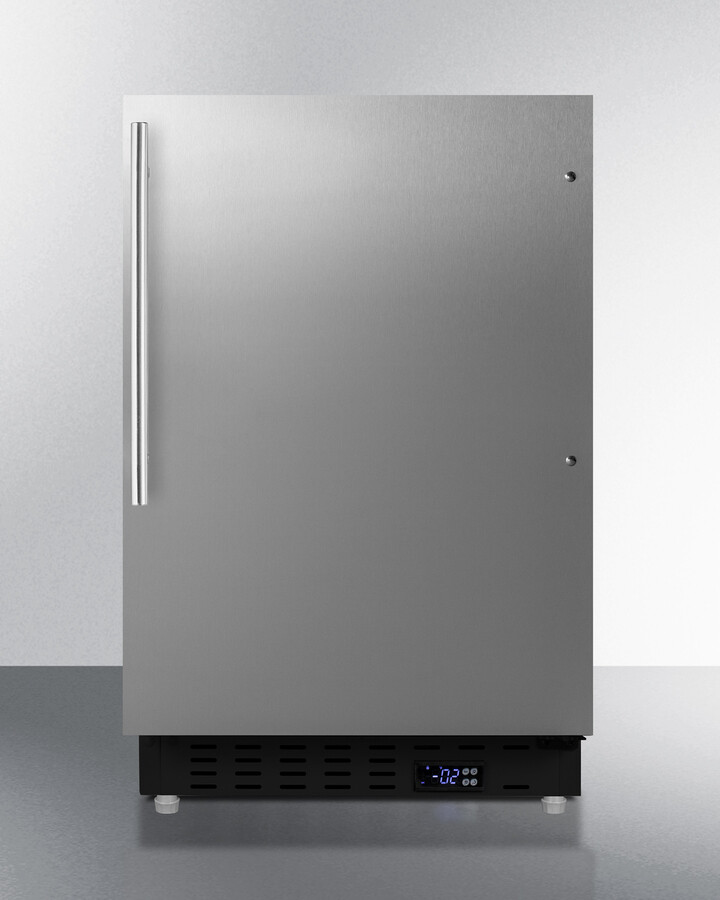
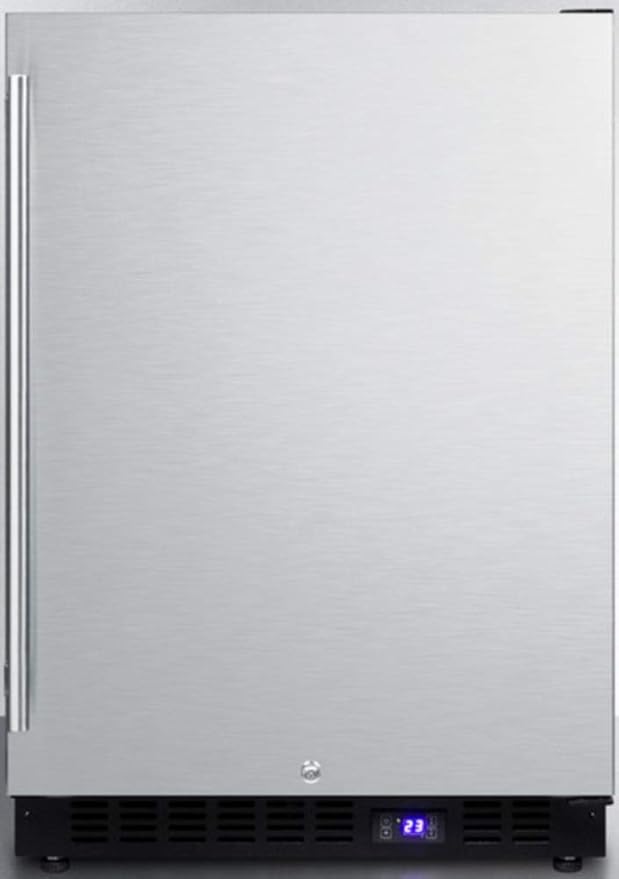
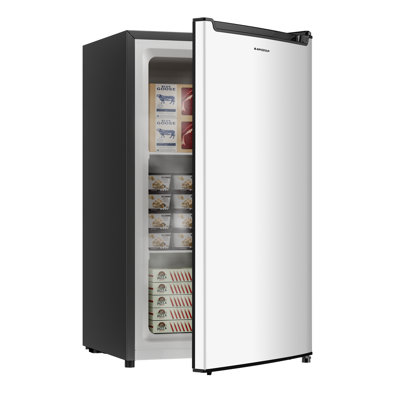
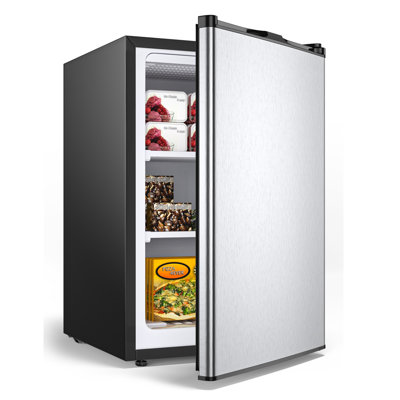
When floor space is tight in your Rock Hill condo or studio, an undercounter freezer tucks neatly beneath your kitchen counter or bar. These 3–5 cubic foot units can handle essentials—ice cream, frozen vegetables and quick-grab snacks—without taking up a lot of real estate.
Built-in freezers
For a high-end feel, built-in freezers install flush with cabinetry. They’re perfect if you’re designing a custom kitchen or outdoor entertainment area. Professional installation adds to the cost, but you’ll enjoy a seamless look and restaurant-grade performance.
Portable freezers
Heading out on an RV trip, tailgate or picnic? A portable freezer that runs on both 12V DC and 110V AC can keep drinks and perishables cold on the go. Look for models with sturdy handles, lockable lids and adjustable temperature ranges.
Compare capacity options
Freeze-safe storage needs vary from a pint of ice cream to enough prepped meals to feed a party. Here’s how to think about size:
- Small capacity (3–7 cu ft)
- Fits in apartments, dorms or as undercounter add-on
- Holds roughly 50–100 pounds of food
- Great for single cooks or couples
- Medium capacity (8–15 cu ft)
- Balances family needs with kitchen space
- Stores 150–300 pounds of groceries
- Ideal for meal-preppers or growing families
- Large capacity (16+ cu ft)
- Bulk storage for large families, commercial kitchens or event hosts
- Accommodates 400+ pounds of frozen goods
- Best for chest freezers or premium upright models
Tip: If you’re torn between two sizes, go for the larger one if you have the space. You’ll appreciate the extra room during holiday cooking or big backyard barbecues.
Check energy efficiency
Energy costs add up, especially in a Rock Hill summer when air conditioning is already running. Look for:
- Energy Star certification
- Annual energy consumption (kWh per year) on the yellow EnergyGuide label
- Adjustable temperature settings that let you fine-tune for eco mode or quick chill
- LED interior lighting over incandescent bulbs
A more efficient model might cost more up front but save you hundreds over its lifetime. If lower utility bills are a priority, rank energy efficiency near the top of your checklist.
Evaluate key features
Beyond style and capacity, here are features that make daily life easier:
- Temperature control: Digital thermostats offer precision down to the degree. Mechanical dials can drift over time.
- Defrost system: Manual defrost models require periodic defrosting but tend to be more energy efficient. Frost-free freezers avoid ice build-up, but use more power.
- Storage organization: Adjustable shelves, sliding drawers and interior baskets help you categorize items by meal type or food group. Check out tips on how to declutter a freezer for optimal organization.
- Alarms and locks: An open-door alarm prevents temperature spikes, while a lock keeps kids or curious pets out.
- Noise level: Look for models under 45 decibels if the freezer sits near living spaces or bedrooms.
Consider installation factors
Your Rock Hill home might pose unique installation challenges. Plan for:
- Location: Indoor kitchen, garage or outdoor patio each come with temperature and humidity considerations.
- Ventilation: Leave space around vents per the manufacturer’s instructions to avoid overheating.
- Floor protection: Freezers can weigh 100–200 pounds when empty. Use floor protectors or a waterproof mat and learn how can I slide my freezer without scratching the floor?.
- Power supply: Ensure a dedicated outlet and the correct voltage. Portable models may need an adapter for 12V or 110V outlets.
Proper planning now prevents headaches later.
Maintain your freezer
Keeping your freezer in top shape extends its life span and preserves food quality.
- Defrost regularly: If you choose a manual defrost model, plan to clear ice every 6–12 months. Follow steps in our guide on how to defrost a freezer.
- Clean coils: Dusty condenser coils reduce efficiency. Learn how to clean deep freezer coils to keep your unit running cool.
- Organize inventory: Use date-coded labels and rotate older items to the front. A well-organized freezer cuts down on door-open times and energy loss.
- Check seals: Inspect door gaskets each season to ensure airtight closure, preventing frost build-up and energy waste.
Routine upkeep only takes minutes but can save you from a spoiled freezer full of meals.
Review top freezer picks
Here are category leaders to consider. For the best prices, buy.
Best chest freezer for families
Ideal for bulk grocery runs, a 15–20 cu ft chest freezer with manual defrost and basket organizers offers maximum space per watt. Look for models with LED interior lights and quick-freeze function.
Best upright freezer for chefs
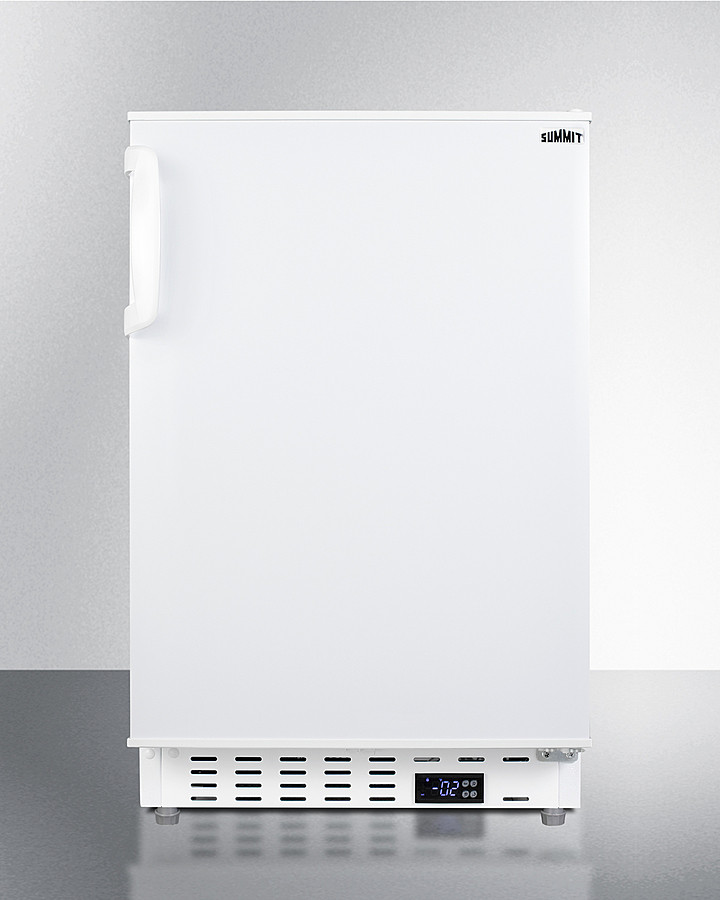
If you need instant access to ingredients, choose an upright with digital temperature control, adjustable shelves and door bins. A 12–16 cu ft capacity balances kitchen footprint and storage.

Best undercounter freezer for small spaces
A 3–5 cu ft undercounter model tucks neatly beneath counters. Perfect for studio apartments or as a supplemental fridge in a home bar.
Best built-in freezer for entertainers
For Rock Hill homeowners who host often, a 20–24 inch wide built-in freezer blends into cabinetry. Look for seamless toe-kick installation and stainless steel finishes.
Best portable freezer for RV trips
A 12V/110V dual-power freezer in the 25–45 quart range keeps perishables cold on the road. Choose models with sturdy handles, tamper-proof lid and adjustable temperature down to –8°F.
Best compact freezer for dorms
3–4 cu ft chest or upright freezers fit comfortably in tight quarters. Energy efficiency and minimal noise ensure you won’t blow a fuse or wake your roommate.
Best energy-efficient model
Seek out Energy Star–rated freezers under 350 kWh/year with eco modes and solid insulation. Chest freezers generally top the list for lowest energy usage.
Choose where to buy
Once you know your style, size and feature wishlist, head to Fridge.com for competitive pricing, free shipping offers and expert customer support. Compare models side by side, read real-user reviews and lock in your purchase. With a new freezer in place, you’ll breeze through meal prep, hosting or storage without worrying about running out of space or paying high energy bills.
Ready to find the best freezer for Rock Hill homes? Measure your space, set your budget and shop smart at Fridge.com—your ideal freezer is waiting.