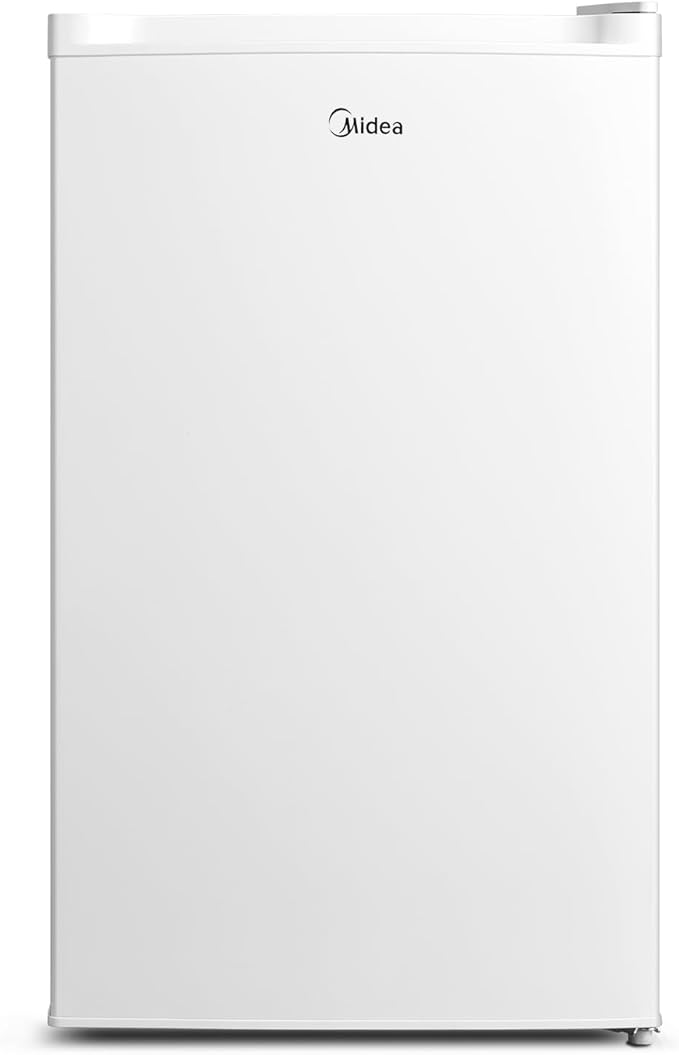
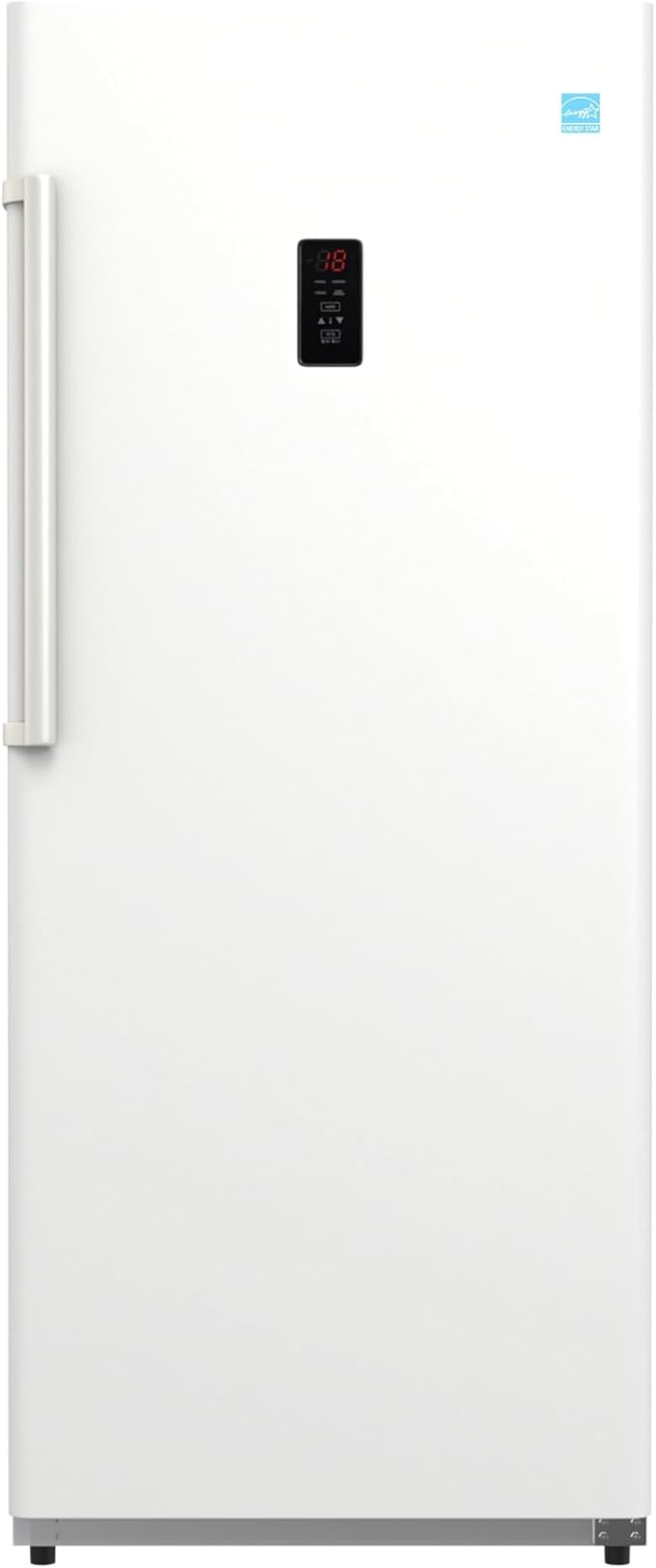
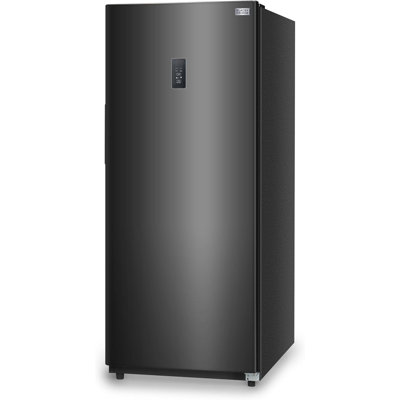
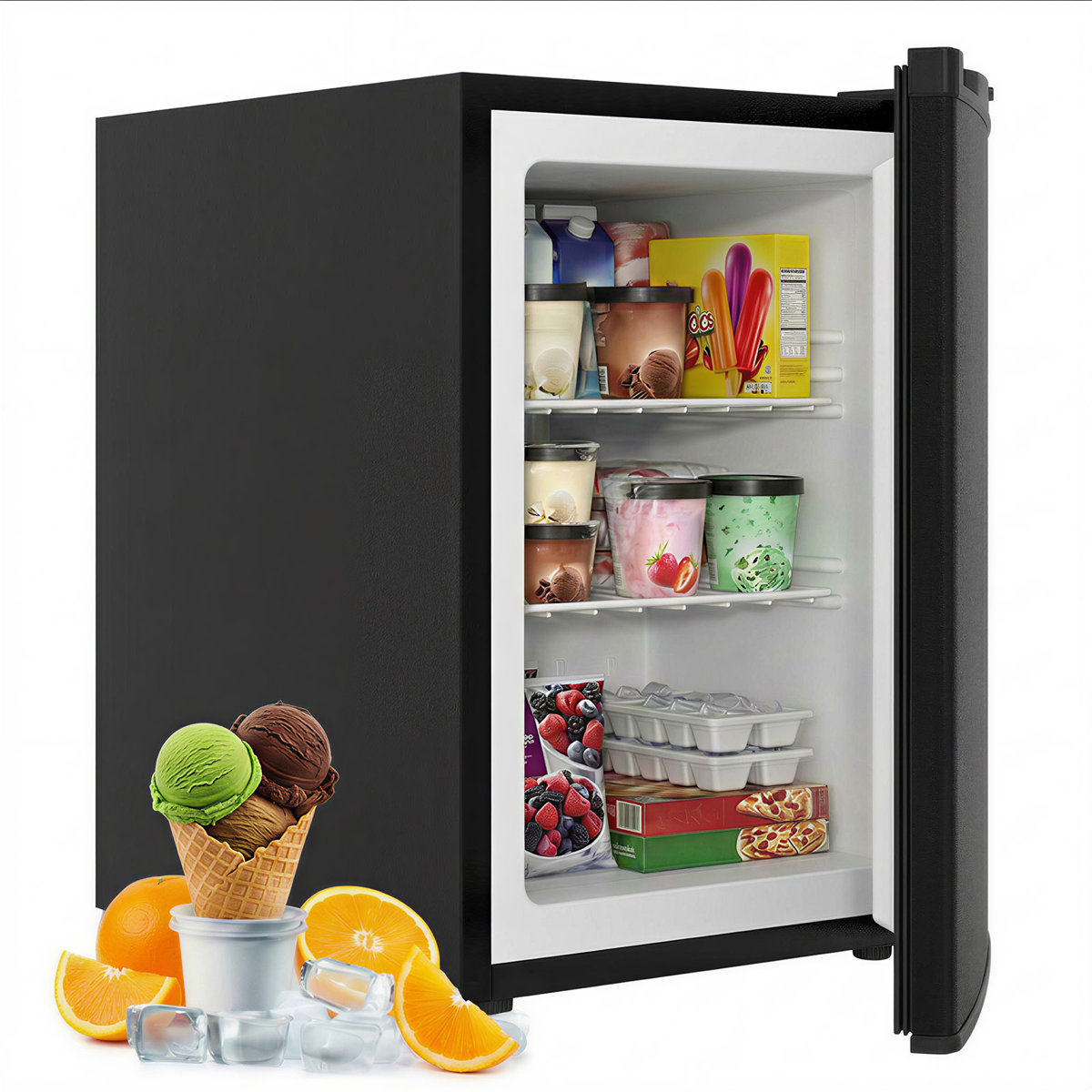
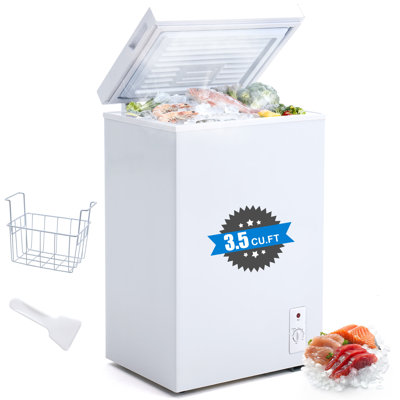
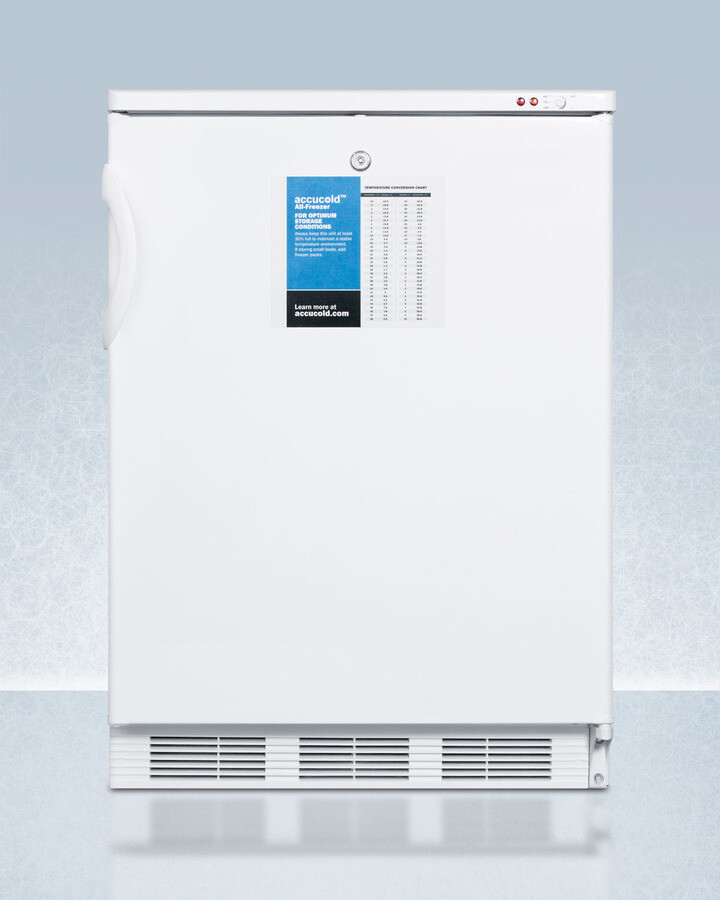
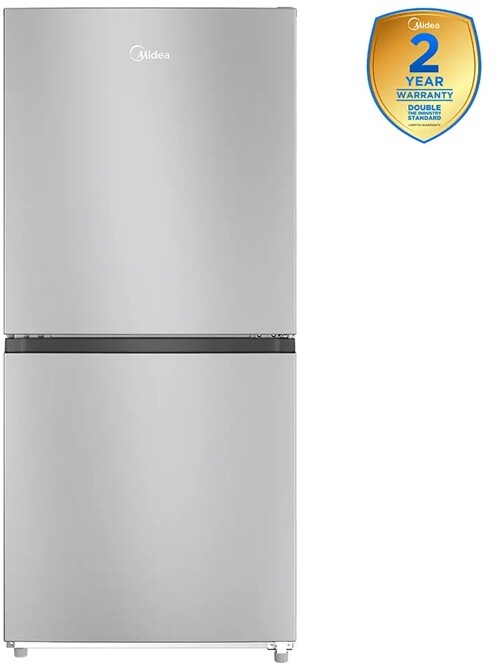
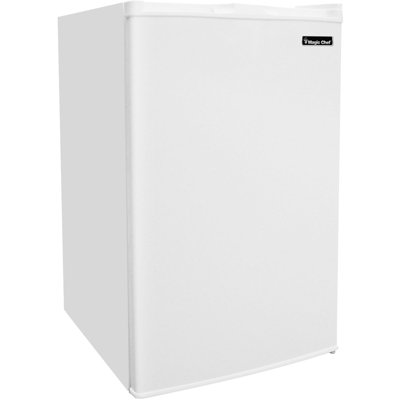
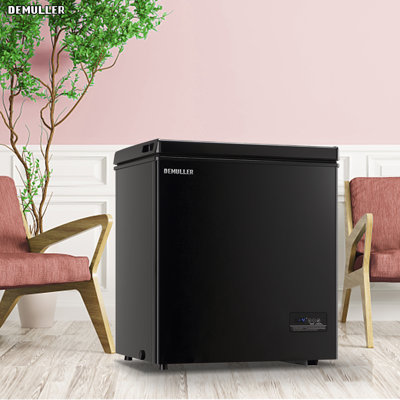
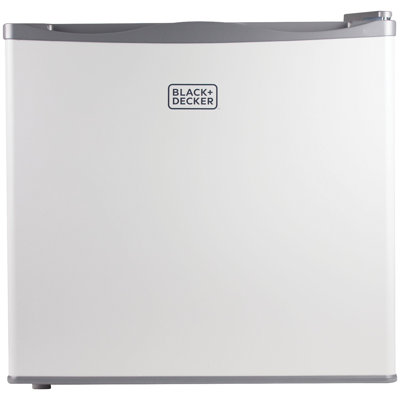
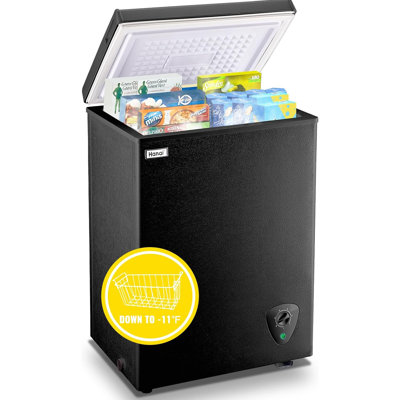
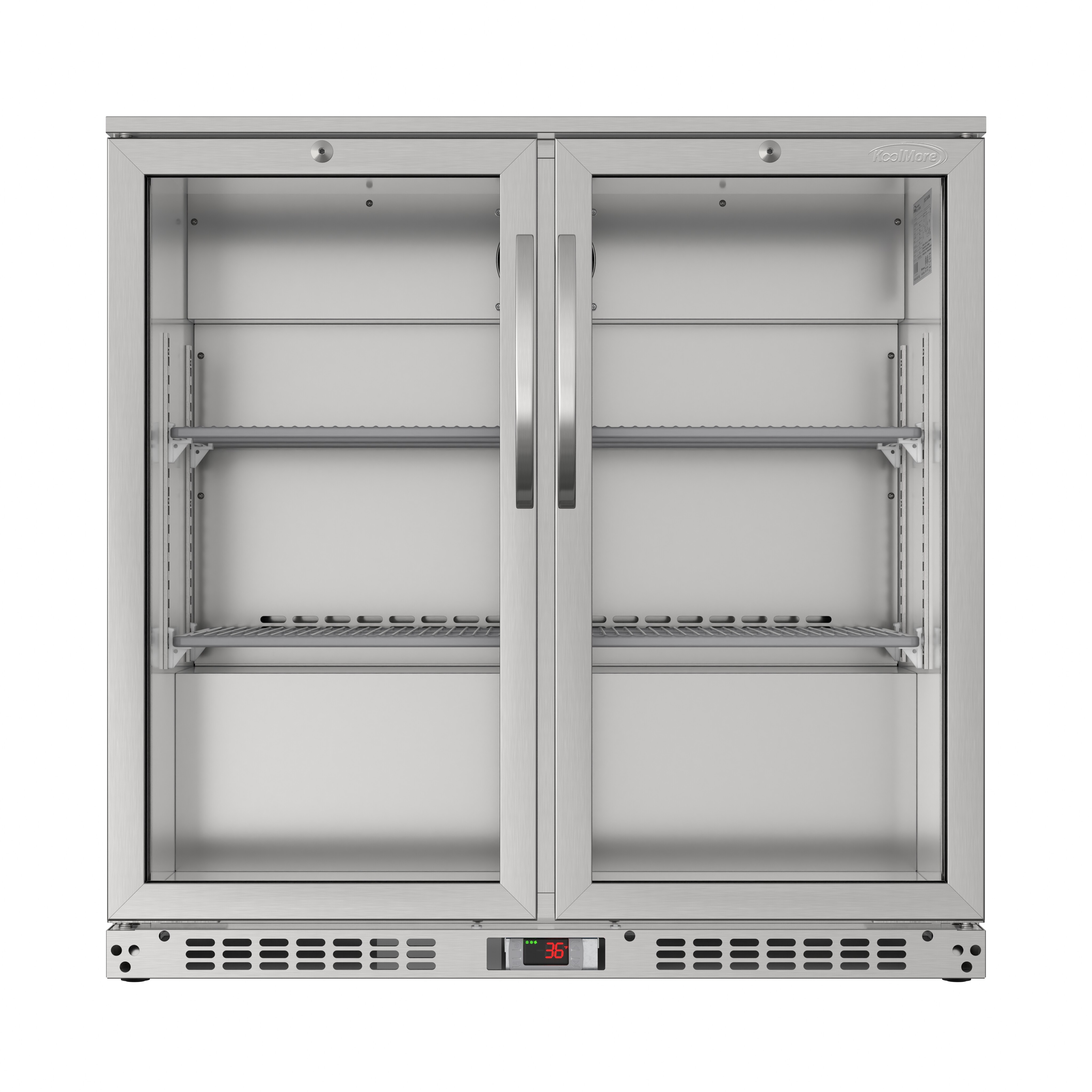
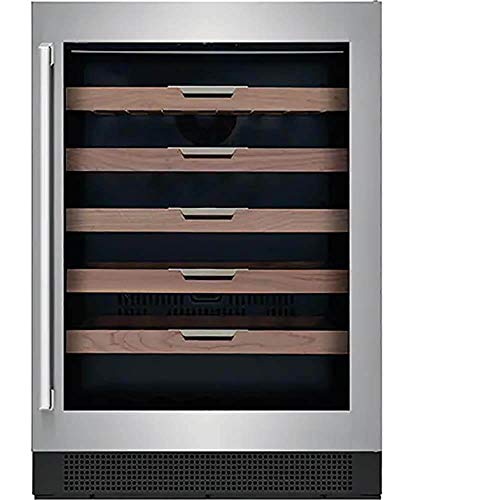
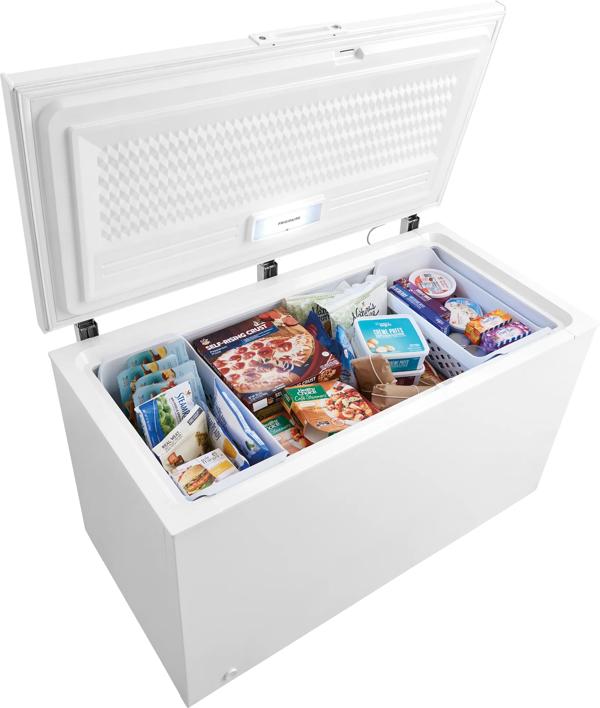
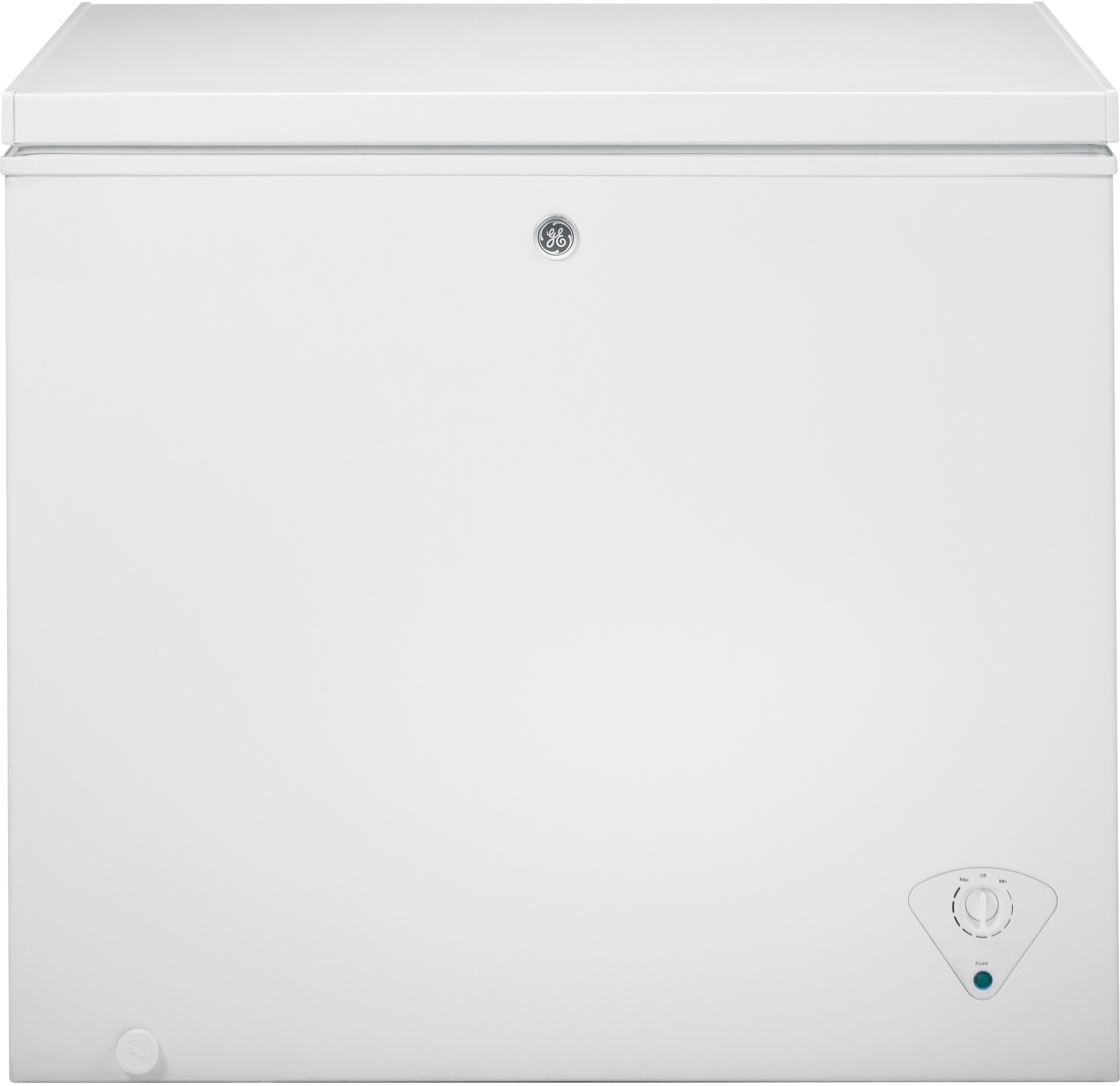
When you’re embracing the best deep freezer for Blue Zones diet approach, you’re committing to a lifestyle centered on whole foods, seasonal produce, and minimal waste. A deep freezer isn’t just an extra appliance, it’s the backbone of meal prep, bulk buys, and long‐term storage. Whether you’re stocking up on beans, frozen fruits, or lean proteins, having reliable, spacious, and efficient freezing makes it easier to stick to those nutrient-dense, plant-heavy meals that define Blue Zones communities. Plus, you’ll save money by snapping up sales in bulk, cutting down grocery runs, and reducing spoilage.
Blue Zones diet inspiration comes from regions where people live longer, healthier lives—places like Okinawa, Sardinia, and Nicoya. Key patterns include:
High intake of vegetables, legumes, and whole grains
Regular, moderate portions of fish and occasional lean meat
Generous use of nuts, seeds, and healthy fats like olive oil
Limited processed foods, sugars, and red meat
Emphasis on fresh, seasonal, and local ingredients
Because many of these staples—think frozen berries for smoothies, pre-cooked beans, or wild-caught fish—depend on extended freezer life, a top-notch deep freezer becomes a nonnegotiable tool for anyone aiming to replicate Blue Zones eating habits at home.
Key freezer features
Choosing the right deep freezer goes beyond size. Here are the most important factors to weigh:
Temperature consistency
Look for models with tight temperature control, ideally ranging from 0°F down to –10°F
Built-in digital thermostats help you set precise degrees, keeping food quality and nutrient integrity intact
Even cold distribution prevents hot spots that can lead to freezer burn
Storage capacity
Chest freezers often deliver more usable space per cubic foot than uprights
Upright freezers may offer shelves and door bins for better organization
Think about how much you’ll store: bulk legumes and grains, frozen produce, or larger cuts of fish
Energy efficiency
Check Energy Star ratings to keep electricity costs manageable
Look for well-insulated models with thick walls and sturdy gaskets to seal in cold air
Newer inverters and variable-speed compressors adapt power usage to your load
Defrost options
Manual defrost models can last longer without breakdowns but require periodic draining
Frost-free or auto-defrost freezers save you the chore of scraping ice build-up, at the expense of slightly higher energy consumption
If you prefer low maintenance, opt for frost-free; if you prioritize power savings, manual defrost might be your best bet
Additional features
Quick freeze zone for flash-freezing seasonal produce or fresh fish
Adjustable baskets or dividers for sorting grains, legumes, and prepared meals
Lock and key for safety, especially useful in shared kitchens or commercial settings
Wind-resistant lid or built-in handle to withstand frequent opening
Below is a comparison table to help you narrow down your search. Each model is selected for its strengths in a Blue Zones style kitchen.
Model
Type
Capacity (cu ft)
Key feature
Ideal for
ArcticKing Chest Freezer
Chest
7.0
Manual defrost, energy efficient
Families, meal prepping
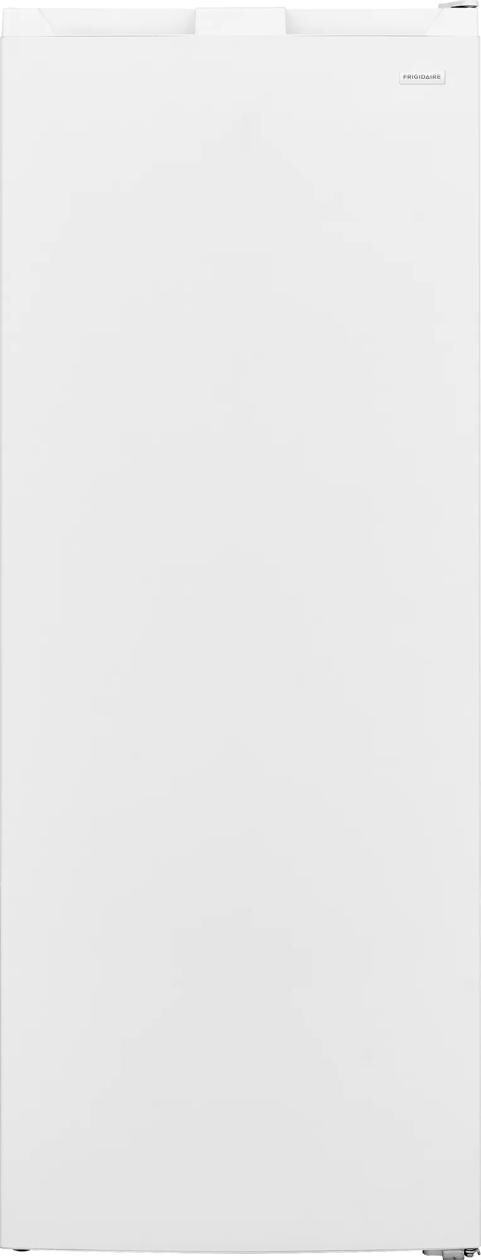
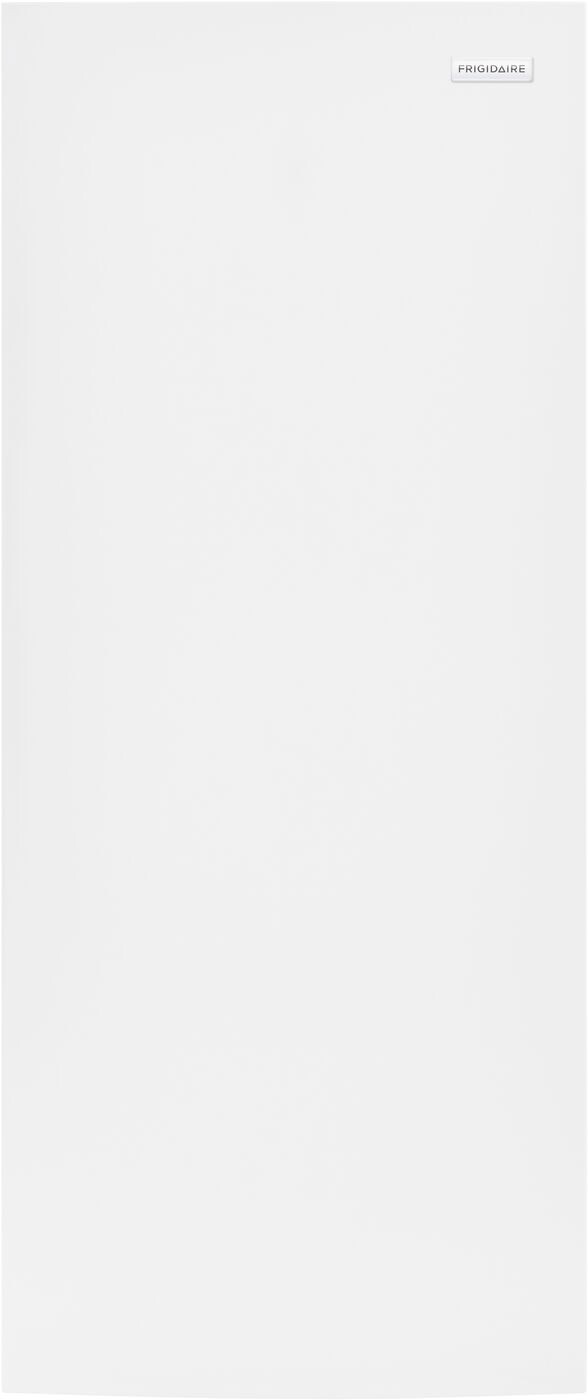
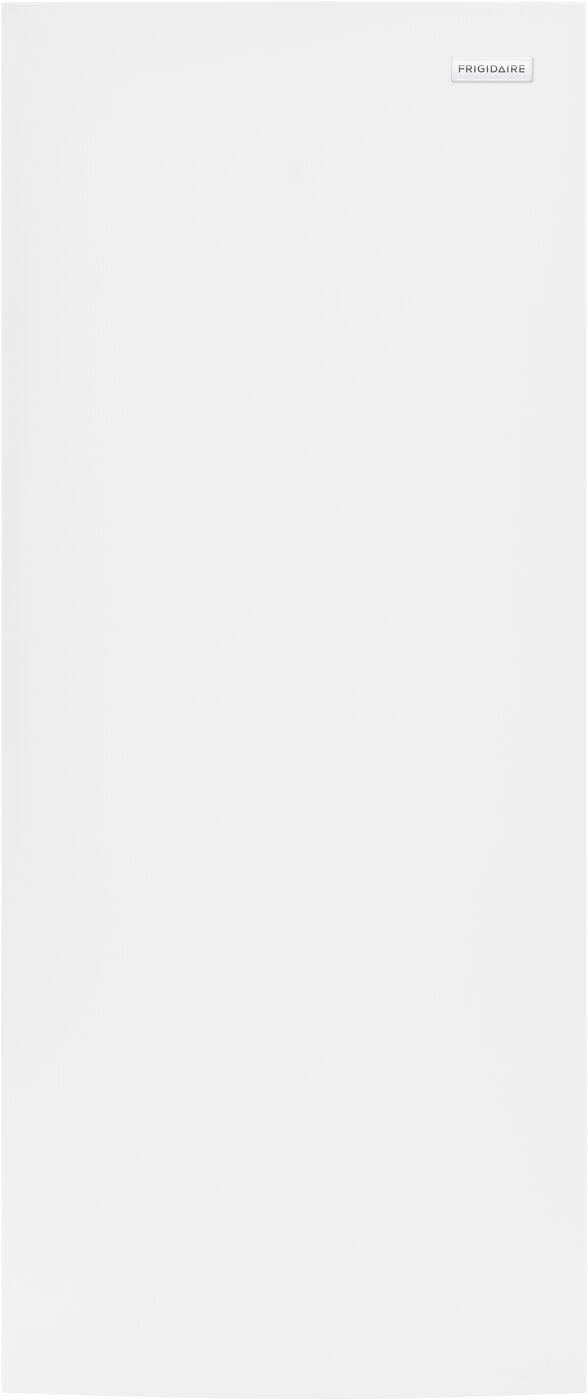
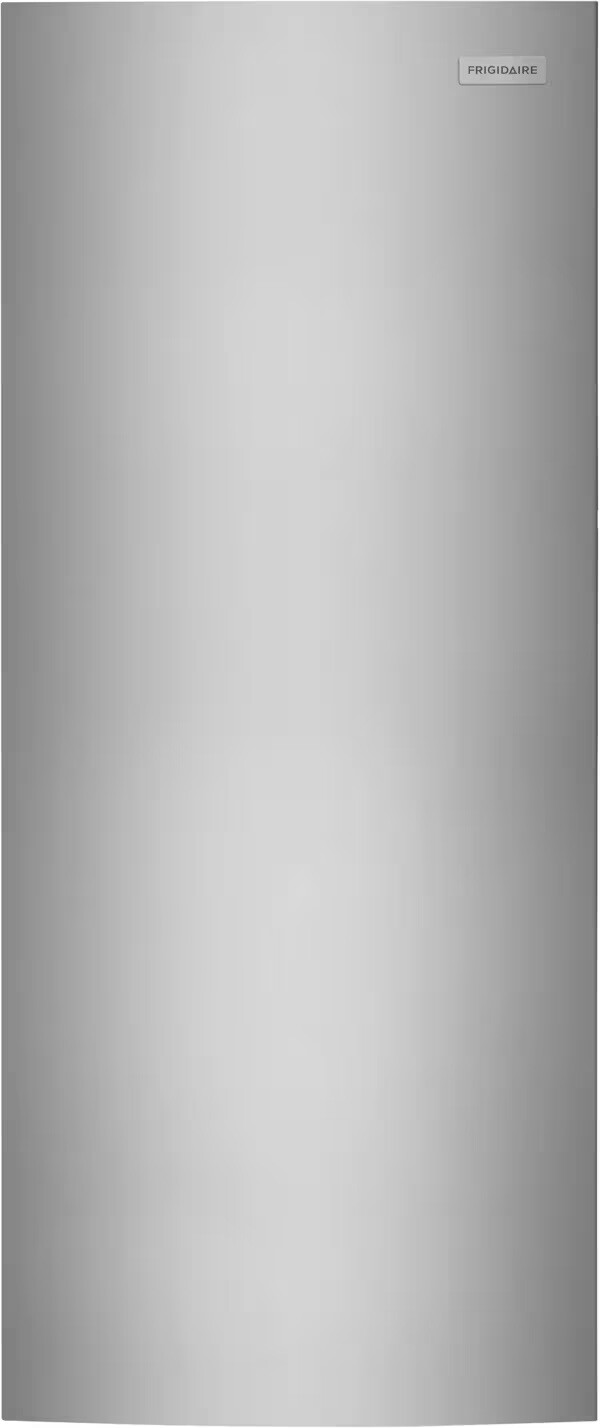
Frigidaire Upright Freezer
Upright
11.0
Frost-free, adjustable shelves
Organized storage
Danby Apartment Deep Freezer
Chest
3.3
Compact size, quiet operation
Small apartments, dorm rooms
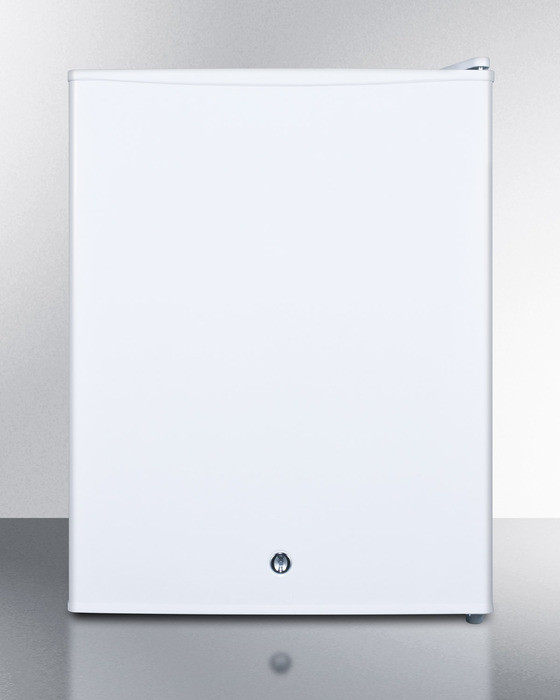
Summit Built-In Freezer
Chest
5.0
Flush design, lockable lid
Kitchen integration, plant based
GE Commercial Kitchen Freezer
Chest
15.0
Heavy duty gasket, quick freeze
Cafeterias, large families
Haier Budget-Friendly Mini Freezer
Upright
3.5
Frost-free, removable shelves
Offices, RV trips
ArcticKing chest freezer
Pros
Spacious 7.0 cu ft interior holds bulk beans, frozen fruits, and lean fish
Manual defrost helps you avoid mechanical breakdowns
Affordable price point for budget-minded cooks
Cons
Requires regular defrost sessions
No digital thermostat display
If you’re focused on long-term storage for your legume and grain staples, this model pairs perfectly with guides like best chest freezer for high fiber diet.
Frigidaire upright freezer
Pros
Vertical design with clear glass door bins for visibility
Frost-free operation means zero defrost hassles
Digital temperature controls in the door
Cons
Higher energy draw than manual models
Slightly less interior capacity than chest equivalents
This upright is great when you want immediate access to prepped meals and seasonal produce without the digging, especially if you follow tips from how to clean your fridge inside and out.
Danby apartment deep freezer
Pros
Compact 3.3 cu ft fits under counters or in tight corners
Quiet running for open-plan studios
Removable divider basket for organization
Cons
Smaller capacity demands frequent restocks
Manual defrost needed to maintain efficiency
Ideal for urban cooks and students, this model earns its place on any best apartment deep freezer shortlist.
Summit built-in freezer
Pros
5.0 cu ft capacity with a seamless, flush design
Front-venting means you can tuck it under counters
Lockable lid keeps kids and roommates at bay
Cons
Installation can be more involved than standalone units
Massive 15.0 cu ft holds party-sized batches of legumes and fish filets
Industrial-grade gasket and thick insulation
Fast-freeze function for quick flash-freezing
Cons
Bulky footprint requires ample garage or commercial space
Louder compressor cycle
Perfect for cafeterias and large family gatherings, this freezer ensures you never run out of healthy staples. Refer to our cafeteria refrigeration guide for layout tips.
Haier budget-friendly mini freezer
Pros
3.5 cu ft upright with frost-free convenience
Removable sliding shelves for flexible storage
Under-$200 price tag
Cons
Lower capacity may not suit weekly meal preppers
Basic temperature control dial
Great for offices, craft beer cold storage, or RV trips, this mini freezers pairs well with our shop compact freezers: coupons deals page.
Once you’ve selected the ideal model, efficient organization helps you maximize space and minimize waste. Try these strategies:
Use clear bins or baskets: Group beans, frozen vegetables, and proteins separately so you can grab what you need at a glance.
Label everything: Date and name each container or bag, especially for pre-cooked recipes and sauces.
First in, first out: Place older items toward the front or top, and newer ones behind or below.
Prep in ready-to-use portions: Freeze soups, grains, or smoothie packs in single-serve bags for quick reheating.
Rotate seasonally: At the start of each season, swap out summer fruits for winter veg or vice versa, so you always have the most relevant ingredients on hand.
These habits keep your Blue Zones diet both convenient and sustainable.
Maintaining your deep freezer
Proper upkeep extends the life of your appliance and preserves food quality. Follow these tips:
Clean the interior every three months with warm water and baking soda solution, then rinse and dry
Check gaskets monthly for cracks or leaks; replace if they no longer seal tightly
Monitor temperature weekly using a freezer thermometer; ideal range is 0°F to –10°F
Defrost manually if ice builds thicker than 1/4 inch, timing it around a full inventory check
Keep vents clear of dust and debris for optimal airflow and efficiency
Routine maintenance prevents energy spikes and ensures your ingredients stay as fresh as the day you froze them.
Selecting the best deep freezer for Blue Zones diet isn’t just about raw capacity, it’s about matching your lifestyle, kitchen layout, and eating habits. You need an appliance that:
Fits your space, whether that’s a dorm, garage, or commercial kitchen
Offers the features you use daily, from rapid freeze to easy organization
Delivers consistent, low-energy performance to keep your grocery bills down
Supports meal prepping and plant-rich cooking with minimal waste
With the right freezer in place, you’ll spend less time worrying about spoilage and more time enjoying nutrient-dense, flavorful meals inspired by some of the world’s healthiest communities. Now that you’re equipped with feature-checklists, top picks, and maintenance know-how, go ahead and make your move. Your journey to a Blue Zones–inspired lifestyle just got a lot cooler.
From Fridge.com research
Figures below come from data Fridge.com builds and maintains. Each links to the record behind it.
Fridge.com Energy Index, built on U.S. EPA and DOE ENERGY STAR records
Across 5,455 ENERGY STAR certified refrigerators and freezers from 263 brands, median use is 360 kWh per year.