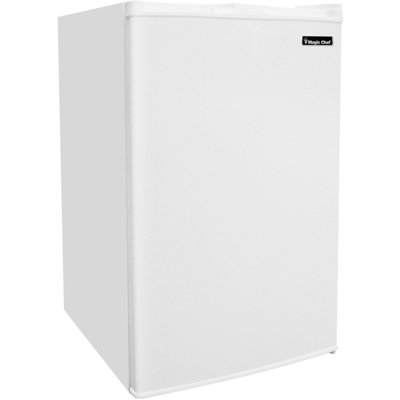
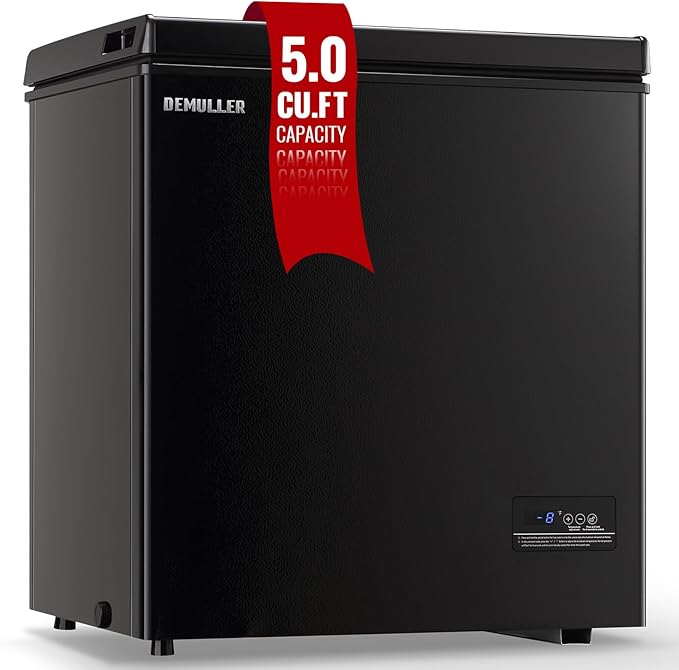
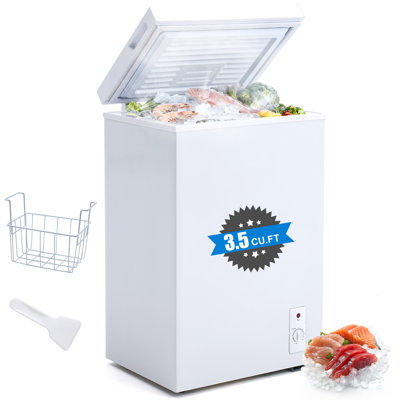
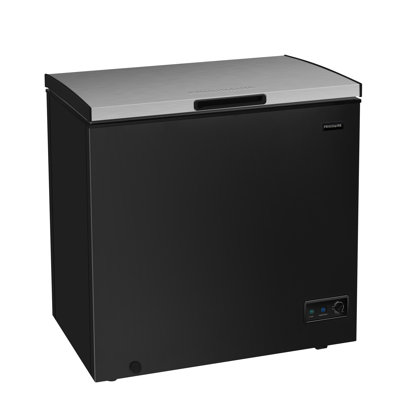
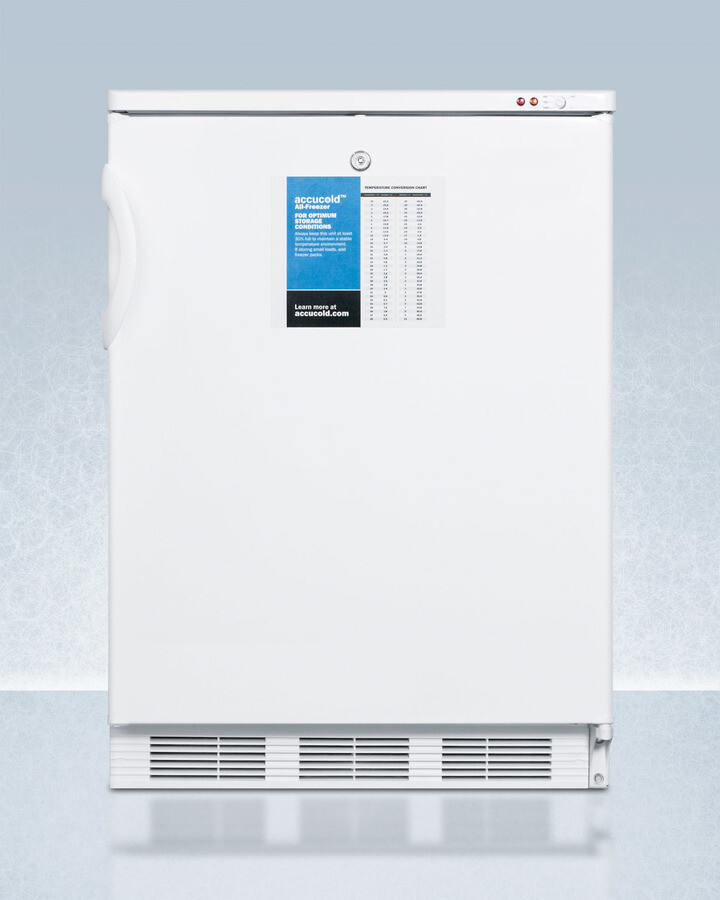
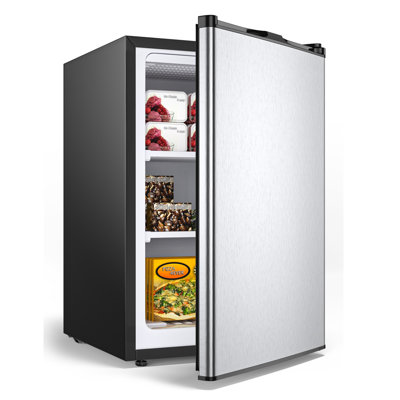
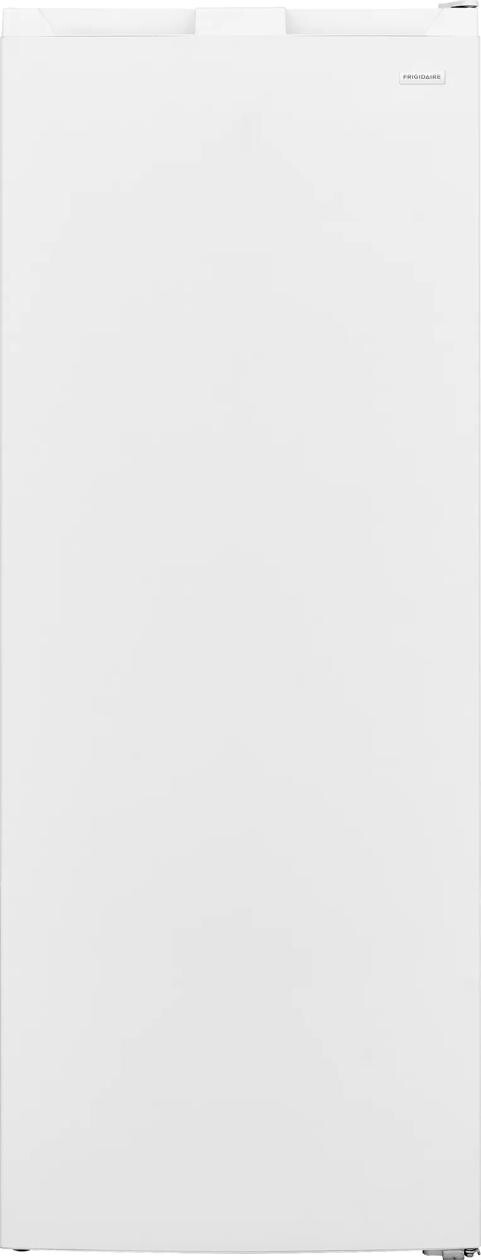
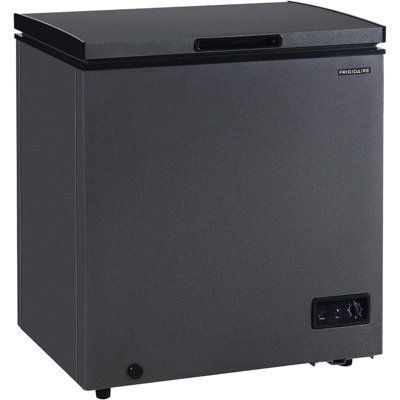
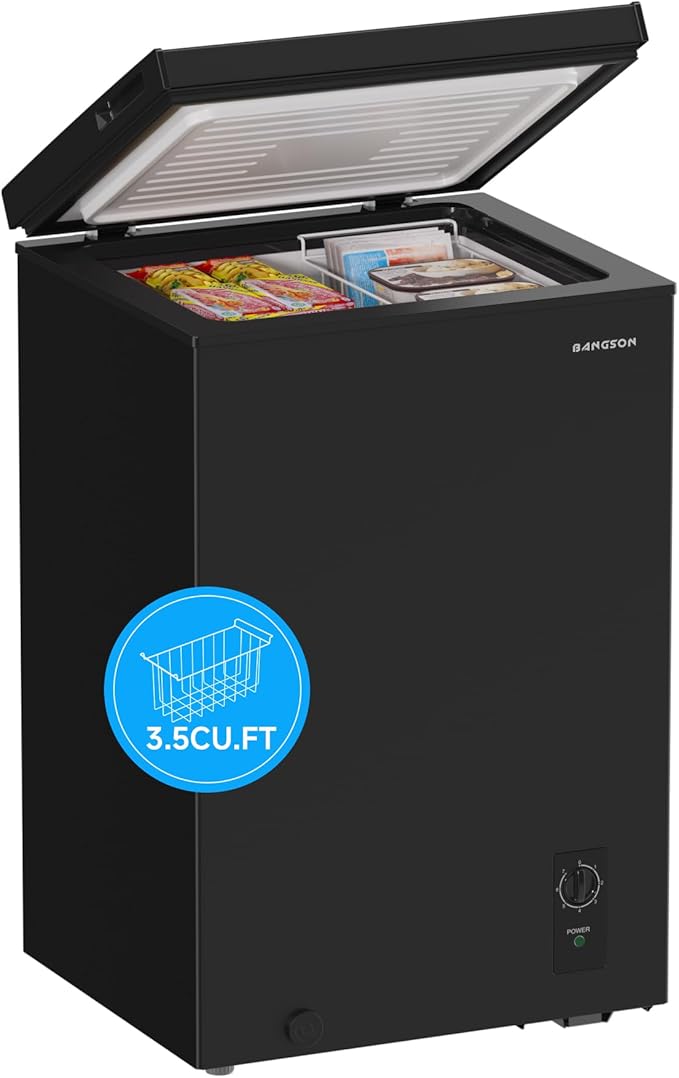
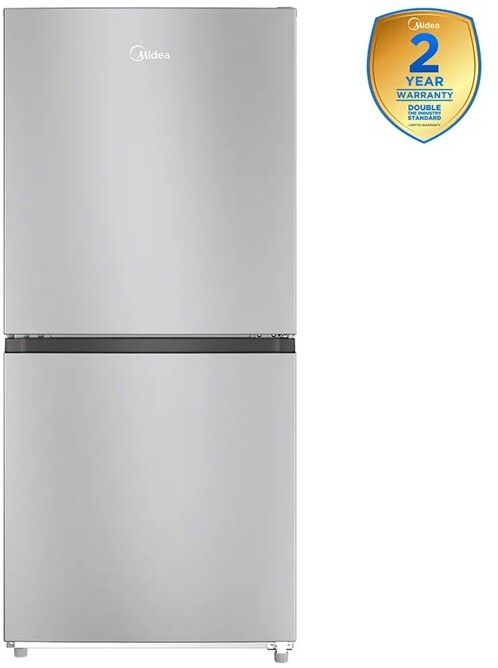
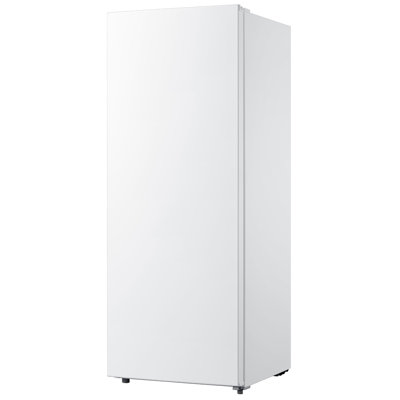
Looking to upgrade your kitchen with the best built in freezer for plant based diet? You’re in the right place. Whether you’re meal-prepping smoothies, freezing homemade veggie burgers, or preserving seasonal produce, having a built-in freezer that matches your vegan or vegetarian lifestyle makes a huge difference. In this guide, you’ll discover why a built-in model is worth the investment, what features matter most for plant-based ingredients, and our top picks to suit every kitchen layout and budget.
We’ll walk you through the benefits of integrated freezers, the key specs to prioritize (think temperature control, frost-free tech, energy efficiency), and practical tips on installation, organization, and upkeep. By the end, you’ll feel confident choosing a built-in freezer that keeps your tofu, tempeh, and frozen fruits at peak freshness.
Benefits of built-in freezers
Maximize storage space
A built-in freezer tucks neatly into cabinetry, giving you wall-to-wall storage without wasted gaps. You’ll gain:
Ample room for bulk bags of frozen berries, veggies, and legumes
Drawers or shelves designed for flat stacking of meal-prep containers
Customized layouts that fit your routine, whether you prep weekly smoothies or stock up on plant-based burgers
Seamless kitchen integration
By matching cabinet fronts and handles, a built-in freezer blends into your design, keeping countertops clear and sight lines clean. This integration:
Elevates your kitchen’s aesthetic, ideal if you love stylish design elements
Prevents awkward fridge-freezer combos from clashing with custom millwork
Offers flexible placement—undercounter, column style, or full-height
Better temperature consistency
Built-in units often deliver more stable interior temperatures than freestanding models. Consistent cold zones ensure:
Uniform freezing of delicate produce like berries and herbs
Reduced frost build-up for easier access to items
Protected texture and flavor in your homemade plant-based meals
Transparent, stackable bins let you see what’s inside at a glance. Great for:
Grouping frozen vegetables by type
Separating homemade vegan soups from store-bought items
Keeping snack packs or ice cube trays tidy
Label and date everything
A simple label maker or masking tape and marker can save you time. Note:
Item name, prep date, and “use by” date (usually 3–6 months for best quality)
Color-code labels for fruits, veggies, proteins, and desserts
Rotate stock—place newer items behind older ones
Create zones
Set up your freezer like a pantry. For instance:
Top shelf: Ready-to-eat items (vegan ice cream, smoothies)
Middle drawers: Main ingredients (tofu, veggie patties)
Bottom bins: Bulk goods (frozen berries, legumes)
FAQs about freezers
What size freezer do I need?
Think about how much you cook and store. Single people might manage with 3–5 cu ft, while families often need 10 cu ft or more. If you batch-prep vegan meals monthly, lean toward higher capacity.
Is frost-free really worth it?
Yes, especially if you regularly open and close the door. Frost-free models prevent ice build-up, saving you defrost time and keeping airflow steady around delicate produce.
Can I install a built-in freezer in my garage?
Most built-in freezers aren’t rated for unconditioned spaces, where temperatures can drop below 50°F or soar above 100°F. For garage use, look for models specifically labeled “garage ready” or choose a freestanding unit.
How do I troubleshoot temperature fluctuations?
Check door seals for gaps, avoid overloading shelves, and ensure proper ventilation. If issues persist, consult the manual or reach out to customer support—many brands offer smart modules that monitor and auto-adjust cooling.
What’s the best way to store frozen herbs?
Chop fresh herbs, pack into ice cube trays with a splash of water or olive oil, freeze, then pop the cubes into a labeled bag. This keeps flavor locked in and makes it easy to add herbs to soups or sauces.
Choosing the best built in freezer for plant based diet means balancing capacity, energy efficiency, and features that protect your fresh-focused lifestyle. You want a model that holds produce without crowding, freezes small batches quickly, and runs quietly in the background while you prep dinners, smoothies, and batch-cooked meals.
Remember to measure carefully, plan for proper airflow, and organize your ingredients with clear bins and labels. With the right built-in freezer in place, you’ll streamline meal prep, reduce food waste, and keep plant-based staples perfectly preserved—all in style. Enjoy the peace of mind that comes from having a freezer that works as hard as you do, so you can focus on creating delicious, nutritious meals every day.
Frequently Asked Questions
Think about how much you cook and store. Single people might manage with 3–5 cu ft, while families often need 10 cu ft or more. If you batch-prep vegan meals monthly, lean toward higher capacity.