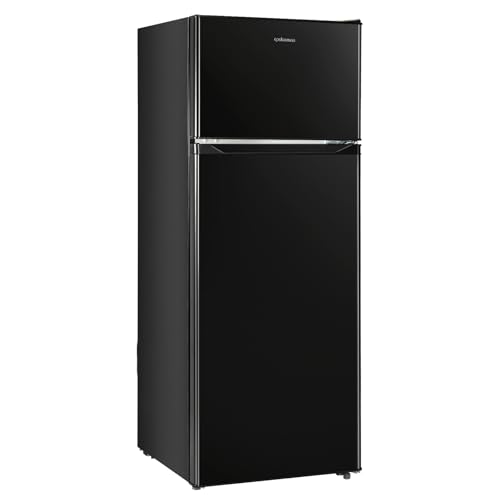
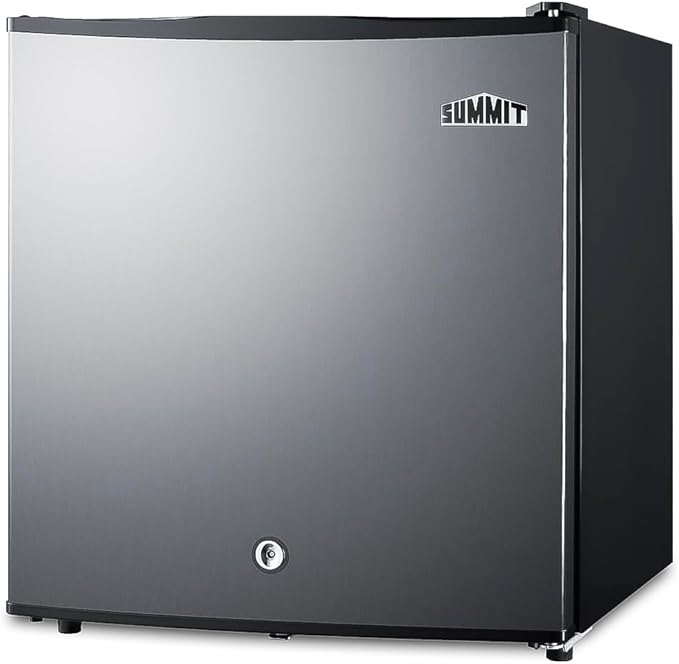
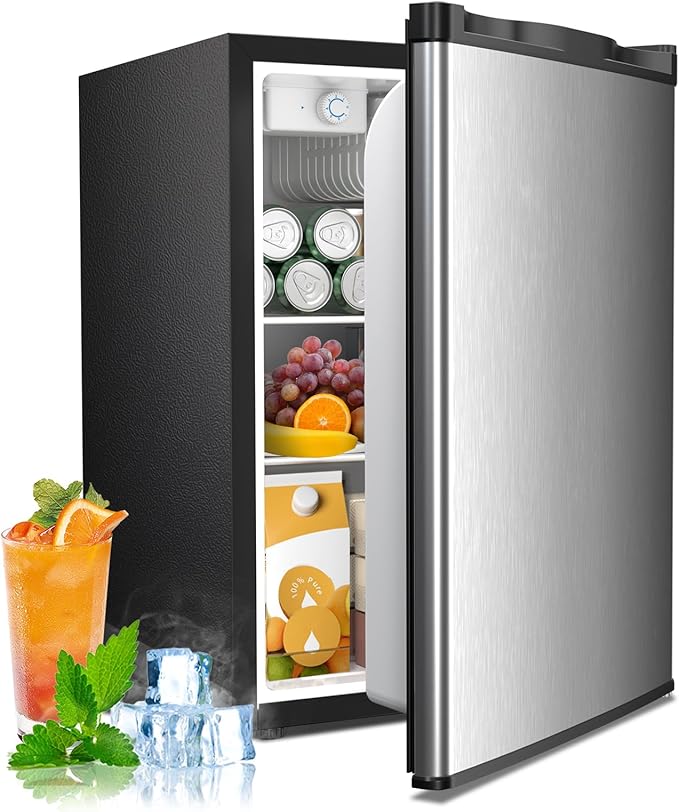
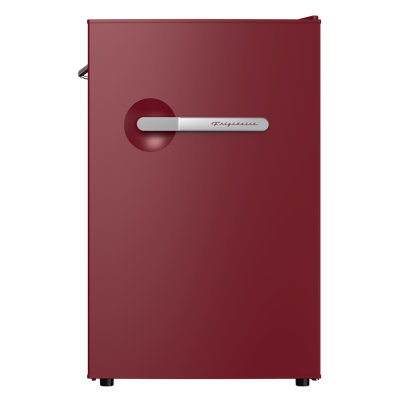
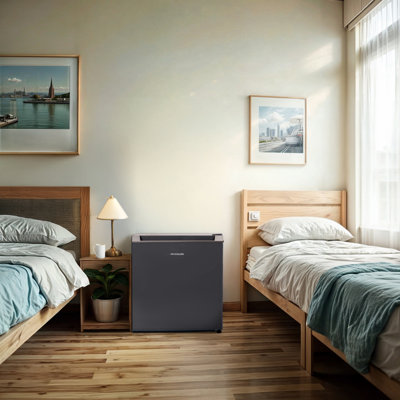
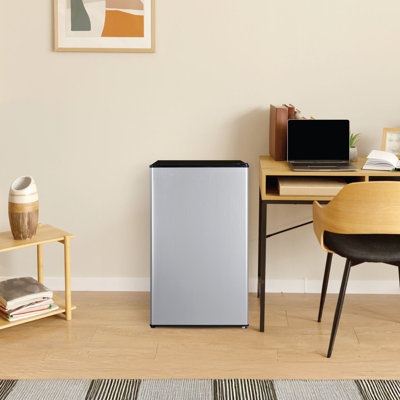
When you’re on the Whole30 diet, your kitchen game changes: fresh veggies, lean proteins, and no processed extras. That’s why you need the best compact refrigerator for Whole30 diet in your home or workspace. A smaller-footprint fridge with smart storage keeps your compliant snacks at eye level and makes meal prep a breeze. Whether you’re in a studio apartment, a shared office kitchen, or outfitting a camper for your next RV trip, the right compact fridge turns Whole30 success from a chore into a simple daily habit.
In this guide, you’ll dive into why a compact fridge can be your Whole30 secret weapon, what features to weigh when choosing one, the different types you can pick from, and our top recommendations. You’ll also pick up tips on organizing your fridge for meal-prep efficiency and maintaining it so your foods stay fresh. Let’s get rolling.
Why choose a compact fridge
A compact refrigerator fits where a full-size unit won’t, without sacrificing the storage you need for Whole30 staples. You might live in a dorm, rent a studio, or simply have limited counter space during an office remodel, but that doesn’t mean you should compromise on healthy eating. A smaller fridge can still do the heavy lifting:
Save floor or counter real estate while keeping fresh ingredients front and center
Use energy-efficient models to lower your utility bill, ideal for longer Whole30 challenges
Find units that fit under counters or tuck into a pantry nook, making them discreet and accessible
Set up a dedicated zone for your colorful meals, reducing cross-contamination with other diets or work snacks
No matter your setup, a compact fridge offers the flexibility to keep trimming, roasting, and blending without running out of room. Next, we’ll break down the features that matter.
When evaluating a compact fridge for your Whole30 meal plan, focus on features that enhance freshness, usability, and reliability.
Adjustable shelves and compartments
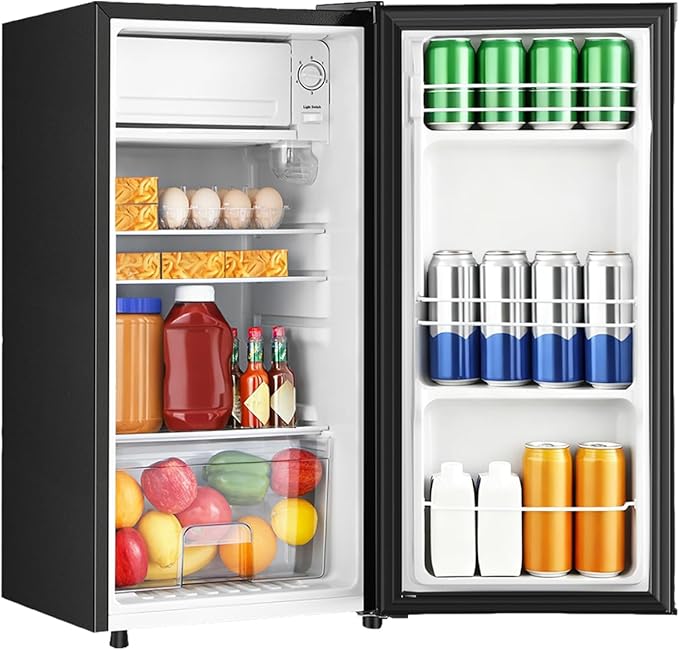
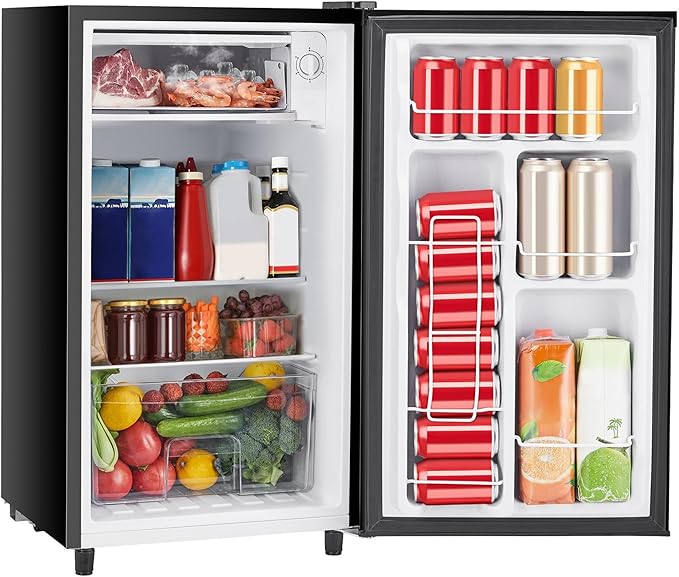
Look for refrigerators with removable shelves that slide or pivot. Customize heights for tall bottles of coconut aminos or stack shallow meal-prep containers. Some designs even let you switch door bin layouts, giving you control over where dressings, smoothies, or eggs live.
Humidity-controlled drawers
A humidity drawer is perfect for storing fresh produce like zucchinis, asparagus, and snap peas at the ideal moisture level. Vegetables wilt faster in dry, cool air, so keep them crisp and flavorful by sealing in humidity while still allowing for airflow.
Freezer compartment
If you prep freezer-friendly foods—like portioned protein packs or frozen berry blends for smoothies—you’ll need a small but efficient freezer section. Some compact fridges have a frost-free mini freezer, and others rely on manual defrost. Manual-defrost models often cool faster but may need a little extra attention during cleaning. You can dive deeper into compact freezer options in our compare undercounter freezer guide.
Energy and noise ratings
Many mini fridges run on a reduced power budget, but it’s worth checking the Energy Star rating or manufacturer’s wattage specifications. If you’re placing your unit near your workspace or bedroom, look for models under 40 dB so you won’t be distracted during work calls or sleep.
Size and installation
Measure your intended spot before you buy. Some compact refrigerators slide under counters, while others stand alone. If you need something portable for road trips or off-grid setups, consider models designed for outdoor or mobile use. If you’re eyeing a mobile option, check our camper refrigerator resource for specialized picks.
Types of compact fridges
Not all compact refrigerators are created equal. Here’s a quick breakdown of the main styles you’ll encounter.
Mini fridges
Classic small units, usually 1.5 to 3.5 cubic feet, perfect for a single person or a tightly packed snack zone. They often include a tiny freezer compartment and a few adjustable shelves. Use them in dorm rooms, home offices, or personal bars.
Undercounter models
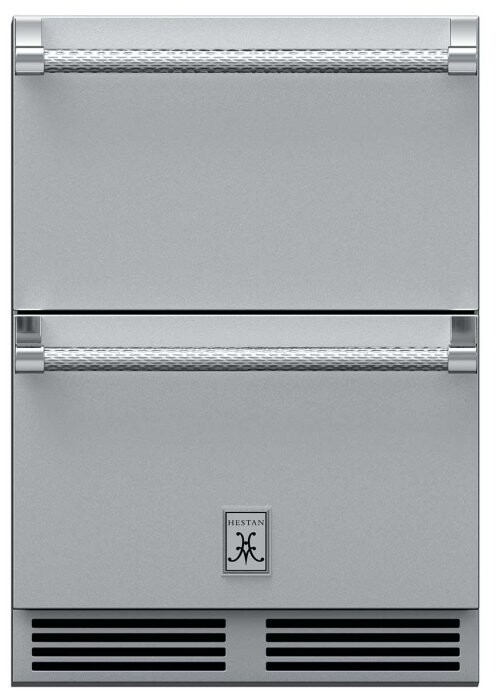
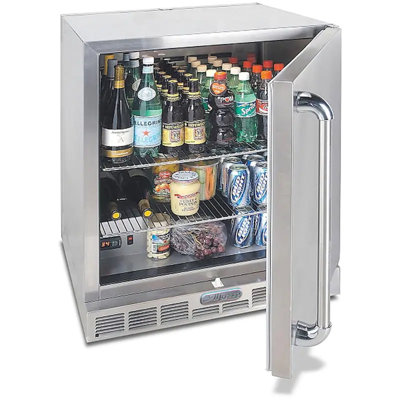
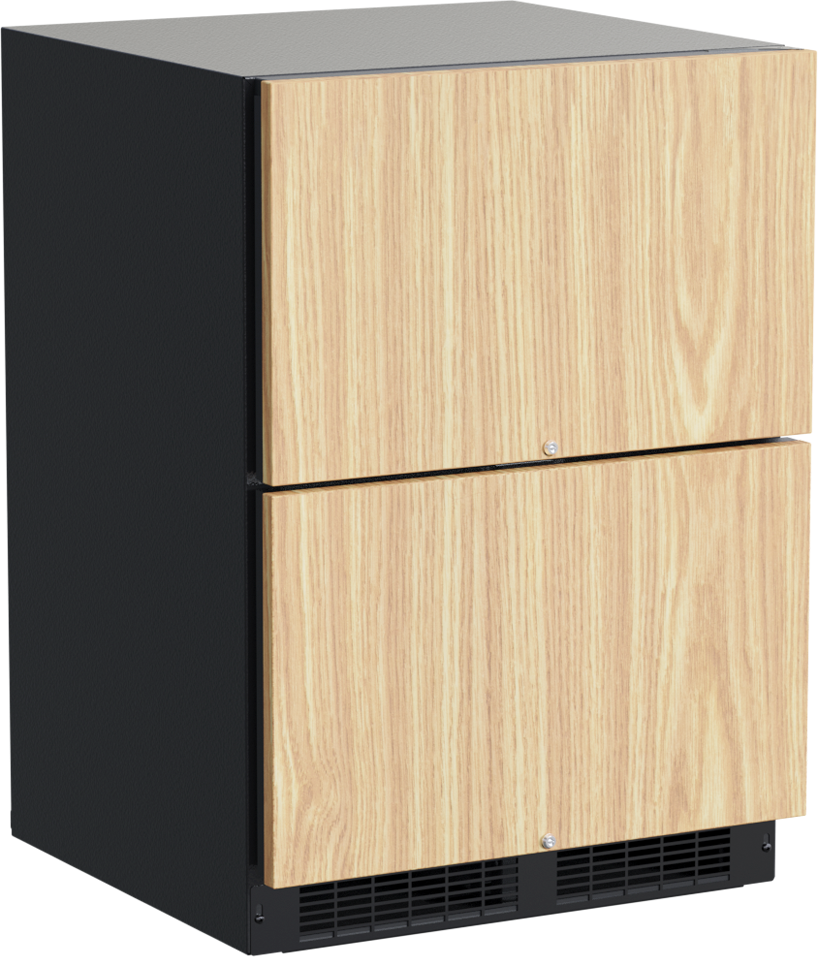
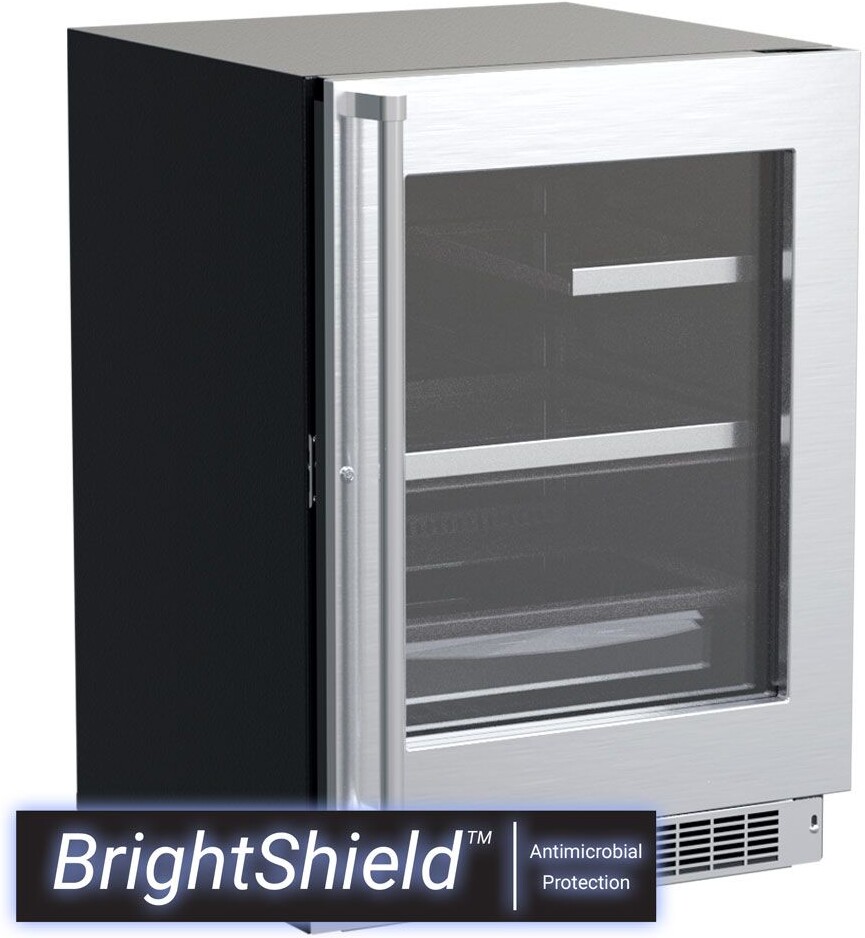
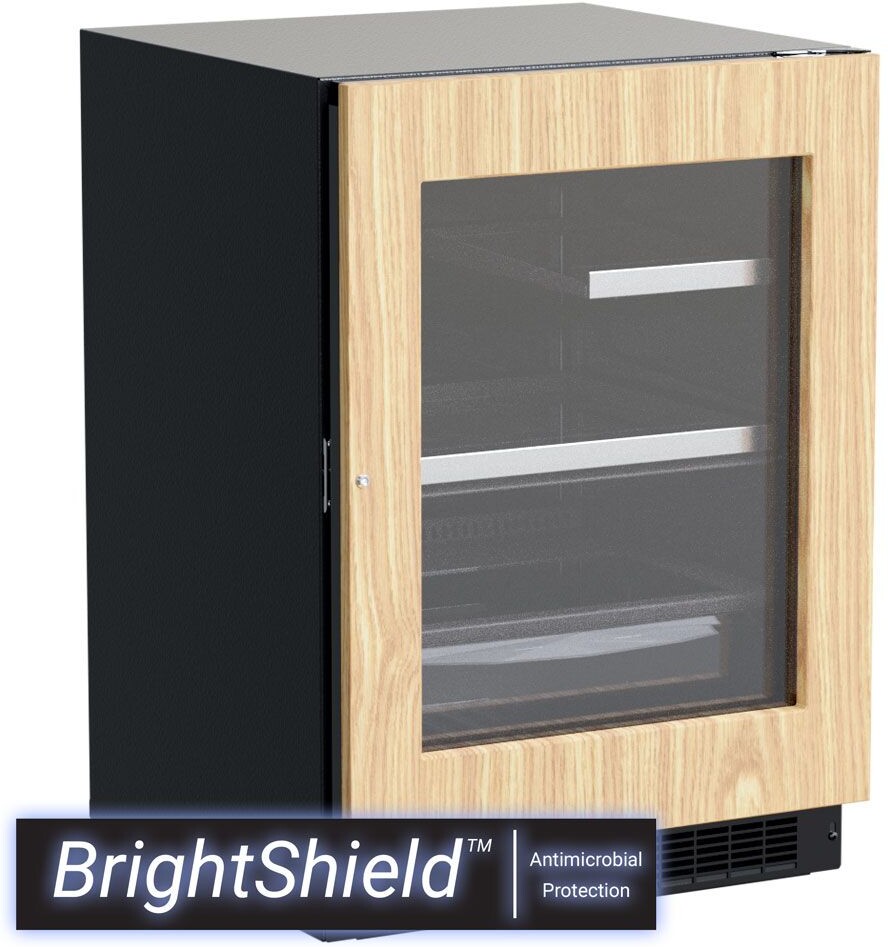
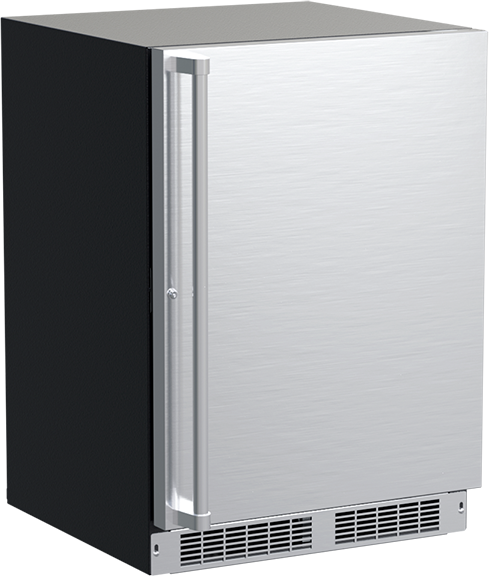
About 24 inches wide and 34 inches tall, undercounter fridges fit neatly into standard kitchen cabinetry. They offer more storage space than minis and often feature a full-width freezer drawer or a glass-door display option.
Counter-depth options
If you don’t want a fridge protruding past your counters, a counter-depth compact model might be the solution. These units align flush with cabinets and provide a streamlined look. They range from 3 to 5 cubic feet, so choose one with sufficient space for your weekly Whole30 haul.
Portable and RV fridges
Portable refrigerators often run on DC power or dual AC/DC, making them ideal for vehicle use. They’re larger than mini fridges but still compact enough to fit in a van or RV. They usually offer digital temperature control and can double as freezers, letting you keep meats and veggies rock solid.
Here are our picks for the best compact refrigerator for Whole30 diet fans. We compared size, cooling consistency, and storage flexibility across published specifications and owner reviews, and kept your meal-prep workflow in mind.
Why we love it
This Insignia mini fridge balances space and footprint for an unbeatable price. Its adjustable wire shelves slide to fit tall jars of Whole30 approved sauces. The small freezer holds protein packs or frozen berries. Energy Star certification keeps electricity costs low during a month-long challenge.
Why we love it
Danby’s frost-free mini fridge takes the chore out of manual defrost. You get a reliable freezer drawer for meat or frozen veggie portions, plus a door bin sized to hold olive oil or almond butter. It’s sturdy, easy to clean, and the reversible door hinge makes installation more flexible.
Pros
Frost-free freezer
Reversible door hinge
LED interior light
Cons
Slightly higher noise than other minis
No dedicated produce drawer
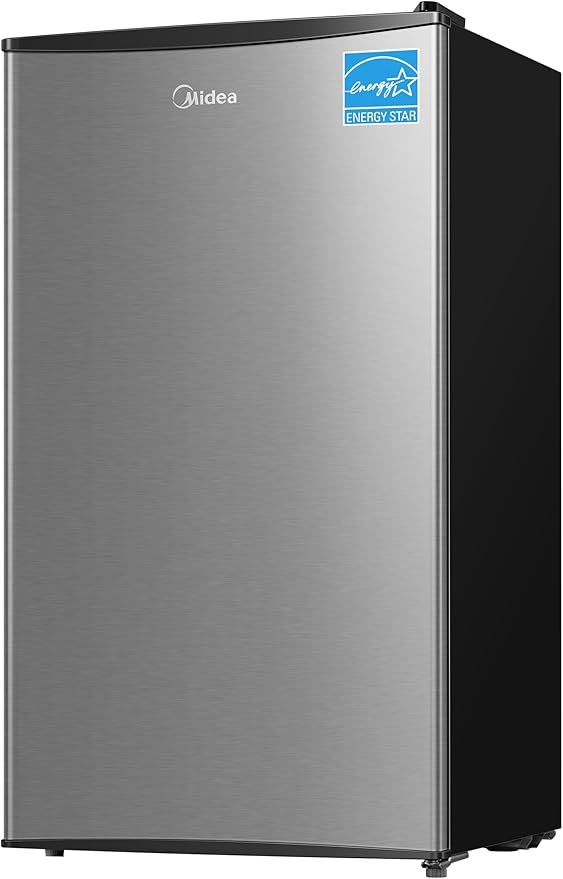
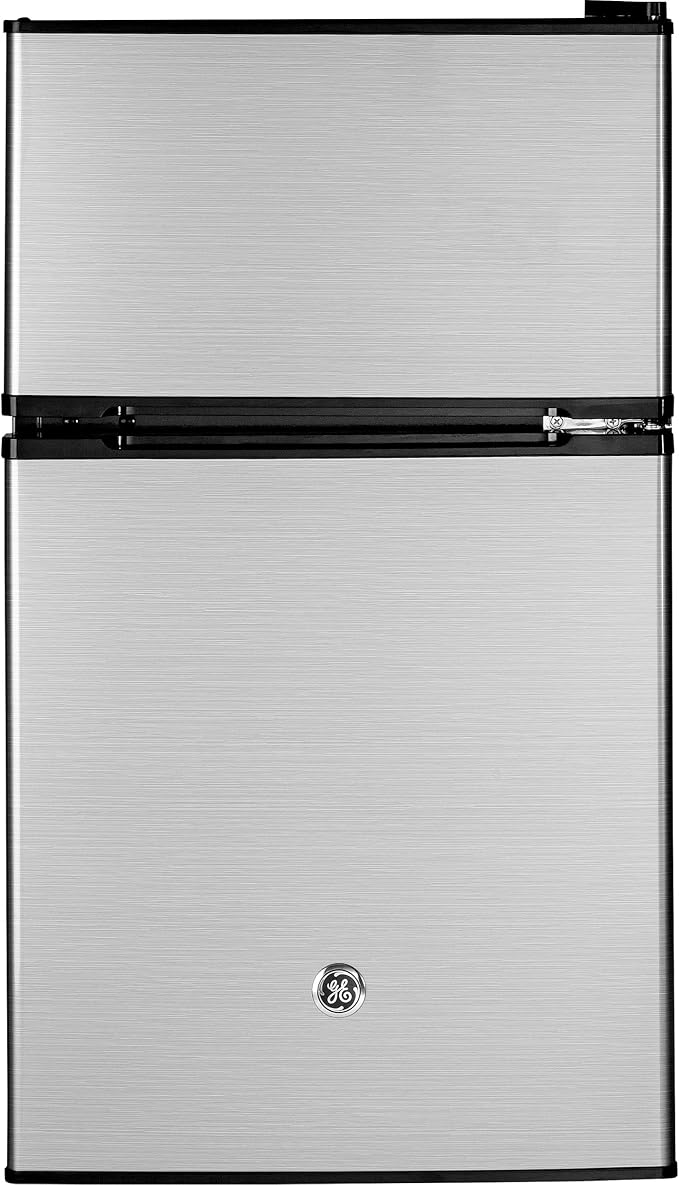
Midea 2.7 cu ft double door fridge
Key specs
Capacity: 2.7 cu ft
Dimensions: 18.1" W x 19.5" D x 34.3" H
Freezer type: Separate freezer door, manual defrost
Noise level: 37 dB
Why we love it
If you want precise zones for fridge and freezer, this Midea model keeps them separate. Your produce stays dry, your meats stay frozen, and you won’t get cross-flavor transfer. For more on split-zone designs, see our dual zone refrigerator article.
Pros
True dual-door design
Quiet operation
Compact footprint
Cons
Manual defrost in freezer
Slightly less overall capacity
BLACK+DECKER 1.7 cu ft mini fridge
Key specs
Capacity: 1.7 cu ft
Dimensions: 17.3" W x 19.0" D x 20.5" H
Freezer type: Small icebox, manual defrost
Noise level: 35 dB
Why we love it
For truly tight spots, this B+D unit fits on a countertop or dorm desk. It holds a few meal-prep containers, salad greens in the crisper, and your favorite compliant snacks. It’s super quiet and so light you can move it yourself.
Pros
Ultra compact for small spaces
Very quiet
Low price point
Cons
Limited storage volume
Icebox only, no true freezer
Dometic CFX3 portable fridge
Key specs
Capacity: 45L (about 1.6 cu ft)
Dimensions: 23.3" W x 17.3" D x 14.8" H
Freezer type: DC-powered portable freezer
Noise level: 42 dB
Why we love it
Planning an outdoor Whole30 retreat? This Dometic fridge runs on DC or AC power, keeping meat, veggies, and prepped eggs below freezing. The digital control pad and efficient compressor design are road-tested for campers and RVs.
A great fridge is one thing, but smart organization keeps your Whole30 meals on track. Use these strategies to maximize airflow and find ingredients in a snap.
Batch cook and store
Prep all of your proteins at once, portion them into containers, and label with dates. Stack them on the same shelf so you can grab and reheat quickly.
Use clear bins and labels
Group similar items—like chopped veggies, compliant dips, and hard-boiled eggs—in clear plastic bins. Label them with masking tape or a dry-erase marker, and you’ll always know what’s inside.
Rotation system
Move older items to the front after each grocery run. That way you’ll eat what’s freshest first and reduce waste. A simple front-to-back rotation prevents surprises when you’re at crunch time.
Maintain your refrigerator
Keeping your compact fridge in tip-top shape ensures consistent cooling and extends its lifespan. A little routine care goes a long way.
Clean inside and out
Every few weeks, empty the fridge and wipe surfaces with mild soap and water. Remove shelves and drawers to rinse off spills, then reassemble. For more detailed steps, check our how to clean the fridge inside and out guide.
Monitor temperature
Your Whole30 success depends on food safety. Store perishables between 35°F and 40°F and freezer items at 0°F or below. Keep a fridge thermometer inside so you can spot any fluctuations early.
Replace seals and filters
Inspect door gaskets for cracks or gaps, and swap them if needed. If your model has an air filter or charcoal pad, change it per the manufacturer’s schedule to avoid odors.
Choosing the best compact refrigerator for Whole30 diet support comes down to balancing size, features, and performance. You want enough capacity for weekly meal prep but a small footprint that fits your space. Look at adjustable shelving, humidity control, and a freezer compartment that matches your cooking style.
Our top picks guide you through a variety of use cases—from dorms and offices to RV adventures. Pair any of these fridges with smart organization and regular maintenance, and you’ll be well on your way to a seamless Whole30 experience. Your fridge isn’t just an appliance, it’s a partner in healthy habits. Treat it right, and it will keep your compliant recipes fresh, delicious, and ready whenever you are.
From Fridge.com research
Figures below come from data Fridge.com builds and maintains. Each links to the record behind it.
Fridge.com Energy Index, built on U.S. EPA and DOE ENERGY STAR records
Across 1,728 ENERGY STAR certified compact refrigerator models, median use is 246 kWh per year — 11% better than the federal standard.