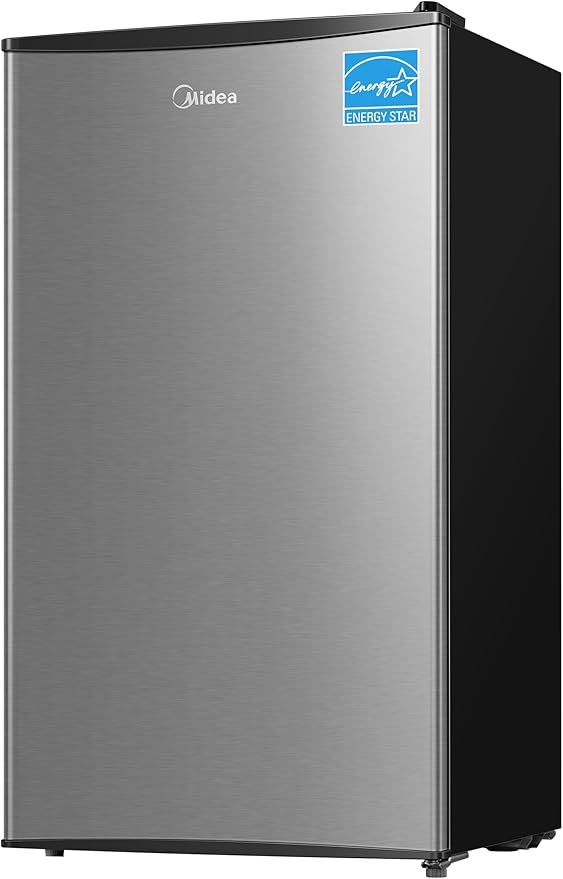
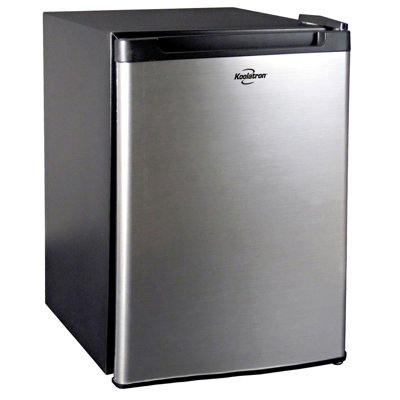
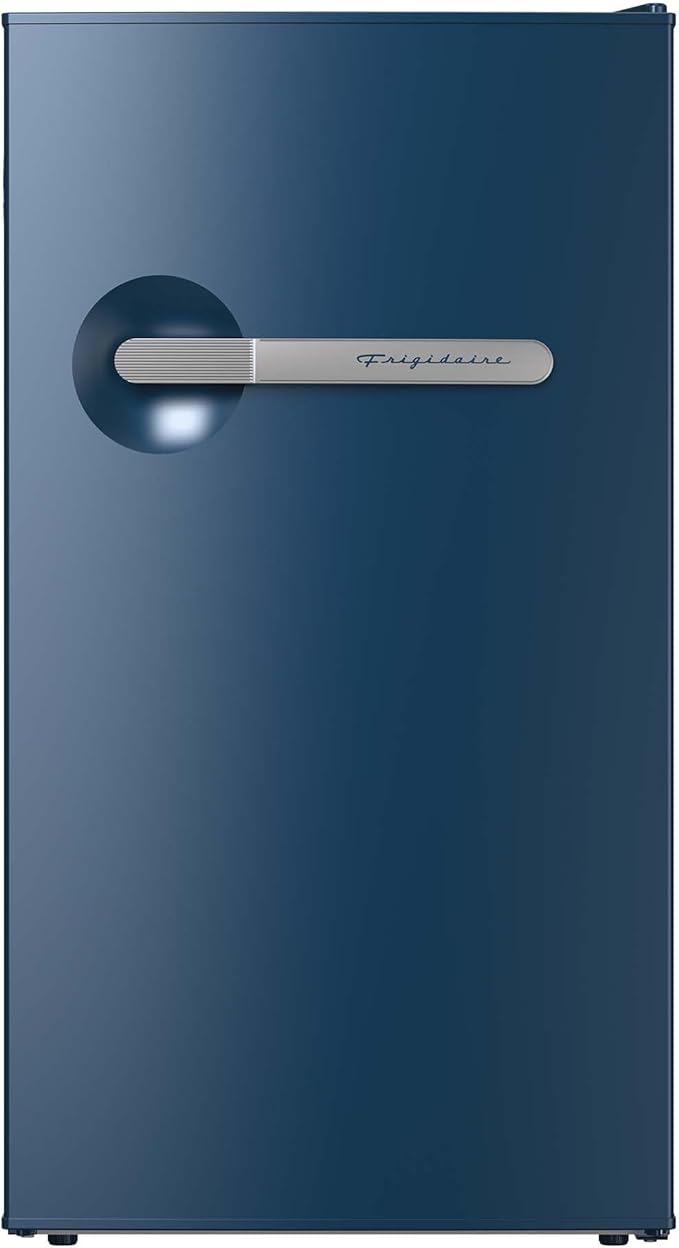
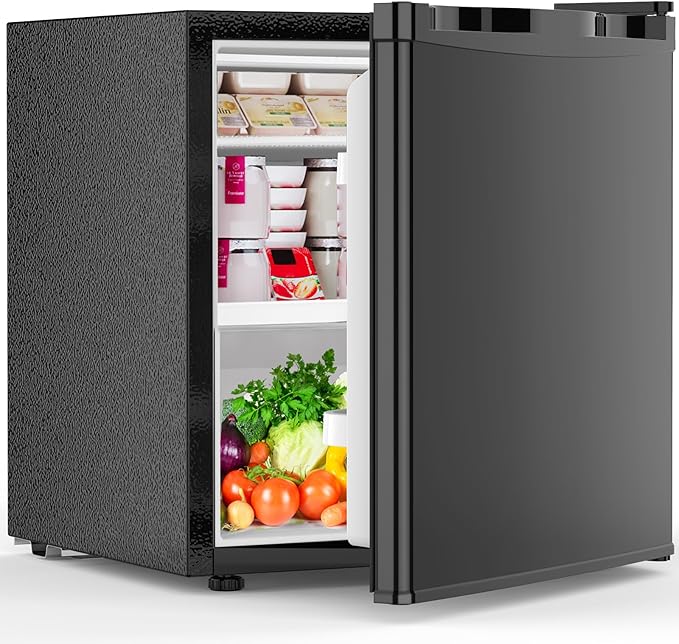
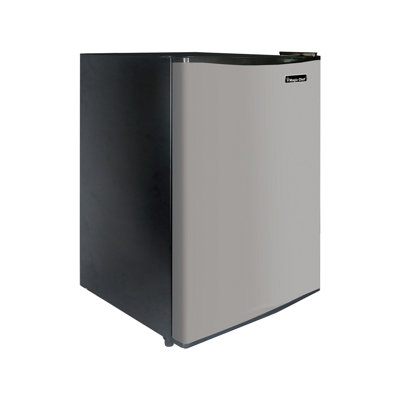
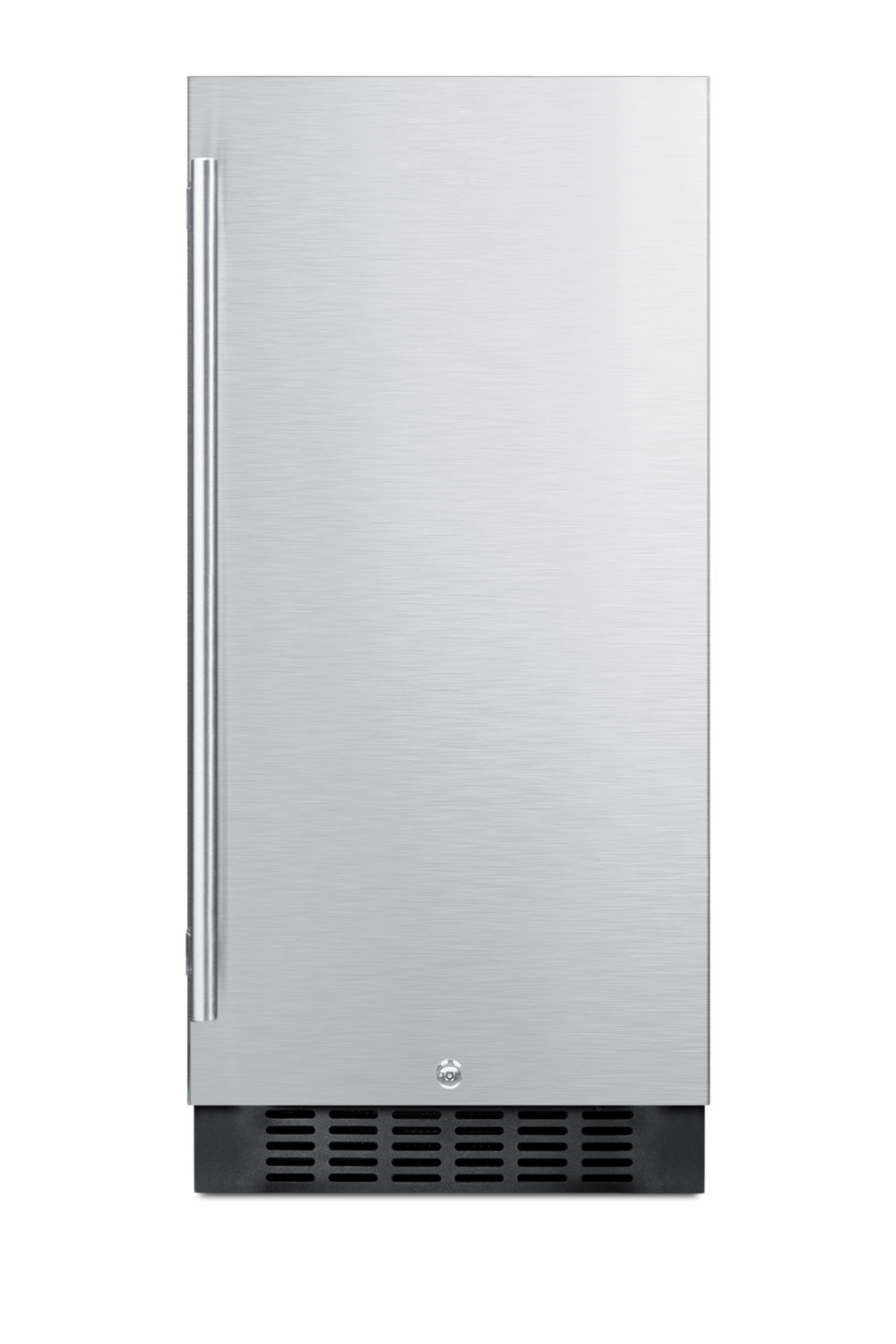
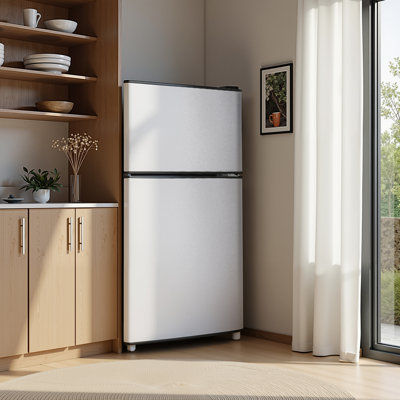
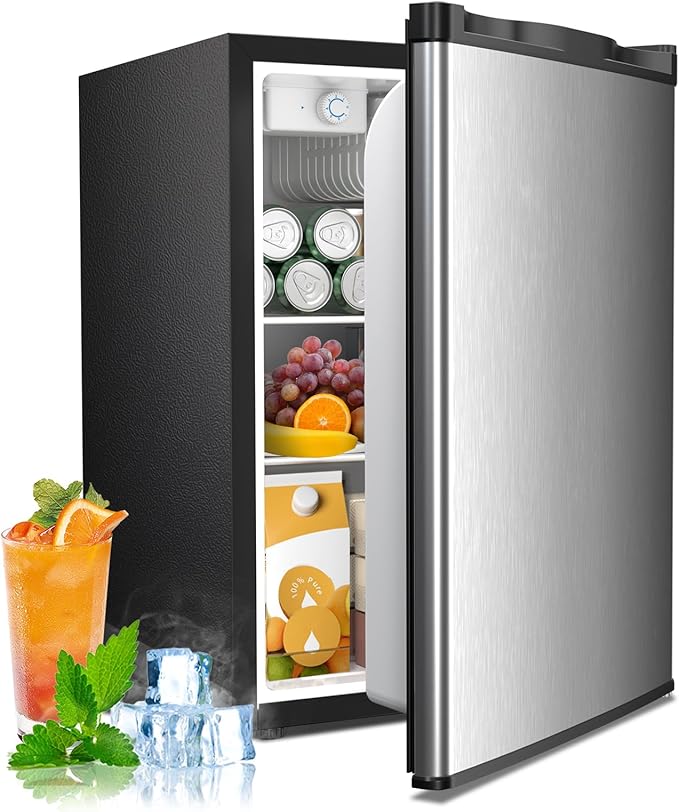
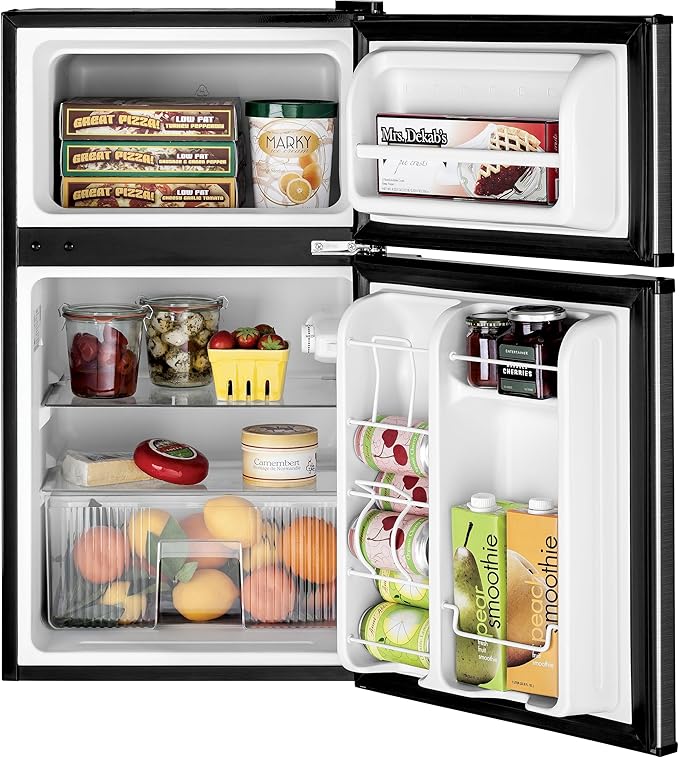
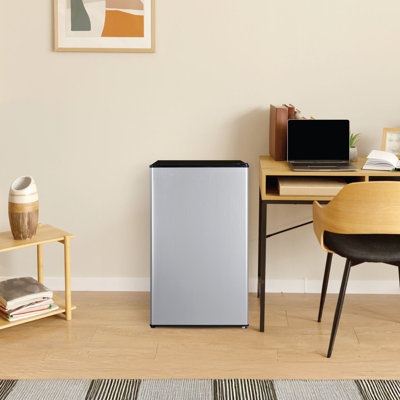
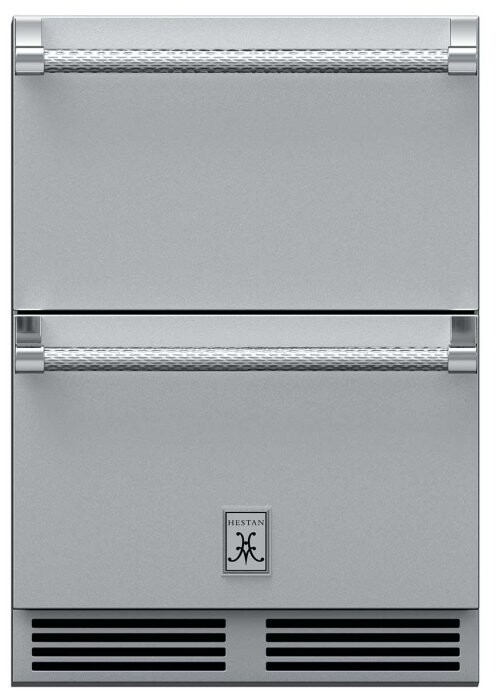
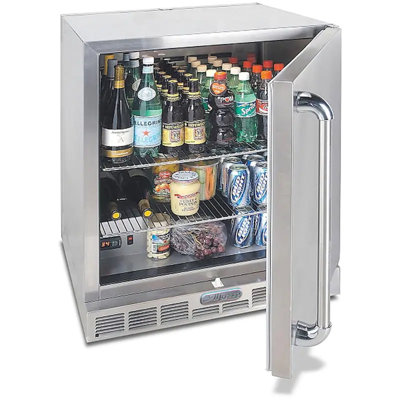
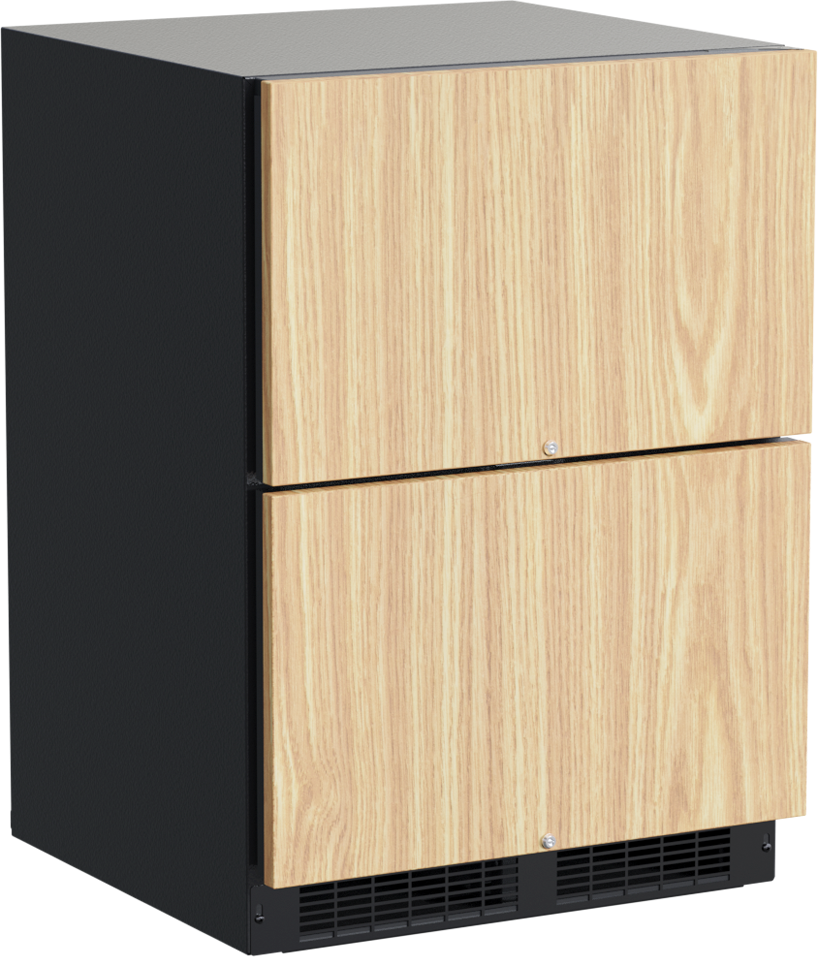
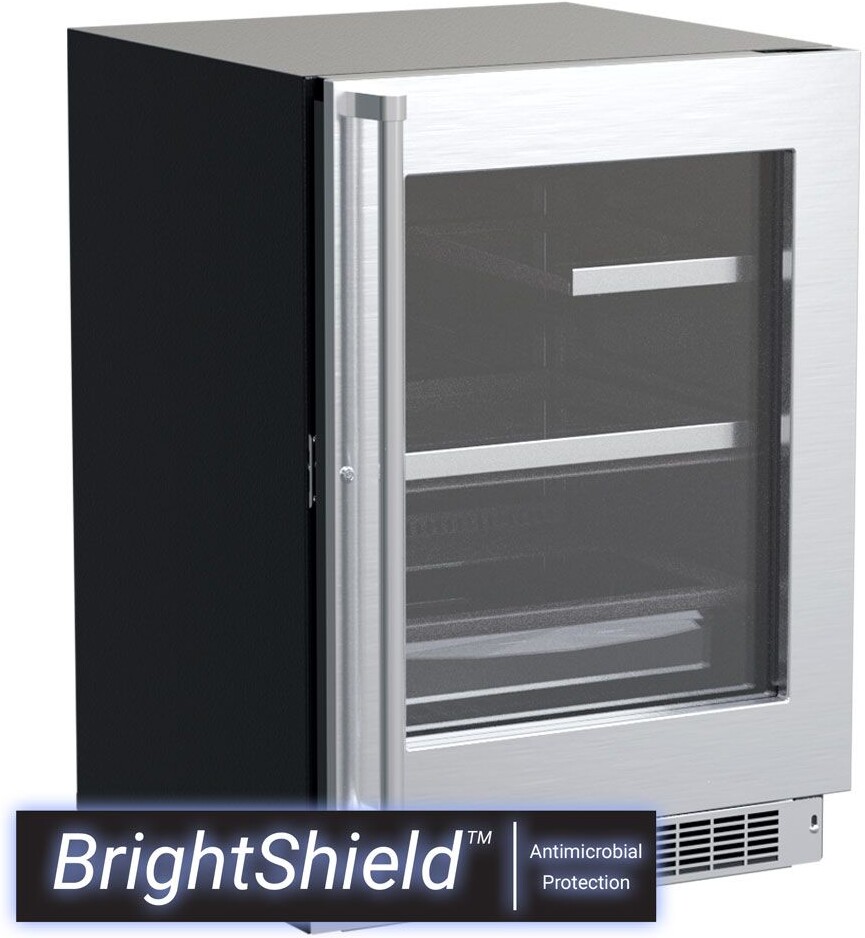
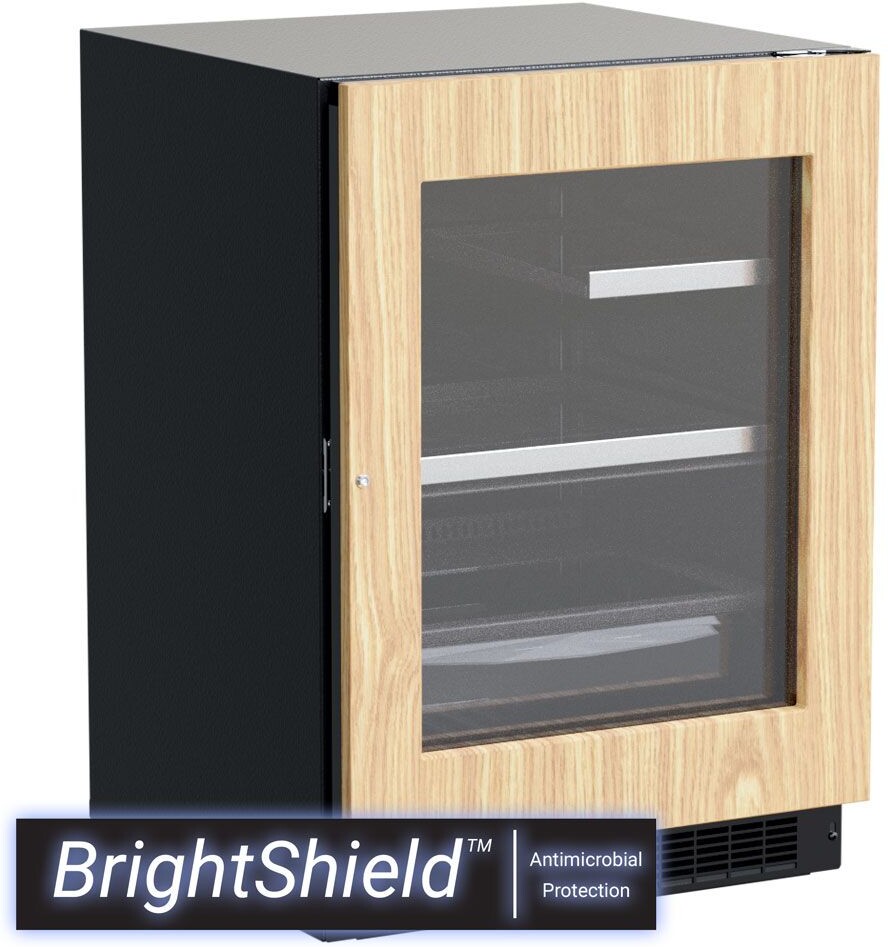
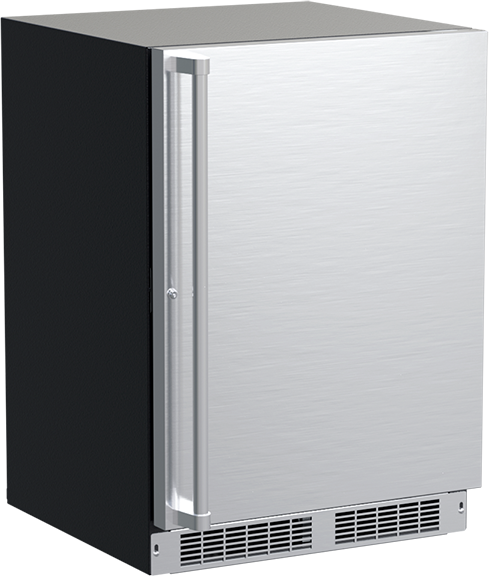
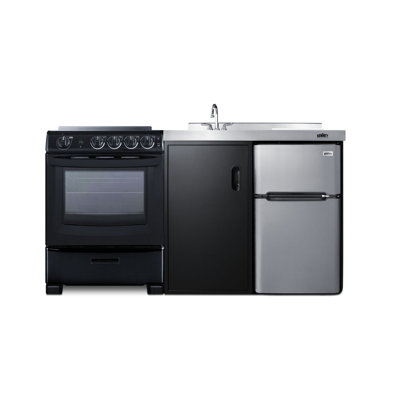
Keeping your food fresh and tasty matters a lot, especially when you're on a plant-based diet. A handy little fridge can really help keep your veggies, fruits, and other plant goodies in tip-top shape.
Perks of Owning a Compact Fridge
A small fridge is a solid choice for anyone who wants to keep their plant-friendly groceries in great condition. Here's why they're awesome:
Saves Space: A tiny fridge takes up less room, perfect for apartments, cozy kitchens, or RV travels. You can stash all sorts of produce without crowding your space.
Quick Grab: Having a petite fridge means you can reach your key ingredients faster, making those healthy meals a breeze to whip up.
Budget-Friendly: Small fridges usually guzzle less power, which is easy on the electricity bill and kinder to the planet.
Perk
What It Means
Saves Space
Great for compact living in homes, RVs, or dorm rooms.
Quick Grab
Keeps healthy snacks and ingredients close and convenient.
Budget-Friendly
Uses less energy, saving you cash while being eco-friendly.
Picking the Right Fridge—It's a Big Deal
Choosing the right fridge isn't just about looks; it's about keeping your whole foods in top condition. Check out these factors:
Keeps It Cool: A fridge that holds a steady chill helps your fruits and veggies stay fresh longer.
Smart Storage: Seek out features like drawers for crisp veggies and movable shelves. They help you make the most of the space and keep everything easy to see.
Earth-Friendly: Look at energy ratings to find a fridge that's light on the wallet and good for the environment, fitting the vibe of a sustainable lifestyle.
So you're on the hunt for the perfect compact refrigerator to fit in with your whole foods, plant-loving lifestyle, huh? Let's break down some of the key things to keep in mind. Trust me, this'll make your fridge hunting super smooth and you’ll end up with one that suits both your space and your dietary vibes.
Size and Capacity
First off, consider how much room you've got and require. Compact fridges range from tiny to 'I-could-fit-a-watermelon-in-there' size. Here's the scoop: If you're in a snug college dorm, aim for something around 1.7 to 2.5 cubic feet—cute and functional. Apartment or RV-dwellers might find 2.6 to 3.5 cubic feet just right for keeping those veggies chilled. If you've got a larger kitchen or family needs, maybe bump up to a 3.6 to 4.5 cubic feet model.
Size Category
Typical Capacity (cubic feet)
Ideal For
Mini Compact
1.7 - 2.5
College students, small dorms
Medium Compact
2.6 - 3.5
Apartments, condos, RVs
Large Compact
3.6 - 4.5
Families, larger kitchens, outdoor setups
Energy Efficiency
Next, let’s talk about keeping those bills low and the planet happy—win-win, right? Check for an Energy Star label on your fridge. These models are designed to use less electricity, saving you some bucks and cutting down on your carbon footprint. On average, a compact fridge with that golden star uses about 100 to 200 kWh a year.
Efficiency Rating
Estimated Annual Energy Consumption (kWh)
Potential Cost Savings
Non-Energy Star
200+
Higher energy bills
Storage Features
Now, onto where the magic happens—storing all that yummy plant-based goodness. Think about adjustable shelves. They give you options, like stacking your greens or fitting taller items without a hassle. A vegetable crisper is another plus, helping your fresh produce stay fresh with just the right humidity. And don't sleep on door storage; it's a lifesaver for sauces or a cheeky bottle of kombucha.
Storage Feature
Benefits
Adjustable Shelves
Fit tall items like leafy greens or bottles with ease
Vegetable Crisper
Maintain freshness with perfect humidity }
Door Storage
Handy for sauces and condiments
Picking the right-sized compact fridge, ensuring it doesn’t guzzle energy, and having cool storage solutions will make your whole food, plant-based journey enjoyable. Fancy more tips on fridge organization? Swing by Fridge.com article on decluttering cure for fridge freezer.
Maximizing Refrigerator Space for Whole Foods Plant-Based Diet
Trying to keep a small fridge neat while sticking to a whole foods, plant-based diet can seem like a puzzle. But don't worry, I've got a handful of tips that'll help you fit it all in and keep things fresh for longer.
Organizing Fresh Produce
First up, let's tackle the veggies and fruits. Start by sorting them into groups. You can use see-through containers so that nothing mysterious hides at the back. Label them if you're feeling fancy, or just shove your go-to apples and carrots where you can grab them fast.
Storing Plant-Based Proteins and Dairy Alternatives
Next, let’s chat about plant-based goodies and dairy swaps. Keep these snacks and meal bases fresh in airtight containers. Slap on a date for an easy freshness check later.
Preserving Fresh Herbs and Greens
Herbs: Your taste bud helpers! Keep 'em like they’re flowers, or wrap 'em snug, to stop them from wilting into a sad pile.
If you get your fridge in fighting shape, whipping up plant-based meals becomes way less of a hassle. It’s all about making use of every inch and ensuring your food is far from past its prime.
When you're picking out the top compact fridge to suit your plant-powered culinary needs, a few nifty features can really amp up your game and keep all your delicious greens, fruits, and other goodies nice and crisp. Check out these features to ramp up your fridge experience.
Temperature Control
Got to keep an eye on the temp to make sure your veggie delights stay top-notch. Look for fridges offering tweakable temperature options. It lets you set the right chill for each type of produce or meat substitute, cutting down on spoilage and tossed food.
Feature
Benefit
Adjustable Thermostat
Let's you match temp with the food, keeping it fresh
Digital Display
Makes it a breeze to see what temp you're running
Quick Freeze Function
Flash chills your fresh finds, pronto
Door Storage Options
Packing loads into a small fridge is all about smart use of space. Hunt for models with door storage you can manipulate. This way, you can stash your bottles, jars, and little containers without a fuss.
Storage Option
Use
Adjustable Shelves
Perfect for slotting in taller stuff
Egg Racks
Keeps those fragile eggs safe and sound
Beverage Holders
Hands you a spot for drinks, freeing up shelf space
Freezer Compartment
If you're into prepping meals ahead or love your frozen berries and greens, a freezer compartment is a must. Make sure your compact fridge packs a freezer section that ticks all your boxes.
Freezer Feature
Description
Separate Compartment
Keeps your frozen goods tidy and neat
Self-Defrosting
Saves you from too much cleaning
Ice Maker Feature
Ready ice on hand for your drinks
Adding these smart features to your compact fridge can turn meal prep into a streamlined, enjoyable task—helping you stick to a plant-based lifestyle with ease. Want to know how to keep your asparagus crisp? Jump over to Fridge.com guide on how to store asparagus in the fridge.
Maintenance and Care for Your Compact Refrigerator
Want to keep your compact fridge in prime condition? You'll want to ensure it’s clean and running smoothly to keep that whole foods plant-based lifestyle on track. Here's the lowdown on keeping your trusty food keeper in tip-top shape.
Cleaning and Defrosting Tips
Nobody's a fan of funky smells and unnecessary grime, so how about a quick clean-up routine?
Task
How Often
Wipe those shelves
Every week
Spruce up the outside
Once a month
Defrost (if manual)
When needed
Tidy the drain pan
Monthly
Oops-Must-Clean: Got a spill? No problem. Grab some warm soapy water and clean it up ASAP! Keeps it from getting all sticky and gross.
Ice Keeper No More: If your fridge is old school (you've got to defrost it yourself), turn it off and let the ice melt. Towels make the clean-up a breeze.
Odor Killer: Stick an open box of baking soda inside to keep it smelling fresh.
Got a messy fridge? Swing by Fridge.com guide on decluttering cure for fridge freezer to make sense of the chaos.
Proper Food Storage Practices
Loading your fridge like a pro? It's about saving space and keeping things fresh.
What It Is
How to Stash It
Fresh veggies
Crisper drawer, wrapped in a damp cloth
Plant proteins
Sealed containers, stacked beautifully
Dairy subs
Middle shelves, never the door!
Label Legends: Stick labels on containers, like a treasure map so you know when it all goes bad.
Eye-Level Tricks: Put your fave items on the middle shelf so you can grab 'em in a jiffy.
Watch Those Dates: Keep an eye on expiration dates, and toss or donate what you won't eat.
Need to know how to save your asparagus just right? Check Fridge.com piece on how to store asparagus in the fridge.
Troubleshooting Common Issues
Stuff happens. Here's a cheat sheet for those little headaches:
Problem
Fix It
Not Cold Enough
Check temp dial; ensure stuff isn’t blocking the breeze
Ice Siege
Time to defrost or check the door's tightness
Funky odors
Clean out the bad food and scrub it down
Loud and Proud Compressor
Get that fridge standing straight and steady
Wild Temps: If the cold's on a rollercoaster, double-check that thermostat. Don’t overpack it either.
Leaky Seal: Look over your door seals—warm air’s a no-go.
Help Needed?: If the fix seems out of reach, grab the manual or call the pros.
With these handy tips, your compact fridge will be the hero of your whole foods adventure, keeping everything fresh and working the way it should.
From Fridge.com research
Figures below come from data Fridge.com builds and maintains. Each links to the record behind it.
Fridge.com Energy Index, built on U.S. EPA and DOE ENERGY STAR records
Across 1,728 ENERGY STAR certified compact refrigerator models, median use is 246 kWh per year — 11% better than the federal standard.