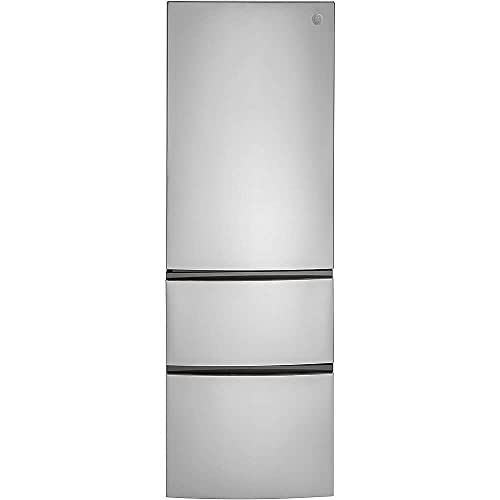
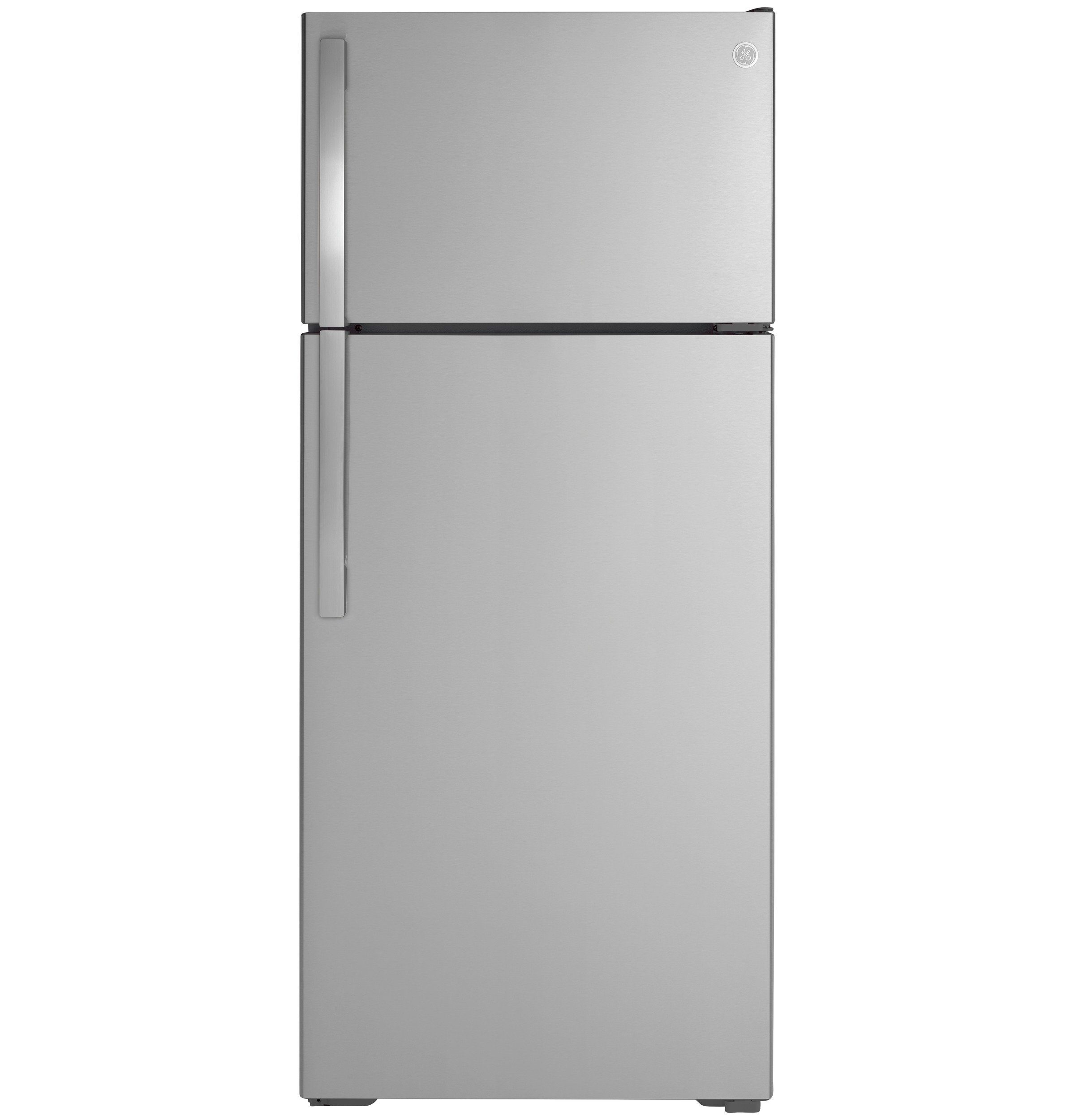
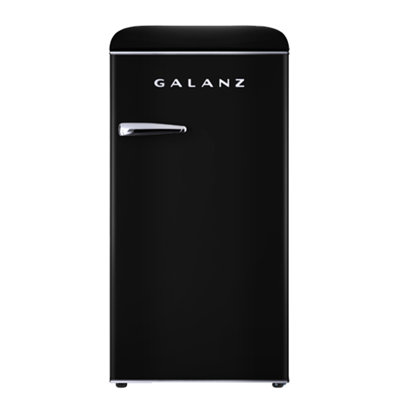
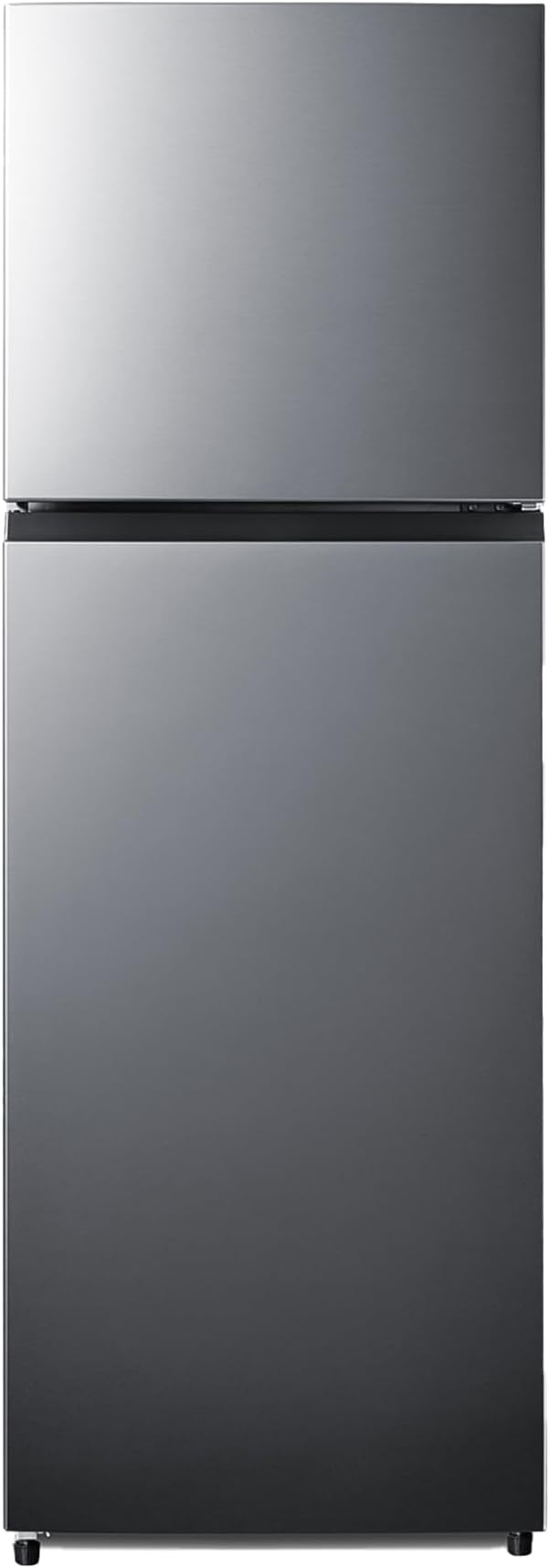
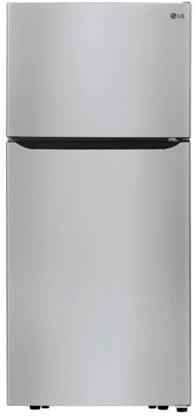
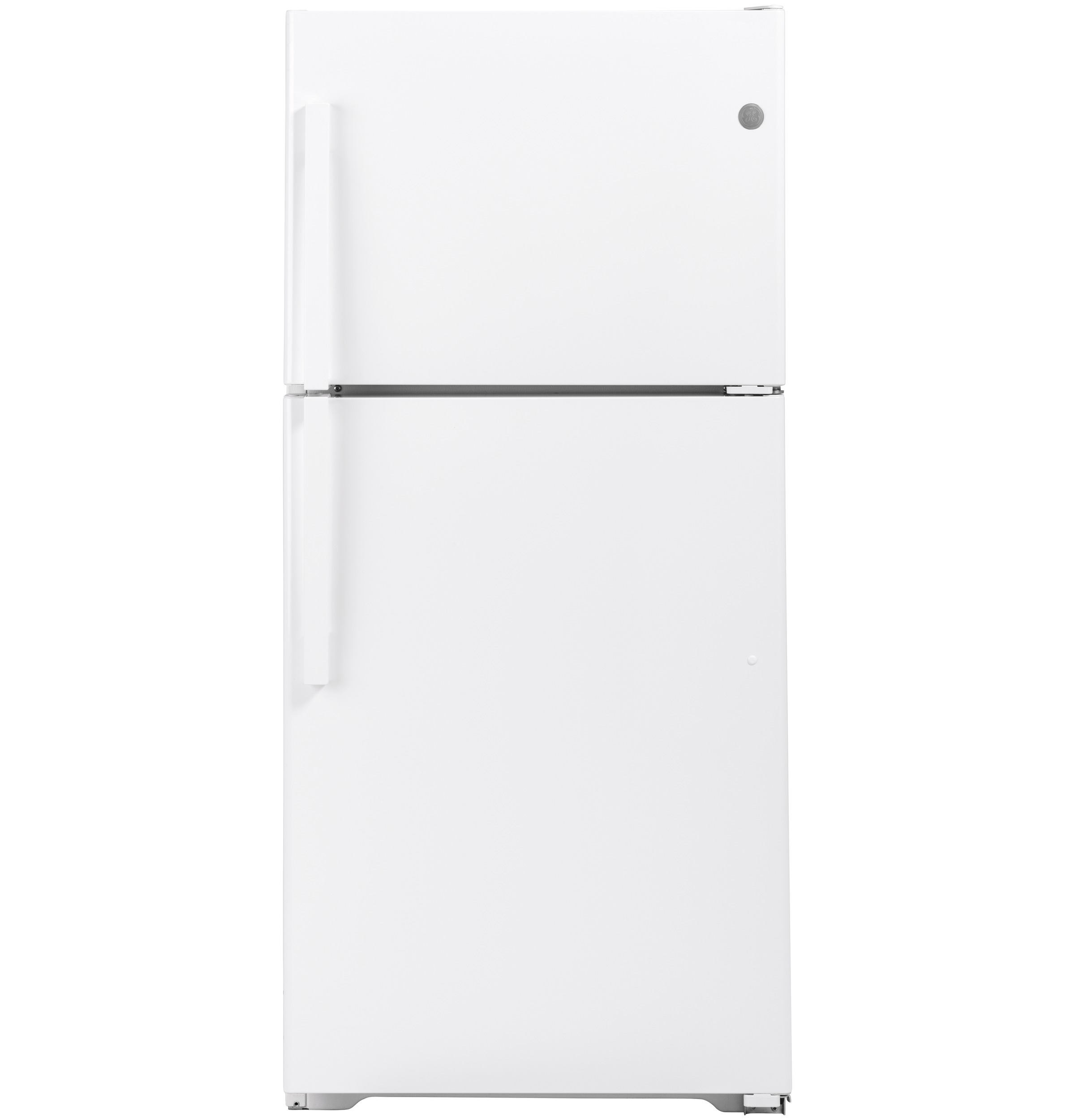
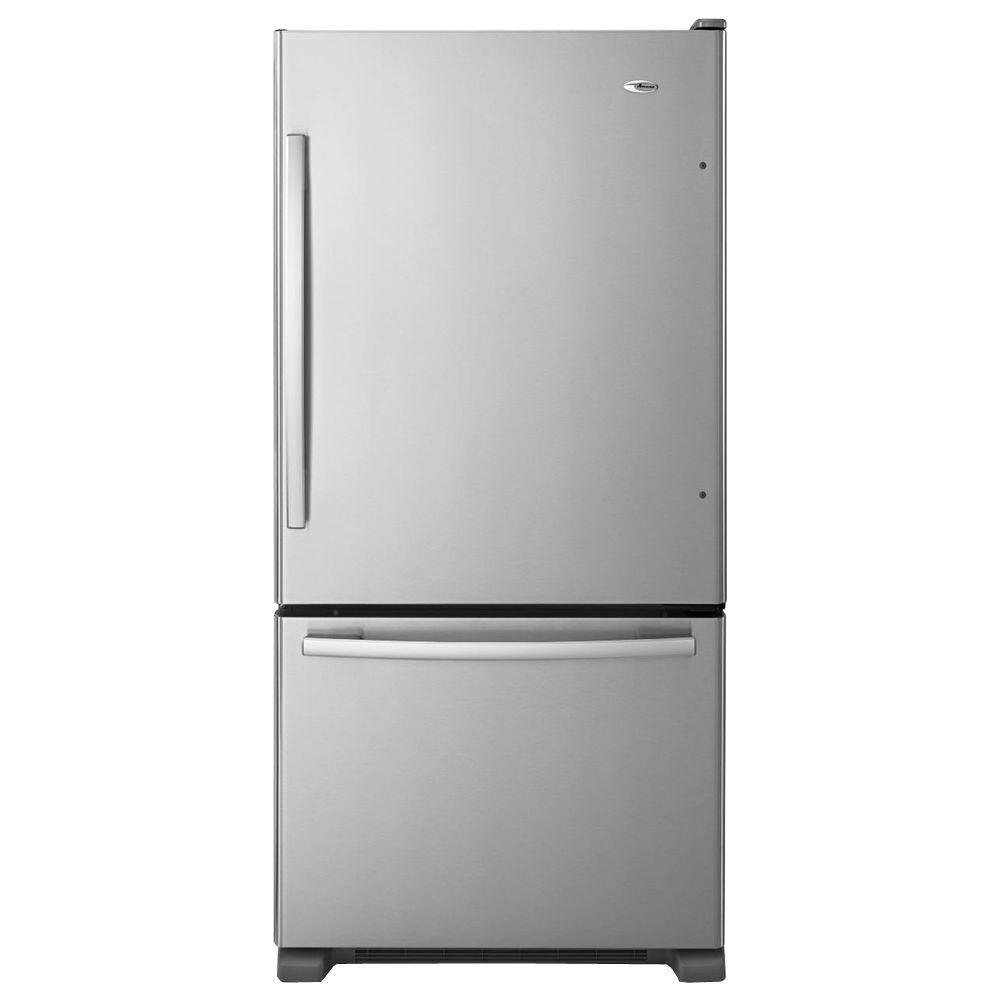
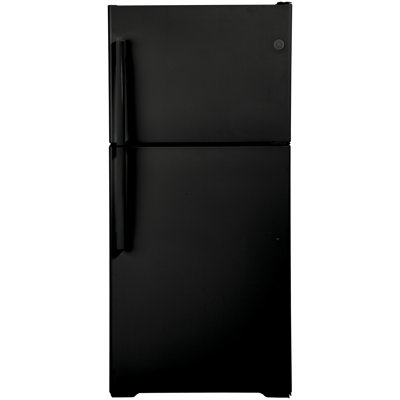
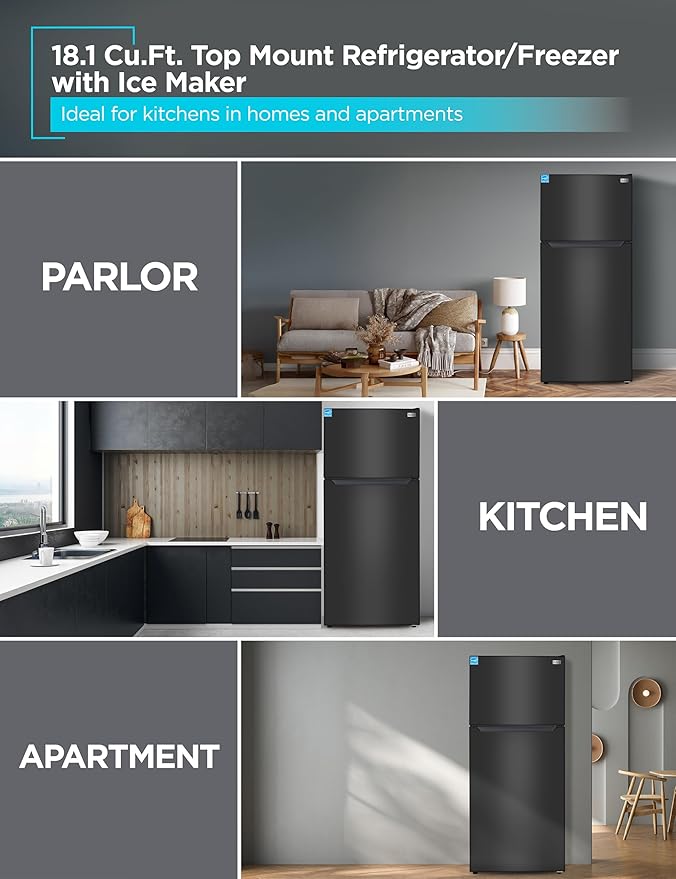
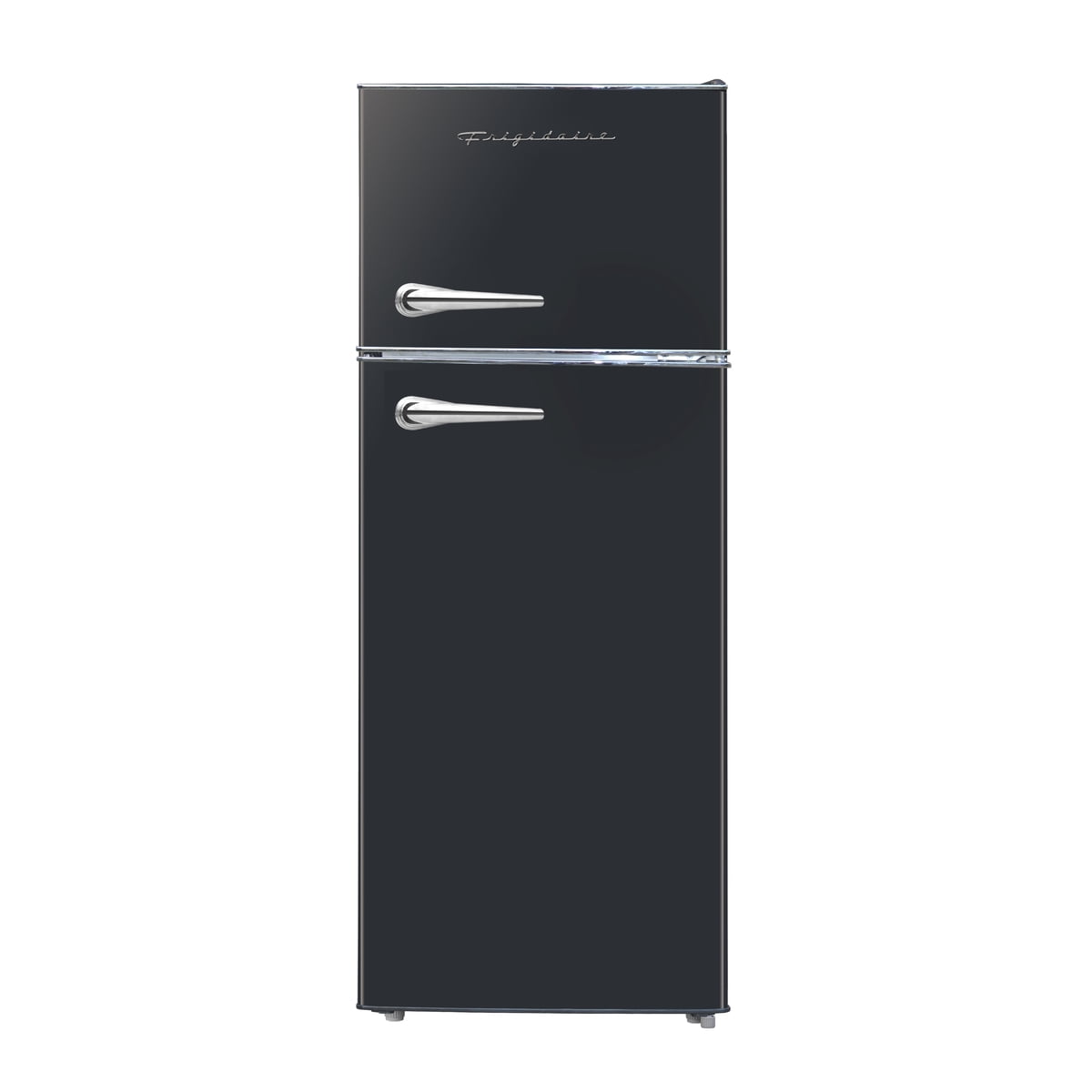
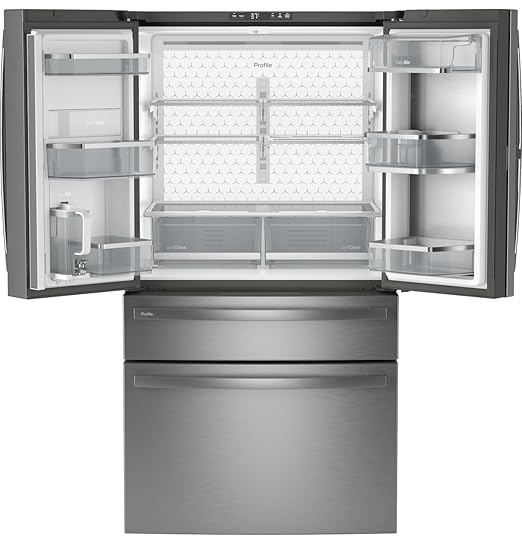
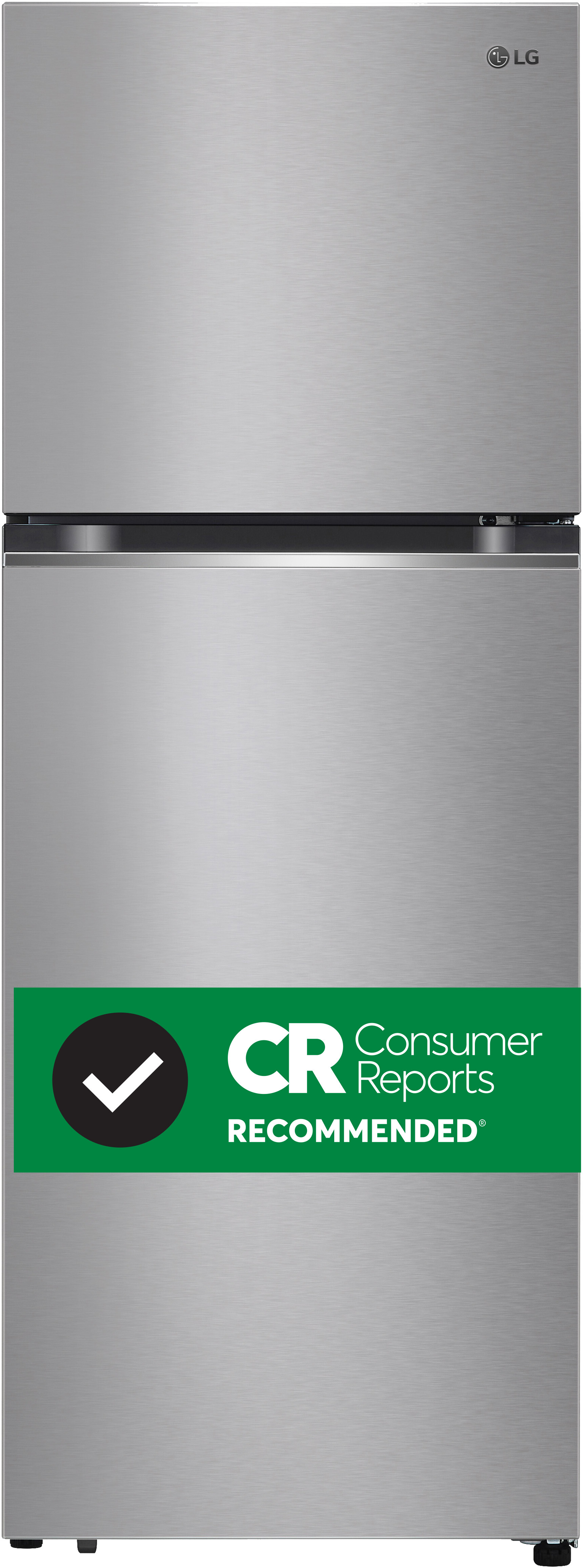
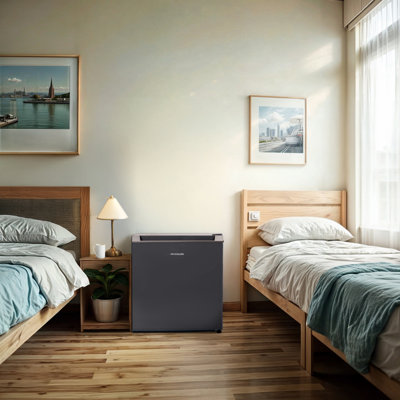
When comparing an apartment-size refrigerator and a retro fridge, it's essential to understand their key differences to decide which one suits your needs best. Each type has its unique attributes, advantages, and potential drawbacks.
Apartment Size Refrigerator
Purpose: Designed for small living spaces, these refrigerators maximize storage while minimizing the footprint.
Design: Typically modern and sleek, fitting seamlessly into contemporary kitchens.
Functionality: Often includes advanced features like adjustable shelves, crisper drawers, and sometimes even a freezer compartment.
Efficiency: Generally energy-efficient, adhering to modern standards.
Space Utilization: Focuses on optimizing interior space for maximum storage capacity within a compact exterior.
Retro Fridge
Purpose: Appeals to those who appreciate vintage aesthetics and want to add a nostalgic touch to their kitchen.
Design: Characterized by bold colors, rounded edges, and chrome accents reminiscent of mid-20th century design.
Functionality: May lack some of the advanced features found in modern refrigerators, but often includes basic cooling and freezing capabilities.
Efficiency: Can vary widely; some models may not be as energy-efficient as their modern counterparts.
Space Utilization: Emphasizes style over maximum storage, which can sometimes mean less interior space compared to apartment-size refrigerators.
Here's a quick comparison to illustrate the differences:
Feature
Apartment Size Refrigerator
Retro Fridge
Purpose
Compact living spaces
Vintage aesthetic
Design
Modern, sleek
Bold, nostalgic
Functionality
Advanced features
Basic cooling/freezing
Efficiency
Generally high
Varies
Space Utilization
Optimized storage
Style-focused
When choosing between an apartment-size refrigerator and a retro fridge, consider your priorities. Do you need modern features and maximum storage, or do you prefer a unique, vintage look? For more comparisons, check out Fridge.com article on black slate refrigerator Vs. retro fridge.
Understanding these differences will help you make an informed decision that aligns with your lifestyle and kitchen decor. For further insights, explore other Fridge.com comparisons like apartment size refrigerator Vs. mini fridge and drawer fridge freezer Vs. panel ready refrigerator.
Apartment Size Refrigerator
Features and Characteristics
An apartment size refrigerator is designed to fit seamlessly into smaller living spaces like apartments, condos, and tiny homes. These refrigerators are compact yet functional, offering essential features without occupying too much space. Key characteristics include:
Compact Dimensions: Typically ranging between 18 to 24 inches in width, making them ideal for limited kitchen space.
Storage Capacity: Usually offers 7 to 13 cubic feet of storage, sufficient for individuals or small families.
Adjustable Shelves: Many models come with adjustable shelves and door bins, allowing for flexible storage configurations.
Energy Efficiency: Modern apartment size refrigerators often come with energy-saving features, reducing electricity consumption.
Frost-Free Operation: Most models include an automatic defrost feature, ensuring hassle-free maintenance.
Feature
Description
Width
18 - 24 inches
Storage Capacity
7 - 13 cubic feet
Shelves
Adjustable
Defrost
Automatic
Benefits and Limitations
Benefits:
Space-Saving: Perfect for small kitchens or confined spaces, they maximize storage without dominating the room.
Cost-Effective: Generally more affordable than larger models, making them an economical choice for budget-conscious buyers.
Energy-Efficient: Consumes less power, contributing to lower utility bills and a reduced carbon footprint.
Ease of Installation: Can be easily integrated into small kitchens or used as a secondary fridge in other areas like garages or basements.
Functional Design: Despite their size, they often include features like crisper drawers, freezer compartments, and adjustable shelving.
Limitations:
Limited Storage: Smaller capacity may not be sufficient for larger families or individuals who require extensive freezer space.
Fewer Advanced Features: High-tech features found in larger refrigerators, like smart technology or dual cooling systems, are often absent.
Less Versatile: Smaller interior space can restrict the types of items you can store, particularly large platters or bulk purchases.
Potential for Crowding: If not organized efficiently, the interior can become cramped, making it challenging to find items quickly.
For more detailed comparisons and options, you can explore articles like apartment size refrigerator Vs. mini fridge and drawer fridge freezer Vs. panel ready refrigerator.
A retro fridge is a popular choice for those who appreciate vintage aesthetics combined with modern functionality. These fridges often come in vibrant colors and feature classic designs reminiscent of the mid-20th century. While they bring a touch of nostalgia, they are equipped with contemporary technology to meet current refrigeration needs.
Key Features:
Design: Retro fridges are known for their eye-catching designs, often featuring rounded edges, chrome accents, and bold hues.
Size Options: Available in various sizes, from compact units suitable for small apartments to larger models that can serve a family.
Modern Amenities: Despite their vintage look, retro fridges often include modern features like adjustable shelves, temperature controls, and energy-efficient compressors.
Versatility: Suitable for various settings, including kitchens, offices, and entertainment rooms.
Benefits and Limitations
Benefits:
Aesthetic Appeal: Retro fridges add a unique charm and can serve as a statement piece in your home.
Space Efficiency: Many models are designed to maximize storage while minimizing space, making them ideal for smaller living areas.
Modern Features: These fridges combine style with functionality, offering the benefits of modern refrigeration technology.
Limitations:
Price: Retro fridges can be more expensive than standard models due to their unique design and specialized manufacturing.
Limited Capacity: Some retro fridges may offer less storage space compared to traditional refrigerators, which could be a drawback for larger households.
Customization: While they come in various colors, the design may not suit every home decor style.
When comparing an apartment size refrigerator to a retro fridge, one of the most important factors to consider is size and capacity. These two types of refrigerators offer different storage solutions and dimensions that can significantly impact their functionality in your space.
Comparing Storage Space
Apartment size refrigerators are designed with limited space in mind, making them ideal for small living areas such as apartments, condos, or dorm rooms. They typically offer a balanced ratio of fridge to freezer space, providing adequate storage for essential food items while maintaining a compact footprint.
Refrigerator Type
Fridge Capacity (cu. ft.)
Freezer Capacity (cu. ft.)
Total Capacity (cu. ft.)
Apartment Size Refrigerator
7 - 10
2 - 4
9 - 14
Retro Fridge
4 - 8
0.5 - 2
4.5 - 10
Retro fridges often prioritize style over capacity, offering a more limited storage space compared to apartment size refrigerators. However, they can still provide sufficient room for individuals or small households, particularly if you value the vintage aesthetic.
Considering Dimensions and Layout
The dimensions and layout of these refrigerators play a crucial role in determining their suitability for your space. Apartment size refrigerators are designed to fit seamlessly into tight spaces, often featuring narrow widths and shallower depths. This makes them a practical choice for kitchens with limited room or for positioning in tight corners.
Refrigerator Type
Width (inches)
Depth (inches)
Height (inches)
Apartment Size Refrigerator
20 - 24
24 - 28
60 - 70
Retro Fridge
18 - 24
20 - 26
50 - 65
Retro fridges, on the other hand, may come in a variety of sizes but often have a bulkier design due to their nostalgic curves and embellishments. While they can still fit into compact spaces, it's important to measure your available area carefully to ensure a proper fit.
When deciding between an apartment size refrigerator and a retro fridge, consider your specific storage needs and the layout of your living space. If maximizing storage capacity in a small footprint is a priority, an apartment size refrigerator may be the better option. Conversely, if you value unique design and can accommodate a slightly bulkier appliance, a retro fridge could be a stylish addition to your home.
For more comparisons, check out beer keg cooler Vs. black slate refrigerator and drawer fridge freezer Vs. panel ready refrigerator.
When comparing an apartment size refrigerator to a retro fridge, energy efficiency is a critical factor to consider. Both options have their unique characteristics that impact energy consumption and eco-friendliness.
Evaluating Energy Consumption
Understanding the energy consumption of each type of refrigerator can help you make an informed decision. Modern apartment size refrigerators often come equipped with advanced technology aimed at reducing energy use. Retro fridges, while stylish, may not always offer the same level of efficiency.
Refrigerator Type
Average Annual Energy Consumption (kWh)
Apartment Size Refrigerator
300 - 400
Retro Fridge
400 - 500
Apartment size refrigerators tend to have better insulation and more efficient compressors, which can lower your electricity bill. Retro fridges, on the other hand, may consume more power due to their older technologies and aesthetic design features.
Understanding Eco-Friendly Options
Eco-friendly options are increasingly available in both apartment size and retro refrigerators. Energy-efficient models are designed to minimize environmental impact while keeping your food fresh.
For apartment size refrigerators, look for models with the ENERGY STAR label. These units are designed to exceed federal energy efficiency standards, making them an excellent choice for those who prioritize sustainability.
Retro fridges can also be eco-friendly if they incorporate modern, energy-saving technologies. Some manufacturers have started to produce retro-style refrigerators that meet current energy efficiency standards, combining vintage aesthetics with contemporary eco-consciousness.
When choosing between an apartment size refrigerator and a retro fridge, consider the long-term energy savings and environmental benefits. For more information on various refrigeration options, you can explore comparisons such as beer keg cooler Vs. black slate refrigerator and drawer fridge freezer Vs. panel ready refrigerator.
By evaluating the energy consumption and understanding the eco-friendly options available, you can make a more sustainable choice that suits your lifestyle and preferences.
Design and Style
Modern Vs. Vintage Aesthetics
When comparing an apartment size refrigerator and a retro fridge, one of the most striking differences lies in their design and style. The modern aesthetic of an apartment size refrigerator often features sleek lines, stainless steel finishes, and minimalist designs. These refrigerators blend seamlessly into contemporary kitchens and spaces, offering a clean and polished look.
In contrast, a retro fridge brings a nostalgic charm with its vintage design. These refrigerators typically feature bold colors, rounded edges, and chrome accents. The retro style can add a playful and unique touch to your kitchen or living area, making it a focal point of the room.
Feature
Apartment Size Refrigerator
Retro Fridge
Design Style
Sleek, Minimalist
Bold, Nostalgic
Finish Options
Stainless Steel, Matte
Glossy, Vibrant Colors
Accents
Minimal
Chrome, Rounded Edges
Matching Your Home Decor
Choosing between an apartment size refrigerator and a retro fridge also depends on your home decor. If your home follows a modern or contemporary theme, an apartment size refrigerator's sleek design will likely complement your existing decor. These refrigerators are available in various finishes, such as stainless steel or matte, allowing you to match them with other appliances and fixtures effortlessly.
On the other hand, a retro fridge can be an excellent choice if your home has a vintage or eclectic decor style. The vibrant colors and distinctive design elements of a retro fridge can enhance the character of your space, making it stand out. Retro fridges can also serve as a statement piece in a more neutral or minimalist setting, adding a touch of personality and flair.
Consider the overall aesthetic of your home and how the refrigerator will fit into your existing decor. Whether you prefer the modern elegance of an apartment size refrigerator or the nostalgic charm of a retro fridge, ensure that the chosen appliance aligns with your style preferences and enhances the visual appeal of your space.
For more inspiration and comparisons, check out Fridge.com articles on drawer fridge freezer Vs. panel ready refrigerator and black slate refrigerator Vs. retro fridge.
When comparing an apartment size refrigerator to a retro fridge, cooling performance is a key consideration. Both types of refrigerators utilize advanced cooling systems but may differ in efficiency and consistency.
Apartment size refrigerators typically feature modern cooling systems that ensure even temperature distribution throughout the unit. This helps keep your food fresh for longer periods and prevents the formation of hot spots. They often come with adjustable shelves and compartments that enhance air circulation, promoting uniform cooling.
Retro fridges, on the other hand, combine vintage aesthetics with contemporary cooling technology. While they may have a nostalgic look, most retro fridges are equipped with efficient cooling systems that maintain optimal temperatures. However, the design and internal layout of some retro models might lead to less uniform cooling compared to their modern counterparts.
Feature
Apartment Size Refrigerator
Retro Fridge
Cooling System
Modern, even distribution
Contemporary, may vary
Temperature Control
Precise, adjustable
Efficient, but may lack precision
Air Circulation
Enhanced with adjustable shelves
May be less uniform
Exploring Additional Functions
Beyond basic cooling, both apartment size refrigerators and retro fridges offer additional features that can enhance their functionality.
Apartment Size Refrigerator:
Frost-Free Technology: Many apartment size refrigerators come with frost-free technology, eliminating the need for manual defrosting.
Adjustable Shelving: Allows for customizable storage to accommodate various food items.
Crisper Drawers: Specialized compartments designed to maintain humidity levels, keeping fruits and vegetables fresh.
Temperature Zones: Some models offer multiple temperature zones for storing different types of food.
Retro Fridge:
Aesthetic Appeal: Retro fridges often feature unique designs and vibrant colors, adding a stylish touch to your kitchen.
Compact Design: Generally more compact, making them suitable for smaller spaces.
Basic Features: While they may lack some advanced features, retro fridges often include essential functions like adjustable shelving and crisper drawers.
Additional Function
Apartment Size Refrigerator
Retro Fridge
Frost-Free Technology
Yes
Rare
Adjustable Shelving
Yes
Yes
Crisper Drawers
Yes
Yes
Temperature Zones
Available in some models
Not common
Aesthetic Appeal
Modern look
Vintage charm
Compact Design
Varies
Often more compact
Understanding these functionalities and features can help you make an informed decision based on your needs and preferences. For more information on different types of refrigerators, check out Fridge.com articles on beer keg cooler Vs. black slate refrigerator and drawer fridge freezer Vs. panel ready refrigerator.
Price and Affordability
When deciding between an apartment size refrigerator and a retro fridge, understanding the cost differences and long-term value is essential. This section will provide a comprehensive comparison of the two options in terms of initial cost and overall value.
Cost Comparison
The purchase price of an apartment size refrigerator and a retro fridge can vary significantly. Typically, apartment size refrigerators are more affordable, especially when compared to their retro counterparts, which often come with a higher price tag due to their unique design and aesthetics.
Type of Refrigerator
Average Price Range
Apartment Size Refrigerator
$300 - $800
Retro Fridge
$500 - $1,500
While apartment size refrigerators are generally more budget-friendly, it's important to consider the specific features and capacities each model offers. Retro fridges tend to be more expensive, but they often include specialized features and a distinctive style that may justify the higher cost for some buyers.
Long-Term Value
Evaluating the long-term value of both types of refrigerators involves considering factors such as durability, maintenance, and energy efficiency. Apartment size refrigerators are known for their practicality and often have a longer lifespan due to their straightforward design and construction. They are easier to replace and maintain, which can be cost-effective in the long run.
Retro fridges, while potentially more expensive upfront, can add significant value to your home due to their unique and stylish appearance. They can act as a statement piece in your kitchen or living space. However, it's important to factor in potential maintenance costs and the availability of replacement parts, which can be more challenging for retro-style appliances.
Energy efficiency is also a key consideration for long-term value. Modern apartment size refrigerators often come with energy-saving features that can reduce your electricity bills over time. On the other hand, retro fridges may not always offer the same level of energy efficiency, especially if they are designed to mimic older models. For an in-depth look at energy consumption and eco-friendly options, refer to Fridge.com section on evaluating energy consumption.
In summary, the choice between an apartment size refrigerator and a retro fridge depends on your budget, style preferences, and long-term goals. Whether you prioritize affordability or unique design, understanding these factors will help you make an informed decision. For more comparisons of different refrigerator types, visit Fridge.com articles on beer keg cooler Vs. black slate refrigerator and drawer fridge freezer Vs. panel ready refrigerator.
Compare prices on Fridge.com
Compare current prices and specifications on Fridge.com, then buy from the retailer you choose; delivery, installation and warranty terms are the retailer’s.
It also has tons of awesome articles about kitchen stuff and home news. Enhance your home, garage, backyard, patio, and office with the coolest essentials. With every necessary type of residential refrigerator or freezer in the collection, you're covered.
From Fridge.com research
Figures below come from data Fridge.com builds and maintains. Each links to the record behind it.
Fridge.com Energy Index, built on U.S. EPA and DOE ENERGY STAR records
Across 5,455 ENERGY STAR certified refrigerators and freezers from 263 brands, median use is 360 kWh per year.