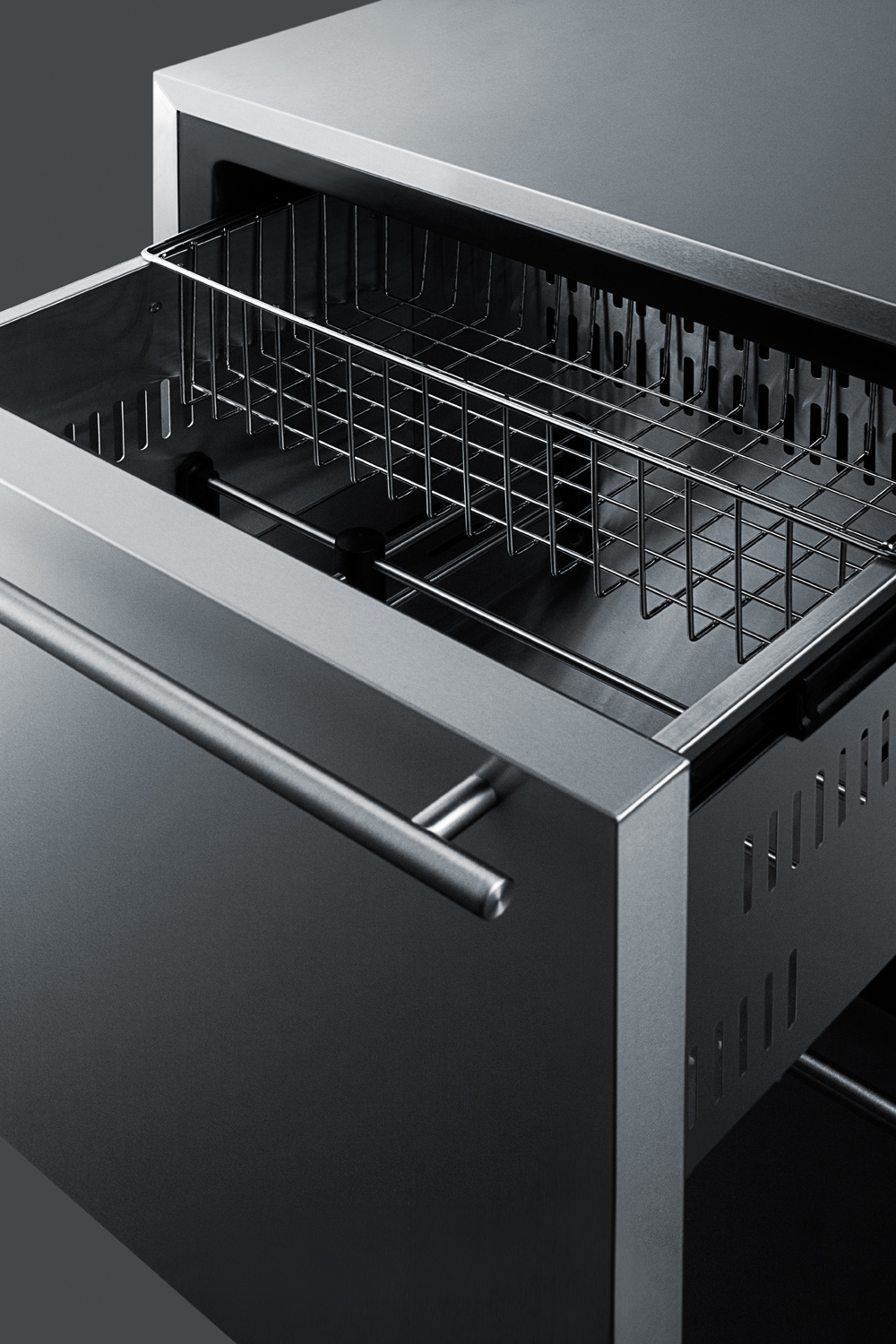
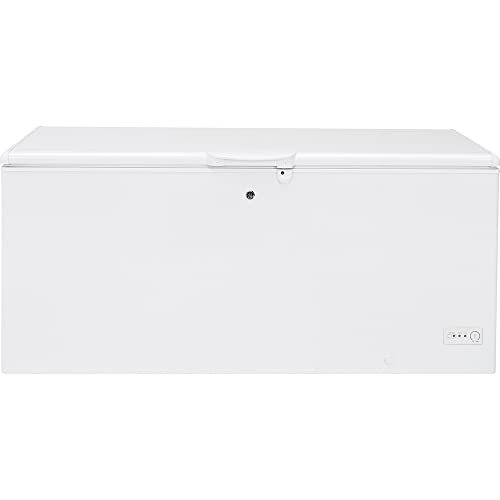
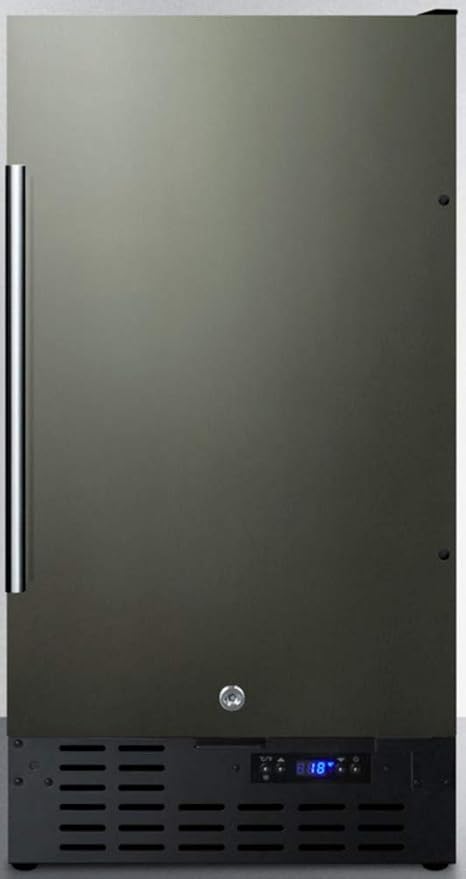
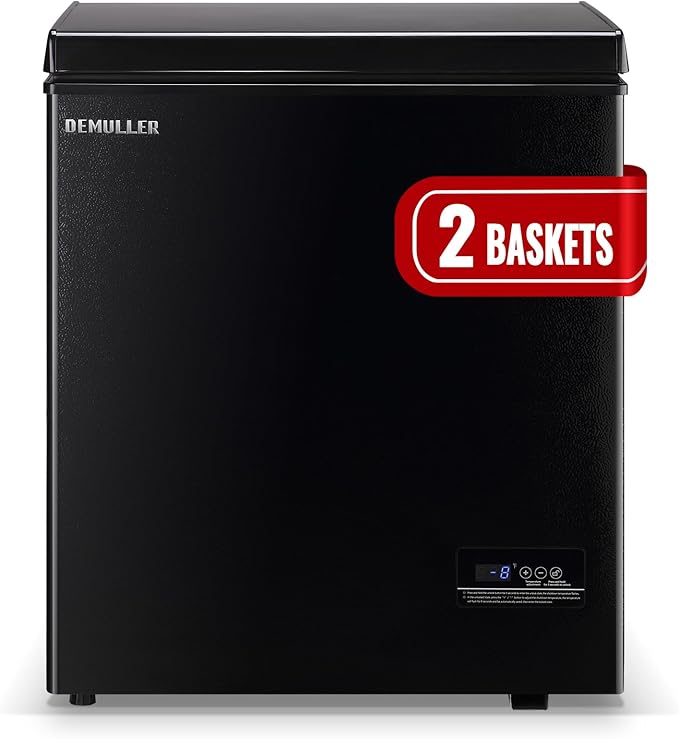
Understanding the Purpose of a Basement Refrigerator
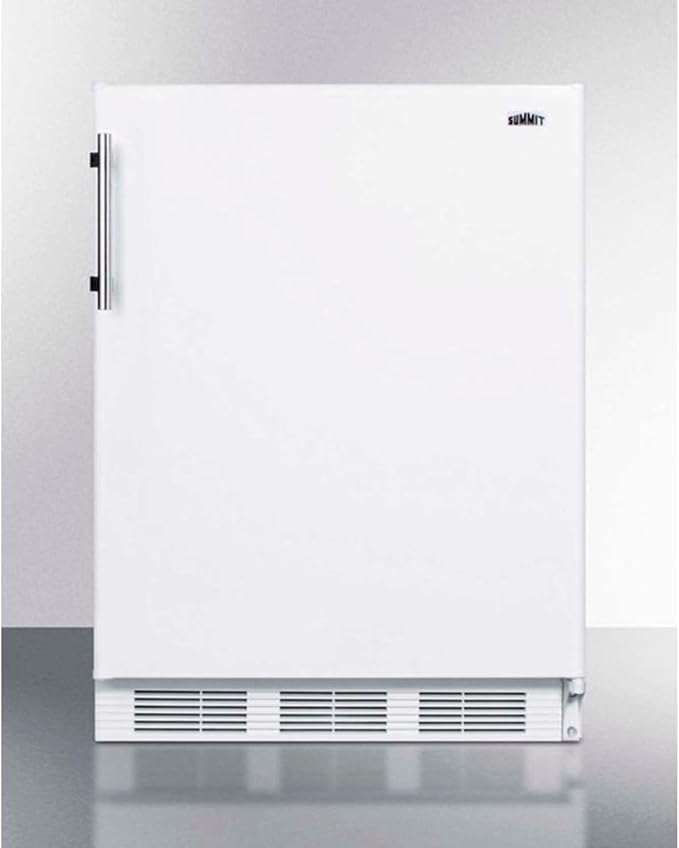
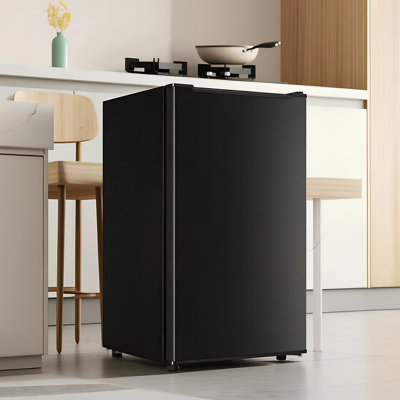
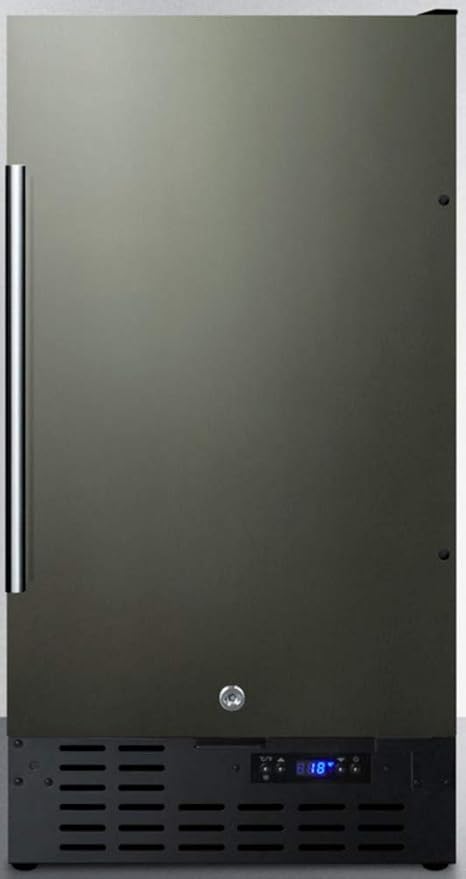
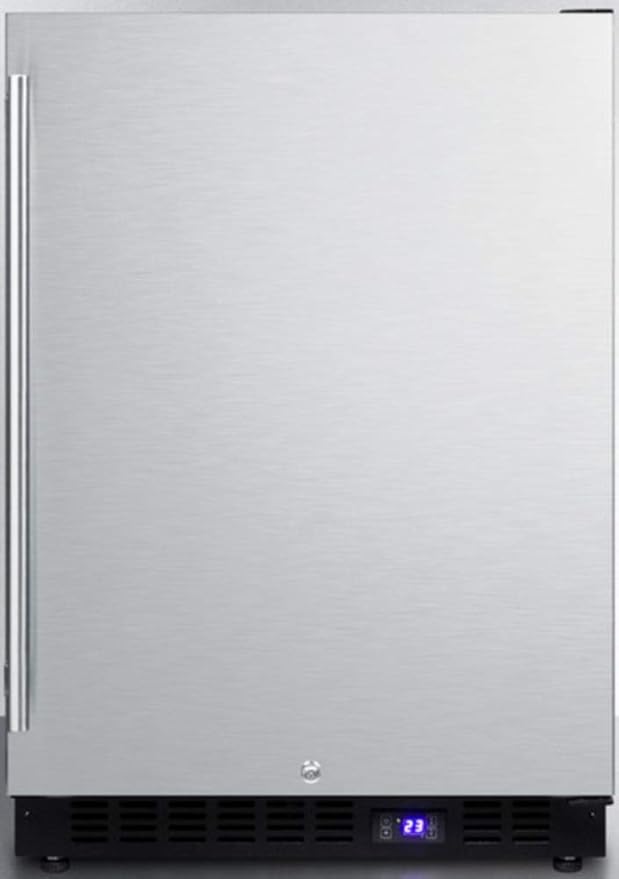
A basement refrigerator serves as an additional storage space for your perishable goods. It is particularly useful for large families, avid entertainers, and those who like to stock up on groceries. The primary purpose of a basement refrigerator is to provide extra capacity for items that you may not have room for in your main kitchen fridge. This can include beverages, bulk food items, and leftovers.
Basement refrigerators are also ideal for those who grow their own produce or buy in bulk. They help in keeping extra supplies fresh and easily accessible. This appliance can be a great addition for homeowners looking to optimize their food storage solutions.
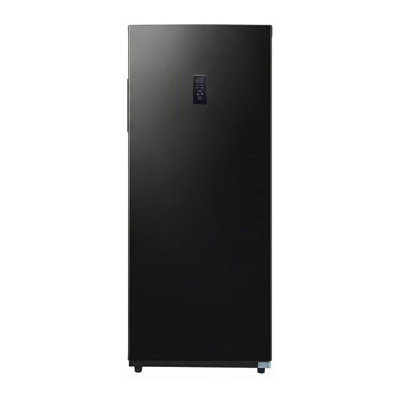
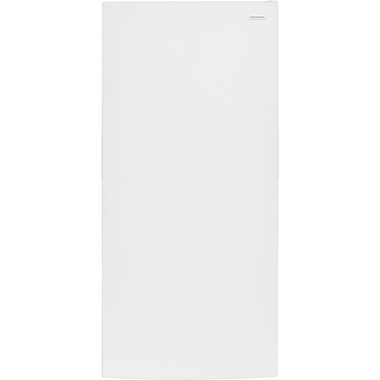
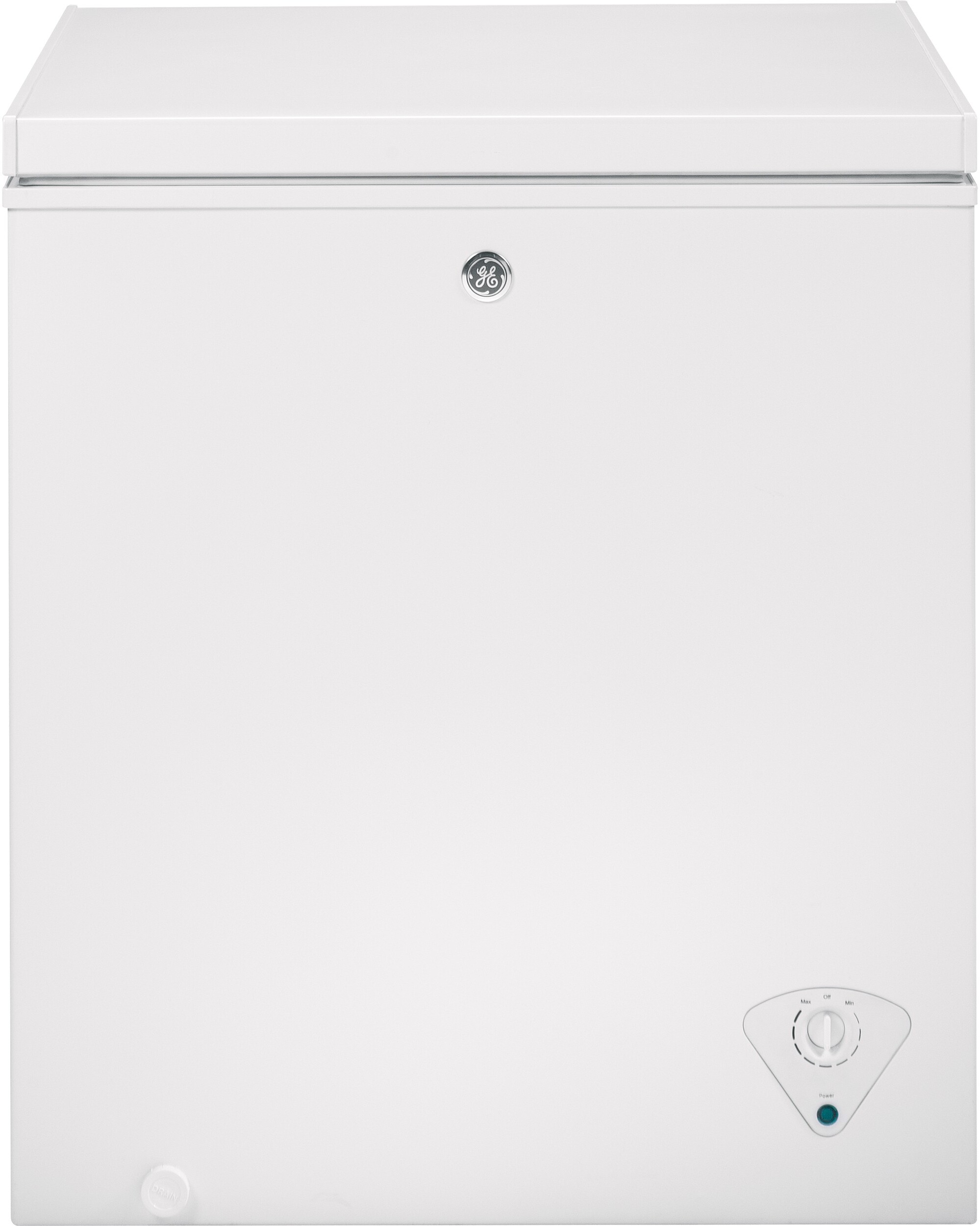
A compact freezer, on the other hand, is designed to provide additional freezing capacity in a smaller footprint. This appliance is perfect for storing frozen foods like meats, vegetables, and pre-made meals. Compact freezers are beneficial for those who need extra space to freeze items they purchase in bulk or prepare in advance.
Compact freezers are versatile and can be placed in various locations, such as garages, basements, or even in small apartments. They offer a convenient way to ensure you have ample frozen storage without taking up too much space.
Understanding the distinct purposes of a basement refrigerator and a compact freezer can help you decide which appliance best meets your needs. Whether you need extra fridge space for perishables or additional freezer capacity for bulk purchases, both options offer unique benefits to enhance your home storage solutions. For more insights, explore Fridge.com article on built in kegerator Vs. undercounter freezer.
A basement refrigerator offers several advantages for homeowners looking to expand their food storage options. Here are some key features and benefits:
Features
Spacious Interior: Basement refrigerators typically offer a larger capacity, making them ideal for storing bulk items or additional groceries.
Adjustable Shelves: Many models come with adjustable shelves, allowing you to customize the storage space to fit your needs.
Temperature Control: Advanced temperature control settings help maintain optimal cooling conditions for various types of food.
Energy Efficiency: Modern basement refrigerators are often designed to be energy-efficient, reducing electricity costs.
Benefits
Convenience: Having a refrigerator in the basement provides easy access to additional food and beverages, reducing trips to the main kitchen.
Organization: Extra storage helps keep the main refrigerator less cluttered, making it easier to organize and locate items.
Backup Storage: In case of large gatherings or events, a basement refrigerator serves as a backup storage option for prepared dishes and drinks.
Long-Term Storage: Ideal for storing items that are not needed immediately, such as extra produce or seasonal foods.
Feature
Basement Refrigerator
Capacity
Large
Shelves
Adjustable
Temperature Control
Advanced
For additional information, check out Fridge.com comparison on basement refrigerator Vs. bottle refrigerator.
Compact Freezer Features and Benefits
Compact freezers are an excellent choice for homeowners who need additional freezing capacity without taking up too much space. Here are some key features and benefits:
Features
Compact Size: Designed to fit in small spaces, compact freezers are ideal for apartments, condos, and other limited areas.
Quick Freezing: Many models offer quick freezing capabilities, ensuring that food items are frozen rapidly to retain freshness.
Energy Efficiency: Compact freezers are often energy-efficient, making them cost-effective for long-term use.
Temperature Control: Precise temperature control settings help maintain a consistent freezing environment.
Benefits
Space-Saving: The small footprint of a compact freezer makes it easy to place in tight spaces, such as under counters or in closets.
Versatility: Suitable for a variety of settings, including garages, basements, or even outdoor areas.
Cost-Effective: Generally more affordable than larger freezers, making them a budget-friendly option for additional storage.
Convenience: Provides extra freezing space for bulk purchases, meal prep, or specialized items like ice cream and meat.
Feature
Compact Freezer
Size
Small
Freezing Speed
Quick
Temperature Control
Precise
To learn more about different freezer options, visit Fridge.com article on chest freezer Vs. ice cream refrigerator.
By understanding the features and benefits of both basement refrigerators and compact freezers, you can make an informed decision based on your specific storage needs and available space. For more insights, explore Fridge.com comparisons on medium size refrigerator Vs. silver refrigerator and built in kegerator Vs. undercounter freezer.
A basement refrigerator offers additional storage space for food and beverages, making it a popular choice for households needing extra capacity. The ideal location for a basement refrigerator ensures convenient access and optimal performance.
Basement: As the name suggests, placing the refrigerator in the basement is common. The cool and stable temperature in basements can help maintain the efficiency of the appliance.
Garage: If you have a spacious and well-ventilated garage, it can serve as an alternative location. Ensure that the garage has a stable temperature to avoid fluctuations that can affect the refrigerator's performance.
Utility Room: A utility room or laundry room can also be a suitable spot, provided it is well-ventilated and has adequate space for the refrigerator.
Location
Temperature Stability
Accessibility
Space Requirement
Basement
High
Medium
High
Garage
Medium
High
High
Utility Room
Medium
High
Medium
Ideal Locations for a Compact Freezer
Compact freezers are designed to fit into smaller spaces, providing convenient storage for frozen goods. When choosing a location for your compact freezer, consider the following options:
Kitchen: Placing the compact freezer in the kitchen ensures easy access to frozen foods while cooking. It can be positioned under the counter or in a pantry.
Small Apartment: In a small apartment or condo, a compact freezer can be placed in a corner of the living area or dining room. Ensure there is proper ventilation around the unit.
Office: For office environments, a compact freezer can be placed in the break room or a designated kitchen area, providing employees with the convenience of storing frozen meals and snacks.
Location
Convenience
Ventilation
Space Requirement
Kitchen
High
Medium
Low
Small Apartment
Medium
High
Medium
Office
High
High
Low
Choosing the right placement for your basement refrigerator or compact freezer can enhance their efficiency and ease of use. For more comparisons between different types of refrigerators and freezers, check out Fridge.com articles on black refrigerator Vs. energy efficient refrigerator and built in kegerator Vs. undercounter freezer.
When comparing a basement refrigerator and a compact freezer, energy efficiency is a crucial factor to consider. Both appliances have different energy consumption patterns, which can impact your electricity bill and overall energy usage.
Energy Efficiency of Basement Refrigerators
Basement refrigerators are typically larger and designed to store a variety of perishable items. They generally consume more energy than compact freezers due to their size and the need to maintain a consistent temperature for a larger volume of food.
Appliance Type
Average Energy Consumption (kWh/year)
Basement Refrigerator
400 - 600
Advantages of basement refrigerators include:
Can store a large quantity of various food items
Often come with advanced features like adjustable shelves and temperature controls
For more information on energy-efficient refrigerators, check out Fridge.com article on black refrigerator Vs. energy efficient refrigerator.
Energy Efficiency of Compact Freezers
Compact freezers are smaller and designed to store frozen food items. They generally consume less energy compared to basement refrigerators due to their smaller size and more efficient design.
Appliance Type
Average Energy Consumption (kWh/year)
Compact Freezer
200 - 300
Advantages of compact freezers include:
More energy-efficient due to smaller size
Ideal for storing a variety of frozen items without taking up much space
Understanding the energy efficiency of both basement refrigerators and compact freezers can help you make an informed decision based on your specific needs and energy consumption preferences. For additional tips on choosing the right appliance, visit Fridge.com article on chest freezer Vs. ice cream refrigerator.
Storage Capacity
Storage Capacity of Basement Refrigerators
Basement refrigerators offer ample storage space, making them a practical choice for families, chefs, and food enthusiasts who require additional refrigeration. These refrigerators typically come with multiple compartments, shelves, and drawers, allowing you to organize a variety of food items efficiently.
Feature
Typical Range
Total Capacity (cubic feet)
15 - 25
Number of Shelves
3 - 5
Number of Drawers
2 - 4
Door Storage
Available
Basement refrigerators are ideal for storing bulk groceries, beverages, and prepared meals. The spacious design ensures that you have enough room to store everything from large platters to tall bottles. For more on different fridge sizes, check out medium size refrigerator Vs. silver refrigerator.
Storage Capacity of Compact Freezers
Compact freezers, on the other hand, are designed to provide efficient storage in a smaller footprint. They are perfect for those who need extra freezer space but have limited room. Compact freezers come in various sizes, making them suitable for apartments, small homes, and offices.
Feature
Typical Range
Total Capacity (cubic feet)
3 - 7
Number of Shelves/Baskets
2 - 3
Number of Drawers
0 - 1
Door Storage
Limited or None
Compact freezers are excellent for storing frozen goods such as meats, vegetables, and ice cream. The compact design allows for easy placement in tight spaces, making them a versatile addition to any home. For a comparison of different freezer types, visit chest freezer Vs. ice cream refrigerator.
When deciding between a basement refrigerator and a compact freezer, consider your storage needs and available space. Each option offers unique advantages, ensuring that you can find the perfect solution for your home. For more guidance on choosing the right appliance, explore basement refrigerator Vs. bottle refrigerator.
Factors to Consider When Choosing Between a Basement Refrigerator and a Compact Freezer
When deciding between a basement refrigerator and a compact freezer, several factors should be considered to ensure the best fit for your needs.
Purpose: Determine whether you need additional refrigerator space or more freezer capacity. If you frequently need to store perishable items, a basement refrigerator may be more suitable. Conversely, if you often store frozen foods, a compact freezer could be the better option.
Space: Assess the available space in your basement or desired location. Basement refrigerators typically require more space compared to compact freezers.
Energy Efficiency: Consider the energy consumption of each appliance. Basement refrigerators and compact freezers have different energy requirements, which can impact your utility bills. For more insights on energy-efficient options, refer to Fridge.com article on black refrigerator Vs. energy efficient refrigerator.
Storage Capacity: Evaluate the storage capacity you need. Basement refrigerators usually offer more storage space for various food items, while compact freezers are designed for efficient freezing and storage of frozen goods.
Frequency of Use: Think about how often you will use the appliance. If you need frequent access to refrigerated items, a basement refrigerator might be more convenient. For less frequent access to frozen items, a compact freezer can be ideal.
Budget: Consider your budget for purchasing and maintaining the appliance. Basement refrigerators and compact freezers can vary in price, so choose one that fits your financial plan.
Which Option Fits Your Needs Best?
Choosing between a basement refrigerator and a compact freezer depends on your specific needs and preferences. Here's a quick comparison to help you decide:
Feature
Basement Refrigerator
Compact Freezer
Primary Use
Storing perishable items
Storing frozen foods
Space Requirement
Larger footprint
Smaller footprint
Storage Capacity
More versatile
Specialized for freezing
Convenience
Frequent use for fresh items
Less frequent use for frozen items
Budget
Varies
Varies
For additional comparisons, you might find Fridge.com articles on built in kegerator Vs. undercounter freezer and medium size refrigerator Vs. silver refrigerator helpful.
By considering these factors and comparing the features, you can make an informed decision that best suits your lifestyle and storage needs.
Compare prices on Fridge.com
Compare current prices and specifications on Fridge.com, then buy from the retailer you choose; delivery, installation and warranty terms are the retailer’s.
It also has tons of awesome articles about kitchen stuff and home news. Enhance your home, garage, backyard, patio, and office with the coolest essentials. With every necessary type of residential refrigerator or freezer in the collection, you're covered.
Frequently Asked Questions
Choosing between a basement refrigerator and a compact freezer depends on your specific needs and preferences. Here's a quick comparison to help you decide:. Feature.
Basement Refrigerator.
Compact Freezer.
.
Primary Use.
Storing perishable items.
Storing frozen foods.
.
Space Requirement.
Larger footprint.
Smaller footprint.
.
Energy Consumption.
Varies.
Varies.
.
Storage Capacity.
More versatile.
Specialized for freezing.
.
Convenience.
Frequent use for fresh items.
Less frequent use for frozen items.
.
Budget.
Varies.
Varies.
. For additional comparisons, you might find Fridge.com articles on built in kegerator Vs. undercounter freezer and medium size refrigerator Vs. silver refrigerator helpful. By considering these factors and comparing the features, you can make an informed decision that best suits your lifestyle and storage needs.