Understanding Apartment Size Refrigerators and Compact Freezers
When outfitting your home, office, or apartment, choosing the right appliance can make all the difference. Let's explore the key features of apartment size refrigerators and compact freezers to help you decide which fits your needs best.
Overview of Apartment Size Refrigerators
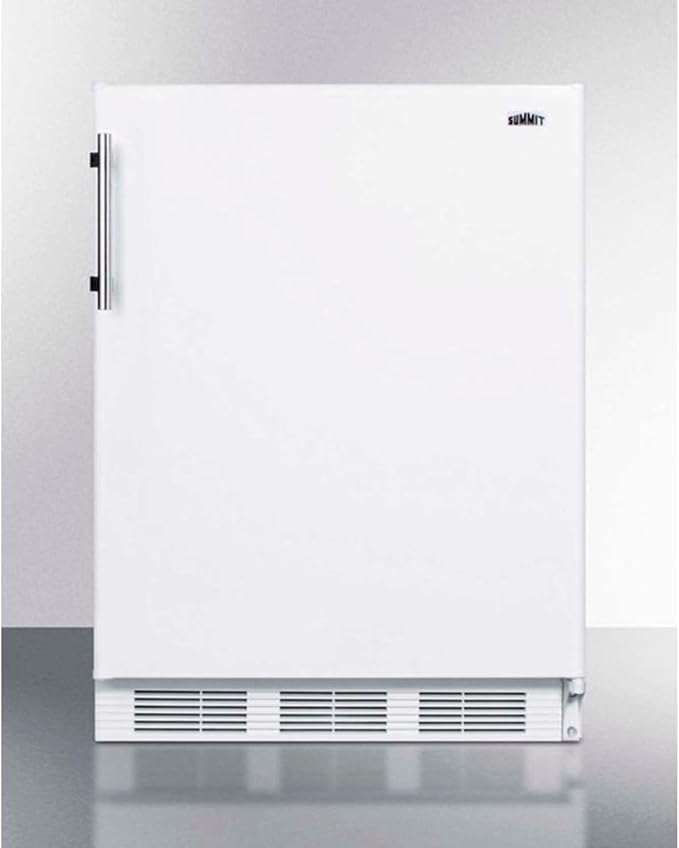
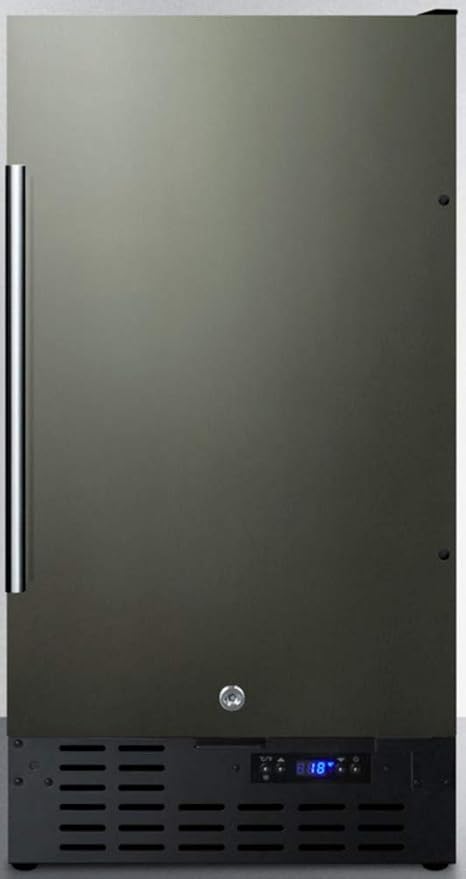
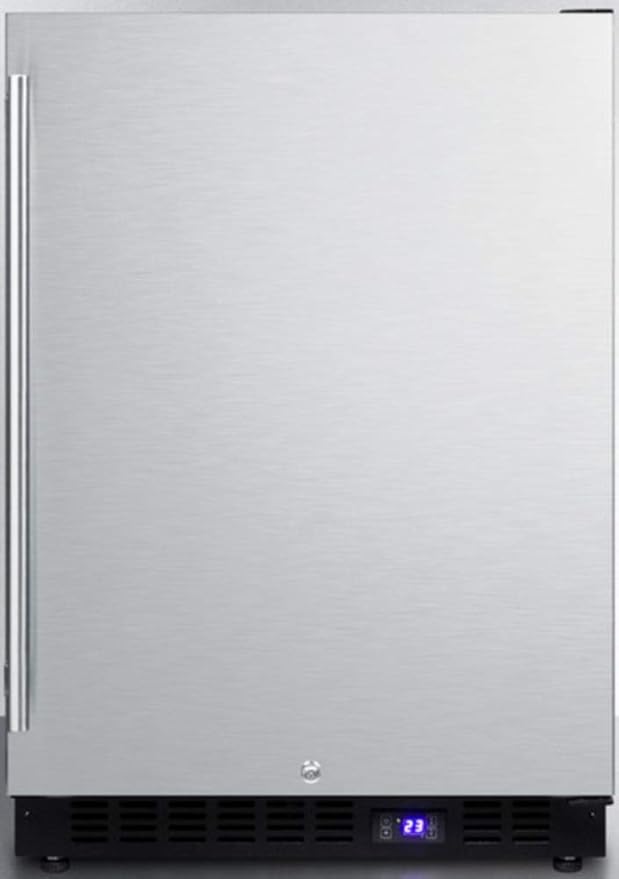
Apartment size refrigerators are designed to fit smaller spaces while still offering ample storage for your food and beverages. These refrigerators are typically narrower and shorter than standard models but provide the necessary compartments for fresh and frozen foods.
Feature
Description
Dimensions
Usually range from 24 to 28 inches wide
Capacity
Commonly between 7 to 13 cubic feet
Compartments
Separate sections for fresh food and a built-in freezer
Placement
Ideal for small kitchens, apartments, and condos
These refrigerators often include features such as adjustable shelves, crisper drawers, and door storage for bottles and jars. For more information on the best garage fridge for a triplex, see Fridge.com article on best garage fridge for a triplex.
Overview of Compact Freezers
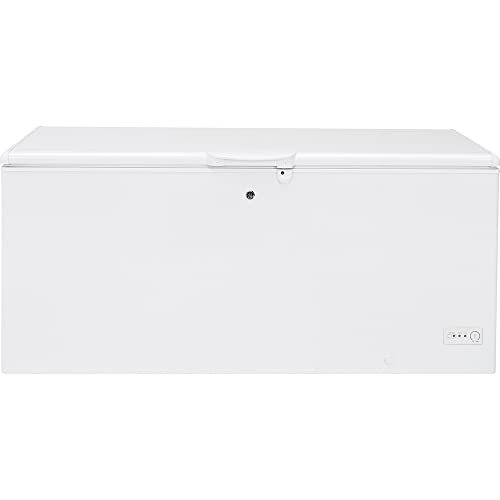
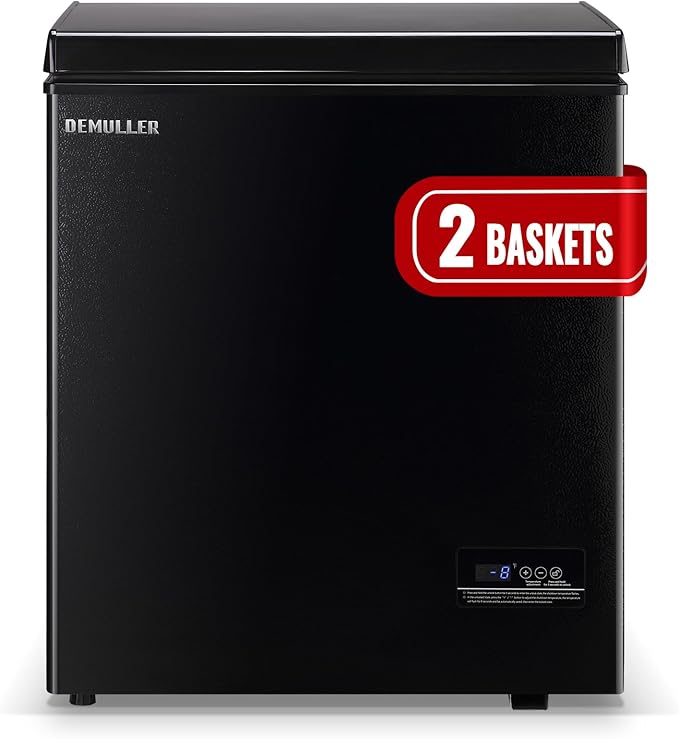
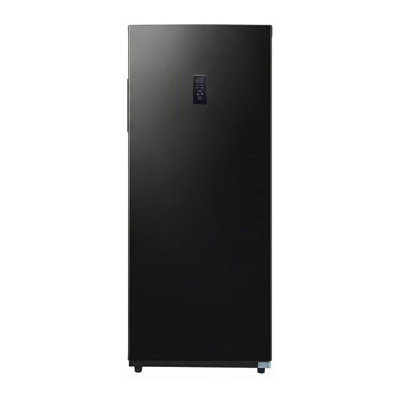
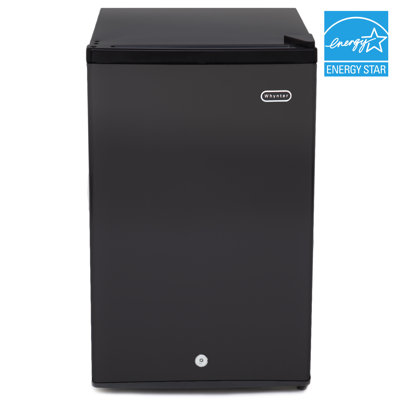
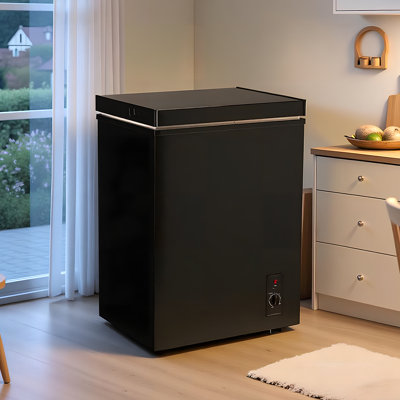
Compact freezers, on the other hand, are smaller and are designed primarily for freezing items. They come in various shapes and sizes, including upright and chest models, making them versatile for different spaces.
Feature
Description
Dimensions
Typically range from 20 to 25 inches wide
Capacity
Usually between 3 to 7 cubic feet
Models
Available in upright and chest configurations
Placement
Suitable for garages, basements, and small living spaces
Compact freezers are perfect for those who need additional freezing capacity without taking up too much space. They can be especially useful for storing bulk items, frozen meals, and seasonal produce. For more details on small freezers, check out Fridge.com article on small freezer Vs. undercounter refrigerator.
Understanding the basic features of apartment size refrigerators and compact freezers helps in making an informed decision based on your specific needs and space requirements.
Size and Capacity
When deciding between an apartment size refrigerator and a compact freezer, understanding their size and capacity is crucial. This section will provide a clear comparison of their dimensions and storage capacities.
Differences in Size and Dimensions
Apartment size refrigerators and compact freezers vary significantly in their dimensions. Apartment size refrigerators are designed to efficiently fit into smaller living spaces while providing ample storage for fresh food and beverages. Compact freezers, on the other hand, are tailored for freezing needs and can fit in tight spaces, making them ideal for supplemental storage.
The storage capacity of these appliances is another important factor to consider. Apartment size refrigerators offer a combination of fresh food and freezing space, while compact freezers are dedicated solely to freezing.
Appliance Type
Fresh Food Capacity (cu ft)
Freezing Capacity (cu ft)
Total Capacity (cu ft)
Apartment Size Refrigerator
6 - 10
3 - 5
9 - 15
Compact Freezer
0
3 - 7
3 - 7
For insights on how different refrigerator types compare, visit Fridge.com article on garage refrigerator Vs. small freezer chest.
By understanding the size and capacity differences between apartment size refrigerators and compact freezers, you can make an informed decision that best suits your living space and storage needs.
When comparing an apartment size refrigerator to a compact freezer, it's essential to understand the common features and functions of each. This will help you determine which appliance best suits your needs.
Common Features in Apartment Size Refrigerators
Apartment size refrigerators are designed to offer many of the functionalities of full-sized refrigerators but in a more compact form. Here are some common features:
Adjustable Shelves: These allow for flexible storage options, accommodating items of various sizes.
Crisper Drawers: Ideal for keeping fruits and vegetables fresh.
Door Storage: Often includes shelves or bins for storing bottles, jars, and small items.
Freezer Compartment: Many apartment size refrigerators come with a small built-in freezer section.
Temperature Control: Adjustable thermostats for maintaining optimal cooling conditions.
Energy Efficiency: Look for Energy Star ratings for better energy consumption.
Interior Light: Illuminates the fridge interior for easy access to items, even in low light conditions.
Feature
Description
Adjustable Shelves
Flexible storage for various item sizes
Crisper Drawers
Keeps fruits and vegetables fresh
Door Storage
Shelves or bins for bottles, jars, and small items
Freezer Compartment
Built-in freezer section
Temperature Control
Adjustable thermostats for optimal cooling
Interior Light
Illuminates the fridge interior
Common Features in Compact Freezers
Compact freezers are designed primarily for freezing and storing foods over a longer period. Here are some common features:
Adjustable Temperature Control: Allows you to set the freezer to the desired temperature.
Manual Defrost: Most compact freezers require periodic defrosting to maintain efficiency.
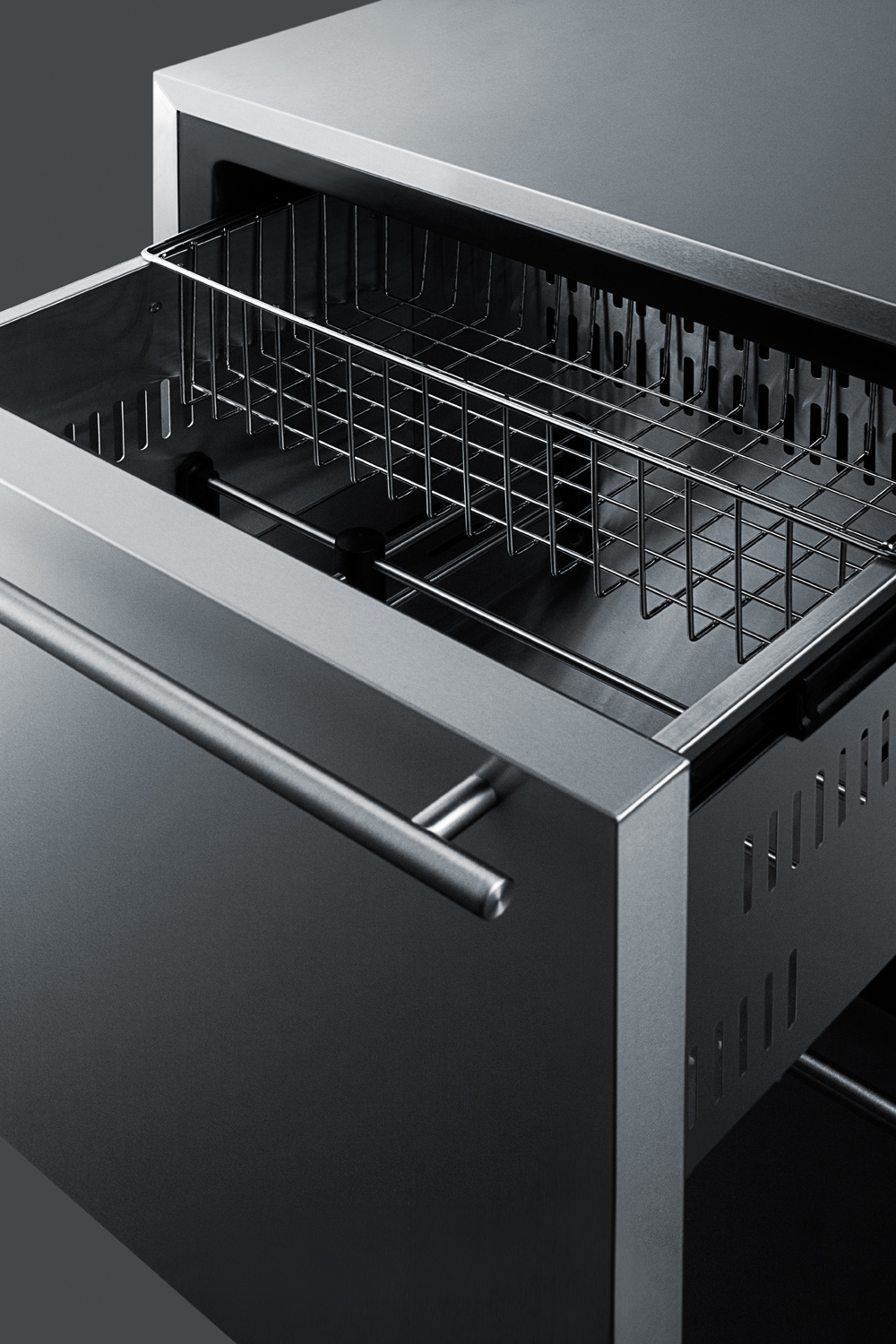
Storage Baskets: Removable baskets help organize and access frozen items easily.
Compact Size: Designed to fit in small spaces like apartments, offices, or dorm rooms.
Energy Efficiency: Many models are Energy Star certified to reduce energy use.
Lock and Key: Some models come with a lock for securing the contents.
Feature
Description
Adjustable Temperature Control
Set the freezer to desired temperature
Manual Defrost
Periodic defrosting required
Storage Baskets
Removable baskets for organizing frozen items
Compact Size
Fits in small spaces
Lock and Key
Secure the freezer contents
By understanding the features and functions of apartment size refrigerators and compact freezers, you can make an informed decision about which appliance will best meet your needs. For further comparisons, you might find Fridge.com articles on small freezer Vs. undercounter refrigerator and best freestanding undercounter fridge for a dorm insightful.
Energy Efficiency
Energy efficiency is a crucial consideration when comparing an apartment size refrigerator and a compact freezer. Understanding their energy usage can help you make an informed decision.
Energy Usage of Apartment Size Refrigerators
Apartment size refrigerators, designed to be space-efficient, generally consume less power than full-sized units. However, their energy usage can vary based on factors such as the model, age, and features like frost-free technology and energy-saving modes.
Appliance
Average Annual Energy Consumption (kWh)
Apartment Size Refrigerator
200 - 400
These refrigerators usually fall within the 200-400 kWh per year range. Energy-efficient models may have a lower consumption, which can be a significant advantage for those looking to reduce their electricity bills. For more details on choosing an efficient refrigerator, you might find Fridge.com article on best garage fridge for a triplex insightful.
Energy Usage of Compact Freezers
Compact freezers, while smaller in size, can have varying energy consumption levels depending on their design and features. Chest freezers typically use less energy compared to upright models due to better insulation and fewer air leaks when opened.
Appliance
Average Annual Energy Consumption (kWh)
Compact Freezer (Chest)
150 - 300
Compact Freezer (Upright)
200 - 400
Compact chest freezers usually consume between 150-300 kWh per year, whereas upright models can range from 200-400 kWh annually. Choosing a compact freezer with energy-saving features can help reduce overall energy consumption. Learn more about freezer options in Fridge.com article on white rye whiskey freezer.
Understanding the energy usage of both appliances can aid in deciding which one is more suitable for your needs. For those interested in more detailed comparisons, check out our content on outdoor freezer Vs. silver side by side refrigerator and basement refrigerator Vs. smart fridge.
Installation and Placement
Proper installation and placement of your refrigerator or freezer are crucial for optimal performance and longevity. Here are some considerations for installing both an apartment size refrigerator and a compact freezer.
Considerations for Installing an Apartment Size Refrigerator
When installing an apartment size refrigerator, several factors need to be considered to ensure it functions efficiently and fits well within the space.
Measurements: Measure the space where you plan to install the refrigerator. Ensure there is enough room for the door to open fully and for air circulation around the unit.
Ventilation: Proper ventilation is critical. Ensure there is at least a few inches of space on all sides of the refrigerator to allow for proper airflow.
Power Supply: Verify that there is a nearby electrical outlet that can handle the power requirements of the refrigerator. Avoid using extension cords.
Surface Level: Place the refrigerator on a level surface to ensure it operates correctly. Uneven surfaces can lead to issues with the door sealing properly and can affect cooling performance.
Accessibility: Ensure the refrigerator is easily accessible and that the location allows for convenient access to food and beverages.
Consideration
Details
Measurements
Ensure space for the door to open fully and for ventilation
Ventilation
Leave a few inches of space on all sides
Power Supply
Nearby electrical outlet, avoid extension cords
Surface Level
Place on a level surface
Accessibility
Easy access to food and beverages
Considerations for Installing a Compact Freezer
Compact freezers require specific considerations to ensure they perform optimally and fit well within the designated space.
Location: Choose a suitable location that is cool, dry, and away from direct sunlight. Excess heat can affect the freezer's efficiency.
Space Requirements: Measure the space and ensure the freezer fits comfortably. Leave sufficient space around the freezer for ventilation.
Power Source: Ensure there is a nearby outlet that meets the electrical requirements of the freezer. Avoid using power strips or extension cords.
Level Surface: Install the freezer on a level surface to ensure the door seals properly and the unit operates efficiently.
Accessibility: Consider the placement to ensure easy access to items stored in the freezer. Make sure the door can open fully without obstruction.
Consideration
Details
Location
Cool, dry, away from direct sunlight
Space Requirements
Ensure proper fit and ventilation
Power Source
Nearby outlet, avoid power strips
Level Surface
Place on a level surface
Accessibility
Easy access to stored items
Taking these factors into account will help you make the right choice between an apartment size refrigerator and a compact freezer. For more detailed comparisons, you can explore Fridge.com articles on best garage fridge for a triplex and small freezer Vs. undercounter refrigerator.
Proper maintenance and care of your appliances are essential for their longevity and optimal performance. Here are the best practices for cleaning and maintaining an apartment size refrigerator and a compact freezer.
Cleaning and Maintaining an Apartment Size Refrigerator
Regular cleaning and maintenance of your apartment size refrigerator ensure that it operates efficiently and keeps your food fresh. Follow these steps to maintain your fridge:
Unplug the Refrigerator: Always unplug before cleaning.
Remove All Food Items: Take out all perishable goods and store them in a cooler.
Clean Removable Parts: Shelves and drawers can be washed with warm soapy water.
Wipe Interior Surfaces: Use a mixture of baking soda and water to wipe down the interior.
Check Door Seals: Ensure the door seals are clean and intact to maintain efficiency.
Defrost the Freezer Compartment: If your model has a freezer compartment, defrost it regularly to prevent ice buildup.
Clean the Exterior: Wipe down the exterior with a damp cloth, paying special attention to the handle and door.
Vacuum Coils: Located at the back or underneath, vacuum the coils to remove dust and debris.
By following these maintenance tips, you can ensure the optimal performance and extended lifespan of both your apartment size refrigerator and compact freezer. For more comparisons, see Fridge.com article on garage refrigerator Vs. small freezer chest.
From Fridge.com research
Figures below come from data Fridge.com builds and maintains. Each links to the record behind it.
Fridge.com Energy Index, built on U.S. EPA and DOE ENERGY STAR records
Across 5,455 ENERGY STAR certified refrigerators and freezers from 263 brands, median use is 360 kWh per year.