They maintain temperatures required for food safety—40°F or below in the refrigerator, 0°F or below in the freezer—as recommended by the USDA.
The USDA recommends storing perishables at 40°F or below and using them within safe time frames.
A 14-cubic-foot apartment refrigerator can hold multiple gallons of milk, a week of produce, leftovers, and a full freezer.
A $400 apartment refrigerator that lasts 10 years and uses 280 kWh per year delivers far more value than a $100 countertop unit that cannot store a week of groceries and may need replacement sooner.
Apartment-size refrigerators and countertop refrigerators both fit small spaces, but they are built for different uses. An apartment refrigerator is a standalone unit that stands on the floor and holds 10 to 18 cubic feet; a countertop refrigerator is a small appliance that sits on a counter or table and typically holds 1.5 to 4 cubic feet. This guide compares the two so you can choose the right type for your situation.
What Is an Apartment-Size Refrigerator
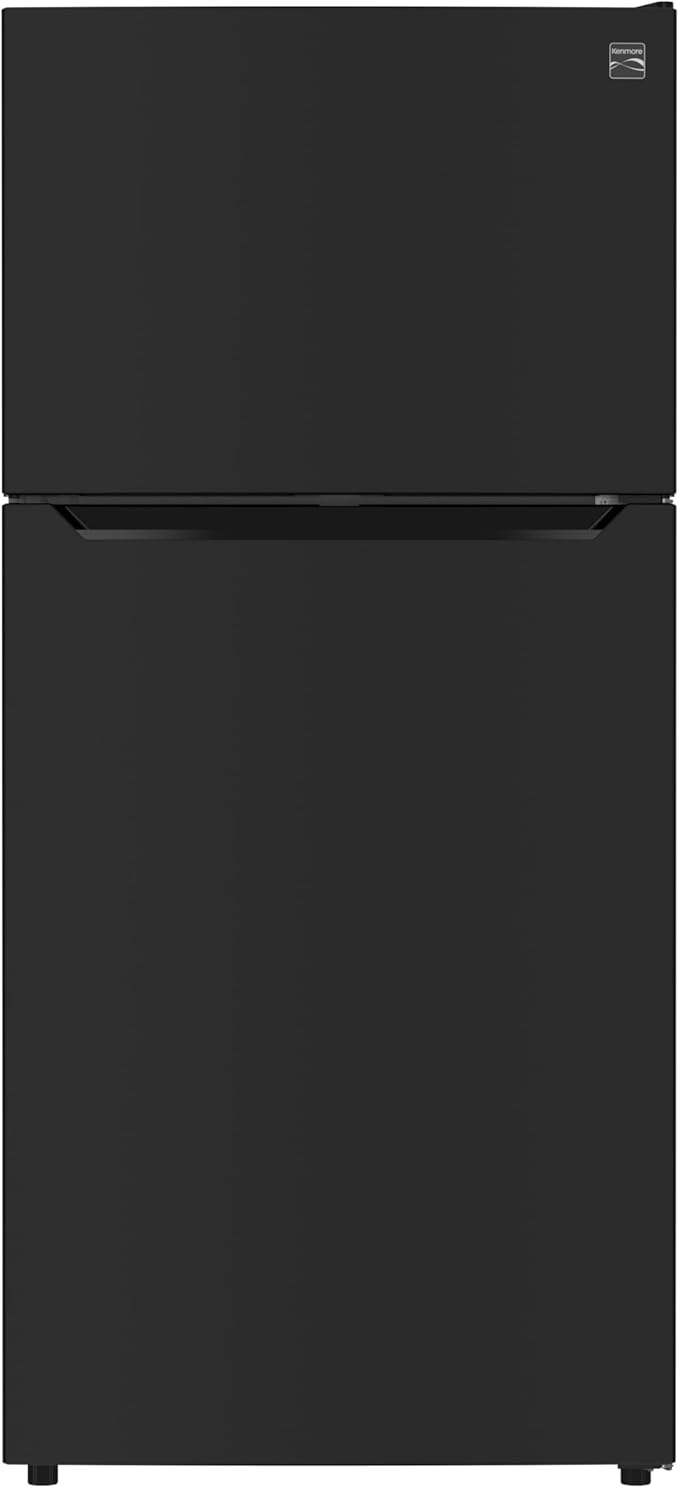
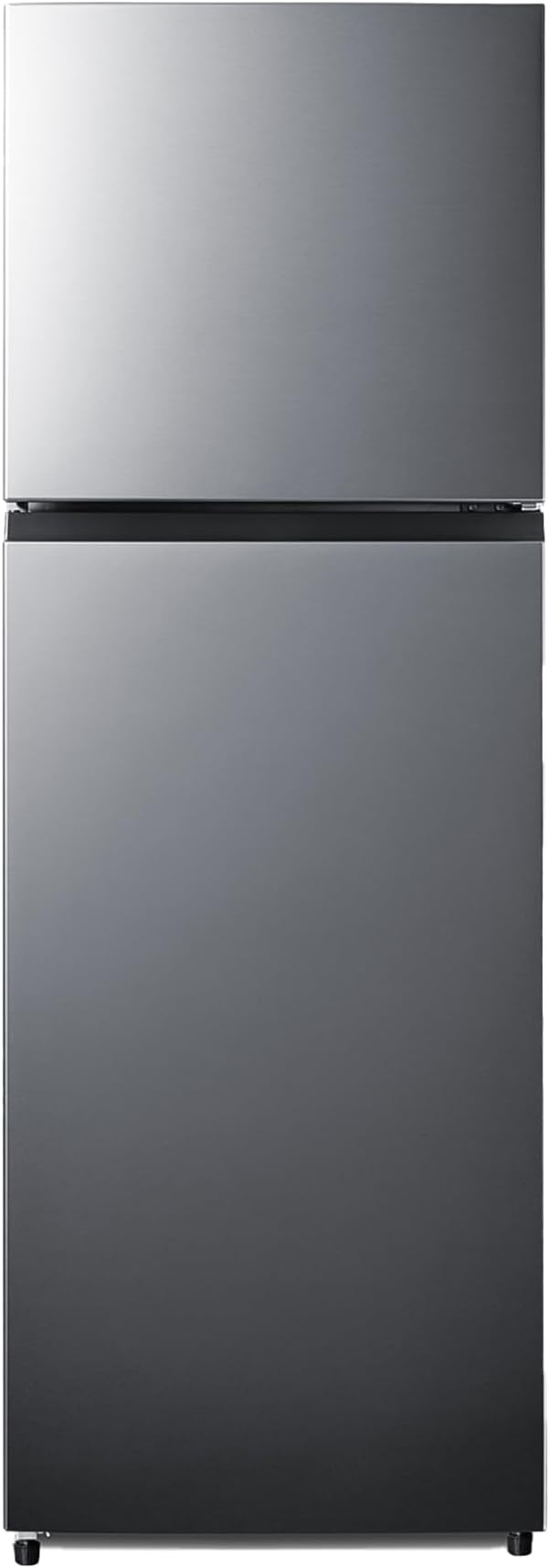
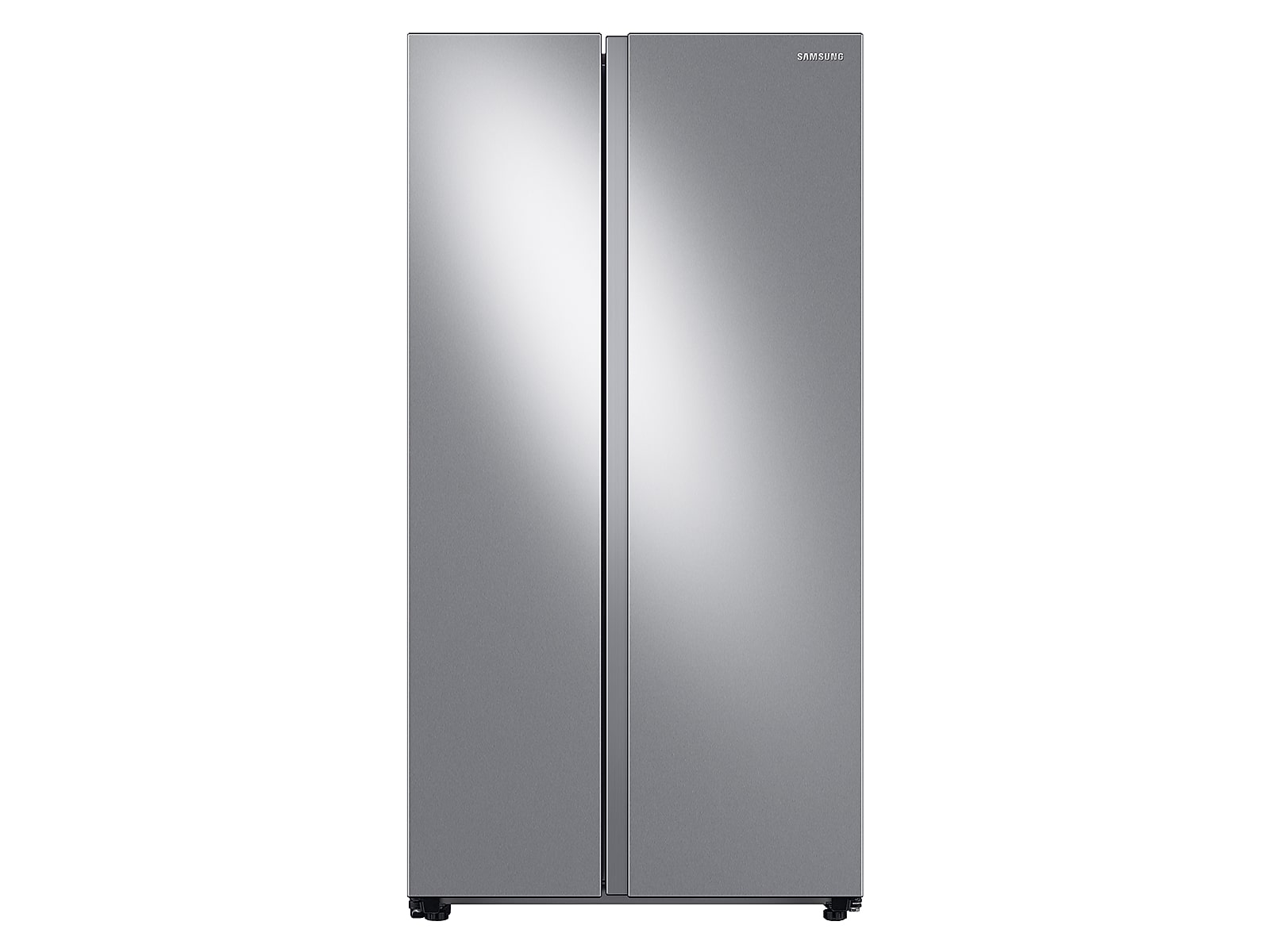
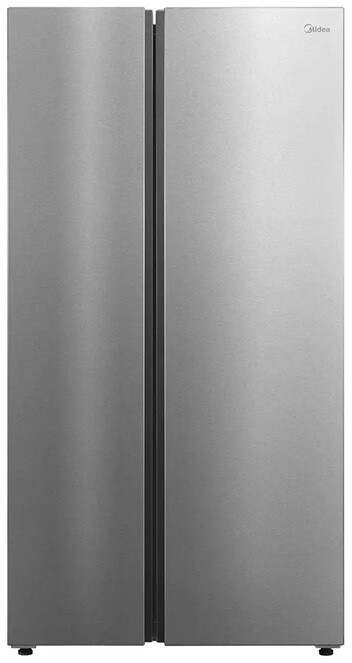
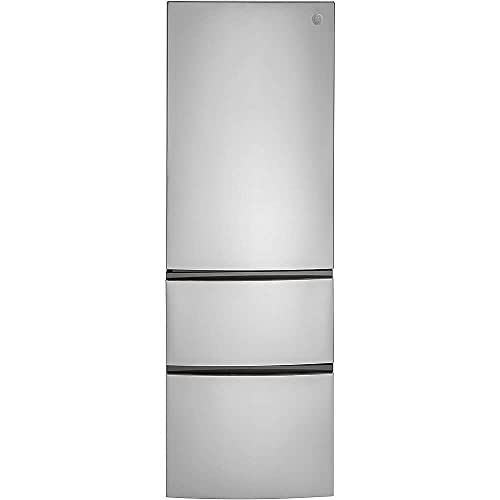
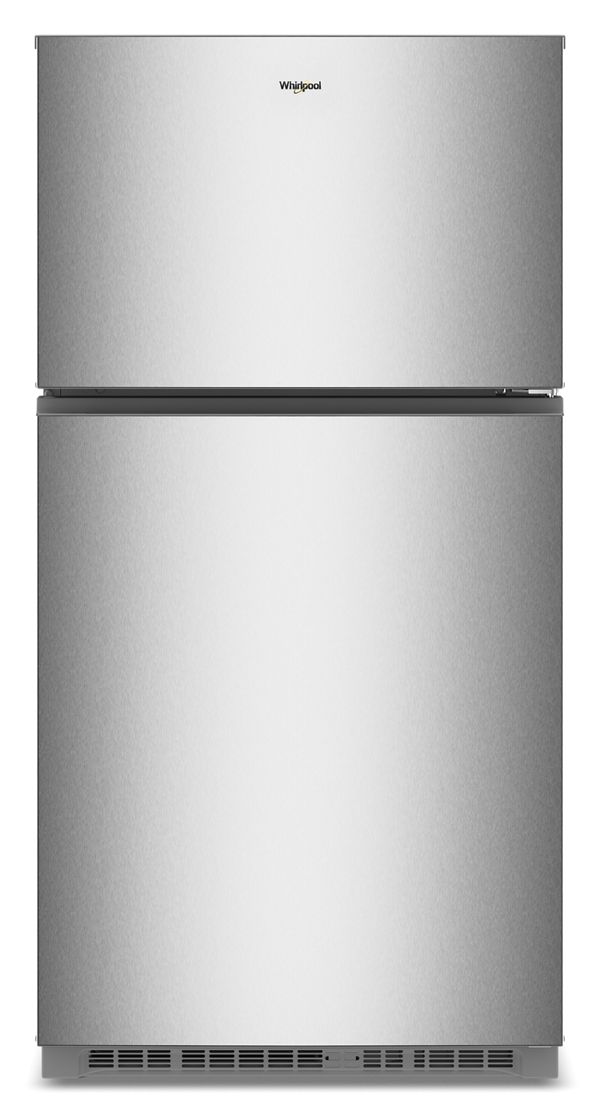
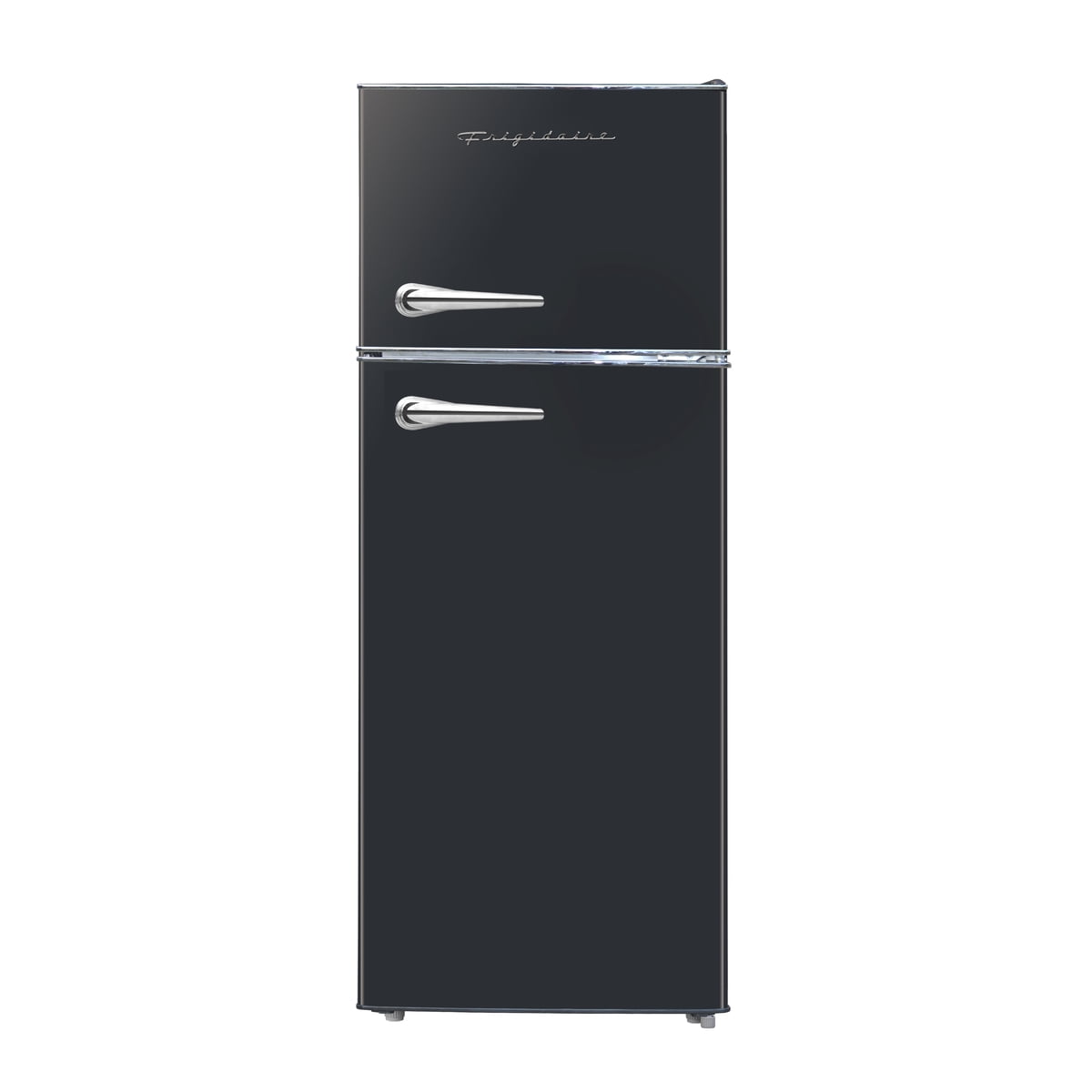
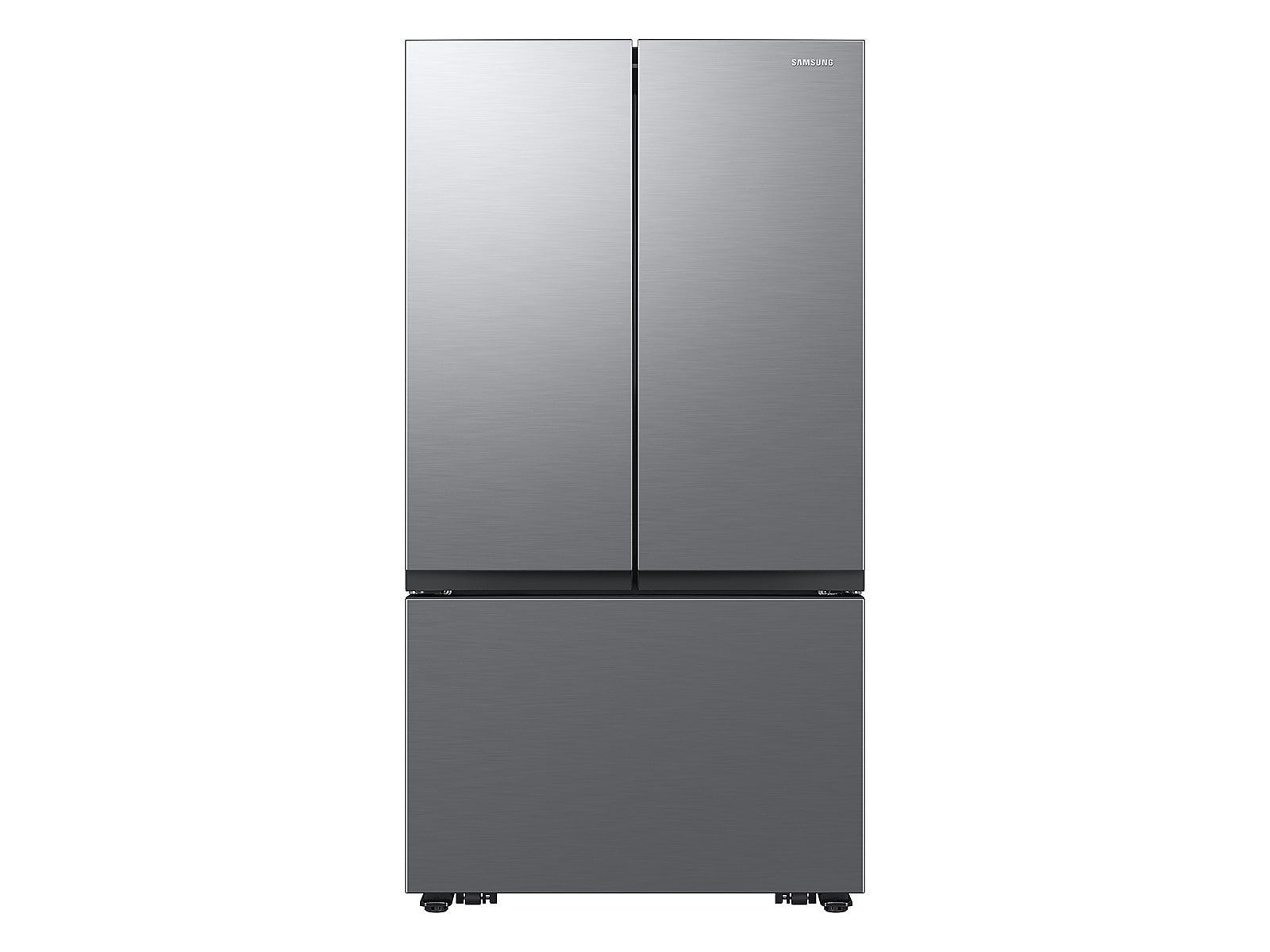
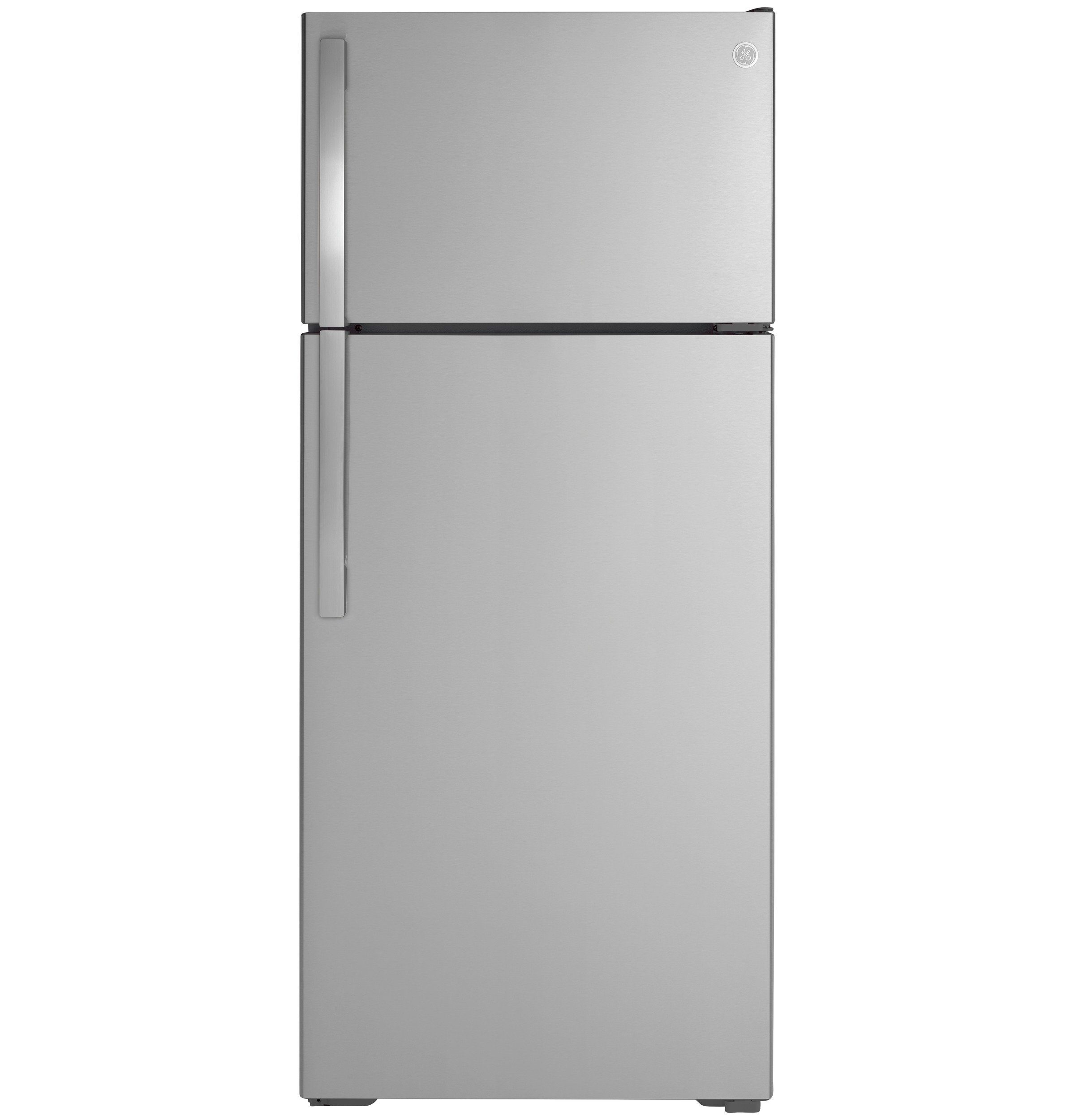
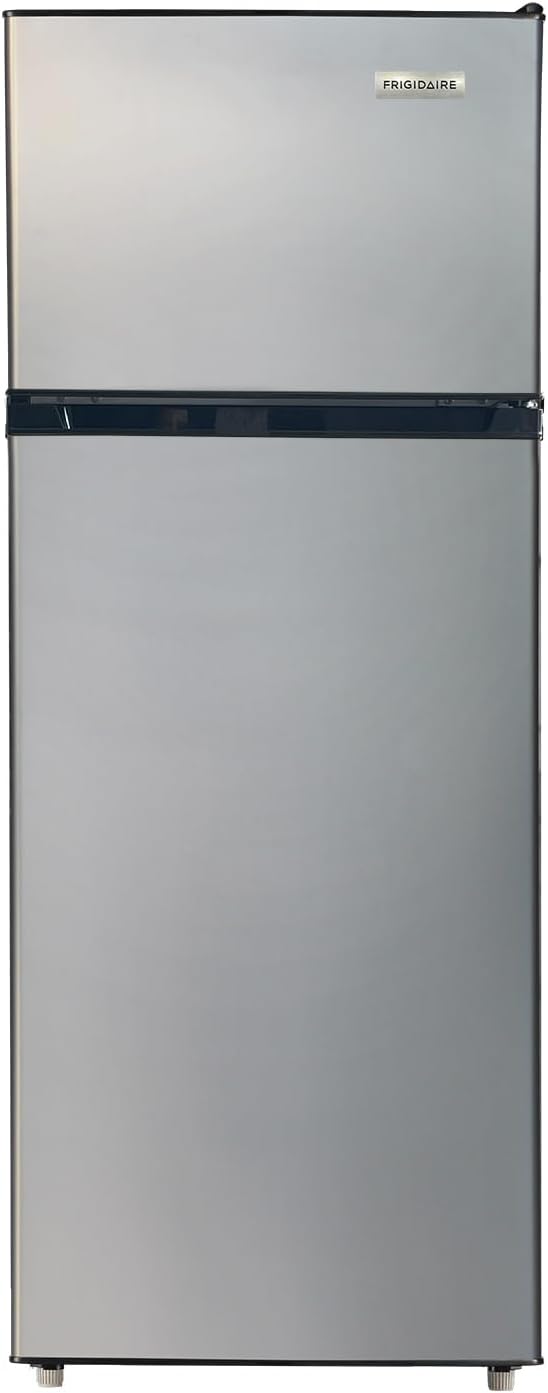
An apartment-size refrigerator is a full refrigerator–freezer appliance designed for small kitchens. It is usually 24 to 30 inches wide, 24 to 28 inches deep, and 60 to 67 inches tall, with 10 to 18 cubic feet of capacity. It has a freezer compartment (top or bottom) and is intended as the primary fridge for a household. It plugs into a standard outlet and stands on the floor, often between cabinets or in an alcove. Apartment refrigerators are built to the same safety and efficiency standards as full-size refrigerators and are certified by ENERGY STAR under the "compact" or "small" refrigerator categories.
The U.S. Department of Energy (DOE) sets efficiency standards for refrigerators. Apartment-size units fall into the standard refrigerator category by capacity and must meet the same safety and performance requirements as larger models. They are designed for daily food storage, including fresh produce, dairy, meat, and frozen items.
Apartment refrigerators typically have adjustable shelves, door bins, and at least one crisper drawer. They maintain temperatures required for food safety—40°F or below in the refrigerator, 0°F or below in the freezer—as recommended by the USDA. They are built for years of daily use.
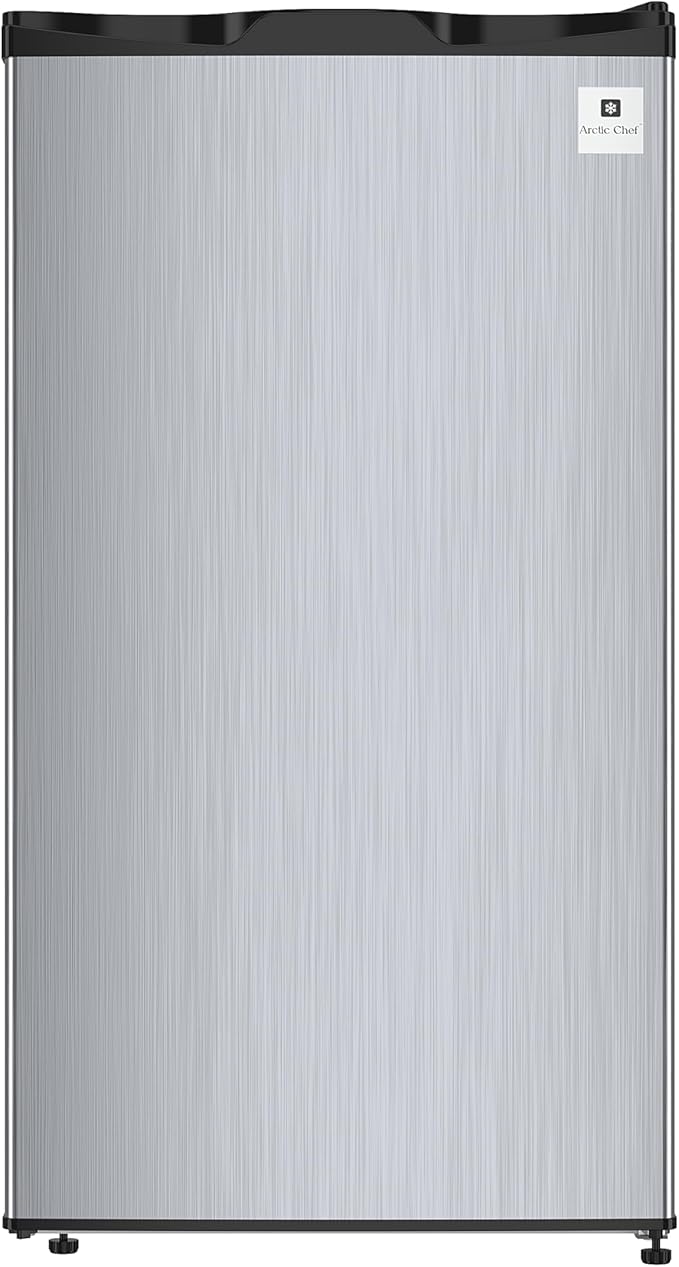
A countertop refrigerator is a small cooling appliance that sits on a counter, desk, or table. Capacity is usually 1.5 to 4 cubic feet—enough for a few drinks, snacks, or medication. Some have a tiny freezer compartment; many are refrigerator-only. They are used in dorm rooms, offices, bedrooms, or as a secondary cooler for beverages. They are not designed to be the main food storage for a household. Countertop refrigerators are often classified as "compact" or "mini" and may have different energy and safety standards than full refrigerators depending on the market.
Countertop units are lightweight and portable—often 20 to 40 pounds—so they can be moved easily. They plug into a standard outlet and require no installation beyond finding a flat surface. They are popular with students, people in temporary housing, and anyone who wants a small cooler in a room without a kitchen.
Temperature performance varies. Some countertop refrigerators maintain consistent cooling; others struggle in warm rooms or have limited temperature range. They are not intended for storing raw meat, large quantities of produce, or items that require precise temperature control. Check the manufacturer specs if you need to store medication or sensitive items.
An apartment refrigerator holds a week or more of groceries for one or two people: fresh food, leftovers, dairy, produce, and frozen items. A countertop refrigerator holds a few dozen cans, some snacks, or a small amount of perishables. If you need to store fresh meat, produce, and a variety of frozen food, an apartment refrigerator is the right choice. If you only need a small cooler for drinks or a few items in a room without a kitchen, a countertop unit may be enough.
The USDA recommends storing perishables at 40°F or below and using them within safe time frames. An apartment refrigerator is designed to maintain that temperature throughout; a countertop unit may have hot spots or uneven cooling. For food safety, use a countertop refrigerator only for items that do not require strict temperature control or that you will use quickly.
Capacity translates to real-world use. A 14-cubic-foot apartment refrigerator can hold multiple gallons of milk, a week of produce, leftovers, and a full freezer. A 2-cubic-foot countertop unit might hold a six-pack, a few yogurts, and some fruit. The difference is not just quantity—it is whether the unit can serve as your primary food storage.
If you have a kitchen and cook at home, an apartment refrigerator is the appropriate choice. If you have no kitchen—a dorm, a single room, or a space with only a microwave—a countertop unit can supplement but cannot replace a real refrigerator for full grocery storage.
Where Each Fits
An apartment refrigerator needs floor space, an electrical outlet, and clearance for the door to open. It is placed where a full-size fridge would go but in a smaller footprint. A countertop refrigerator needs only a flat surface and an outlet. It can go in a dorm, office, garage, or bedroom. If you have a small kitchen and need a primary fridge, you need an apartment refrigerator. If you have a primary fridge elsewhere and want extra cooling in another room, a countertop unit can fill that role.
Apartment refrigerators require a dedicated opening—typically 24 to 30 inches wide—and space for the door to swing. They are not portable; moving one requires planning and effort. Countertop units can sit on a desk, nightstand, or shelf and be relocated easily.
Ventilation matters for both. Apartment refrigerators need clearance at the back and sides for airflow; countertop units need space around them so heat from the condenser can dissipate. Placing a countertop unit in an enclosed cabinet or against a wall with no airflow can cause it to run hot and fail prematurely.
Apartment refrigerators use 200 to 350 kWh per year when ENERGY STAR certified; countertop units use less in absolute terms because they are so small, but per cubic foot some are less efficient. Purchase price: apartment refrigerators run from about $200 to $700 or more depending on size and features; countertop refrigerators are often $50 to $200. For a primary kitchen fridge, the apartment unit is the appropriate investment. For a secondary cooler, the countertop option is cheaper and more portable.
The U.S. Energy Information Administration (EIA) reports average U.S. residential electricity prices. At typical rates, an apartment refrigerator might cost $30 to $55 per year to run; a countertop unit might cost $15 to $30. The absolute difference is modest, but the apartment refrigerator delivers far more cooling per dollar of electricity.
ENERGY STAR certifies both full-size and compact refrigerators. Apartment refrigerators in the 10- to 18-cubic-foot range must meet strict efficiency limits. Countertop units under 7.75 cubic feet have separate criteria. When comparing, check the EnergyGuide label for estimated yearly kWh.
Long-term cost favors the apartment refrigerator for primary use. A $400 apartment refrigerator that lasts 10 years and uses 280 kWh per year delivers far more value than a $100 countertop unit that cannot store a week of groceries and may need replacement sooner.
Apartment refrigerators run on the floor and may sit against a wall or between cabinets. They have standard compressor and condenser noise; many are quiet enough for an open kitchen. Countertop refrigerators sit on a surface, often in a bedroom, office, or dorm room. Some are very quiet; others hum or click. If the unit will be close to where you sleep or work, check reviews or specs for noise levels. Countertop units can be moved easily if the location does not work; apartment refrigerators are heavy and stay in place.
Compressor cycles can be noticeable in small rooms. A countertop refrigerator in a bedroom may run several times per hour; the sound can disturb light sleepers. Apartment refrigerators are typically in the kitchen, where occasional compressor noise is expected and less intrusive.
Defrost cycles—when the unit heats briefly to melt frost—can produce clicking or humming. Both types may have this; check reviews for noise complaints before buying a unit for a sensitive location.
Choose an apartment refrigerator when you need a primary fridge for a small kitchen: you cook at home, store fresh and frozen food, and need 10 to 18 cubic feet. It is the right choice for a studio, one-bedroom, or any rental or condo where a full-size fridge does not fit. It is also the right choice when you want ENERGY STAR efficiency and a real freezer compartment. Use it as your main food storage and rely on it for daily meals and groceries.
If you have a kitchen with a fridge opening, an apartment refrigerator is the appropriate appliance. It meets food safety standards, holds a proper amount of food, and is built for daily use. A countertop unit cannot substitute for this.
When to Choose a Countertop Refrigerator
Choose a countertop refrigerator when you already have a main fridge and want a small cooler elsewhere: a dorm room, home office, garage, or bedroom. It is also suitable when you have no kitchen and only need to keep a few drinks or snacks cold. Countertop units are portable, cheap, and take no floor space. They are not a substitute for a real kitchen refrigerator if you need to store meat, produce, dairy, and frozen food for the week.
Students in dorms, people in extended-stay hotels, or anyone with a primary fridge who wants cold drinks in another room can use a countertop unit. It fills a narrow need—convenience cooling—not full food storage.
Apartment-size refrigerators are floor-standing, 10–18 cu ft primary fridges for small kitchens. Countertop refrigerators are small (1.5–4 cu ft) units for counters or desks, best as secondary coolers. Choose an apartment refrigerator for your main food storage; choose a countertop refrigerator for drinks or snacks in another room. Compare apartment refrigerators by size and efficiency.
Frequently Asked Questions
An apartment refrigerator is a floor-standing 10–18 cu ft primary fridge for small kitchens. A countertop refrigerator is a small (1.5–4 cu ft) unit that sits on a counter or table, for drinks or snacks.