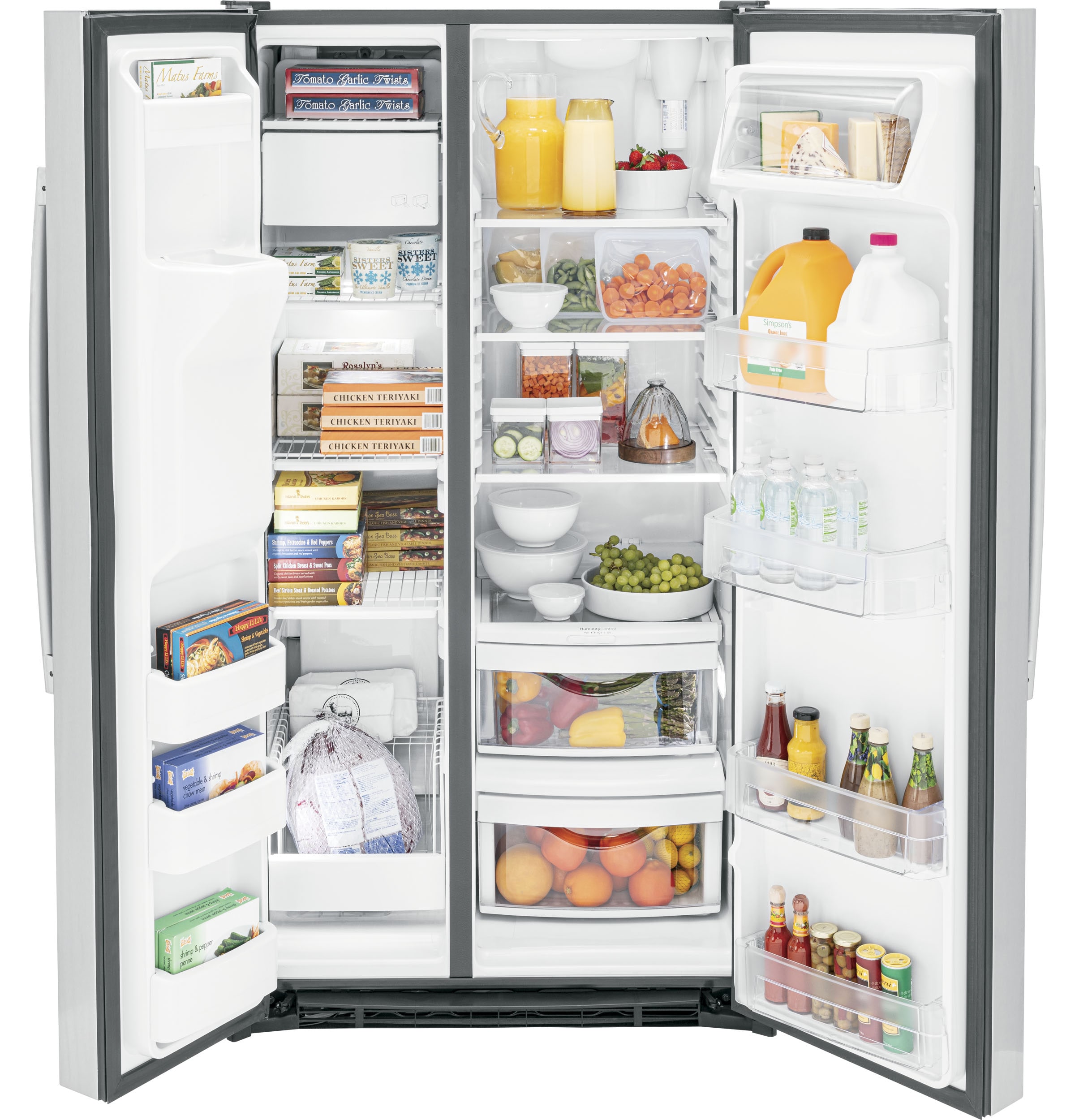
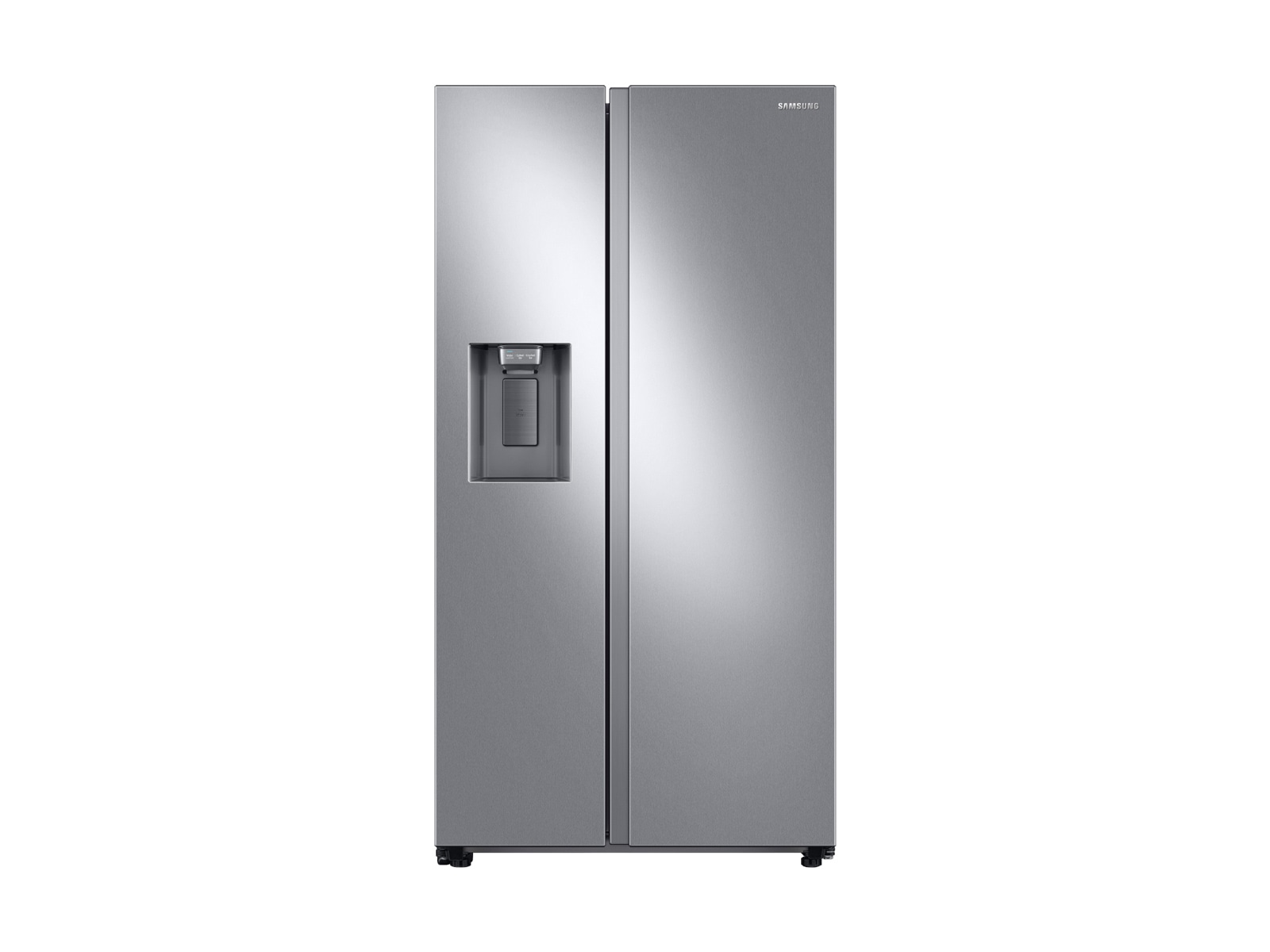
The ideal temperature for your refrigerator is usually between 35°F and 38°F.
All refrigerators come in various sizes, typically ranging from 10 to 30 cubic feet.
Typically ranges from 20 to 30 cubic feet.
By following these maintenance and cleaning tips, you can ensure that your all refrigerator remains in top condition, providing you with the best storage for your food and beverages.
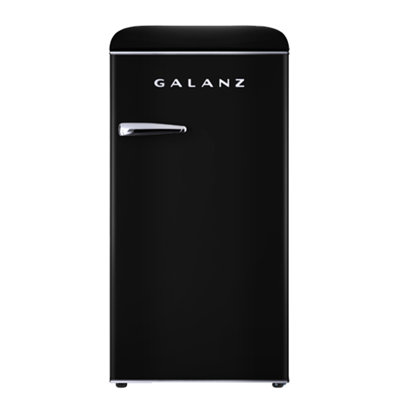
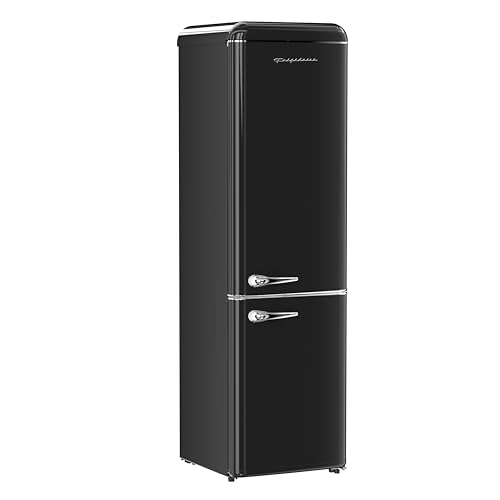
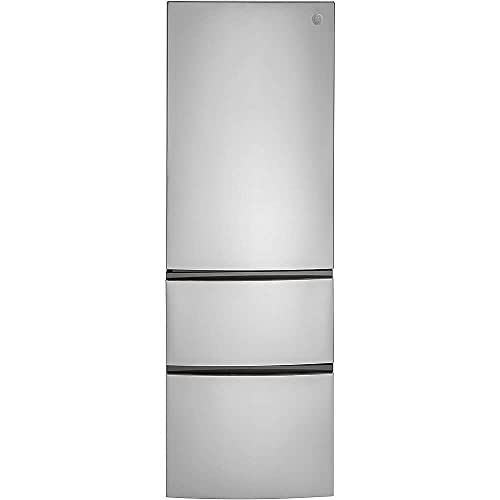
An all refrigerator is designed to maximize fresh food storage while eliminating the freezer compartment. This type of appliance is ideal for those who prefer to store more perishable items such as fruits, vegetables, dairy, and beverages. It provides ample space for organizing your groceries without the need to compromise on storage for frozen foods.
The layout typically features adjustable shelves, crisper drawers, and door bins, allowing you to customize the space according to your needs. With this design, you can easily access your favorite ingredients for cooking and entertaining.
Benefits of Having an All Refrigerator
Choosing an all refrigerator comes with several advantages, especially for those who value fresh food and efficient organization. Here are some key benefits:
Benefit
Description
Increased Fresh Food Storage
With no freezer compartment, you have more room to store fresh produce and other perishables.
Simplified Organization
The absence of a freezer allows for a streamlined layout, making it easier to find and access items.
Customization
Many models offer adjustable shelves and bins, enabling you to tailor the space to suit your specific storage needs.
Ideal for Entertaining
Perfect for hosting gatherings, an all refrigerator can store a large quantity of beverages and fresh snacks for guests.
If you're interested in specific styles or features, you may want to explore stainless steel refrigerators or drawer fridge freezers. The all refrigerator is a versatile choice for homeowners, foodies, and anyone prioritizing fresh food storage.
When choosing an all refrigerator, several features can enhance your experience and ensure it meets your needs. Here are the key features to keep in mind.
Storage Capacity and Layout
The storage capacity and layout of your refrigerator are vital for efficiently organizing your food and beverages. Consider how much space you need based on your household size and lifestyle. All refrigerators come in various sizes, typically ranging from 10 to 30 cubic feet.
Size Category
Capacity (cu ft)
Ideal For
Small
10 - 15
Apartments, small families
Medium
16 - 22
Average-sized families
Large
23 - 30+
Large families, entertaining
The layout also matters. Look for adjustable shelves, door bins, and dedicated compartments for fruits and vegetables. These features help maximize space and keep items organized.
Temperature Control and Settings
Temperature control is essential for preserving the freshness of your food. Most all refrigerators come with adjustable temperature settings. The ideal temperature for your refrigerator is usually between 35°F and 38°F.
Some models offer advanced temperature management systems, allowing you to set different temperatures for specific compartments. This feature is particularly useful for storing delicate items like dairy and meats.
Feature
Description
Digital Controls
Easily set and monitor temperatures
Separate Compartment Controls
Customize settings for different areas
Temperature Alerts
Notifications if temperatures fluctuate
Energy Efficiency
Energy efficiency is a critical consideration for any appliance, including all refrigerators. Look for models with the ENERGY STAR label, which indicates they meet energy efficiency guidelines set by the U.S. Environmental Protection Agency.
An energy-efficient refrigerator can save you money on utility bills and reduce your carbon footprint. Compare the estimated annual energy consumption, usually listed in kilowatt-hours (kWh), to find the most efficient model.
Energy Efficiency Rating
Estimated Annual Energy Consumption (kWh)
Excellent
< 300
Good
300 - 500
Average
500 - 700
Understanding these features will help you make an informed decision when selecting the right all refrigerator for your home. For more tips on fridge and freezer organization, explore Fridge.com guide on drawer fridge freezers.
Choosing the right all refrigerator is essential for your kitchen or entertaining space. There are several styles to consider, each with unique features that cater to different needs and preferences. Below are the three main types of all refrigerators: French door, side-by-side, and top mount.
French Door Style
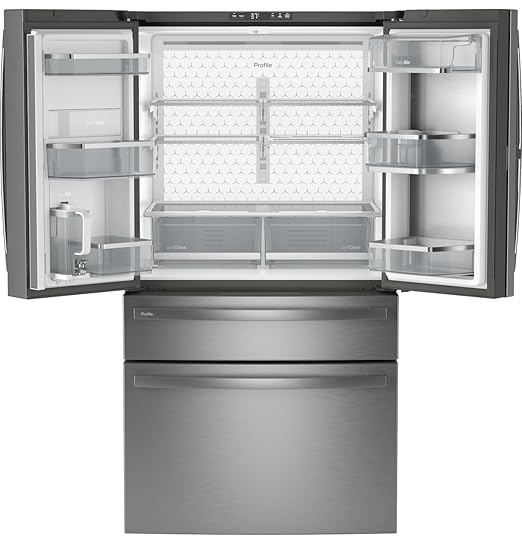
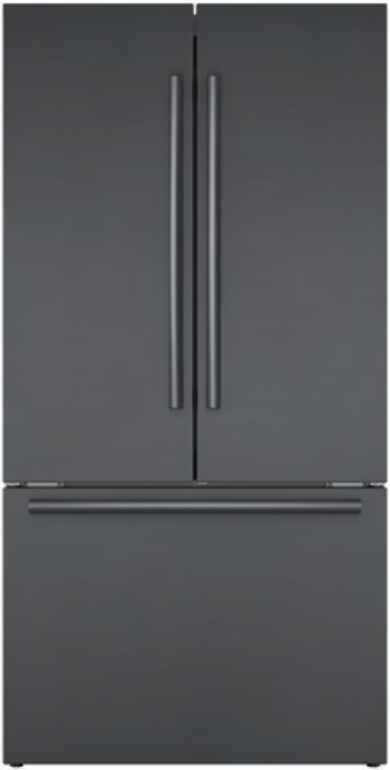
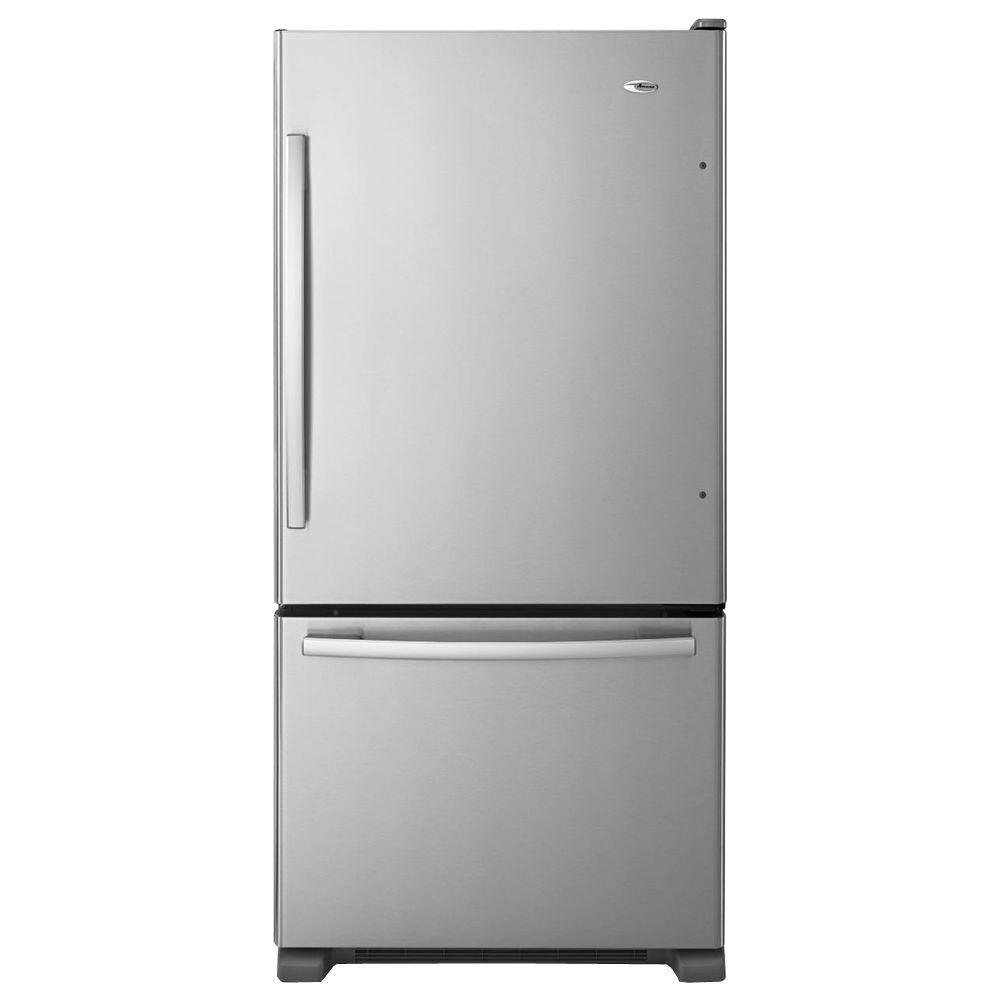
French door refrigerators are popular for their spacious design and modern look. They feature two doors that open to reveal a wide fresh food compartment, while a pull-out freezer drawer is located at the bottom.
Feature
Description
Storage Capacity
Typically ranges from 20 to 30 cubic feet
Organization
Adjustable shelves and bins for versatile storage
Accessibility
Easy access to fresh foods; lower freezer compartment for convenience
The design of French door refrigerators makes them ideal for families and those who entertain often. You can easily store large items such as party platters or large containers.
Side-by-Side Style
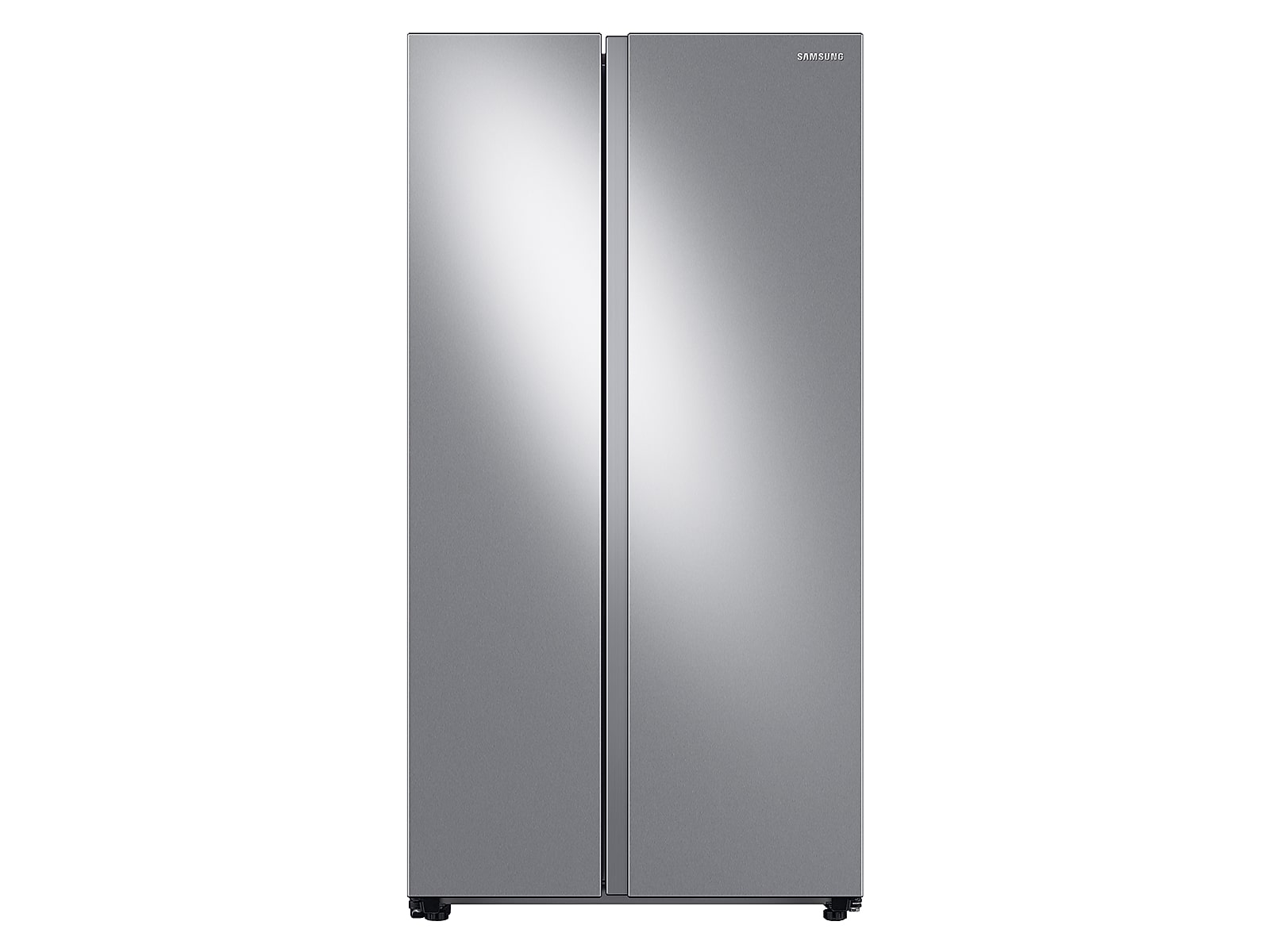
Side-by-side refrigerators have the fresh food compartment on one side and the freezer on the other. This design allows for easy access to both the refrigerator and freezer sections.
Feature
Description
Storage Capacity
Generally ranges from 20 to 30 cubic feet
Organization
Vertical storage options; handy for smaller kitchen spaces
Accessibility
Easy access to both the refrigerator and freezer without bending down
This style is perfect for those who prefer organized storage and quick access to frozen items. Side-by-side models often come with features like ice and water dispensers.
Top Mount Style
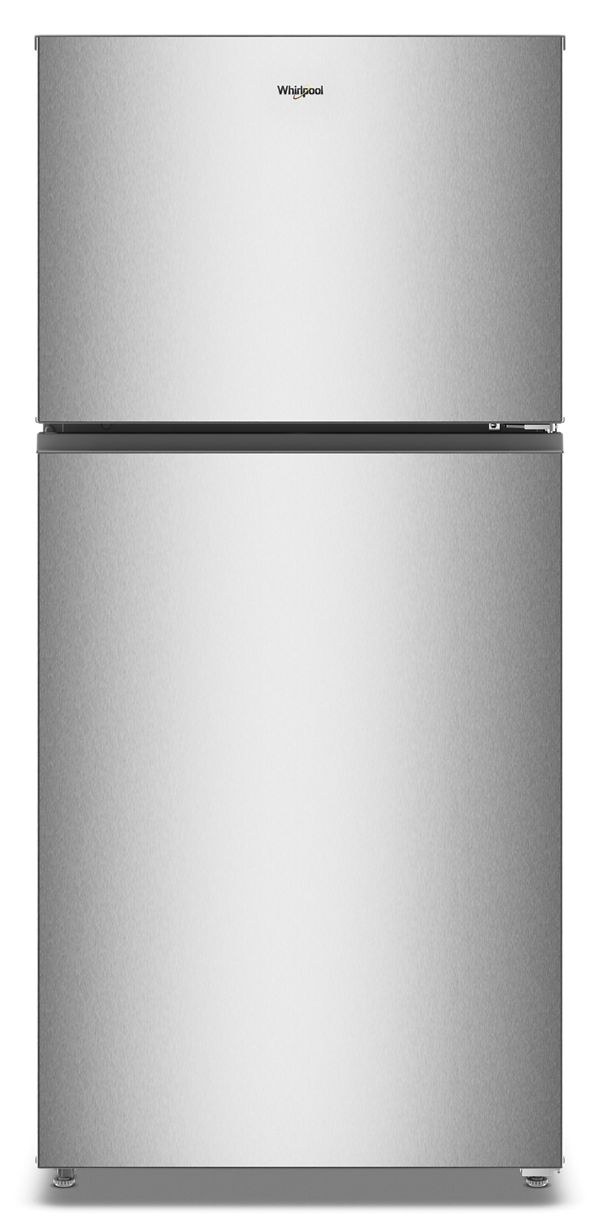
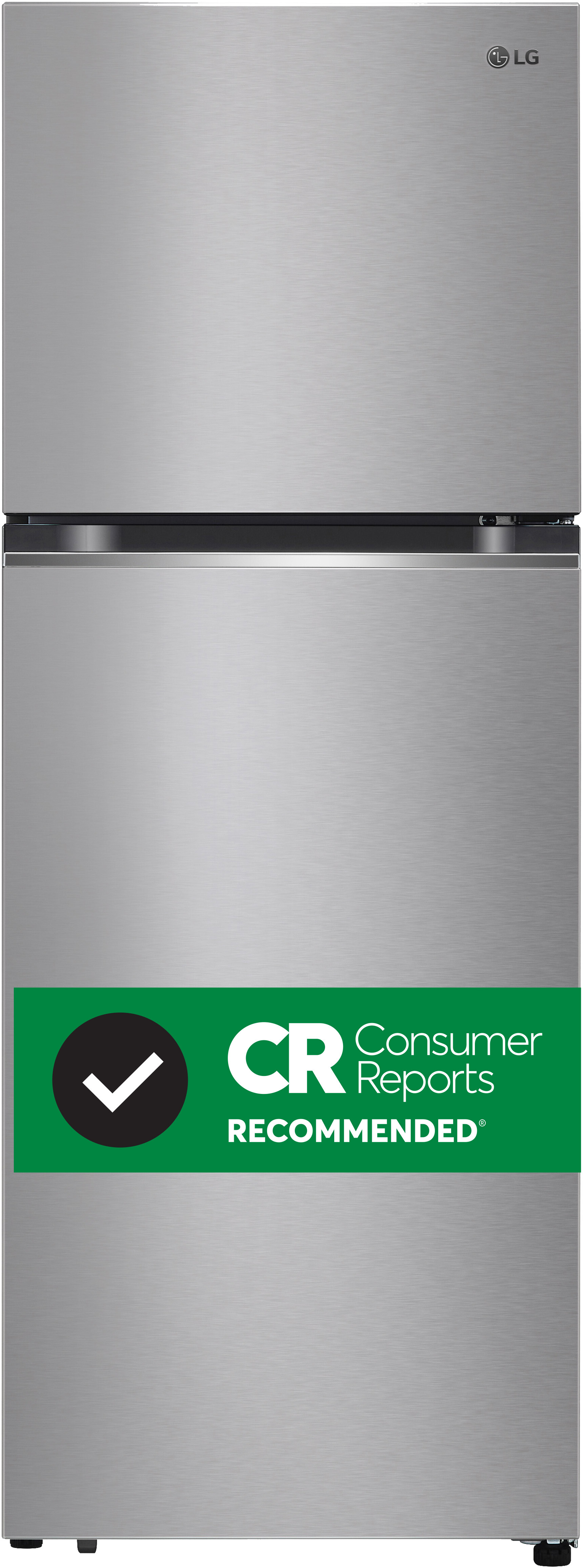
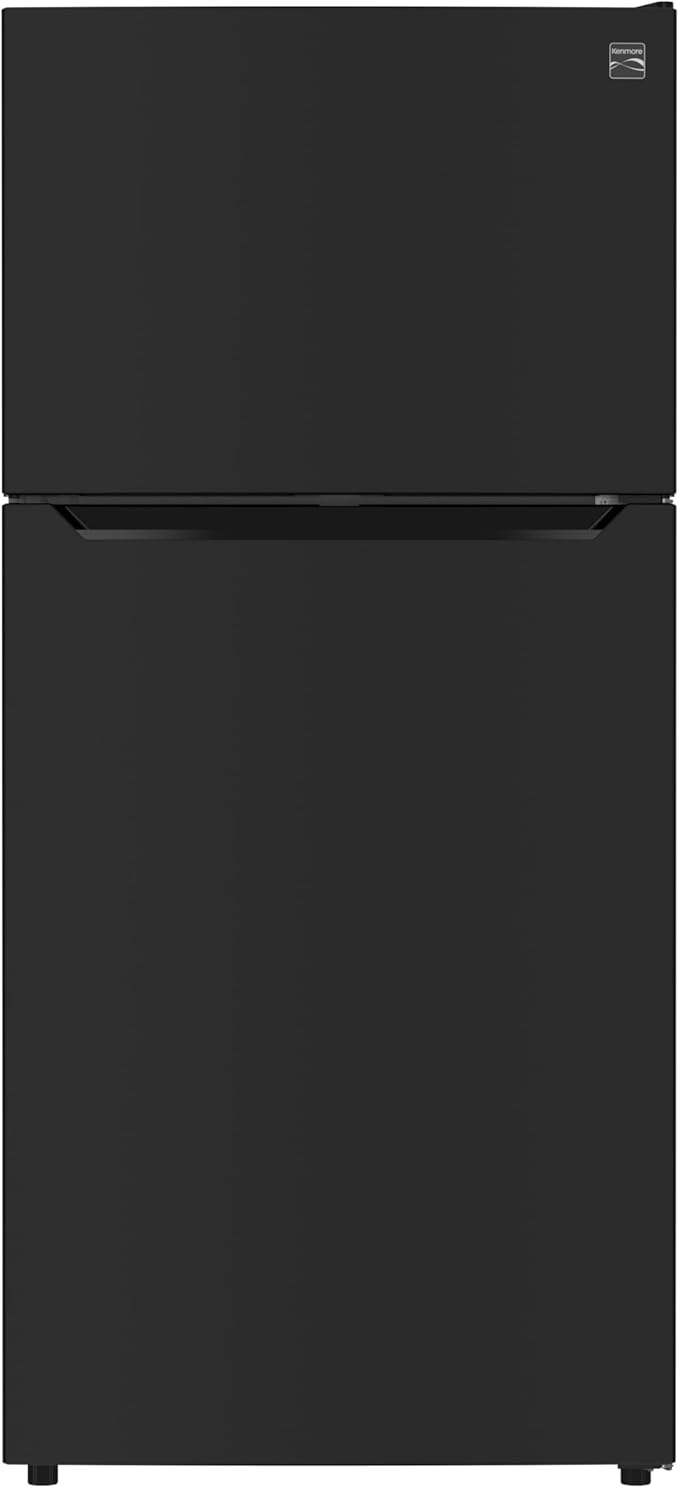
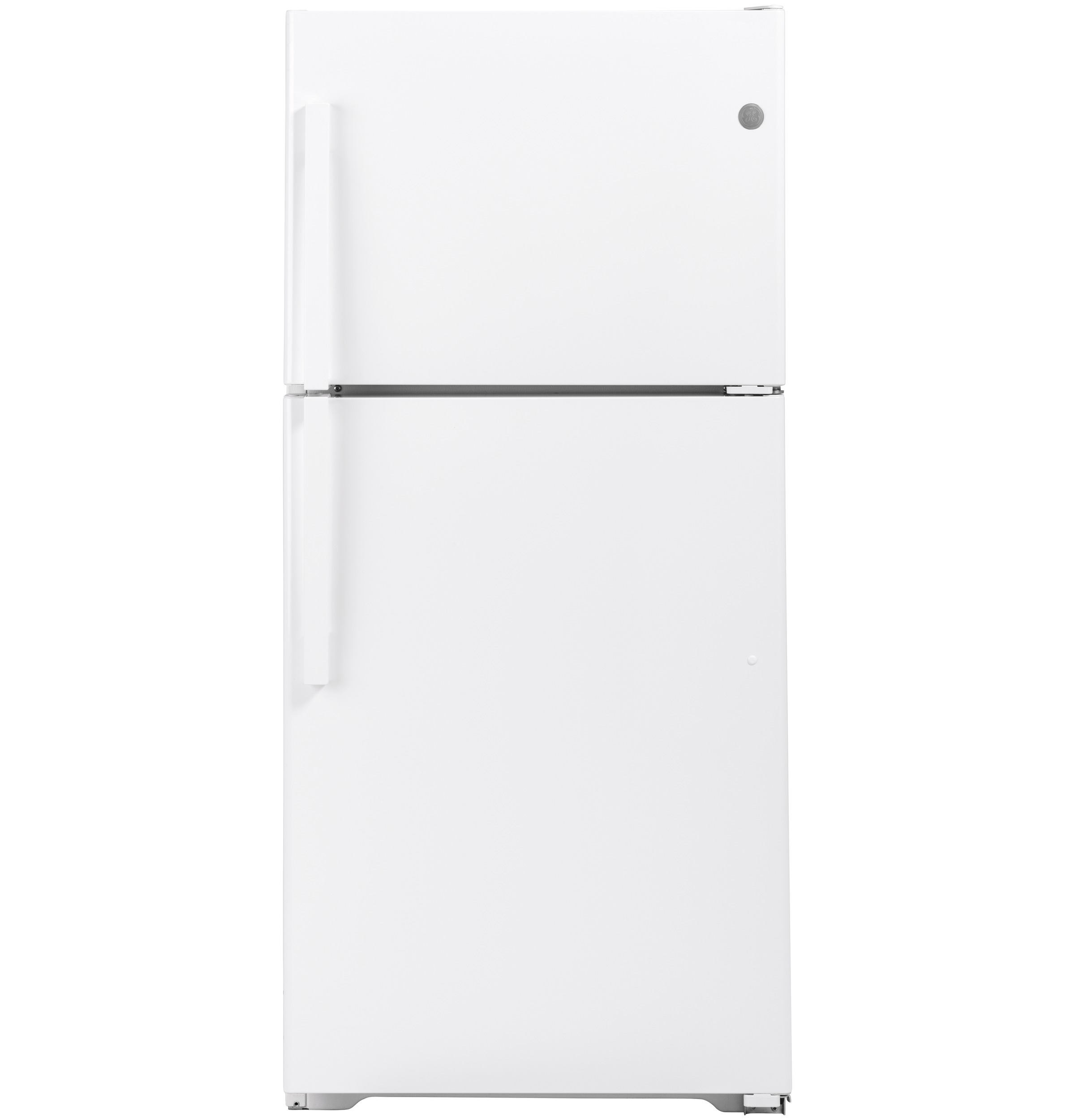
Top mount refrigerators are the traditional style where the freezer is located above the refrigerator compartment. This design is simple and functional.
Feature
Description
Storage Capacity
Commonly ranges from 14 to 25 cubic feet
Organization
Basic shelving and bins; less flexible than other styles
Accessibility
Freezer access requires bending down; more suitable for smaller spaces
Top mount refrigerators are usually more affordable and energy-efficient. They work well in smaller kitchens or for those who prefer a straightforward design.
When selecting an all refrigerator, consider how each style fits your space and lifestyle. Understanding the differences can help you make an informed decision on the best fit for your needs. For more insights, explore Fridge.com articles on stainless steel refrigerators or drawer fridge freezers.
Maintaining and cleaning your all refrigerator is vital for its performance and longevity. Proper care ensures that your food stays fresh and your appliance runs efficiently. Here are some essential maintenance tips to consider.
Regular Defrosting
If your all refrigerator features a freezer compartment, regular defrosting is essential to prevent ice buildup. Ice accumulation can reduce storage space and impact the appliance's efficiency. Here’s a simple schedule to follow for defrosting:
Frequency
Action
Monthly
Check for ice buildup and defrost if necessary.
Annually
Perform a thorough defrosting and cleaning.
To defrost your refrigerator, unplug it and allow the ice to melt naturally. Place towels on the floor to absorb water, and keep the doors open to speed up the process. For more detailed steps, refer to Fridge.com article on how to defrost your deep freezer.
Proper Organization
Organizing your refrigerator can enhance airflow and efficiency. A well-organized fridge also makes it easier to find and access your food items. Here are some tips for proper organization:
Group Similar Items: Store dairy products together, fruits in one section, and vegetables in another.
Use Clear Containers: This helps you see what you have at a glance and prevents forgotten items from going bad.
Labeling: Use labels for containers and shelves to remind yourself of expiration dates and contents.
Consider utilizing the door shelves for condiments and beverages, while keeping perishable items in the main body of the fridge for optimal freshness. For more tips on food storage, refer to Fridge.com article on food storage tips.
Cleaning and Deodorizing
Regular cleaning is essential for maintaining a fresh environment inside your refrigerator. Here are steps to effectively clean and deodorize:
Unplug the Refrigerator: Safety first. Always unplug your appliance before cleaning.
Remove All Items: Take out all food items to ensure a thorough cleaning.
Wash Shelves and Drawers: Use warm, soapy water to clean removable shelves and drawers. Rinse and dry them before placing them back.
Wipe Down Surfaces: Use a mixture of water and vinegar to wipe down the interior walls and surfaces. This solution helps eliminate odors.
Deodorizing: Place an open box of baking soda inside the fridge to absorb odors. Replace it every three months.
Cleaning Frequency
Action
Weekly
Check for expired items and clean spills.
Monthly
Deep clean shelves and interior surfaces.
By following these maintenance and cleaning tips, you can ensure that your all refrigerator remains in top condition, providing you with the best storage for your food and beverages. For more information on specific refrigerator types, check out Fridge.com articles on stainless steel refrigerators and drawer fridge freezers.
Installation and Placement
Selecting the right location for your all refrigerator can significantly impact its performance and longevity. Proper ventilation, ideal placement, and space considerations are key factors to ensure optimal functionality.
Proper Ventilation
Ventilation is crucial for maintaining the efficiency of your all refrigerator. It allows the appliance to dissipate heat generated during operation and ensures that the cooling system works effectively. Here are some guidelines to follow for proper ventilation:
Ventilation Requirement
Recommendation
Clearance from Walls
At least 1 inch on the sides and back
Clearance Above
At least 2 inches for airflow
Floor Level
Ensure it is not placed on soft surfaces like carpets
Ideal Locations for All Refrigerators
When deciding where to place your all refrigerator, consider the following locations that are both functional and convenient:
Location
Benefits
Kitchen
Centralized access for meal preparation and storage
Basement
Ideal for extra storage and temperature regulation
Garage
Provides easy access for outdoor entertaining and large items
Home Pool Area
Great for keeping drinks and snacks cool while enjoying the pool
Office
Convenient for quick snacks and beverages during work hours
Space Considerations
Before installing your all refrigerator, measure the available space to ensure a proper fit. Keep in mind the following dimensions:
Dimension
Measurement
Width
Typically ranges from 24 to 36 inches
Depth
Usually between 28 to 34 inches
Height
Commonly varies from 60 to 72 inches
Additionally, consider the door swing and ensure there is enough clearance for opening it fully. Maintaining adequate space around your refrigerator not only helps in ventilation but also makes it easier to clean and access items inside.
Taking these installation and placement factors into account will help you maximize the efficiency of your all refrigerator. For further information on refrigerator types, you may want to explore sections on stainless steel refrigerators or drawer fridge freezers.
To maximize the utility of your all refrigerator, it is essential to implement effective food storage tips, organizational hacks, and strategies to utilize its features efficiently. Below are some practical suggestions to enhance your refrigerator experience.
Food Storage Tips
Proper food storage is crucial to maintain freshness and prevent waste. Here are some useful tips:
Use Clear Containers: Store leftovers and prepped ingredients in clear containers to easily identify contents.
Label Everything: Label containers with dates to keep track of freshness.
Group Similar Items: Keep similar items together to streamline meal prep. For example, keep dairy products on one shelf and fruits and vegetables on another.
Use the Crisper Drawers: Utilize crisper drawers for fruits and vegetables to maintain optimal humidity levels.
Food Type
Recommended Storage Location
Dairy Products
Middle shelves
Fruits
Crisper drawer
Vegetables
Crisper drawer
Leftovers
Upper shelves
Organizational Hacks
Implementing smart organization techniques can make navigating your refrigerator easier. Consider the following hacks:
Adjust Shelves: If your all refrigerator has adjustable shelves, customize them according to your storage needs. Taller items can be placed on higher shelves.
Use Bins and Baskets: Organize smaller items in bins or baskets to prevent clutter and improve accessibility.
Vertical Space: Utilize vertical space by stacking items or using tiered organizers for canned goods and condiments.
Door Storage: Store condiments and drinks in the door shelves, keeping frequently used items easily accessible.
Utilizing Features for Efficiency
Many all refrigerators come with unique features designed to enhance functionality. Here’s how to make the most of them:
Temperature Zones: Take advantage of different temperature zones for optimal food preservation. Keep meats and dairy in the coldest areas.
Humidity Control: Utilize the humidity controls in your crisper drawers to extend the life of produce.
Smart Technology: If your refrigerator has smart features, connect it to your mobile device for alerts on temperature fluctuations or when it’s time to restock items.
Ice Makers and Water Dispensers: If equipped, use these features for convenience during entertaining and everyday hydration.
By applying these food storage tips, organizational hacks, and utilizing the features of your all refrigerator, you can create an efficient and enjoyable food storage environment. For further insights on maximizing storage in your fridge, explore Fridge.com article on stainless steel refrigerators or learn about drawer fridge freezers.
Compare refrigerator prices on Fridge.com
Compare current prices and specifications on Fridge.com, then buy from the retailer you choose; delivery, installation and warranty terms are the retailer’s.
It also has tons of awesome articles about kitchen stuff and home news. Enhance your home, garage, backyard, patio, and office with the coolest essentials. With every necessary type of residential refrigerator or freezer in the collection, you're covered.
From Fridge.com research
Figures below come from data Fridge.com builds and maintains. Each links to the record behind it.
Fridge.com Energy Index, built on U.S. EPA and DOE ENERGY STAR records
Across 295 ENERGY STAR certified freezerless and single door models, median use is 286 kWh per year — 11% better than the federal standard.