Refrigerators are the unsung heroes of our kitchens. They keep our food fresh, cut down on waste, and make meal prep a breeze. Whether it's fruits, veggies, dairy, or last night's leftovers, your fridge is the MVP in managing your groceries and meal plans.
But it's not just about keeping food from spoiling. A good fridge means you can stock up on healthy ingredients, making it easier to cook at home instead of ordering out. Plus, when you're hosting a get-together, a reliable fridge ensures you've got plenty of space for drinks and snacks.
How Refrigerators Have Changed
Refrigerators have come a long way since the days of iceboxes. Let's take a quick trip through time:
Year
What Happened
1800s
Iceboxes used actual ice to keep things cool.
1920s
Electric fridges hit the scene, making life easier.
1950s
Self-defrosting models showed up, less hassle for you.
1990s
Energy-efficient fridges started saving both money and the planet.
2000s
Smart fridges with Wi-Fi and touchscreens became a thing.
Modern fridges are packed with features like adjustable shelves, precise temperature controls, ice makers, and water dispensers. They're designed to be more efficient and user-friendly, catering to what you need. If you're looking for something specific, check out panel ready refrigerators and column refrigerators to find the perfect fit for your home.
Choosing the right fridge can be a game-changer for your kitchen. Let's break down the different types so you can find the perfect fit for your needs.
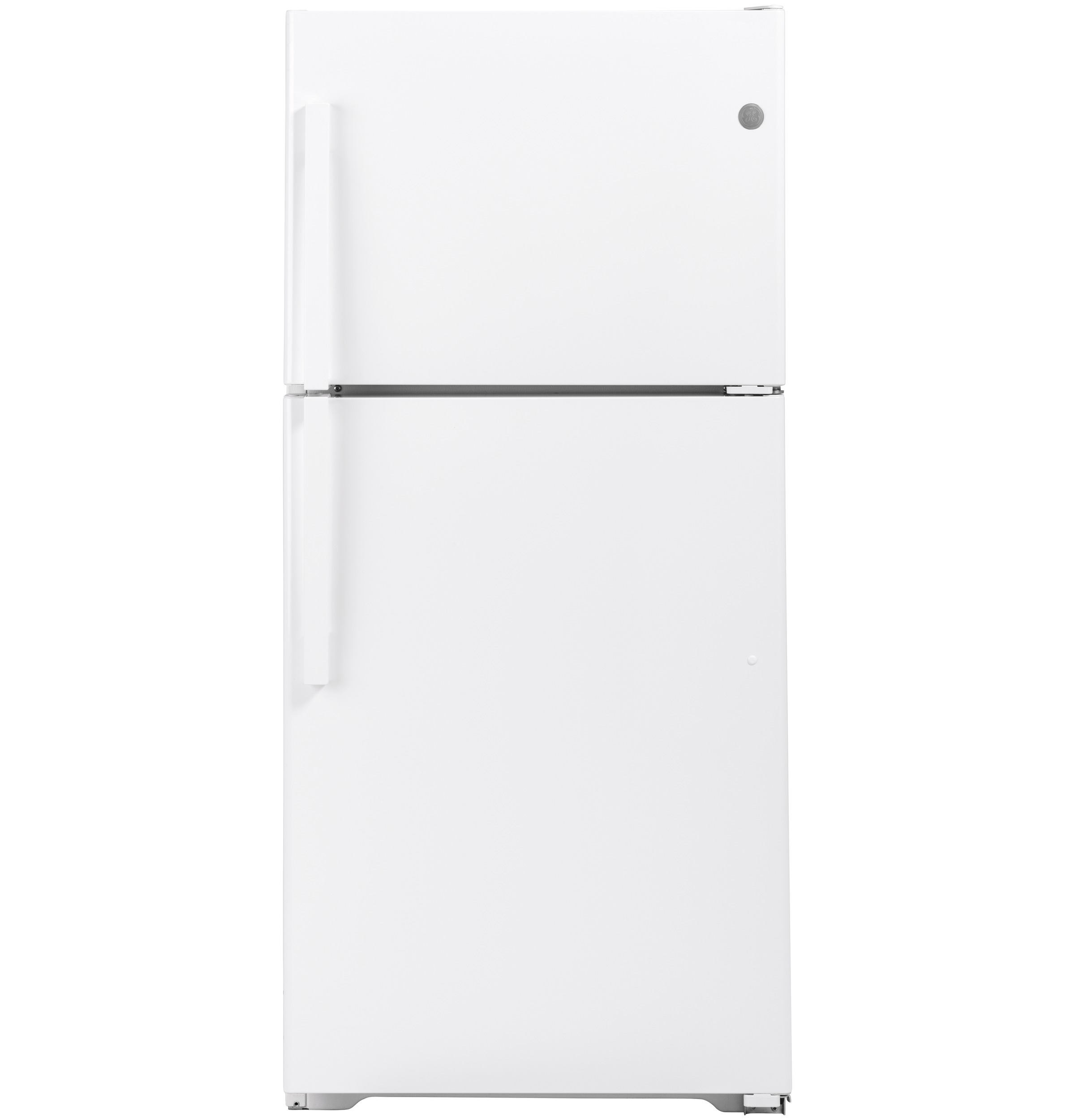
Top-Freezer Refrigerators
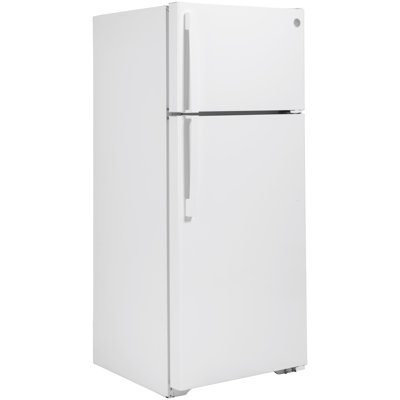
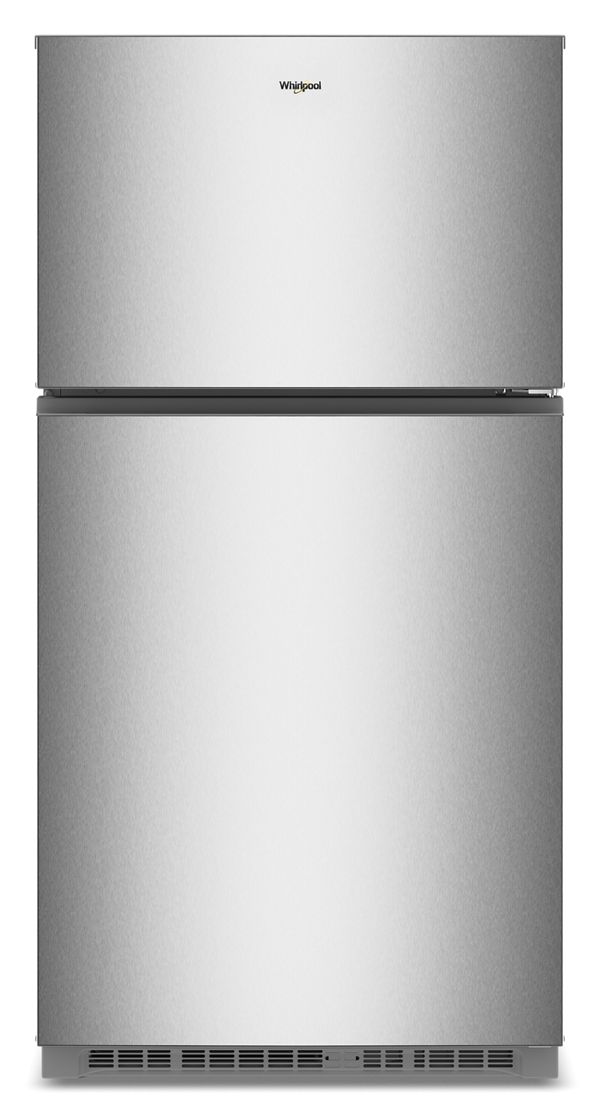
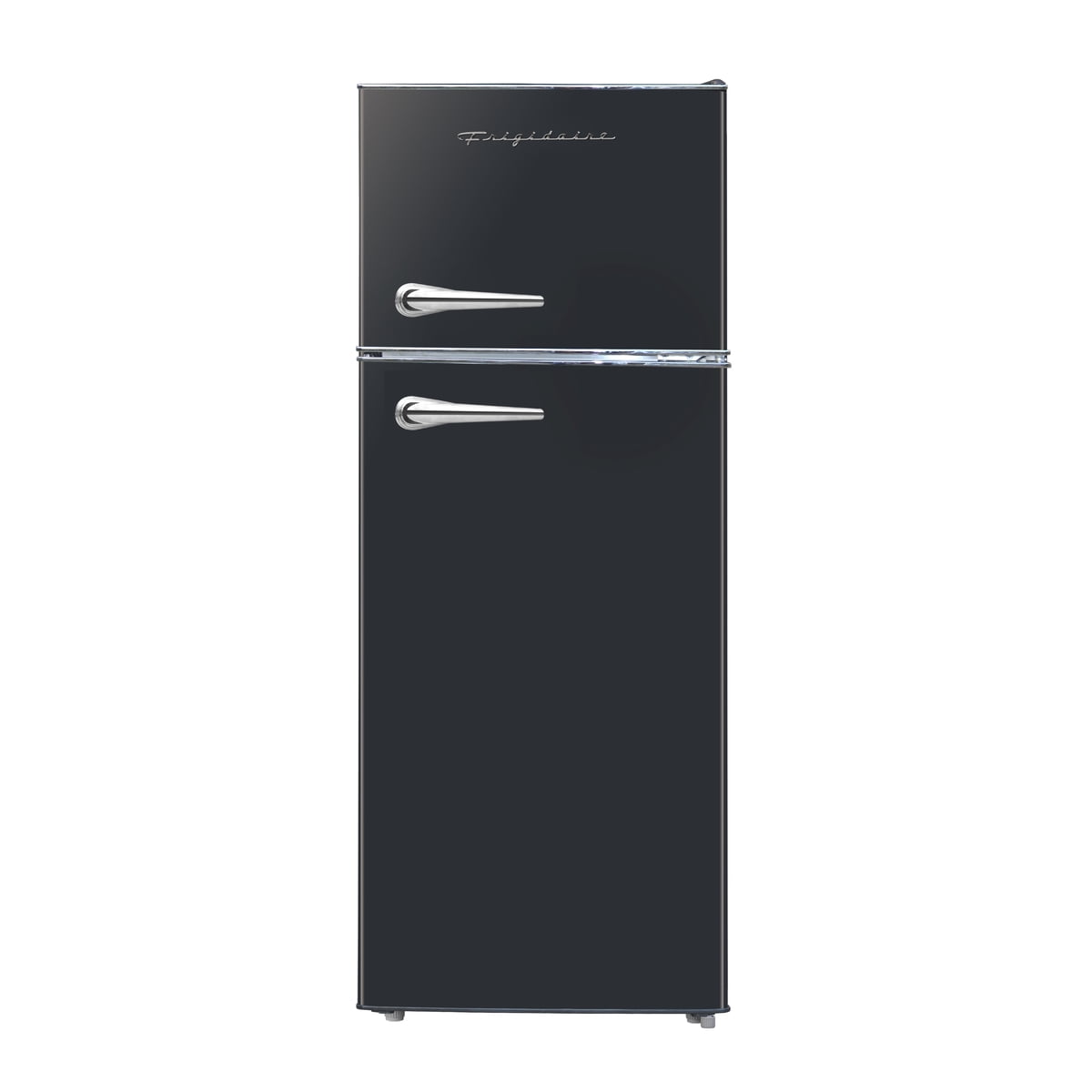
These are the classics. With the freezer on top and the fridge below, you get easy access to your daily essentials.
Features
Details
Average Height
65 - 70 inches
Average Width
28 - 36 inches
Capacity Range
14 - 22 cubic feet
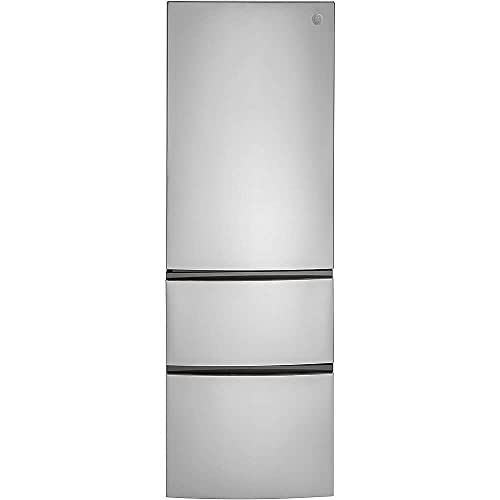
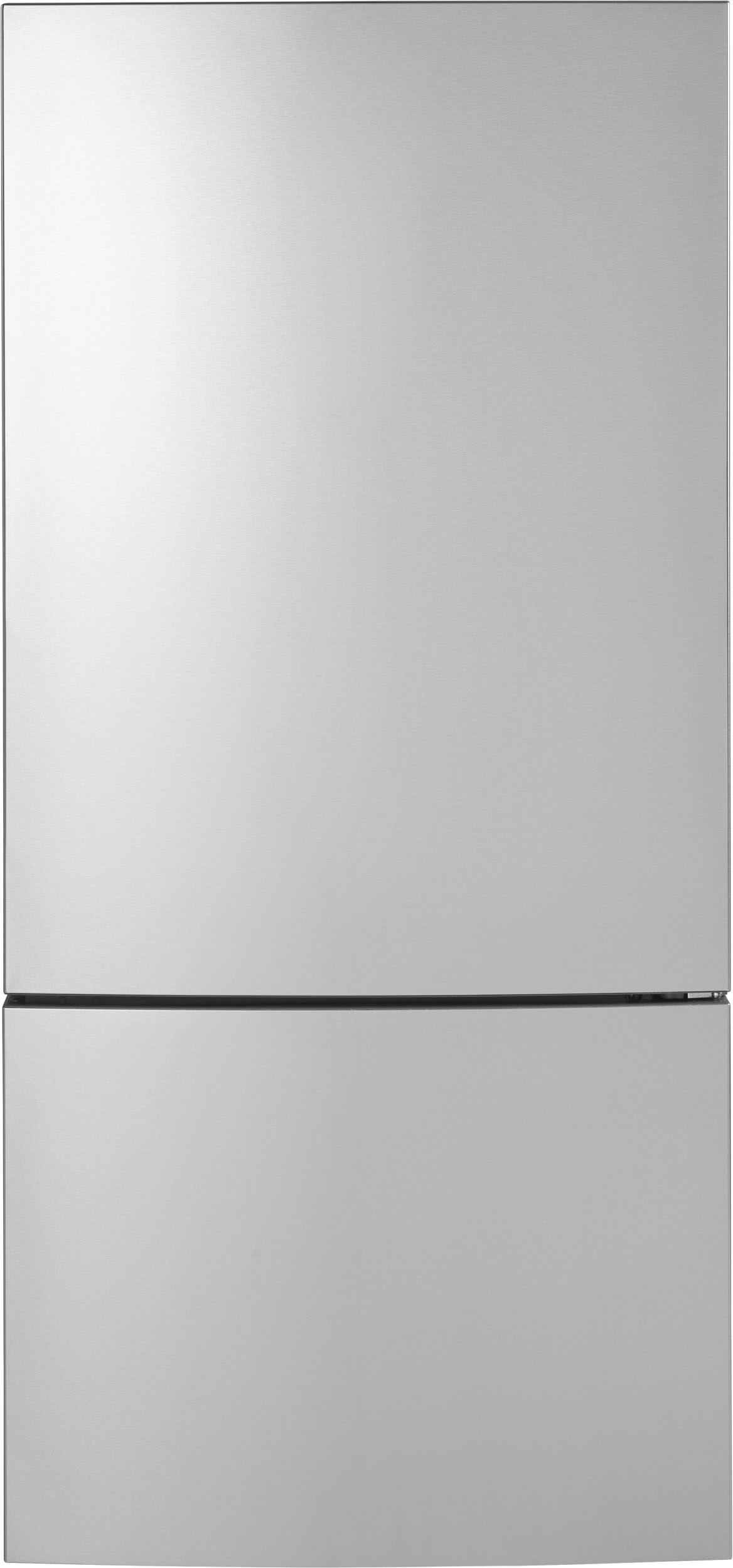
Bottom-Freezer Refrigerators
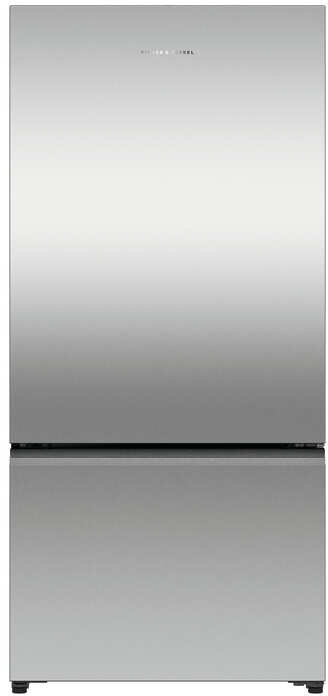
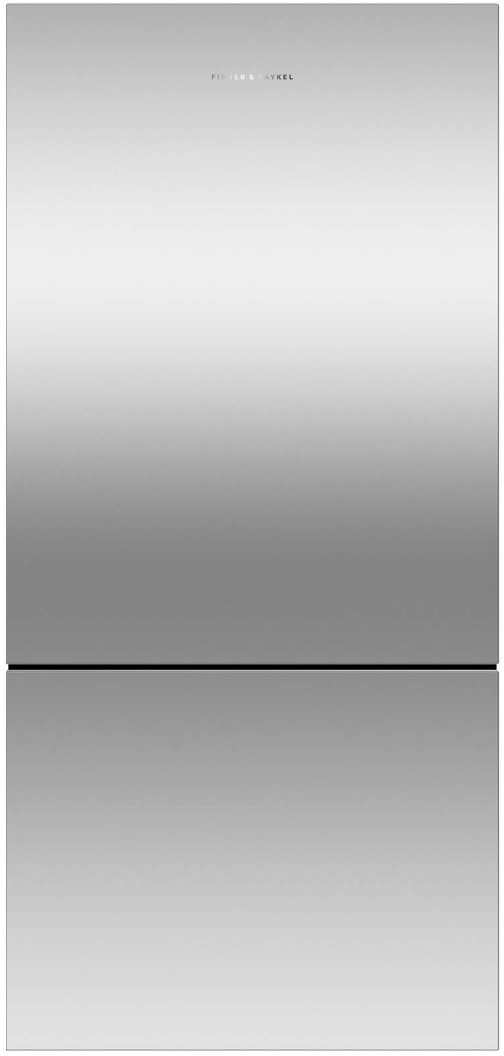
Flip the script with the freezer on the bottom. Fresh food is right at eye level, making it super convenient if you’re always reaching for the fridge.
Features
Details
Average Height
66 - 70 inches
Average Width
28 - 36 inches
Capacity Range
16 - 25 cubic feet
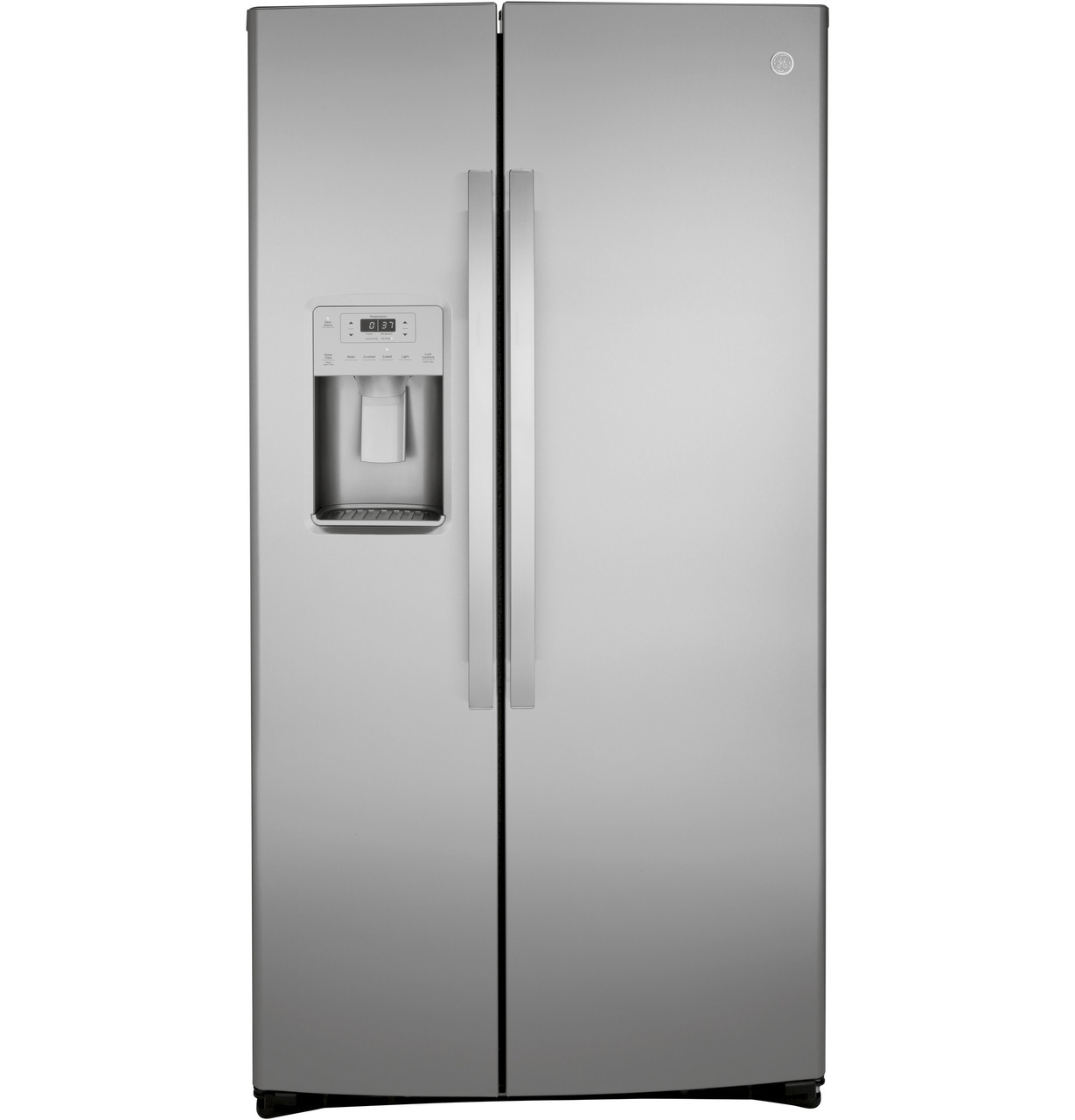
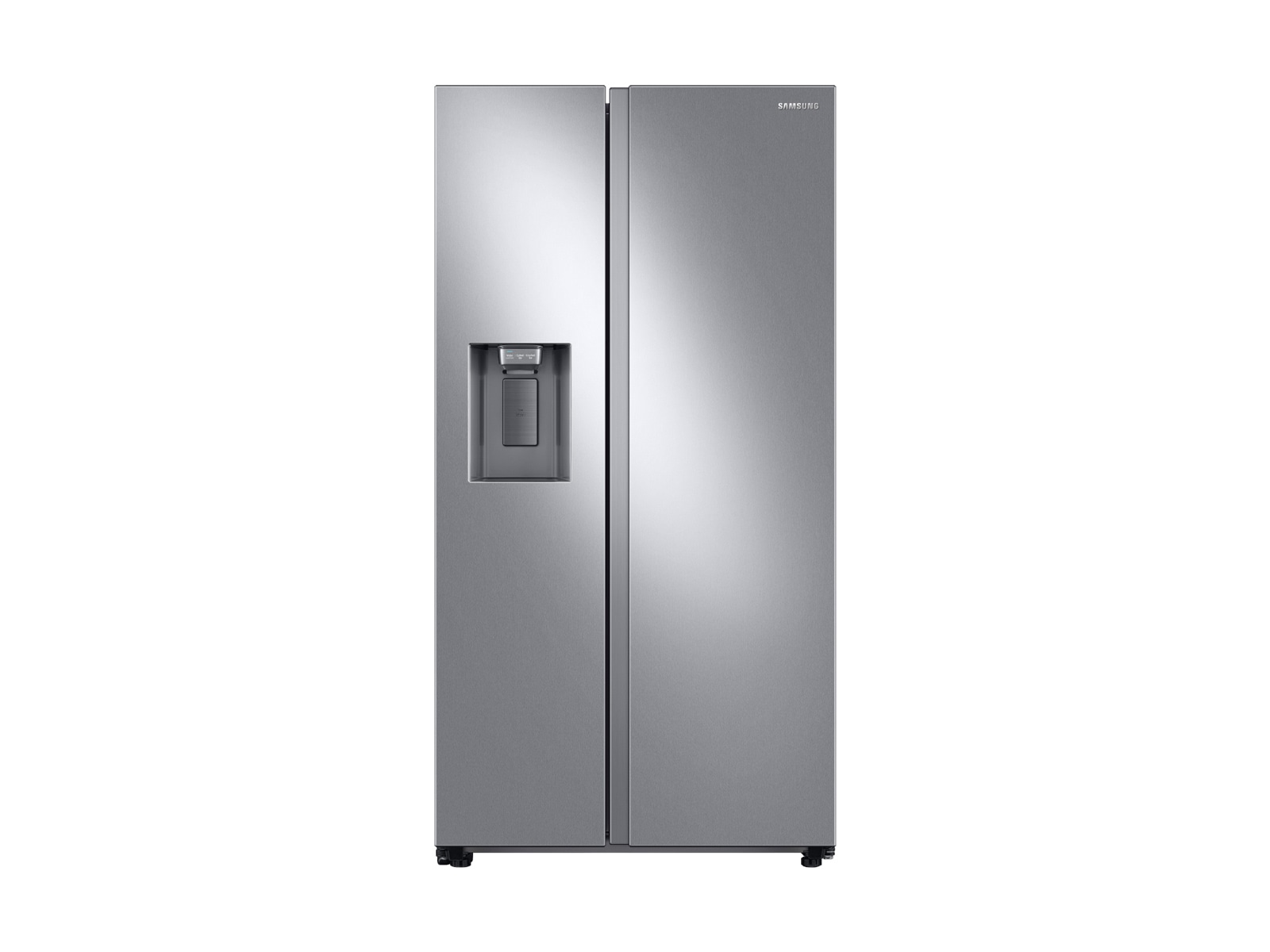
Side-by-Side Refrigerators
Two vertical compartments split the fridge and freezer. Often comes with fancy extras like water and ice dispensers.
Features
Details
Average Height
65 - 70 inches
Average Width
30 - 36 inches
Capacity Range
20 - 30 cubic feet
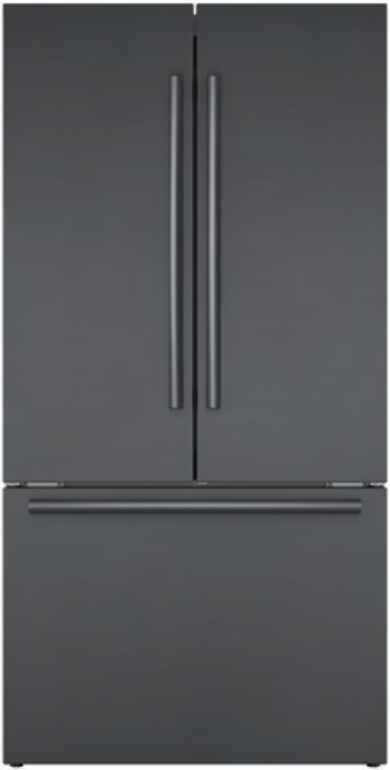
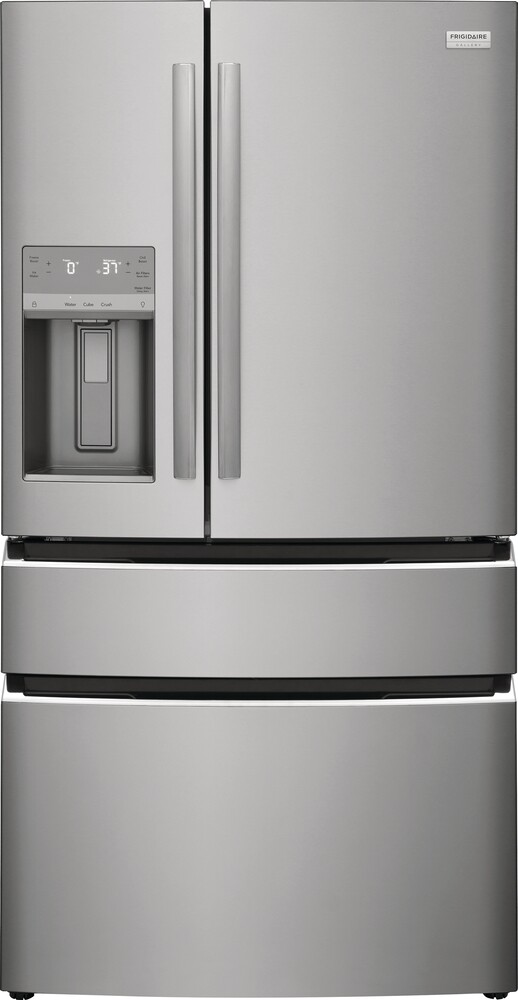
French Door Refrigerators
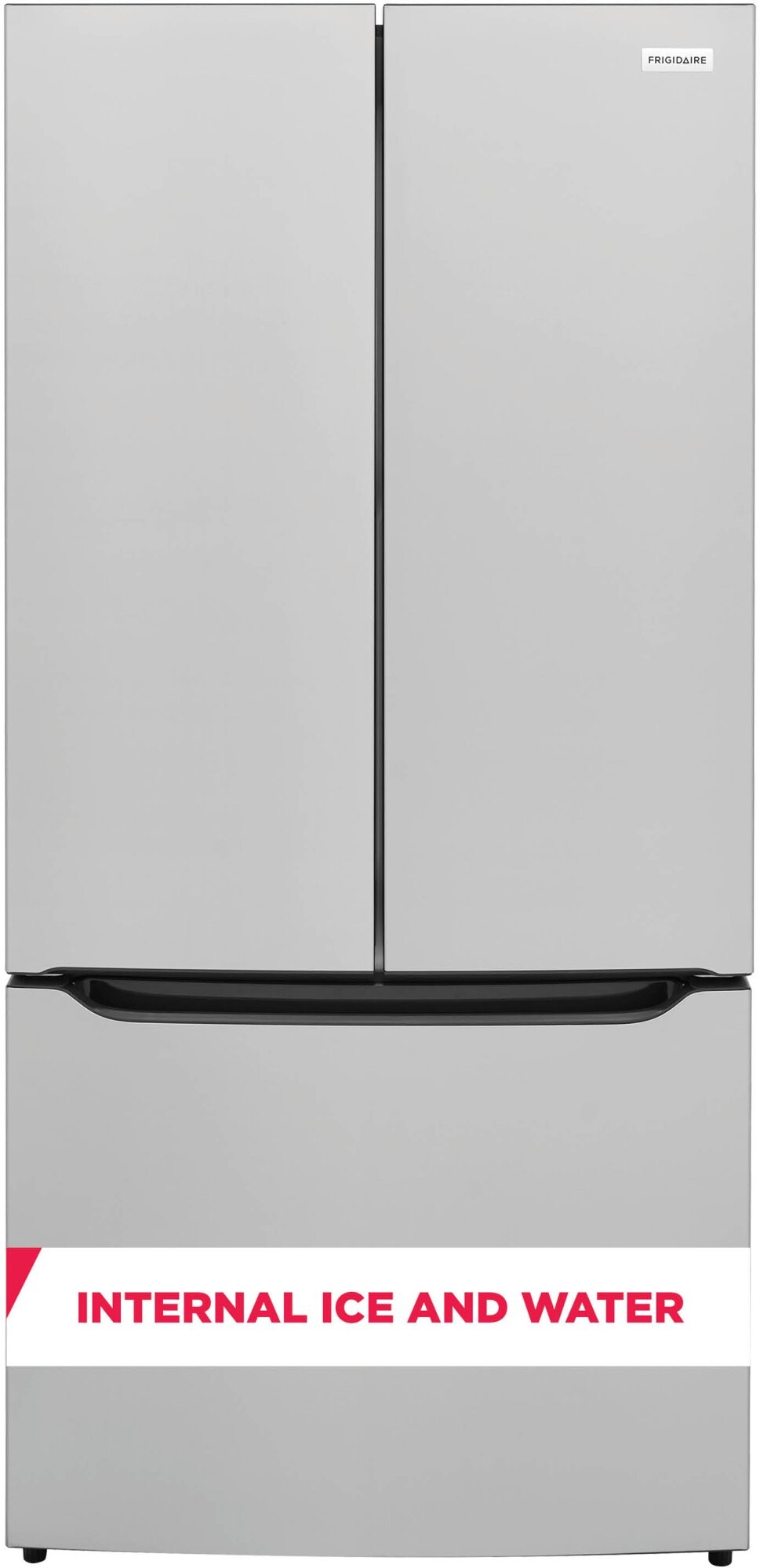
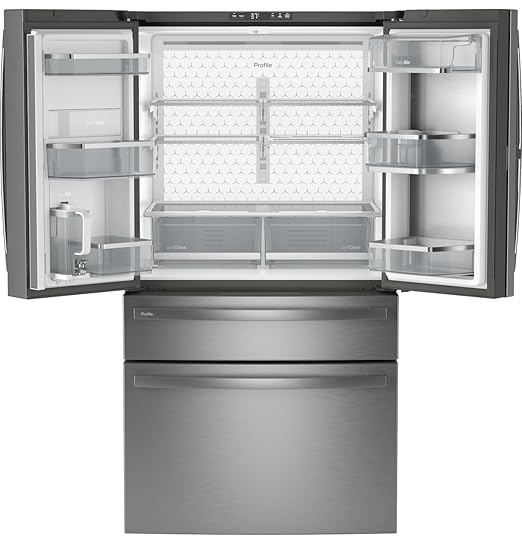
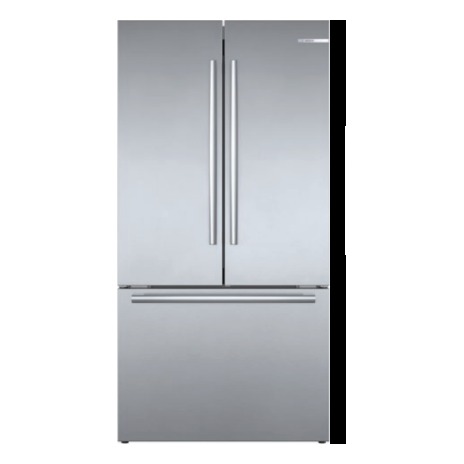
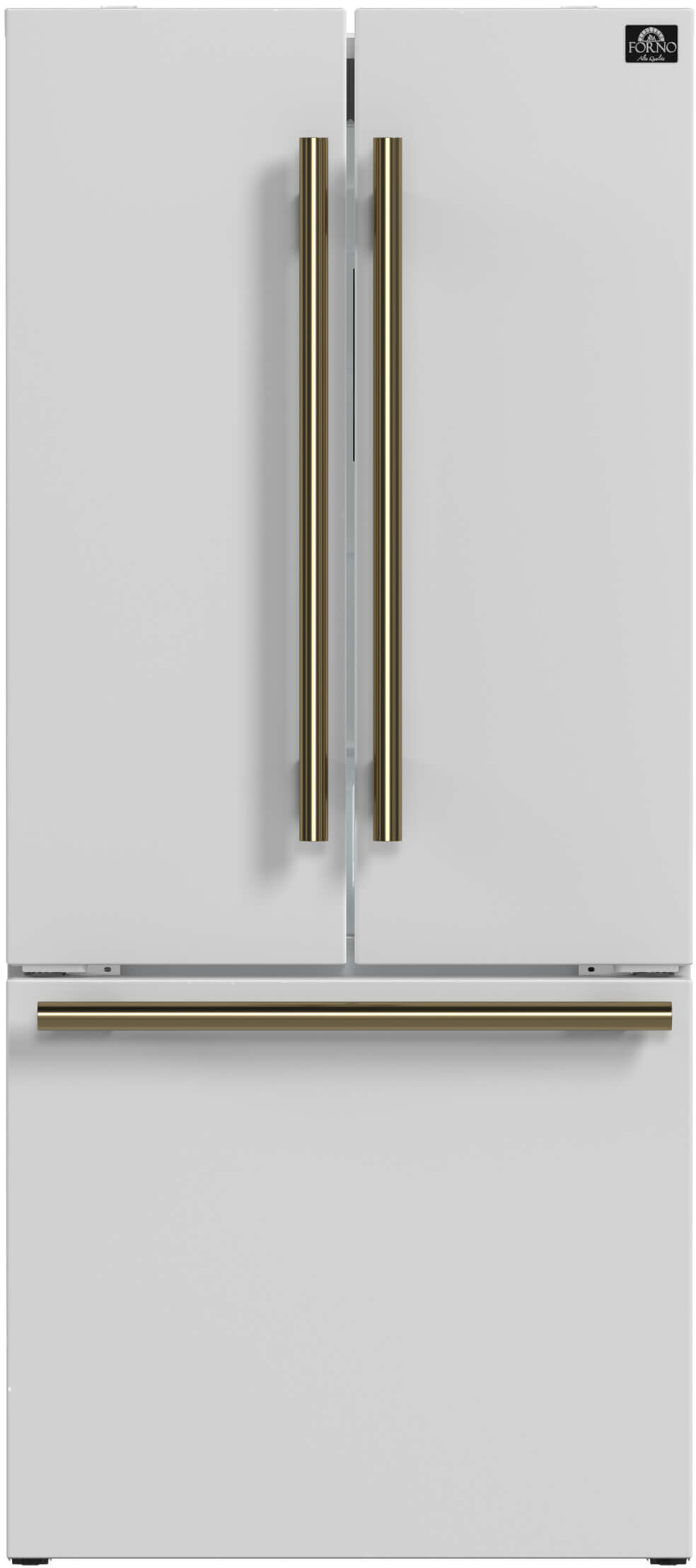
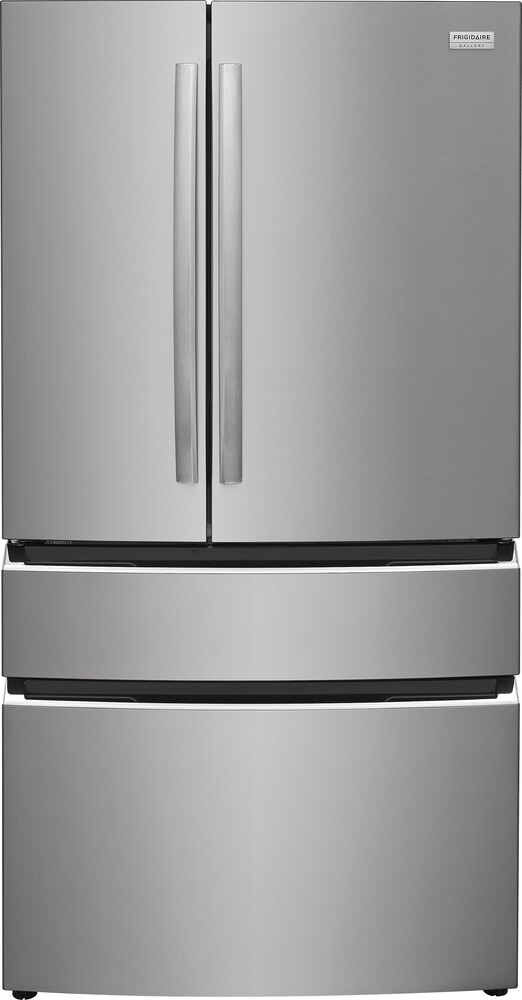
Think of these as the best of both worlds. Two doors for the fridge on top and a freezer drawer below. Perfect for big families or those who love to stock up.
Features
Details
Average Height
68 - 72 inches
Average Width
30 - 36 inches
Capacity Range
20 - 30 cubic feet
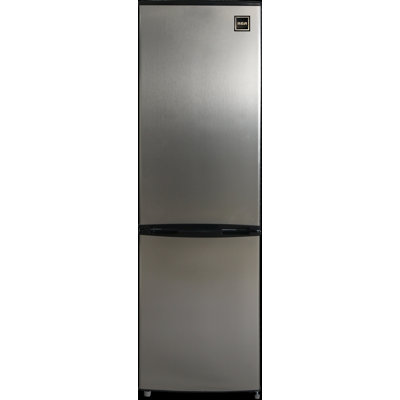
Compact Refrigerators
Small but mighty, these are great for tight spaces like dorms, offices, or tiny apartments. Ideal for drinks and snacks.
Features
Details
Average Height
32 - 34 inches
Average Width
18 - 24 inches
Capacity Range
1.7 - 4.5 cubic feet
Built-in Refrigerators
These blend right into your kitchen cabinetry for a sleek, custom look. They come in various styles and sizes, often with high-end features.
Features
Details
Average Height
70 - 84 inches
Average Width
30 - 48 inches
Capacity Range
20 - 30+ cubic feet
Knowing these types can help you zero in on the fridge that fits your lifestyle and kitchen space. For more details, check out Fridge.com articles on panel ready refrigerators or freestanding beverage centers.
Features to Think About
Picking the right fridge can make a world of difference in your kitchen. Let's break down what you need to know to make a smart choice.
Size and Capacity
First things first, size matters. You don't want a fridge that sticks out like a sore thumb or one that's too small to hold your weekly groceries. Measure your kitchen space and think about how much food you usually store. Fridges come in all shapes and sizes, usually measured in cubic feet.
Size Category
Dimensions (Width x Depth x Height)
Capacity (Cubic Feet)
Compact
18" x 20" x 30"
1.5 - 3.5
Standard
30" x 30" x 66"
18 - 25
Large
36" x 34" x 72"
25 - 30+
Energy Efficiency
Nobody likes high utility bills, right? Look for fridges with the ENERGY STAR label. These models are designed to save you money in the long run and are kinder to the planet.
Energy Rating
Estimated Annual Cost
Non-Energy Star
$50 - $100
An energy-efficient fridge is a win-win: lower bills and a smaller carbon footprint.
Interior Layout and Shelving
How you organize your fridge can make or break your kitchen experience. Adjustable shelves, crisper drawers, and door bins give you the flexibility to store everything just right. Think about what you usually buy when you grocery shop.
Feature
Benefit
Adjustable Shelves
Fit tall bottles or big leftovers
Crisper Drawers
Keep fruits and veggies fresh longer
Door Bins
Easy access to condiments and small items
Temperature Control
Keeping your food fresh is the whole point of a fridge, right? Look for models with precise temperature settings and separate controls for different compartments. Some even have digital displays for easy monitoring.
Temperature Range
Ideal Use
32°F to 40°F
General food storage
Below 32°F
Freezer compartment
Good temperature control means your food stays fresh longer, saving you money and trips to the grocery store.
Extra Features like Ice Makers and Water Dispensers
Modern fridges come with all sorts of bells and whistles. Ice makers and water dispensers can be super handy, especially if you love cold drinks or entertain often.
Feature
Description
Ice Makers
Automatically make ice, no more trays
Water Dispensers
Get cold water without opening the door
Smart Technology
Control and monitor via Wi-Fi
These extras can make your fridge more than just a place to store food. They add convenience and a bit of luxury to your kitchen. For more tailored options, check out articles like panel ready refrigerator or best fridge for national cookie exchange day.
Want your fridge to last longer and work like a charm? Here’s how to keep it in tip-top shape.
Clean and Defrost
Nobody likes a stinky fridge. Give it a good clean once a month. Mix some warm water with a bit of mild detergent and wipe down the shelves, drawers, and walls. If your fridge needs manual defrosting, do it every six months to keep ice from taking over and messing with efficiency.
Task
How Often?
Clean Inside
Monthly
Defrost
Every 6 months
Watch the Temperature
Keep your food safe and fresh by setting the right temperature. Your fridge should be between 37°F and 40°F, and the freezer at 0°F. Check with a thermometer now and then to make sure everything’s cool (literally).
Setting
Ideal Range
Fridge
37°F - 40°F
Freezer
0°F
Organize Like a Pro
A clutter-free fridge means less food waste and more space. Group similar items together—dairy with dairy, veggies with veggies. Use clear containers so you can see what’s inside and label them if you need to. Don’t pack it too tight; let the air flow. Need more tips? Check out Fridge.com guide on best fridge for national cookie exchange day.
By sticking to these tips, your fridge will run smoothly and keep your food fresh longer.
Finding the right fridge isn't just about keeping your food cold. It's about fitting your lifestyle and space. Let's break it down so you can make the best choice.
Measuring Up Your Space
Before you even think about brands or features, grab a tape measure. You need to know the exact spot where your new fridge will live. Measure the height, width, and depth. Don't forget to leave room for the doors to swing open and for ventilation.
Measurement
Minimum Size
Height
66 - 72 inches
Width
30 - 36 inches
Depth
28 - 34 inches
Think about how much food you usually store. Big family? You'll need more space. Just you or a couple? A smaller fridge might do the trick.
Setting Your Budget
Fridges come in all price ranges. Decide how much you want to spend before you start shopping. Remember, the price tag isn't the only cost. Energy efficiency and maintenance can add up over time.
Price Range
What You Get
$500 - $800
Basic models, smaller sizes
$800 - $1,500
Mid-range models with extra features
$1,500 - $3,000+
High-end models with the latest tech
Don't forget to factor in delivery and installation costs. You might also need to tweak your kitchen layout.
Checking Out Models and Brands
With your space and budget sorted, it's time to look at different models. Read reviews and comparisons to see what others think. Pay attention to features like energy efficiency, temperature control, and extras like ice makers or water dispensers.
Use resources to help you out. Articles like panel ready refrigerator or best fridge for national cookie exchange day can give you some good pointers.
By measuring your space, setting a budget, and doing your homework, you'll find a fridge that fits your needs and makes your kitchen even better.
Compare refrigerator prices on Fridge.com
Compare current prices and specifications on Fridge.com, then buy from the retailer you choose; delivery, installation and warranty terms are the retailer’s.
It also has tons of awesome articles about kitchen stuff and home news. Enhance your home, garage, backyard, patio, and office with the coolest essentials. With every necessary type of residential refrigerator or freezer in the collection, you're covered.
From Fridge.com research
Figures below come from data Fridge.com builds and maintains. Each links to the record behind it.
Fridge.com Energy Index, built on U.S. EPA and DOE ENERGY STAR records
Across 5,455 ENERGY STAR certified refrigerators and freezers from 263 brands, median use is 360 kWh per year.