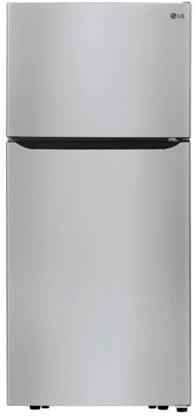
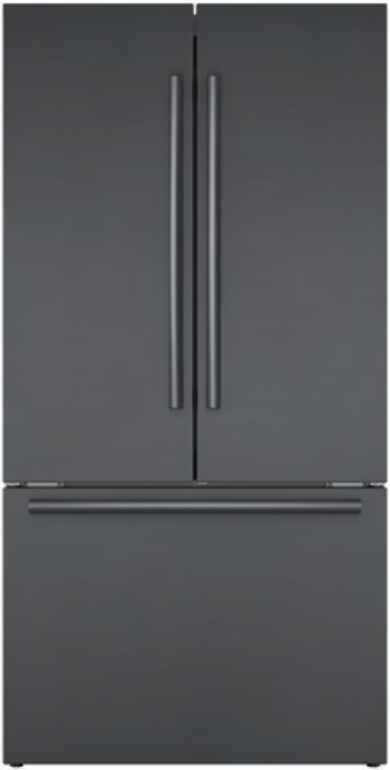
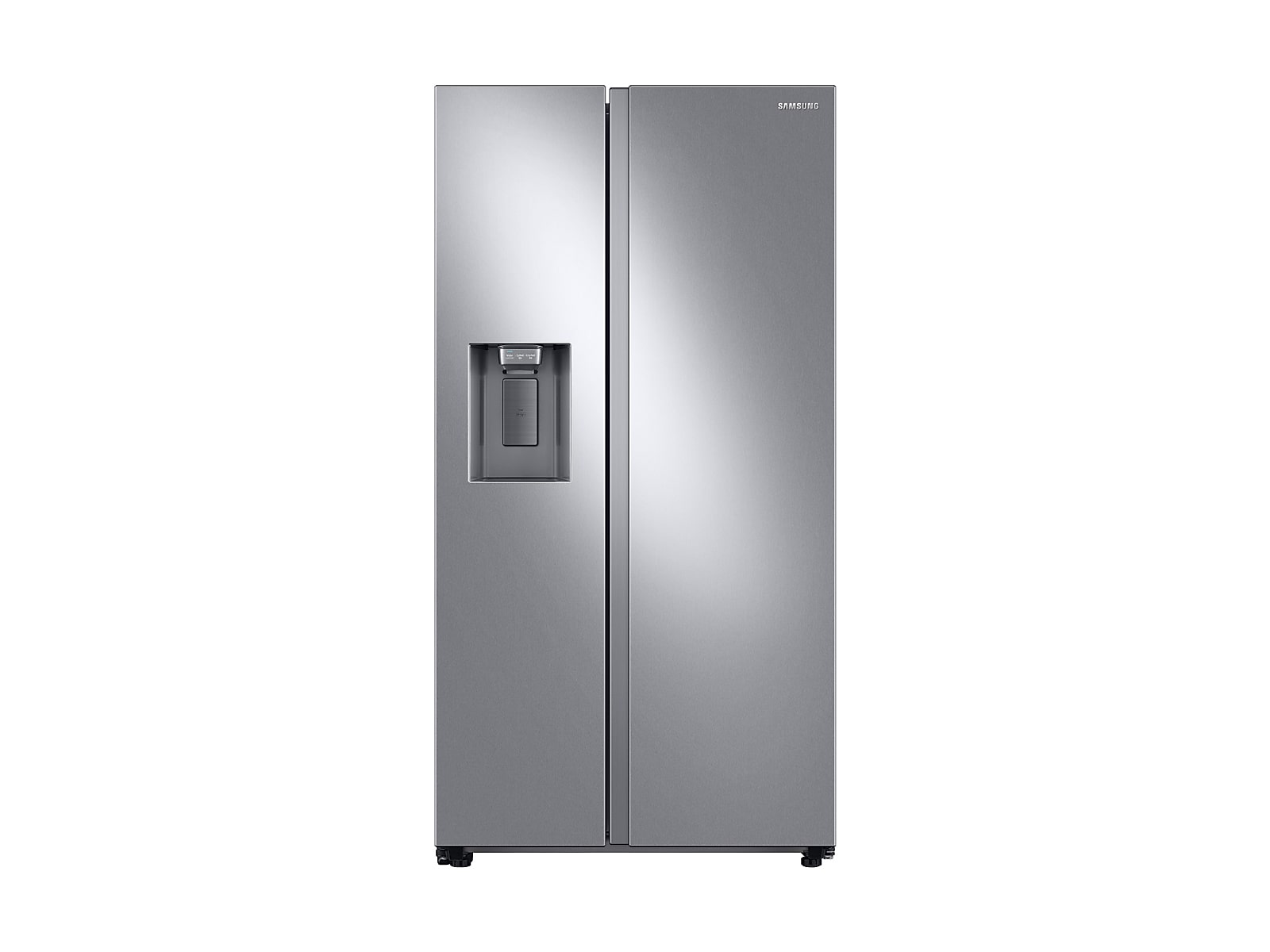
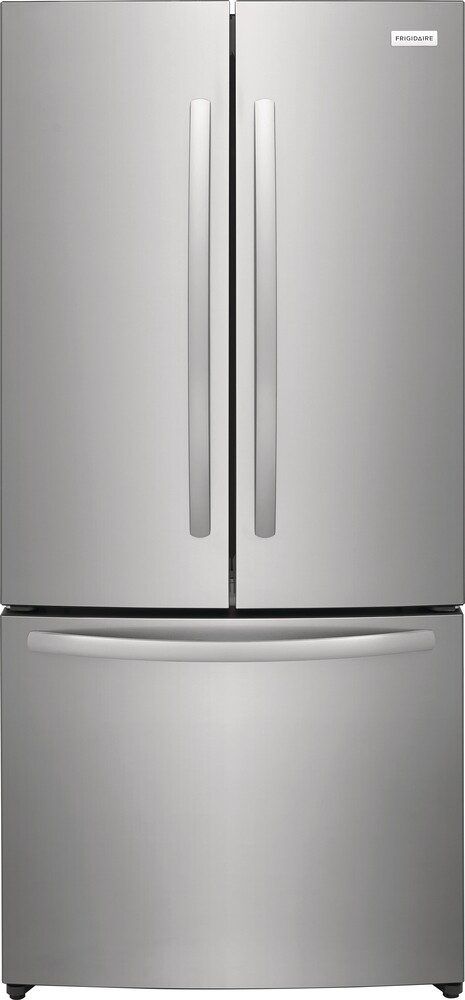
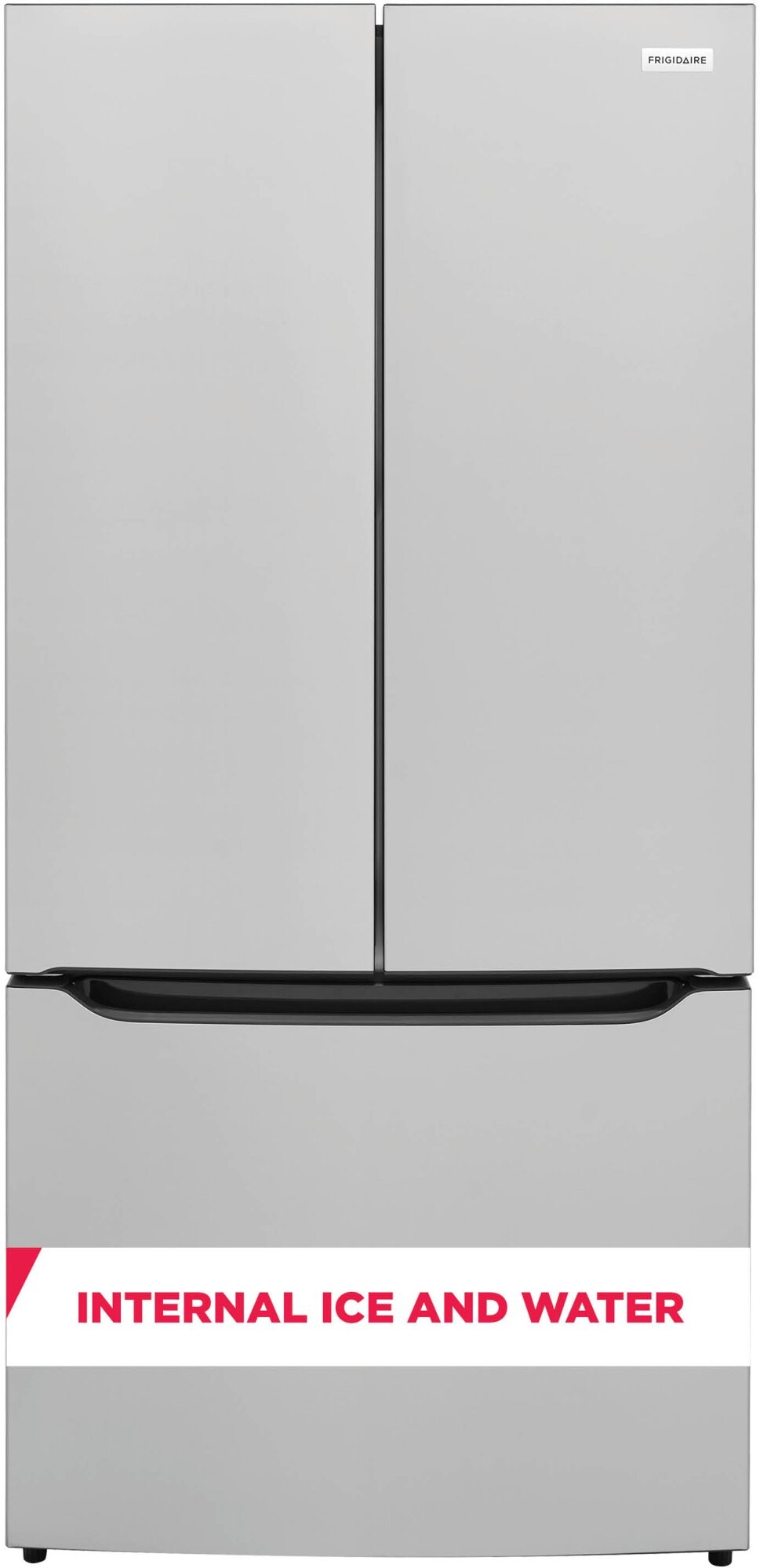
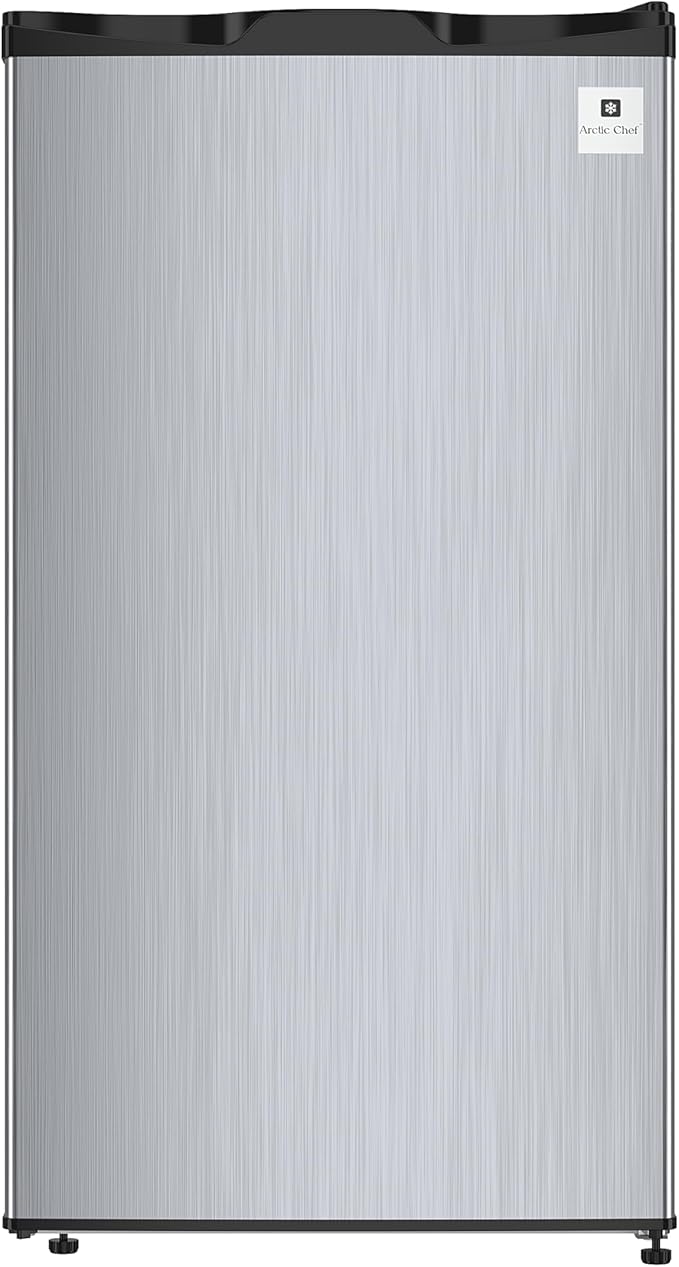
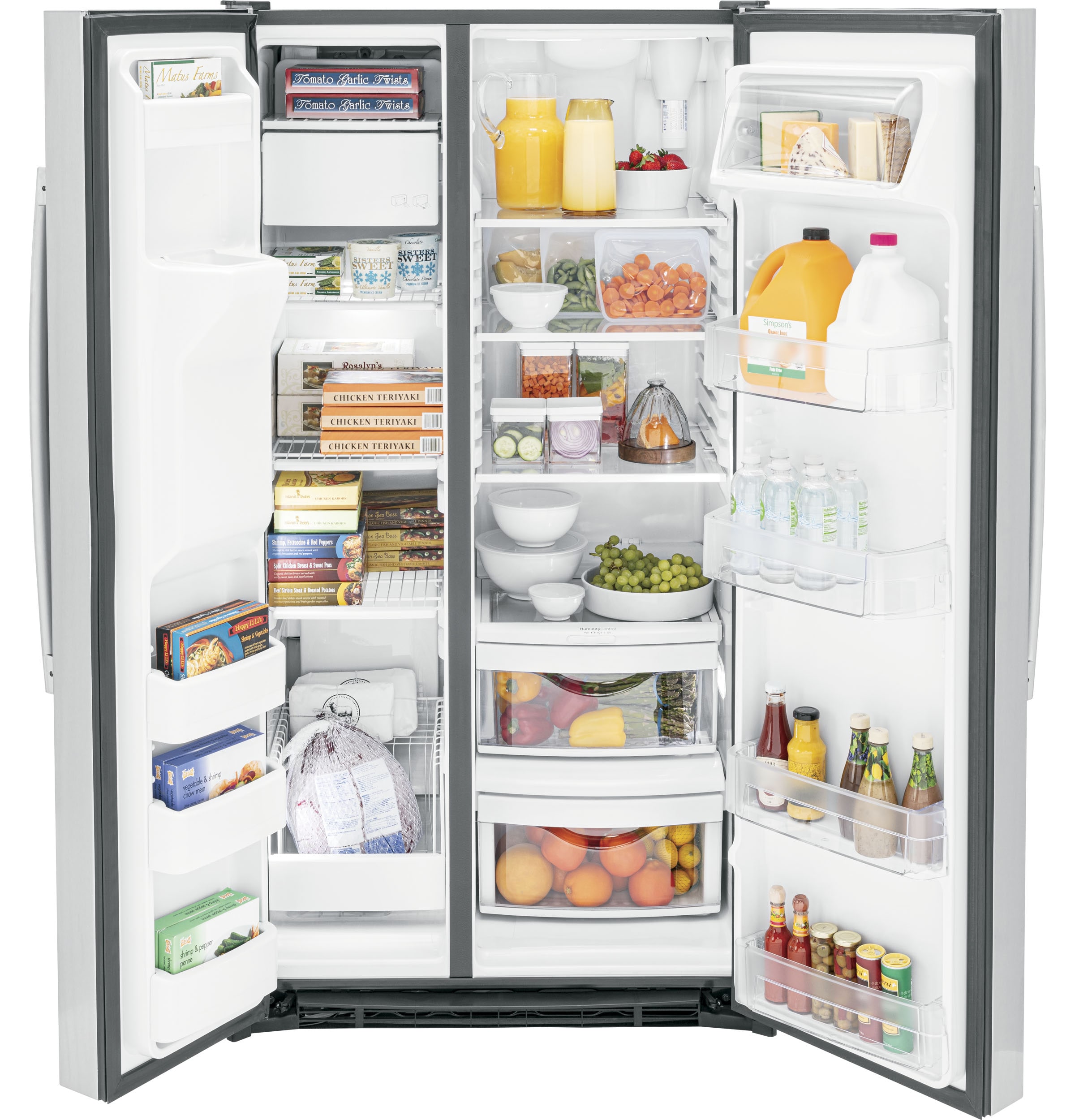
A 7 cu ft refrigerator is a handy appliance that fits well in different living spaces, from cozy apartments to mobile homes. Knowing its size, capacity, and features can help you pick the right one.
Size and Capacity Breakdown
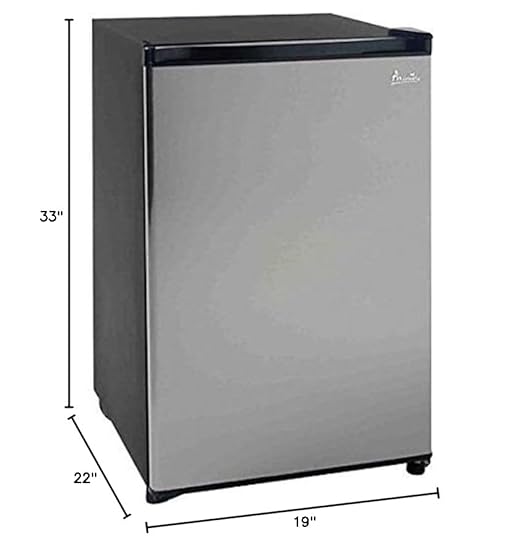
A 7 cu ft refrigerator strikes a good balance, offering enough storage without hogging too much space. It's perfect for smaller spots like apartments, dorm rooms, and cabins. The 7 cubic feet is usually split between the fridge and freezer sections, letting you store both fresh and frozen goodies.
Dimension
Measurement
Height
50 - 60 inches
Width
20 - 24 inches
Depth
22 - 26 inches
Capacity
7 cubic feet
Must-Have Features in a 7 Cu Ft Refrigerator
When picking a 7 cu ft refrigerator, keep an eye out for these features to make sure it fits your needs:
Adjustable Shelves: Shelves that you can move around help you fit items of different sizes, making the most of your space.
Energy Efficiency: An energy-efficient fridge can cut down on your electricity bill. Check for the Energy Star rating to see how it stacks up.
Freezer Compartment: A separate freezer section is a must for storing frozen foods. Make sure it has enough room for what you need.
Temperature Control: Being able to adjust the temperature helps keep both the fridge and freezer at their best.
Noise Level: Think about the noise, especially if the fridge will be in a living area or bedroom.
Defrost System: Automatic defrost systems save you the hassle of manual defrosting, making upkeep easier.
Got a small kitchen or living area? A 7 cu ft refrigerator is your best buddy. It's just the right size for apartments, condos, dorms, or even as a backup fridge in your garage or basement. Its compact design means it can squeeze into tight spots without making you feel like you're sacrificing storage.
Space Type
Fits?
Apartment
✅
Condo
✅
Dorm Room
✅
Garage
✅
Basement
✅
Tiny Home
✅
Mobile Home
✅
Cottage
✅
Curious about other small fridges? Check out Fridge.com articles on the 4.4 cu ft mini fridge with freezer and 4.5 cu ft refrigerator.
Save on Energy Bills
Nobody likes a high electric bill, right? A 7 cu ft refrigerator is designed to be energy-efficient, meaning it uses less power while keeping your food fresh. Over time, this can save you a chunk of change on your energy bills.
Refrigerator Size
Average Annual Energy Use (kWh)
4.4 cu ft
220
4.5 cu ft
225
7 cu ft
250
7.5 cu ft
260
Choosing a smaller, energy-efficient fridge not only saves you money but also helps the planet. For more eco-friendly options, check out Fridge.com articles on the 7.5 cu ft refrigerator and mini fridge temperature control.
A 7 cu ft refrigerator is a win-win. It fits into small spaces and saves you money on energy bills. Whether you're in an apartment, dorm, or tiny home, this fridge is a smart choice. For more tips on maximizing your fridge space, visit Fridge.com guide on dorm refrigerator with freezer.
Placement and Installation
Getting the most out of your 7 cu ft refrigerator starts with where you put it and how you set it up. A good spot and proper installation mean it runs better and lasts longer.
Where to Put It
Picking the right place for your fridge isn't just about finding a spot that fits. You need to think about space, how easy it is to get to, and making sure it can breathe.
Space: Measure twice, move once. Make sure there's enough room for the fridge, including its height, width, and depth.
Accessibility: Put it somewhere you can get to easily, especially if it's in a busy kitchen, office, or dorm room.
Ventilation: Your fridge needs to breathe. Leave at least 2 inches on the sides and 4 inches at the back so air can circulate.
How to Set It Up
To keep your 7 cu ft refrigerator running smoothly, follow these setup tips.
Level It: Use a leveling tool to make sure the fridge sits flat and stable. If it's wobbly, the door might not seal right, and it won't cool as well.
Check the Door: Make sure the door can open all the way without hitting anything. You don't want to wrestle with it every time you need something.
Dedicated Outlet: Plug it into its own electrical outlet to avoid overloading the circuit. Double-check that the voltage matches your outlet.
Let It Settle: After moving it, let the fridge sit upright for a few hours before plugging it in. This helps the refrigerant settle. Once plugged in, give it 24 hours to cool down to the right temperature.
Set the Temp: Adjust the temperature settings according to the manufacturer's recommendations. For more on this, check out Fridge.com article on recommended fridge temp.
Installation Tip
Description
Level the Refrigerator
Make sure it's on a flat, stable surface to keep the door seal tight and cooling efficient.
Check Door Clearance
Ensure the door can open fully without hitting anything.
Dedicated Outlet
Use a dedicated electrical outlet to avoid overloading the circuit.
Initial Cooling
Let the fridge sit upright for a few hours before plugging it in, then let it cool for 24 hours to reach the right temperature.
Set Temperature
Adjust the temperature settings as per the manufacturer's recommendations. For more details, visit Fridge.com article on recommended fridge temp.
Following these tips will help your 7 cu ft refrigerator run efficiently and last longer. Proper placement and installation are key to getting the most out of your appliance. Check out more about different fridge sizes like 4.5 cu ft refrigerator and 7.5 cu ft refrigerator to find the best fit for your needs.
Taking good care of your 7 cu ft refrigerator is key to making it last and keeping it running smoothly. Here's a handy guide to help you clean and fix common problems.
Cleaning Your 7 Cu Ft Refrigerator
Keeping your fridge clean isn't just about looks—it's about keeping your food safe and fresh. Here's how to do it right:
Unplug It: Safety first! Always unplug your fridge before you start cleaning.
Empty It Out: Take out all the food, shelves, and drawers.
Wash Shelves and Drawers: Clean these parts with warm, soapy water. Rinse and dry them well.
Wipe Down Inside: Use a mix of baking soda and water to clean the inside. This helps get rid of stains and smells.
Clean the Outside: Wipe the exterior with a damp cloth and mild soap. Don't forget the door seals!
Put It Back Together: Once everything's dry, put the shelves and drawers back in. Plug the fridge back in and restock your food.
Task
How Often
Clean Inside
Every 3 months
Clean Outside
Monthly
Clean Shelves/Drawers
As needed
Need more tips? Check out Fridge.com article on recommended fridge temp.
Fixing Common Problems
Even with regular care, things can go wrong. Here are some common issues and how to fix them:
Fridge Not Cooling:
Power Check: Make sure it's plugged in and the outlet works.
Thermostat: Check if it's set to the right temperature.
Condenser Coils: Clean them if they're dirty.
Weird Noises:
Level It: Ensure the fridge is on a flat surface.
Loose Parts: Tighten any loose parts or panels.
Fan Issues: Check the fan for blockages or damage.
Water Leaks:
Drainage: Look for clogs in the drainage system.
Door Seals: Make sure the seals are clean and intact.
It also has tons of awesome articles about kitchen stuff and home news. Enhance your home, garage, backyard, patio, and office with the coolest essentials. With every necessary type of residential refrigerator or freezer in the collection, you're covered.
A 7 cu ft refrigerator strikes a good balance, offering enough storage without hogging too much space. It's perfect for smaller spots like apartments, dorm rooms, and cabins. The 7 cubic feet is usually split between the fridge and freezer sections, letting you store both fresh and frozen goodies. Dimension.

Measurement.

.
Height.
50 - 60 inches.
.
Width.
20 - 24 inches.
.
Depth.
22 - 26 inches.
.
Capacity.
7 cubic feet.
.