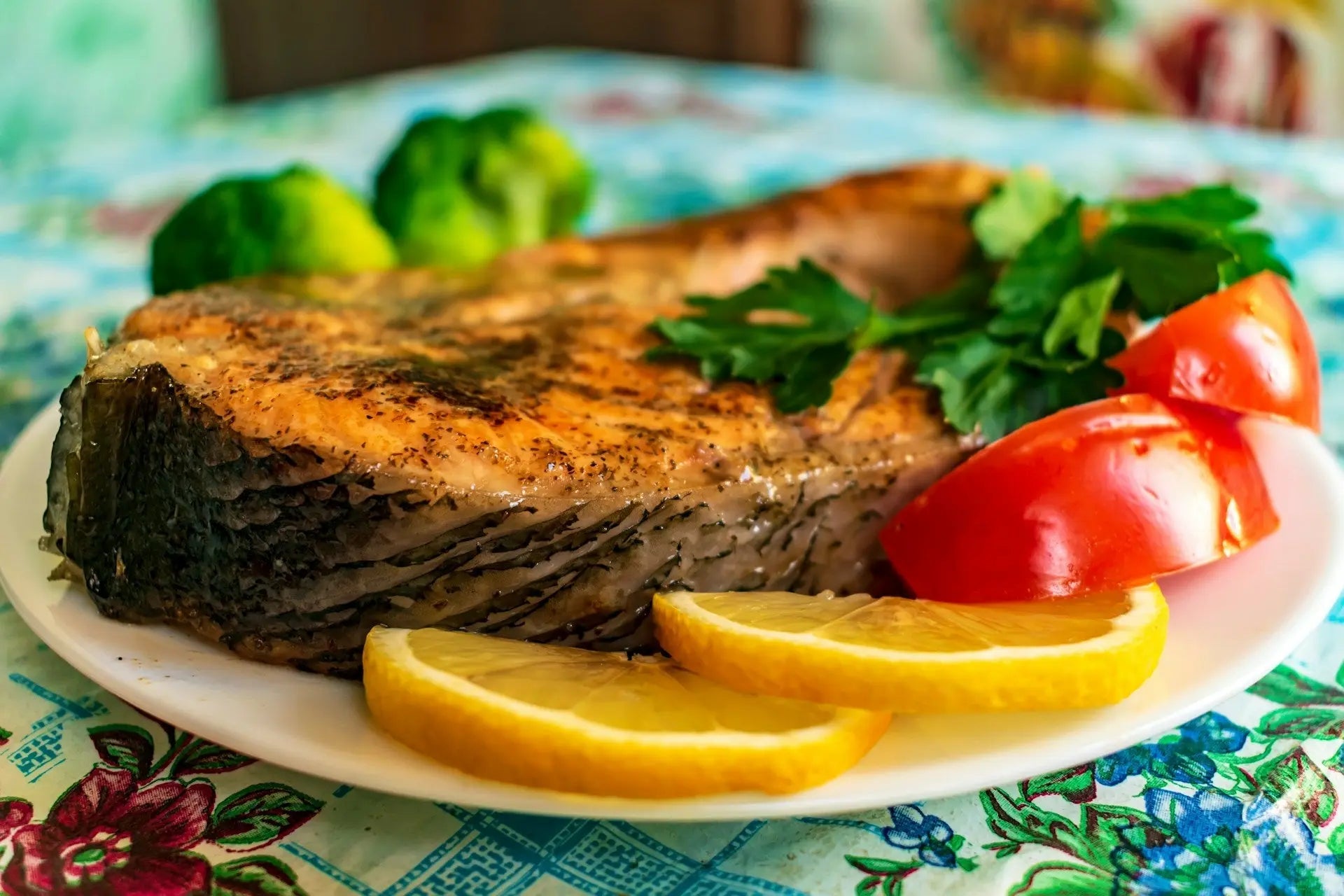
Cooked salmon should sit out at room temperature for no more than 2 hours — and only 1 hour when it is warmer than 90°F (32°C), like at a summer cookout.
Between 40°F and 140°F is the bacterial "danger zone," where pathogens such as Salmonella and Listeria multiply rapidly on high-protein, high-moisture foods like fish.
Your delicious salmon should hang out in your fridge for no more than 3 to 4 days — the same USDA window that applies to all cooked fish, whether your salmon was baked, grilled, poached, or steamed.
Even salmon that passes every sense check should still be discarded after day 4 — spoilage bacteria you can smell are not the same as the pathogens that make you sick.
Cooked salmon keeps for 3 to 4 days in the refrigerator when it is stored at 40°F (4°C) or below in an airtight container — that is the USDA guideline for cooked fish. Get it into the fridge within two hours of cooking (within one hour if the room is above 90°F), reheat leftovers to an internal temperature of 165°F (74°C), and if you cannot eat it within four days, freeze it: properly wrapped, cooked salmon keeps in the freezer for 2 to 3 months.
Storing Cooked Salmon in the Fridge
Get to Know Safe Storage Times
Understanding how long your cooked salmon can chill in the fridge is your ticket to food safety heaven. Typically, you've got about 3 to 4 days to enjoy your salmon without worry. But, keep in mind, this can change depending on how you whipped it up or wrapped it up for the cold.
How You Saved It
How Long It Lasts in the Fridge
Sealed in an airtight box
3-4 days
Snug in foil or cling wrap
3-4 days
Left uncovered
1-2 days
Vacuum-sealed
4-5 days
Doggy bag from dining out
2-3 days
Remember, these are ballpark numbers. Temperature swings and starting quality can shake things up a bit. For more tips and tricks on keeping food safe, peek at Fridge.com article on how long does homemade bone broth last in the fridge?. Stick to these storage hacks, and you can bank on your cooked salmon being both safe and super tasty!
Refrigerator Shelf Life
Your delicious salmon should hang out in your fridge for no more than 3 to 4 days — the same USDA window that applies to all cooked fish, whether your salmon was baked, grilled, poached, or steamed. Want to make sure it stays tasty and safe? Pop it in an airtight container or wrap it snug in aluminum or plastic to cut down air exposure. Keep it wrapped tight to lock in that flavor and keep funny smells away.
Here's a quick look at how long you should keep that fishy delicacy:
How You Store It
How Long It Lasts
In a sealed container
3 to 4 days
Wrapped up real good
3 to 4 days
How does salmon compare to the rest of your leftovers? Here's the same fridge math for other common cooked foods:
Not all cooked salmon is created equal. Here’s what plays into how long it stays good:
Cooking Style: Whether you’ve grilled, baked, or steamed, moisture levels will play a part.
Freshness of the Fish: The fresher the fish was when it hit the stove, the longer it stays good in the chill zone.
Fridge Temperature Dippin’ and Divin': If you’re constantly raiding the fridge, expect a shorter shelf life. Every door swing pushes the interior toward the 40°F danger line.
Where It Sits: The colder back spots are your cooked salmon’s BFF, making it stay fresh a little bit longer.
Air Exposure: Less air contact means slower bacterial growth — sealed beats loosely covered every time.
Figuring out how long cooked salmon can hang out in your fridge is key for keeping it tasty and safe. Knowing the right timeline can prevent you from tossing out good food and ensure you savor every bite of your fishy feast.
Refrigerated Cooked Salmon Timeline
You can stash that delicious cooked salmon in your fridge, but there’s a time limit. Check this out:
Storage Method
Time Limit
Cooked Salmon (refrigerator, 40°F or below)
3 to 4 days
Cooked Salmon (freezer, 0°F or below)
2 to 3 months
If you can't finish it in this window, better chuck it to dodge any health bummers. Remember, safety first!
How Long Can Cooked Salmon Stay Out of the Fridge?
Cooked salmon should sit out at room temperature for no more than 2 hours — and only 1 hour when it is warmer than 90°F (32°C), like at a summer cookout. Between 40°F and 140°F is the bacterial "danger zone," where pathogens such as Salmonella and Listeria multiply rapidly on high-protein, high-moisture foods like fish. That means:
Salmon left out for 4 hours has been in the danger zone twice as long as is safe — throw it out, even if it looks and smells fine.
Cooked salmon left out overnight is never safe to eat, and cooking or reheating it again will not fix it. Toss it.
Once served, get leftovers back into the fridge as soon as the meal ends rather than letting the platter linger.
Signs of Spoiled Salmon
When in doubt, give your salmon the sniff-and-peek test. Here’s what to watch for:
Signs of Spoilage
What to Know
Funky Smell
If it smells sour, ammonia-like, or like that one time your fridge died in July, it's done for. Fresh salmon should have a mild ocean scent.
Color Changes
Avoid salmon that looks like it had a fight with a gray crayon. Fresh is bright and rosy. Spoiled might be dull, gray, or brown.
Slippery Texture
If it’s giving off slick vibes, it’s no good. Salmon should be moist but not gooey, slimy, or sticky.
Mold Growth
Any fuzz — green, white, or otherwise — means the whole portion goes in the bin. No trimming around it.
Bad Tasting
Got a sour or bitter mouthful? Spit it out, ASAP.
Keeping an eye out for these signs ensures your salmon is a tasty, safe delight. Even salmon that passes every sense check should still be discarded after day 4 — spoilage bacteria you can smell are not the same as the pathogens that make you sick. For more on keeping food fresh, take a peek at Fridge.com tips on how long can you keep boiled eggs in the refrigerator?.
Keeping your cooked salmon fresh and tasty isn't just common sense—it's totally doable with the right moves. Here’s the lowdown on how to keep that salmon scrumptious in the fridge.
Proper Packaging for Salmon
Give your salmon the VIP treatment it deserves with some smart packaging tricks:
Airtight Containers: Pop your salmon in an airtight container. It keeps the moisture where it should be and stops any funky fridge smells from coming over to crash the party.
Plastic Wrap: When using plastic wrap, cover the salmon up tight—no sneaky gaps. This keeps it juicy and flavorful.
Aluminum Foil: For quick munchers, aluminum foil’s your buddy. Wrap it up tight for some short-term fridge time and it'll be ready whenever you are.
Packaging Type
Why It Works
Airtight Containers
Says goodbye to moisture loss; odors stay out
Plastic Wrap
Easy-peasy; flavor stays put
Aluminum Foil
Simple for short storage; keeps air out
Vacuum-Sealed Bag
Removes air entirely; best quality retention (4-5 days)
Throw a little date sticker on there so you don't accidentally keep it around for longer than planned.
Which Containers Are Best for Cooked Salmon?
If you're picking specific containers for cooked salmon, these are the standouts:
Glass Containers with Airtight Lids: Glass doesn’t react with food or hold onto fishy smells, which makes it the top pick for reuse.
BPA-Free Plastic Containers: Light and cheap; just make sure the lid seals tight and the plastic is food-safe.
Vacuum-Sealed Bags: They pull out the air, so the salmon holds quality longest in the fridge and dodges freezer burn if you freeze it.
Reusable Silicone Bags: Airtight and eco-friendly — a solid middle ground between wrap and rigid containers.
Refrigerator Placement Tips
Finding the best home for your salmon in the fridge makes a big diff too. Here’s the scoop:
Middle Shelves: Middle shelves are where you wanna be. Temp stays more even there, unlike the door which can get too warm.
Separate from Raw Foods: No mixing business and pleasure—keep your cooked salmon away from raw stuff. Different shelves or clear boxes work great.
Avoid the Back of the Fridge: Going too far back can freeze your fish when it's too cold, so stick to the middle zone.
Away from Strong Odors: Salmon soaks up smells like a sponge — park it away from cut onions, garlic, and other pungent neighbors.
Not going to finish that salmon within 4 days? The freezer buys you 2 to 3 months of safe, tasty storage. Here's how to do it right:
Cool It Completely: Let the salmon cool fully before freezing so ice crystals don't wreck the texture.
Portion It: Cut the salmon into meal-sized pieces first — you'll only ever thaw what you plan to eat.
Wrap It Tight: Wrap each piece in plastic wrap or heavy-duty aluminum foil, then put the wrapped pieces in a freezer bag or airtight container to block freezer burn.
Label and Date: Mark the freezing date on every package so nothing overstays its 2-3 month welcome.
Thaw in the Fridge: Thaw overnight in the refrigerator — never on the counter — then reheat gently.
Never Refreeze: Once thawed, cooked salmon should be eaten, not returned to the freezer. Refreezing compromises both safety and texture.
Giving Leftover Salmon a Second Life
Got some cooked salmon hanging out in your fridge? Before it swims its way to waste, let's whip that tasty fish into a whole new dish! Below are a few fun tricks to breathe life into that salmon, along with tips so it heats up just right.
Sprucing Up Leftover Salmon
Here’s how you can turn that salmon into a scrumptious new meal:
Idea
What to Do
Salmon Salad
Break up the salmon and toss it with leafy greens, crunchy veggies, and your go-to dressing for a salad that hits the spot.
Salmon Tacos
Grab some tortillas and stuff them with salmon bits, avocado slices, salsa, and yes, some cheesy goodness.
Salmon Pasta
Stir the salmon into a pasta bowl, whether it’s swimming in creamy sauce or zesty tomato, for an easy-peasy dinner.
Salmon Cakes
Mix crumbled salmon with breadcrumbs, an egg, some spices, shape into patties, and get ‘em golden and crispy in a pan.
Salmon Fried Rice
Toss flaked salmon with cooked rice, peas, carrots, soy sauce, and scrambled egg for a one-pan dinner in under 30 minutes.
Salmon Quiche or Frittata
Fold salmon into eggs, cheese, and veggies, then bake until set for a brunch-worthy dish.
Chowder
Throw salmon into a chunky veggie and potato stew with a creamy twist for a bowl of comfort.
These ideas make sure zero salmon gets left behind and spice up your meal plan with different flavors and textures.
Warming Up Your Salmon Safely
Nuking leftovers doesn't have to be a bummer if you do it right. Whichever method you pick, heat the salmon until it reaches an internal temperature of 165°F (74°C) — check with a food thermometer — and only reheat the portion you plan to eat, once. Here's how to warm your salmon while keeping it tasty:
Method
What to Do
Microwave
Pop the salmon on a microwave-safe plate, tuck it under a damp paper towel, and zap it in short spurts (30 seconds) till it's heated through.
Oven
Fire up the oven to 350°F (175°C). Put the salmon in a covered baking dish with a splash of water or broth and let it heat for 15-20 minutes.
Stovetop
Warm up a skillet to medium, slide in some oil or butter, place the salmon inside, cover it, and give it 3-4 minutes on each side for even heating.
Air Fryer
Crank up the air fryer to 350°F (175°C), toss the salmon in for 5-7 minutes, and it'll come out just right.
Grill
Set the grill to medium, wrap the salmon in foil, and heat for 5-7 minutes for a lightly smoky finish.
Don't let your chow turn into a science experiment—nobody wants that! Keep your grub fresh and safe, especially when storing that tasty cooked salmon. Here's the lowdown on making sure your leftovers are as good as they were fresh off the grill.
Temperature Control Guidelines
Your fridge isn't just there for chilling your watermelons; it's a knight in shining armor guarding your food from nasty germs. Keep these in mind:
Temperature
What's Happening?
Below 32°F (0°C)
Perfect for turning salmon into a freeze-pop
32°F - 40°F (0°C - 4°C)
Safe haven for your cooked salmon
Above 40°F (4°C)
Playground for bacteria—better avoid it!
Ensure your fridge's thermostat is dialed at 40°F (4°C) or cooler to keep your salmon and pals out of trouble. If your fridge doesn't have a built-in way to tell you the temp, grab a cheap thermometer and save yourself some headaches. Wondering if your fridge is big enough? We’ve a handy guide on what size refrigerator for a flat? that might help you pick new digs for your food.
Maintaining Food Quality
To savor the yumminess of your salmon leftover, here's your checklist:
Quick Cool Down: Let it chill a bit before popping it in the fridge — but no longer than two hours total at room temperature. Jumping the gun can make things soggy with condensation; waiting too long invites bacteria.
Seal it Tight: Lock the goodness in airtight containers. This extra step is your best bet for full flavor retention.
Who, What, When: Slap a date on those containers so you won't play the guessing game later. You’ll thank yourself when your memory gets iffy.
Clean Hands, Clean Tools: Wash hands with soap for 20 seconds before and after handling salmon, and never let cooked fish touch cutting boards or utensils that held raw seafood.
Cooked Salmon Storage FAQ
Can I put cooked salmon in the fridge right after cooking?
Yes — and you should. Let it cool just enough to stop steaming (splitting it into smaller portions speeds this up), then refrigerate it within two hours of cooking. Waiting longer than two hours lets bacteria multiply in the danger zone, and no amount of chilling afterward undoes that.
Is cooked salmon still good after 5 days in the fridge?
No. The safe window for refrigerated cooked salmon is 3 to 4 days. On day 5, discard it even if it looks and smells fine — the bacteria that cause food poisoning don't always announce themselves with an odor or slime.
Can I eat cooked salmon that was left out overnight?
No. Anything past 2 hours at room temperature (1 hour above 90°F) belongs in the trash, and an overnight sit is far beyond that. Reheating won't make it safe, because some bacteria produce heat-stable toxins.
Can reheating salmon make you sick?
Reheating itself won't hurt you if the salmon was stored properly — the risk comes from salmon that sat out too long, stayed in the fridge past 4 days, or has been reheated repeatedly. Reheat only the portion you'll eat, bring it to 165°F (74°C) inside, and don't reheat the same piece twice.
Can I freeze cooked salmon?
Yes. Wrapped tightly and sealed in a freezer bag or airtight container, cooked salmon keeps for 2 to 3 months at 0°F (-18°C) or below. Thaw it overnight in the refrigerator, reheat it gently, and never refreeze a thawed portion.
Does baked, grilled, or smoked salmon last longer in the fridge?
The cooking method changes moisture and texture but not the safety math: baked, grilled, poached, and steamed salmon all get the same 3-to-4-day refrigerator window. Hot-smoked salmon from your own kitchen follows the same leftover rule once opened and served.
Are there specific containers recommended for storing cooked salmon?
Airtight glass containers are the best all-rounder — no odors, no staining, easy reheating. Vacuum-sealed bags hold quality longest (4-5 days in the fridge), and BPA-free plastic containers or reusable silicone bags work well too. Whatever you pick, the seal matters more than the material: less air means slower spoilage.
Frequently Asked Questions
Figuring out how long cooked salmon can hang out in your fridge is key for keeping it tasty and safe. Knowing the right timeline can prevent you from tossing out good food and ensure you savor every bite of your fishy feast.