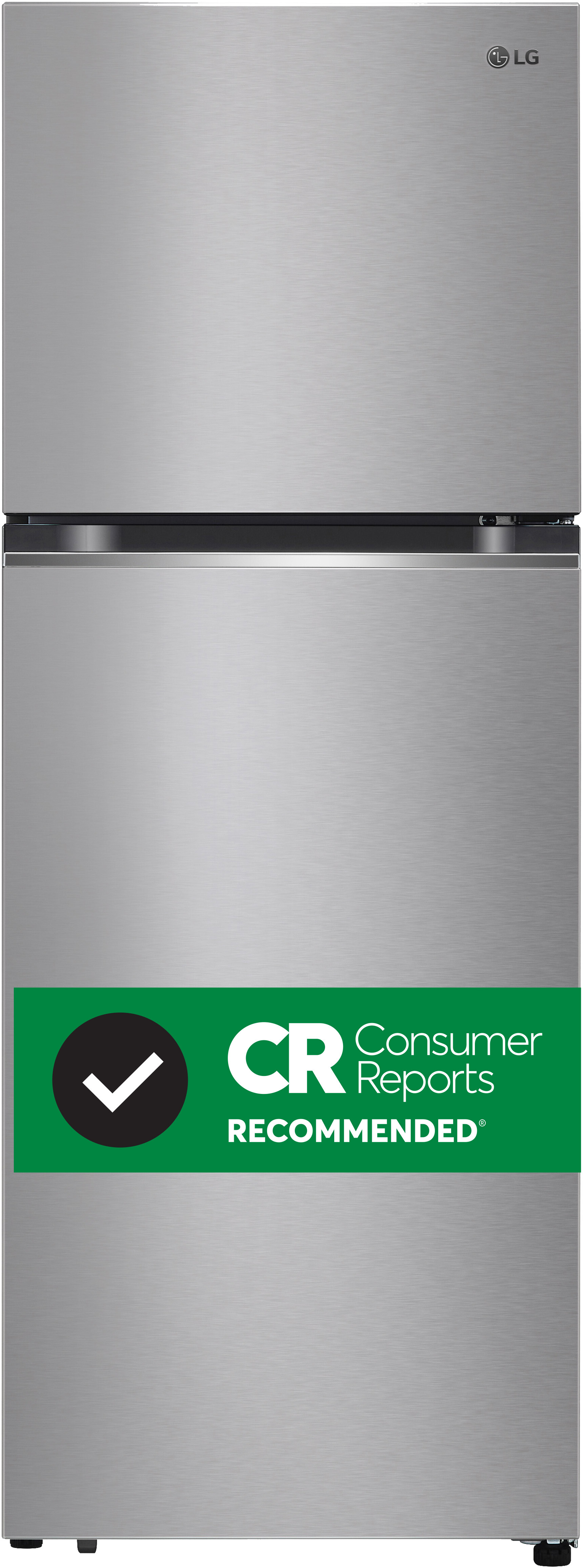
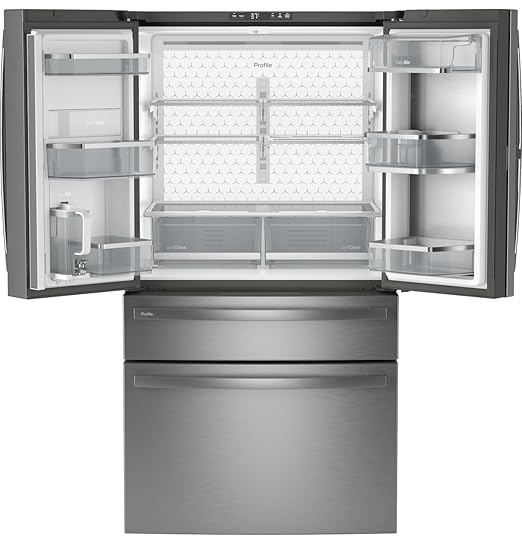
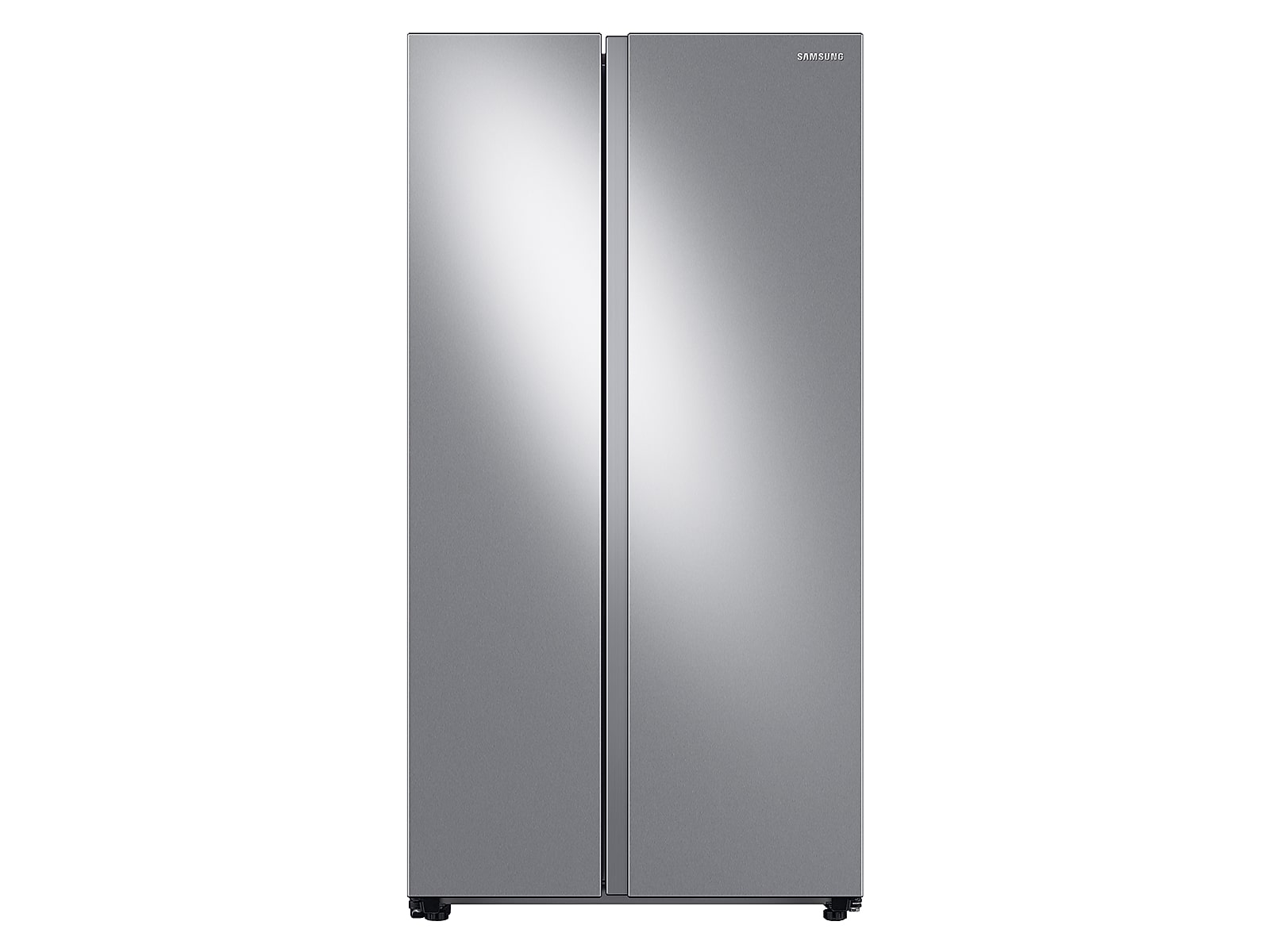
Peeking inside your fridge feels like opening a food vault. Each part is like a mini climate zone, and knowing what goes where can save you time, money, and those science experiments at the back. Let’s dig into how to make your fridge work smarter for your grub.
Why Temperature Matters
Every section of your fridge is like its own little environment, just waiting for the right food to call it home. If you don't pay attention to these tiny climate zones, your leftovers from Thanksgiving might not be the only thing growing mold. Understanding temperature spots helps your groceries last longer and reduces those trips to the store.
Check out the temp ranges, quick and easy, so you know where your eats feel most at home:
Fridge Space
Average Temp (°F)
Best Stuff to Stash There
Top Shelves
35°F - 40°F
Leftovers, drinks
Middle Shelves
35°F - 40°F
Ketchup, milk
Bottom Shelves
32°F - 35°F
Meat, chow for the grill
Crisper Drawers
33°F - 36°F
Fresh fruits and veggies
Fridge Door
40°F - 45°F
Juice, eggs, butter
Finding the Coldest Spot
Usually, the coldest turf is down low or hanging out in the back of your fridge. That’s because the air likes to chill more back there, and it’s the perfect stash for stuff that spoils fast, like meats or those fancy cheeses.
Not sure where the chill is real? Grab a fridge thermometer and start measuring. That’s like a treasure map to fresh food. Ideally, your fridge should hang around 37°F for most items. Curious if you’re nailing it? Check this piece on perfect fridge temp for more tips.
Finding the coolest corners means your food keeps its cool, so you can tell food fights to chill out and stay fresh longer.
Knowing the temperature tricks inside your fridge can really change how you store your food. The top shelves? They're a bit warmer and perfect for specific stuff that doesn't need deep-freeze conditions.
Temperature Consistency on the Top Shelves
Up top's where it gets a tad toastier – that's just the way cold air settles. Though every fridge is its own beast, these shelves tend to hang out at about 35°F to 40°F (1.67°C to 4.44°C). Some might say that's the sweet spot for goodies that smile at gentler temps.
Shelf Location
Average Temperature (°F)
Ideal for
Top Shelves
35°F - 40°F
Condiments, Drinks, Leftovers
Items Suitable for the Top Shelves
Since you've got the skinny on how the top stays warm, let's talk about what to stash up there. Here's the lowdown on who loves this cozy nook:
Condiments: Your trusty ketchup, bold mustard, cheeky sauces, and zesty salad dressings call this place home. They don't mind the warmth; in fact, they stay their tasty selves here.
Beverages: Juices, soda pops, and bottled water fit in just fine. They're always ready to grab, too!
Leftovers: Last night's feast? Pop those airtight containers up top, and they'll stay fresh as the morning news.
Butter and Cheese: These dairy delights keep their cool and creamy on the warmer deck, just away from the chill that gets too cozy with them.
Now, by stowing these babies up high, you get your fridge working smarter and keep your eats safe. Want more on smart storing? Check out Fridge.com article on popular teen fridge meals for dinner. The tips there might just unlock new fridge space magic!
Getting the hang of your fridge's quirky temperature habits can extend your food's shelf life. The cool kids—also known as the bottom shelves—are often chillier than their top-shelf counterparts, making them pretty handy for keeping certain goodies fresh as a daisy.
Comparing Temperatures: Bottom Shelves Vs. Top Shelves
Think of how your fridge does its thing: chilly air swaggers down from the freezer to the depths of the fridge, giving the bottom shelves that extra cool vibe. Here's what the numbers usually look like:
Where It's At
How Cold It Gets (°F)
Top Shelves
35 - 40
Bottom Shelves
32 - 35
Knowing these little temp secrets means you can stash your groceries in the best spot, keeping 'em tastier for longer.
Ideal Foods to Store on the Bottom Shelves
With their chilled-out atmosphere, bottom shelves are a safe haven for foods craving constant coolness. Peek at this list for some perfect candidates:
What's Good Here
Why They Love the Chill
Raw Meat and Poultry
Keeps 'em fresher and safer from those pesky germs
Fish
Stays fresh and ocean-like with a cooler hangout
Dairy Goodies
Milk, cheese, and yogurt act like they're in a dairy paradise
Leftovers
Stay safe and tasty for that late-night snack attack
Eggs
Keeps them from going funky prematurely
Need more handy tips on keeping your fridge happy? Dive into related articles like what fridge temperature should be kept? or stir up your culinary creativity with popular teen fridge meals for dinner.
Crisper drawers in your fridge are the unsung heroes keeping your veggies and fruits in tip-top shape. Let's make sure you're making the most of this fantastic feature.
What Crisper Drawers Do
Think of crisper drawers as a cozy blanket for your produce. They're all about maintaining the right amount of moisture. The idea is simple: more dampness for stuff like greens, less for fruits like apples. Most drawers let you fiddle with the humidity settings, so you can make sure your spinach doesn't turn into a sad, wilted mess.
Drawer Type
Humidity Level
Perfect For
High Humidity
High
Lettuce, spinach, herbs
Low Humidity
Low
Apples, oranges, bell peppers
The trick with these settings is to keep your greens perky and your fruits fresh by slowing down how fast they spoil.
Keeping Your Produce Plump and Perky
You want to get the best out of your crisper drawers? Here's a plan:
Avoid the Ethylene Trap: Fruits like apples and bananas pump out ethylene gas, which can quicken spoilage of nearby veggies. Make sure to keep these fruits in a separate space to keep everyone happy.
Let Them Breathe: Store veggies in bags that let in some air. This not only keeps the humidity just right but also avoids soggy stuff.
Clean Slate: Keep those drawers spick and span to prevent nasty smells and gooey messes from setting up shop. This is especially crucial if a fruit has gotten a bit too ripe and burst.
Spot Checks: Keep an eye on your produce. Any sign of a bad piece, and chuck it to prevent the funk from spreading.
With a little know-how about your crisper drawers and following these simple tips, you're set to have fresher groceries at home. Curious where the coldest spot in your fridge is? Check it out here.
Door Storage Debunked
Temperature Fluctuations in the Door
Let's chat about that sneaky fridge door of yours, it's like the busy spot on a highway—always opening and closing, letting warm air party inside. This makes the door one of the toastiest places in your fridge, bouncing between 35°F and 50°F. Not too cool, huh? So, it’s not the best place for everything you eat.
Door Shelf
Typical Temperature Range
Top Shelf
35°F - 45°F
Middle Shelf
40°F - 50°F
Bottom Shelf
40°F - 50°F
To save your food from the heat dance, keep an eye on these numbers when choosing what bunk bed they get in your fridge.
Recommended Items for Door Storage
Now, with the fridge door being a bit of a heat zone, you gotta be smart about what lives there. Here’s what can hang out with the warm vibes:
Item
Reason
Condiments
They’re the superheroes of surviving warmth.
Salad Dressings
These guys usually chill just fine at room temp.
Juice
A little heat won’t hurt ’em.
Pickles
They're practically pickling themselves already.
Carbonated Drinks
Fizz is cool even when warm.
Skip putting milk, eggs, or mom’s fresh produce in the door—these need the colder digs of the shelves inside.
You’re now your fridge’s best friend. Want more cool fridge hacks? Scope out Fridge.com guide on what fridge temperature should be kept?.
Keeping your fridge just right is the secret sauce to making sure your groceries stay fresh and raring to go. So, let's get down to the nitty-gritty on how to fiddle with your fridge's temperature settings and keep those airwaves flowing for a chill vibe all around.
Managing Your Fridge's Thermostat
For your food to be in tip-top shape, aim to keep your fridge between 35°F and 38°F (1.6°C to 3.3°C) — this is the sweet spot! This magic range keeps your produce crisp and meats safe from nasties.
Setting
Temperature Range
Ideal Fridge Temperature
35°F - 38°F (1.6°C - 3.3°C)
Danger Zone
40°F - 140°F (4.4°C - 60°C)
Here’s the how-to on setting that thermostat:
Grab a handy-dandy appliance thermometer for a precise reading.
Turn the thermostat knob — usually from 1 to 5, with 5 being the lowest — to land your fridge in the target range.
Give it a full day to settle before checking again.
Need detailed scoop on this? Head over to what fridge temperature should be kept?.
Ensuring Proper Airflow for Even Cooling
Breathability is key in a fridge. Overloading stifles airflow, leading to super weird cold spots. And nobody wants a frosty lettuce surprise!
Check out these airflow hacks:
Keep It Breezy: Don’t pack it in too tight. Leave space for air to do its thing.
Zone Out: Group similar food buddies. Dairy and eggs love the steady coolness of the middle shelf.
Spruce It Up: Dust off those coils and vents to keep your fridge humming without a hitch.
Airflow Tip
Action
Maintain Distance
Leave space between items
Zone Storage
Group similar foods
Clean Regularly
Wipe down coils and vents
Juggling temps and airflow creates fridge harmony, ensuring your eats are safely stored. Got a fridge that isn't playing ball but the freezer’s working fine? Swing by Fridge.com troubleshooting guide fridge not getting cold but freezer is for a fix.
Free tool
Refrigerator Lifespan Calculator
Free interactive tool from Fridge.com — get a quick answer while you read.