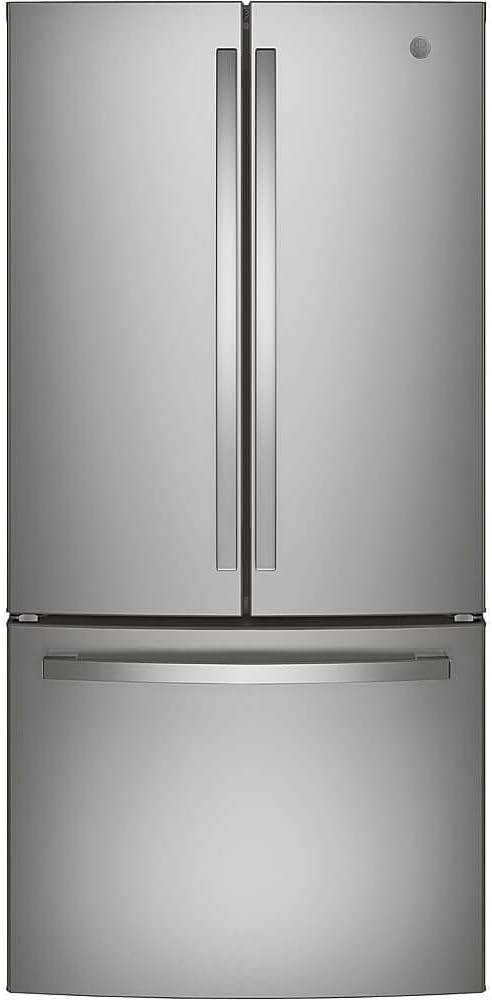
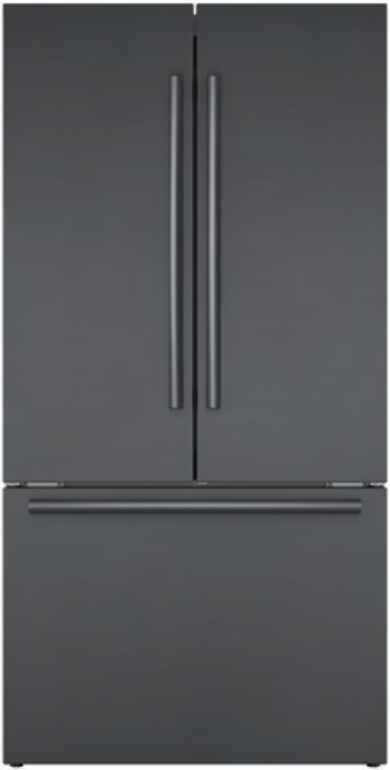
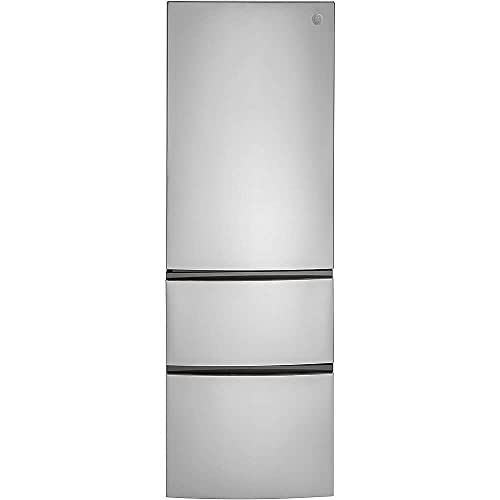
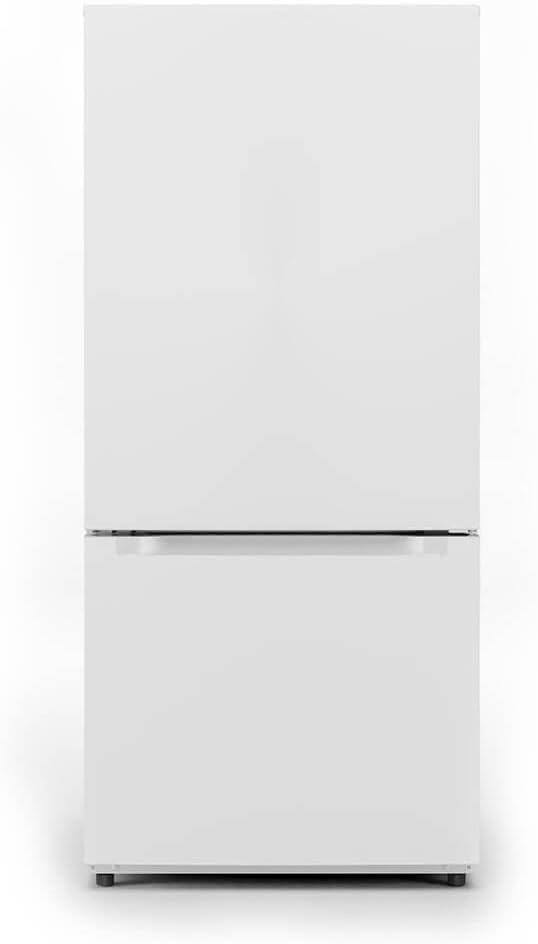
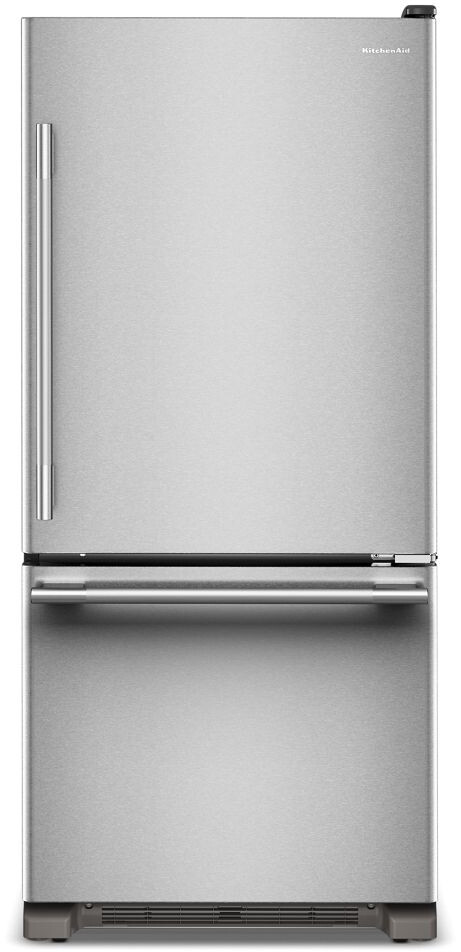
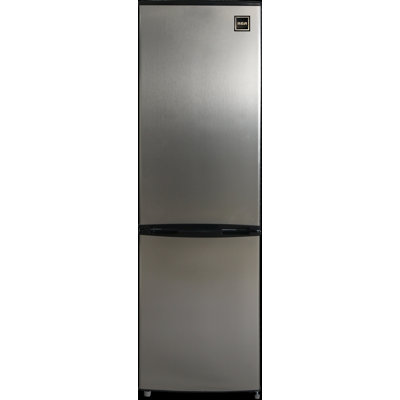
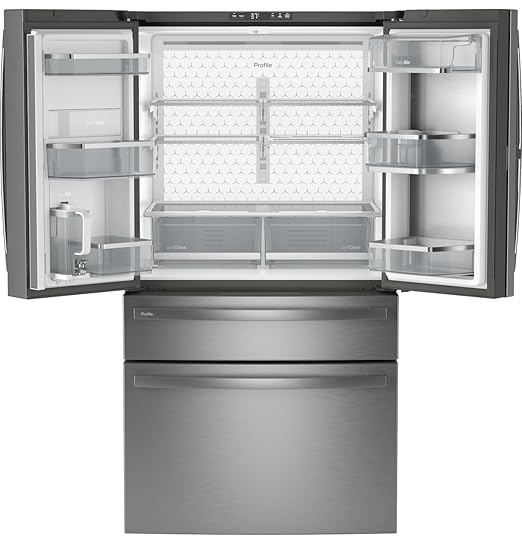
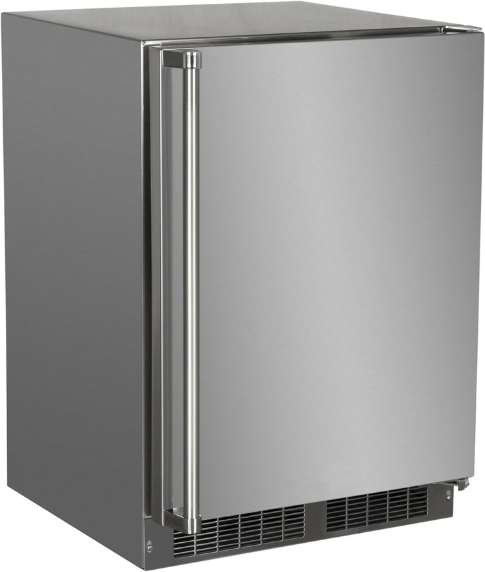
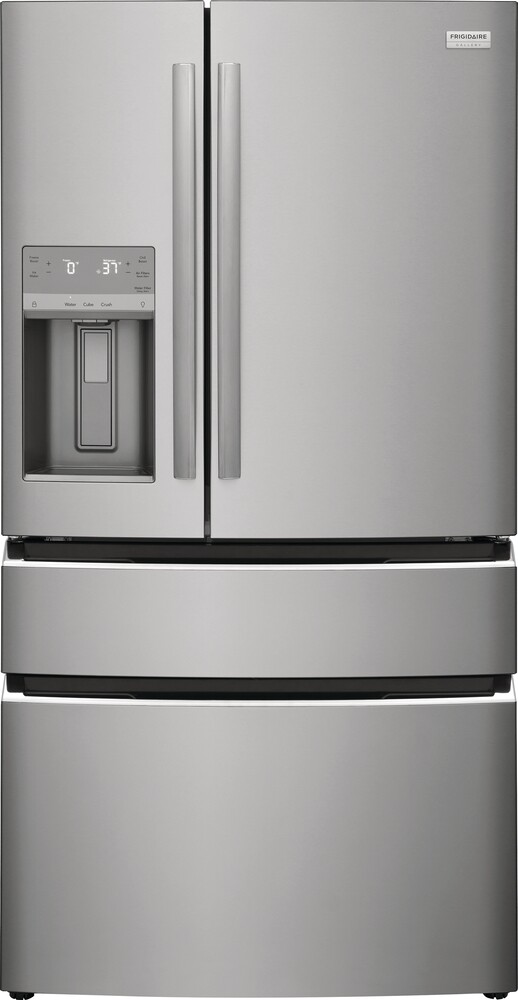
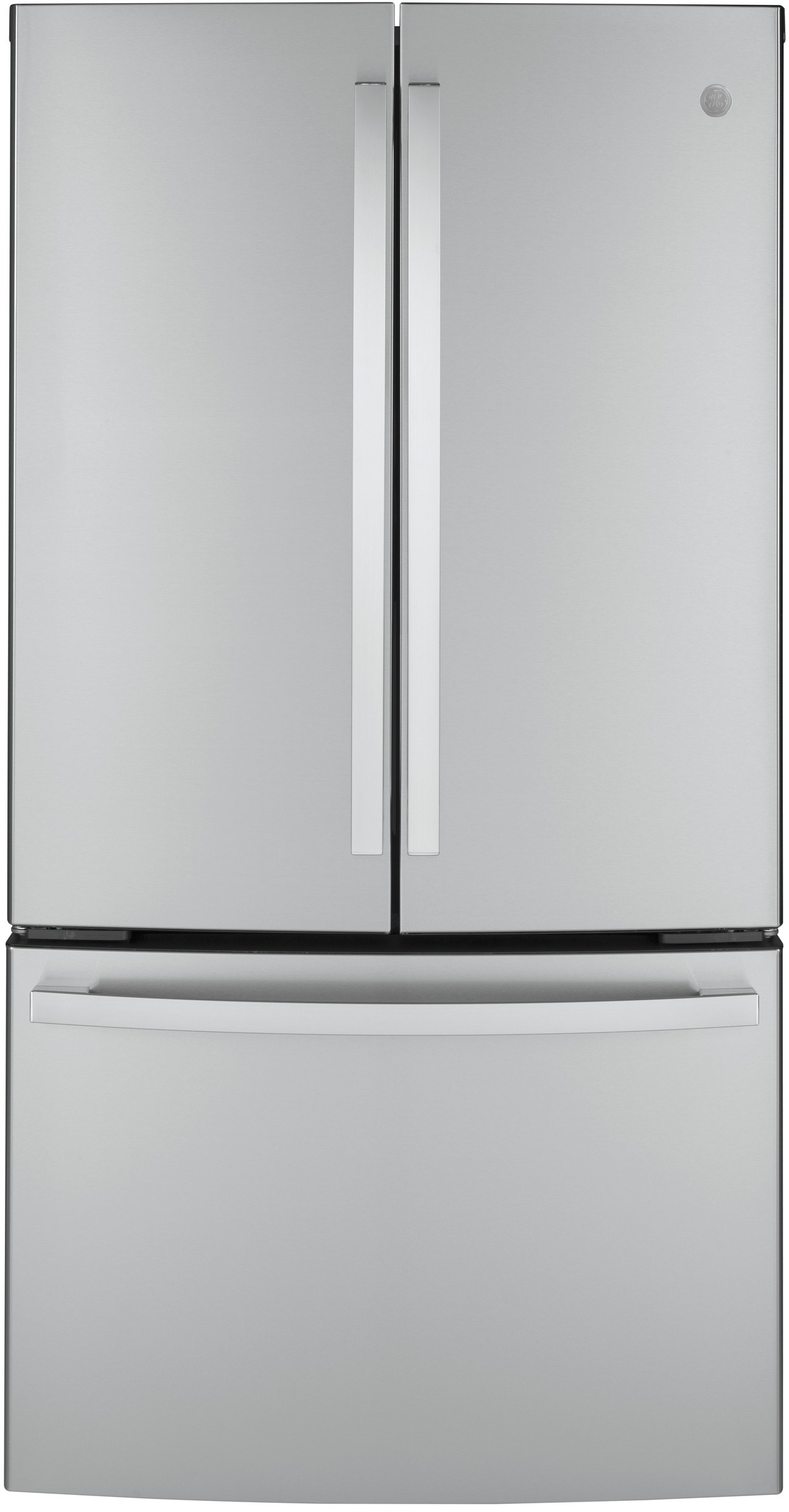
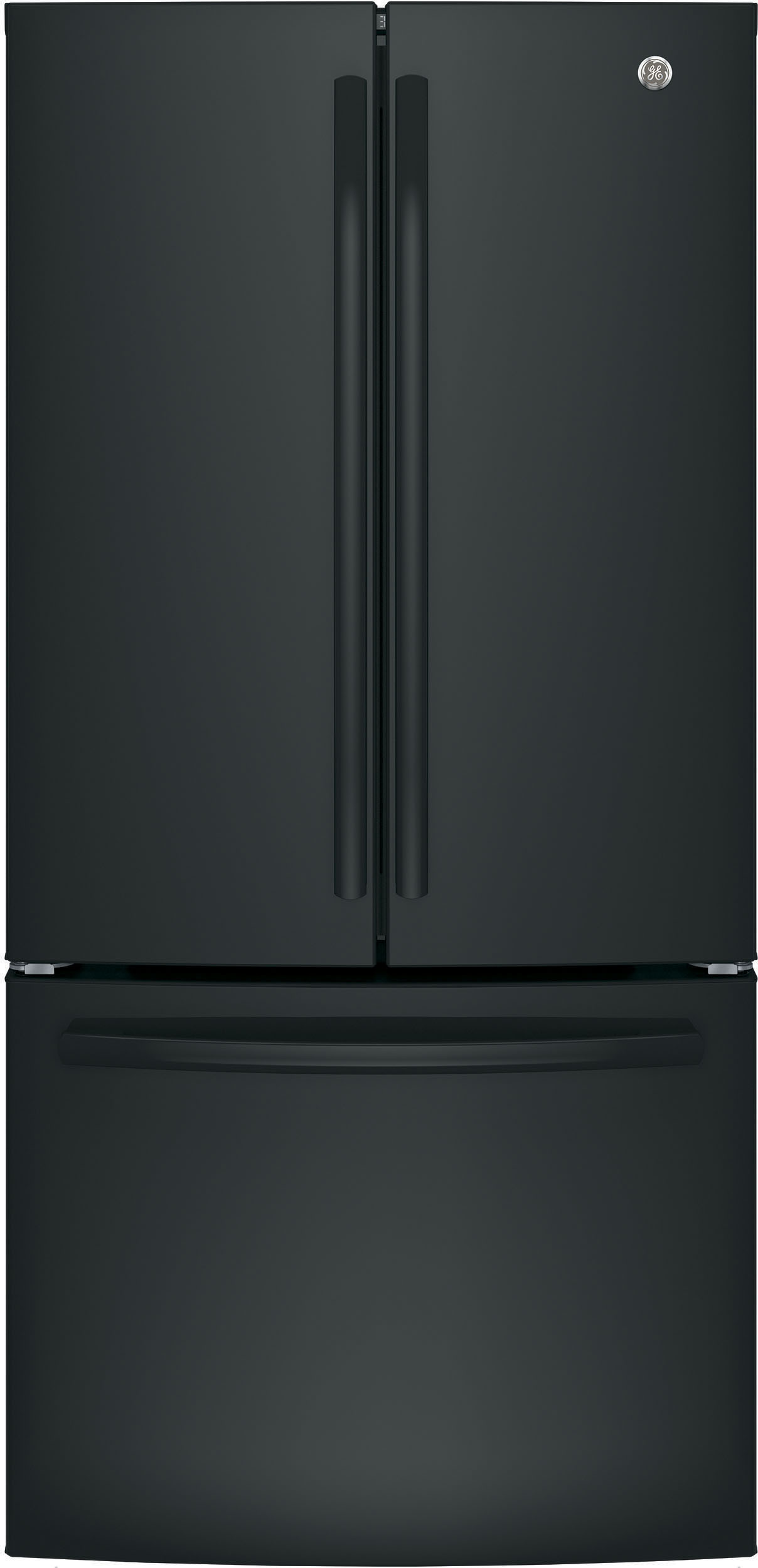
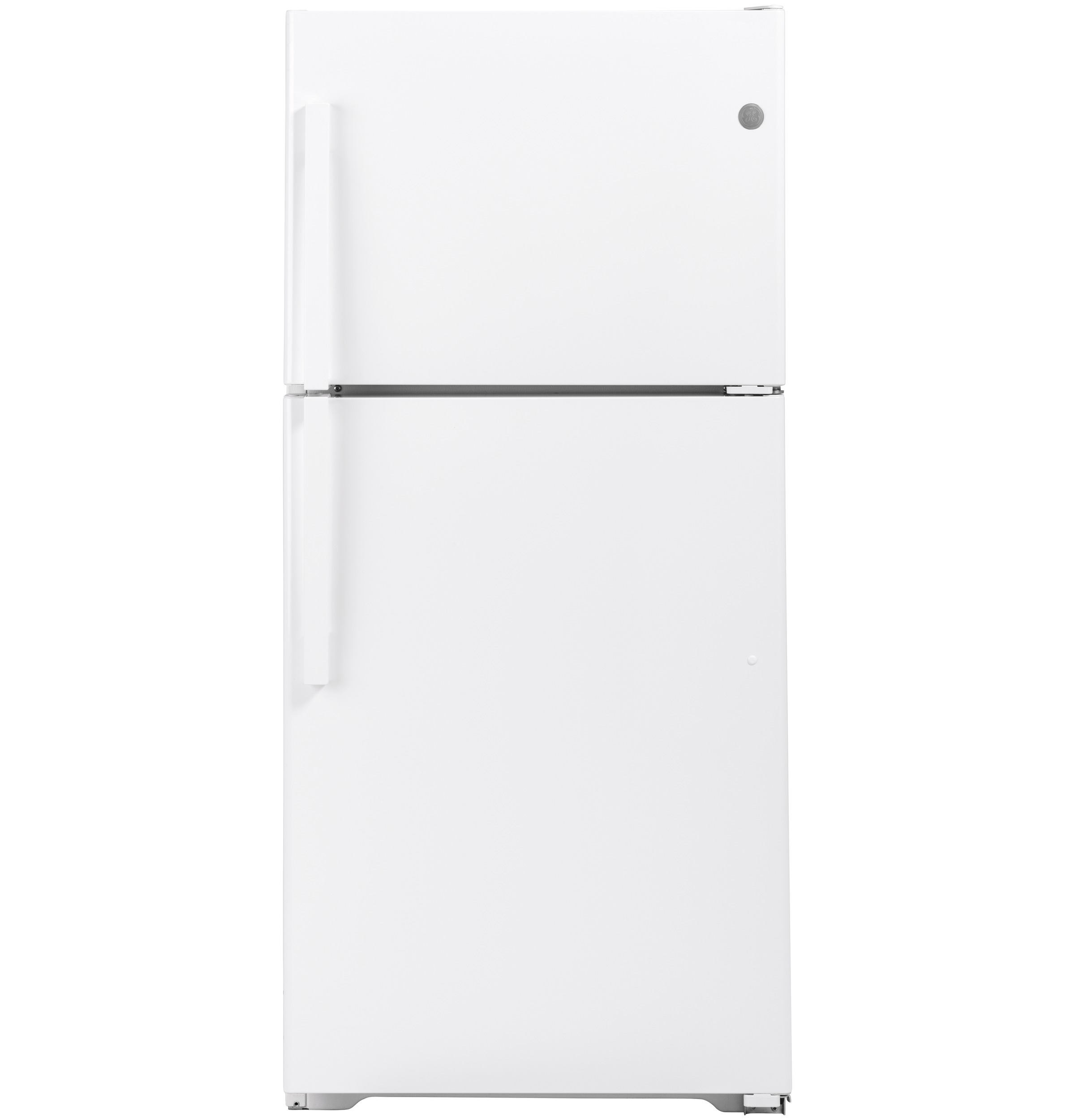
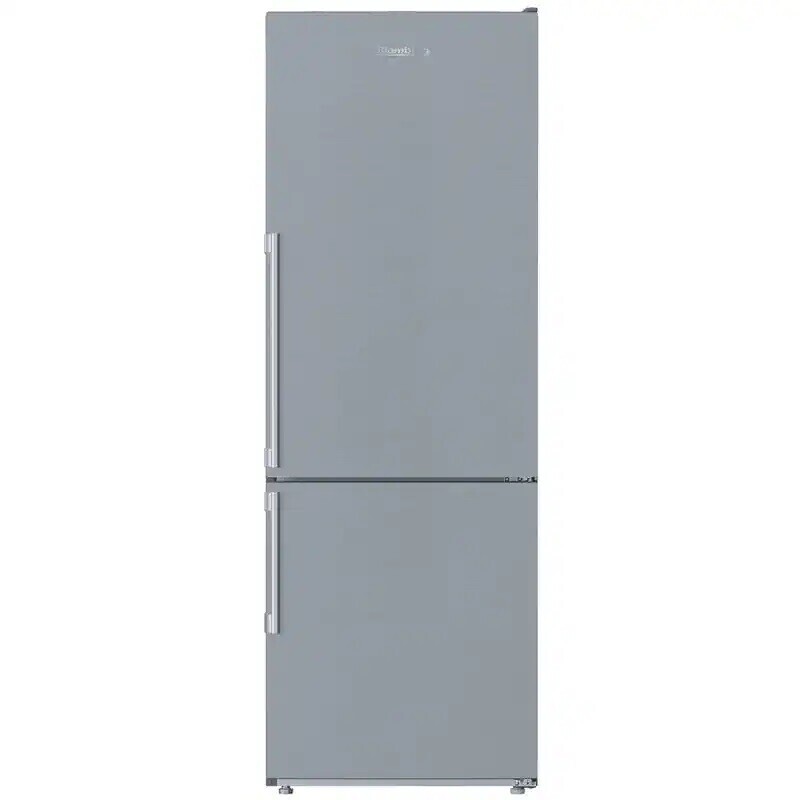
The core GE badge covers the value-to-mainstream band — the tracked $649–$914 top-freezers and mid-range French doors.
About 155,000 GE French door bottom-freezer refrigerators, manufactured February 2020 through August 2021 — freezer handle could detach; free in-home repair.
That is a documented data point, not a rumor: a specific population of GE French door refrigerators built in 2020–2021 was recorded as manufactured in Mexico.
The same logic cut the other way in the Whirlpool family's record, where the big 2009 Maytag-family refrigerator notices documented U.S.
GE refrigerators carry one of the oldest names in American appliances, which is exactly why "where are GE refrigerators manufactured?" has become such a loaded question — the badge says American heritage, the ownership is Chinese, the headquarters is in Kentucky, and the documented manufacturing record includes Mexico. All four of those things are true at once, and none of them alone answers the question for the unit you are about to buy. This guide separates what the verifiable records show — corporate facts, the manufacturing country recorded in the official recall notice, and the label on the unit itself — from the assumptions that fill appliance forums, and shows where GE's tracked refrigerator range actually stands on price and efficiency.
The Ownership Facts, Straight
Three facts anchor everything, and they are recorded on the GE brand page at Fridge.com: GE Appliances is headquartered in Louisville, Kentucky; its appliance heritage in the corporate registry dates to 1905; and its parent company today is Haier — the Chinese appliance giant that also sells under its own name. So a modern GE refrigerator is designed and supported by a Louisville-headquartered American operation, owned by a Chinese parent, and built wherever the specific product line's plant happens to be. "Is GE American?" has no one-word answer; "who owns GE Appliances?" does: Haier.
Most origin claims online come with no source. Official U.S. Consumer Product Safety Commission recall notices are the exception — they document the manufacturer and country of manufacture under regulatory obligation, and the Fridge.com recall record curates them for refrigeration. GE's one entry in the record is precise:

Notice
What it covered
Manufacturing country on record
CPSC 22117 (04/14/2022)
About 155,000 GE French door bottom-freezer refrigerators, manufactured February 2020 through August 2021 — freezer handle could detach; free in-home repair
Mexico
That is a documented data point, not a rumor: a specific population of GE French door refrigerators built in 2020–2021 was recorded as manufactured in Mexico. It is also exactly one product family in one time window — it does not mean every GE refrigerator is built in Mexico, and it does not mean any of them will be next year. The full notice, with its official source link and the model list, is in the Fridge.com recall record.
Large appliance makers operate plant networks — GE Appliances famously runs its Louisville Appliance Park operation, and, like every global maker, builds different lines in different plants across countries, shifting production as lines launch and retire. For a buyer this yields one practical rule: origin is a property of the specific model in the specific production window, not of the brand. The same logic cut the other way in the Whirlpool family's record, where the big 2009 Maytag-family refrigerator notices documented U.S. manufacture. Countries appear on both sides of the quality ledger; plants, platforms, and quality systems — not flags — build refrigerators.
How to Check the Unit in Front of You
Read the rating label. On GE refrigerators the model/serial label is typically inside the fresh-food compartment on an interior wall. The country of manufacture is printed on most modern labels.
Decode the serial number. GE serial formats encode the production date; GE Appliances support can confirm plant-of-origin details for a specific serial when the label is incomplete.
Insist on the exact model number. Trim levels of the "same" refrigerator can come from different plants. A spec sheet for the series is not evidence about your unit.
Run the model past the recall record. If the family ever appears in a notice, the notice documents its manufacturer and country — two minutes on the Fridge.com recall record settles it with a primary source.
Origin questions aside, the tracked catalog shows why GE remains a mainstream default (measured 08/30/2026): nearly 100 live GE refrigeration products at Fridge.com, spanning 34 French door models from $1,499 to about $3,509 — eleven of them ENERGY STAR-tagged, among the better efficiency showings in the configuration — 30 top-freezer models from $649 (ten ENERGY STAR), 14 side-by-sides, and 7 bottom-freezers, plus the Café sub-brand's counter-depth designs near the top of the range. Each tracked unit carries a FIN — Fridge.com Identification Number — linking its prices, specifications, and recall history across retailers, which is what lets you see a model's real street-price spread instead of one retailer's tag. The live range is in the GE refrigerator collection.

The tracked catalog shows GE selling the same fundamental engineering at three trim altitudes, and knowing the ladder saves real money. The core GE badge covers the value-to-mainstream band — the tracked $649–$914 top-freezers and mid-range French doors. Above it, the Profile trim adds finish and features in the mid-premium band (tracked French door units around $3,509 sit here), and the Café sub-brand tops the tracked range with designer counter-depth units like the tracked 23-cubic-foot stainless French door at $3,303 — kitchens buy Café for the customizable hardware-and-finish look at a price still under the Korean flagships' top tier. The ladder logic for buyers: step up a trim only for a feature or finish you can name, because the cold underneath is built by the same organization, and the tracked price gaps between rungs — roughly $700 to $2,000 per step — are finish money, not function money.
"Owned by Haier" deserves one paragraph of practical translation, because it alarms some buyers and reassures others for equally wrong reasons. Since the acquisition, GE Appliances has continued operating as the Louisville-headquartered organization — the registry facts this guide opened with — running its own design, support, and parts networks for the U.S. market, while Haier sells value-tier units under its own badge (the tracked Haier-brand catalog at Fridge.com is small and compact-focused, with its own separate recall history: three notices, 2010–2018, all compact or chest units). For a buyer, the ownership shows up in exactly one measurable place: corporate strategy over years — which lines get investment — and in no measurable place on the unit in front of you today. The unit's own label, warranty terms, and recall standing remain the documents that matter, and all three are checkable before purchase.
Ownership, Origin, and What Should Actually Decide the Purchase
If buying American-made matters to you, the method that respects both your values and the facts is per-unit verification: check the label on the exact unit before purchase, because a brand-level assumption — in any direction — will be wrong for someone's kitchen. If your underlying concern is quality and serviceability, the measurable record serves you better than geography: GE's single refrigeration notice in the Fridge.com recall record (a handle repair, remedied free and in-home) is a quiet sheet for a brand of its volume; its parts and water-filter ecosystem is broad; and its tracked prices sit at a median around $1,793 — under the French door market median of about $2,560 — which is the shape of a value-competitive mainstream brand. Those are the numbers a purchase can stand on.


And one practical footnote for owners rather than shoppers: the same label that answers the origin question is the one to photograph and file the day the refrigerator arrives. Every future interaction — warranty claims, parts lookups for the tracked GE filter family ($44–$149), and any recall check against notices like CPSC 22117 — starts from the model and serial on that plate, and a phone photo taken once beats crawling behind a full refrigerator during a service call years later. The origin curiosity that brought you to the label is a good excuse to bank the numbers that will actually matter.
Where are GE refrigerators manufactured? In more than one place, by design: GE Appliances is a Louisville, Kentucky-headquartered operation owned by Haier, and the documented record — the 2022 CPSC notice in the Fridge.com recall record — shows its 2020–2021 French door population manufactured in Mexico, while other lines come from other plants. The brand-level question has no single honest answer; the unit-level question always does, printed on the rating label and decodable from the serial number. Verify the unit, then judge the refrigerator on what is tracked and comparable — prices across retailers, specifications, efficiency tags, and the official recall record — starting from the GE refrigerator collection at Fridge.com.
Frequently Asked Questions
In more than one place. GE Appliances is headquartered in Louisville, Kentucky and owned by Haier; the one documented data point in the official record — CPSC notice 22117 — shows its 2020–2021 French door population manufactured in Mexico, while other lines come from other plants. The unit’s own rating label is the authoritative answer.
From Fridge.com research
Figures below come from data Fridge.com builds and maintains. Each links to the record behind it.
Fridge.com Energy Index, built on U.S. EPA and DOE ENERGY STAR records
Across 4,499 ENERGY STAR certified refrigerators and freezers from 259 brands, median use is 344 kWh per year.