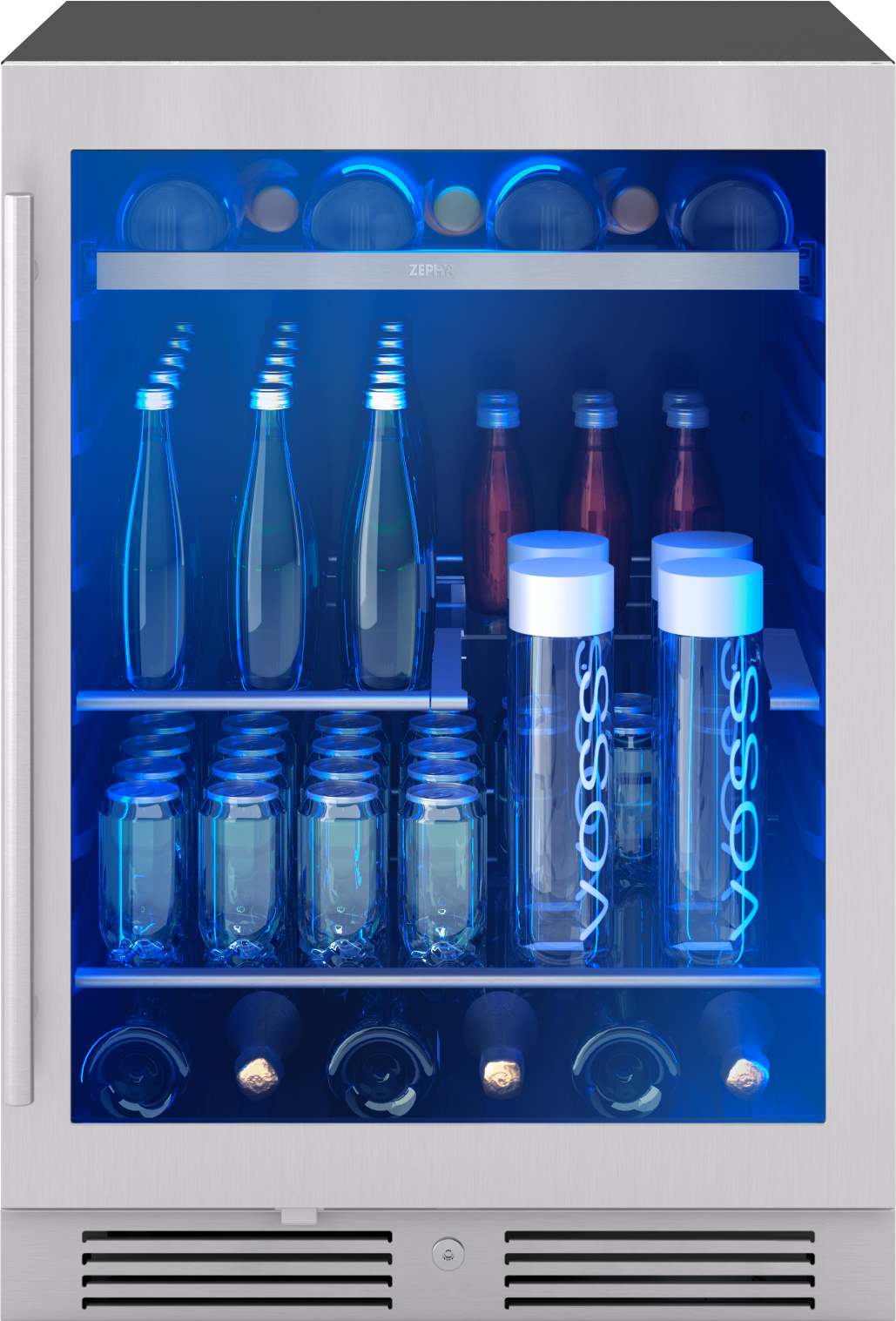
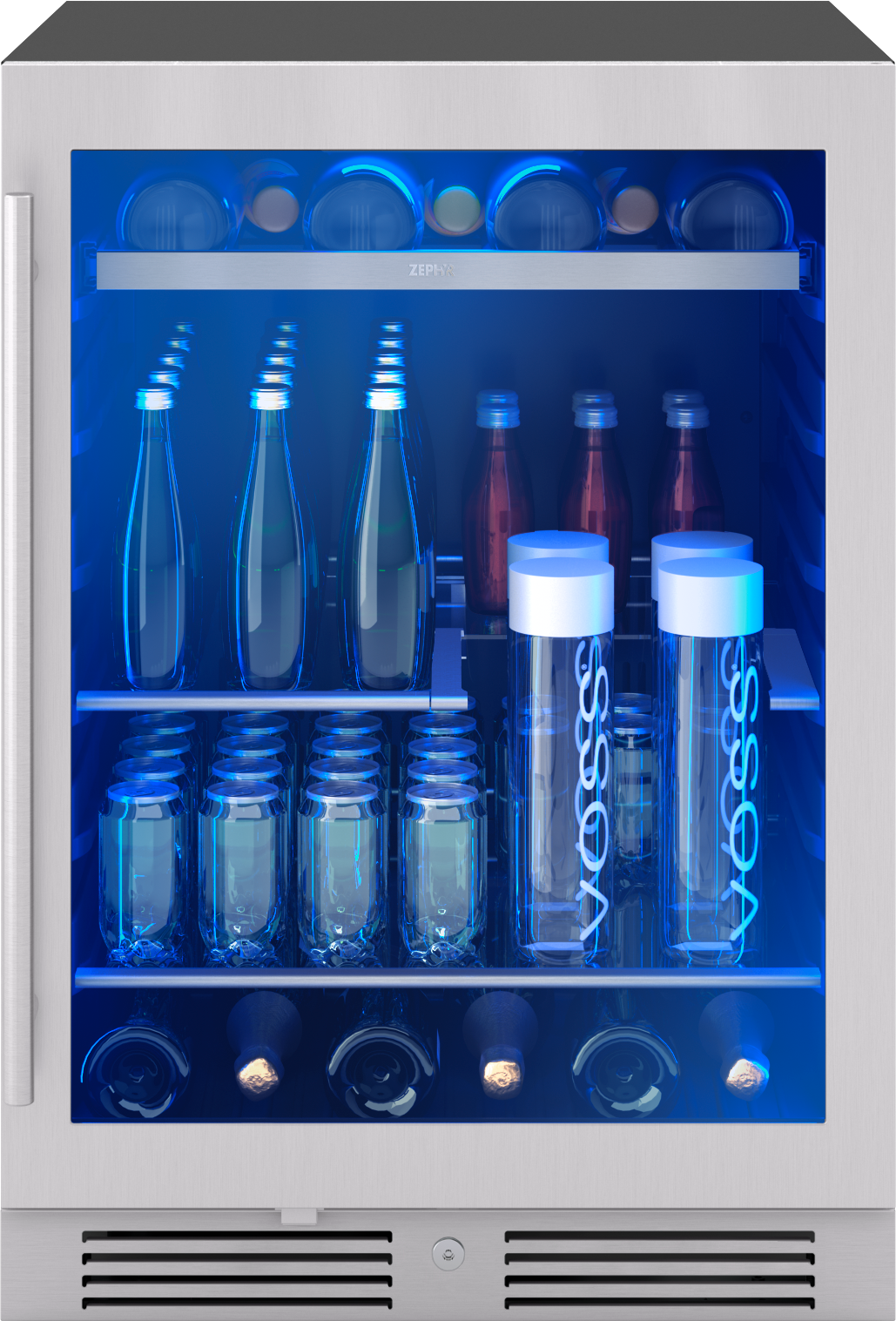
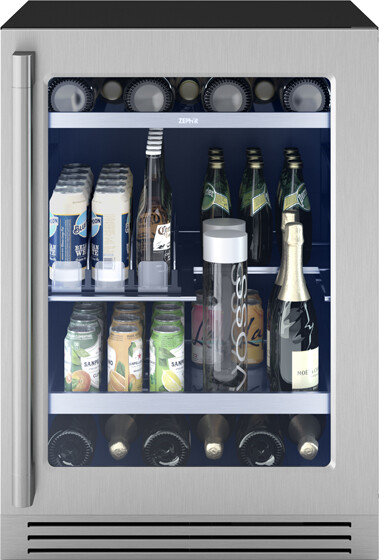
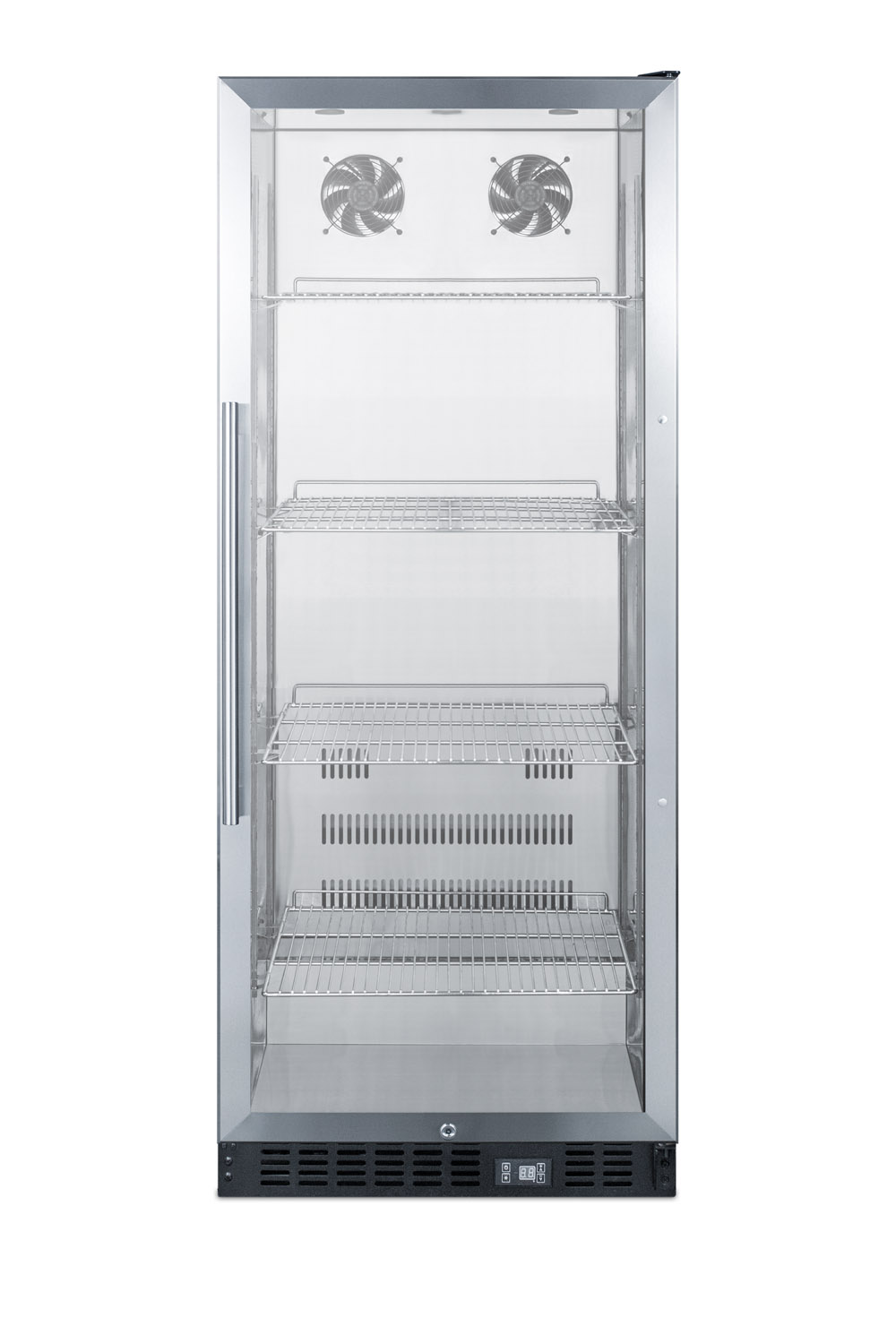
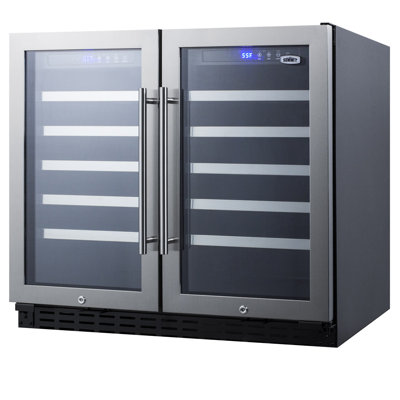
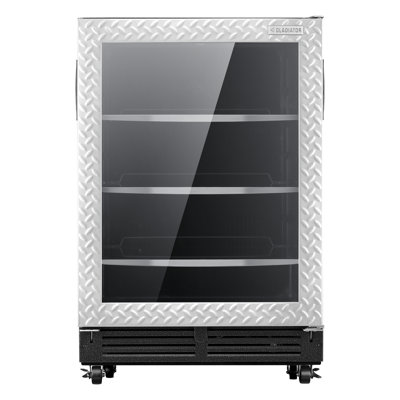
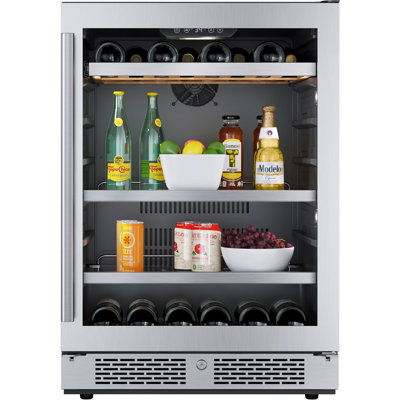
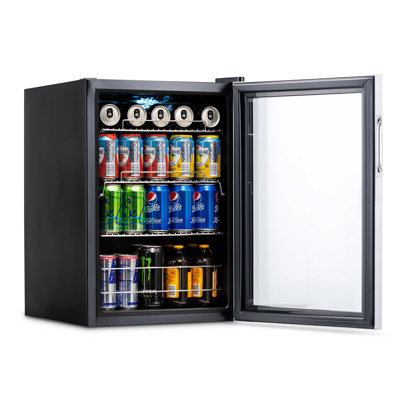
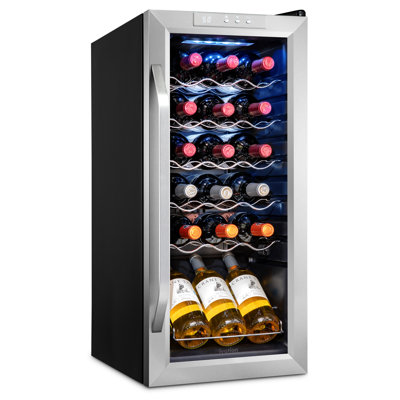
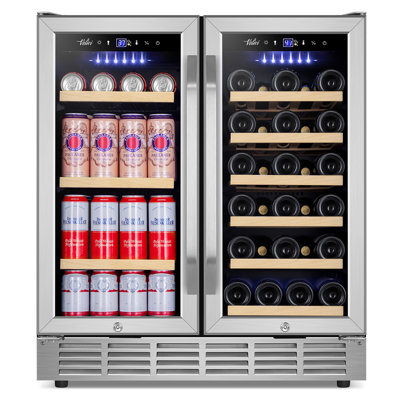
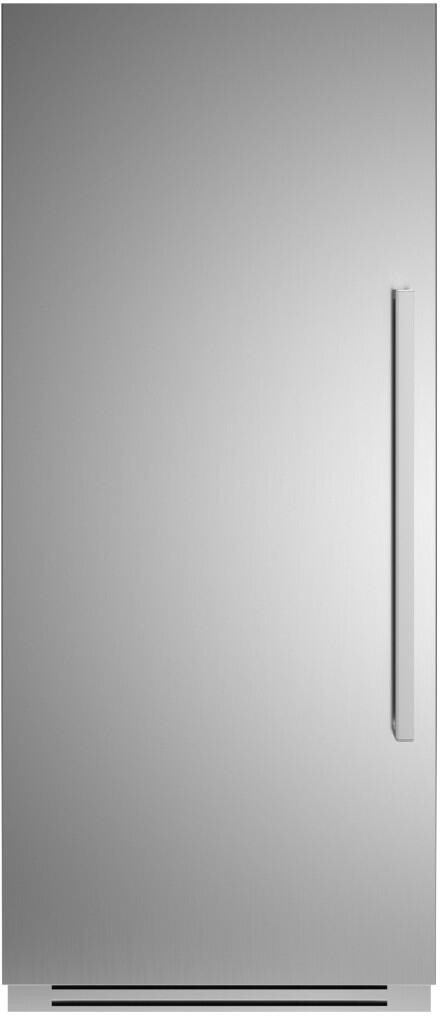
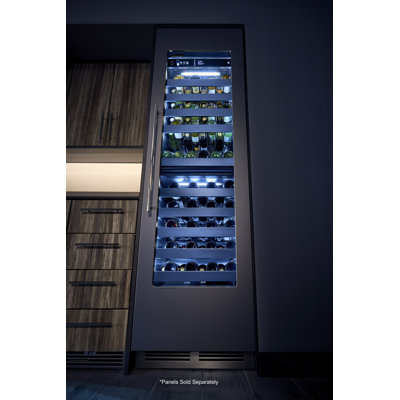
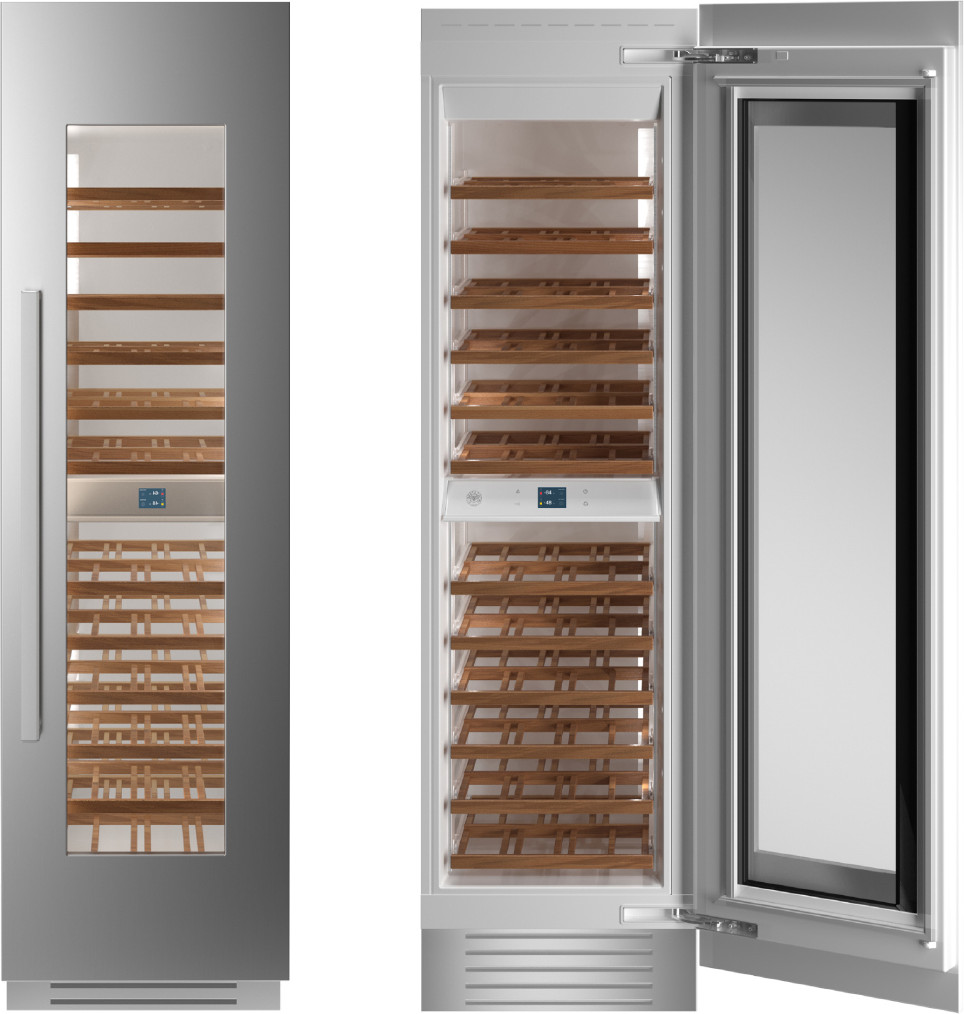
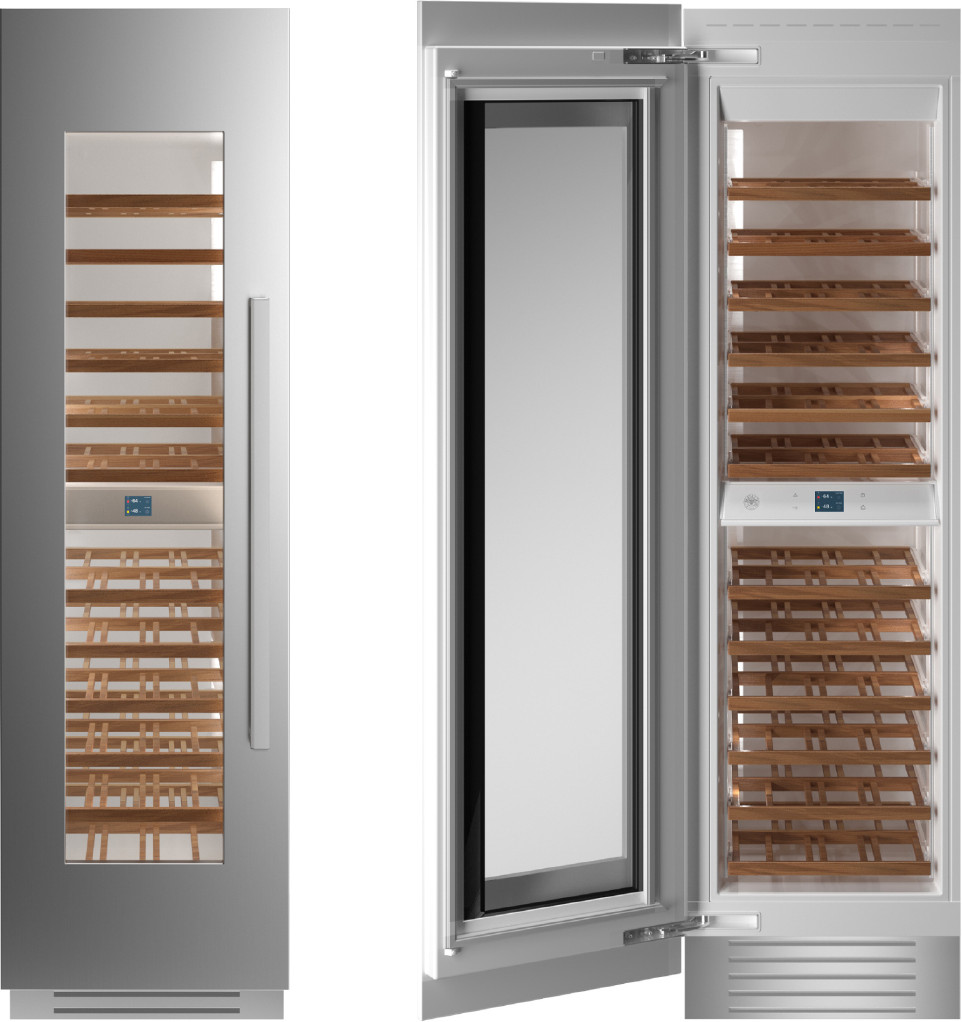
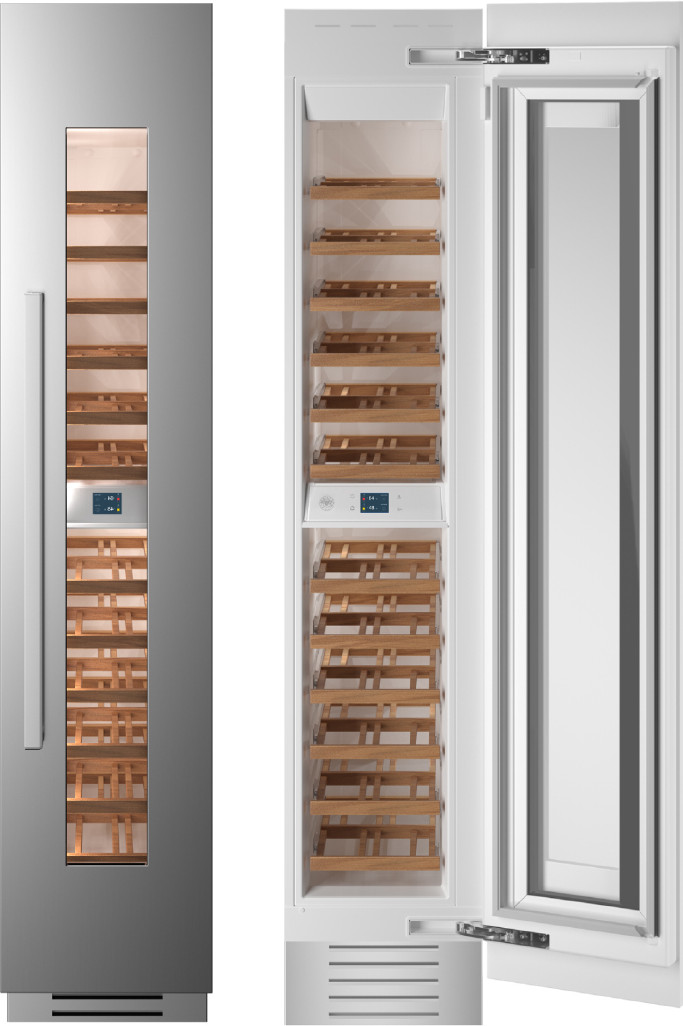
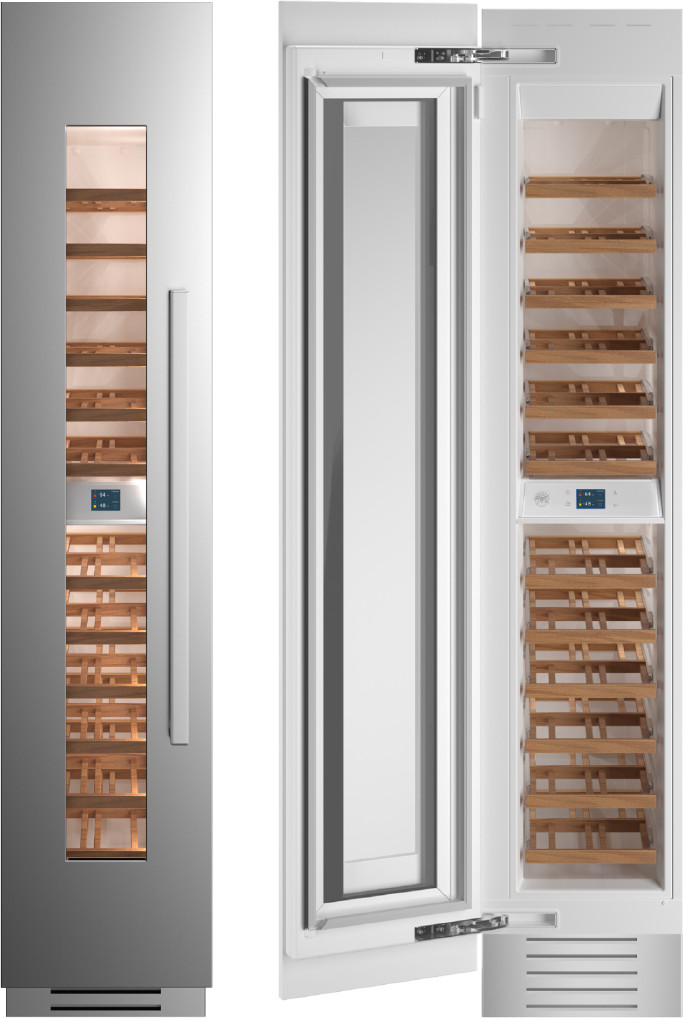
Unlike a regular fridge, a wine cooler maintains a consistent range—typically between 45°F and 65°F—so your whites, reds, and rosés age gracefully and taste their best.
Always leave 20 to 30 percent extra space for future additions.
That means you can be sure your Pinot Noir is at 55°F while your Sauvignon Blanc rests at 48°F, ready to pour at its peak.
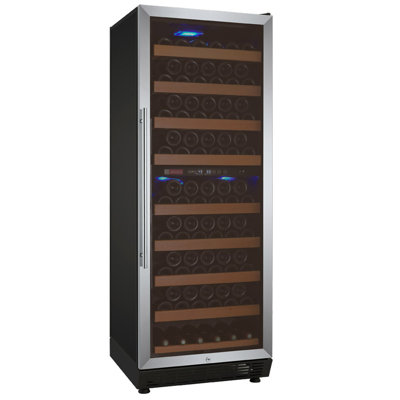
A compact two-door cooler might store 12 to 20 bottles, while larger towers hold up to 50 or 60.
Ever wondered what are the pros and cons of a wine cooler? If you’re considering adding a wine fridge to your kitchen, home bar, or entertainment space, you’ve come to the right place. In this post you’ll explore what a wine cooler is, why sommeliers and casual sippers both love them, and the potential drawbacks you should weigh before buying. By the end, you’ll have the confidence to decide if a wine cooler fits your lifestyle and space.
A wine cooler, sometimes called a wine refrigerator or wine chiller, is a specialized appliance designed to store wine at precise temperatures. Unlike a regular fridge, a wine cooler maintains a consistent range—typically between 45°F and 65°F—so your whites, reds, and rosés age gracefully and taste their best.
Why use a wine cooler
You might ask why you need a dedicated wine fridge instead of a regular refrigerator. The short answer is consistency and care. A wine cooler keeps bottles away from strong odors, controls humidity to protect corks, filters out harmful UV light, and uses gentle cooling systems to avoid vibration. All these factors help preserve aroma, flavor, and quality over time.
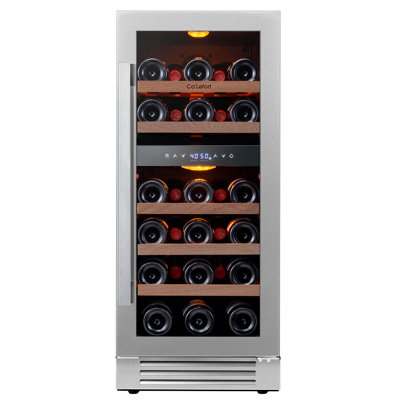
One of the biggest pros of a wine cooler is its ability to dial in exact temperatures. Many models offer digital thermostats that let you set distinct zones for reds and whites. That means you can be sure your Pinot Noir is at 55°F while your Sauvignon Blanc rests at 48°F, ready to pour at its peak.
Protection from light and humidity
Ultraviolet light and low humidity can damage wine by drying out corks and causing chemical reactions. Wine coolers often feature tinted or UV-resistant glass doors and built-in humidity controls, so your collection stays safe from light exposure and cork shrinkage.
Space and style savings
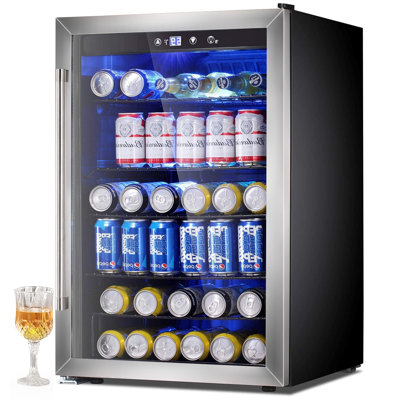
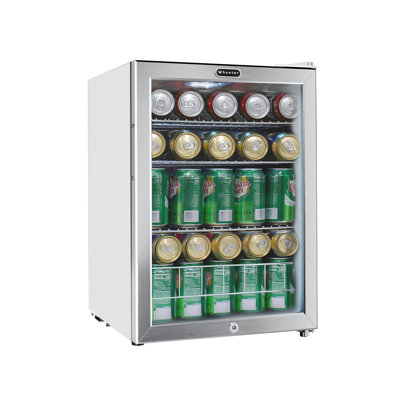
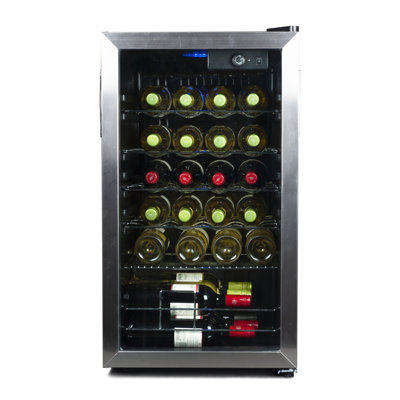
Wine coolers come in various sizes—compact countertop units, slim under-counter models, and freestanding towers. Whether you’re in a studio apartment, a busy commercial kitchen, or an outdoor patio, there’s a design that fits your footprint and décor. Plus, glass-front doors and sleek finishes can elevate your space.
Preserving wine flavor
By maintaining a consistent environment, wine coolers reduce temperature swings that can prematurely age or “cook” wine. That translates into better taste, aroma, and mouthfeel when you finally pop that cork. If you’re serious about fine wines or just want every bottle to taste great, temperature stability is a clear advantage.
Because wine coolers are purpose-built, they often hold fewer bottles than a standard refrigerator shelf might seem to swallow. A compact two-door cooler might store 12 to 20 bottles, while larger towers hold up to 50 or 60. If you have a large collection or entertain big groups, you may find yourself shuffling bottles in and out more than you’d like.
Purchase and operating costs
Wine coolers range in price from a few hundred dollars for a countertop unit to several thousand for a high-end dual-zone model. On top of upfront cost, you’ll pay extra on your energy bill, especially if you choose a model without Energy Star ratings. Factor in installation costs if you opt for built-in cooling or need electrical work.
Noise and vibration issues
Some coolers use compressor-driven cooling, which can generate noise and subtle vibrations. Over time, vibration may stir wine sediment and affect clarity. If you’re sensitive to humming appliances or plan to house your cooler in a living area, look for ultra-quiet, vibration-damping models.
Maintenance and cleaning
Wine coolers require occasional cleaning of shelves, door seals, and condensers. Dust buildup on vents can hamper performance, and sticky spills inside can affect airflow. Though maintenance is not onerous, it’s more involved than simply tossing a bottle into a kitchen fridge and walking away.
Start by counting how many bottles you typically store. Entertainers and commercial kitchens might need 50+ bottle capacity, while casual drinkers often do fine with 10 to 20. Always leave 20 to 30 percent extra space for future additions.
Single vs dual zone
Single-zone coolers maintain one uniform temperature, ideal if you focus on one style of wine. Dual-zone models create separate temperature areas so you can age reds and chill whites side by side. Dual-zone units cost more but deliver flexibility.
Energy efficiency ratings
Look for Energy Star certified models to keep operating costs down. High-efficiency coolers use better insulation, quieter compressors, and low-wattage fans. Over time, an energy-efficient cooler can save you hundreds on utility bills.
Built-in vs freestanding
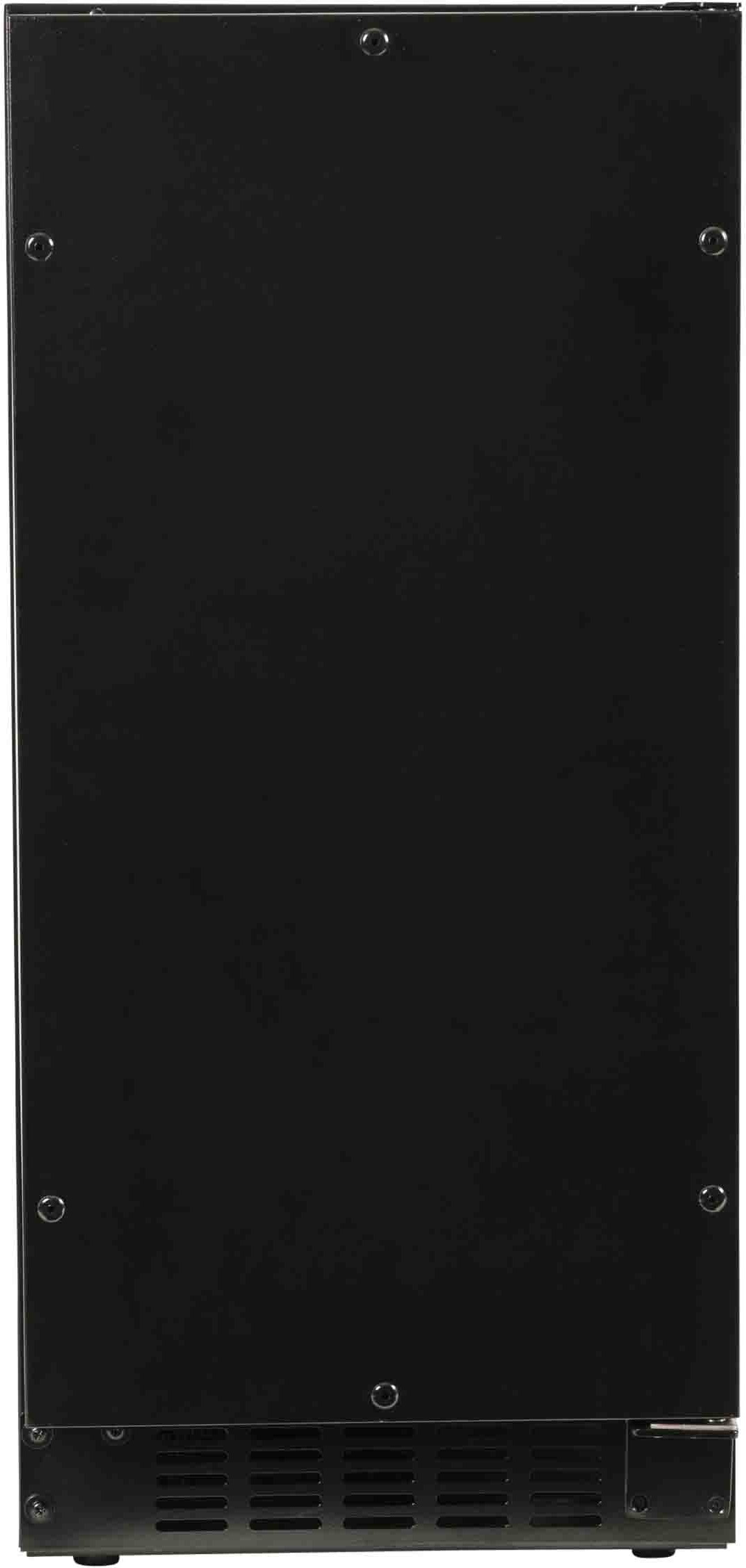
Under-counter or built-in coolers create a seamless look in a kitchen or wet bar but may require professional installation and venting. Freestanding units are plug-and-play and can live almost anywhere you have space and a power outlet. Consider ventilation space behind freestanding models.
Place your cooler away from direct sunlight, heat sources like ovens or radiators, and high-traffic areas to prevent temperature swings. Ensure at least two inches of clearance behind and on sides for ventilation. In an RV or garage, secure your unit to prevent shifting on the move.
Organization strategies
Use slide-out shelves or pull-out racks for easy access to labels. Store ready-to-serve bottles at eye level and reserve lower shelves for aging. Rotate older bottles to the front so nothing gets buried and forgotten.
Regular cleaning schedule
Wipe down shelves every three months with mild detergent, vacuum condenser coils twice a year, and check door seals for mold or wear. Clean spills promptly to prevent unpleasant odors and bacterial growth.
Monitoring temperature
Keep a standalone thermometer or hygrometer inside your cooler as a backup. Some smart models send alerts to your phone if temperatures drift. Consistent checks help you catch issues before they affect your wine.
Wine cooler alternatives
Using a refrigerator
If you only chill white or rosé occasionally, a standard fridge can work in a pinch. Just be aware kitchen fridges dip below ideal wine temperatures and cycle on and off, causing more temperature swings.
Wine cabinets and racks
Open wine cabinets with passive cooling or humidity control suit dry climates or dedicated wine rooms. Wooden racks look elegant and can hold hundreds of bottles, but they lack active cooling features.
Custom wine cellars
For serious collectors, a fully custom cellar with climate control, insulation, and humidity systems is the ultimate solution. Cellars require significant space, construction work, and investment but offer the best long-term storage.
Think about your drinking habits, space constraints, and budget. If you love hosting dinner parties and sampling both reds and whites, a dual-zone cooler can be a game-changer. If you only open a bottle on special occasions, a small countertop unit might be enough.
Budget and lifestyle fit
Set a realistic budget that includes purchase, installation, and operating costs. Shop models with the features you really need, like UV-protected glass or vibration reduction, rather than splurging on bells and whistles you’ll never use.
Where to buy
Compare current prices and specifications on Fridge.com, then buy from the retailer you choose; delivery, installation and warranty terms are the retailer’s. You’ll find countertop, under-counter, and freestanding models to suit any space and style.
Choosing a wine cooler is about matching your storage needs with the right features. With the insights above, you can weigh what are the pros and cons of a wine cooler in the context of your home or business. Here’s to perfectly chilled pours, worry-free storage, and the simple pleasure of enjoying wine at its best.
From Fridge.com research
Figures below come from data Fridge.com builds and maintains. Each links to the record behind it.
Fridge.com Energy Index, built on U.S. EPA and DOE ENERGY STAR records
Across 122 ENERGY STAR certified compact cooler models, median use is 134 kWh per year — 32% better than the federal standard.