Keeps it chill at 45°F to 65°F, so your reds and whites come out just right..
For the serious wine lovers out there, a wine cooler is like having a best buddy who's always got your wine ready for action.
So, you love your wine and want it to taste just right whenever you're in the mood?
Regular fridges tend to be a bit too cold and dry, but a wine cooler keeps everything at the perfect temp and humidity to make sure your wines stay flavorful and tasty.
So, you love your wine and want it to taste just right whenever you're in the mood? A wine cooler's got your back! It's basically a little climate-controlled paradise made especially for your vino. Regular fridges tend to be a bit too cold and dry, but a wine cooler keeps everything at the perfect temp and humidity to make sure your wines stay flavorful and tasty.
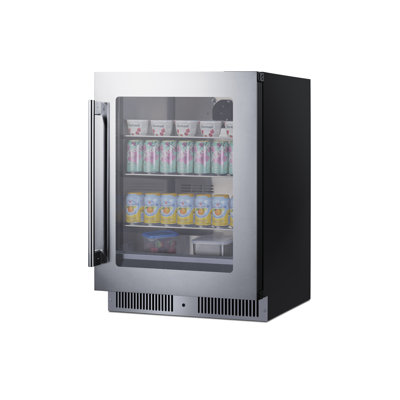
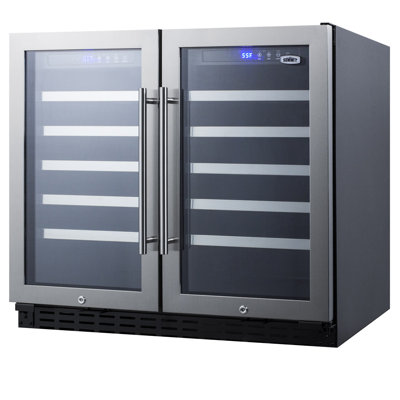
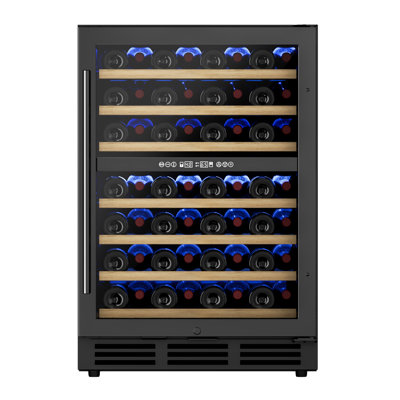
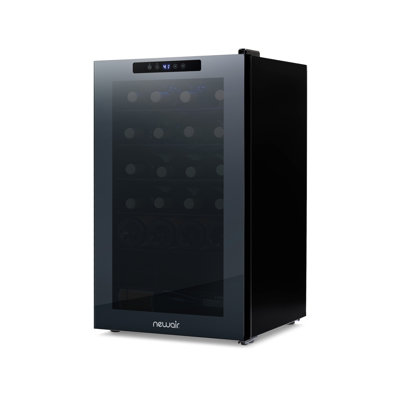
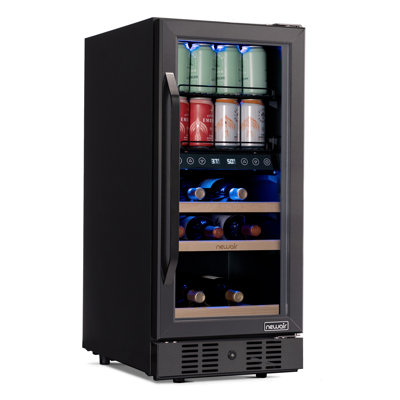
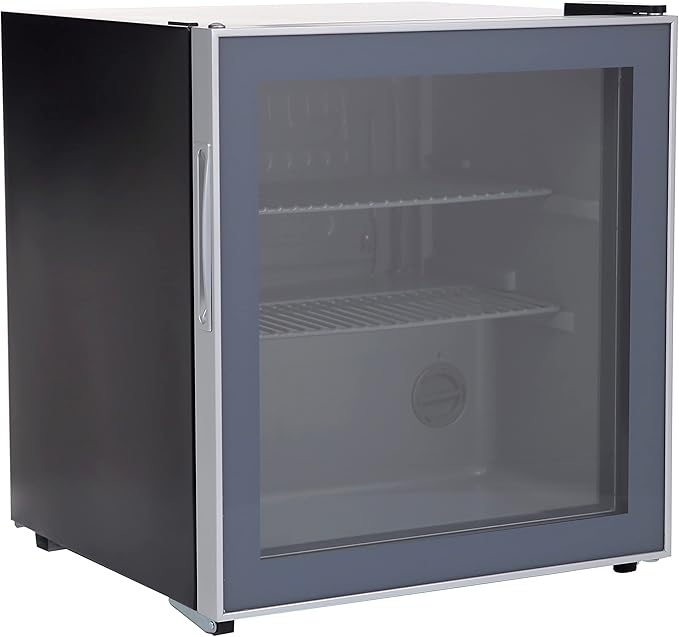
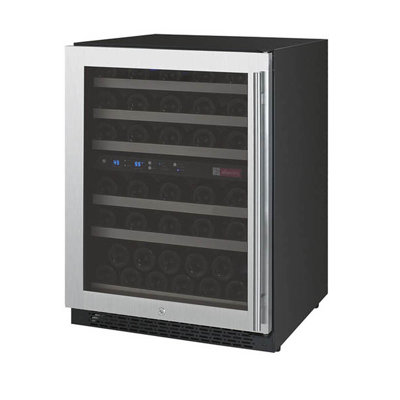
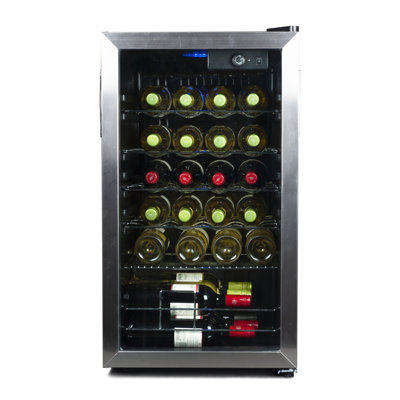
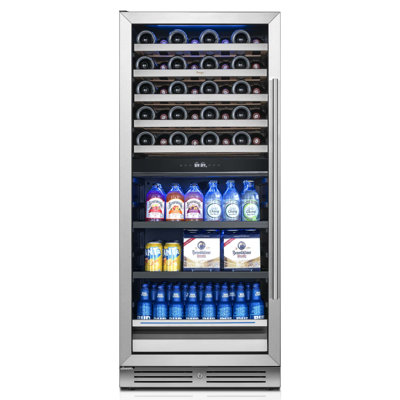
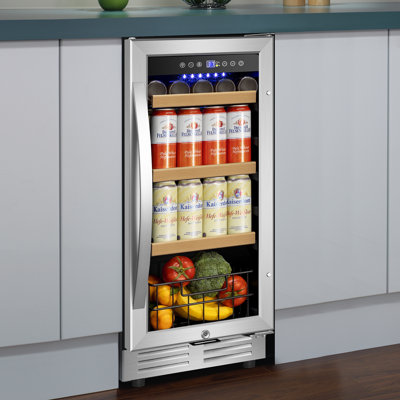
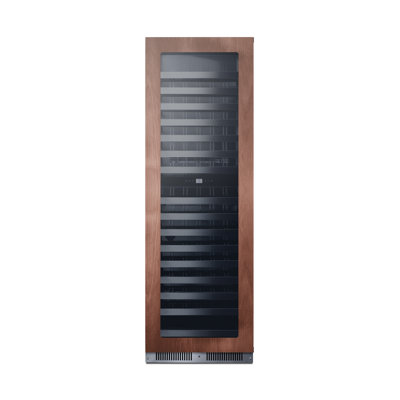
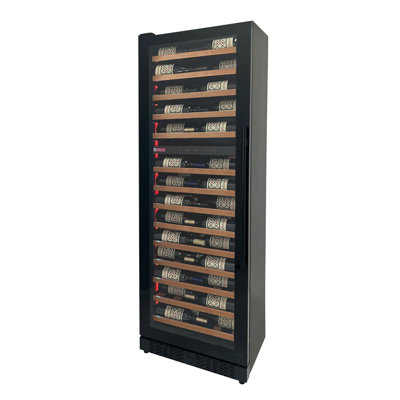
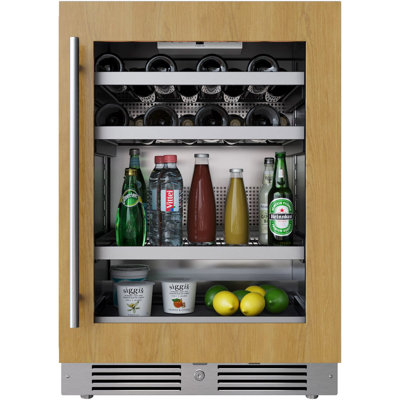
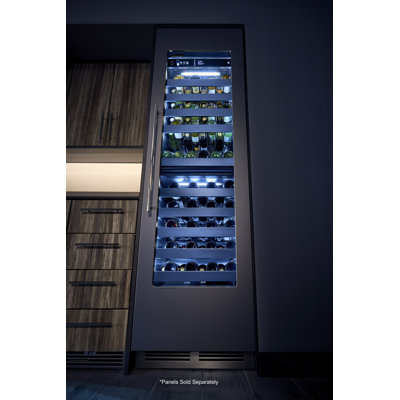
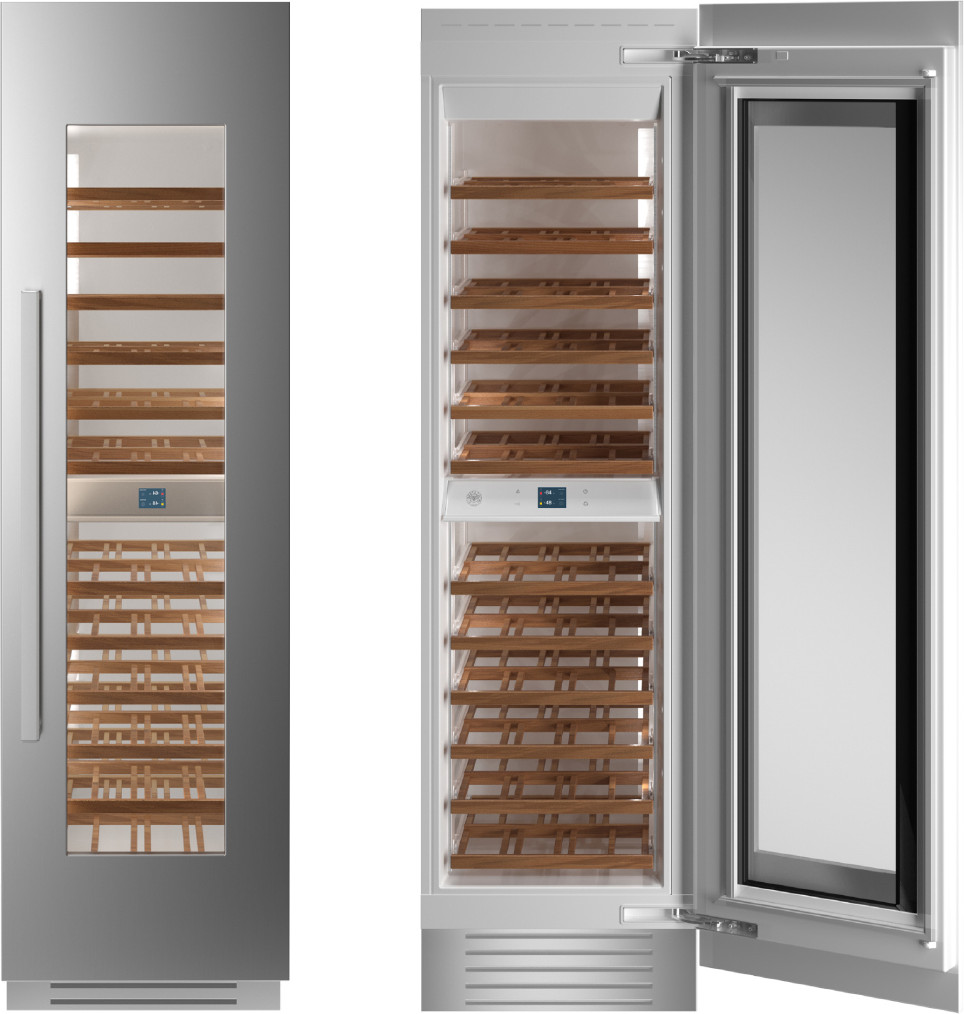
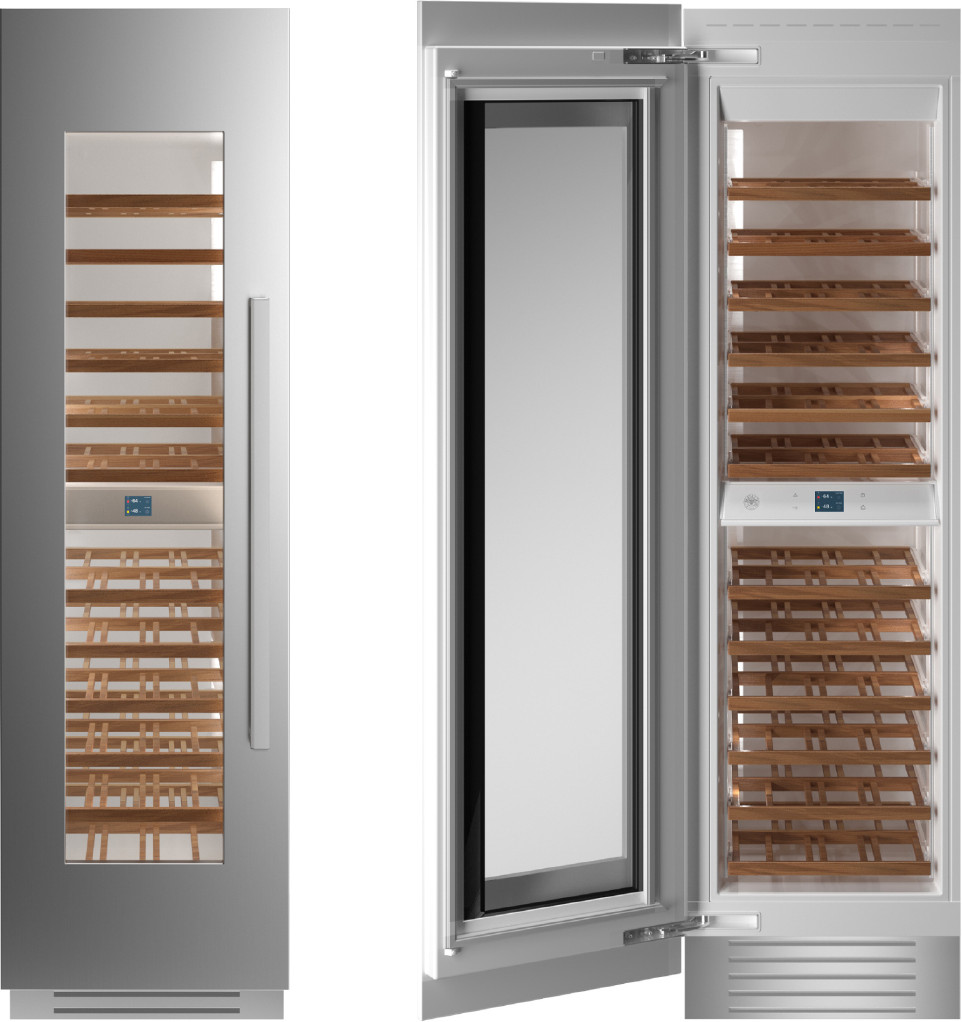
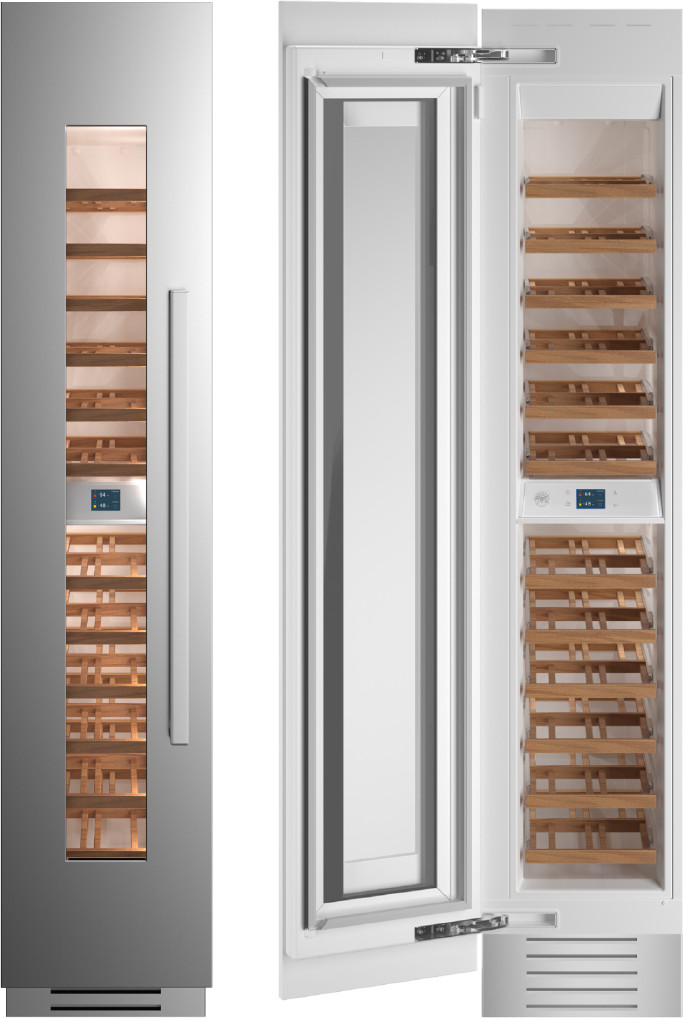
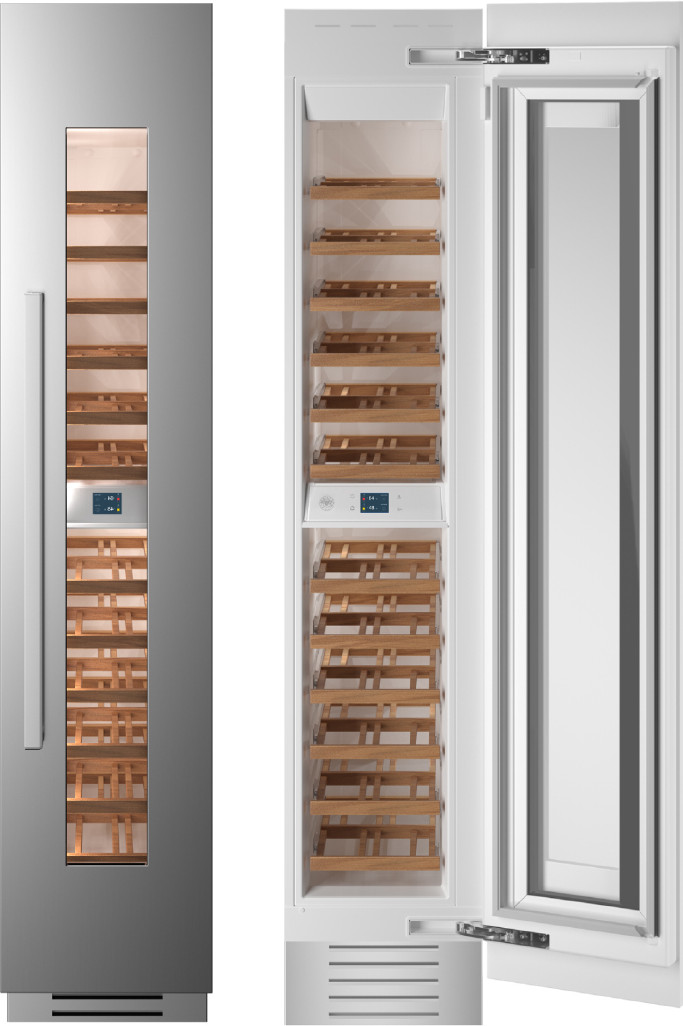
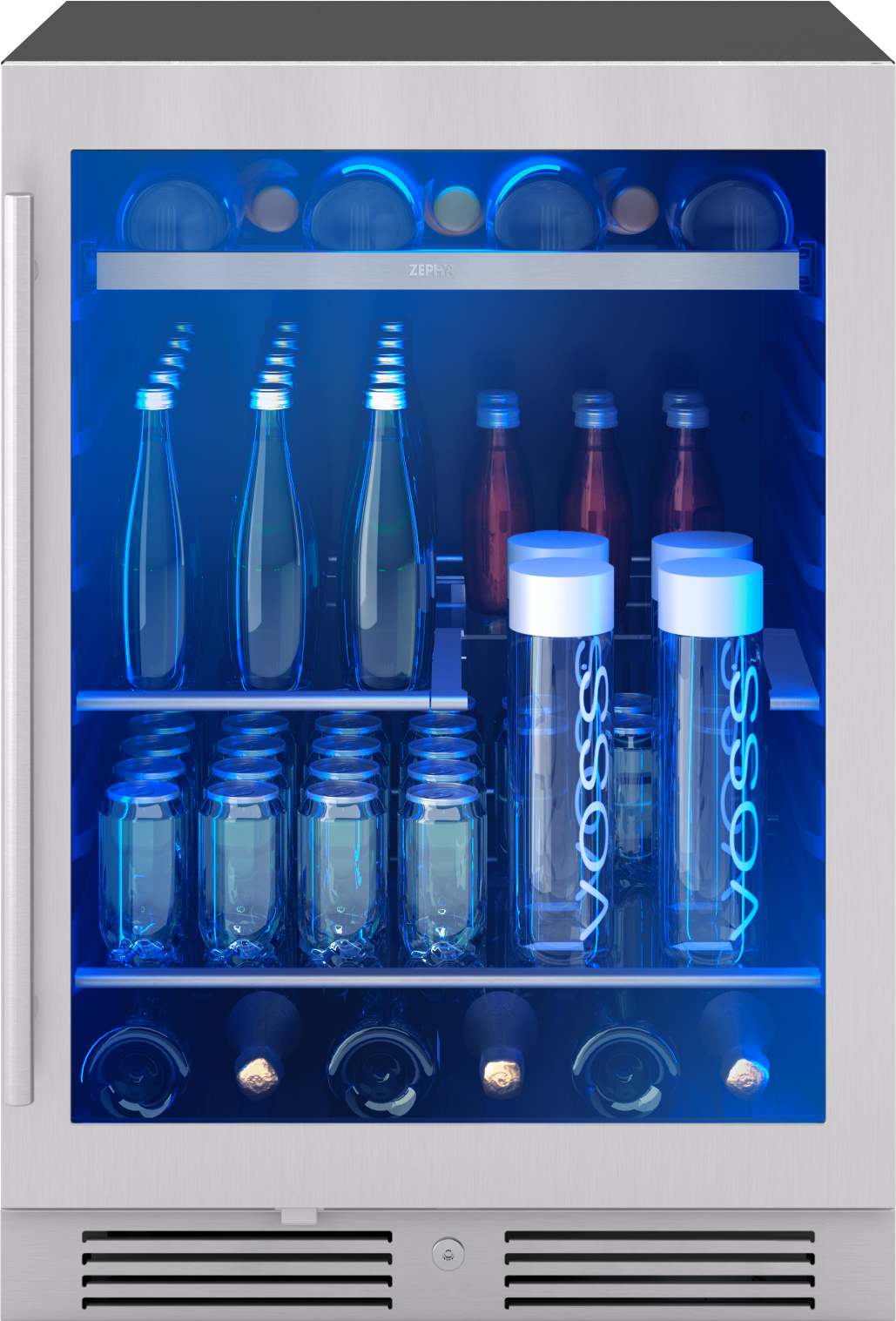
They come in all sorts of shapes and sizes, whether you're stashing a couple of bottles or showing off a full collection. Many have adjustable shelves for those odd-shaped bottles and sleek glass doors that not only flaunt your collection but also keep bad stuff like UV rays from messing with your wine.
Purpose of a Wine Cooler
Alright, let’s get down to brass tacks. Why should you even bother with a wine cooler? It's all about creating that sweet spot for your wine to shine. We’re talking stable temps, just-right humidity, and no light that could upset your wine's delicate vibes.
Here's the lowdown:
What's Good?
Why Bother?
Temperature Control
Keeps it chill at 45°F to 65°F, so your reds and whites come out just right.
Humidity Regulation
Keeps it moist enough (50-70%) to avoid dried-out corks and all that.
Light Protection
Stops UV rays from ruining your wine's mojo.
Organized Storage
Helps you organize wine so you can grab that special bottle in a jiffy.
For the serious wine lovers out there, a wine cooler is like having a best buddy who's always got your wine ready for action. Knowing what this gadget does will help you suss out whether it fits into your lifestyle. Curious about how it stacks up against space-saving options? Check out Fridge.com article on what are the disadvantages of a mini fridge? and get the scoop!
So, you're thinking about snagging a wine cooler, huh? I mean, who wouldn't want their vino chillin' in style? Let's break it down and see why this gadget is worth the hype:
Benefit
Description
Ideal Temperature Control
Your wine really deserves some pampering, right? With a wine cooler, your bottles get to chill at just the right temp, keeping their flavors on point. No more funky tastes that make you question your life choices.
Humidity Preservation
Another perk? It keeps corks from drying out and going all crumbly on you. Perfect for when you're saving that special bottle for a rainy day.
Organized Storage
These bad boys come with adjustable shelves, so you can get all Martha Stewart-level organized. Find your fave bottle without tearing the place apart.
Aesthetic Display
Want your kitchen or dining area to have that chic, modern look? A wine cooler can help with its sleek designs and glass doors that turn your wine into a piece of art.
A wine cooler isn't just about storage—it's about leveling up your whole wine game. Show off those chilled bottles when you're entertaining, and you'll instantly look like you know what you’re doing. If you want to compare with other options, check out wine racks or ponder the idea of wine cellars.
Whether you're sipping casually or consider yourself a wine wizard, knowing the perks of a wine cooler can help you decide if it's your next must-have.
Sure, wine coolers are a wine lover's dream, but they ain't without a few hiccups. Let's chat about what could make you think twice before swippin' that credit card. Getting a handle on the downsides can help you figure out if a wine cooler is what you really need.
Tight Fit: Storage Woes
So, you got your eyes on a wine cooler, huh? Think again if you're picturing endless rows of reds and whites neatly tucked away. Most coolers have a cap on how many bottles they can stash, potentially cramping a collector's style or leaving a big family thirsty.
Type of Wine Cooler
How Many Bottles Fit?
12-Bottle Cooler
Holds 12 bottles
28-Bottle Cooler
Holds 28 bottles
50-Bottle Cooler
Holds 50 bottles
150-Bottle Cooler
Holds 150 bottles
If you throw lotsa parties or just like a ton of wine choices, you might outgrow a cooler fast. Don't fret though, if you're swimmin' in the vino, maybe check out wine racks or go full-on with wine cellars for the stash of your dreams.
Wonky Temps
Keeping your wine chillin' right is key. But some wine coolers struggle with consistent temps. A dud location – kitchen or garage – can have 'em swingin' wild.
When temps are hoppin' around, your wine's gonna taste off. Best bet? Opt for a cooler that ain't afraid of keeping its cool. Regular peek-ins wouldn't hurt either, to make sure your vino stays perfect.
Humidity Headaches
Keeping the air just right is a must for happy wine bottles – corks that stay plump and vino that tastes like heaven. Many coolers are slackers when it comes to the air moisture game.
Your bottles wanna breathe air that's between 50% and 70% humidity. If your cooler doesn't rock this zone, you might look into a wine fridge that makes humidity its business.
Balance the cons with the perks, and you'll figure out if a wine cooler is the golden ticket for you. A solid wine storage setup can level up your sipping experience, so think about what's gonna make that happen for you!
Want to keep your vino chilled without freezing out your wallet? Pay attention to the energy efficiency of that wine cooler you’ve got your eye on. Like most gadgets, they can be energy guzzlers, and that will show on your power bill. More bells and whistles usually mean more watts. Here’s a look-see at the typical energy use across sizes.
Wine Cooler Type
Average Energy Suckage (kWh/year)
Small Wine Fridge
100 - 150
Medium Wine Fridge
150 - 200
Big Kahuna Wine Fridge
200 - 300
Peep at those Energy Star labels too; they’ll tell you which models are less demanding on your electricity. If you’re all about cutting those costs, take a closer look before making your decision.
Maintenance Requirements
Want your cooler to stick around? You’ll need to show it some TLC. Routine care is your best bet to keep that thing running smoothly. Check out these care tips and how often you should pamper your wine guardian.
Maintenance Thing
How Often
Wiping it down inside
Monthly
Cleaning the filter
Every 3 months
Checking seals and door snuggers
Yearly
Defrosting (if it needs it)
As needed
Stick to these simple steps to avoid pesky problems like weird smells or warmer-than-you-want shelves. Don’t forget to look into how to reset filter status on fridge for more savvy maintenance of your cooler's filter.
Knowing these facts about keeping and running a wine cooler can help when thinking about what are the disadvantages of a wine cooler.
Space Considerations
Picking the right spot for your wine cooler is kinda like arranging furniture in a room—you wanna make sure it fits just right. Knowing the size and where to place your cooler can save you a headache.
Size and Placement
Wine coolers aren’t one size fits all—some will tuck neatly into a small apartment, while others might need a mini construction zone. Here’s a breakdown:
Wine Cooler Size
Width (inches)
Height (inches)
Depth (inches)
Compact
12 - 18
20 - 30
20 - 24
Mid-Size
18 - 24
30 - 35
24 - 28
Full-Size
24+
32 - 36
24 - 30
Before picking a cooler, whip out that tape measure. You won’t regret double-checking the fit, and ventilation is a biggie, especially for built-ins that need to breathe.
Integration with Existing Appliances
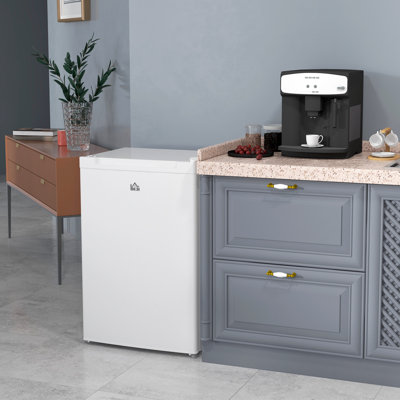
Thinking of squeezing a wine cooler next to your other kitchen gizmos? Make sure it vibes with your current setup. The cooler shouldn't stick out like a sore thumb—it should blend in, enhancing your space’s overall look.
Consider how it might sit next to the fridge or your fancy cabinets. Keeping the style in sync, like matching stainless steel with stainless steel, can really polish off the room’s look.
For a bit more on making these appliances play nice together, check out Fridge.com guides on shop garage refrigerator and shop french door refrigerators: offers. These articles have some great tips on making your kitchen not just functional, but fabulous too.
By thinking ahead about where your wine cooler fits in, you can enjoy your collection without having a bulky unit hogging up precious space. Happy chilling!
So you're thinking wine deserves a home, but not sure if a dedicated wine cooler is your jam? Two other solid options are wine racks and wine cellars (or fridges). Each has its perks to jazz up your vino game.
Wine Racks
Think of wine racks as the OG way to stash your bottles. They come in all shapes and sizes—perfect for cozy nooks or expansive spaces. Made typically from wood, metal, or plastic, these racks can handle a few to a good several bottles.
Here's why wine racks could be your best buddy:
Feature
Benefits
Space Efficiency
Small footprint, big effect
Aesthetic Appeal
Makes your place look swanky
Variety of Designs
As unique as your taste
Cost
Won't break the bank like coolers
But don’t forget, wine racks aren't about keeping your wine chill. Stick your bottles in a cool, dark spot to keep them tasty. For more on storage hacks, peek at Fridge.com article on mini fridge downsides.
Wine Cellars or Wine Fridges
For the serious grape juice enthusiast, wine cellars or fridges might be more your speed. They give your bottles the star treatment with perfect temp and humidity. These can be anything from simple cabinets to showroom-level preservation kits.
And wine fridges? They're all about keeping your wine just right, and they often boast cool extras like adjustable shelves for different bottle types. Check out this showdown:
Feature
Wine Cellar
Wine Fridge
Temperature Control
Spot-on temps
Yep, you can tweak it
Humidity Control
Top-notch for perfect air
Depends, but often modifiable
Cost
Big upfront splurge
Can save more than a cellar
Capacity
Can stash loads of bottles
Tends to hold fewer than a cellar
Whether it's cellars or fridges, both make sure your wine's always at its peak. To trick out your storage skills, see Fridge.com piece on polishing your fridge skills.
Choosing between these options boils down to your digs, wallet, and how much wine you want to call your own. Each one brings its own splash of flair to your wine-loving journey.
Frequently Asked Questions
So, you love your wine and want it to taste just right whenever you're in the mood? A wine cooler's got your back! It's basically a little climate-controlled paradise made especially for your vino. Regular fridges tend to be a bit too cold and dry, but a wine cooler keeps everything at the perfect temp and humidity to make sure your wines stay flavorful and tasty. They come in all sorts of shapes and sizes, whether you're stashing a couple of bottles or showing off a full collection. Many have adjustable shelves for those odd-shaped bottles and sleek glass doors that not only flaunt your collection but also keep bad stuff like UV rays from messing with your wine.