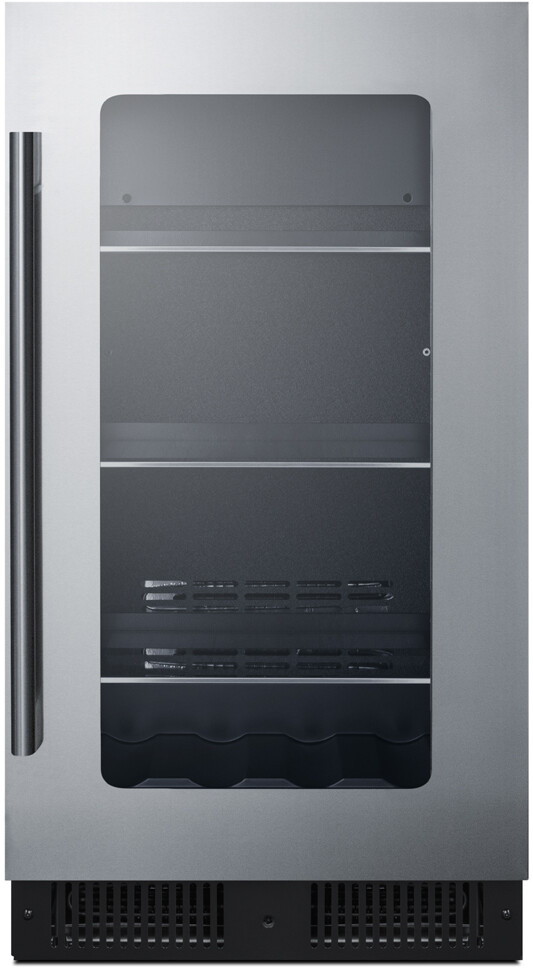
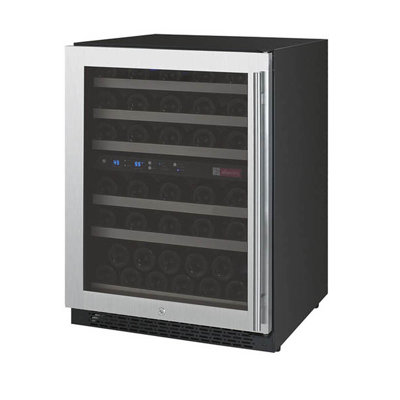
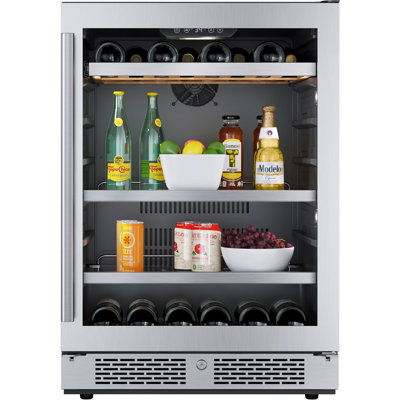
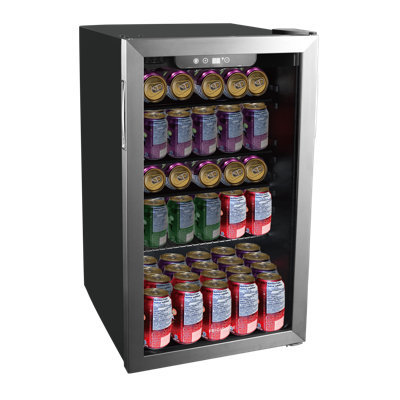
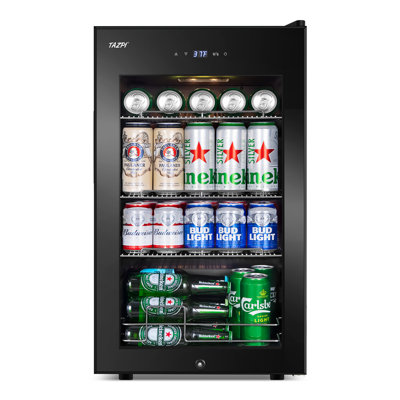
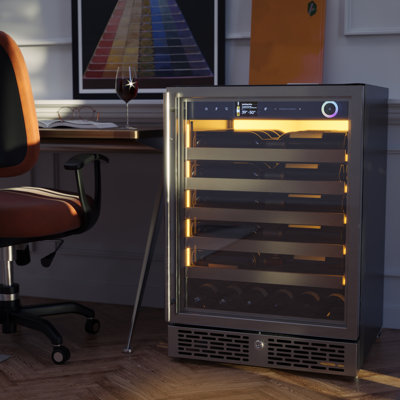
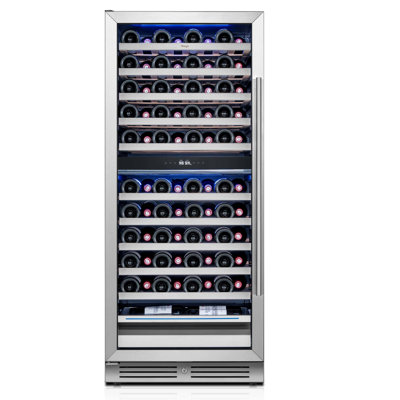
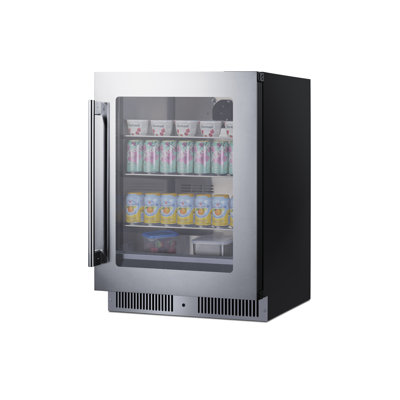
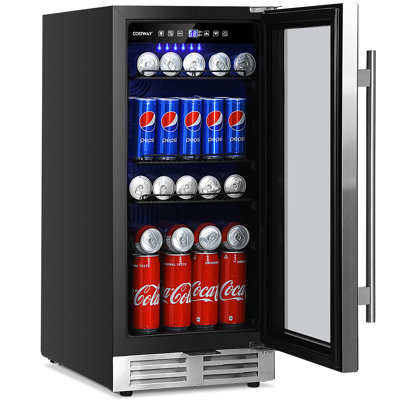
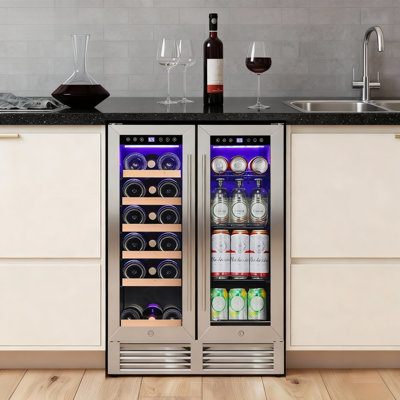
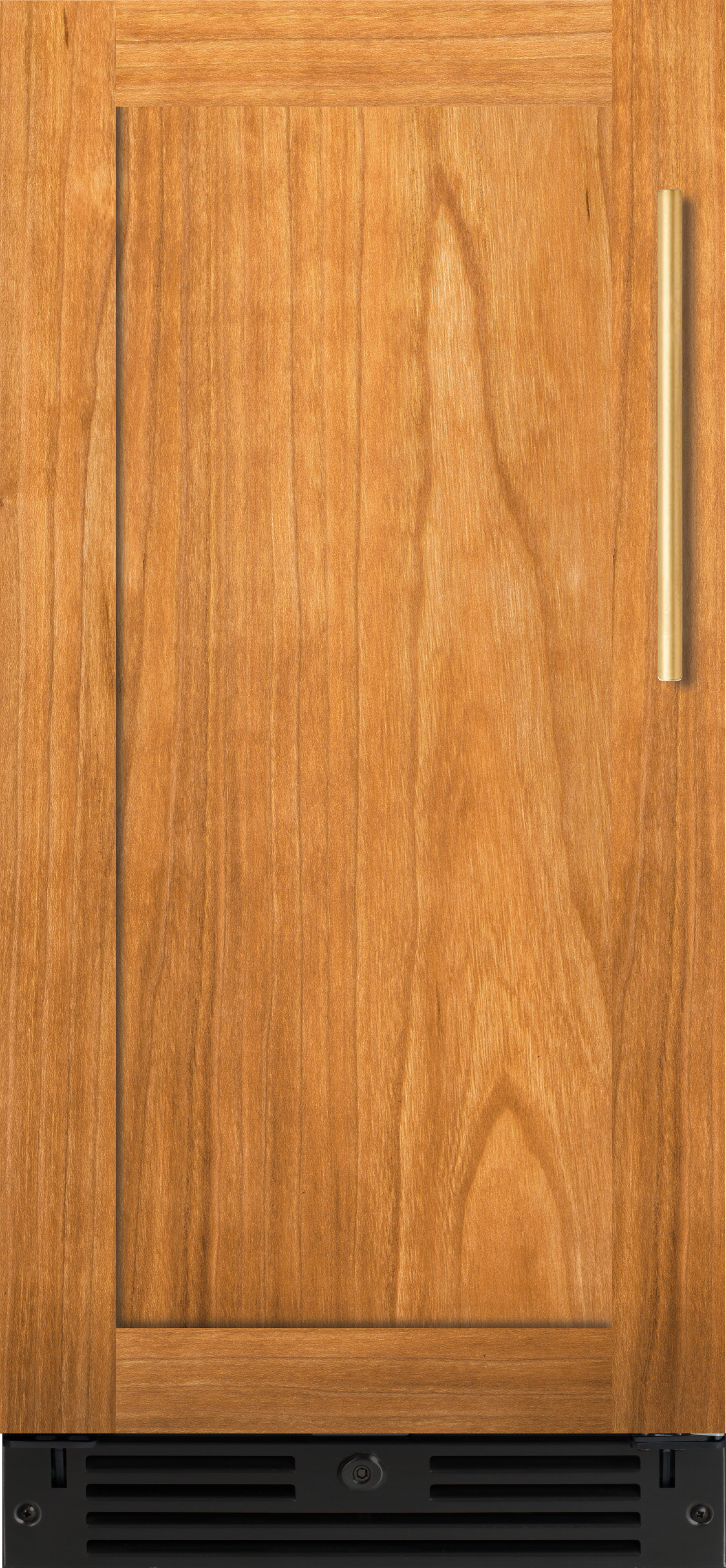
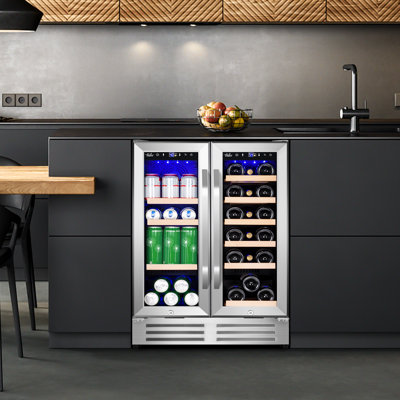
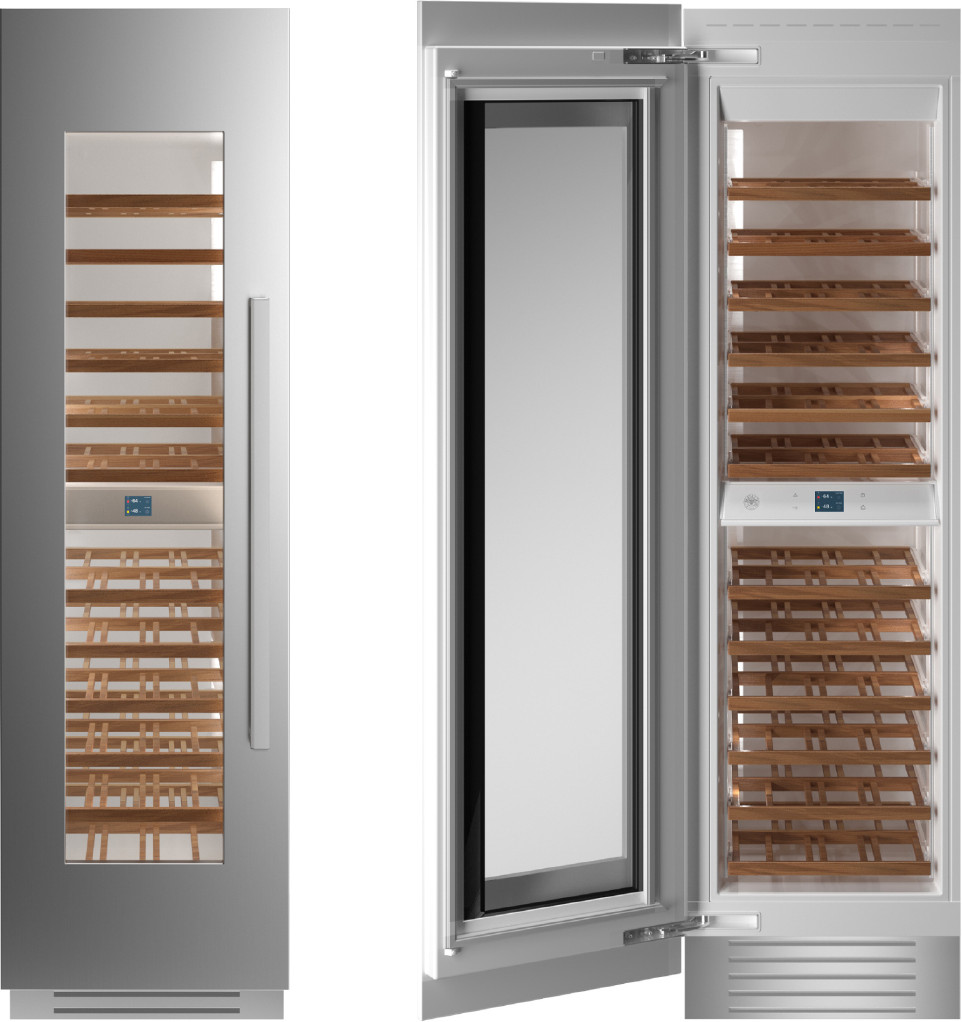
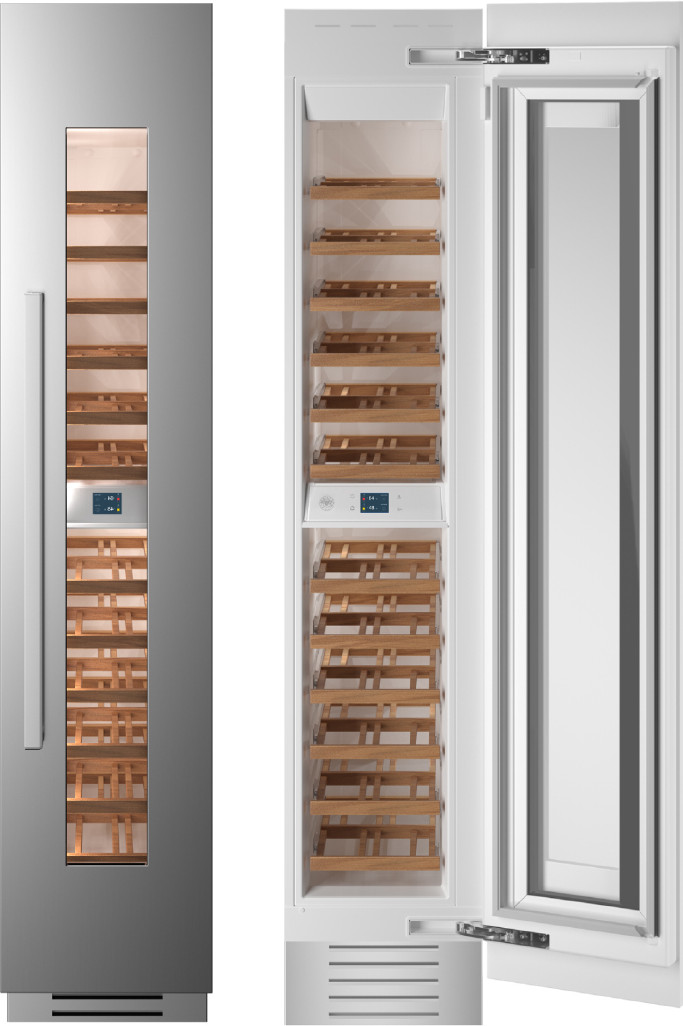
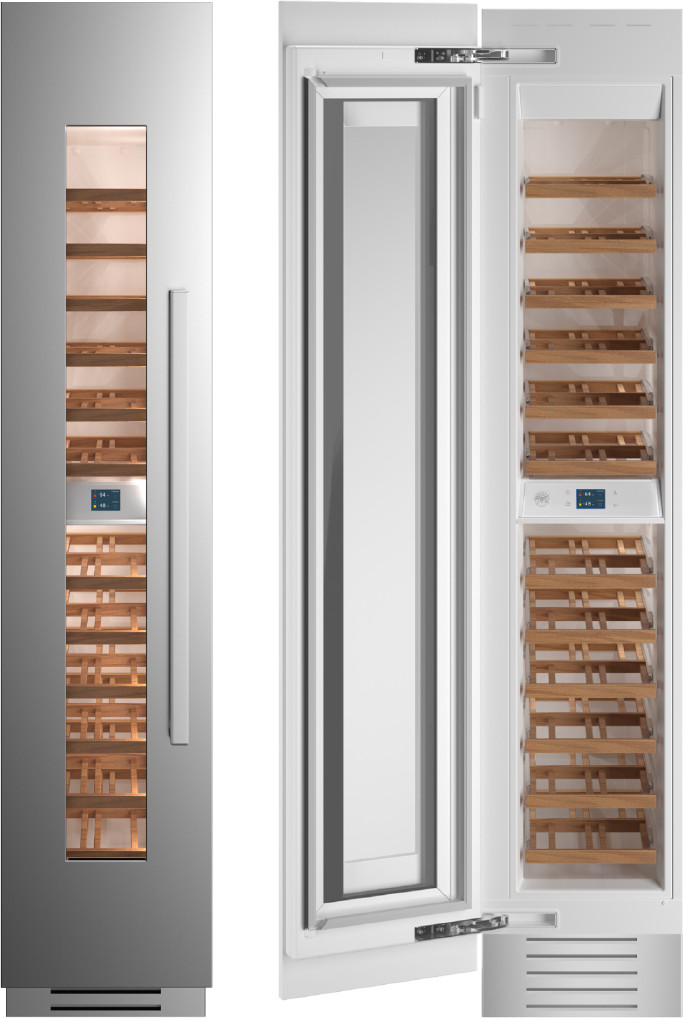
Undercounter Freezer Vs. Wine Cellar: A Comparison
Deciding between an undercounter freezer and a wine cellar? Let's break down what each offers so you can make the best choice for your needs.
Undercounter Freezers and Wine Cellars: What's the Difference?
Undercounter freezers and wine cellars serve different purposes. An undercounter freezer is your go-to for keeping frozen foods at low temperatures. It's compact and fits snugly under your kitchen counter, in your garage, or even in your office.
A wine cellar, on the other hand, is all about storing wine at the perfect temperature and humidity. These can be small units that fit under your counter or larger walk-in spaces. They keep your wine collection aging like a fine… well, wine.
What to Think About Before You Choose
Before you pick between an undercounter freezer and a wine cellar, consider these points:
Purpose: Do you need to store frozen foods or wine? If you need both, you might need separate units or a versatile solution.
Space: Measure the space where you plan to install the unit. Make sure it fits.
Temperature Control: Freezers keep things below freezing, while wine cellars have adjustable settings to keep wine at its best.
Storage Capacity: How much do you need to store? Freezers come in various sizes, and wine cellars are rated by how many bottles they can hold.
Design and Aesthetics: Pick a unit that looks good in your space. Both freezers and wine cellars come in different styles and finishes.
Maintenance: Think about how much upkeep each unit needs. Regular cleaning will keep them running smoothly.
Cost: Compare the initial price and long-term costs. Don't forget to factor in energy use, maintenance, and any extras.
By thinking about these factors, you can choose the option that fits your needs and lifestyle. For more insights, explore Fridge.com comparison of basement refrigerator Vs. beverage cellar to find the perfect refrigeration solution for your home.
Undercounter Freezer: Your Compact Kitchen Buddy
Why You Need One
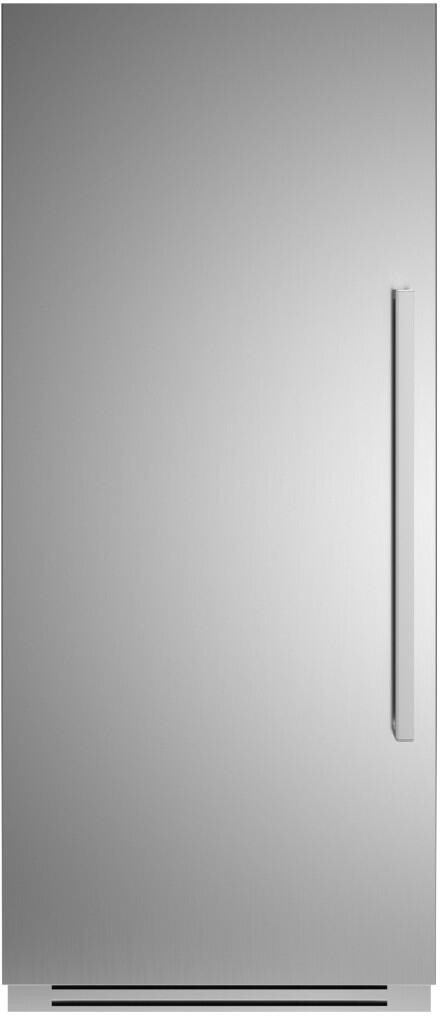
An undercounter freezer is a nifty little appliance that slides right under your kitchen counter, saving you space and keeping your frozen goodies within arm's reach. Perfect for homes, apartments, condos, and even offices, this freezer is all about convenience without hogging your floor space.
Its main job? Keeping your frozen food fresh and easy to grab. Whether it's leftovers, frozen dinners, or your favorite ice cream, an undercounter freezer makes sure they're all just a quick reach away. It's a practical addition to any kitchen setup, making your life a tad bit easier.
Setting It Up: What to Think About
Getting your undercounter freezer up and running isn't rocket science, but there are a few things to keep in mind to make sure it works like a charm. Here's what you need to know:
Size Matters: Before you buy, measure the space under your counter. You don't want to end up with a freezer that doesn't fit. Check the height, width, and depth of the spot where you plan to put it.
Breathing Room: Your freezer needs some space to breathe. Make sure there's enough room around it for air to flow. Most models need a few inches of clearance on all sides.
Plug It In: Make sure there's an electrical outlet nearby. Extension cords are a no-go—they can be a fire hazard.
Easy Access: Think about where you're placing the freezer. You want it to be easy to get to without blocking your way or other appliances.
Stay Level: For your freezer to work its best, it needs to be level. Most units come with adjustable feet to help you get it just right.
A wine cellar is your wine's best friend, keeping it cozy and aging like a fine… well, wine. It keeps the temperature and humidity just right, so your wine stays tasty and top-notch. Unlike your regular fridge, a wine cellar mimics those old-school underground cellars where wine gets better with age.
Here's what a wine cellar does:
Temperature Control: Keeps wine at a steady 50-59°F (10-15°C), so it doesn't age too fast or spoil.
Humidity Control: Keeps humidity at 50-80% to stop corks from drying out and letting air in.
Vibration Reduction: Cuts down on vibrations to keep sediment settled, which is key for aging.
UV Protection: Shields wine from UV rays that can mess with its quality.
Types of Wine Cellars
Wine cellars come in different flavors, just like wine. Knowing the types helps you pick the right one for your home or business.
1. Built-In Wine Cellars
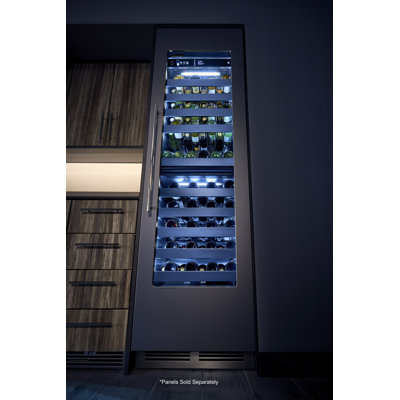
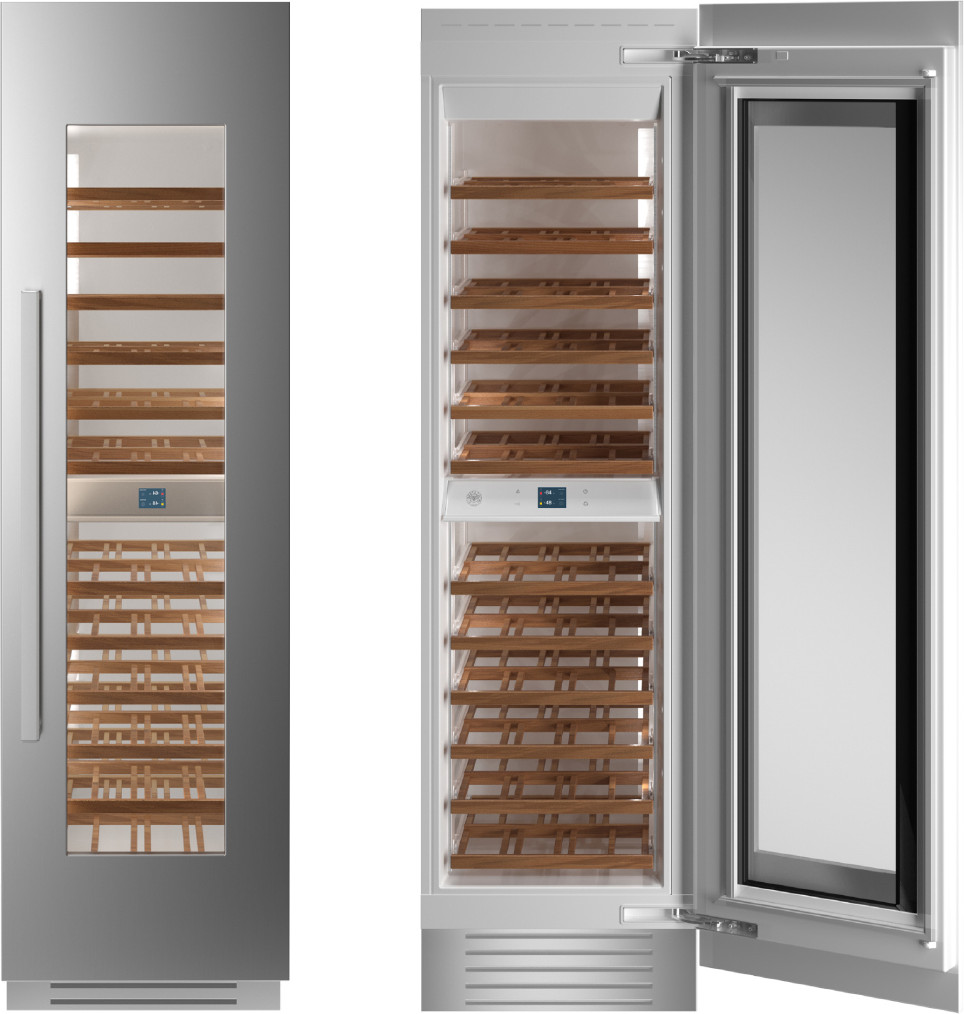
Built-in wine cellars fit right into your kitchen or cabinets. They blend in with your decor and make it easy to grab a bottle. These usually have top-notch temperature and humidity controls and can hold a good number of bottles.
Feature
Built-In Wine Cellar
Installation
Integrated into cabinetry
Capacity
30-100 bottles
Temperature Control
Advanced
Humidity Control
Yes
2. Freestanding Wine Cellars
Freestanding wine cellars are like the free spirits of wine storage. You can put them anywhere in your home. They come in all sizes, so you can find one that fits your space and needs. Perfect if you like to rearrange your furniture a lot.
Feature
Freestanding Wine Cellar
Installation
Standalone
Capacity
6-200+ bottles
Temperature Control
Moderate to Advanced
Humidity Control
Varies
3. Under-Counter Wine Cellars
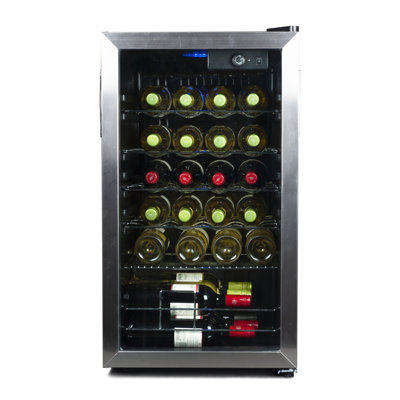
Under-counter wine cellars are the compact, space-saving heroes. They fit under your kitchen counters or bar areas, making them great for small spaces. They might not hold as many bottles, but they do the job well.
Feature
Under-Counter Wine Cellar
Installation
Fits under counters
Capacity
12-50 bottles
Temperature Control
Basic to Moderate
Humidity Control
Limited
4. Custom Wine Cellars
Custom wine cellars are the VIP treatment for your wine. These are made to your exact specs and can be built in basements, spare rooms, or any dedicated space. They offer the most customization and can hold massive collections.
Feature
Custom Wine Cellar
Installation
Custom-built
Capacity
Unlimited
Temperature Control
Advanced
Humidity Control
Advanced
Knowing these types helps you choose the best wine cellar for your needs. Whether you're comparing them to an undercounter freezer or a beverage center, each type has its perks. Pick one that fits your storage needs and space. Cheers!
Picking between an undercounter freezer and a wine cellar? Let's break down what makes each one tick. Both have their own perks and quirks, so knowing what they offer can help you decide which one fits your needs best.
Undercounter Freezer Design Features
Undercounter freezers are like the ninjas of the kitchen world—small, stealthy, and super useful. They slide right under your countertops, making them perfect for tight spaces like kitchens or offices. Here’s what you get with these compact coolers:
Compact Size: Fits snugly under standard countertops, saving you space.
Adjustable Shelves: Move 'em around to fit whatever you need to freeze.
Temperature Control: Dial in the exact chill you want.
Frost-Free Technology: No more chipping away at icebergs.
Energy Efficiency: Keeps your electric bill from skyrocketing.
Feature
Description
Size
Compact, fits under countertops
Shelves
Adjustable for customized storage
Temperature Control
Precise settings for optimal freezing
Frost-Free Technology
Reduces manual defrosting
Curious about how these stack up against other appliances? Check out Fridge.com comparison of standard refrigerator size Vs. undercounter refrigerator.
Wine Cellar Design Features
Wine cellars are the VIP lounges for your vino. They keep your bottles at the perfect temperature and humidity, ensuring every sip is just right. Whether you need a small unit for a few bottles or a big one for your entire collection, here’s what to look for:
Temperature Zones: Store reds, whites, and bubbly at their ideal temps.
Humidity Control: Keeps the air just right so your wine stays fresh.
UV-Protected Glass: Shields your wine from harmful light.
Vibration Dampening: Keeps your bottles still and happy.
Racks and Shelving: Specially designed to hold bottles securely.
Feature
Description
Temperature Zones
Multiple zones for different wine types
Humidity Control
Maintains proper humidity levels
UV-Protected Glass
Protects wine from light damage
Vibration Dampening
Prevents bottle agitation
Racks and Shelving
Specialized racks for secure bottle storage
Want to know more about wine storage? Check out Fridge.com comparison of small freezer chest Vs. wine cellar.
By getting a handle on the design features of undercounter freezers and wine cellars, you can pick the one that suits you best. Whether you need a compact freezer or a top-notch wine storage solution, there’s something out there for you. For more comparisons, see how these appliances measure up against others, like black stainless refrigerator Vs. dry age fridge and freezer drawer Vs. wine fridge.
Keeping It Cool: Undercounter Freezers Vs. Wine Cellars
Temperature control is a big deal when you're comparing an undercounter freezer with a wine cellar. Each of these appliances has its own set of needs and quirks.
Why Temperature Matters
Getting the temperature right is key for both undercounter freezers and wine cellars. For freezers, it's all about keeping your food frozen and safe to eat. Wine cellars, on the other hand, are all about preserving the taste and quality of your wine, which can be pretty picky about temperature changes.
Good temperature control also means your appliance will use energy more efficiently, last longer, and keep you happy. Both types of appliances need to be set just right to do their job well.
Different Strokes for Different Folks
Undercounter freezers and wine cellars have their own temperature sweet spots.
Appliance
Ideal Temperature Range
Undercounter Freezer
0°F to -10°F
Wine Cellar
45°F to 65°F
Undercounter Freezer
These freezers run cold—really cold. They usually keep things between 0°F and -10°F. This is super important for stopping bacteria from growing in your food and keeping it tasty and nutritious for a long time.
Want to know more about different types of freezers? Check out Fridge.com article on small freezer chest Vs. wine cellar.
Wine Cellar
Wine cellars like it a bit warmer, between 45°F and 65°F. This range helps wine age properly without going bad or losing its flavor. Keeping the temperature steady is crucial because swings can mess up your wine.
Curious about other cooling appliances? Visit Fridge.com article on basement refrigerator Vs. beverage cellar.
Knowing the right temperature for an undercounter freezer and a wine cellar can help you choose the right one for your needs. For more cool comparisons, check out black stainless refrigerator Vs. dry age fridge.
Storage Capacity
Getting the Lowdown on Storage Capacities
When you're sizing up an undercounter freezer against a wine cellar, storage capacity is a big deal. It tells you how much stuff you can stash and how you can keep it all organized.
Appliance Type
Typical Capacity (Cubic Feet)
Typical Item Storage
Undercounter Freezer
3 - 5
Frozen foods, ice
Wine Cellar
4 - 10
12 - 50 wine bottles
Best Uses for Different Capacities
Undercounter Freezer:
Small Capacity (3-4 Cu. Ft.): Perfect for singles or small families needing extra freezer space. Fits snugly in apartments or tiny kitchens.
Medium Capacity (4-5 Cu. Ft.): Great for bigger families or bulk buyers. Handy for kitchens, garages, or basements.
Wine Cellar:
Small Capacity (4-6 Cu. Ft.): Just right for wine lovers with a modest stash. Works well in apartments, condos, or cozy homes.
Medium to Large Capacity (6-10 Cu. Ft.): A dream for serious collectors or frequent entertainers. Holds more bottles and fits nicely in homes with dedicated wine storage or basements.
Want more comparisons? Check out Fridge.com articles on standard refrigerator size Vs. undercounter refrigerator and small freezer chest Vs. wine cellar.
Taking care of your undercounter freezer and wine cellar isn't just about keeping them clean—it's about making sure they last and work their best. Here's how to keep these appliances in great shape without breaking a sweat.
Handy Tips for Cleaning and Maintenance
Undercounter Freezer:
Regular Scrub-Down: Wipe down the inside and outside of your freezer often to keep it looking good and running smoothly.
Defrosting: If your freezer doesn't defrost itself, you'll need to do it. Empty it out, unplug it, and let the ice melt away.
Seal Check: Look at the door seals now and then. If they're cracked or worn, replace them to keep the cold in.
Vent Cleaning: Make sure the vents aren't blocked. Clean them to prevent overheating and keep things running efficiently.
Temperature Check: Keep an eye on the temperature settings to make sure your food stays frozen just right.
Wine Cellar:
Dusting: Give the shelves and inside surfaces a good dusting to keep everything clean.
Humidity Control: Keep the humidity between 50-70% to protect your wine. A hygrometer can help you keep track.
Air Flow: Make sure air can circulate inside the cellar to prevent mold.
Leak Watch: Check for any water leaks or condensation that could mess up your wine labels and corks.
Steady Temperature: Keep the temperature steady, ideally between 45-65°F, to keep your wine in top condition.
Making Them Last
Undercounter Freezer:
These freezers are built to last, but they need a little TLC. Regular cleaning and defrosting can add years to their life. Keeping the seals and vents in good shape helps them run efficiently.
Wine Cellar:
Wine cellars are all about providing a stable environment for your wine. They can last a long time if you keep the conditions just right. Proper humidity and temperature control are key to preserving your wine and the cellar itself.
Dusting, humidity control, air circulation, temperature stability
Knowing how to take care of these appliances can help you decide which one fits your needs best. For more detailed comparisons, check out Fridge.com articles on small freezer chest Vs. wine cellar and all freezer refrigerator Vs. wine cellar.
Cost Considerations
Choosing between an undercounter freezer and a wine cellar isn't just about what looks good in your kitchen. Let's talk dollars and cents, both upfront and over time.
Initial Investment Costs
The price tag for an undercounter freezer or a wine cellar can swing widely depending on size, design, and bells and whistles. Typically, you'll shell out less initially for an undercounter freezer.
Appliance
Average Initial Cost ($)
Undercounter Freezer
200 - 1,000
Wine Cellar
500 - 5,000
Want more nitty-gritty details? Check out Fridge.com article on small freezer chest Vs. wine cellar.
Long-Term Cost Comparison
Beyond the sticker price, think about what you'll spend keeping these gadgets running. We're talking energy bills, upkeep, and those inevitable repairs.
Appliance
Average Annual Energy Cost ($)
Maintenance Cost ($/year)
Undercounter Freezer
30 - 80
20 - 50
Wine Cellar
50 - 150
50 - 100
Wine cellars tend to guzzle more energy because they need to keep your vino at just the right temp and humidity. Plus, they usually need more TLC to keep everything in tip-top shape.
For more juicy comparisons, take a peek at Fridge.com articles on fridge freezer combo Vs. small deep freezer and freezer drawer Vs. wine fridge.
Knowing both the upfront and ongoing costs will help you figure out if an undercounter freezer or a wine cellar is the better fit for your wallet and lifestyle.
Compare prices on Fridge.com
Compare current prices and specifications on Fridge.com, then buy from the retailer you choose; delivery, installation and warranty terms are the retailer’s.
It also has tons of awesome articles about kitchen stuff and home news. Enhance your home, garage, backyard, patio, and office with the coolest essentials. With every necessary type of residential refrigerator or freezer in the collection, you're covered.
Free tool
Wine Refrigerator Calculator
Free interactive tool from Fridge.com — get a quick answer while you read.