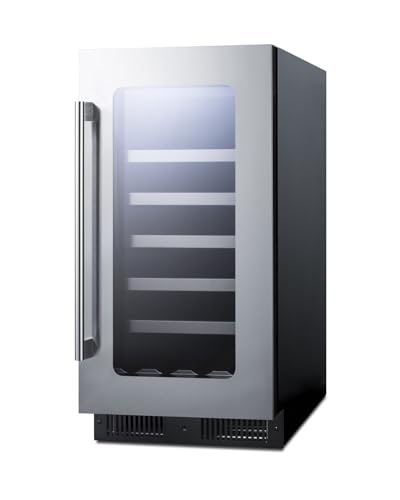
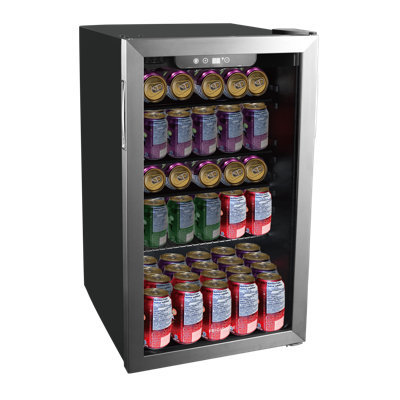
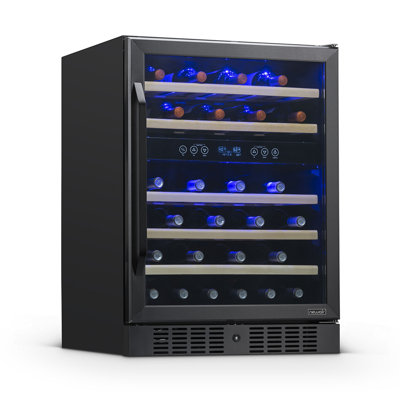
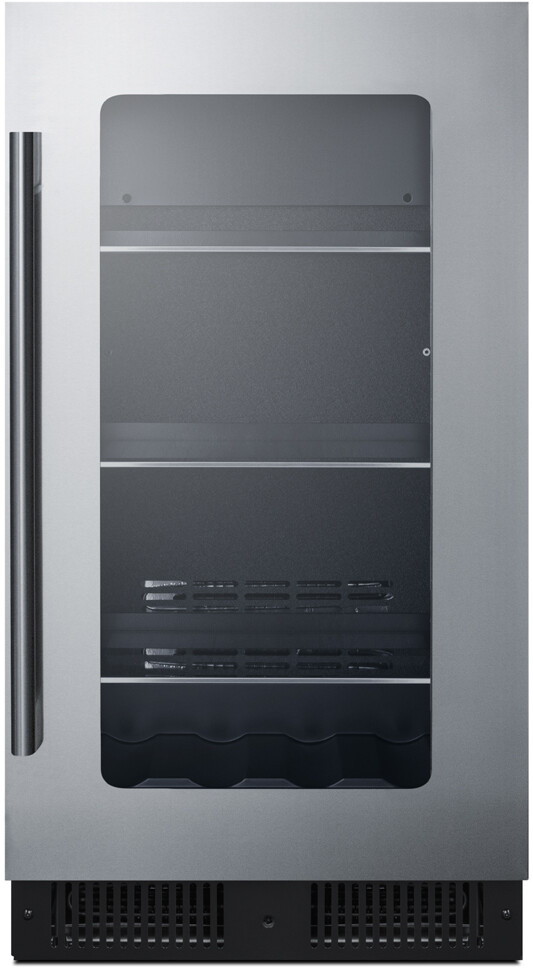
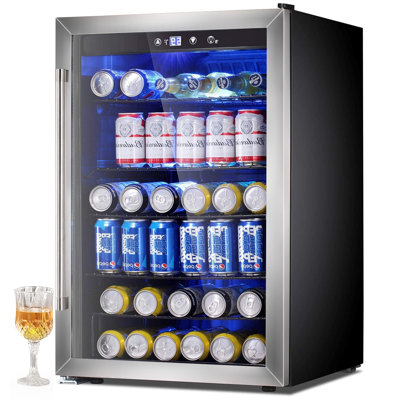
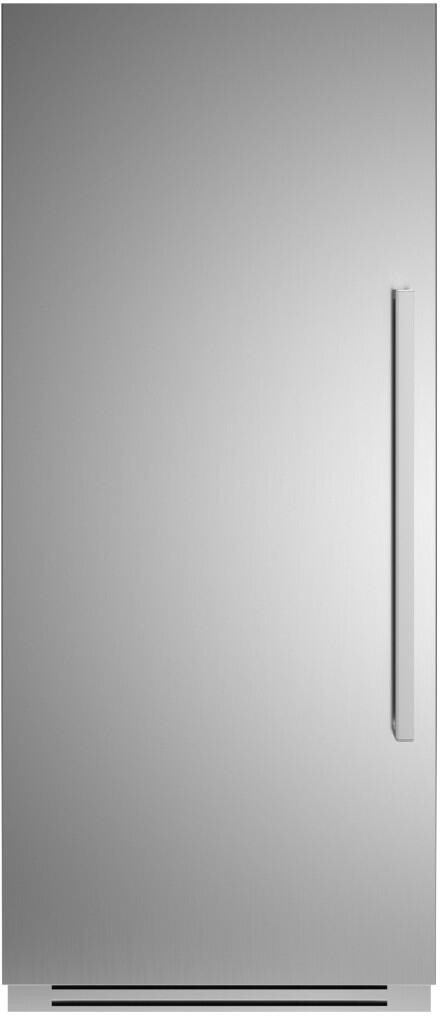
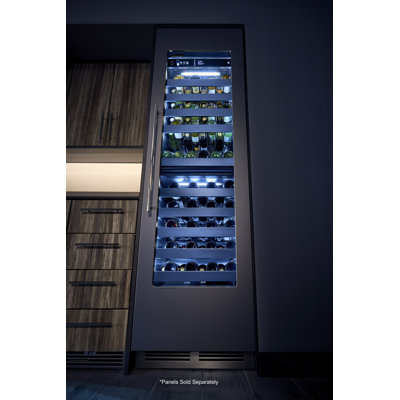
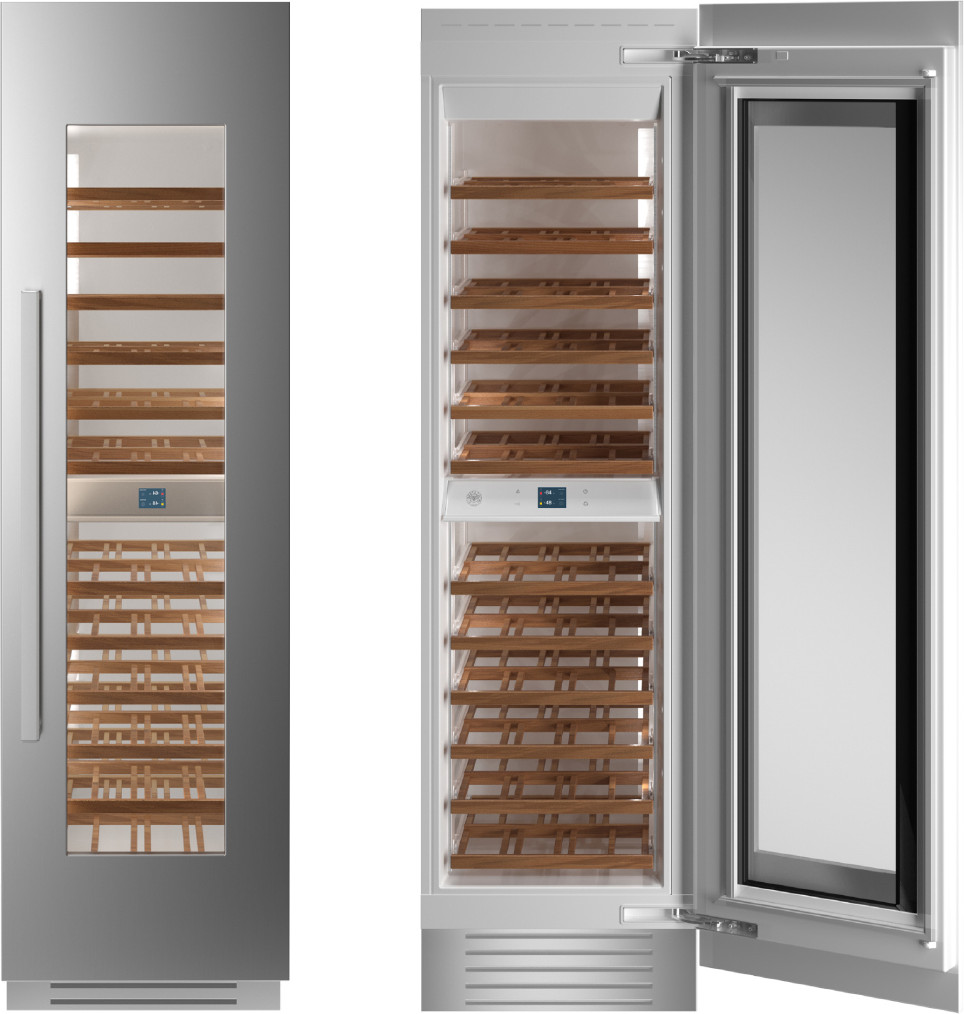
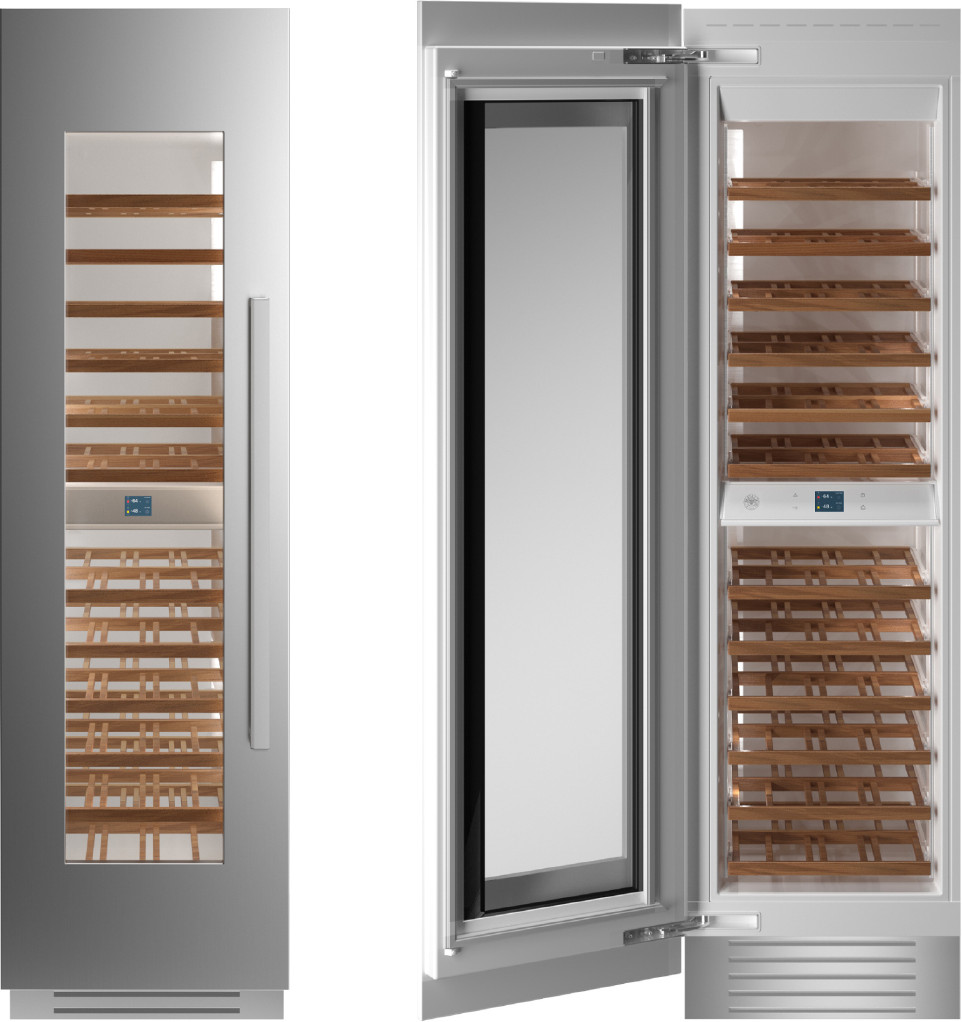
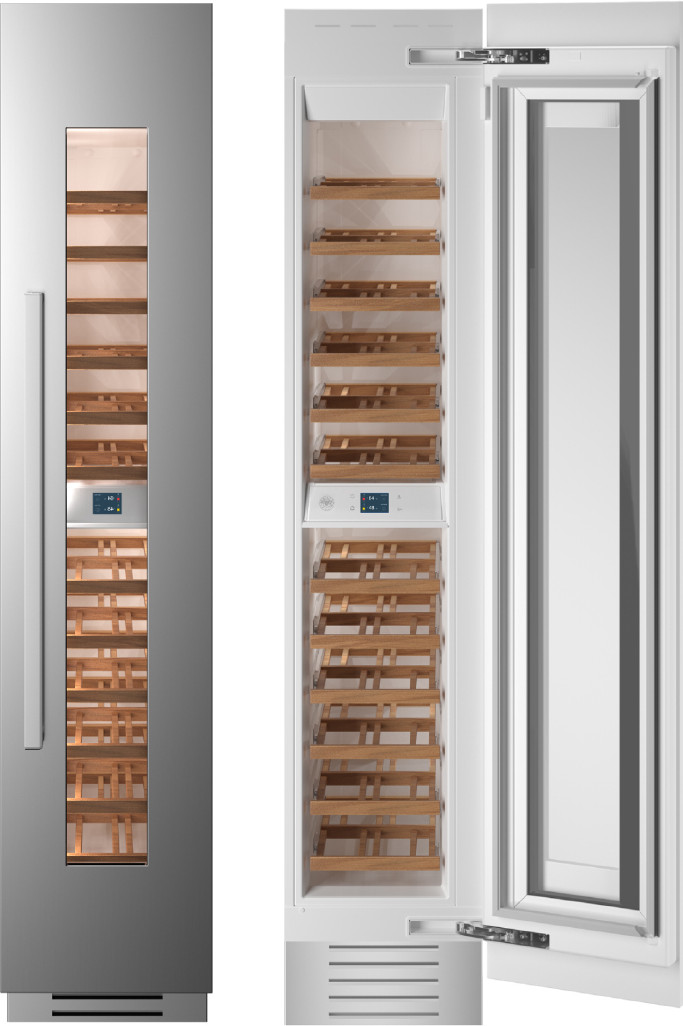
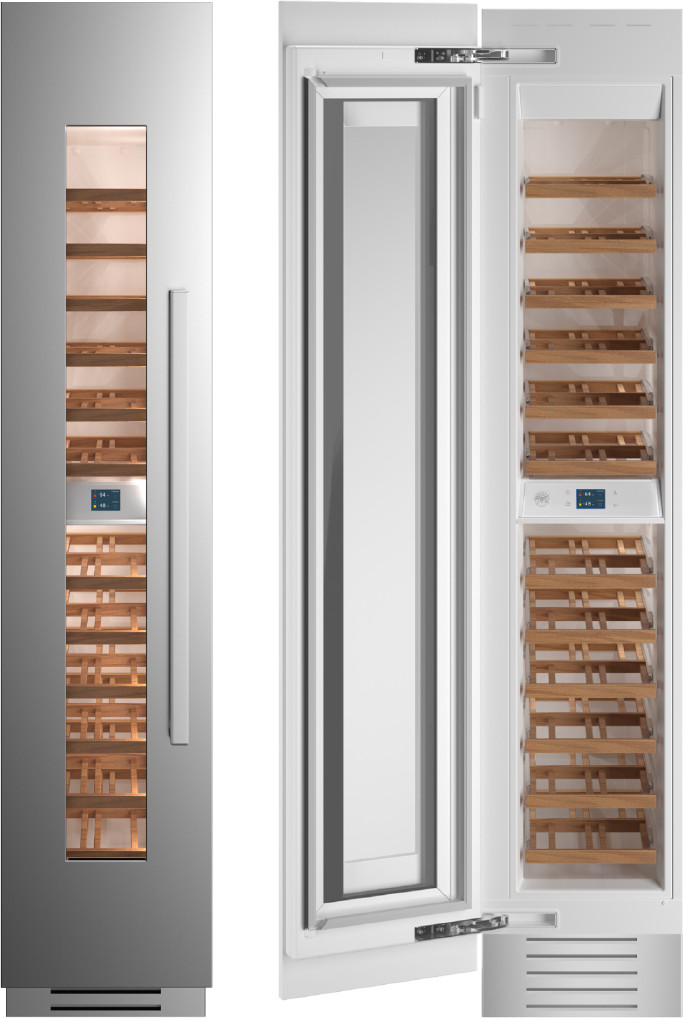
Choosing between an all-freezer refrigerator and a wine cellar boils down to what you need and what you love. Both have their perks, but they cater to different lifestyles and storage needs.
Cooling Options: What's the Deal?
All Freezer Refrigerator
This bad boy is your go-to for keeping a variety of foods frozen solid. It's perfect for those who love to stock up on bulk groceries, prep meals ahead of time, or stash away seasonal goodies. Think of it as your frozen food fortress.
Wine Cellar
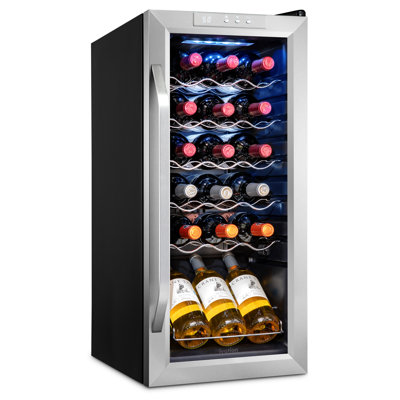
Now, if you're a wine lover, a wine cellar is your best friend. It’s all about creating the perfect environment for your wine collection, keeping the temperature and humidity just right. Whether you're a casual sipper or a serious collector, a wine cellar ensures your bottles age gracefully.
What to Think About Before You Decide
Here’s a quick rundown to help you figure out which one suits you better:
Factor
All Freezer Refrigerator
Wine Cellar
Main Use
Storing all kinds of frozen foods
Storing and aging wine
Temperature Range
Usually -10°F to 0°F
Usually 45°F to 65°F
Humidity Control
Not a thing
Super important for wine
Storage Space
Big space for lots of stuff
Shelves made for wine bottles
Upkeep
Needs defrosting and cleaning
Needs cleaning, humidity, and temp checks
Main Use: Are you more about frozen pizzas and ice cream, or do you dream of a perfectly aged Merlot?
Temperature Range: Freezers keep things icy, while wine cellars keep things cool but not too cold.
Humidity Control: Wine cellars win here, keeping the air just right for your wine. Freezers don’t bother with this.
Storage Space: Freezers are versatile and can hold a lot of different items. Wine cellars are all about those bottles.
Energy Use: Both can vary, so check the energy ratings to see which one fits your budget.
Upkeep: Freezers need defrosting and a good clean now and then. Wine cellars need you to keep an eye on the humidity and temperature, plus a bit of cleaning.
Thinking about getting an all freezer refrigerator? Let's break down what you need to know, from features to pros and cons, and when it makes sense to have one.
Features and Functionality
An all freezer refrigerator is all about giving you more space to freeze your food. Unlike the usual fridge-freezer combo, this one’s dedicated to keeping things icy. Here’s what you get:
Temperature Control: Set it just right to keep your food perfectly frozen.
Storage Capacity: More room than your average freezer, perfect for stocking up.
Shelving and Drawers: Adjustable shelves and drawers to keep everything organized.
Frost-Free Operation: No more chipping away at ice buildup.
Energy Efficiency: Modern models are designed to save on electricity.
Pros and Cons of an All Freezer Refrigerator
These freezers come with their own set of perks and a few downsides.
Pros:
Big Storage: Great for storing lots of frozen goodies.
Organized: Adjustable shelves and drawers make it easy to find what you need.
By understanding the features, benefits, and best uses of an all freezer refrigerator, you can make a smart choice that fits your needs. Whether you’ve got a big family, love to entertain, or need to preserve food, an all freezer refrigerator can be a game-changer for your kitchen.
Wine Cellar
Features and Functionality
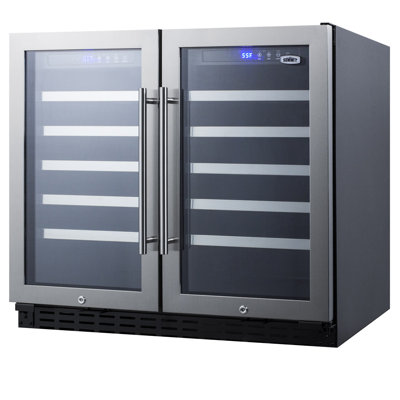
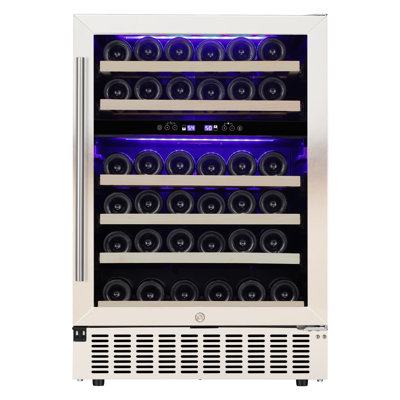
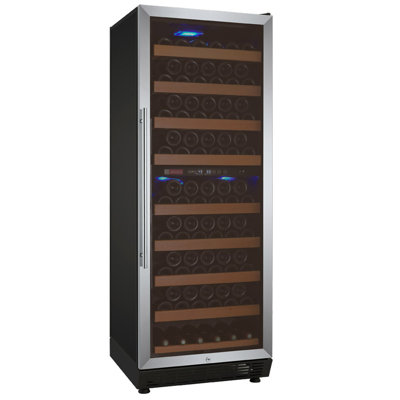
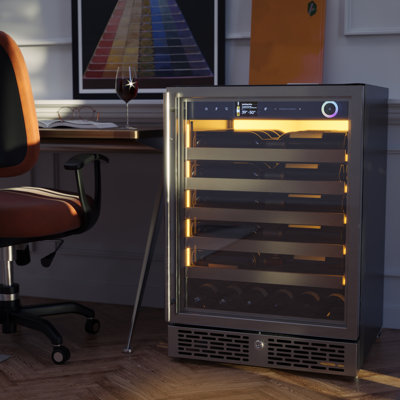
A wine cellar is your wine's best friend, keeping it cozy and happy. These units keep the temperature and humidity just right, so your wine stays tasty and fresh. They often come with shelves you can move around to fit different bottle sizes, and many have special glass doors that block out harmful light.
Feature
Description
Temperature Control
Keeps things steady between 45°F and 65°F.
Humidity Control
Keeps humidity around 50-70% to stop corks from drying out.
UV Protection
Special glass doors to keep light from messing with your wine.
Adjustable Shelves
Moveable shelves to fit all kinds of bottles.
Pros and Cons of a Wine Cellar
Before you jump in, let's weigh the good and the not-so-good.
Pros:
Perfect Storage Conditions: Keeps your wine at the right temperature and humidity.
Light Protection: Shields your wine from harmful light.
Flexible Storage: Shelves can be adjusted for different bottle sizes.
Looks Great: Adds a touch of class to your home.
Cons:
Pricey: Usually costs more than a regular fridge.
Needs Space: Takes up more room.
Single Purpose: Only good for storing wine, not other foods or drinks.
Ideal Scenarios for a Wine Cellar
A wine cellar is a great investment in certain situations. Think about getting one if:
Wine Lovers: If you love wine or collect it, a wine cellar is perfect for keeping your collection in top shape.
Party Hosts: If you often have friends over, a wine cellar ensures you always have wine at the perfect temperature.
Long-term Storage: If you plan to keep wine for a long time, a wine cellar keeps it tasting great.
Home Decor: If you want to add a fancy touch to your home, a wine cellar can be a stylish addition.
For more comparisons on different refrigeration options, check out Fridge.com articles on small freezer chest Vs. wine cellar and undercounter freezer Vs. wine cellar.
Picking between an all-freezer fridge and a wine cellar? It's all about what you need to stash and how you like to keep things organized.
Storage Capacity Showdown
An all-freezer fridge is your go-to for a mix of frozen goodies, while a wine cellar is the VIP lounge for your wine bottles, keeping them in tip-top shape.
Feature
All-Freezer Fridge
Wine Cellar
Main Use
Frozen foods
Wine bottles
Typical Capacity (Cubic Feet)
10 - 20
4 - 12
Adjustable Shelves
Yes
Limited
Bottle Capacity
Varies
50 - 200 bottles
The all-freezer fridge gives you loads of space for all kinds of frozen treats. On the flip side, a wine cellar is all about those wine bottles, making sure they’re snug and safe.
Keeping Things Tidy and Easy to Reach
How you organize and access your stuff can make a big difference. Each type of cooler has its own perks for keeping things neat and within reach.
All-Freezer Fridge:
Adjustable Shelves: Move them around to fit whatever you need to freeze.
Drawers and Baskets: Perfect for smaller items, so nothing gets lost.
Door Storage: Handy for the stuff you grab most often.
Wine Cellar:
Bottle Racks: Keeps your wine bottles from rolling around or breaking.
Temperature Zones: Some have different zones for different wines, so each type stays at its best.
Sliding Shelves: Makes it easy to get to your bottles without shaking them up.
When it comes to keeping your food or wine in tip-top shape, temperature control is the name of the game. Whether you're stashing away frozen pizzas or aging a fine Merlot, the right appliance makes all the difference.
Freezer Temps: Arctic Chill
Freezers are like the Arctic of your kitchen. They keep things super cold, usually around 0°F (-18°C). This icy environment is perfect for making sure your ice cream stays solid and your veggies don't turn into mush.
Appliance
Temperature Range
All Freezer Refrigerator
0°F (-18°C)
Modern freezers often come with handy thermostats and temperature controls, so you don't have to worry about freezer burn ruining your leftovers. If you're curious about how different freezers stack up, check out Fridge.com article on small freezer chest Vs. wine cellar.
Wine Storage: A Toasty Affair
Wine, on the other hand, is a bit more high-maintenance. It likes to be kept at a cozy 45°F to 65°F (7°C to 18°C). Red wines prefer the warmer end of the spectrum, while white wines like it a bit cooler.
Wine Type
Temperature Range
Red Wine
55°F - 65°F (13°C - 18°C)
White Wine
45°F - 55°F (7°C - 13°C)
Keeping wine at the right temperature ensures it ages gracefully and tastes just right. Wine cellars often come with fancy temperature controls to keep things just so. For more on wine storage, take a peek at Fridge.com article on freestanding wine cooler Vs. single door refrigerator.
Making the Right Choice
So, what's it gonna be? A freezer for your frozen goodies or a wine cellar for your prized bottles? Knowing the temperature needs of each can help you make the best choice. Whether you need the frosty chill of a freezer or the gentle warmth of a wine cellar, keeping things at the right temp is key.
Figuring out how much energy your cooling appliances use is key to making a smart choice. Let's break down the energy use of all-freezer refrigerators and wine cellars.
Energy Use of All-Freezer Refrigerators
All-freezer refrigerators are built to keep your food frozen solid. How much juice they use depends on things like size, insulation, and how often you open the door. Bigger models with fancy features tend to gulp more power.
Appliance Type
Average Energy Use (kWh/year)
Small All-Freezer Refrigerator
300 - 400
Medium All-Freezer Refrigerator
400 - 500
Large All-Freezer Refrigerator
500 - 600
These freezers often use more energy because they have to stay super cold all the time. Want to know more about different fridge types? Check out Fridge.com article on 4 door refrigerator Vs. side by side refrigerator.
Energy Use of Wine Cellars
Wine cellars are made to keep your wine at the perfect temperature, usually between 45°F and 65°F. They generally sip less energy compared to all-freezer refrigerators since they don't need to be as cold.
Appliance Type
Average Energy Use (kWh/year)
Small Wine Cellar
100 - 150
Medium Wine Cellar
150 - 200
Large Wine Cellar
200 - 300
The efficiency of wine cellars can also hinge on things like insulation, door seals, and how cold you set them. Curious about how wine cellars stack up against other fridges? Check out Fridge.com article on undercounter freezer Vs. wine cellar.
Knowing how much energy all-freezer refrigerators and wine cellars use helps you pick the right one for your needs. For more comparisons between different cooling appliances, explore Fridge.com article on freestanding beverage center Vs. garage refrigerator.
Taking care of your cooling appliances is key to keeping them running smoothly for years. Whether you've got a freezer-only fridge or a wine cellar, knowing how to clean and maintain them can make a big difference.
Tips for Cleaning and Maintenance
Freezer-Only Refrigerator:
Defrost Often: If you have a manual defrost model, make sure to defrost it regularly to avoid ice buildup that can mess with efficiency.
Clean Those Coils: Dust and grime love to gather on condenser coils, which can make your fridge work harder. Give them a good clean every six months.
Wipe Down Inside: Use a mild detergent and water to clean the interior. This helps keep mold and bacteria at bay.
Check Door Seals: Make sure the door seals are tight. This keeps the cold in and saves energy.
Wine Cellar:
Dust and Vacuum: Regularly dust and vacuum the inside to keep it clean and ensure proper temperature and humidity control.
Control Humidity: Keep humidity levels between 50-70% to prevent corks from drying out or mold from forming.
Replace Filters: If your wine cellar has an air filter, change it as recommended by the manufacturer to keep the air fresh.
Look for Leaks: Check for any leaks or condensation. These can be signs of cooling system problems.
How Long Will They Last?
Freezer-Only Refrigerator:
Aspect
Lifespan
Durability
Average Lifespan
10-20 years
High
Common Issues
Ice buildup, motor wear
Needs regular maintenance
Repair Costs
Moderate
Parts and services are usually easy to find
Wine Cellar:
Aspect
Lifespan
Durability
Average Lifespan
10-15 years
Medium to High
Common Issues
Humidity control, temperature swings
Needs precise maintenance
Repair Costs
Moderate to High
May need specialized repairs
Taking good care of your freezer-only fridge or wine cellar can help them last longer and work better. For more tips on different types of cooling appliances and how to care for them, check out Fridge.com articles on black stainless refrigerator Vs. dry age fridge and basement refrigerator Vs. beverage cellar.
Compare prices on Fridge.com
Compare current prices and specifications on Fridge.com, then buy from the retailer you choose; delivery, installation and warranty terms are the retailer’s.
It also has tons of awesome articles about kitchen stuff and home news. Enhance your home, garage, backyard, patio, and office with the coolest essentials. With every necessary type of residential refrigerator or freezer in the collection, you're covered.
Frequently Asked Questions
Freezer-Only Refrigerator:. Aspect.
Lifespan.
Durability.
.
Average Lifespan.
10-20 years.
High.
.
Common Issues.
Ice buildup, motor wear.
Needs regular maintenance.
.
Repair Costs.
Moderate.
Parts and services are usually easy to find.
. Wine Cellar:. Aspect.
Lifespan.
Durability.
.
Average Lifespan.
10-15 years.
Medium to High.
.
Common Issues.
Humidity control, temperature swings.
Needs precise maintenance.
.
Repair Costs.
Moderate to High.
May need specialized repairs.
. Taking good care of your freezer-only fridge or wine cellar can help them last longer and work better. For more tips on different types of cooling appliances and how to care for them, check out Fridge.com articles on black stainless refrigerator Vs. dry age fridge and basement refrigerator Vs. beverage cellar.