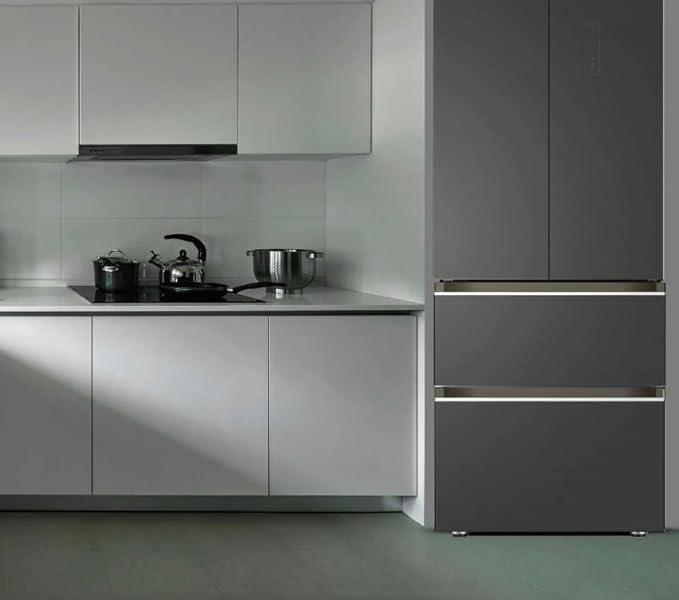
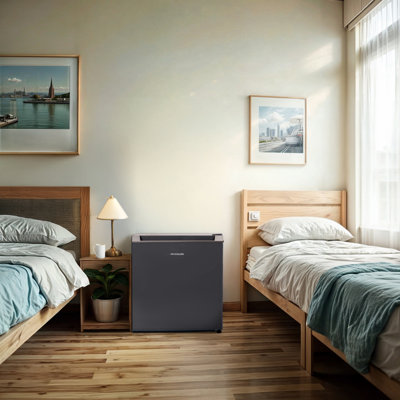
So, you're stuck between a beverage cellar and a countertop fridge? Let's break it down so you can figure out which one fits your lifestyle better. Both have their perks, but they serve different purposes.
Feature
Beverage Cellar
Countertop Fridge
Main Use
Storing and cooling drinks
General food and drink storage
Temperature Range
Adjustable for different drinks
Standard fridge temps
Placement
Built-in or freestanding
Sits on a countertop
Capacity
Bigger, holds more bottles
Smaller, compact design
Beverage Cellar: The Drink Enthusiast's Dream
A beverage cellar is like a VIP lounge for your drinks. Whether it's wine, beer, or soda, this appliance keeps everything at the perfect temp. Got a party coming up? Your guests will love the variety of perfectly chilled drinks. Plus, you can adjust the temperature for different types of beverages. It's a must-have for anyone who loves to entertain or just enjoys a well-stocked drink selection.
Countertop Fridge: The Space Saver
On the flip side, a countertop fridge is the jack-of-all-trades. It's small, versatile, and fits just about anywhere—think apartments, offices, or dorm rooms. Need a place to stash your lunch, snacks, and a couple of drinks? This little guy has you covered. It's easy to move around and can sit on any sturdy surface, making it super convenient.
Making the Choice
So, which one should you pick? If you love hosting and want a dedicated spot for your drinks, go for the beverage cellar. But if you're tight on space and need something more versatile, the countertop fridge is your best bet.
Choosing the right fridge can make your life a whole lot easier. Whether you're a drink connoisseur or just need a compact fridge for everyday use, there's an option out there for you.
Beverage Cellar Overview
Purpose and Functionality
A beverage cellar is your go-to spot for keeping drinks just right. Think of it as a cozy home for your wine, soda, and beer, where they can chill out at the perfect temperature and humidity. Unlike your everyday fridge, a beverage cellar is all about creating the best environment to keep your drinks tasting their best.
These cellars usually come with adjustable temperature settings, so you can tweak things to suit whatever you're storing. This is a big win for wine lovers who need to keep their bottles at just the right temp. Plus, they come with shelves and racks that make it easy to organize and grab your drinks.
Ideal Placement in Your Home
Where you put your beverage cellar can make a big difference. Here are some spots to consider:
Kitchen: Keeping your beverage cellar in the kitchen means you can grab a drink while cooking or hanging out with guests. You can even build it into your cabinets for a sleek look.
Dining Room: If you love hosting dinner parties, having a beverage cellar in the dining room makes it easy for guests to help themselves to a perfectly chilled drink.
Basement: Got a big collection? The basement is a great spot. It's naturally cooler, which helps keep the temperature steady.
Home Bar: If you’ve got a home bar, a beverage cellar is a stylish and handy addition. It keeps your drinks ready for mixing cocktails or serving friends.
Living Room: Like to relax with a drink while watching TV or reading? A beverage cellar in the living room means you don't have to get up to enjoy your favorite beverage.
To help you decide, here's a quick look at the benefits of each location:
Location
Benefits
Kitchen
Easy access while cooking
Dining Room
Convenient for entertaining
Basement
Stable temperature, ample space
Home Bar
Stylish and functional
Living Room
Convenient access during leisure time
Picking the right spot for your beverage cellar means you'll get the most out of it, making your drink experience even better. For more tips and comparisons, check out Fridge.com articles on basement refrigerator Vs. beverage cellar and 4 door refrigerator Vs. side by side refrigerator.
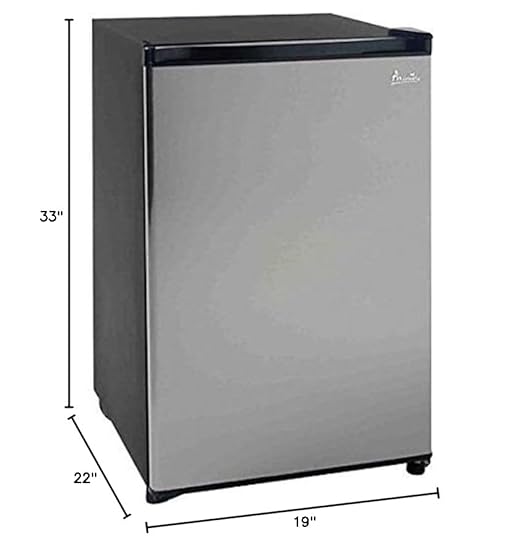
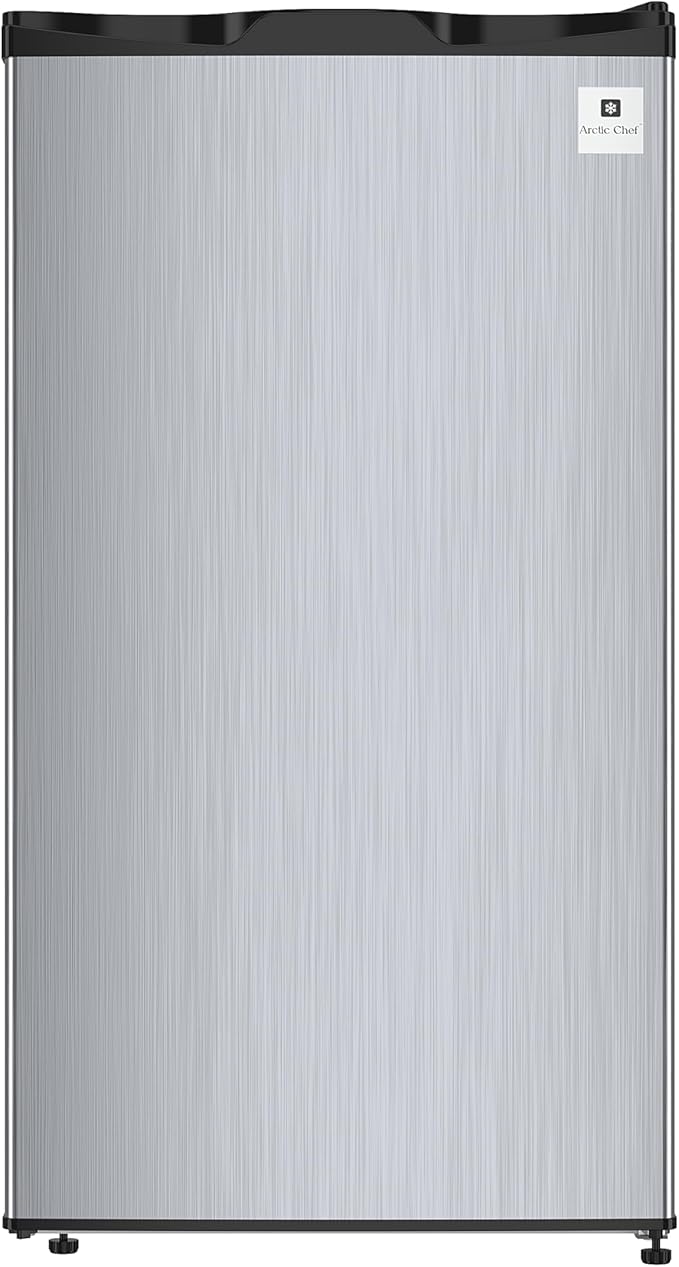
Countertop refrigerators are small but mighty appliances that give you extra fridge space right where you need it. Perfect for keeping your drinks cold and snacks fresh, these little wonders fit just about anywhere.
Why You Need One
If you’re short on space but big on needing cold drinks and fresh snacks, a countertop fridge is your new best friend. Whether you’re in a tiny apartment, a dorm room, or just want a handy fridge in your office, these compact units have got you covered.
Here’s what makes them awesome:
Compact Size: Fits easily on your counter or under a cabinet.
Portability: Light enough to move around without breaking a sweat.
Temperature Control: Adjustable settings to keep your stuff just right.
Energy Efficiency: Uses less power than a big fridge, saving you money.
Where to Put It
One of the coolest things about countertop fridges is you can put them almost anywhere. Here are some great spots:
Kitchen Counter: Keep your drinks and snacks within arm’s reach while you cook.
Home Office: Stay refreshed without leaving your desk.
Dorm Room: Perfect for students who need a small fridge for drinks and snacks.
Entertainment Area: Store drinks and appetizers for your guests.
Bedroom: Ideal for late-night snacks and cold water.
By knowing what a countertop fridge can do and where to put it, you can pick the perfect one for your needs. For more insights on different types of refrigeration units, visit Fridge.com articles on chest freezer Vs. countertop refrigerator and freestanding refrigerator Vs. ice cream freezer.
Picking between a beverage cellar and a countertop fridge? Let's break it down so you can make the best choice for your needs. Each has its own perks and quirks.
Beverage Cellar Features
A beverage cellar, or cooler, is your go-to for keeping drinks at just the right chill. They come in all shapes and sizes, fitting anywhere from your kitchen to your basement.
Design
Shelving: Adjustable shelves to fit bottles of all shapes and sizes.
Glass Door: Peek inside without opening the door.
Lighting: LED lights to show off your drink collection.
Locking Mechanism: Keep your stash safe with a lockable door.
Capacity
Beverage cellars are roomy, perfect for parties or just having a variety of drinks on hand.
Countertop fridges are the little guys that pack a punch. They're great for tight spaces like kitchen counters, office desks, or dorm rooms.
Design
Compact Size: Fits snugly on countertops or small tables.
Adjustable Shelves: Customize your storage space.
Solid or Glass Door: Choose based on your style.
Mini Freezer Compartment: Some models even have a tiny freezer.
Capacity
These fridges are smaller, making them perfect for personal use or small households.
Capacity
Description
Small
Holds up to 20 cans
Medium
Holds 20 - 40 cans
Large
Holds 40 - 60 cans
Want more info on compact fridges? Read Fridge.com article on chest freezer Vs. countertop refrigerator.
So, whether you need a big cooler for your next party or a small fridge for your desk, understanding the design and capacity of these appliances will help you make the right choice. Both have unique features to fit your lifestyle.
When it comes to keeping your drinks at the perfect temperature, choosing between a beverage cellar and a countertop fridge can make a big difference. Let's break it down so you can sip your favorite drink just the way you like it.
Beverage Cellar Settings
Beverage cellars, also known as wine coolers, are like the VIP lounges for your drinks. They’re designed to keep your beverages at their best. These units usually have a wide range of temperature settings, so you can set the perfect climate for whatever you're storing.
Most beverage cellars come with digital controls, making it super easy to dial in the exact temperature you want. Typically, these cellars can be set anywhere from 39°F (4°C) to 65°F (18°C). This range is perfect for a variety of drinks, from fine wines to craft beers and even sodas.
Drink
Best Temp (°F)
Best Temp (°C)
Red Wine
55 - 65
13 - 18
White Wine
45 - 55
7 - 13
Beer
45 - 55
7 - 13
Soda
39 - 45
4 - 7
Want to know more about how temperature affects your drinks? Check out Fridge.com article on basement refrigerator Vs. beverage cellar.
Countertop Refrigerator Settings
Countertop fridges, also known as mini-fridges, are the Swiss Army knives of the refrigeration world. They can store a bit of everything, from drinks to snacks. While they don't have as wide a temperature range as beverage cellars, they still do a great job of keeping your drinks cool.
These fridges usually have a manual dial or digital interface to control the temperature. They typically range from 32°F (0°C) to 50°F (10°C), which is great for keeping your drinks nice and cold.
Drink
Best Temp (°F)
Best Temp (°C)
Soft Drinks
32 - 40
0 - 4
Bottled Water
32 - 40
0 - 4
Juice
32 - 40
0 - 4
Snacks
32 - 40
0 - 4
Curious about how countertop fridges stack up against other types? Check out Fridge.com article on chest freezer Vs. countertop refrigerator.
Making the Right Choice
Knowing the temperature control options for beverage cellars and countertop fridges can help you pick the right one for your needs. Whether you're a wine lover or just want to keep your drinks chilled, understanding the ideal settings for each appliance is key. So, next time you grab a drink, you’ll know it’s at the perfect temperature. Cheers!
Pros and Cons
Why You Might Love a Beverage Cellar
If you're someone who loves collecting and serving drinks, a beverage cellar could be your new best friend. Here's why:
Keeps It Cool: Beverage cellars keep your drinks at a steady temperature, perfect for wines and other beverages that need consistent conditions.
No Dry Corks Here: Many of these cellars also control humidity, so your wine corks won't dry out and ruin your precious vino.
Room for More: They usually have more space than your average countertop fridge, so you can store a whole lot more bottles.
Looks Fancy: With glass doors and sleek designs, these cellars can add a touch of class to your home decor.
Why a Countertop Fridge Might Be Your Jam
Countertop fridges have their own set of perks, especially if you're tight on space or have different storage needs.
Small but Mighty: These fridges are compact and portable, perfect for small kitchens, offices, or dorm rooms.
Jack of All Trades: They can store more than just drinks—think snacks and small food items too.
Energy Savers: Smaller size means they usually use less energy, which is good for your wallet and the planet.
Easy Reach: Placed at countertop height, these fridges make it super easy to grab what you need without bending down.
The Not-So-Great Stuff
Of course, nothing's perfect. Here are some downsides to consider for both options:
Feature
Beverage Cellar
Countertop Fridge
Space Hog
Needs its own dedicated space, often bigger
Compact, fits right on your counter
One-Trick Pony
Mainly for drinks
Can store a mix of items
Temp Control
Sticks to beverage-friendly temps
More flexible but less precise
Power Hungry
Can use more energy due to size and features
Typically uses less energy
Knowing the good and the bad can help you pick the right option for your needs. Want to dig deeper? Check out Fridge.com articles on basement refrigerator Vs. beverage cellar and chest freezer Vs. countertop refrigerator.
Choosing between a beverage cellar and a countertop fridge? Let's break it down so you can make a smart choice that won't jack up your energy bill.
Beverage Cellar Efficiency
Beverage cellars are like the VIP lounge for your drinks. They’re built to keep your beverages at just the right temperature without guzzling too much power. Thanks to their top-notch insulation and cooling tech, they stay efficient.
Feature
Beverage Cellar
Average Power Usage
100-200 watts
Annual Energy Cost
$20-$40
Optimal Temperature
45°F-65°F
These cellars are champs at maintaining a steady temperature, which means the cooling system doesn’t have to work overtime. That’s why they’re easier on your wallet when it comes to energy costs. Want to see how they stack up against other coolers? Check out Fridge.com article on basement refrigerator Vs. beverage cellar.
Countertop Refrigerator Efficiency
Countertop fridges are handy and small, but they can be energy hogs. They’re built to store all sorts of stuff, which means they need to adjust temperatures more often, leading to higher energy use.
Feature
Countertop Refrigerator
Average Power Usage
200-400 watts
Annual Energy Cost
$40-$80
Optimal Temperature
32°F-40°F
These fridges have to keep a wider range of items cold, which makes them work harder and use more energy. Curious about how they compare to other compact coolers? Take a look at Fridge.com article on chest freezer Vs. countertop refrigerator.
By comparing these two, you’ll get a clear picture of which one is more energy-efficient. This info will help you pick the right appliance that fits your needs and keeps your energy bills in check.
Cost Considerations
Picking between a beverage cellar and a countertop fridge? Let's talk money. The upfront cost and what you'll spend over time can be pretty different depending on what you go for.
Upfront Cost
Beverage cellars usually cost more right off the bat. Why? They're built to keep your drinks at just the right temperature, which means fancier tech and better insulation. Countertop fridges, on the other hand, are smaller and simpler, so they’re cheaper to buy.
Appliance Type
Average Initial Cost (USD)
Beverage Cellar
$300 - $1,000
Countertop Refrigerator
$100 - $500
Running Costs
Now, let's talk about what you'll pay to keep these things running. This includes your electricity bill and any maintenance. Beverage cellars might use more power because of their specialized cooling systems. But hey, newer models of both are getting better at saving energy.
Appliance Type
Average Annual Energy Cost (USD)
Beverage Cellar
$50 - $100
Countertop Refrigerator
$20 - $60
When you're thinking about long-term costs, don't forget to check out the energy efficiency ratings and features of each appliance. Sometimes spending more upfront on an energy-efficient model can save you money in the long run. For more comparisons, check out Fridge.com articles on standard refrigerator size Vs. undercounter refrigerator and bar fridge Vs. drawer fridge freezer.
By looking at both the initial and ongoing costs, you can make a smarter choice that fits your budget and keeps your drinks just the way you like them.
Compare prices on Fridge.com
Compare current prices and specifications on Fridge.com, then buy from the retailer you choose; delivery, installation and warranty terms are the retailer’s.
It also has tons of awesome articles about kitchen stuff and home news. Enhance your home, garage, backyard, patio, and office with the coolest essentials. With every necessary type of residential refrigerator or freezer in the collection, you're covered.
Frequently Asked Questions
So, you're stuck between a beverage cellar and a countertop fridge? Let's break it down so you can figure out which one fits your lifestyle better. Both have their perks, but they serve different purposes. Feature.
Beverage Cellar.
Countertop Fridge.
.
Main Use.
Storing and cooling drinks.
General food and drink storage.
.
Temperature Range.
Adjustable for different drinks.
Standard fridge temps.
.
Placement.
Built-in or freestanding.
Sits on a countertop.
.
Capacity.
Bigger, holds more bottles.
Smaller, compact design.
.
Energy Use.
Usually higher, bigger size.
Lower, smaller size.
.