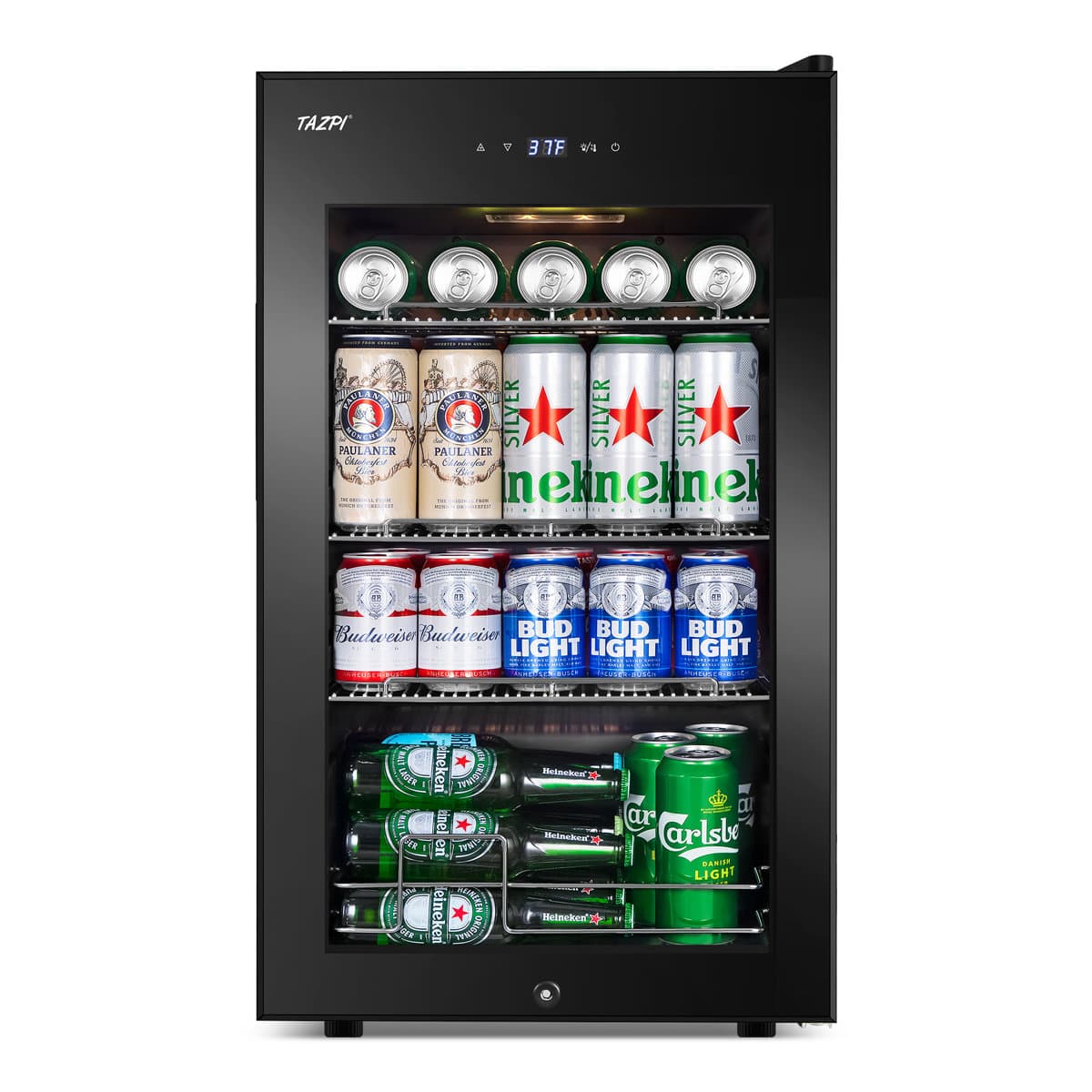
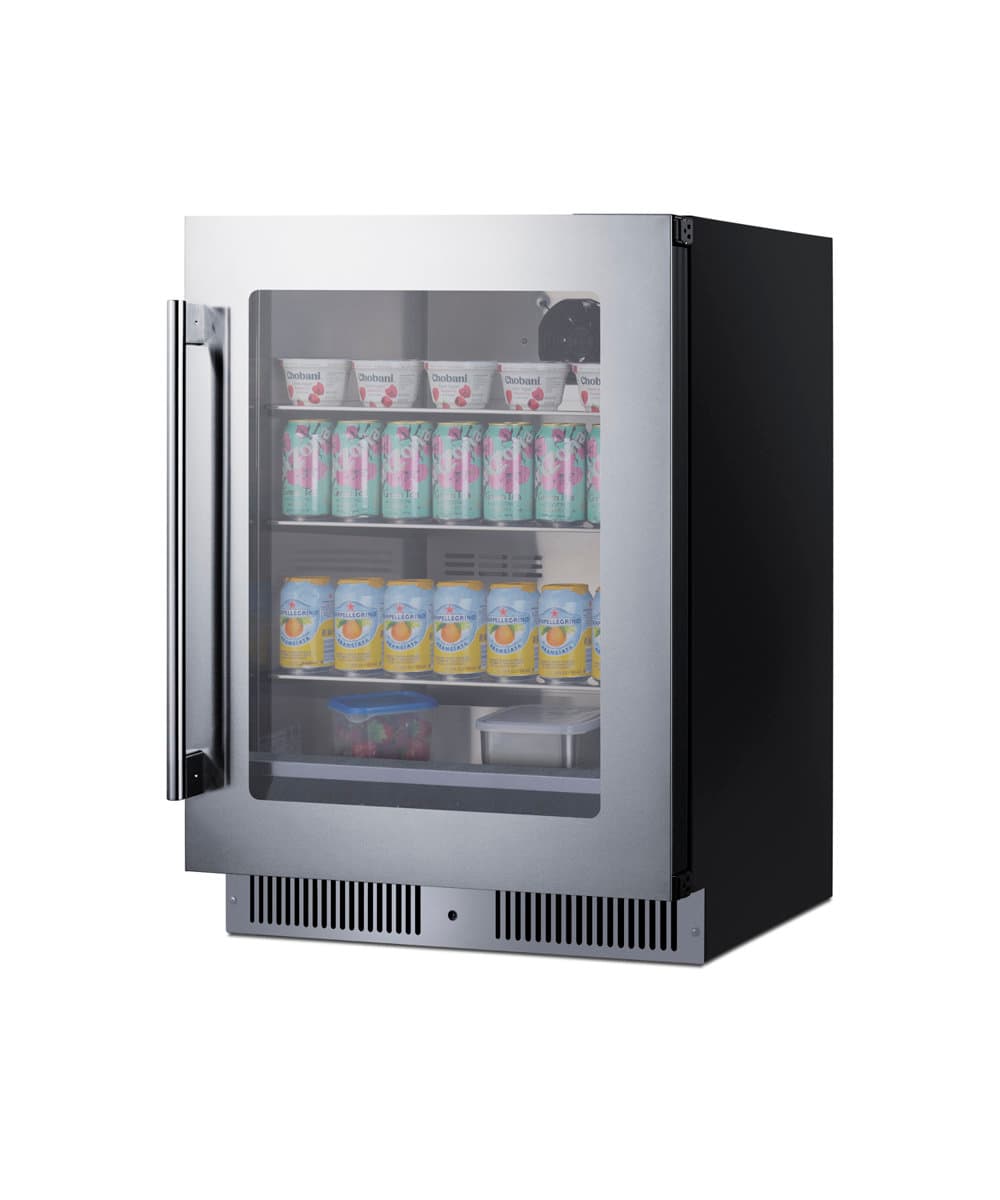
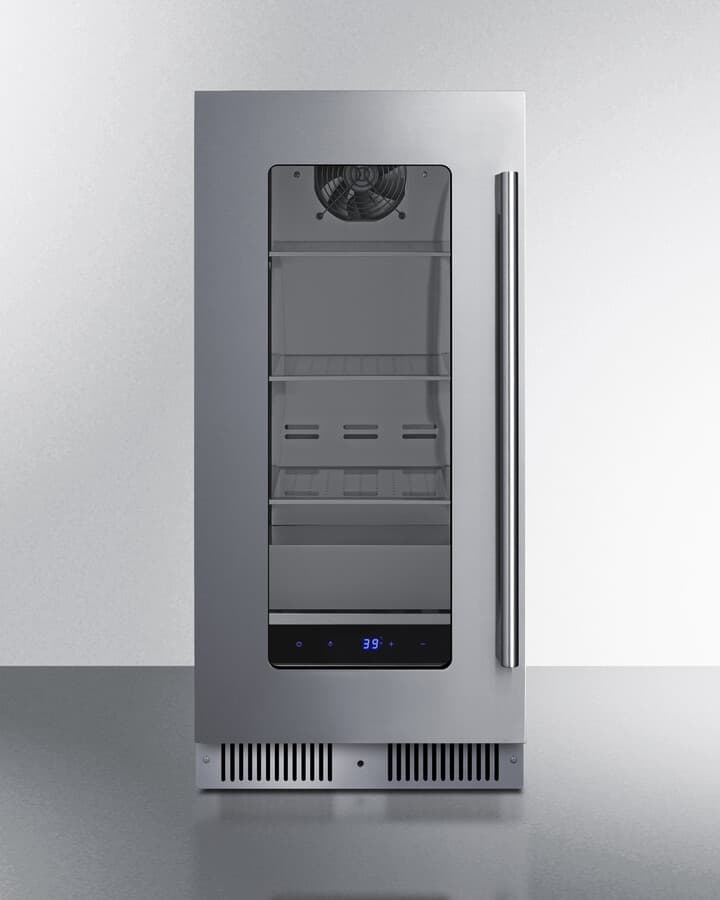
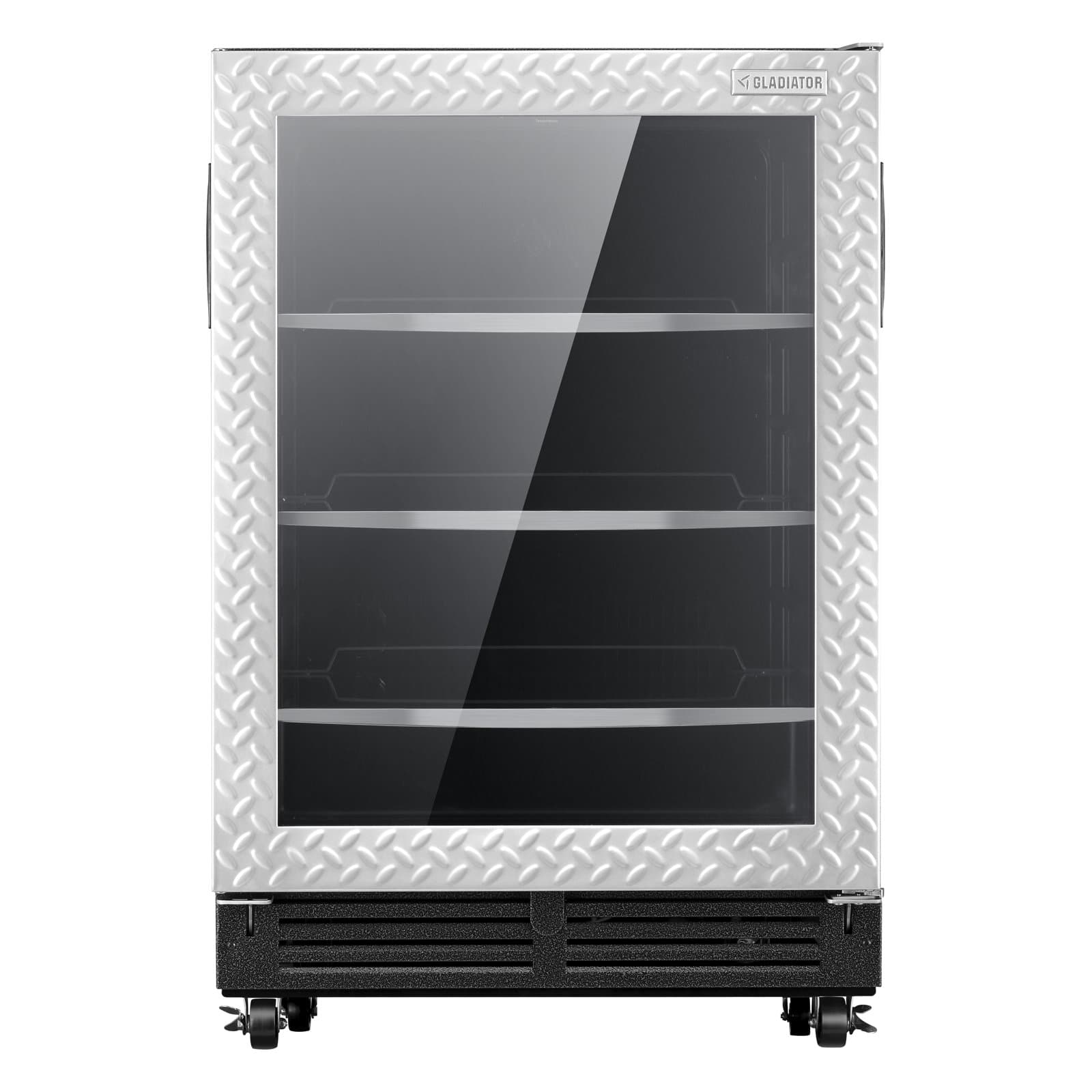
Understanding Undercounter Freezers and Wine Fridges
When comparing an undercounter freezer Vs. wine fridge, it’s essential to understand the unique features and benefits each appliance offers. These two types of refrigeration units serve different purposes and are designed with specific functionalities in mind.
Introduction to Undercounter Freezers
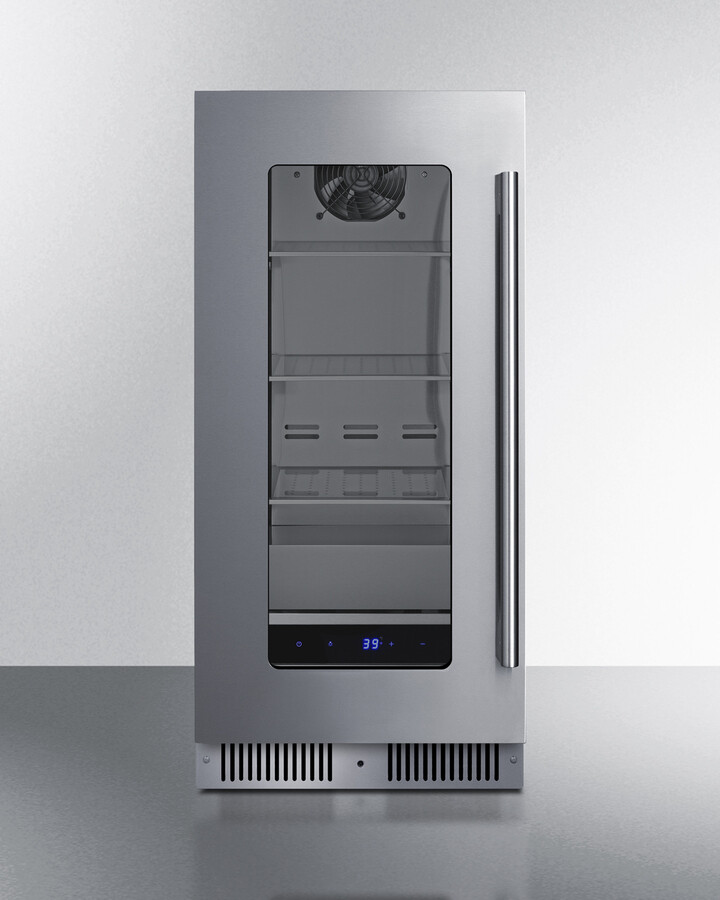
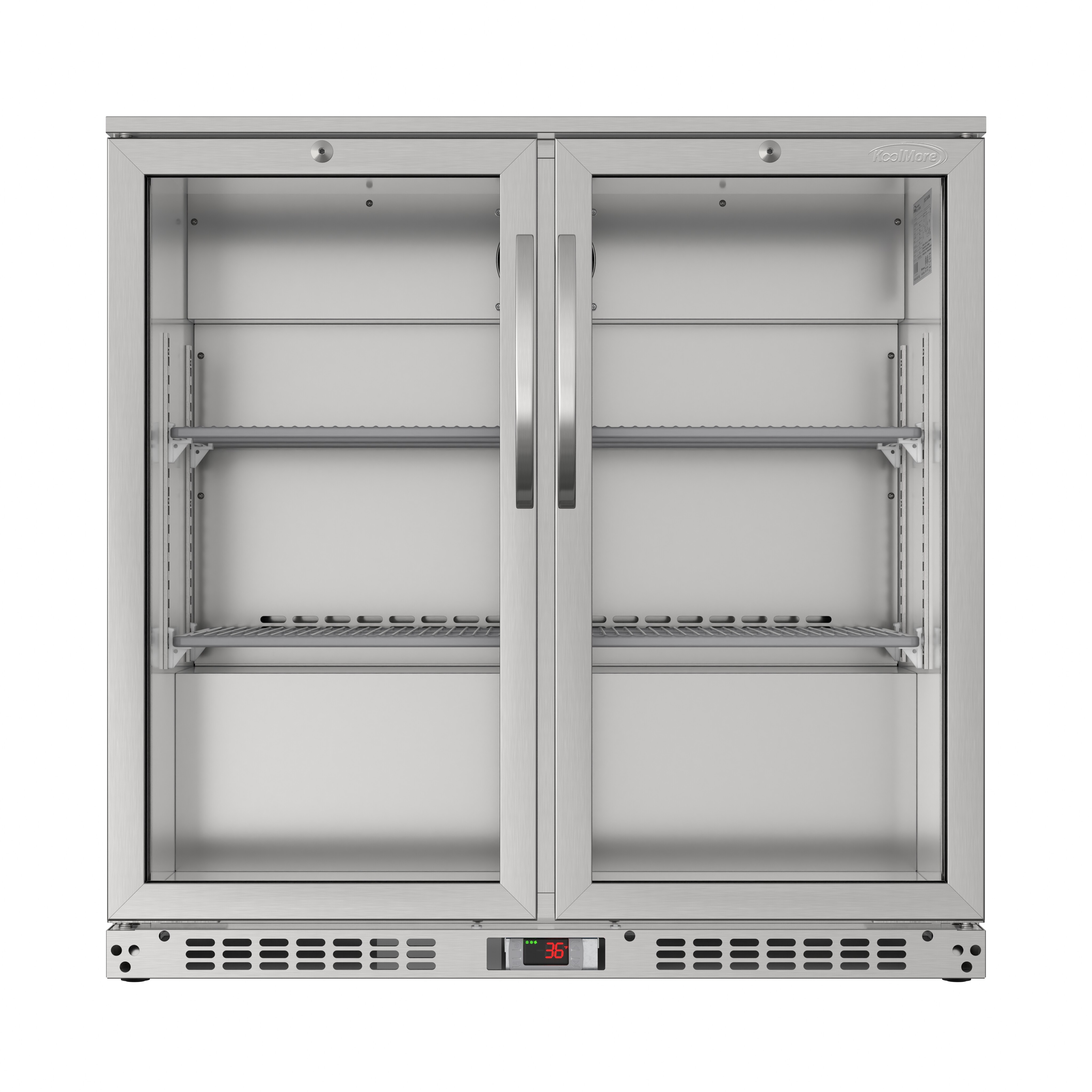
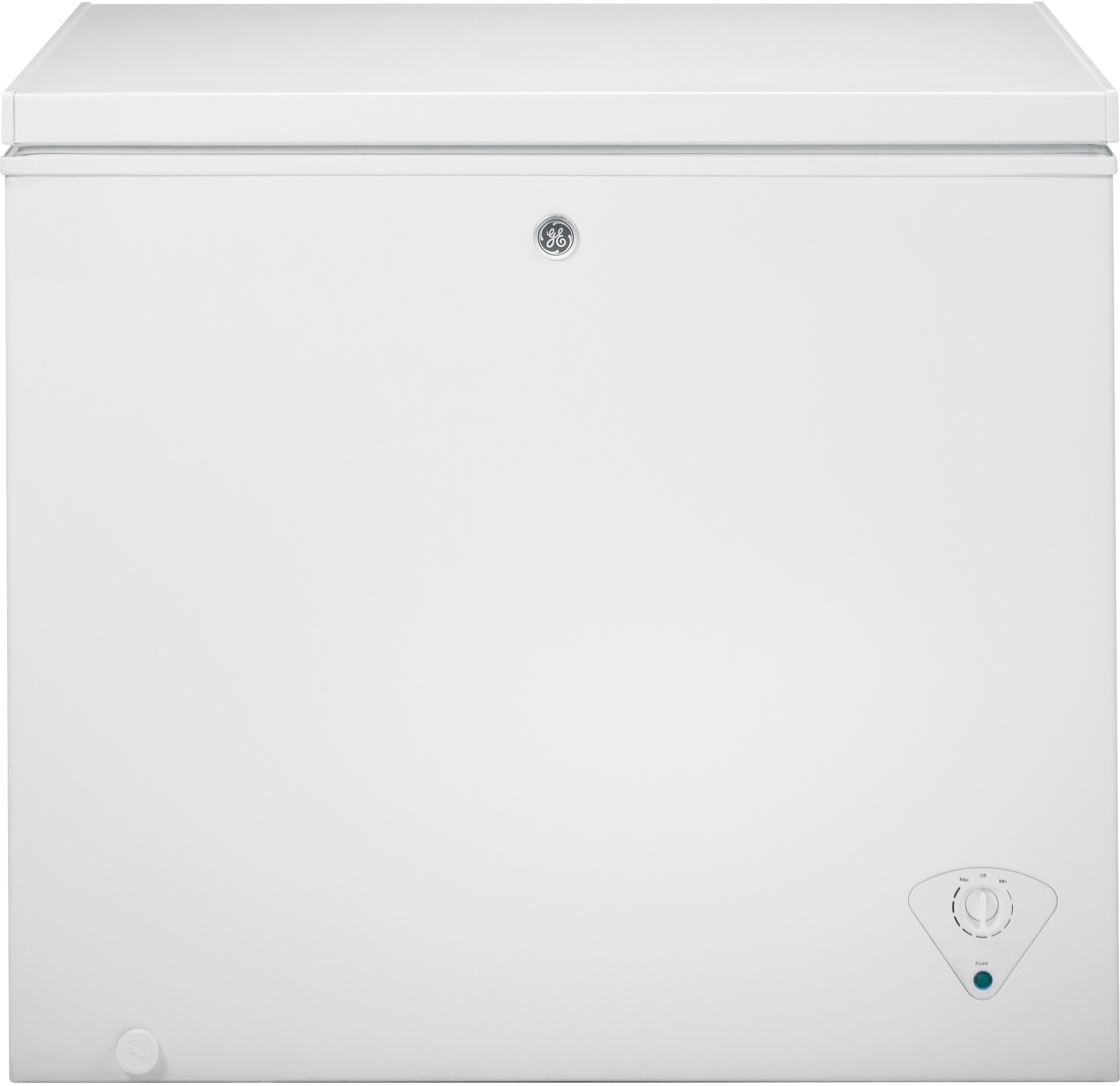
Undercounter freezers are compact and designed to fit seamlessly beneath countertops. These units are ideal for maximizing storage space in smaller kitchens, apartments, or any area where space is limited. They provide a dedicated freezing solution without occupying too much floor space.
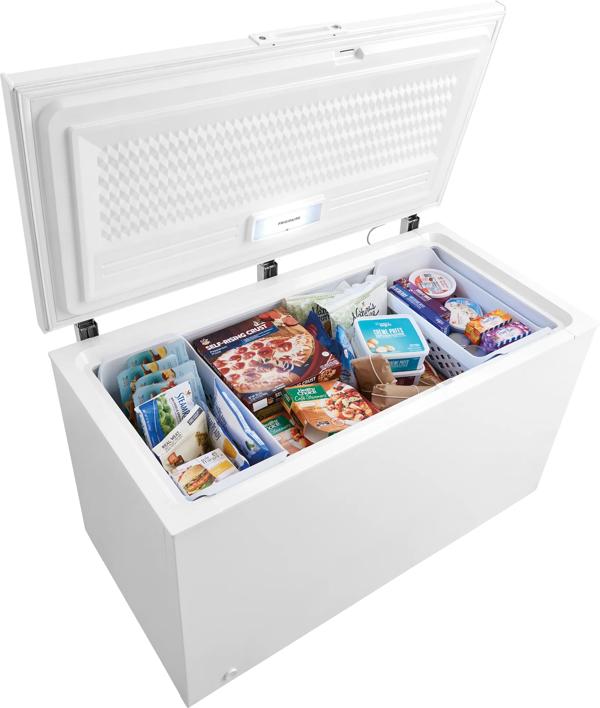
Some common uses for undercounter freezers include storing frozen foods, ice packs, and other items that need to be kept at low temperatures. These freezers often come with multiple drawers or shelves to help organize and access items easily.
Feature
Description
Size
Compact, fits under countertops
Storage
Drawers, shelves for easy organization
Use
Frozen foods, ice packs, etc.
Introduction to Wine Fridges
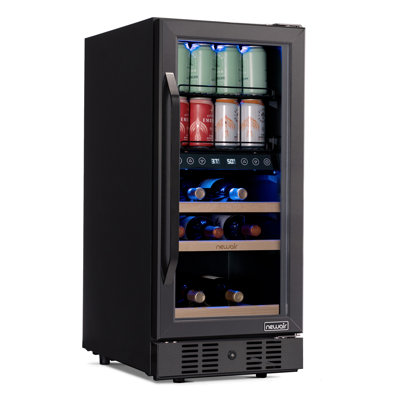
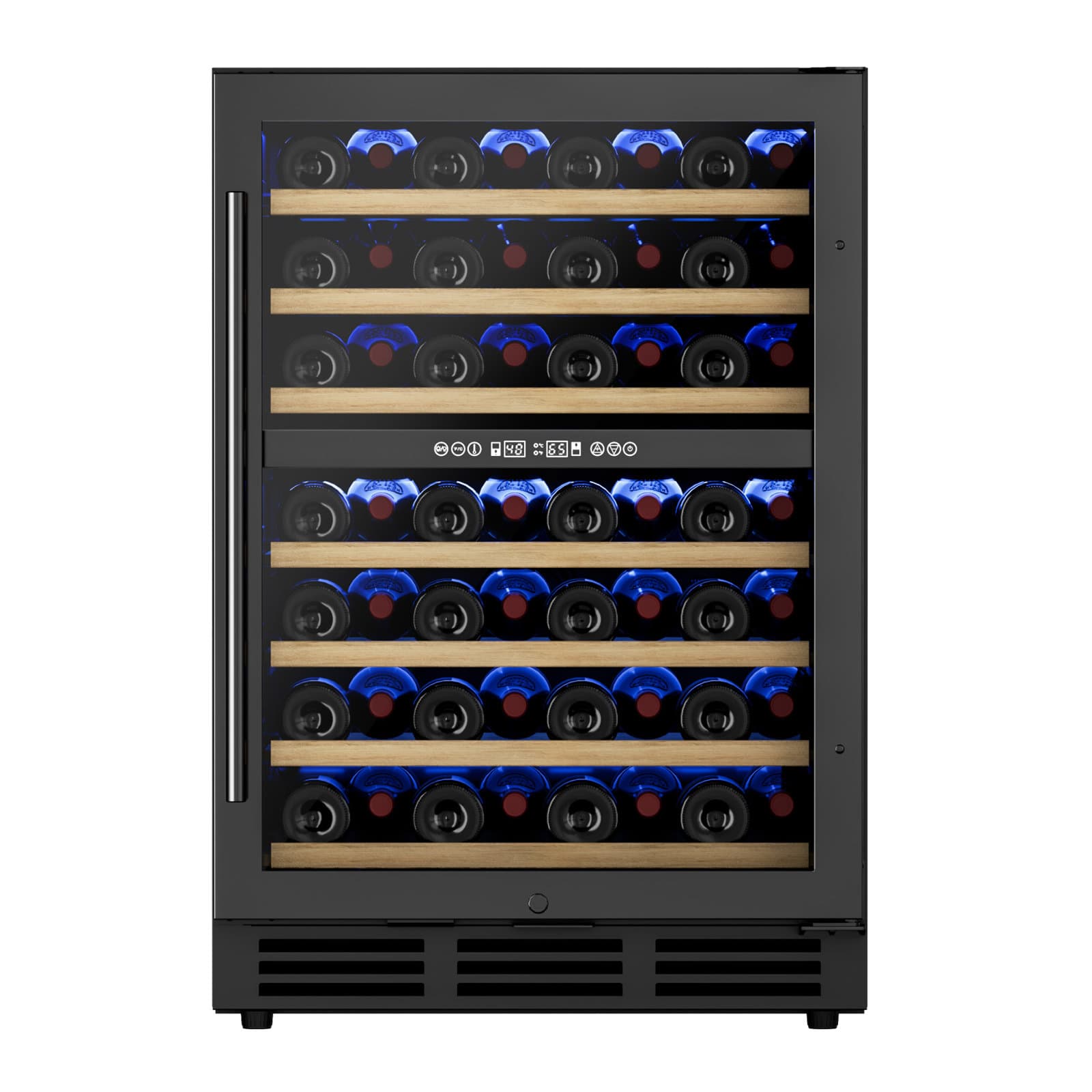
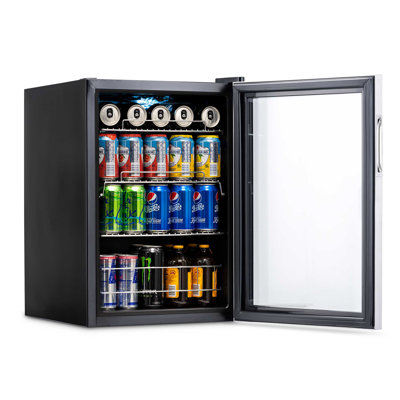
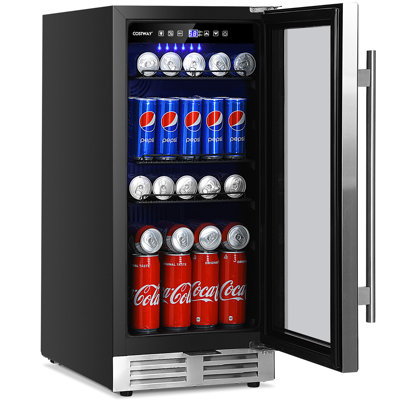
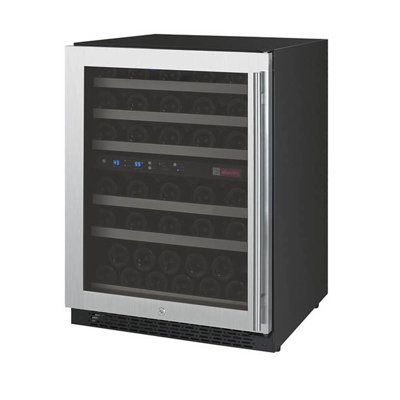
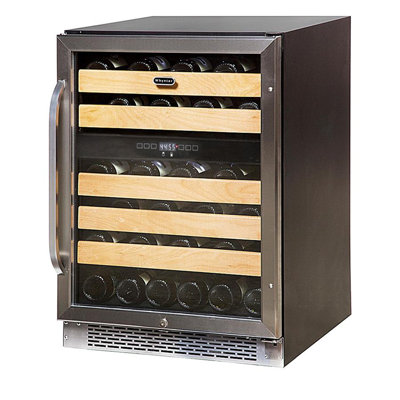
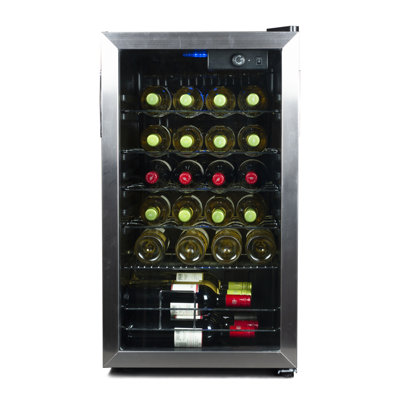
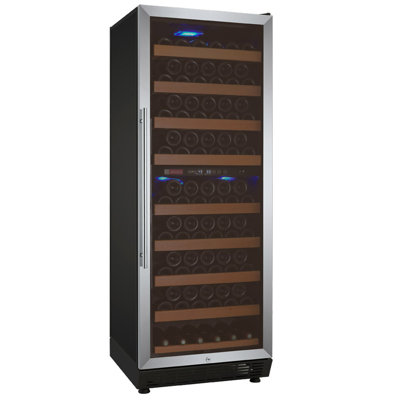
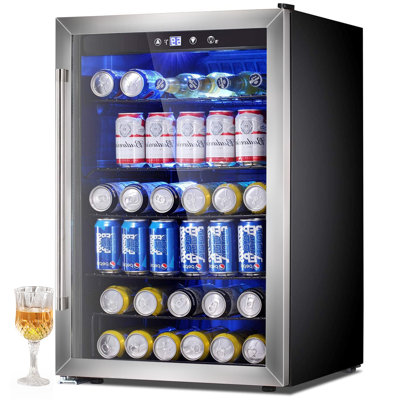
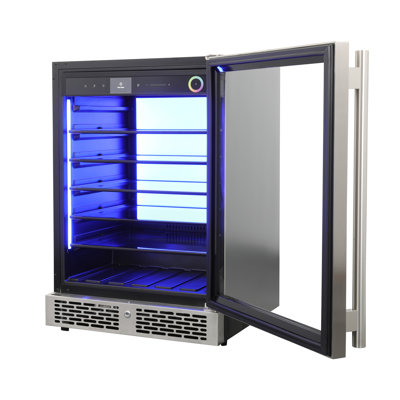
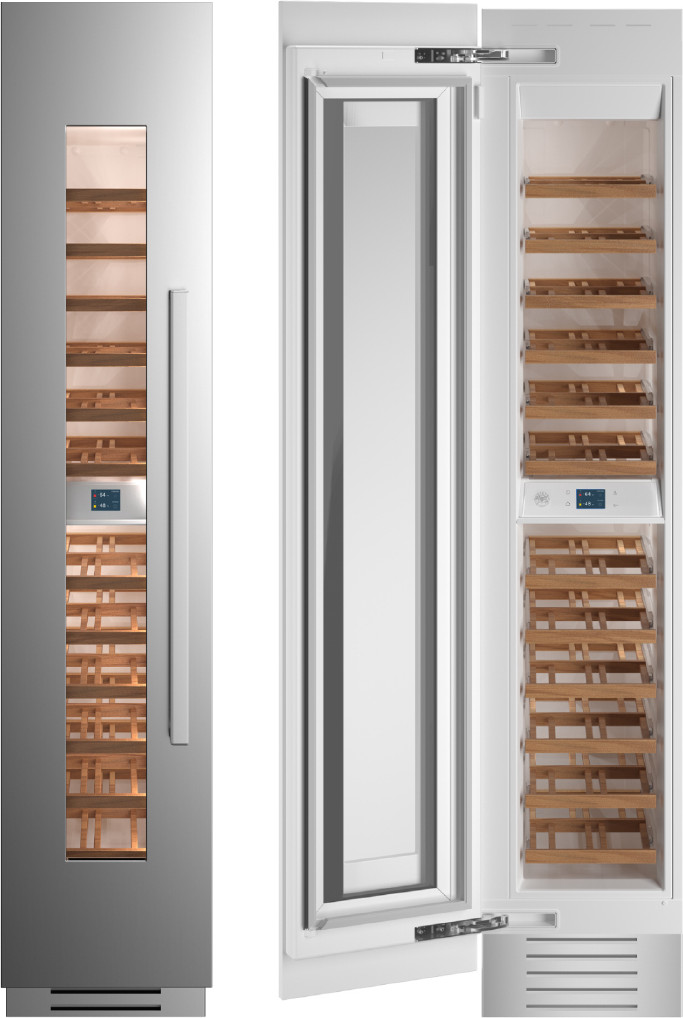
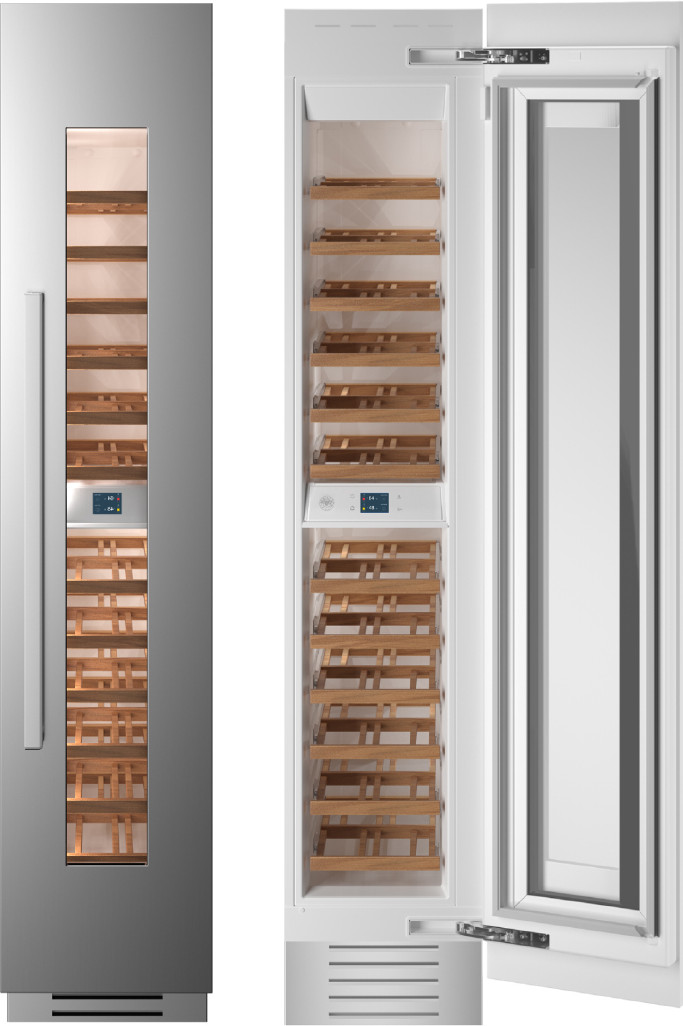
Wine fridges, also known as wine coolers or wine cellars, are specialized refrigerators designed to store wine at optimal temperatures. They provide a controlled environment to preserve the quality and taste of wine. These fridges can be built-in or freestanding, depending on your space and preference.
Wine fridges typically offer features like adjustable temperature zones, UV-protected glass doors, and vibration reduction to ensure that your wine is stored under ideal conditions. They are perfect for wine enthusiasts who want to keep their collection at the right temperature and ready for enjoyment.
When choosing between an undercounter freezer and a wine fridge, understanding their purpose and functionality is essential. Both appliances serve specific needs and offer unique benefits and features.
Undercounter Freezers: Benefits and Features
Undercounter freezers are designed to provide additional frozen storage space in a compact and convenient form. These freezers are typically installed beneath countertops, making them an excellent choice for kitchens, offices, basements, and other spaces where space-saving is a priority.
Benefits and Features:
Compact Design: Fits seamlessly under countertops, maximizing space utilization.
Convenient Storage: Ideal for storing frozen foods, ice cream, and other perishable items.
Temperature Control: Equipped with precise temperature settings to ensure optimal freezing conditions.
Energy Efficiency: Modern undercounter freezers are designed to be energy-efficient, reducing electricity costs.
Ease of Access: Provides easy access to frozen items without the need for a larger, free-standing unit.
Wine fridges, also known as wine coolers, are specialized refrigerators designed to store wine at the ideal temperature and humidity levels. These fridges are perfect for wine enthusiasts, home entertainers, and anyone looking to preserve the quality of their wine collection.
Benefits and Features:
Temperature Control: Maintains consistent temperatures suitable for different types of wine.
Humidity Control: Keeps wine corks moist, preventing them from drying out and compromising the wine.
Vibration-Free: Minimizes vibrations that can disturb the sediment in wine bottles.
Aesthetic Design: Often features sleek designs with glass doors, enhancing the visual appeal of your space.
Specialized Storage: Includes adjustable shelves to accommodate various bottle sizes and shapes.
By understanding the distinct benefits and features of undercounter freezers and wine fridges, you can make an informed decision based on your specific storage needs and preferences. Explore more comparisons like compact freezer Vs. undercounter refrigerator to find the perfect appliance for your home.
Design and Placement
When it comes to choosing between an undercounter freezer and a wine fridge, design and placement play a significant role. Each appliance has unique design considerations that can impact your decision.
Undercounter Freezers: Design Considerations
Undercounter freezers are designed to fit seamlessly into your kitchen or other spaces, providing additional freezing capacity without occupying too much room. Here are some key design aspects to consider:
Size and Dimensions: Undercounter freezers come in various sizes and dimensions. It’s important to measure the available space to ensure a proper fit.
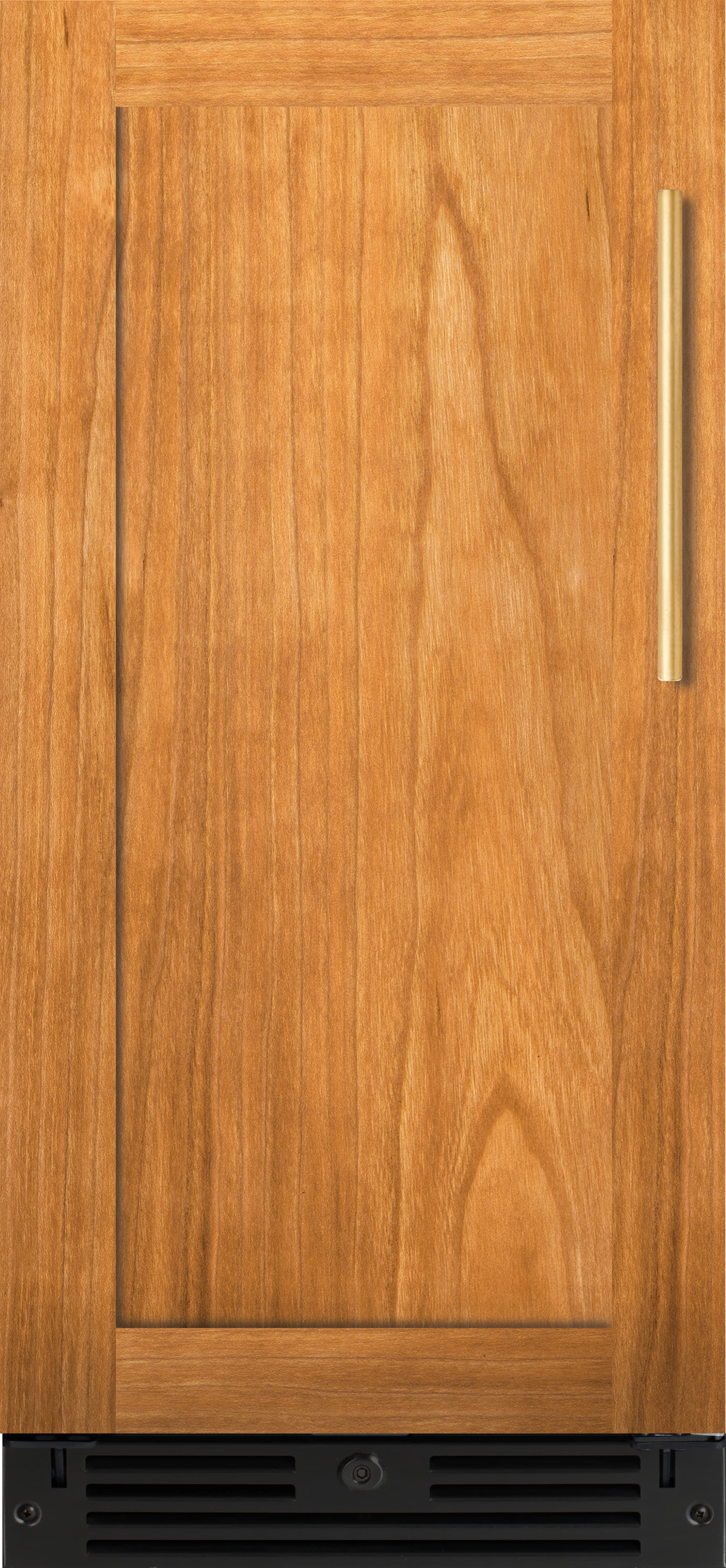
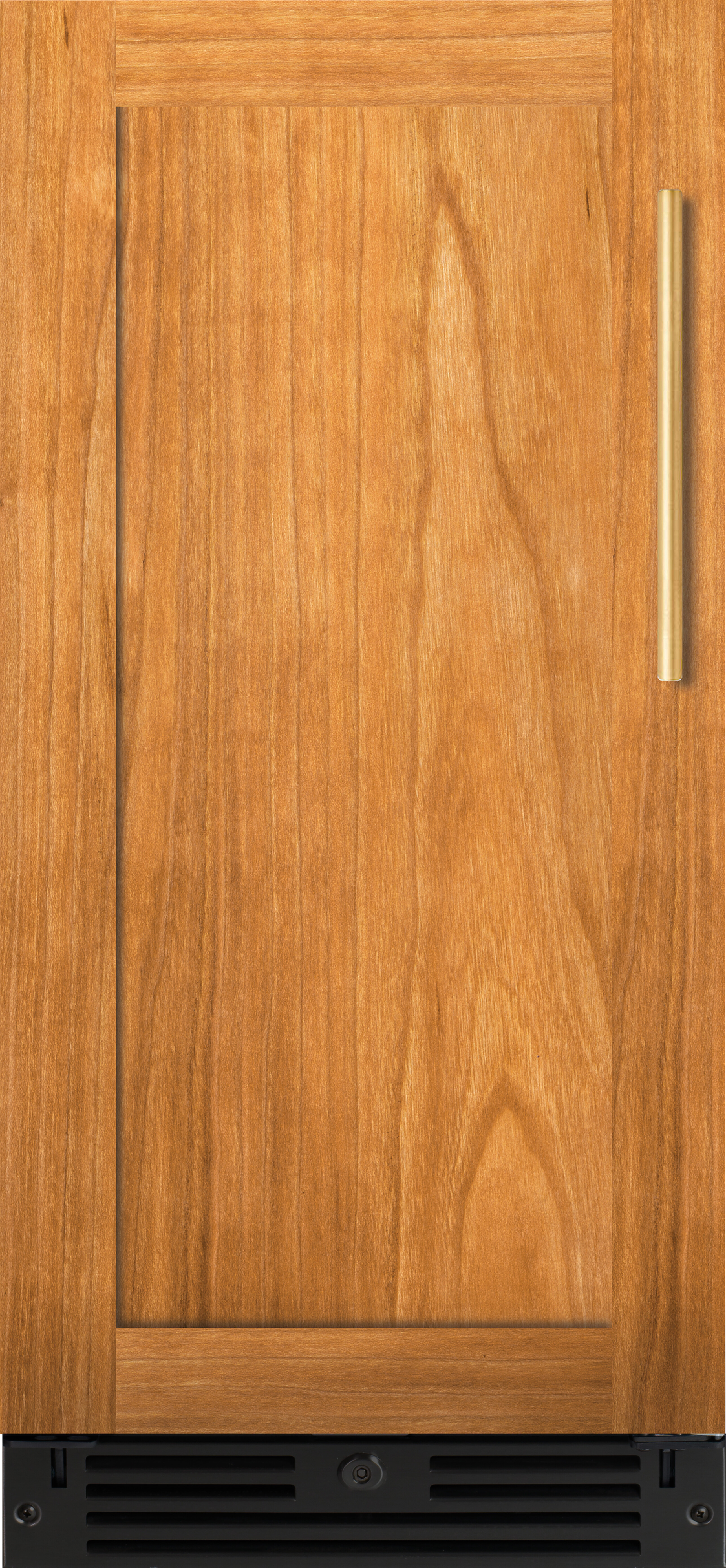
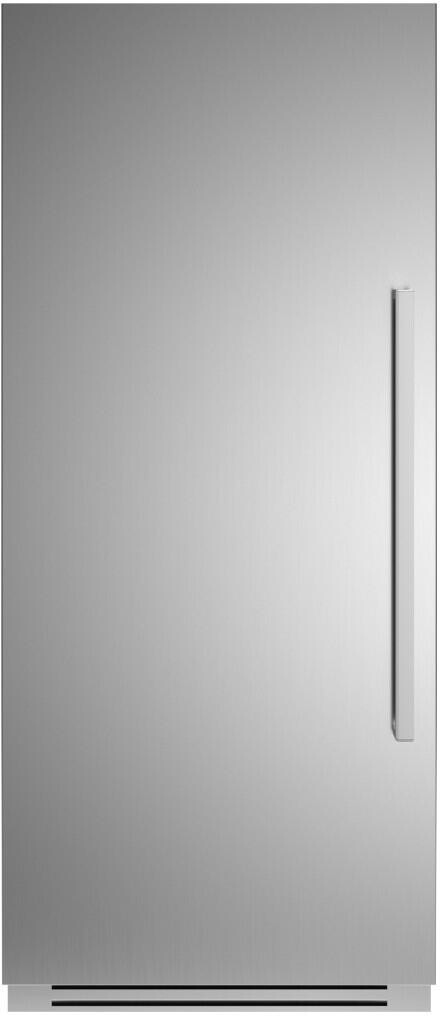
Aesthetic Integration: These freezers are typically designed to match the look of standard kitchen cabinets. They often feature customizable panels to blend in with your existing decor.
Ventilation Requirements: Proper ventilation is crucial for undercounter freezers. They require adequate airflow to function efficiently. Ensure there is enough space around the unit for ventilation.
Accessibility: Consider the ease of access to the freezer. Undercounter placement makes it convenient to reach items without bending too much.
For more information on similar appliances, check out Fridge.com article on compact freezer Vs. undercounter refrigerator.
Wine Fridges: Design Considerations
Wine fridges, also known as wine coolers, are specifically designed to store wine bottles at optimal temperatures. They come with their own set of design considerations:
Size and Dimensions: Wine fridges vary in size, from small units that hold a few bottles to larger ones that can store an extensive collection. Measure your space to determine the best size for your needs.
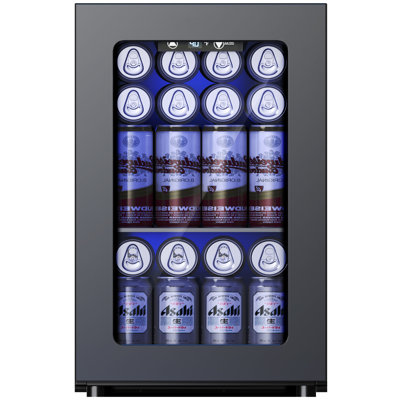
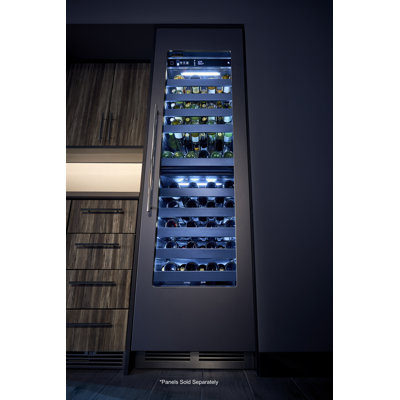
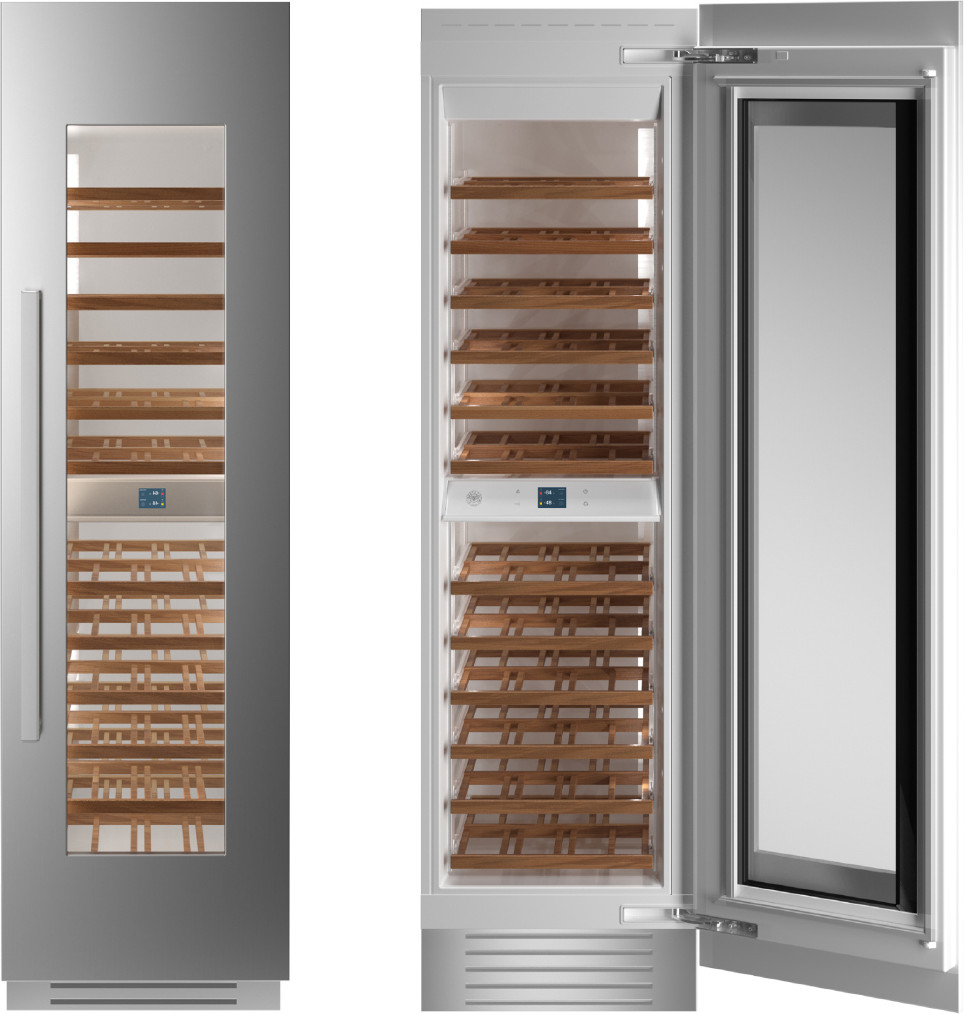
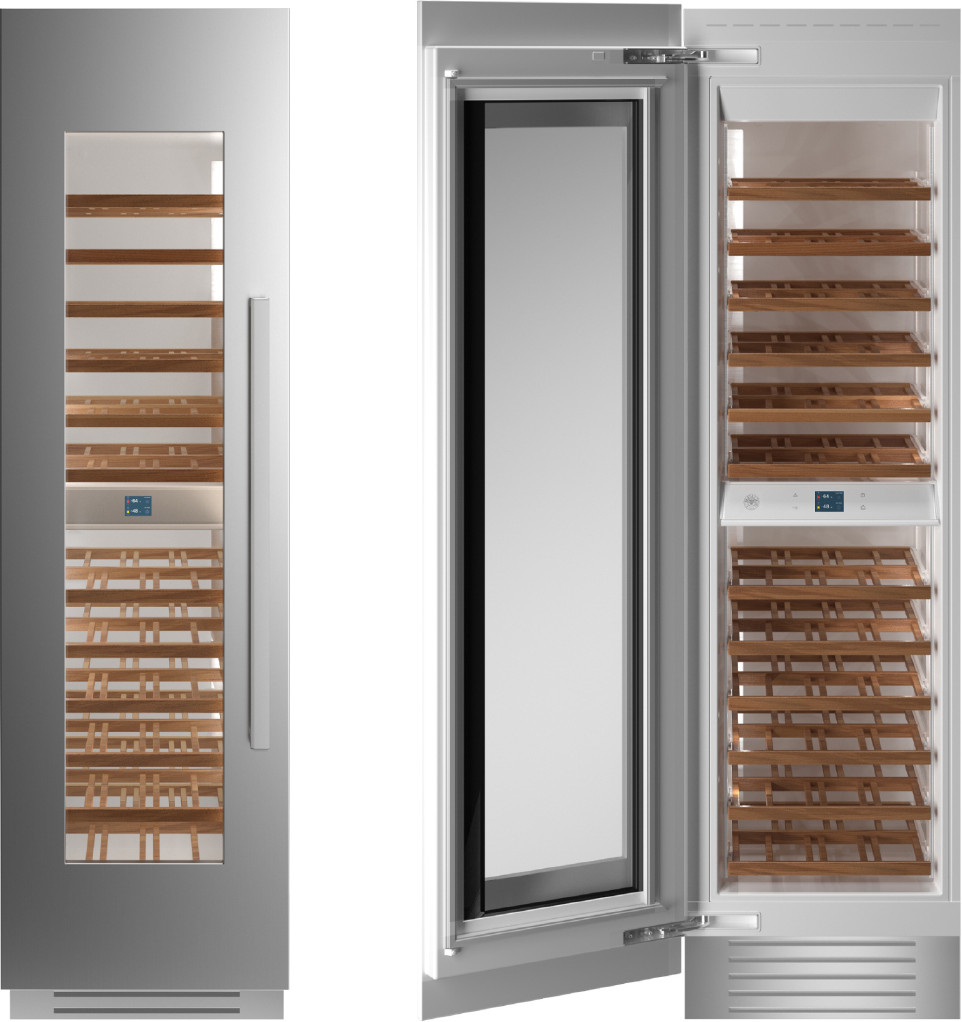
Aesthetic Appeal: Wine fridges often feature sleek designs with glass doors to showcase your wine collection. They can be a stylish addition to kitchens, dining rooms, or entertainment areas.
Ventilation and Placement: Like undercounter freezers, wine fridges need proper ventilation. Ensure there is enough space around the unit for airflow. Some models are designed for built-in installation, while others are freestanding.
Shelving Configuration: Wine fridges come with various shelving options to accommodate different bottle sizes. Adjustable shelves allow for flexibility in storing both standard and larger bottles.
Lighting: Interior lighting is a common feature in wine fridges, enhancing the visibility of your collection. LED lighting is preferred as it emits less heat, preserving the quality of the wine.
By understanding the design and placement considerations for both undercounter freezers and wine fridges, you can make an informed decision that best suits your needs and complements your space.
When comparing an undercounter freezer to a wine fridge, understanding their storage capacity and options is crucial. Each appliance caters to different needs and offers unique storage solutions.
Undercounter Freezers: Storage Capacity and Options
Undercounter freezers are designed to maximize storage in a compact space. They generally offer a variety of storage capacities to suit different needs, from small households to commercial kitchens.
Freezer Type
Capacity (Cubic Feet)
Storage Features
Small Undercounter Freezer
1.5 - 3
Adjustable shelves, door bins
Medium Undercounter Freezer
3 - 5
Drawers, shelves, door racks
Large Undercounter Freezer
5 - 7
Multiple compartments, sliding baskets
Undercounter freezers often come with adjustable shelves and door bins, allowing you to customize the storage space according to your requirements. Some models include sliding baskets and drawers for better organization. For more insights, check out Fridge.com comparison on compact freezer Vs. undercounter refrigerator.
Wine Fridges: Storage Capacity and Options
Wine fridges, on the other hand, are specifically designed to store wine bottles at optimal conditions. They come in various sizes, offering different bottle capacities to match your collection size.
Wine Fridge Type
Capacity (Bottles)
Storage Features
Small Wine Fridge
12 - 25
Adjustable racks
Medium Wine Fridge
25 - 50
Slide-out shelves, dual zones
Large Wine Fridge
50 - 100+
Multiple zones, humidity control
Wine fridges feature adjustable racks to accommodate various bottle sizes. Medium and large models often include slide-out shelves and dual temperature zones, allowing you to store different types of wine at their ideal temperatures. Some advanced models offer humidity control to keep your wine in perfect condition. For more details on wine storage solutions, visit Fridge.com article on skincare fridge Vs. wine cellar.
By understanding the storage capacities and options of undercounter freezers and wine fridges, you can make an informed decision based on your specific needs. Whether you're looking to store frozen goods or maintain your wine collection, each appliance offers tailored solutions for optimal storage.
Understanding the temperature control features of your appliances is crucial, especially when comparing an undercounter freezer and a wine fridge. Each appliance has its own set of functionalities designed to cater to specific storage needs.
Undercounter Freezers: Temperature Control Features
Undercounter freezers are designed to keep your food frozen at a consistent temperature. The primary goal is to maintain a low temperature to preserve the quality and safety of frozen goods. Here are the common temperature control features you may find:
Adjustable Thermostat: Allows you to set the temperature to your desired level, typically ranging from -10°F to 10°F.
Digital Temperature Display: Provides a clear and accurate reading of the internal temperature.
Quick Freeze Function: Temporarily lowers the temperature to quickly freeze fresh items, helping to preserve their texture and nutrients.
Alarm Systems: Alerts you if the temperature rises above the set level, ensuring your food remains safely frozen.
Feature
Description
Adjustable Thermostat
Set desired temperature (-10°F to 10°F)
Digital Temperature Display
Accurate internal temperature reading
Quick Freeze Function
Temporarily lowers temperature for rapid freezing
Alarm Systems
Alerts for temperature fluctuations
For more information on how undercounter freezers compare to other types, visit Fridge.com article on built in freezer Vs. small chest freezer.
Wine Fridges: Temperature Control Features
Wine fridges, on the other hand, are specialized to store wine at optimal conditions. The temperature settings are designed to maintain the integrity and flavor of your wine collection. Here are the typical temperature control features found in wine fridges:
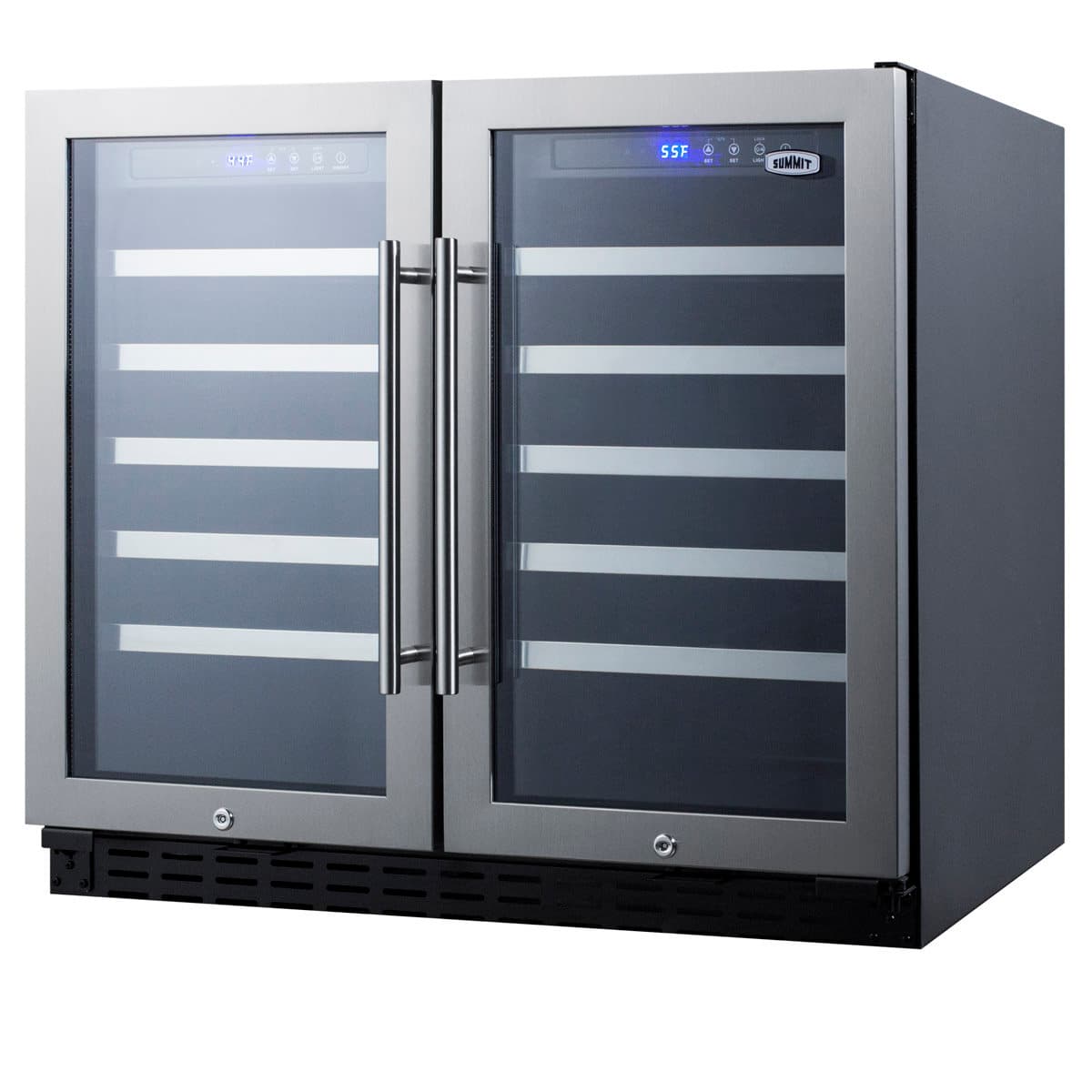
Dual Zone Cooling: Allows you to set different temperatures in separate compartments, ideal for storing red and white wines at their respective optimal temperatures.
Electronic Temperature Control: Provides precise temperature adjustments, usually ranging from 40°F to 65°F.
Humidity Control: Maintains the proper humidity levels to prevent corks from drying out and to preserve the wine.
UV-Protected Glass: Prevents UV light from affecting the wine, ensuring long-term quality.
Feature
Description
Dual Zone Cooling
Separate temperature settings for different wine types
Each appliance offers unique features tailored to their specific purposes. Whether you're preserving food or maintaining a wine collection, understanding these temperature control settings is key to making the right choice for your needs.
Installation and Maintenance
Proper installation and maintenance of undercounter freezers and wine fridges are essential to ensure optimal performance and longevity. This section provides useful tips and guidelines for installing and maintaining these appliances.
Undercounter Freezers: Installation Tips and Maintenance
Installation Tips:
Location: Choose a well-ventilated area with sufficient airflow. Avoid placing the freezer near heat sources such as stoves or direct sunlight.
Leveling: Ensure the freezer is level to prevent uneven cooling. Use a spirit level and adjust the legs accordingly.
Electrical Requirements: Verify that the electrical outlet meets the freezer's power specifications. Avoid using extension cords.
Clearance: Maintain adequate clearance around the freezer for proper ventilation. Refer to the manufacturer's guidelines for specific measurements.
Maintenance:
Defrosting: Regularly defrost the freezer to prevent ice buildup. Follow the manufacturer's instructions for manual or auto-defrosting.
Cleaning: Clean the interior and exterior surfaces with a mild detergent and water. Avoid abrasive cleaners.
Seal Check: Inspect the door seals regularly for any wear or damage. Replace seals if necessary to maintain energy efficiency.
Temperature Monitoring: Use a thermometer to check the internal temperature periodically. Adjust settings as needed to maintain optimal freezing conditions.
Wine Fridges: Installation Tips and Maintenance
Installation Tips:
Location: Place the wine fridge in a cool, well-ventilated area away from direct sunlight and heat sources.
Leveling: Ensure the fridge is level to avoid vibrations that can disturb the wine. Adjust the feet for stability.
Electrical Requirements: Confirm that the electrical outlet matches the wine fridge's power requirements. Avoid using power strips.
Clearance: Provide adequate space around the fridge for ventilation. Refer to the manufacturer's installation instructions for specific clearance measurements.
Maintenance:
Cleaning: Clean the interior and exterior regularly with a soft cloth and mild detergent. Avoid harsh chemicals.
Filter Replacement: If the wine fridge has an air filter, replace it as recommended by the manufacturer to maintain air quality.
Humidity Control: Monitor and maintain the humidity levels inside the fridge to prevent corks from drying out. Use a hygrometer if necessary.
Temperature Monitoring: Check the internal temperature regularly to ensure it remains within the ideal range for wine storage. Adjust settings as needed.
Maintaining your undercounter freezer and wine fridge will ensure they function efficiently and preserve your food and beverages effectively. For more detailed comparisons between different types of refrigerators and freezers, explore Fridge.com articles on medium size refrigerator Vs. slate refrigerator and counter depth refrigerator Vs. office refrigerator.
Undercounter Freezers: Energy Efficiency and Cost Considerations
When considering an undercounter freezer, energy efficiency and cost are vital factors. These freezers are designed to fit seamlessly under countertops, making them ideal for kitchen spaces, garages, or other areas where space is limited. Here is a breakdown of energy efficiency and cost considerations for undercounter freezers:
Feature
Description
Cost of Operation
Annual operating costs can range from $20 to $60, depending on energy rates and usage.
Initial Cost
Prices can vary widely, generally ranging from $200 to $1,000, depending on features and capacity.
Using an Energy Star-rated undercounter freezer can significantly reduce energy consumption and lower your utility bills. For more information on various freezer options, check out Fridge.com article on built in freezer Vs. small chest freezer.
Wine Fridges: Energy Efficiency and Cost Considerations
Wine fridges, also known as wine coolers, are specialized appliances designed to store wine at optimal temperatures. They come in various sizes and capacities, which can impact their energy efficiency and cost. Here are the key considerations:
Feature
Description
Cost of Operation
Annual operating costs typically range from $15 to $50, depending on energy rates and usage.
Initial Cost
Prices can range from $150 to $2,000, based on features, capacity, and brand.
Choosing an Energy Star-rated wine fridge can help you save on energy costs while maintaining the perfect environment for your wine. For more insights on wine storage options, see Fridge.com comparison on freestanding wine cooler Vs. medium size refrigerator.
Both undercounter freezers and wine fridges offer unique benefits in terms of energy efficiency and cost. Depending on your needs, you can find a model that balances performance with affordability. For additional comparisons, explore Fridge.com articles on compact freezer Vs. undercounter refrigerator and built in freezer Vs. mini fridge freezer.
Compare prices on Fridge.com
Compare current prices and specifications on Fridge.com, then buy from the retailer you choose; delivery, installation and warranty terms are the retailer’s.
It also has tons of awesome articles about kitchen stuff and home news. Enhance your home, garage, backyard, patio, and office with the coolest essentials. With every necessary type of residential refrigerator or freezer in the collection, you're covered.
From Fridge.com research
Figures below come from data Fridge.com builds and maintains. Each links to the record behind it.
Fridge.com Energy Index, built on U.S. EPA and DOE ENERGY STAR records
Across 122 ENERGY STAR certified compact cooler models, median use is 134 kWh per year — 32% better than the federal standard.