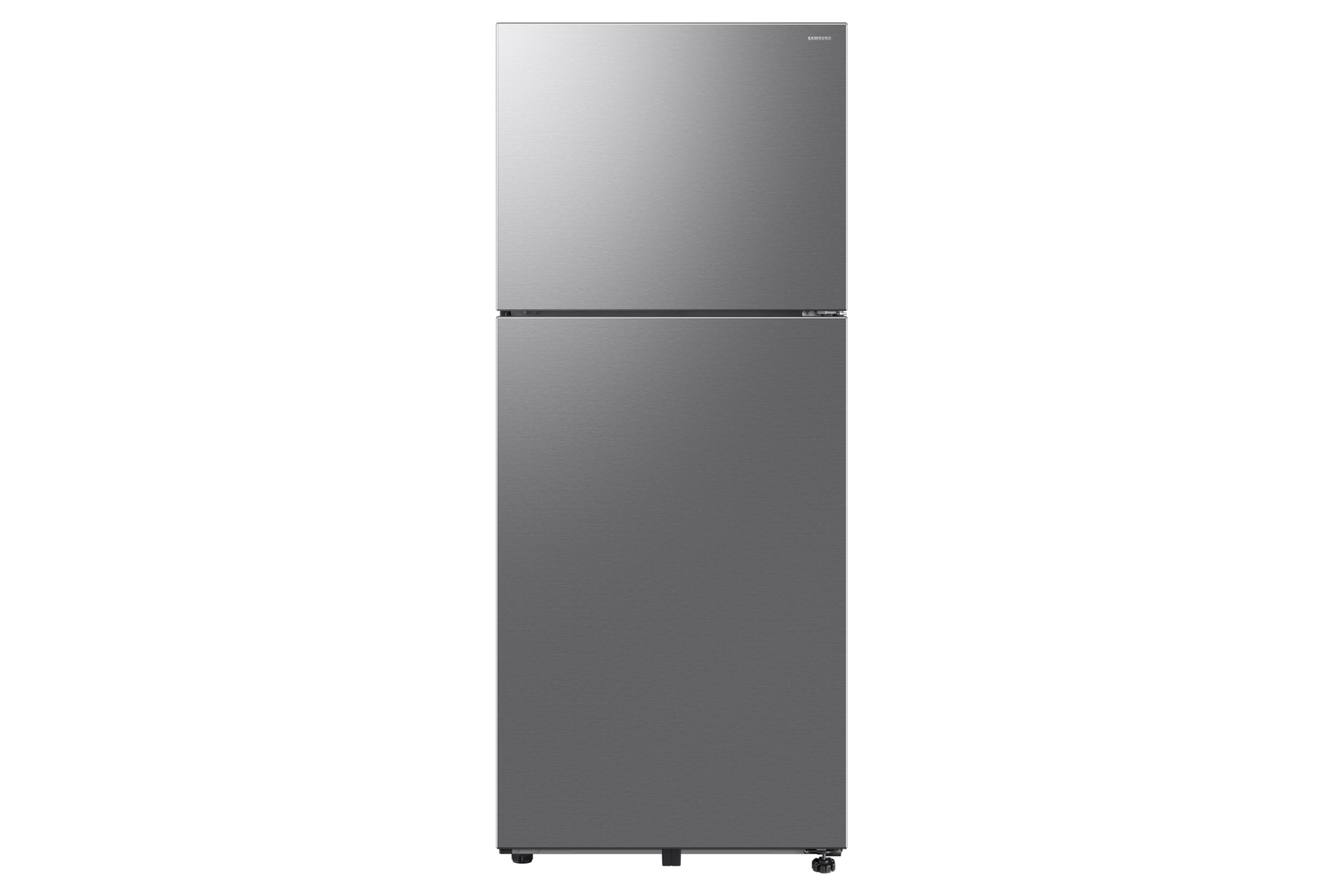
Finding the right temperature for your fridge can feel like one of those small mysteries that quietly impact your day-to-day life. You might open the door to a puddle of condensation, a drawer of soggy lettuce, or worst of all, spoiled leftovers. When you dial in the right temperature for your fridge, you lock in freshness, protect your groceries, and even save on energy costs. Let’s dig into what you need to know, from the ideal settings to troubleshooting tips, all delivered in a casual, friend-to-friend style.
Understand fridge temperature
Your fridge works by circulating cool air to slow bacterial growth and keep foods fresh. Inside you’ll find zones that fluctuate slightly—door bins tend to run warmer, while drawers are cooler. At the heart of it all is a thermostat, which tells the compressor when to cycle on and off. If that sensor is off by a few degrees, your fresh produce could wilt faster than you expect.
Most modern refrigerators use either a mechanical dial or a digital control panel. Mechanical dials usually range from 1 to 5 or 1 to 7, where mid-range settings correspond to about 37°F. Digital panels often let you set exact temperatures in 1-degree increments. Regardless of your model, it’s smart to verify the actual temperature with a fridge thermometer. That way you aren’t guessing.
Temperature isn’t the only factor. Humidity levels matter for sensitive items like leafy greens, and airflow can be disrupted if your fridge is crammed full. In short, understanding how your appliance maintains cold gives you the power to fine-tune it rather than just spin the dial and hope for the best.
Know optimal temperature ranges
To keep things simple, aim for these standard ranges:
- Refrigerator: 35°F to 38°F
- Freezer: 0°F to 5°F
Staying within those windows strikes a balance between safety and energy use. Set your fridge warmer than 38°F and you risk bacterial growth in milk, eggs, and deli meats. Crank it colder than 35°F and your veggies might freeze, leaving you with limp lettuce instead of crisp greens.
For freezers, 0°F is the sweet spot for long-term storage without sacrificing texture. Anything above 5°F speeds up freezer burn, while plunging far below 0°F wastes energy unless you’re storing specialty items like ice sculptures or scientific samples.
If you keep a separate meat drawer or deli drawer, you may find it runs a few degrees cooler than the rest of the compartment. That’s normal, but you still want to ensure both compartments fall within the safety zone. A simple fridge thermometer placed in the middle shelf and in a freezer bin will tell you exactly what’s happening.
Set your fridge right
Dial-based controls
- Locate the dial inside your fridge, often near the top or side panel.
- Turn to the middle setting (usually 3 or 4) as a starting point.
- Wait 24 hours and check with a thermometer. Adjust up or down one notch until you’re in that 35°F to 38°F zone.
Digital panels
- Press the fridge temperature button, then use up/down arrows to select 37°F.
- Confirm the setting and wait at least 12 hours for the new temperature to stabilize.
- Recheck and tweak if needed in 1°F increments.
Keep in mind that opening the door frequently or loading room-temperature groceries temporarily raises the interior temperature. If you expect heavy loading—say you’ve just returned from a big grocery run—lower the temp by a degree or two temporarily and then restore it once things cool down.
Monitor fridge performance
You wouldn’t leave your car’s tire pressure unchecked for months, so don’t neglect your fridge’s temperature. Here are a few easy habits:
- Use a fridge thermometer: Place one on the middle shelf and a second in the freezer.
- Keep a temperature log: Jot down readings once a week, or use a smart sensor that syncs with your phone.
- Watch for warning signs: Frost buildup, water puddles, or a constantly running compressor all hint at temperature trouble.
If you see wide fluctuations, your thermostat sensor may be faulty or blocked by falling food. Gently clear away any items touching the sensor and see if stability improves. For smart models, an app alert can let you know if your fridge is running hot while you’re at work or on vacation.

Tackle temperature issues
When your fridge feels warm inside, here are common culprits and fixes:
- Overstuffing
- Cause: Poor airflow around vents
- Fix: Leave 1 to 2 inches of space between items and the back wall
- Faulty door seals
- Cause: Worn or cracked gaskets let cold air escape
- Fix: Clean seals with mild soap or replace if damaged
- Dirty condenser coils
- Cause: Dust buildup forces the compressor to work harder
- Fix: Vacuum coils every six months
- Malfunctioning thermostat
- Cause: Sensor misreads temperature
- Fix: Calibrate according to your manual or call a technician
If your freezer is colder than the fridge section, options include closing vents partially or redistributing items so cold air can flow more evenly. Conversely, if the freezer isn’t cold enough, check that the ice maker isn’t jammed or that the defrost heater isn’t stuck in “on” mode.
Customize for your needs
You’re not just storing groceries—your fridge is a hub for meal-prepping, entertaining, or even aging craft beer. Here’s how to tailor settings:
Chefs and meal-prep pros
- Keep raw proteins in the coldest drawer at 33°F to 35°F
- Store prepped salads in a humidity-controlled bin
Families and baby food
- Reserve one shelf at 36°F for breast milk and purees
- Label items with dates to ensure older meals get used first
Craft beer and kegerators
- Set dedicated beer drawers to 38°F for lagers, 45°F for ales
- Maintain a stable temperature to preserve hops flavor
Dorm rooms and small apartments
- Use a compact fridge thermometer for tight spaces
- Adjust settings upward slightly if the unit sits in direct sunlight
Commercial kitchens and offices
- Monitor multiple zones separately using digital probes
- Keep backup thermometers on hand for safety audits
Boost fridge efficiency
A well-organized fridge not only keeps food fresher but also reduces the work your compressor does. Try these tips:
- Group like items together: Having dairy in one spot and produce in another cuts down on door-open time.
- Keep the top shelf clutter-free: Cold air descends, so the top shelf is your fastest-cooling real estate.
- Use clear bins: They prevent overstuffing and help you spot items quickly.
- Defrost manually defrost models regularly: Excess frost cuts into storage space and airflow.
- Clean door seals monthly: A quick wipe keeps the fridge airtight.
Seasonal adjustments
- Summer: Raise humidity bins, lower overall temp by one degree
- Winter: Raise fridge temp by one degree if ambient air is very cold
Freezer temperature tips
Prevent freezer burn and keep foods at peak quality:
- Pack items tightly: Less air around packages means slower dehydration.

- Label and date: Rotate older items to the front so nothing gets lost for months.
- Keep fast-freeze drawer clear: If you have a rapid-freeze compartment, leave it partly empty to ensure fast air circulation.

- Check frost levels: More than 1/4 inch of frost means it’s time to defrost.

For long-term storage of meats or homemade stock, aim for 0°F. If you’re just freezing leftovers for a week, 5°F is acceptable and uses less energy.
When to upgrade fridge
Even with perfect settings, an aging appliance can underperform. Watch for these signs:
- Persistent temperature swings that no repair seems to fix
- Unusually high energy bills
- Excessive noise or frequent cycling
- Crushed drawers or warped shelves that impede airflow
- Unfixable leaks or frost buildup
If you’re nodding along to more than two of these, it may be time for a replacement. When you’re ready to upgrade, buy at Fridge.com to explore top models, compare features, and get expert advice.
Summarize key takeaways
Dialing in the right temperature for your fridge protects your food, saves money, and keeps your kitchen running smoothly. Here’s a quick recap:
- Aim for 35°F to 38°F in the fridge and 0°F to 5°F in the freezer.
- Use fridge thermometers and keep a simple log for consistency.
- Address airflow, seals, and coils to prevent warm spots.
- Tailor settings for special needs—meal prep, baby food, craft beer.
- Organize, clean, and adjust seasonally to boost efficiency.
- Recognize when repair efforts give way to a smarter new model purchase.
With these steps, you’ll have peace of mind the next time you open the door. No more mystery puddles, wilted greens, or surprise spoilage—just perfectly chilled food ready when you are.