Understanding Refrigerator Cooler and Undercounter Refrigerator
Introduction to Refrigerator Cooler and Undercounter Refrigerator
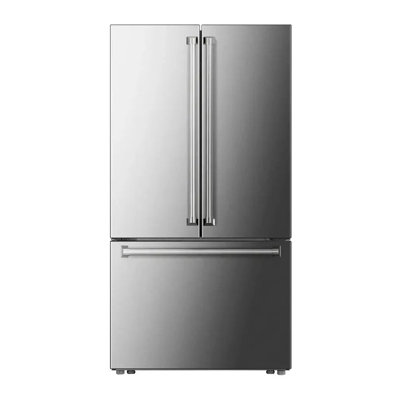
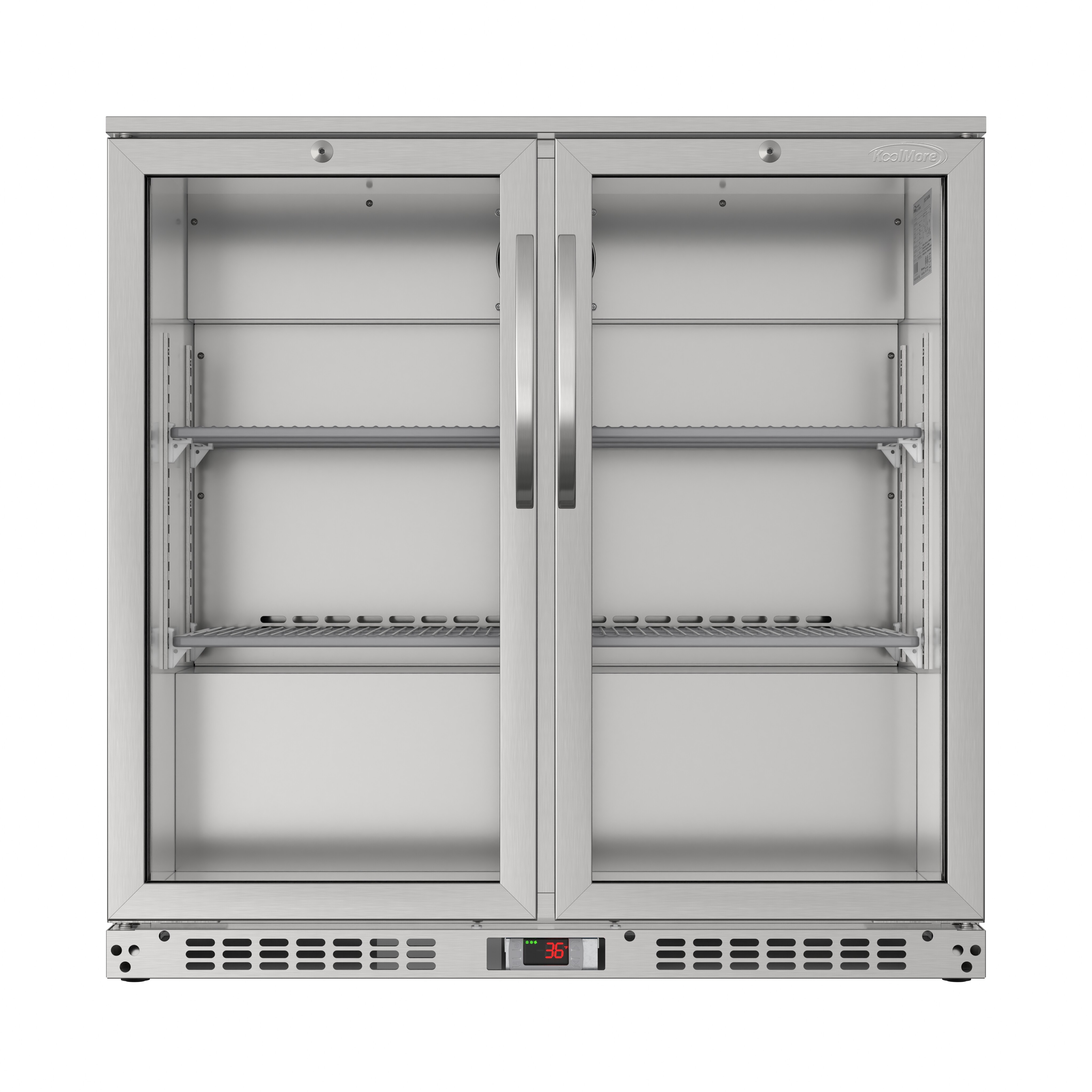
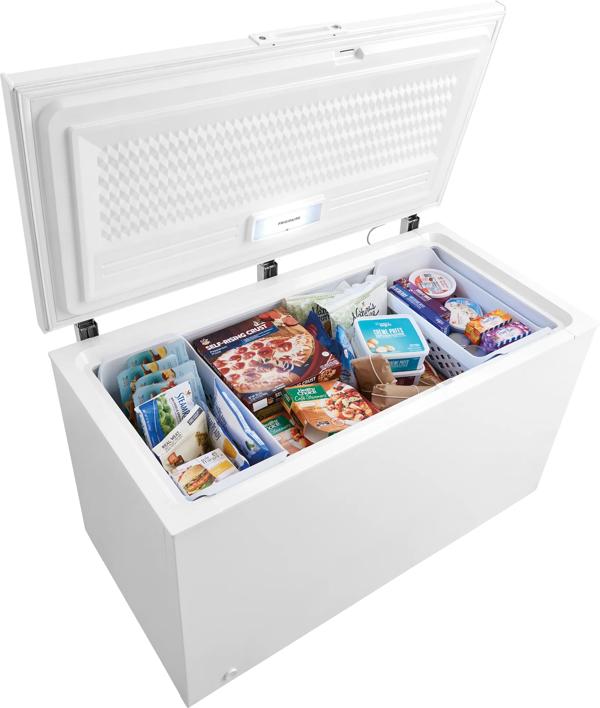
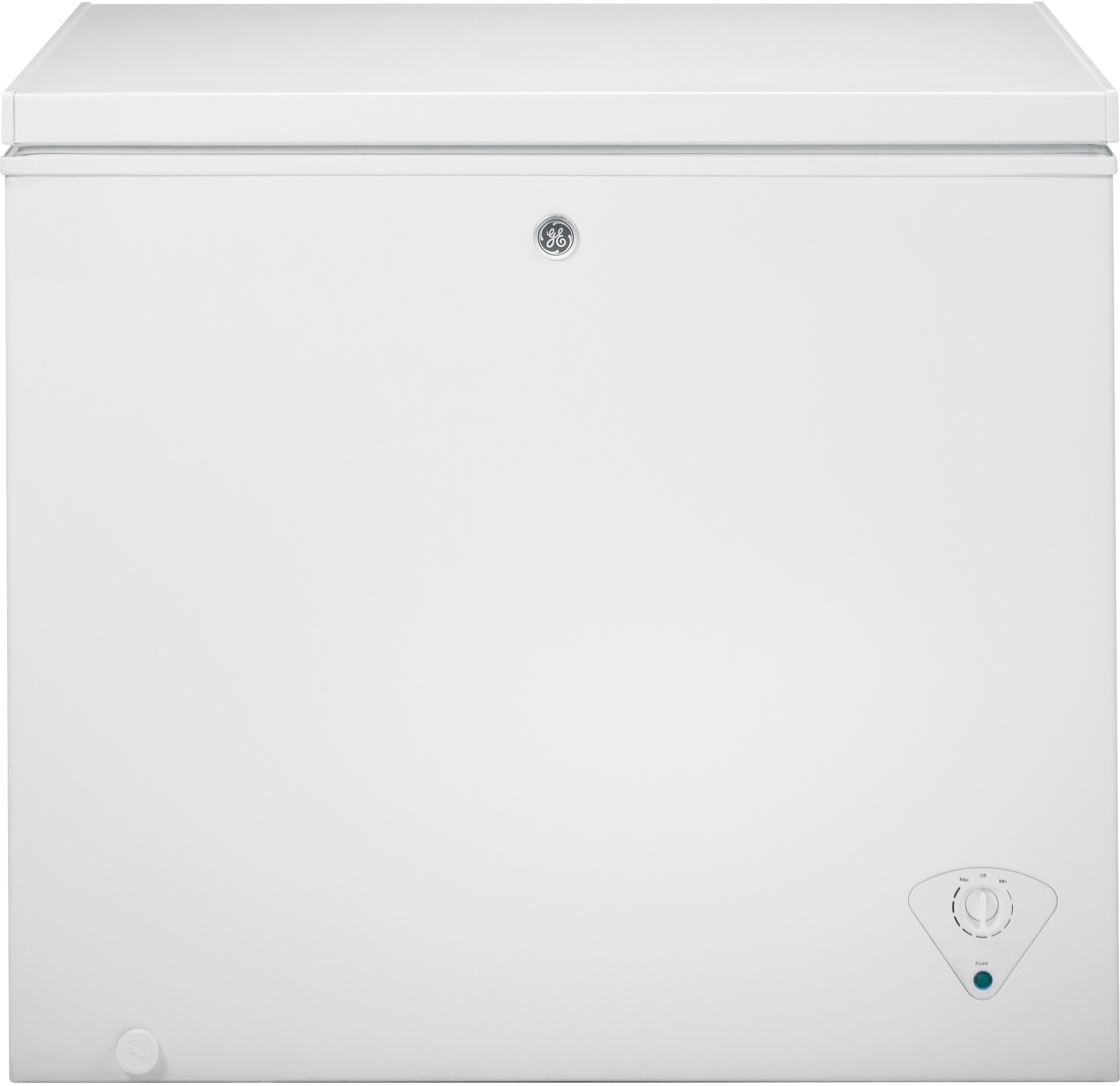
Both a refrigerator cooler and an undercounter refrigerator keep your food and drinks cool, but they cater to different needs and spaces. A refrigerator cooler is usually portable, perfect for the garage, basement, or even outdoor activities. An undercounter refrigerator, however, fits snugly under your kitchen counter, giving your kitchen a sleek, integrated look.
Key Differences Between Refrigerator Cooler and Undercounter Refrigerator
When deciding between a refrigerator cooler and an undercounter refrigerator, several differences can help you choose the right one for your needs.
A refrigerator cooler, often just called a cooler, keeps your food and drinks chilled at a slightly higher temperature range than traditional refrigerators. Here are some key features:
Portability: Designed to be easily transported for outdoor activities, picnics, or road trips.
Temperature Range: Maintains temperatures between 32°F and 50°F, perfect for keeping beverages and perishable items cool.
Power Options: Can operate on AC, DC, and sometimes battery power, offering flexible usage.
Compact Size: Ideal for small spaces like RVs, cabins, and small apartments.
Feature
Details
Portability
High
Temperature Range
32°F to 50°F
Power Options
AC, DC, Battery
Size
Compact
Ideal Uses for a Refrigerator Cooler
A refrigerator cooler is versatile and can serve various purposes:
Outdoor Activities: Great for camping, fishing, or picnics.
Travel: Perfect for road trips, can be plugged into the car's power outlet.
Small Spaces: Suitable for small apartments, dorm rooms, or offices.
Entertaining: Handy for parties and gatherings to keep drinks cool.
Features and Functionality of Undercounter Refrigerator
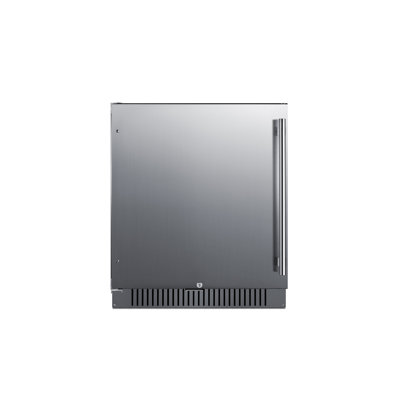
An undercounter refrigerator fits seamlessly beneath your kitchen counters, offering a compact and efficient refrigeration solution. Here are some key features:
Compact Size: Typically 24 to 36 inches wide, maximizing storage in a minimal footprint.
Temperature Control: Adjustable thermostats for precise temperature settings.
Storage Configuration: Adjustable shelves, door bins, and sometimes a small freezer compartment.
Energy Efficiency: Generally energy-efficient, with many models meeting ENERGY STAR standards.
Built-in Installation: Designed for built-in installation, blending seamlessly with your cabinetry.
Feature
Description
Size
24-36 inches wide
Temperature Control
Adjustable thermostat
Storage
Adjustable shelves, door bins
Installation
Built-in
Ideal Uses for an Undercounter Refrigerator
Undercounter refrigerators are versatile and can be used in various settings:
Small Kitchens: Perfect for apartments, condos, and tiny homes.
Home Bars and Entertainment Areas: Ideal for storing beverages and snacks.
Offices: Great for keeping lunch, beverages, and snacks cool.
Basements and Garages: Useful as secondary refrigerators for extra storage.
Outdoor Kitchens: Suitable for outdoor kitchens, providing convenient access to chilled items.
When deciding between a refrigerator cooler and an undercounter refrigerator, size and available space are crucial factors.
Assessing Available Space
Before buying, measure the area where you plan to place the appliance to ensure it fits comfortably.
Measurement
Refrigerator Cooler
Undercounter Refrigerator
Width (inches)
18-24
24-36
Height (inches)
30-35
32-34
Depth (inches)
18-22
24-26
Fitting a Refrigerator Cooler or Undercounter Refrigerator in Your Home
Consider the following when fitting these appliances into your home:
Kitchen: An undercounter refrigerator can be integrated into kitchen cabinetry for a streamlined look. Refrigerator coolers can be placed on countertops or in pantry areas.
Basement or Garage: Both can serve as extra storage for beverages or bulk groceries. Ensure there’s adequate ventilation space around the unit.
Office or Bar Area: An undercounter refrigerator is perfect for office break rooms or home bars. Refrigerator coolers can be placed in corners or under desks.
Understanding the maintenance and durability of each option is essential.
Cleaning and Maintenance Tips
Regular Cleaning: Clean the interior and exterior at least once a month with warm water and mild detergent.
Defrosting: If not frost-free, defrost periodically to prevent ice buildup.
Check Seals: Inspect door seals regularly to ensure they are intact.
Clean Coils: Clean the condenser coils every six months.
Temperature Settings: Keep within the recommended range.
Ventilation: Ensure proper ventilation around the appliance.
Longevity and Reliability
Feature
Refrigerator Cooler
Undercounter Refrigerator
Average Lifespan
10-15 years
10-20 years
Maintenance Frequency
Monthly
Monthly
Common Issues
Seal wear, Compressor issues
Seal wear, Thermostat failure
Repair Costs
Moderate
Moderate to High
For more information, check out Fridge.com articles on portable refrigerator Vs. slate refrigerator and basement refrigerator Vs. undercounter refrigerator.
By following these maintenance tips and understanding the factors that affect durability, you can enjoy reliable performance from your refrigerator cooler or undercounter refrigerator for years to come.
Compare prices on Fridge.com
Compare current prices and specifications on Fridge.com, then buy from the retailer you choose; delivery, installation and warranty terms are the retailer’s.
It also has tons of awesome articles about kitchen stuff and home news. Enhance your home, garage, backyard, patio, and office with the coolest essentials. With every necessary type of residential refrigerator or freezer in the collection, you're covered.
From Fridge.com research
Figures below come from data Fridge.com builds and maintains. Each links to the record behind it.
Fridge.com Energy Index, built on U.S. EPA and DOE ENERGY STAR records
Across 5,455 ENERGY STAR certified refrigerators and freezers from 263 brands, median use is 360 kWh per year.