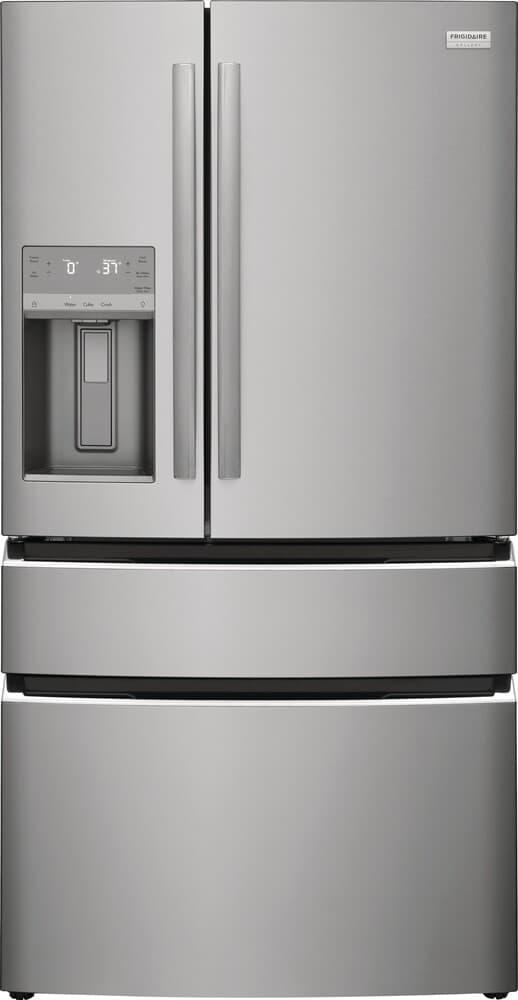
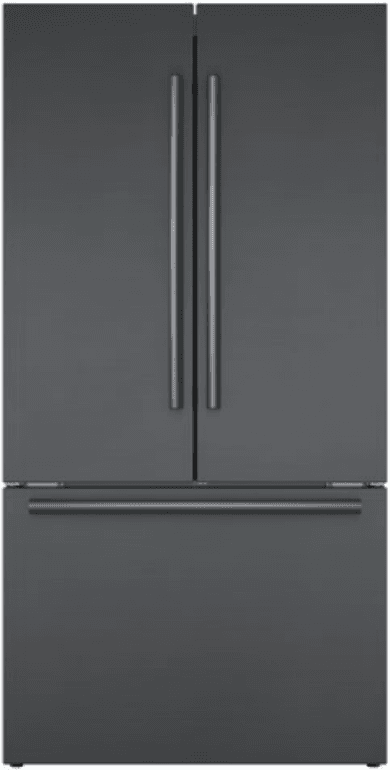
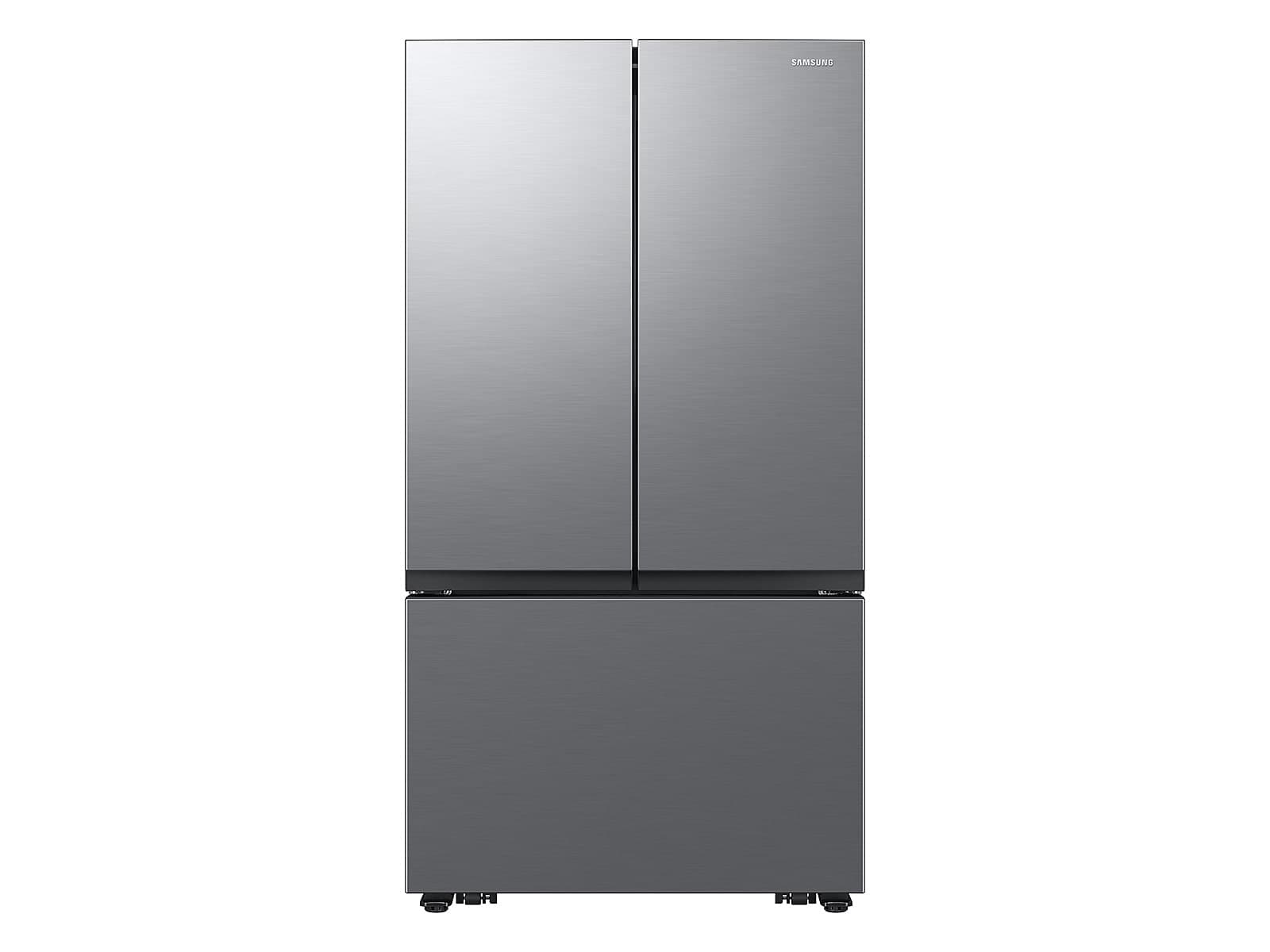
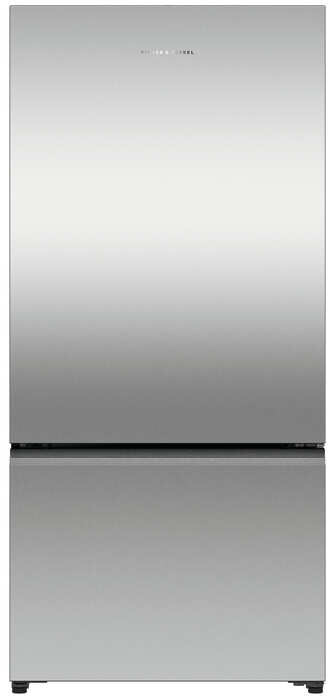
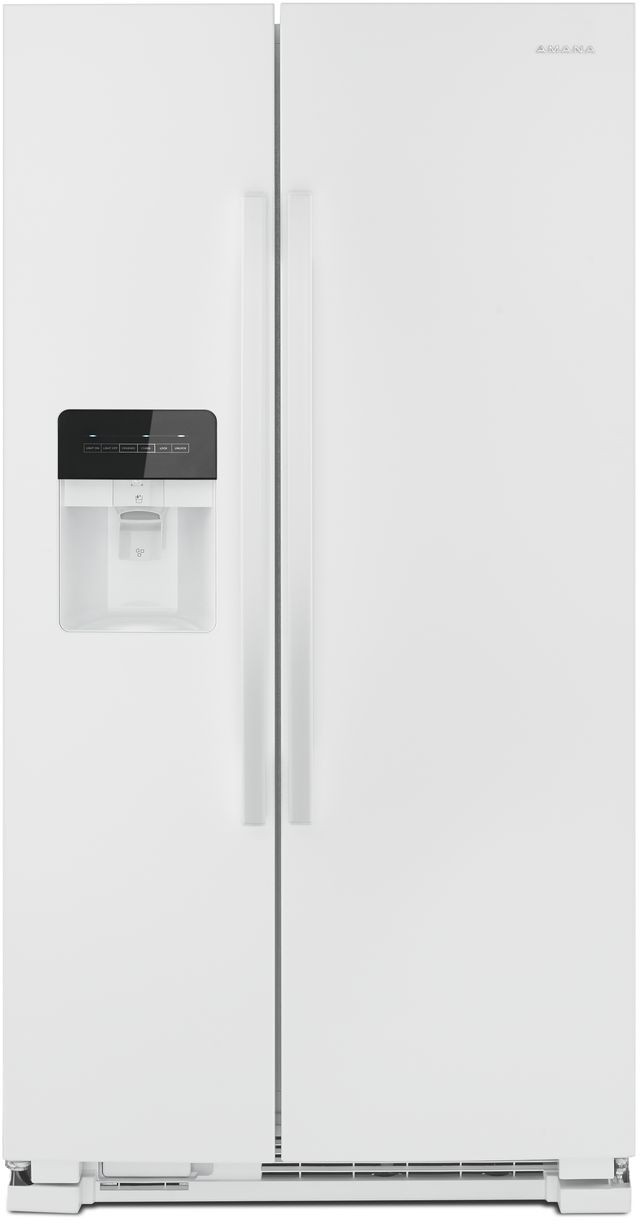
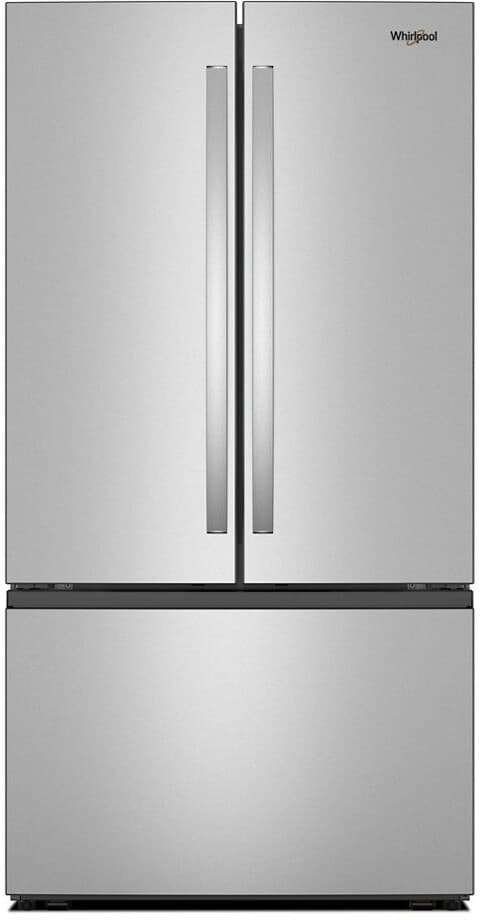
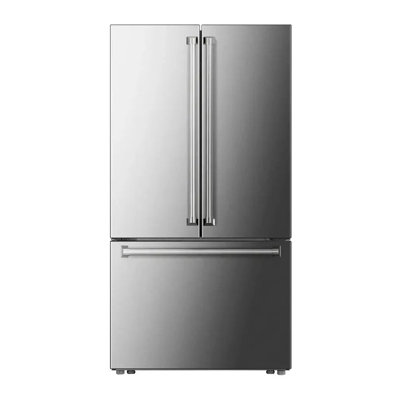
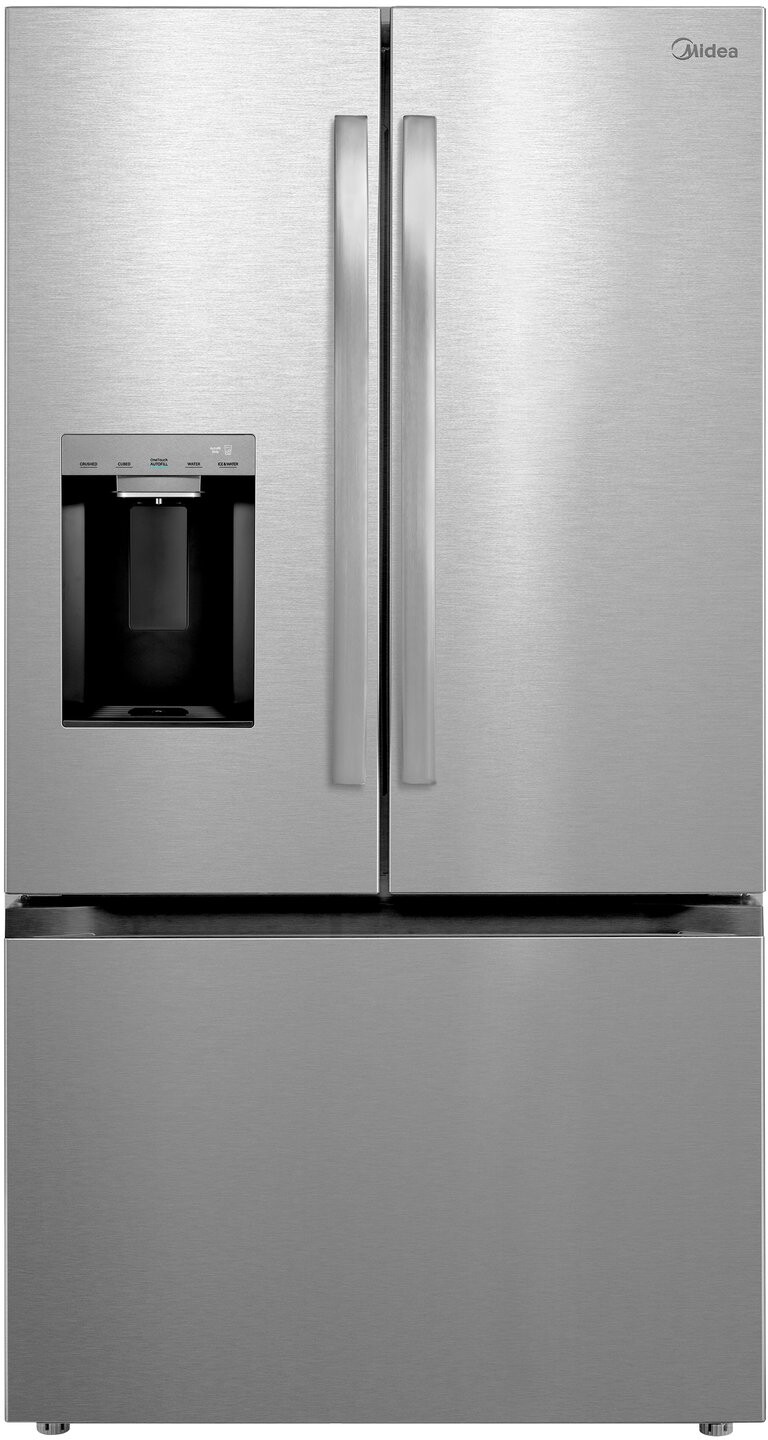
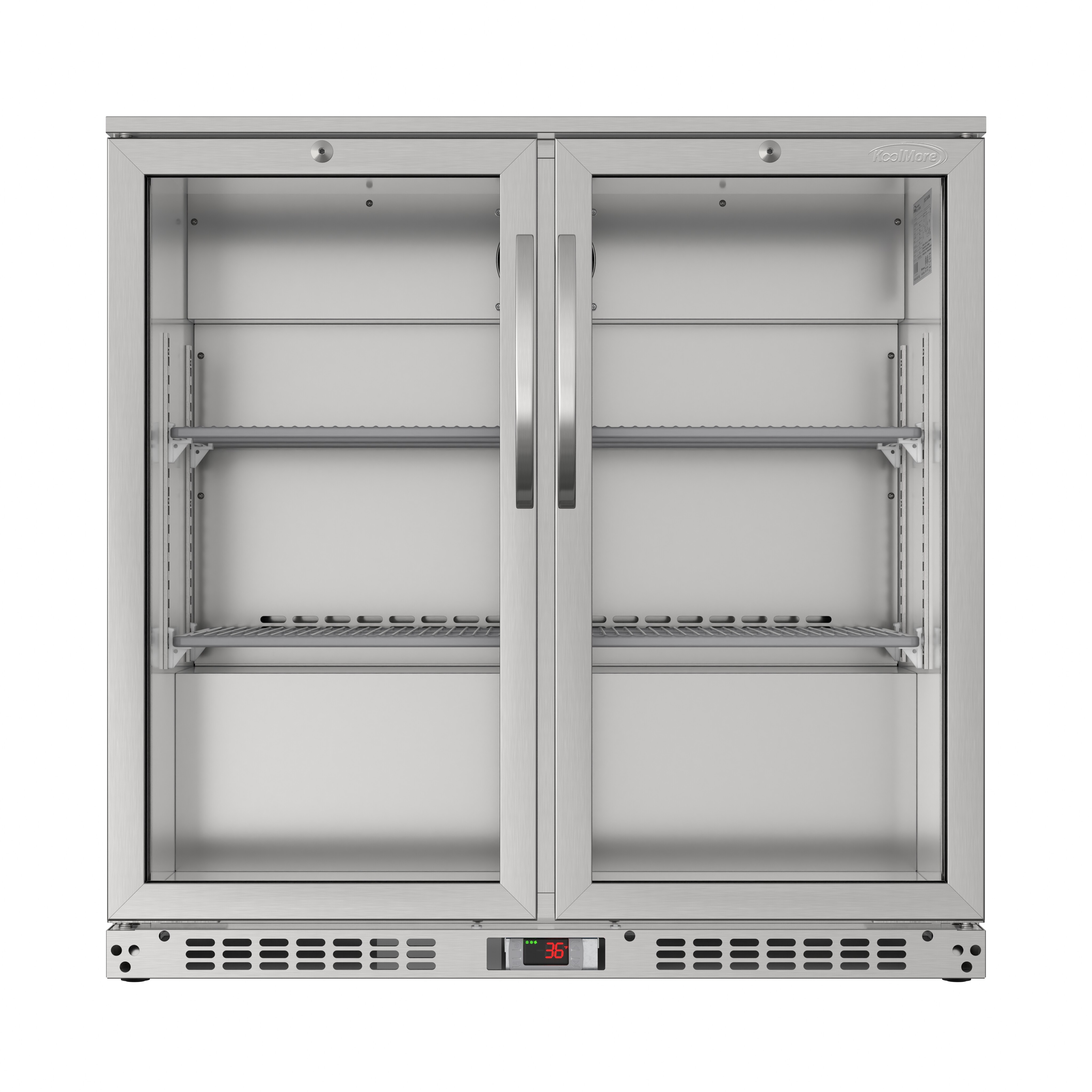
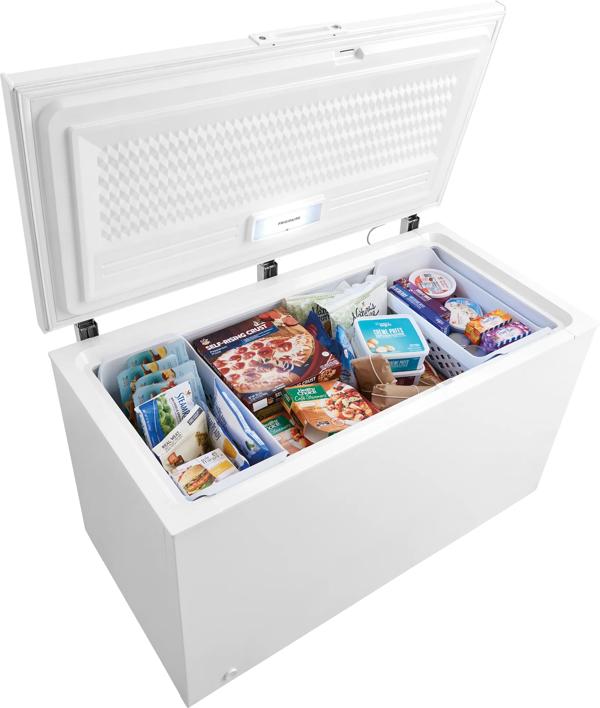
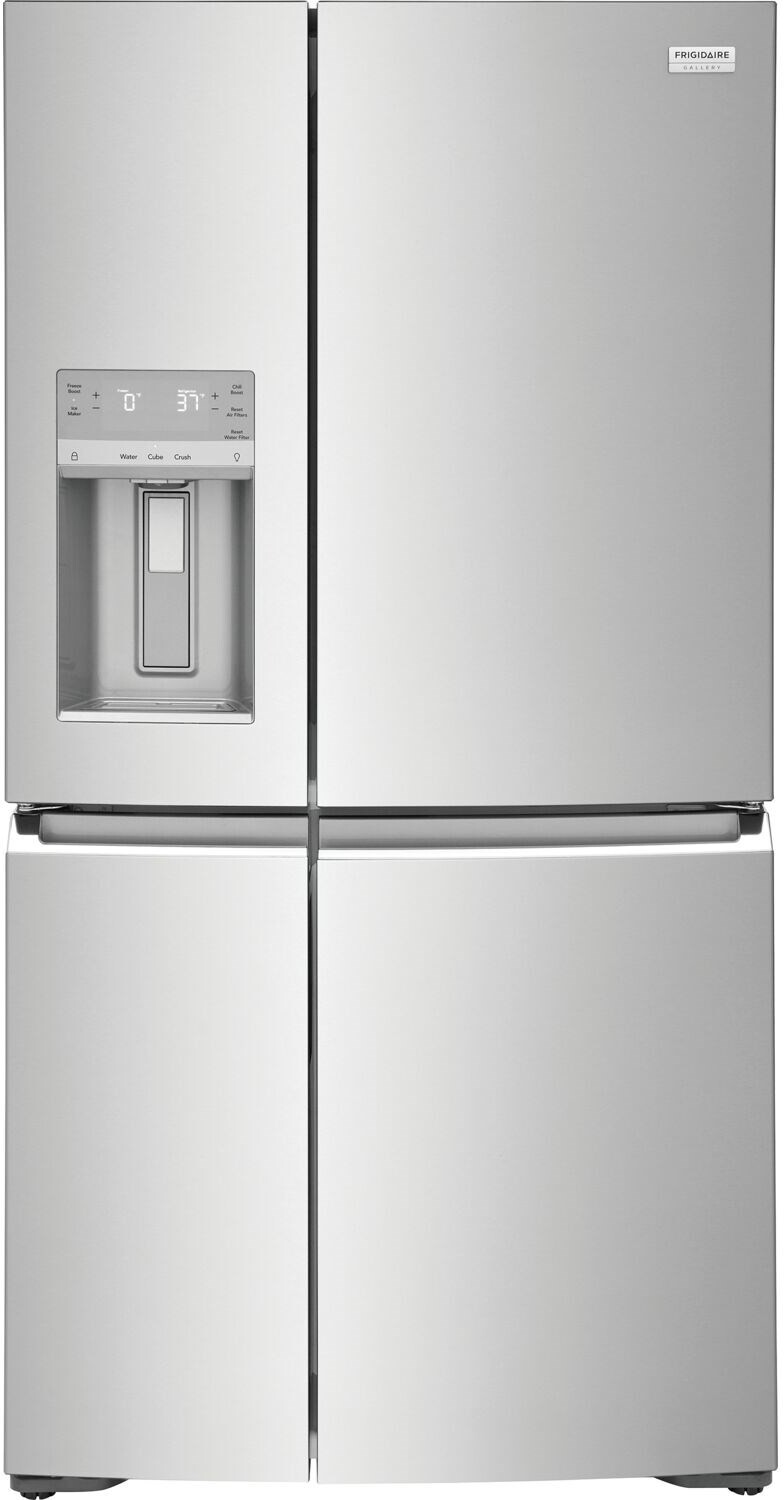
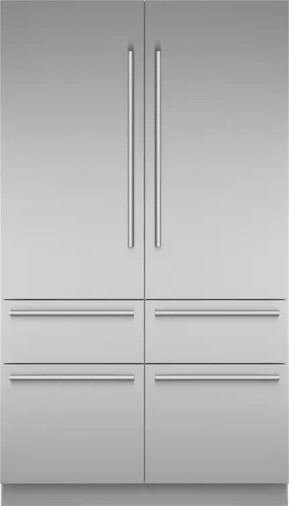
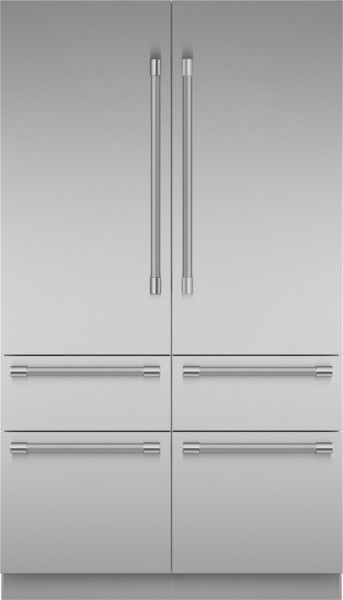
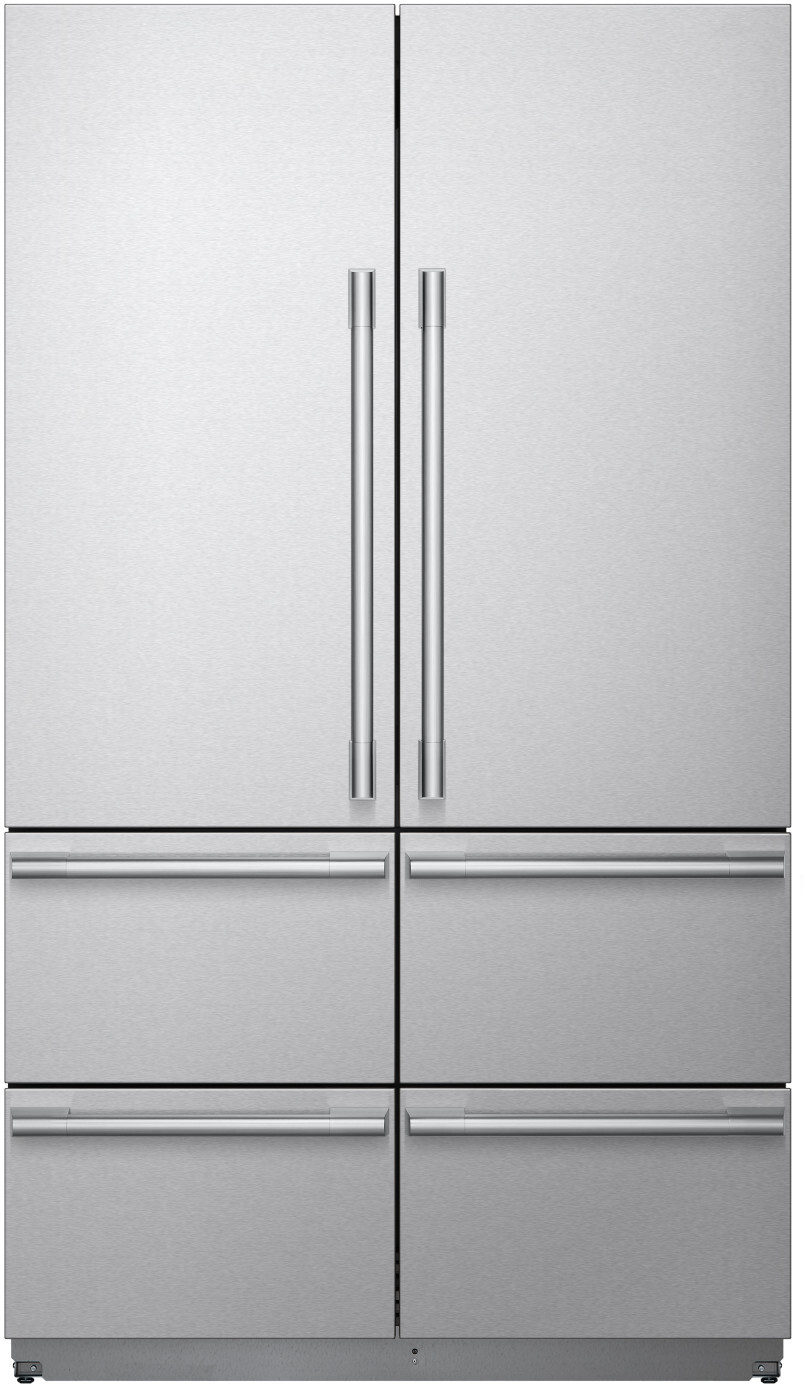
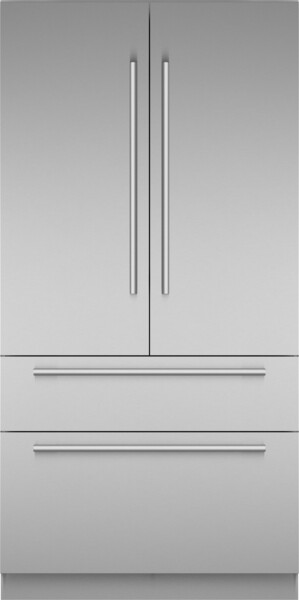
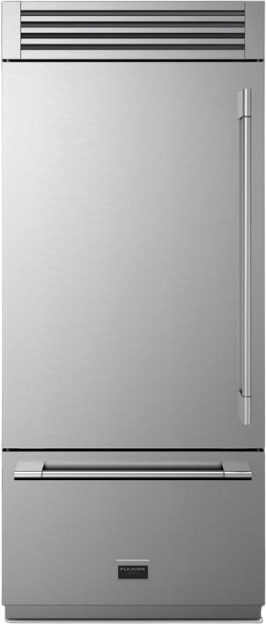
Compare refrigerator capacity in three parts: total storage volume, the split between refrigerated and frozen storage, and the space your actual food containers can use. The largest cubic-foot number is not automatically the best fit for your household or kitchen.
What refrigerator capacity means
Whirlpool explains that total capacity includes the refrigerator and freezer volume, measured in cubic feet. Check whether a specification refers to the whole appliance or only one compartment before comparing two models.
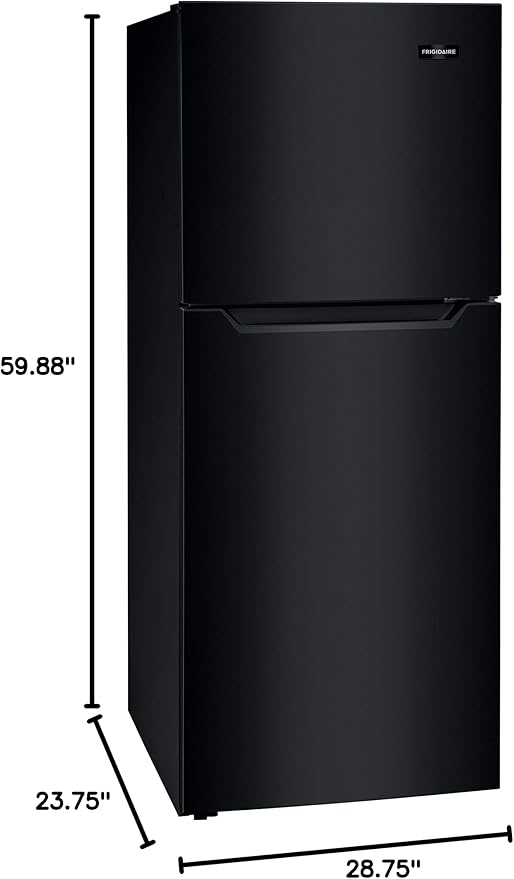
Capacity and exterior dimensions answer different questions. Capacity describes storage volume; exterior width, height and depth help determine whether an appliance fits. Multiplying the outside dimensions does not tell you the usable food-storage capacity.
Specification
What it helps you compare
Total capacity
The combined storage volume stated by the manufacturer.
Refrigerator-compartment capacity
Space for fresh food, drinks and refrigerated leftovers.
Freezer-compartment capacity
Space for frozen food; compare this separately if you freeze meals or buy frozen groceries in bulk.
Interior layout
Whether shelves, drawers and door bins accommodate the items you actually store.
Exterior and installation dimensions
Whether the model fits the opening, delivery route and required operating clearances.
Two refrigerators can have the same width and different capacities
Manufacturer model comparisons are more useful than assuming every French-door, top-freezer or counter-depth refrigerator has a fixed capacity range. For example, Whirlpool lists these counter-depth French-door models:
Model
Listed width
Listed total capacity
Listed depth
WRFC2036RZ
36 inches
20 cubic feet
29 3/8 inches
WRFC9636RZ
36 inches
23.8 cubic feet
31 1/2 inches
These are examples from the manufacturer comparison, not standard dimensions for all counter-depth refrigerators. The shared width does not make their depth or storage identical. Confirm the current model specification and installation document before ordering; the listed depth alone is not a cabinetry cutout dimension.
Start with what works and what does not in your current refrigerator. Household size matters, but shopping habits, meal preparation and the balance of fresh and frozen food can change the space you need. A household-size table should not replace those checks.
Fresh-food demand: Note the produce, leftovers and drinks that compete for shelf space.
Freezer demand: Count the bulky frozen items you routinely keep, especially large containers or pizza boxes.
Container fit: Measure a large casserole dish, pitcher or food-storage container you use regularly. Check the shelf opening and drawer shape, not just the total cubic feet.
Adjustability: Check how shelf and bin positions can change, and what space an ice maker or dispenser occupies.
treats household capacity estimates as guidance dependent on use and emphasizes checking the dimensions of the specific model. Use an estimate to begin a shortlist, then test that shortlist against your storage and kitchen requirements.
Measure the opening's width, height and depth, then compare the manufacturer's required clearances, hinge dimensions, handles and door-opening space. Check whether adjacent walls or cabinets prevent a door or drawer opening far enough for normal use. Include the delivery route in your measurements.
A refrigerator that fits while closed can still be awkward to load. A higher-capacity option is useful only if you can install and access it correctly. Keep the installation guide for each shortlisted model alongside its capacity specifications.
Compare energy use by model
Do not assign an electricity-use range solely from capacity or refrigerator style. The FTC EnergyGuide explanation shows how to compare estimated annual energy use and operating cost among similar appliances. Actual running cost depends on your electricity rate and use. The label's dollar estimate is not a guaranteed bill.