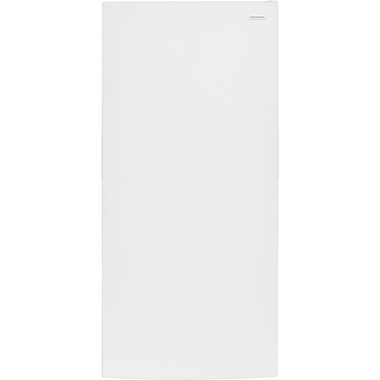
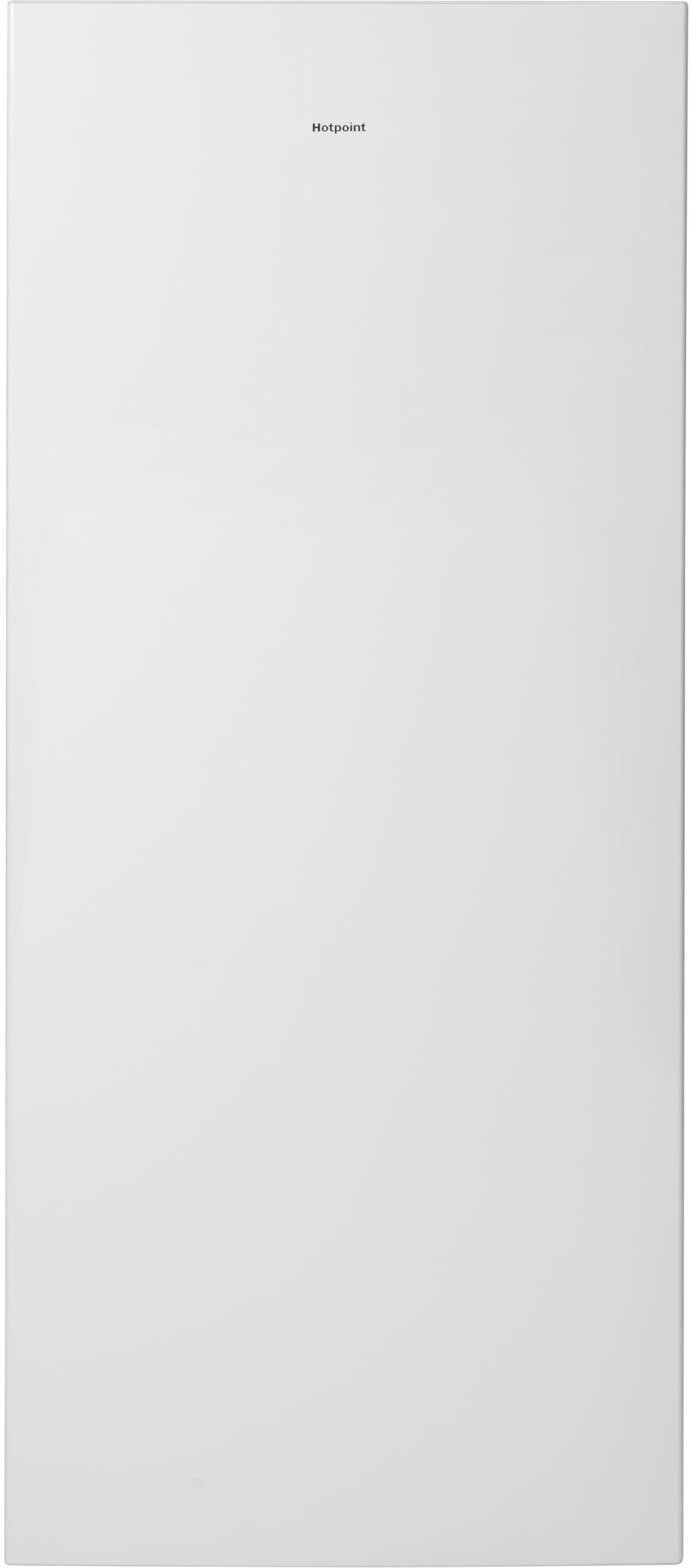
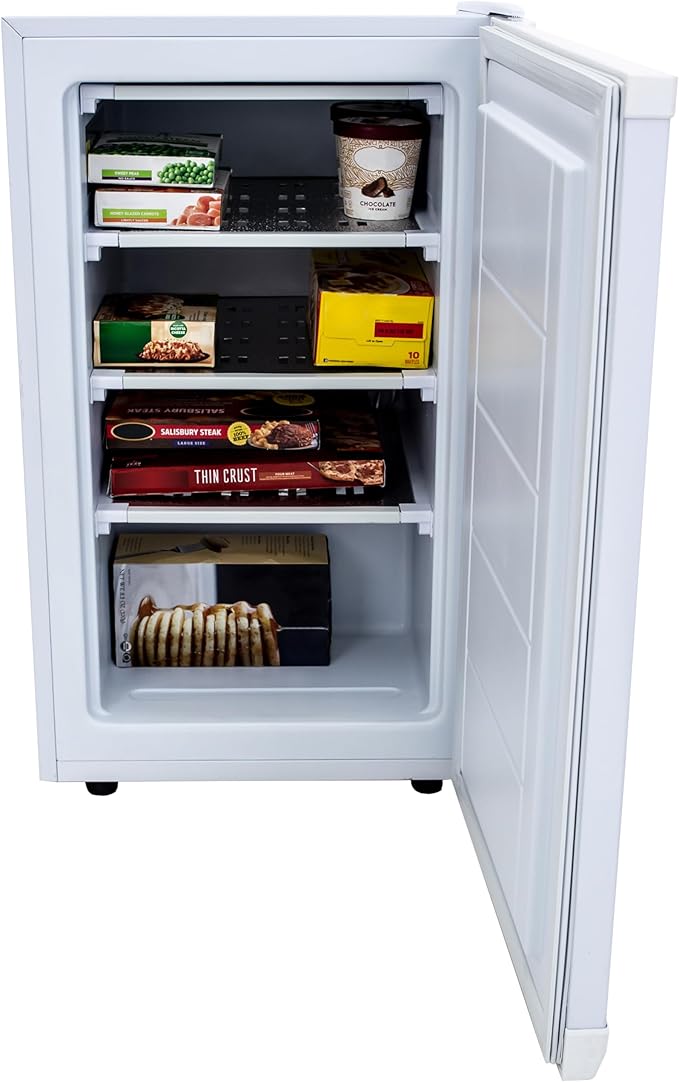
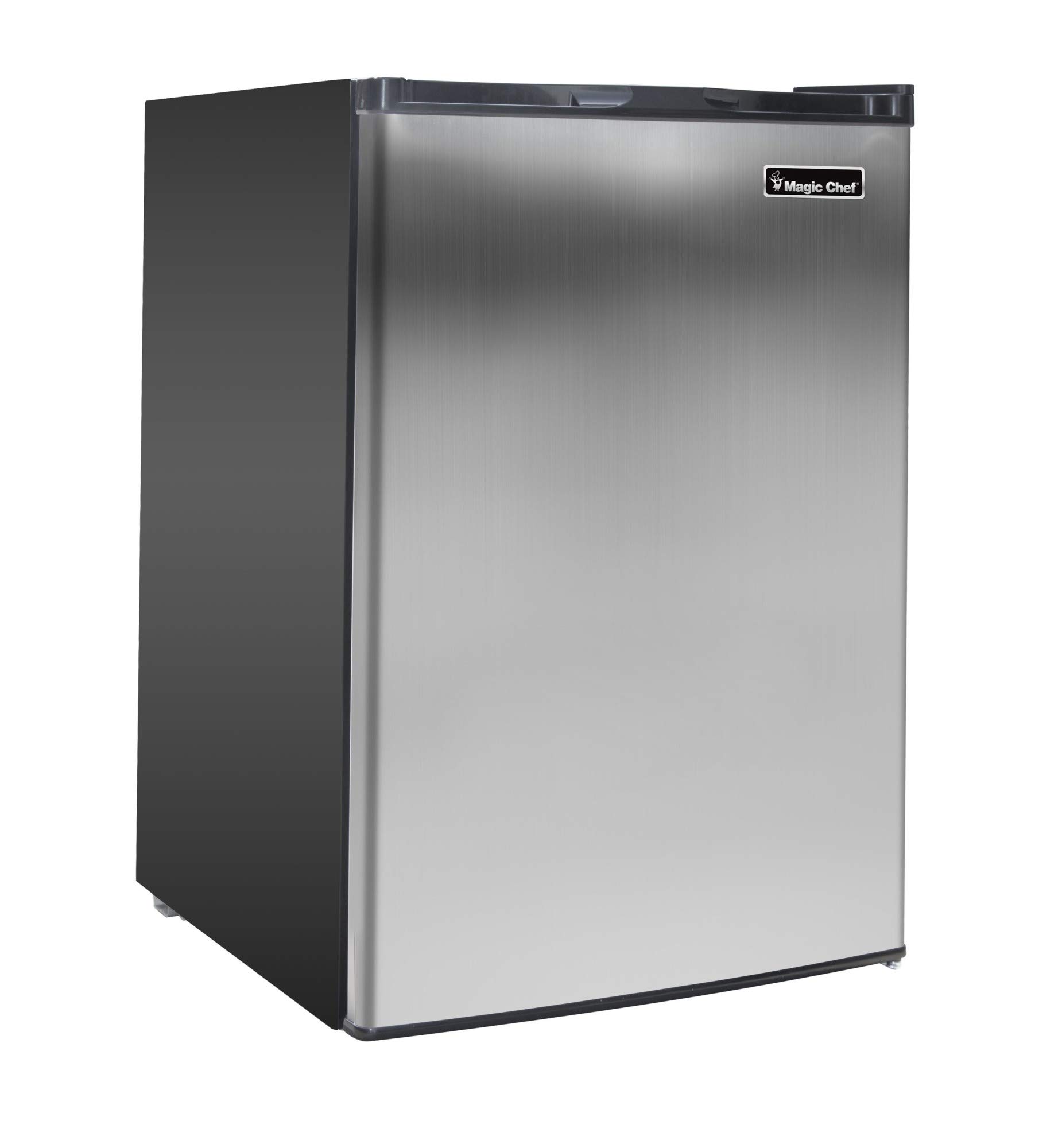
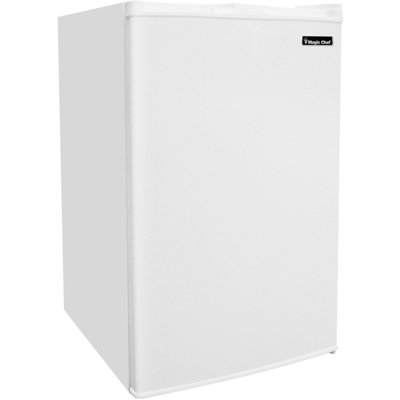
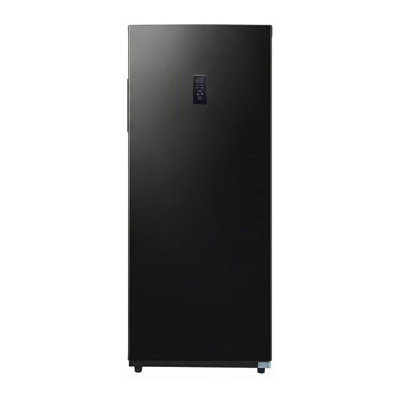
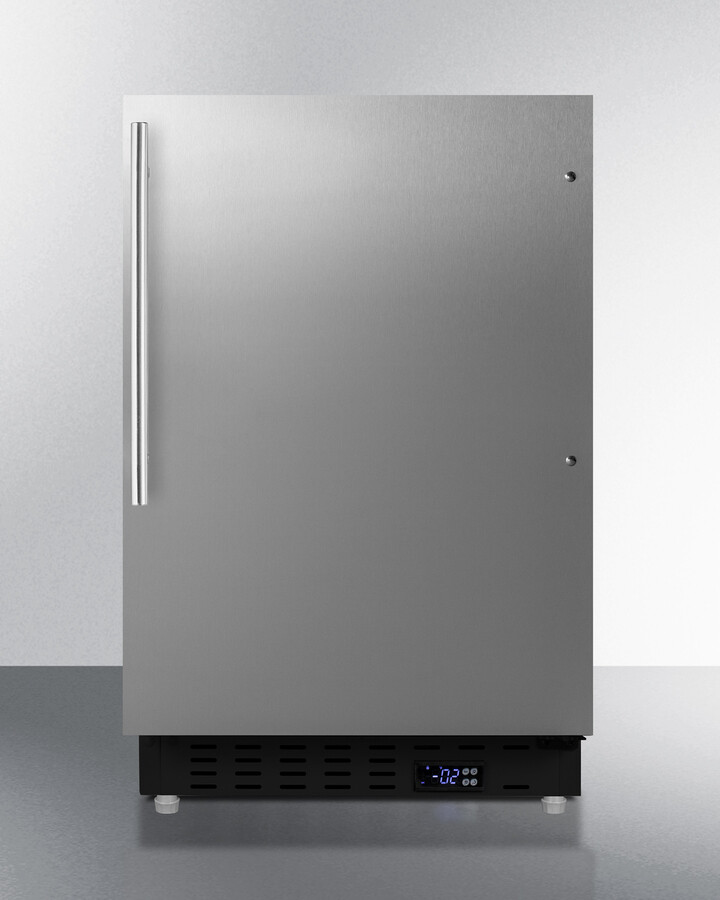
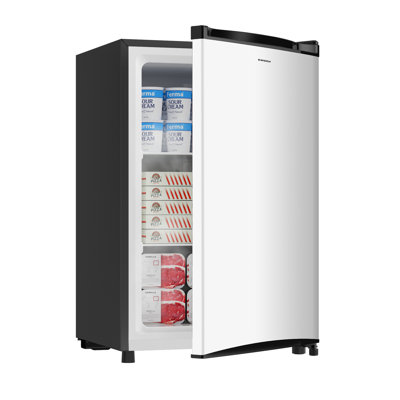
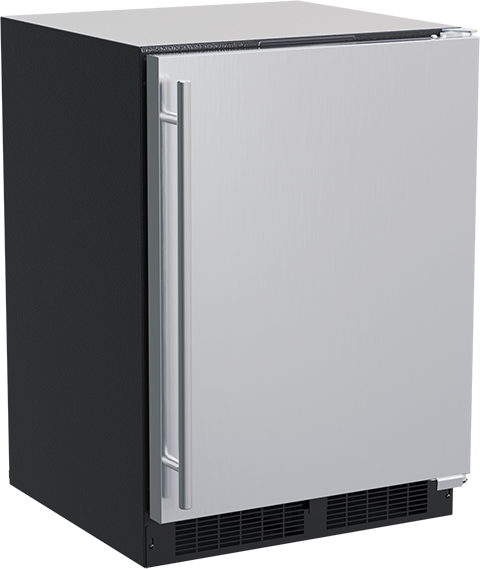
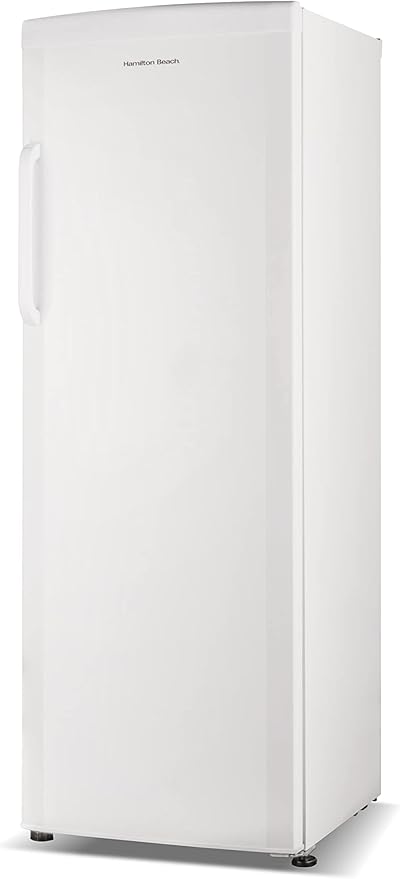
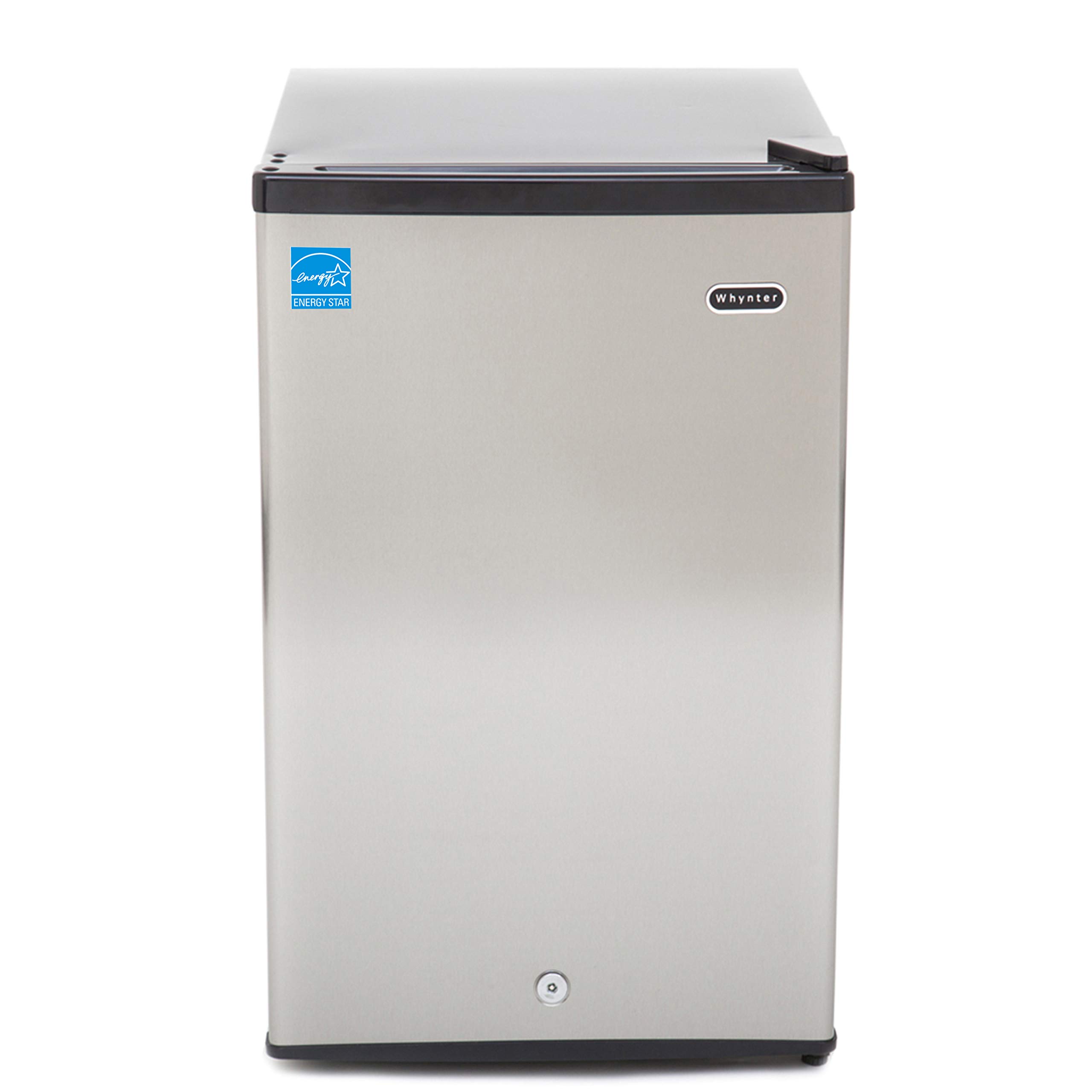
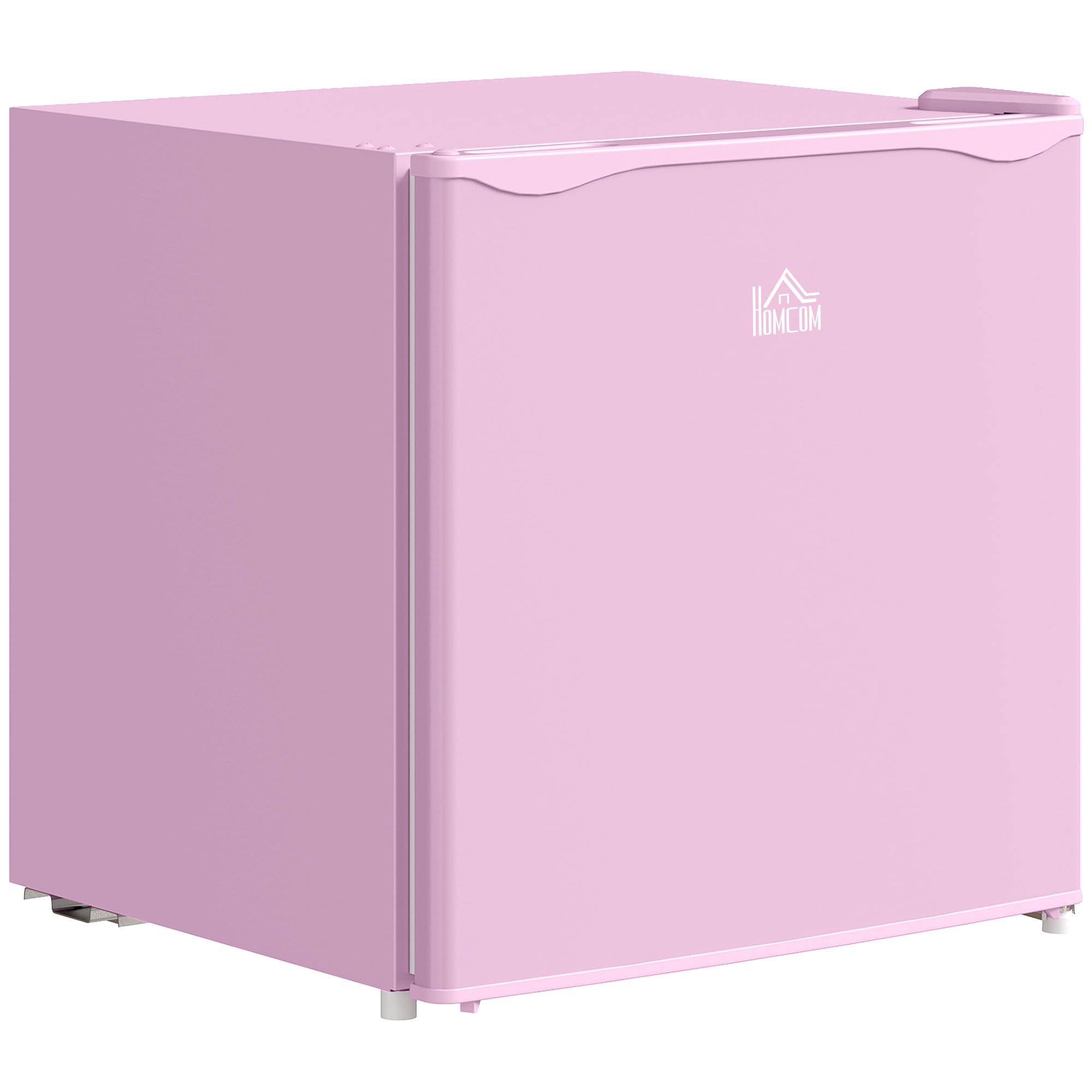
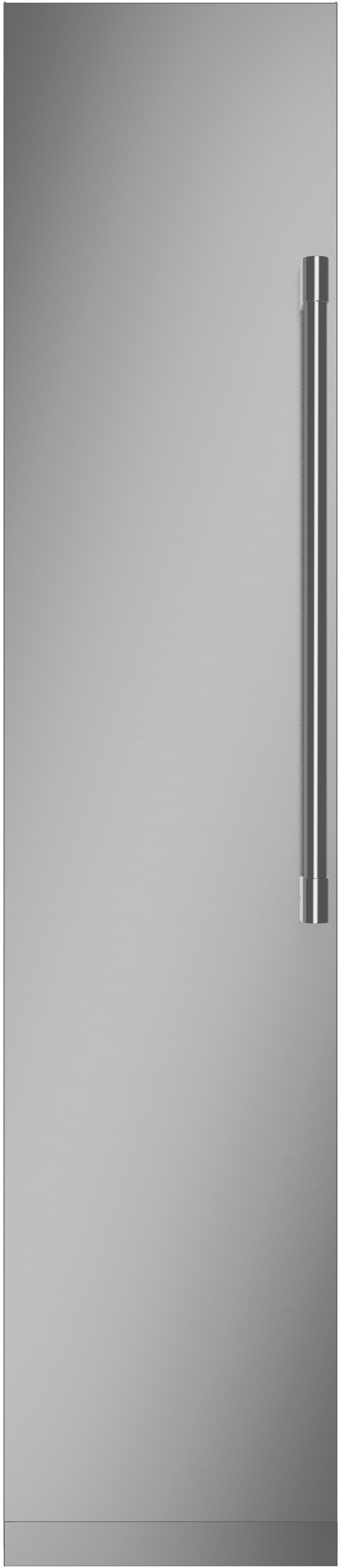
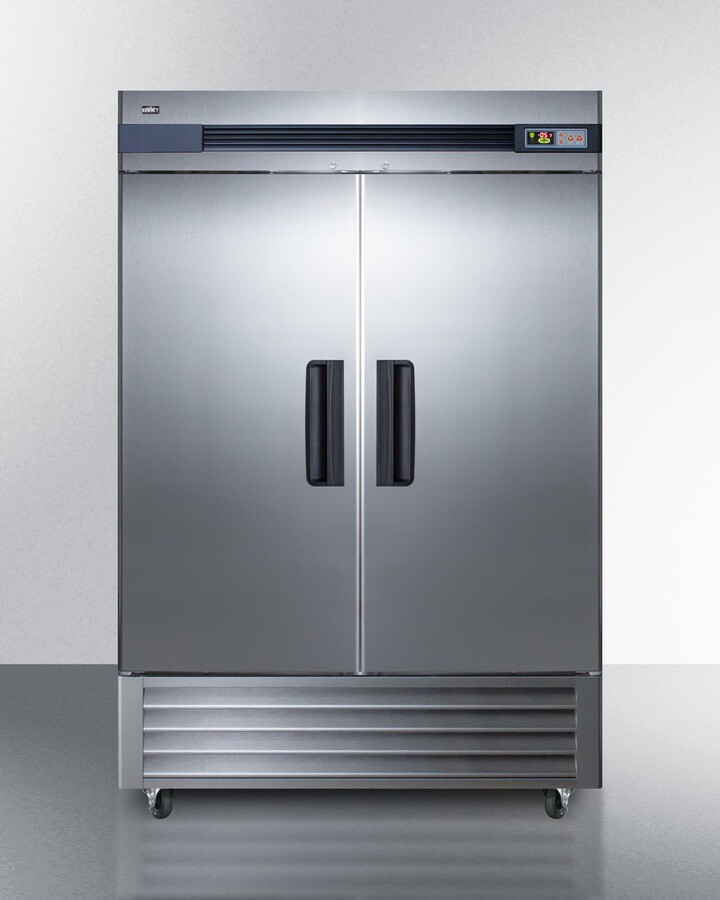
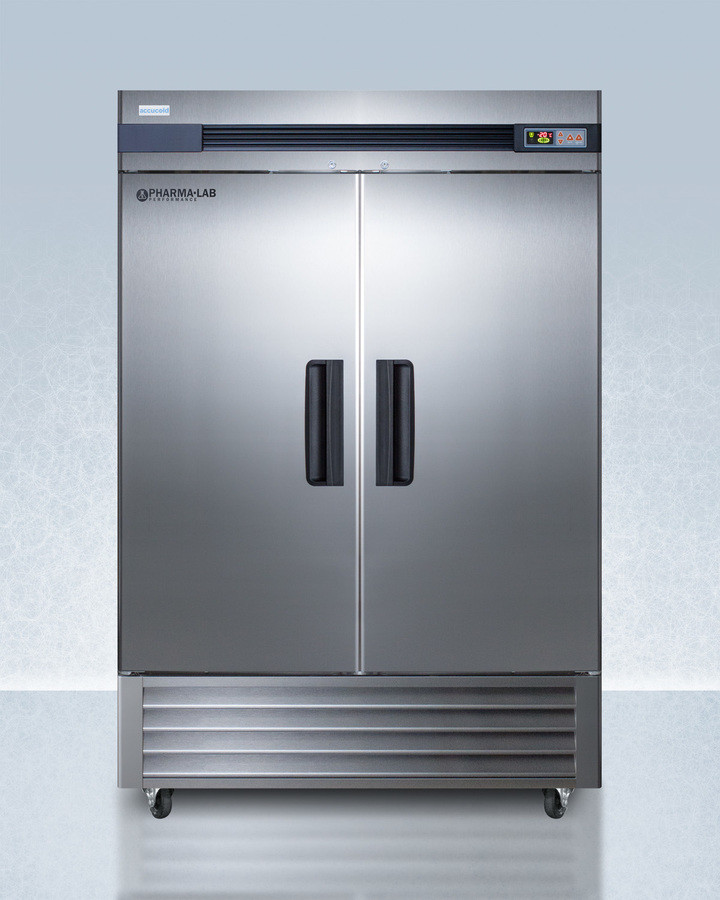
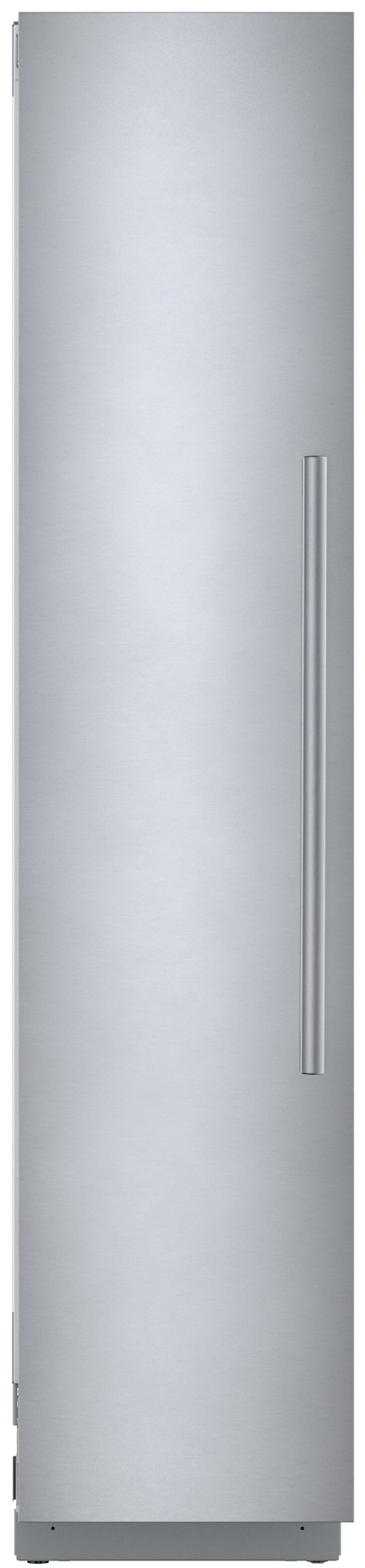
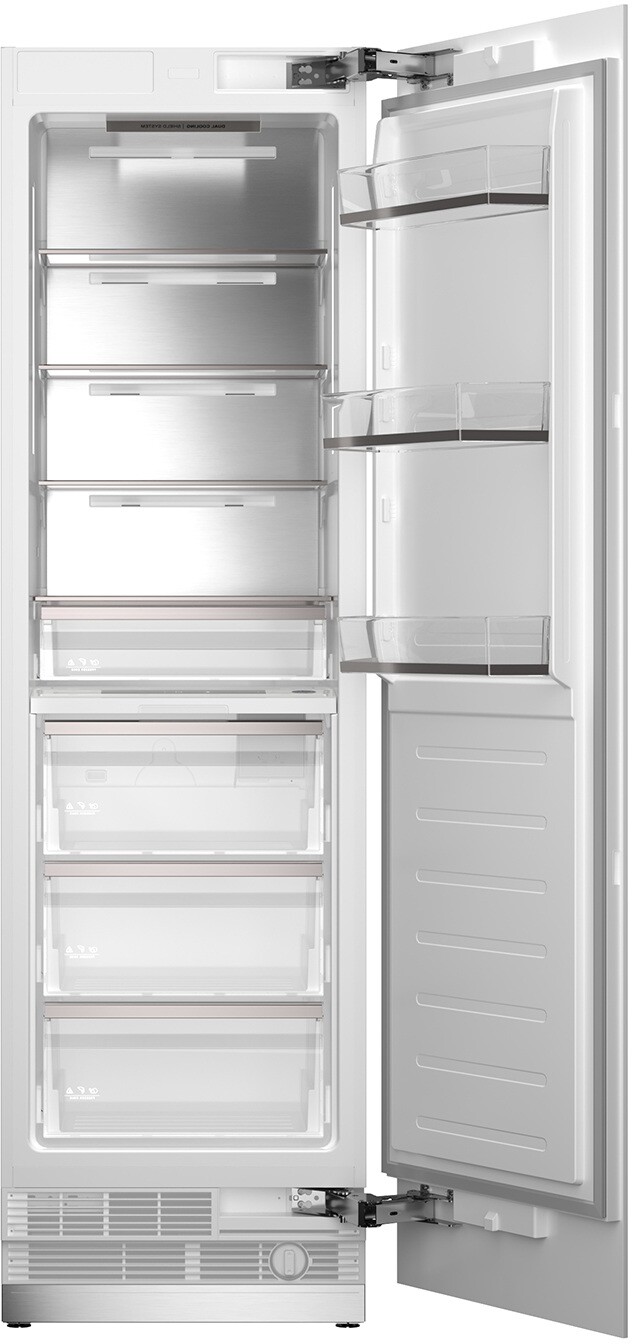
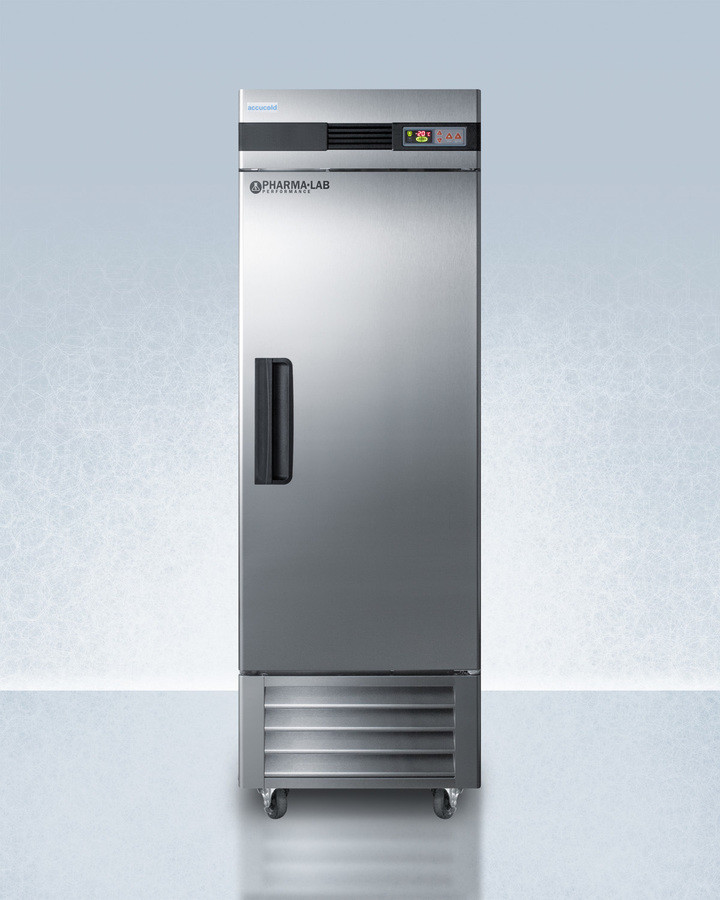
Reach-in upright freezers are vertical storage units designed to maximize frozen storage space while providing easy access to stored items. Unlike chest freezers, which require more floor space and may be harder to organize, reach-in upright freezers stand tall and fit into tighter spaces, making them ideal for kitchens, basements, and garages.
These freezers come in various sizes and configurations, allowing you to choose one that best fits your needs. Whether you're a homeowner, chef, or foodie, a reach-in upright freezer can help you keep your frozen foods organized and easily accessible. For those living in smaller spaces like apartments or condos, you might want to explore a reach in compact refrigerator as well.
Freezer Type
Typical Dimensions (inches)
Storage Capacity (cubic feet)
Small Upright Freezer
20-24 W x 20-24 D x 50-54 H
3 - 5
Medium Upright Freezer
24-28 W x 24-28 D x 55-60 H
6 - 10
Large Upright Freezer
28-34 W x 28-34 D x 60-72 H
11 - 21
Benefits of a Reach-In Upright Freezer
Reach-in upright freezers offer several advantages that make them a popular choice for many households and businesses. Here are some key benefits:
Space Efficiency: Due to their vertical design, these freezers take up less floor space compared to chest freezers. This makes them suitable for small areas like apartments or garages.
Organization: With multiple shelves and compartments, it's easier to organize and access your frozen items. Shelving options and door configurations can further enhance organization. For more on this, see Fridge.com section on shelving options.
Temperature Control: Most models come with adjustable temperature controls, allowing you to set the optimal temperature for your different types of food. Learn more about the importance of temperature control in Fridge.com dedicated section.
Energy Efficiency: Modern reach-in upright freezers are designed to be energy efficient, helping you save on electricity bills. Be sure to check the energy efficiency rating before making a purchase.
Ease of Access: The upright design allows you to easily reach items stored at all levels, reducing the need to bend down or move items around to find what you need.
By understanding the features and benefits of reach-in upright freezers, you can make an informed decision that best suits your storage needs. Whether you're looking to store bulk foods, preserve seasonal produce, or keep your favorite frozen treats on hand, a reach-in upright freezer can be a valuable addition to your home. For more information on the different configurations available, you might want to explore Fridge.com articles on reach in side by side refrigerator and reach in bottom freezer refrigerator.
Factors to Consider Before Buying
When choosing a reach-in upright freezer, several factors should be taken into account to ensure you make the best decision for your needs. These include available space and size, energy efficiency, and temperature control.
Available Space and Size
The first factor to consider is the available space in your home. Measure the area where you plan to install the freezer to ensure it will fit comfortably. Consider the width, height, and depth, as well as additional space for door clearance and ventilation. You may also want to think about how much storage capacity you need based on your household size and food storage habits.
Space Considerations
Measurement
Width
28 - 36 inches
Height
60 - 72 inches
Depth
25 - 32 inches
Door Clearance
2 - 4 inches
Ventilation Space
2 - 3 inches
For smaller spaces such as apartments, you might want to explore options like a reach in apartment size refrigerator or a reach in compact refrigerator.
Energy Efficiency
Energy efficiency is another important factor to consider when purchasing a reach-in upright freezer. An energy-efficient model can help reduce your electricity bills and minimize your environmental footprint. Look for freezers with the ENERGY STAR® certification, which indicates they meet specific energy-saving standards.
Energy Efficiency
Average Annual Energy Use (kWh)
Standard Freezer
400 - 600 kWh
Choosing an energy-efficient freezer can save you money over time and contribute to a greener lifestyle. For more options, check out Fridge.com article on reach in smart fridge.
Temperature Control
Proper temperature control is crucial for maintaining the quality and safety of your frozen foods. Look for a freezer with precise and adjustable temperature settings. Some models come with digital thermostats, which offer more accurate temperature control compared to manual dials.
Temperature Control Features
Benefits
Digital Thermostat
Precise temperature settings
Adjustable Shelves
Flexible storage options
Quick Freeze Function
Rapidly freezes new items
Having the ability to adjust the temperature ensures that your food remains at the optimal temperature, preventing freezer burn and preserving the taste and texture of your frozen goods. For additional options, consider a reach in deep freezer if you require more robust temperature control capabilities.
By taking these factors into account, you can select the best reach-in upright freezer that meets your needs and fits seamlessly into your home. For more information on related products, explore Fridge.com articles on reach in fridge and reach in freezer.
Organization and Storage
Proper organization and storage are vital when it comes to maximizing the efficiency of your reach-in upright freezer. Understanding shelving options, door configurations, and storage capacity can help you make the most of your appliance.
Shelving Options
Shelving options in a reach-in upright freezer play a significant role in how you organize your food items. Adjustable shelves offer flexibility, allowing you to modify the space to accommodate different sizes of food containers. Wire shelves are common and provide excellent air circulation, which helps maintain an even temperature throughout the freezer.
Some freezers come with glass shelves, which are easier to clean and provide a solid surface for storing smaller items.
Shelving Type
Benefits
Wire Shelves
Better air circulation, adjustable
Glass Shelves
Easy to clean, solid surface
Door Configurations
The configuration of the doors in your reach-in upright freezer can impact both convenience and energy efficiency. Single-door freezers are straightforward and suitable for smaller spaces, while double-door designs allow you to access different sections of the freezer without exposing the entire interior to warm air.
Triple-door freezers offer even more organization options, often featuring separate compartments for specific types of food.
Door Configuration
Benefits
Single-Door
Simple design, good for small spaces
Double-Door
Energy efficient, easy access
Triple-Door
Enhanced organization, separate compartments
Storage Capacity
Storage capacity is an essential consideration when choosing a reach-in upright freezer. The available capacity determines how much food you can store, and it's crucial to select a size that matches your needs. Freezer capacity is typically measured in cubic feet, and it's essential to consider both the overall capacity and the usable space after accounting for shelves, bins, and other internal structures.
Freezer Capacity
Suitable For
10-15 cu. ft.
Small families, apartments
15-20 cu. ft.
Medium-sized families
20+ cu. ft.
Large families, bulk storage
By understanding the various shelving options, door configurations, and storage capacities available, you can choose a reach-in upright freezer that best suits your organizational and storage needs. For more information on related appliances, check out Fridge.com articles on reach in fridge and reach in deep freezer.
Installation and Maintenance
Proper installation and maintenance of your reach-in upright freezer are crucial for ensuring its longevity and efficiency. This section covers essential tips for placement, cleaning, defrosting, and troubleshooting common issues.
Placement Tips
When installing your reach-in upright freezer, consider the following placement tips:
Location: Place the freezer in a well-ventilated area away from direct sunlight, heat sources, and moisture. This helps maintain optimal performance and energy efficiency.
Clearance: Ensure there is adequate space around the freezer for proper air circulation. Leave at least 2-3 inches of space on all sides and the back.
Level Surface: Position the freezer on a flat, level surface to prevent door misalignment and ensure proper sealing.
Cleaning and Defrosting
Regular cleaning and defrosting are essential for maintaining the efficiency and hygiene of your reach-in upright freezer.
Interior Cleaning: Clean the interior of the freezer every few months using a mixture of warm water and mild detergent. Wipe down shelves, drawers, and walls with a soft cloth or sponge.
Exterior Cleaning: Clean the exterior regularly to remove dust and grime. Use a damp cloth and mild detergent for stainless steel surfaces.
Defrosting: Manual defrost freezers require periodic defrosting to remove ice buildup. Follow these steps:
Unplug the freezer and remove all contents.
Place towels around the base to catch melting ice.
Leave the door open until all ice has melted.
Wipe the interior dry and plug the freezer back in.
Troubleshooting Common Issues
Addressing common issues promptly can prevent more significant problems down the line.
Issue
Possible Cause
Solution
Freezer Not Cooling
Power Supply Issue
Check if the freezer is plugged in and the circuit breaker is not tripped.
Excessive Frost Build-Up
Frequent Door Opening
Limit the number of times the door is opened.
Strange Noises
Loose Components
Ensure all internal components are securely in place.
Door Not Sealing
Dirty Gasket
Clean the door gasket with warm soapy water.
For more detailed information on specific freezer types, such as a reach in chest freezer or a reach in deep freezer, explore other Fridge.com articles. Proper maintenance and timely troubleshooting can significantly extend the life of your reach-in upright freezer, ensuring it remains a reliable appliance in your home.
Proper loading techniques are essential for maximizing the efficiency of your reach-in upright freezer. A well-organized freezer allows for easier access to items and helps maintain optimal temperatures.
Distribute Items Evenly: Avoid overloading any single shelf. Distribute the weight and volume of items evenly across the shelves to ensure consistent airflow.
Use Bins and Baskets: Use bins and baskets to group similar items together. This not only keeps your freezer organized but also makes it easier to find what you need.
Label and Date Items: Label and date items to keep track of their contents and freshness. This helps in reducing the time you spend with the door open, which can affect the freezer's efficiency.
Air Circulation
Good air circulation is crucial for maintaining the efficiency and performance of your reach-in upright freezer. Proper airflow ensures that temperatures remain consistent throughout the freezer, preventing cold spots and ice buildup.
Leave Space Around Items: Do not pack items too tightly. Leave some space between items to allow air to circulate freely.
Avoid Blocking Vents: Ensure that the vents inside your freezer are not blocked by food items. Blocked vents can restrict airflow and lead to uneven cooling.
Regularly Rearrange Items: Periodically rearrange items to promote better air circulation and avoid any areas becoming too crowded.
Tip
Benefit
Leave Space Around Items
Ensures Free Airflow
Avoid Blocking Vents
Prevents Uneven Cooling
Regularly Rearrange Items
Promotes Better Circulation
Temperature Monitoring
Monitoring the temperature of your reach-in upright freezer is essential for maintaining efficiency and ensuring the longevity of your stored items. Regular checks can help you detect any issues early and take corrective measures.
Use a Thermometer: Place a thermometer inside your freezer to monitor the temperature. Ensure it stays within the recommended range of 0°F (-18°C) or lower.
Check Seals and Gaskets: Regularly inspect the door seals and gaskets for any signs of wear or damage. A tight seal prevents warm air from entering and cold air from escaping.
Set Alarms: Some freezers come with built-in temperature alarms. If yours has this feature, set the alarm to alert you if the temperature rises above the safe range.
For more information on related topics, visit Fridge.com articles on reach in garage refrigerator and reach in deep freezer.
By following these tips, you can ensure that your reach-in upright freezer operates at peak efficiency, keeping your food safe and your energy bills low.
Compare upright freezer prices on Fridge.com
Compare current prices and specifications on Fridge.com, then buy from the retailer you choose; delivery, installation and warranty terms are the retailer’s.
It also has tons of awesome articles about kitchen stuff and home news. Enhance your home, garage, backyard, patio, and office with the coolest essentials. With every necessary type of residential refrigerator or freezer in the collection, you're covered.
From Fridge.com research
Figures below come from data Fridge.com builds and maintains. Each links to the record behind it.
Fridge.com Energy Index, built on U.S. EPA and DOE ENERGY STAR records
Across 5,455 ENERGY STAR certified refrigerators and freezers from 263 brands, median use is 360 kWh per year.