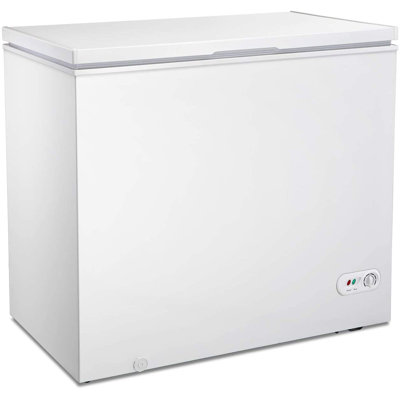
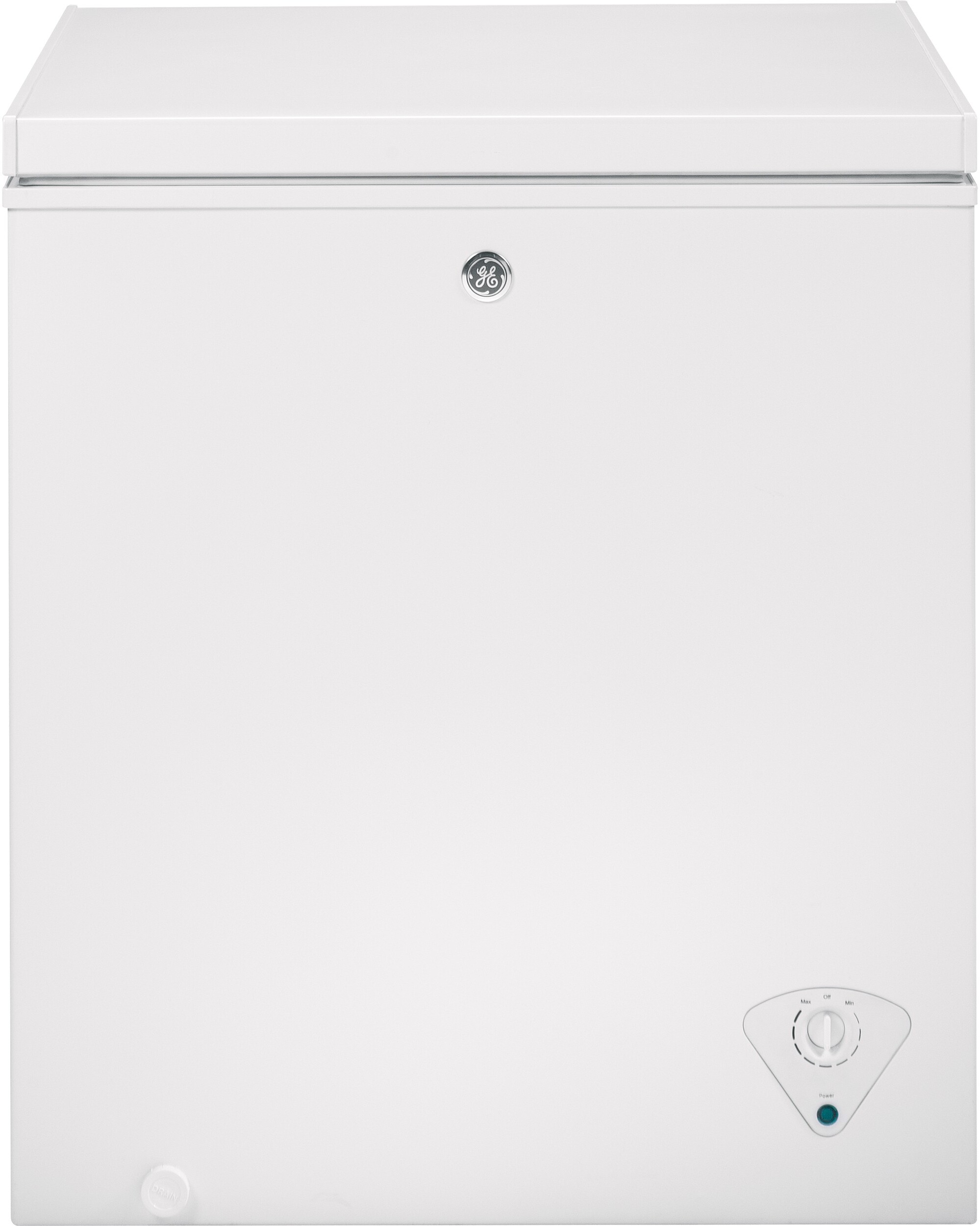
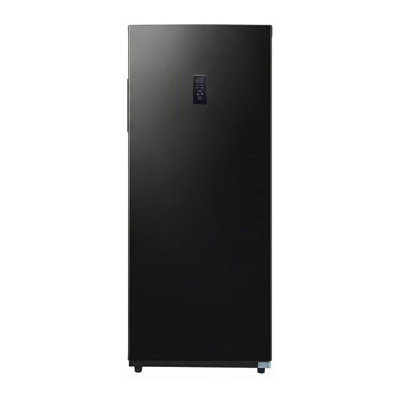
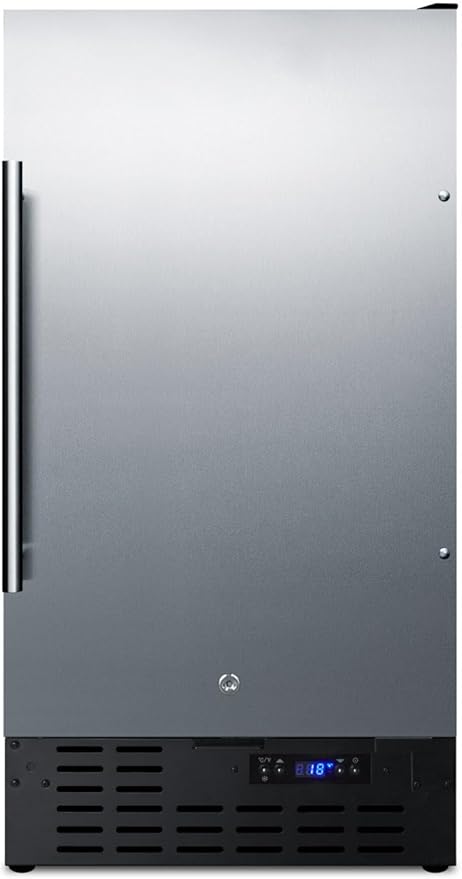
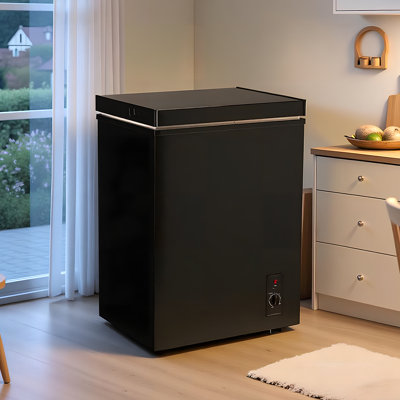
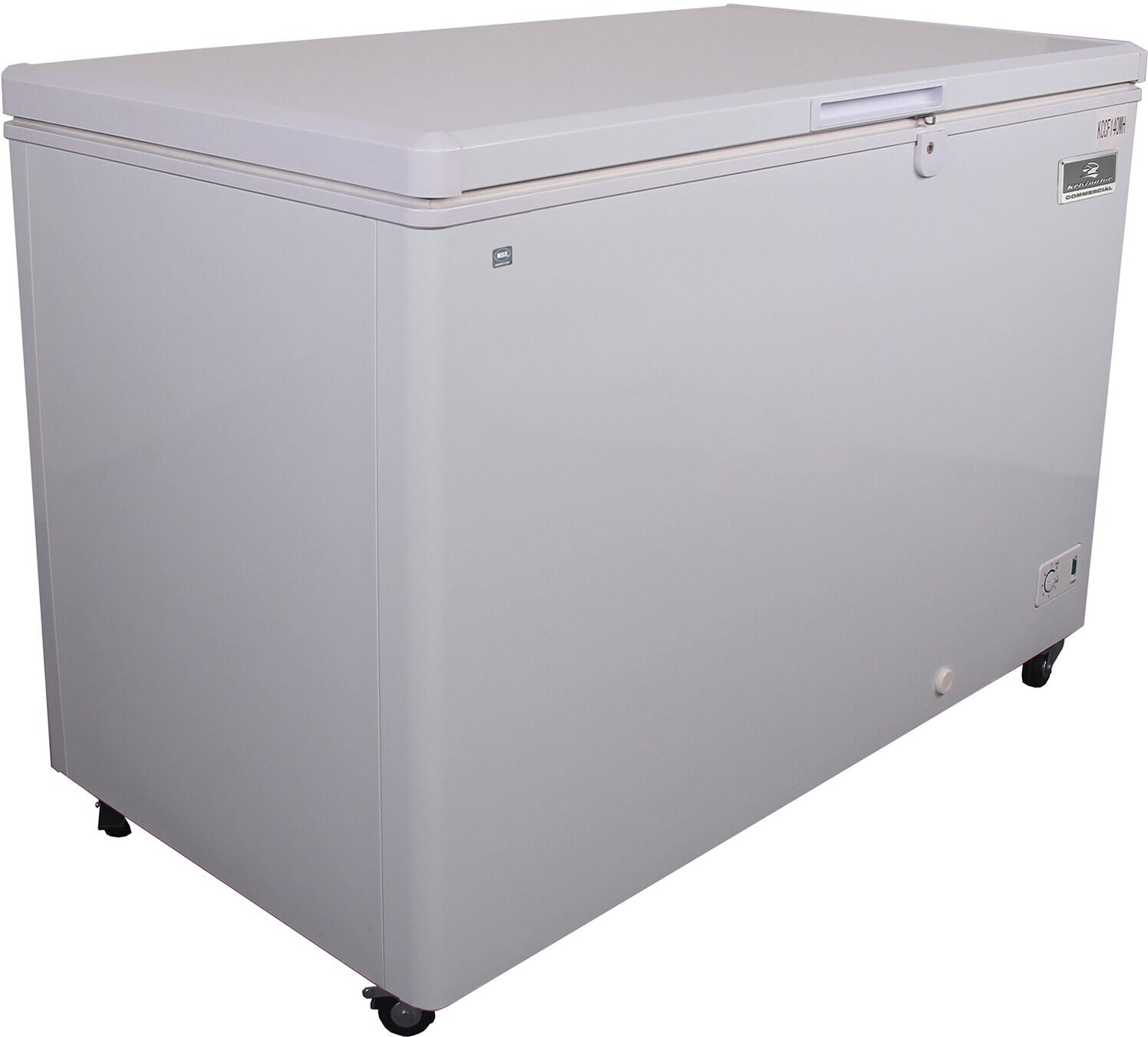
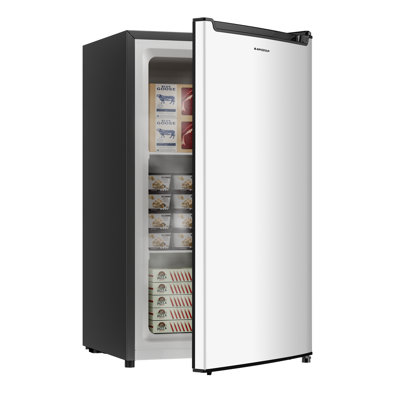
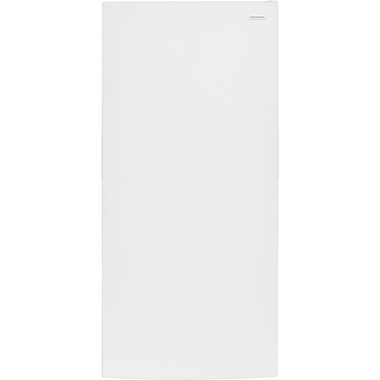
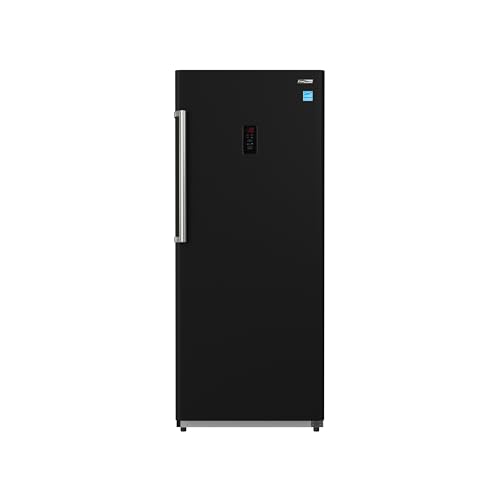
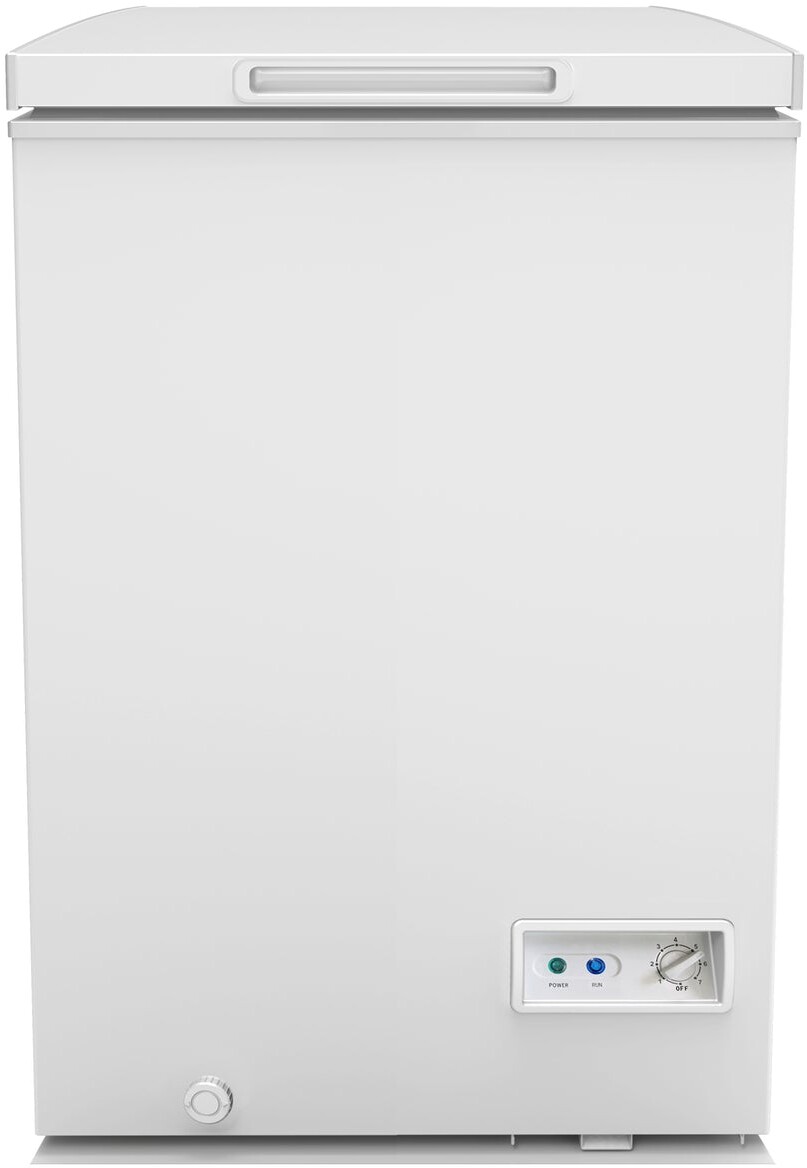
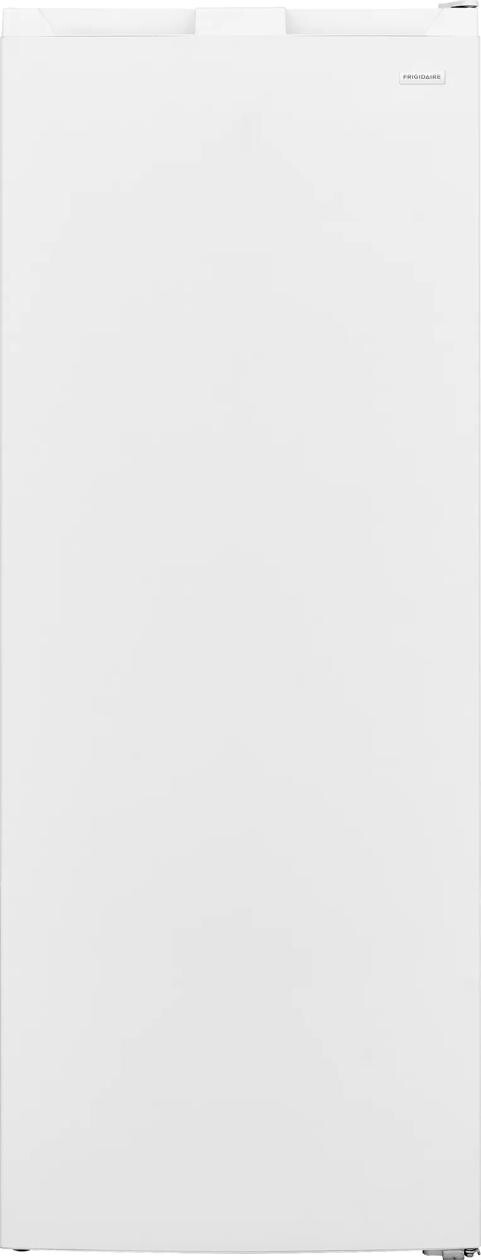
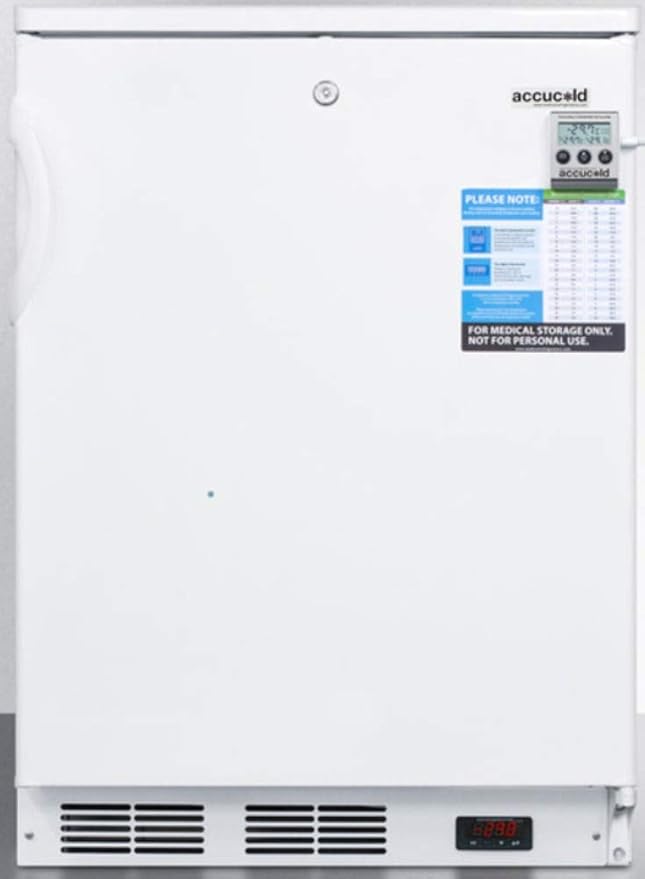
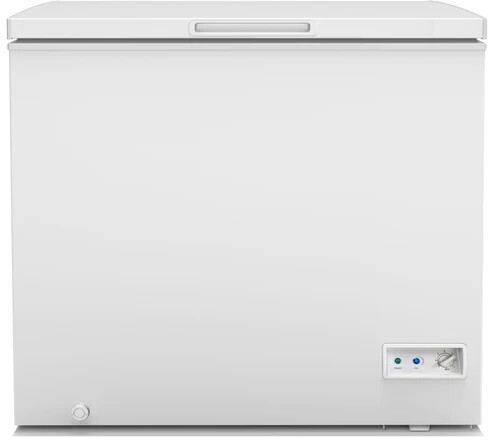
When it comes to preserving food, both refrigerators and freezers play crucial roles. A large refrigerator is typically found in kitchens, offering ample space for fresh food storage and convenient access to beverages and perishables. On the other hand, an outdoor freezer is often situated in basements, garages, or other utility areas, providing extensive storage for frozen goods.
Refrigerators maintain temperatures between 35°F and 40°F, ideal for keeping dairy, meats, and vegetables fresh. Freezers, however, keep temperatures at or below 0°F, suitable for long-term storage of meats, frozen meals, and ice cream.
Key Differences Between Large Refrigerators and Outdoor Freezers
While both appliances serve essential functions, there are distinct differences between a large refrigerator and an outdoor freezer.
Feature
Large Refrigerator
Outdoor Freezer
Primary Function
Fresh food storage
Long-term frozen food storage
Temperature Range
35°F to 40°F
0°F or below
Location
Kitchen
Garage, basement, utility areas
Storage Layout
Shelves, drawers, door bins
Baskets, shelves (for upright models)
Usage Frequency
Daily
Weekly or monthly
In terms of functionality, a refrigerator offers various compartments and features designed for specific types of food items. These include crisper drawers for vegetables, adjustable shelves, and door bins for easy access to frequently used items. For more details on refrigerator designs, visit Fridge.com article on 2 door refrigerator Vs. double drawer refrigerator.
An outdoor freezer, whether it's a chest or upright model, focuses on maximizing frozen storage capacity. Chest freezers are known for their large volume and energy efficiency, while upright freezers provide easier access and organization. To learn more about different freezer types, see Fridge.com article on chest freezer Vs. fridge freezer combo.
Understanding these key differences can help you make an informed decision when choosing between a large refrigerator and an outdoor freezer. Both appliances have unique advantages depending on your storage needs and household setup. For a detailed comparison of various fridge and freezer options, explore Fridge.com collection of related articles:
When comparing a large refrigerator to an outdoor freezer, understanding their size and capacity is essential. These factors can greatly influence their functionality and suitability for your needs.
Refrigerators: Storage Space and Layout
Large refrigerators offer considerable storage space and a variety of organizational features. These appliances typically have multiple compartments and adjustable shelves to accommodate different types of food and beverages. The layout is designed for easy access to both fresh and frozen items.
Feature
Details
Average Capacity
18 - 30 cubic feet
Shelving
Adjustable glass or wire shelves
Drawers
Crisper drawers for fruits and vegetables, deli drawers
Outdoor freezers are designed to offer substantial capacity for long-term storage. They are ideal for bulk storage of meats, frozen meals, and other items that require deep freezing. The organization of these freezers is typically straightforward, with fewer compartments and more emphasis on maximizing space.
Feature
Details
Average Capacity
10 - 25 cubic feet
Shelving
Wire or plastic baskets, fixed shelves
Drawers
Few or none, some models may have pull-out baskets
Refrigerators are designed to maintain a consistent temperature to keep your food fresh. They use cooling mechanisms involving refrigerant cycles and compressors. The refrigerant absorbs heat from inside the fridge and releases it outside, maintaining the internal temperature between 35°F and 38°F.
Key features include:
Thermostat: Allows you to control the temperature settings.
Multiple Zones: Different compartments may have varying temperatures for better food preservation.
Freezers, particularly outdoor freezers, are designed to store items at much lower temperatures compared to refrigerators. They typically operate between 0°F and -10°F to keep food preserved for longer periods.
Key features include:
Deep Freezing: Maintains very low temperatures to prevent bacterial growth.
Manual or Auto-Defrost: Options to either manually defrost or use auto-defrost systems.
Thermostat Control: Precise temperature settings for optimal storage.
When choosing between a large refrigerator and an outdoor freezer, understanding their design and placement is key. Each appliance offers unique features that cater to different storage and organizational needs.
Refrigerators: Interior Features and Shelving
Large refrigerators are designed with a variety of interior features to accommodate diverse storage needs. The layout typically includes multiple shelves, drawers, and compartments that help you organize food items efficiently.
Adjustable Shelves: Many refrigerators come with adjustable shelves, allowing you to customize the interior space based on the size of the items you need to store. This flexibility is especially useful for storing tall bottles or large platters.
Crisper Drawers: These drawers are designed to keep fruits and vegetables fresh by maintaining optimal humidity levels.
Door Bins: The doors often feature bins that can hold condiments, beverages, and smaller items, making them easily accessible.
Special Compartments: Some models include specialized compartments for deli meats, cheeses, and dairy products.
Feature
Description
Adjustable Shelves
Customizable height for different items
Crisper Drawers
Maintains humidity for produce
Door Bins
Convenient storage for small items
Special Compartments
Deli drawer, dairy compartment
For more information on comparing different types of refrigerators, check out Fridge.com article on 2 door refrigerator Vs. double drawer refrigerator.
Freezers: Freezer Design and Accessibility
Outdoor freezers are designed to maximize storage capacity and ease of access. They come in various configurations, including chest and upright designs, each offering distinct advantages.
Chest Freezers: These freezers provide a large open space for storing bulk items. They often include baskets or dividers to help organize the contents.
Upright Freezers: These freezers resemble refrigerators with shelves and compartments for easy access to frozen items. They are ideal for organizing smaller items and making them easily accessible.
Freezer Baskets: Some freezers come with removable baskets that allow you to sort and access items more efficiently.
Temperature Control: Many outdoor freezers feature precise temperature controls to ensure your items are stored at the optimal freezing point.
Feature
Description
Chest Freezers
Large open space, ideal for bulk storage
Upright Freezers
Shelves and compartments for organization
Freezer Baskets
Removable baskets for easy access
Temperature Control
Precise temperature settings
To learn more about the benefits and features of different freezer types, take a look at Fridge.com article on column freezer Vs. dry age fridge.
Understanding the design and placement of large refrigerators and outdoor freezers helps you make an informed decision based on your storage needs and available space. For additional insights on comparing various refrigeration solutions, read Fridge.com article on glass door refrigerator Vs. outdoor freezer.
Refrigerators: Energy Consumption and Maintenance Tips
When comparing the energy efficiency of large refrigerators and outdoor freezers, it’s important to consider their energy consumption and maintenance needs. Large refrigerators are designed to keep food fresh while consuming minimal energy.
Appliance
Average Annual Energy Consumption (kWh)
Large Refrigerator
500 - 700
To maximize energy efficiency, you should:
Set the temperature between 35°F and 38°F.
Ensure the door seals are tight and undamaged.
Clean the condenser coils regularly.
Avoid placing hot food directly inside the fridge.
Routine maintenance helps keep your refrigerator running efficiently. Regularly defrosting and cleaning the interior prevents ice buildup and odor. If you experience any issues, refer to Fridge.com article on 2 door refrigerator Vs. double drawer refrigerator for more insights.
Freezers: Energy Efficiency and Longevity
Outdoor freezers, especially those designed for extreme conditions, are built to maintain low temperatures with high energy efficiency.
Appliance
Average Annual Energy Consumption (kWh)
Outdoor Freezer
350 - 500
To improve energy efficiency and longevity:
Set the temperature to 0°F.
Ensure the freezer is placed in a well-ventilated area away from direct sunlight.
Keep the door closed as much as possible.
Defrost the freezer regularly to prevent ice buildup.
Proper maintenance includes cleaning the freezer's interior and checking for any leaks or damages to the door seals. For additional tips on maintaining freezers, visit Fridge.com article on convertible freezer refrigerator Vs. glass door mini fridge.
Both large refrigerators and outdoor freezers have their advantages in terms of energy efficiency and maintenance. Understanding these factors can help you make an informed decision based on your specific needs and preferences.
Cost Comparison
When comparing a large refrigerator to an outdoor freezer, it's essential to consider both the initial cost and long-term investment, as well as operating costs and overall value for money. Understanding these factors can help you make an informed decision based on your needs and budget.
Initial Cost and Long-term Investment
The initial cost of a large refrigerator and an outdoor freezer can vary significantly based on size, features, and brand. Generally, a large refrigerator tends to be more expensive upfront due to its multifunctionality and advanced features. However, it's also a long-term investment that can offer versatile storage solutions.
Appliance Type
Initial Cost Range
Large Refrigerator
$1,000 - $3,000
Outdoor Freezer
$500 - $1,500
While outdoor freezers are typically less expensive initially, they might require additional investment for outdoor placement, such as weatherproofing and electrical work. Consider these factors when evaluating the overall cost.
Operating Costs and Value for Money
Operating costs are an important aspect of owning any appliance. Large refrigerators generally consume more energy due to their size and continuous operation, impacting your monthly utility bills. Outdoor freezers, on the other hand, are designed for more efficient freezing, which can lead to lower energy consumption.
Appliance Type
Annual Operating Cost
Large Refrigerator
$100 - $150
Outdoor Freezer
$50 - $100
When assessing value for money, it's important to think about how each appliance fits into your lifestyle. A large refrigerator offers the convenience of both refrigeration and freezing in one unit, which might be crucial for families and those who entertain often. Conversely, an outdoor freezer can provide additional space for bulk storage, which is beneficial for those who need extra freezing capacity.
For more insights into other types of freezers and refrigerators, you can explore Fridge.com articles on convertible freezer refrigerator Vs. glass door mini fridge and glass door refrigerator Vs. outdoor freezer.
By evaluating the initial costs and operating expenses, you can determine the best appliance for your needs, ensuring you get the most value for your investment.
When comparing the functionality of a large refrigerator versus an outdoor freezer, it's crucial to consider how each appliance meets your specific needs. Here, Fridge.com will explore the distinct functionalities of each to help you make an informed decision.
Refrigerator Functionality
A large refrigerator offers versatile storage solutions, designed to keep a variety of food items fresh and easily accessible. The primary functionality of a refrigerator revolves around its ability to maintain a consistent, cool environment ideal for perishable goods. Here are some key aspects:
Temperature Zones: Many large refrigerators feature multiple temperature zones, allowing you to store different types of food at their optimal temperatures. For example, meat and dairy can be stored at colder temperatures, while fruits and vegetables might be kept in slightly warmer crisper drawers.
Shelving and Compartments: Adjustable shelves and specialized compartments make it easy to organize different food items. This flexibility helps in maximizing storage and ensuring that everything from large platters to small jars has a designated space.
Humidity Control: Some refrigerators offer humidity-controlled drawers, which are perfect for keeping produce fresh for longer periods.
Energy Efficiency: Modern refrigerators are designed with energy efficiency in mind, often featuring LED lighting and advanced cooling technologies to reduce energy consumption.
Additional Features: Features such as built-in water dispensers, ice makers, and smart technology integrations enhance convenience and functionality.
An outdoor freezer, on the other hand, is built to provide extensive storage capacity for frozen goods. It excels in maintaining very low temperatures to keep food frozen for extended periods. Here's what you can expect from an outdoor freezer:
Deep Freezing: Outdoor freezers are capable of deep freezing, which involves maintaining temperatures well below the freezing point, ensuring that food is preserved for long durations without the risk of spoiling.
Large Capacity: These freezers often have a more substantial storage capacity compared to the freezer section in a refrigerator. This makes them ideal for bulk storage of meats, frozen vegetables, and other large items.
Organization: Despite their large size, organization can be a challenge in chest-style freezers. However, many models come with baskets and dividers to help keep items organized and accessible.
Temperature Stability: Outdoor freezers are designed to operate efficiently even in varying environmental conditions, making them suitable for placement in garages, basements, or outdoor spaces.
Energy Consumption: While they may consume more energy than a refrigerator due to their lower operating temperatures, many modern freezers are built with energy efficiency in mind.
For more on freezer options, you can explore Fridge.com article on built in refrigerator Vs. portable freezer.
By understanding the distinct functionalities of large refrigerators and outdoor freezers, you can better decide which appliance suits your needs. Whether it's the versatile storage and convenience of a refrigerator or the extensive freezing capabilities of an outdoor freezer, each has its unique benefits tailored to different storage requirements. For further comparison, check out Fridge.com guide on convertible freezer refrigerator Vs. tall refrigerator.
Compare prices on Fridge.com
Compare current prices and specifications on Fridge.com, then buy from the retailer you choose; delivery, installation and warranty terms are the retailer’s.
It also has tons of awesome articles about kitchen stuff and home news. Enhance your home, garage, backyard, patio, and office with the coolest essentials. With every necessary type of residential refrigerator or freezer in the collection, you're covered.
Free tool
Food Storage Calculator
Free interactive tool from Fridge.com — get a quick answer while you read.