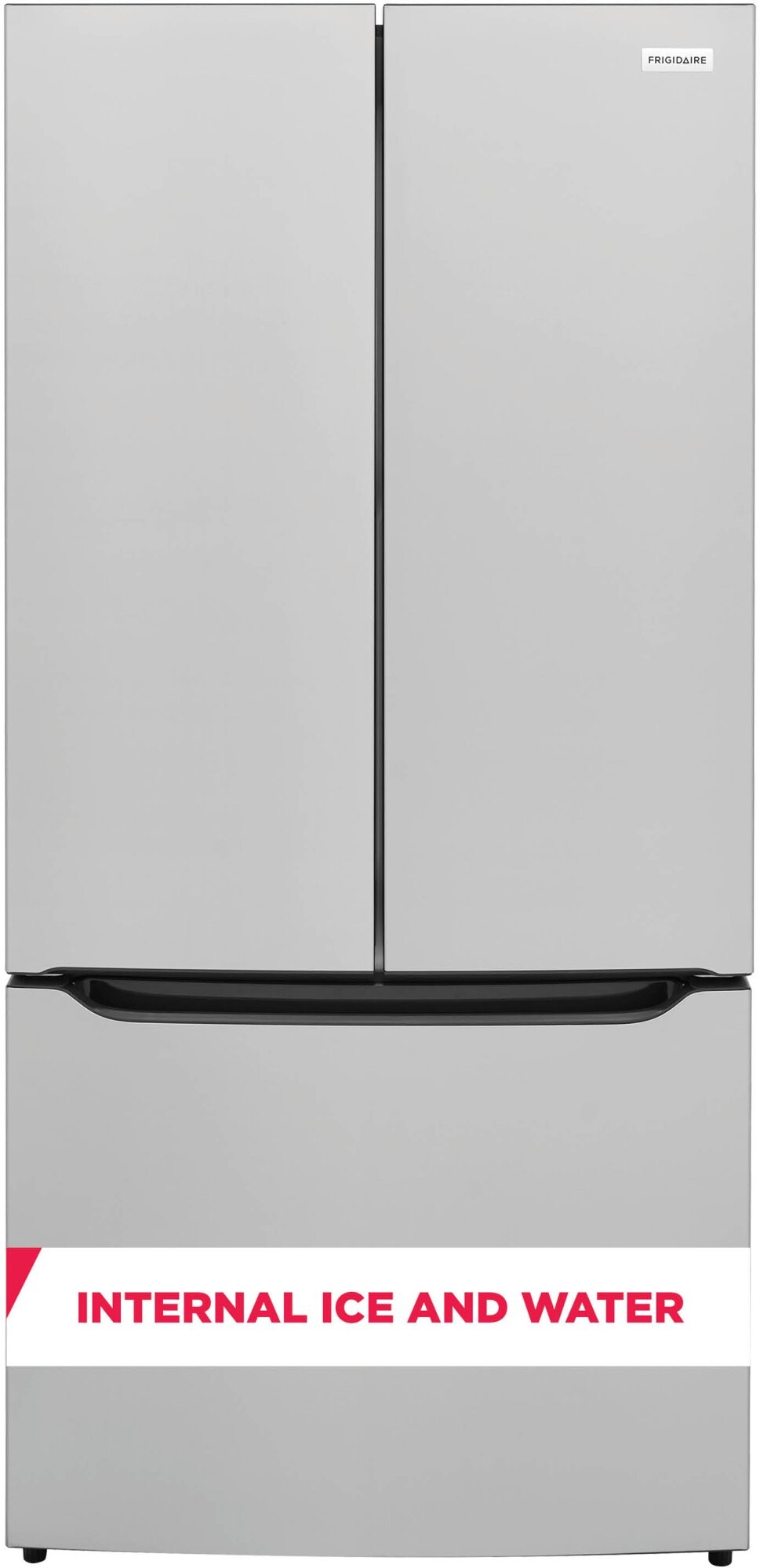
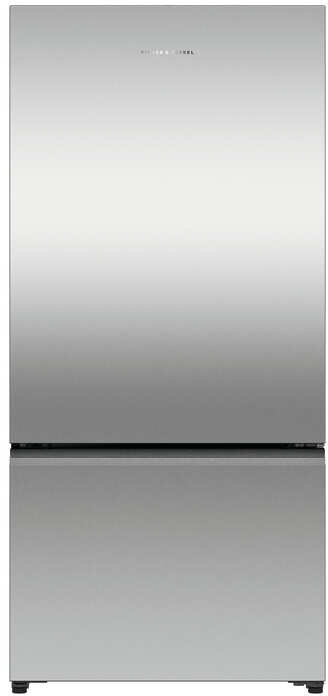
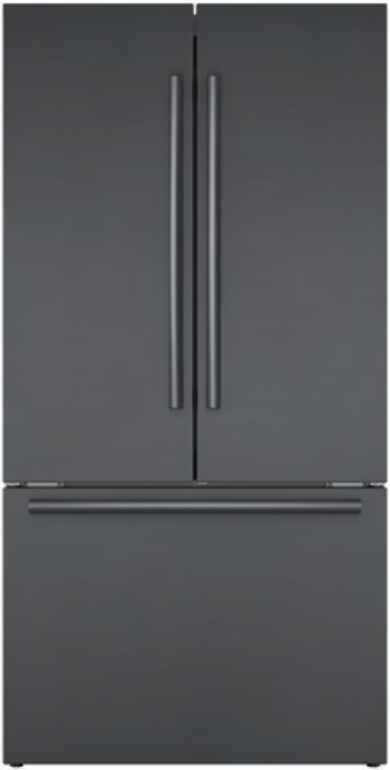
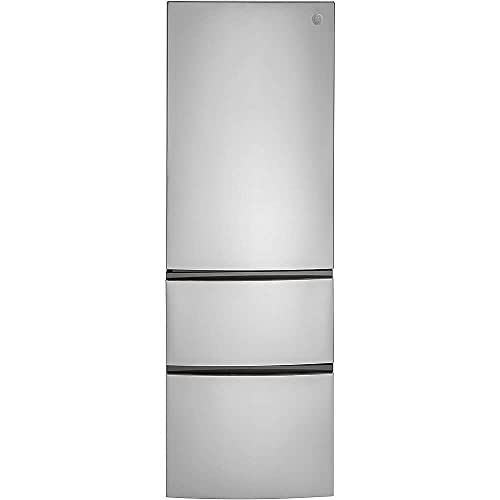
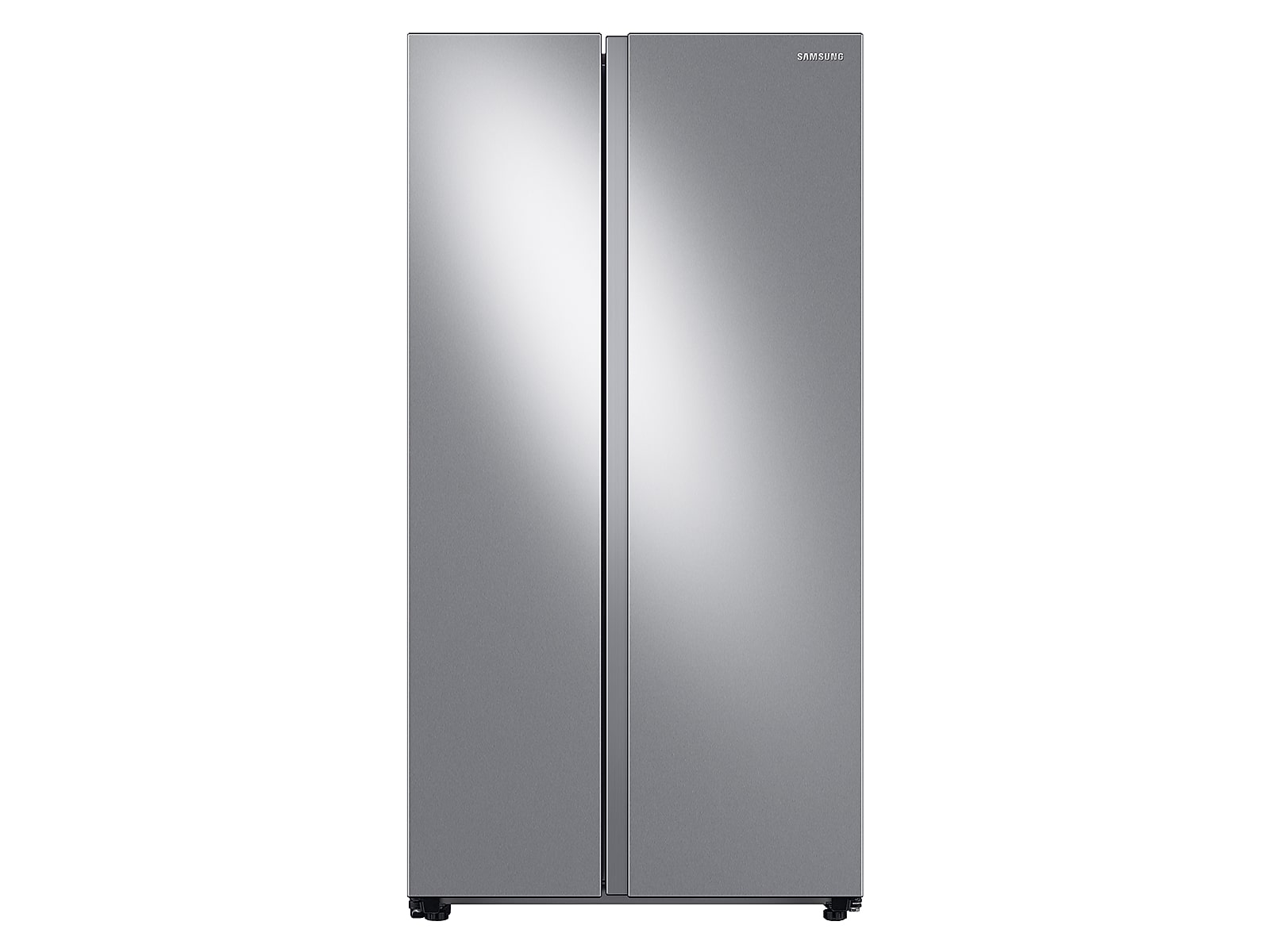
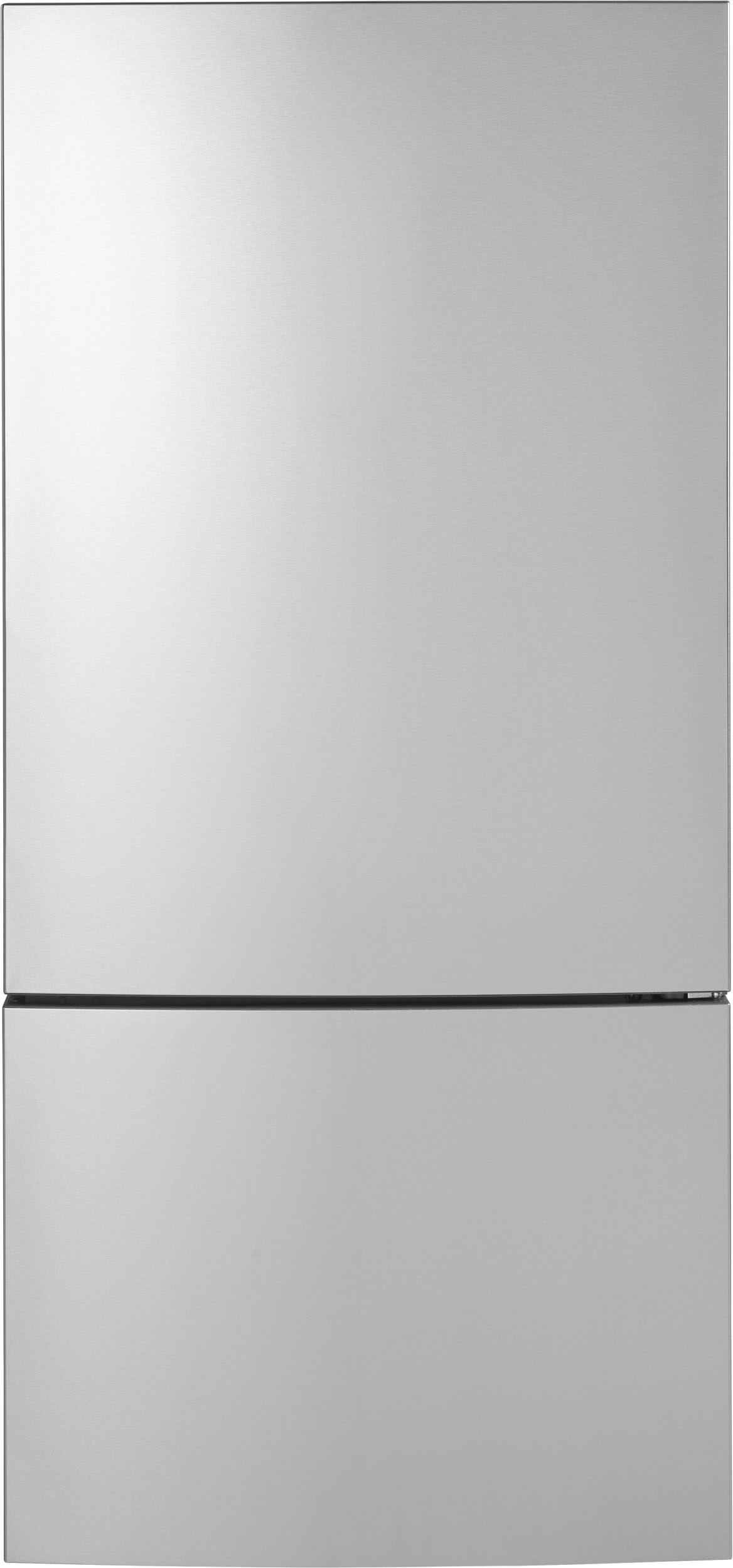
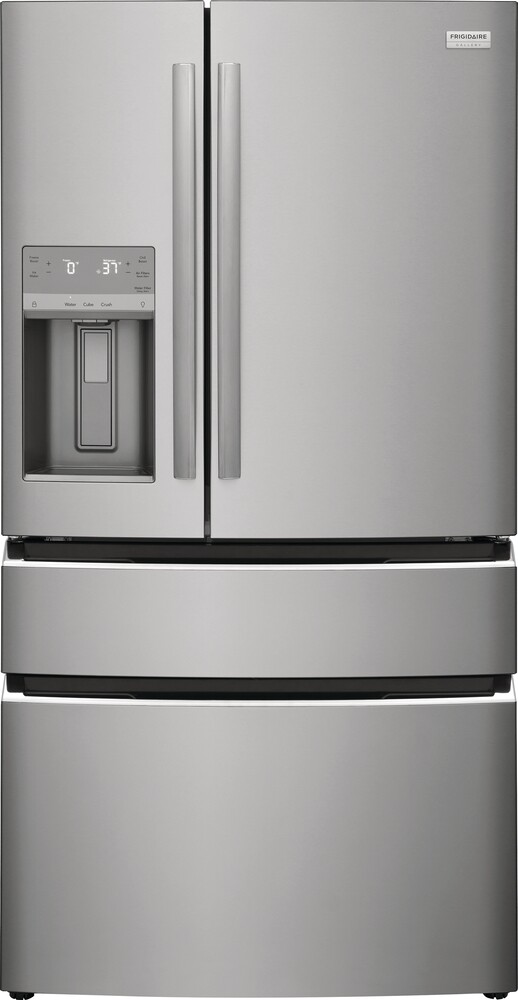
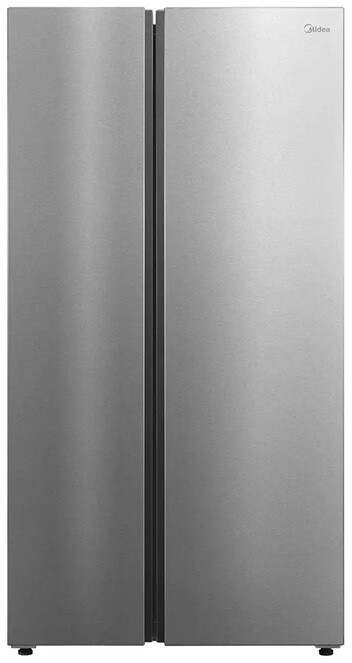
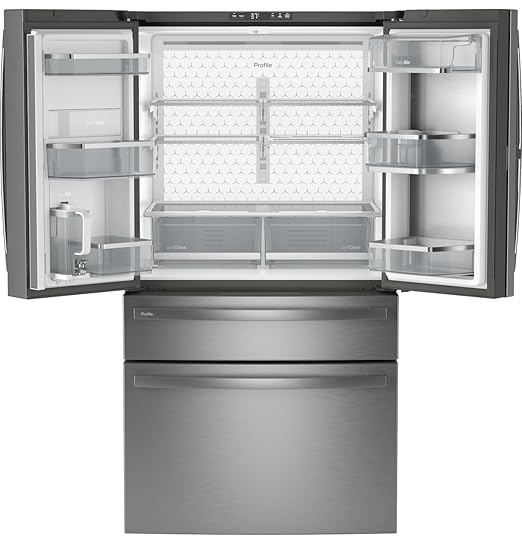
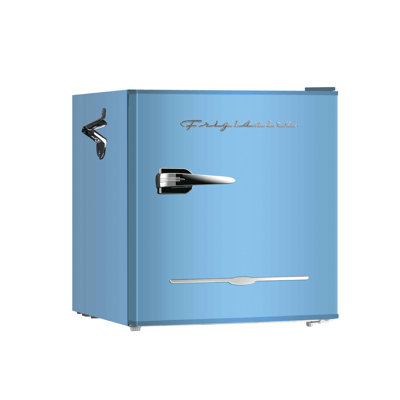
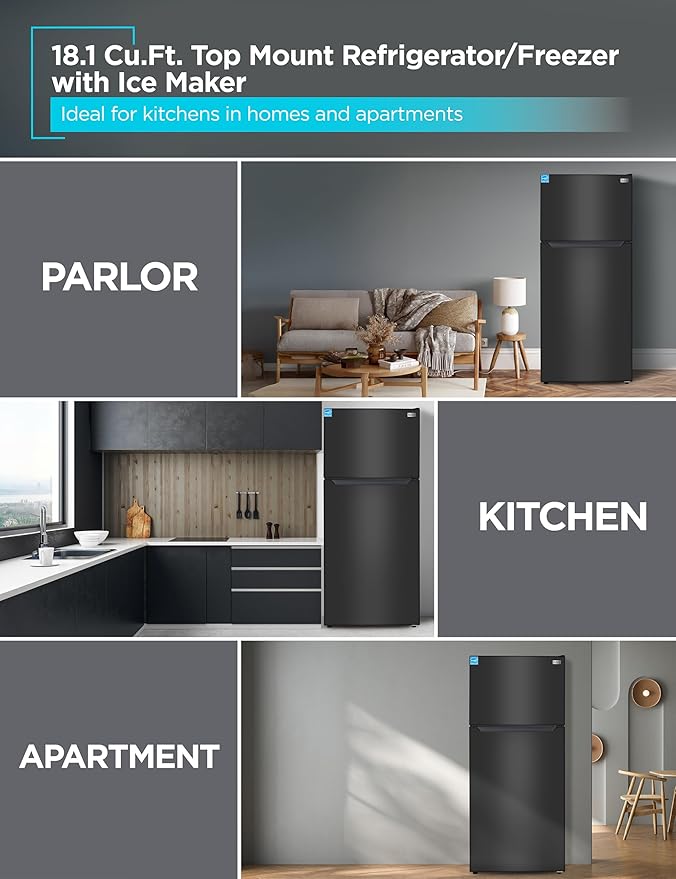
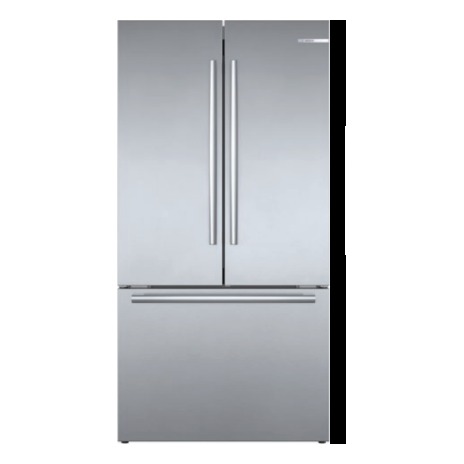
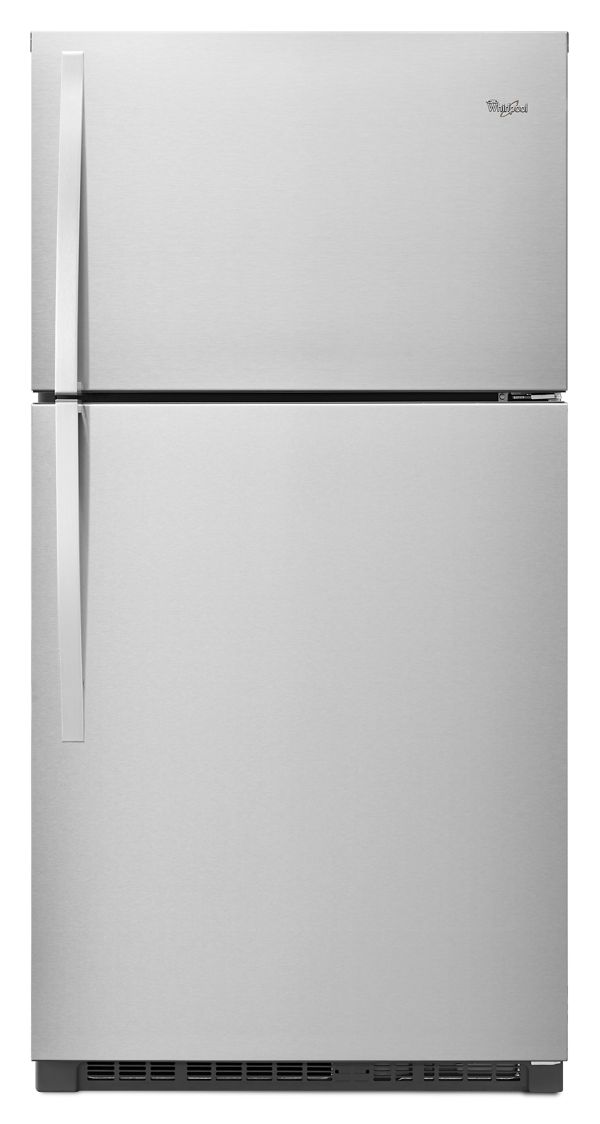
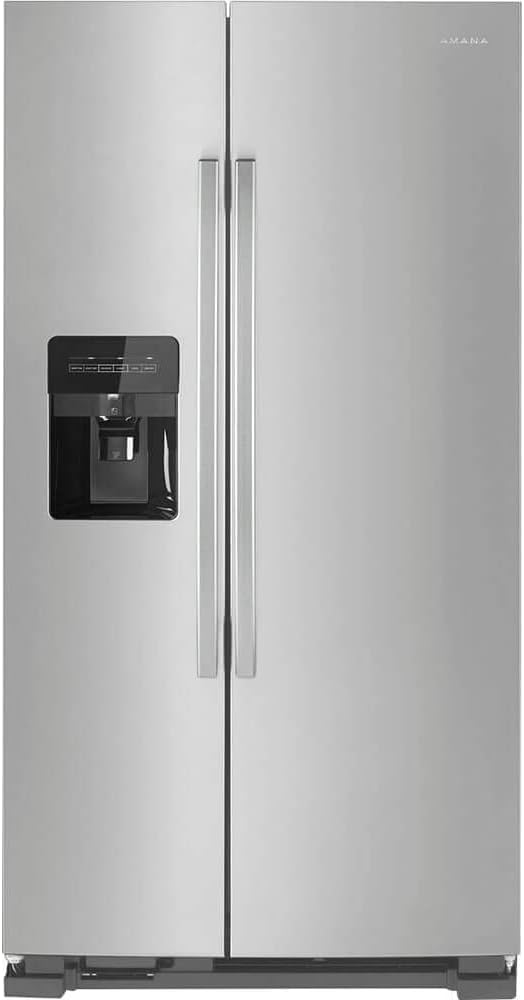
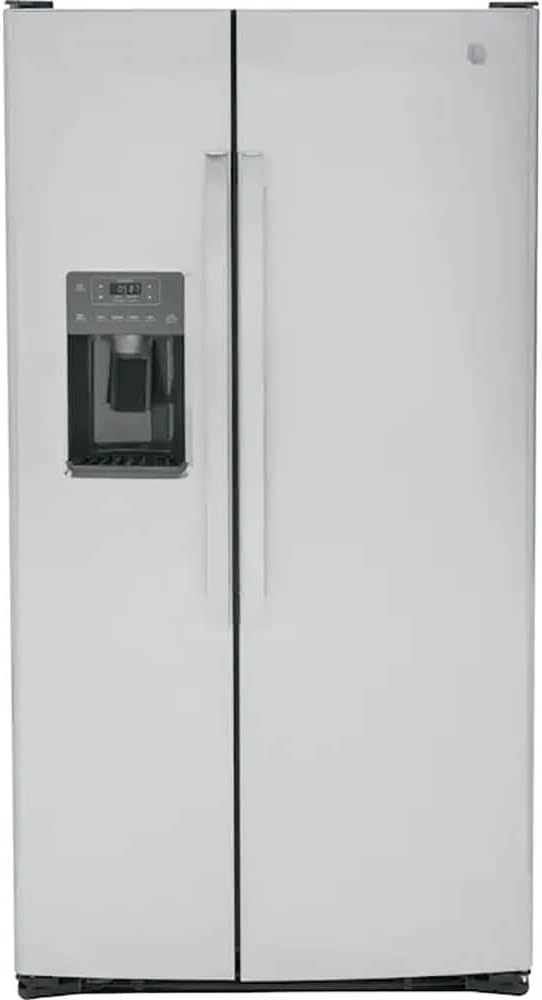
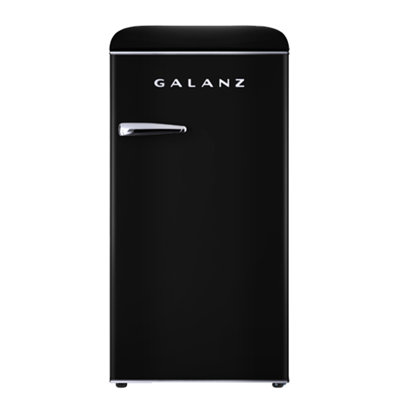
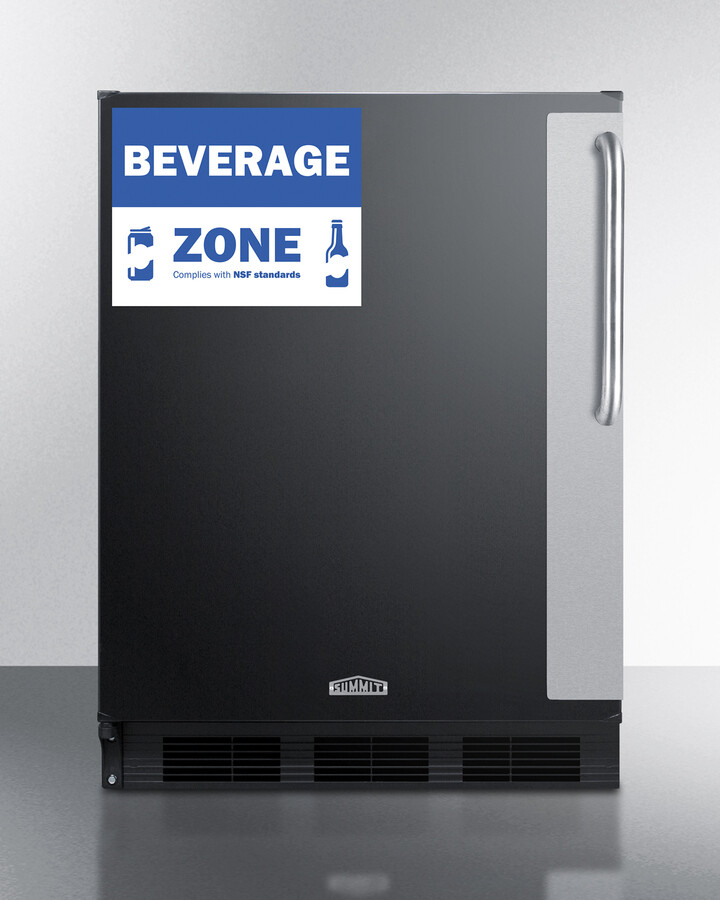
These units typically have multiple sections or compartments, making them ideal for organizing various food items efficiently.
These refrigerators typically have one or more doors that swing open, allowing you to reach in and grab items without having to navigate through multiple compartments.
Front-facing door, multiple compartments.
These refrigerators come with multiple shelves and compartments, allowing you to store a variety of items neatly.
When selecting a refrigerator, understanding the different types available is essential. Here, Fridge.com will focus on two popular options: reach-in refrigerators and upright refrigerators. Knowing their features can help you determine which is best suited for your needs.
Reach-In Refrigerator Overview
A reach-in refrigerator is designed for easy access to stored items. Commonly used in commercial settings like restaurants and cafes, these refrigerators feature a front-facing door, allowing you to "reach in" and retrieve items quickly. These units typically have multiple sections or compartments, making them ideal for organizing various food items efficiently.
Feature
Description
Design
Front-facing door, multiple compartments
Common Use
Commercial kitchens, cafes
Accessibility
Easy reach-in access
For those who need quick and frequent access to their refrigerated items, a reach-in refrigerator is a practical choice. Their design maximizes accessibility and organization, making them a favorite in busy environments.
Upright Refrigerator Overview
An upright refrigerator stands vertically and is designed for residential use. These refrigerators come with multiple shelves and compartments, allowing you to store a variety of items neatly. The upright design helps save floor space, making it a popular choice for homes, apartments, and offices.
Feature
Description
Design
Vertical, multiple shelves and compartments
Common Use
Homes, apartments, offices
Accessibility
Shelved storage for organized access
Upright refrigerators are versatile and space-efficient, fitting well in various settings, from small apartments to larger homes. They offer ample storage and easy organization, making them a convenient option for everyday use.
When comparing the design and layout of reach-in refrigerators and upright refrigerators, it's essential to understand the unique features each type offers. These features can significantly impact your decision, depending on your specific needs and preferences.
Reach-In Refrigerators: Interior and Exterior Features
Reach-in refrigerators are designed for easy access and efficient storage. They typically have a wide, shallow design that allows you to see and reach items quickly.
Interior Features:
Shelving: Adjustable shelves that can be rearranged to accommodate different sizes of food items.
Drawers: Often include drawers for fruits, vegetables, and deli items.
Lighting: Bright interior lighting for better visibility.
Temperature Control: Usually have precise temperature control settings to keep food at optimal freshness.
Exterior Features:
Doors: Swing-out doors that provide wide access to the interior.
Material: Often made of stainless steel for durability and easy cleaning.
Handles: Ergonomic handles for easy opening.
Size: Typically wider and shallower than upright models, making them suitable for kitchens with ample space.
Feature
Details
Shelving
Adjustable
Drawers
Included
Lighting
Bright interior
Temperature Control
Precise settings
Doors
Swing-out
Material
Stainless steel
Size
Wide and shallow
Upright Refrigerators: Interior and Exterior Features
Upright refrigerators are designed to maximize vertical space, making them ideal for narrow kitchen layouts.
Interior Features:
Shelving: Multiple shelves that can be adjusted or removed to fit larger items.
Bins and Drawers: Often come with door bins and crisper drawers for better organization.
Lighting: Interior lighting that evenly illuminates the contents.
Temperature Zones: Some models offer multiple temperature zones for different types of food.
Exterior Features:
Doors: Single or double doors depending on the model.
Material: Usually available in various finishes, including stainless steel, white, and black.
Handles: Built-in or protruding handles for easy access.
Size: Taller and narrower than reach-in models, suitable for smaller spaces.
When comparing reach-in refrigerators to upright refrigerators, one of the key factors to consider is their storage capacity and organization. Each type of refrigerator has unique attributes that can cater to different needs and preferences.
Reach-In Refrigerators: Capacity and Organization
Reach-in refrigerators are designed for easy access and efficient use of space. They often feature multiple shelves and compartments that can be adjusted to accommodate various items. Reach-in refrigerators are commonly used in commercial settings but are also suitable for home use, especially if you need to store a large quantity of food.
Feature
Reach-In Refrigerator
Shelves
Adjustable, multiple
Compartments
Separate sections for better organization
Door Storage
Available in some models
Capacity Range
20 - 50 cubic feet
The organization of a reach-in refrigerator allows you to quickly find and access items. The adjustable shelves make it easy to store items of different sizes, from large pots to small containers. Some models also include door storage, which provides additional space for frequently used items. Learn more about the benefits of reach-in refrigerators in Fridge.com article on built-in refrigerator Vs. convertible refrigerator.
Upright Refrigerators: Capacity and Organization
Upright refrigerators are a popular choice for residential use due to their vertical design and ease of integration into kitchen layouts. They often come with a variety of shelves, drawers, and door storage options, making them versatile and user-friendly.
Feature
Upright Refrigerator
Shelves
Fixed or adjustable, multiple tiers
Drawers
Crisper drawers for fruits and vegetables
Door Storage
Extensive, with multiple compartments
Capacity Range
10 - 30 cubic feet
The organization in upright refrigerators is typically more segmented, with designated areas for different types of food. Crisper drawers help preserve the freshness of fruits and vegetables, while extensive door storage provides space for beverages, condiments, and smaller items. This structured organization makes it easier to keep your refrigerator tidy and accessible. For further comparison, check out Fridge.com article on side by side refrigerator Vs. undercounter refrigerator.
By understanding the storage capacity and organization of reach-in and upright refrigerators, you can make an informed decision based on your specific needs and preferences. Whether you need a refrigerator for a commercial kitchen or your home, each type offers unique benefits that can enhance your food storage experience.
When choosing between a reach-in refrigerator and an upright refrigerator, accessibility and convenience play a significant role. Each type offers unique features that cater to different needs and preferences.
Reach-In Refrigerators: Access and Usage
Reach-in refrigerators are designed for quick and easy access. These refrigerators typically have one or more doors that swing open, allowing you to reach in and grab items without having to navigate through multiple compartments. This design is especially convenient for busy kitchens where efficiency is key.
Reach-in refrigerators often feature adjustable shelves and bins, making it easier to organize and store items of various sizes. The open layout allows you to see the contents at a glance, reducing the time spent searching for specific items.
Feature
Description
Door Type
Swing open
Shelves
Adjustable
Visibility
High
Access Speed
Fast
For more information on organizing and maximizing the use of your refrigerator, visit Fridge.com article on 5 door refrigerator Vs. double drawer refrigerator.
Upright Refrigerators: Access and Usage
Upright refrigerators, on the other hand, are designed with vertical storage in mind. These refrigerators often come with multiple shelves, drawers, and compartments, which can help you keep your food items organized. While this design may require a bit more effort to access items stored in the back, it provides ample storage space and helps to separate different types of food.
The doors of upright refrigerators swing open, similar to reach-in refrigerators, but they may also feature additional compartments on the door itself for storing smaller items like condiments and beverages. This can be particularly useful for maximizing storage space and keeping frequently used items within easy reach.
Feature
Description
Door Type
Swing open
Shelves
Multiple
Visibility
Moderate
Access Speed
Moderate
For more tips on utilizing the storage space in your refrigerator, check out Fridge.com article on deep freezer Vs. standard fridge size.
By understanding the differences in accessibility and convenience between reach-in and upright refrigerators, you can make a more informed decision based on your specific needs and lifestyle. For additional comparisons and insights, explore other Fridge.com articles like mini fridge with freezer Vs. retro mini fridge and built in refrigerator Vs. convertible refrigerator.
When comparing the energy efficiency of reach-in refrigerators and upright refrigerators, it's important to consider how each type consumes energy and what factors contribute to their overall efficiency. This section will explore the energy consumption of both types of refrigerators to help you make an informed decision.
Reach-In Refrigerators: Energy Consumption
Reach-in refrigerators are commonly used in commercial settings, but they can also be found in residential spaces. These units are designed to provide quick and easy access to stored items. The energy consumption of reach-in refrigerators can vary based on several factors, including size, insulation, and temperature settings. Generally, these refrigerators use more energy due to their larger size and frequent door openings.
Feature
Reach-In Refrigerator
Average Energy Consumption (kWh/year)
1,200 - 2,500
Insulation Quality
Moderate to High
Temperature Range (°F)
33 - 41
Door Openings per Day
High
Reach-in refrigerators often come with advanced features such as better insulation and energy-efficient compressors. However, due to their frequent use and larger capacity, they tend to consume more energy compared to upright refrigerators. For more information on energy-efficient refrigerator options, check out Fridge.com article on built in refrigerator Vs. convertible refrigerator.
Upright Refrigerators: Energy Consumption
Upright refrigerators are typically used in residential settings and are known for their vertical design which allows for easier storage and organization. These refrigerators are generally more energy-efficient compared to reach-in refrigerators due to their smaller size and less frequent door openings.
Feature
Upright Refrigerator
Average Energy Consumption (kWh/year)
400 - 900
Insulation Quality
High
Temperature Range (°F)
35 - 38
Door Openings per Day
Moderate
Upright refrigerators are designed to minimize energy consumption by maintaining a consistent temperature and using high-quality insulation. The vertical design also helps in reducing the loss of cold air when the door is opened, making them more efficient in terms of energy usage. For a comparison of other efficient refrigerator types, see Fridge.com article on side by side refrigerator Vs. undercounter refrigerator.
By understanding the energy consumption of reach-in and upright refrigerators, you can make a more informed decision based on your specific needs and usage patterns. Whether you're looking for a refrigerator for your home, garage, or commercial space, considering energy efficiency can help you save on electricity costs and reduce your environmental footprint. For more comparisons, visit Fridge.com article on deep freezer Vs. standard fridge size.
Compare prices on Fridge.com
Compare current prices and specifications on Fridge.com, then buy from the retailer you choose; delivery, installation and warranty terms are the retailer’s.
It also has tons of awesome articles about kitchen stuff and home news. Enhance your home, garage, backyard, patio, and office with the coolest essentials. With every necessary type of residential refrigerator or freezer in the collection, you're covered.
Free tool
Freezer BTU Calculator
Free interactive tool from Fridge.com — get a quick answer while you read.