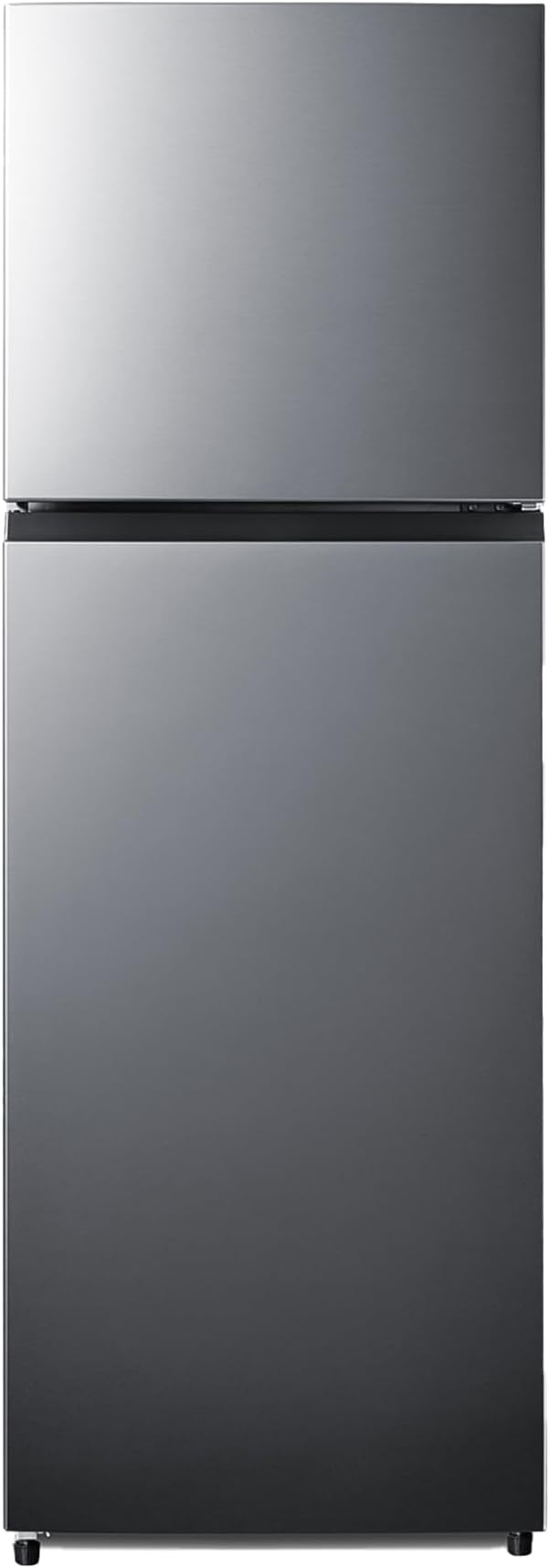
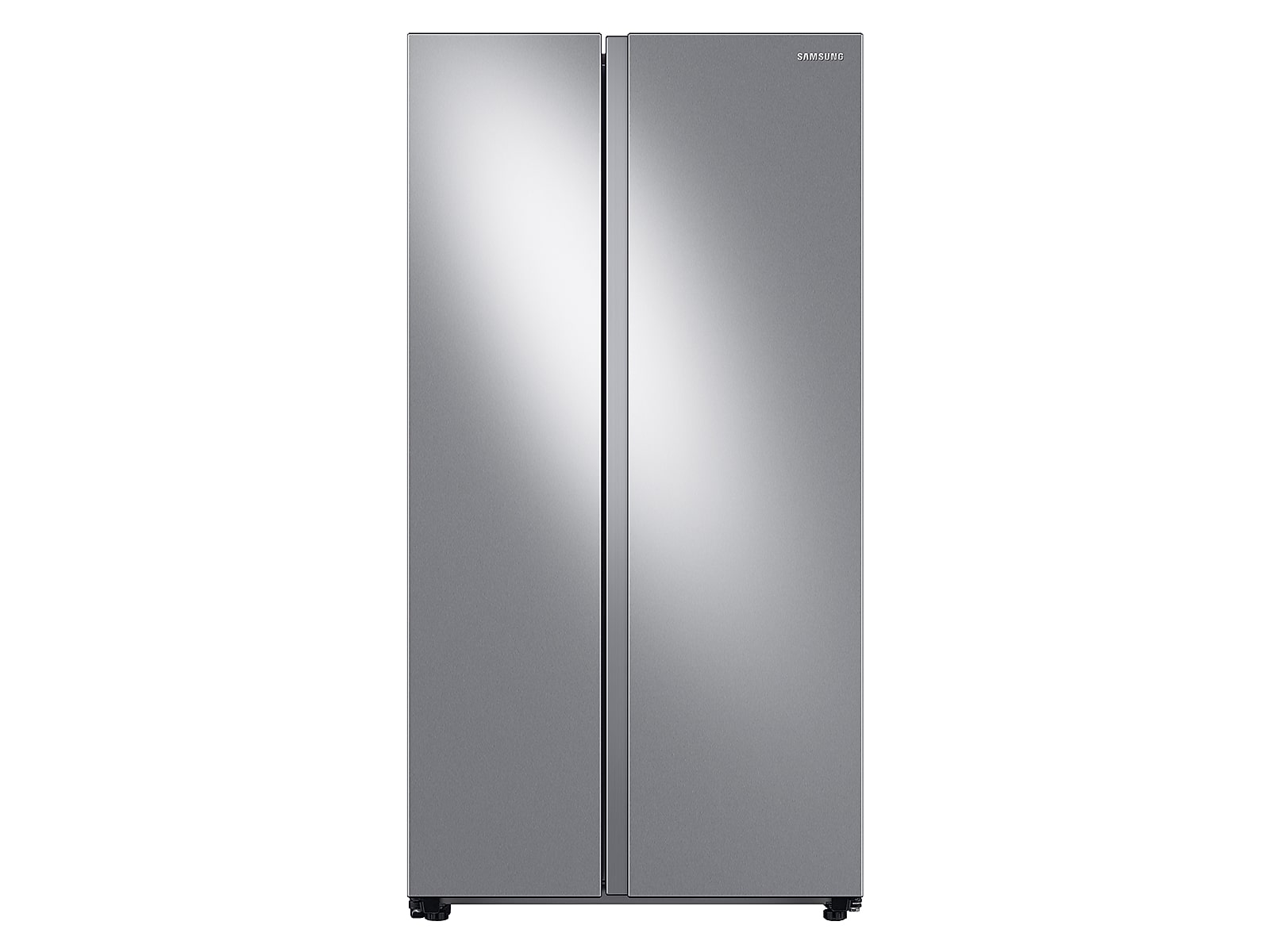
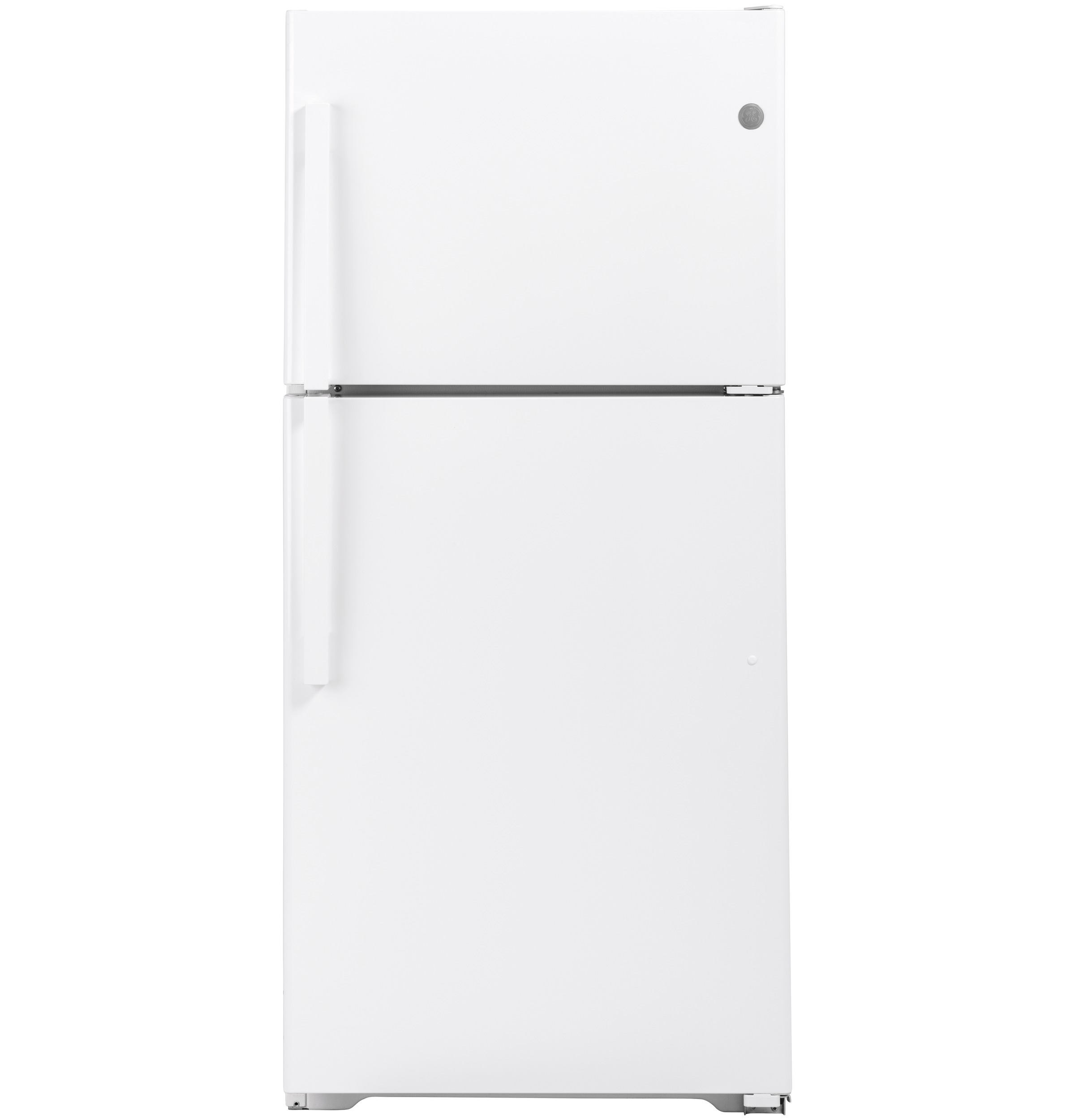
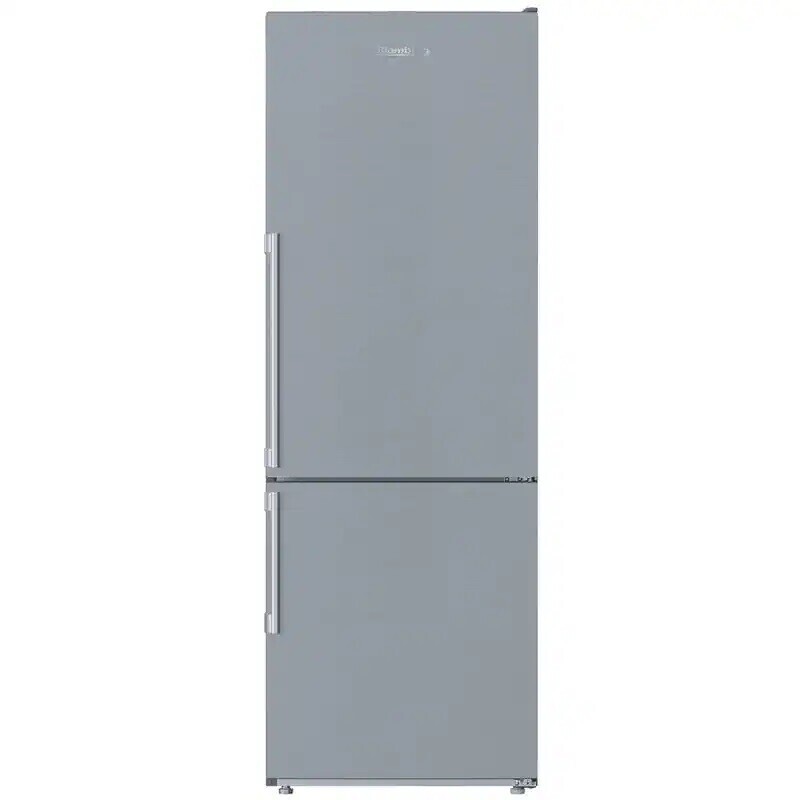
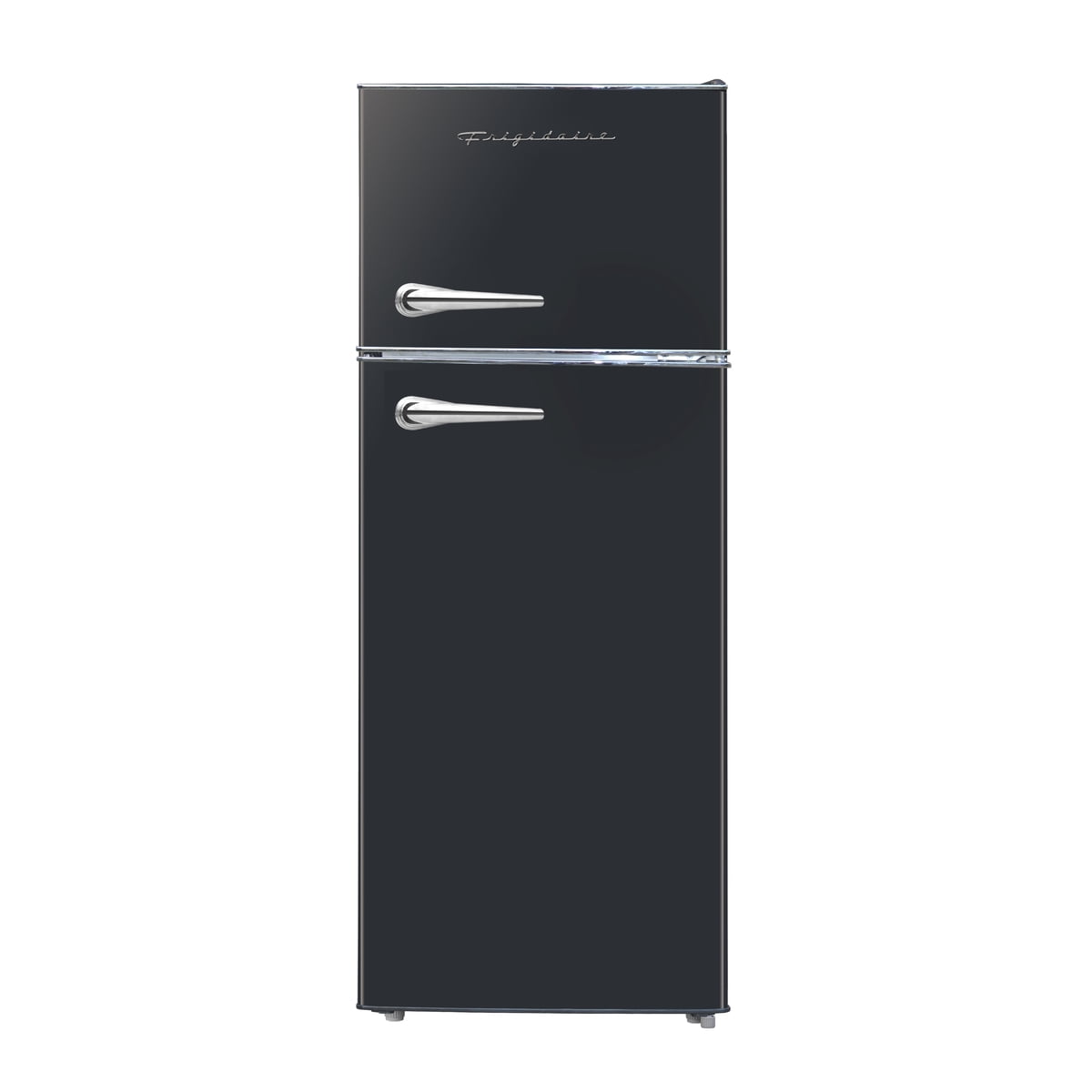
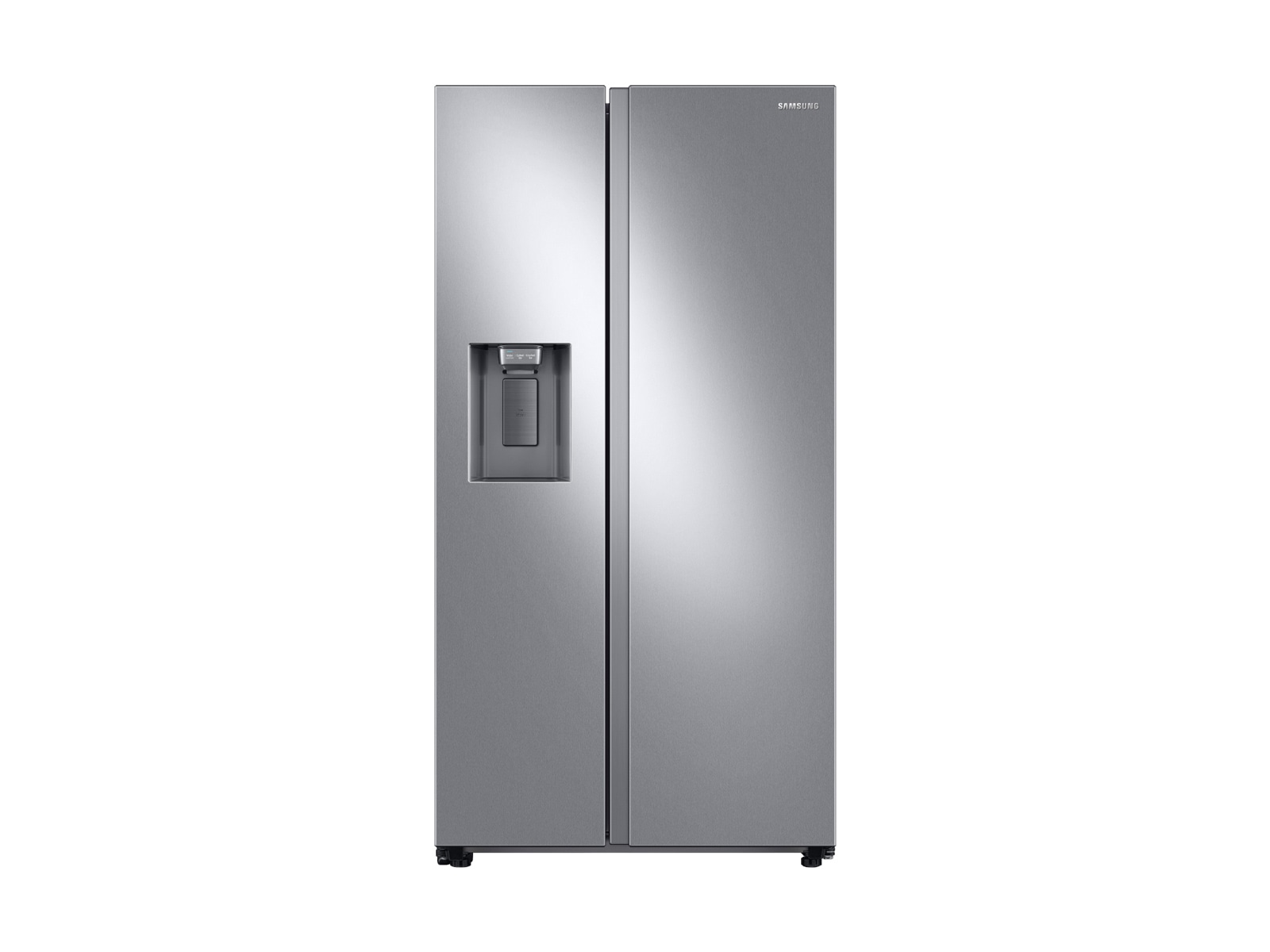
A prepper fridge is not just any old refrigerator. It's your go-to stash for emergencies. Think of it as your secret weapon against unexpected chaos like natural disasters or power outages. It's all about having the right stuff ready when you need it most.
Why Bother Stocking Up?
Having a prepper fridge isn't just smart; it's essential. Here’s why you should care:
Keeps You Going: Packed with nutrients and energy to keep you and your family fueled.
No Panic Shopping: Cuts out those frantic, last-minute grocery runs.
Food Safety: Keeps your perishables fresh and safe to eat.
Whether you're hunkered down at home, on the road in an RV, or camping in the wild, a prepper fridge has got your back. Need some tips on how to get your fridge in order? Check out our organizing the fridge guide.
Why It’s a Game-Changer
Benefit
What It Means for You
Keeps You Going
Essential nutrients and energy when you need them.
No Panic Shopping
No more last-minute dashes to the store.
Food Safety
Keeps your perishables safe and sound.
Understanding the prepper fridge concept means you're ready for anything. Want more tips on prepping your fridge for emergencies? Dive into our prepper refrigerator guide.
Setting up a prepper fridge isn't just about picking any old fridge. You need to think about size, energy use, power options, and how well it keeps your food cold. Let's break it down.
Size and Capacity: Finding the Right Fit
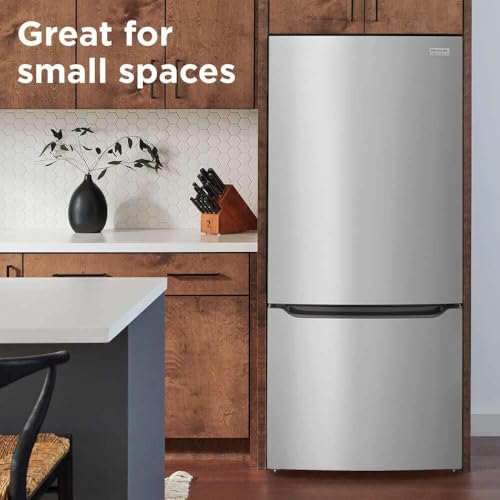
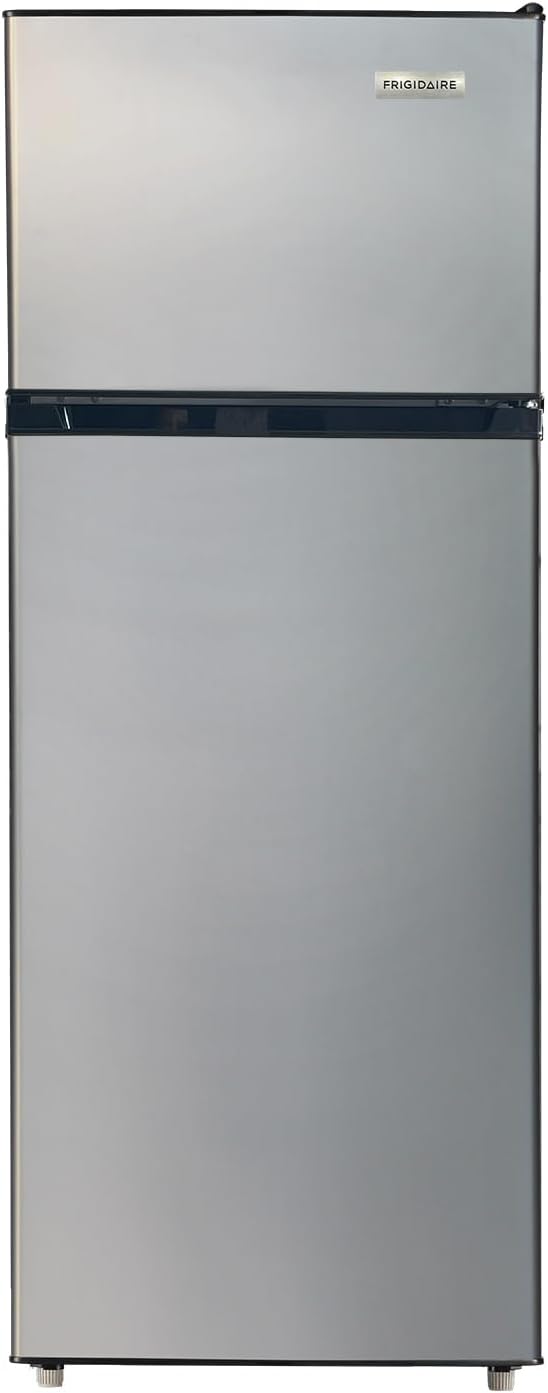
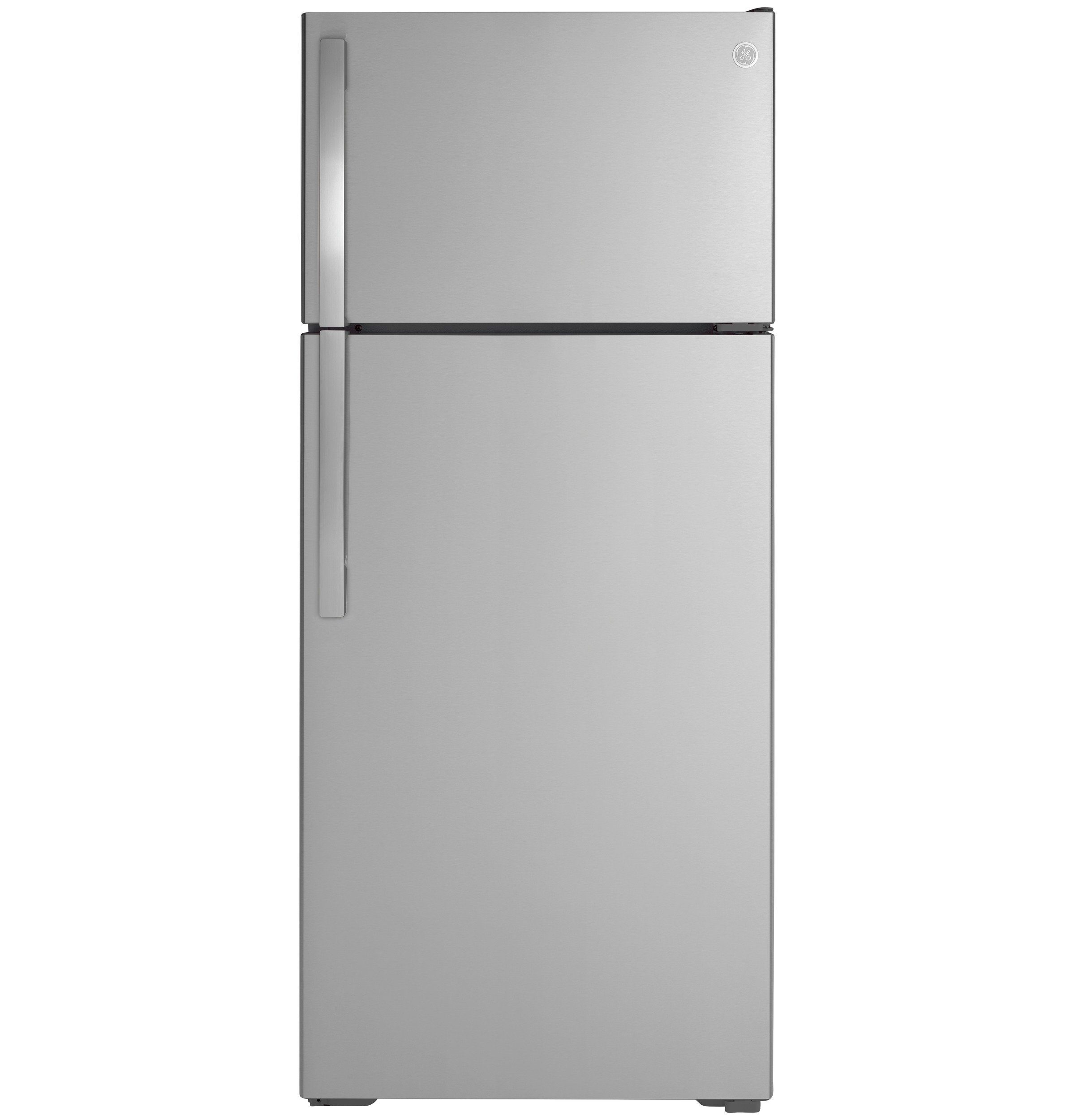
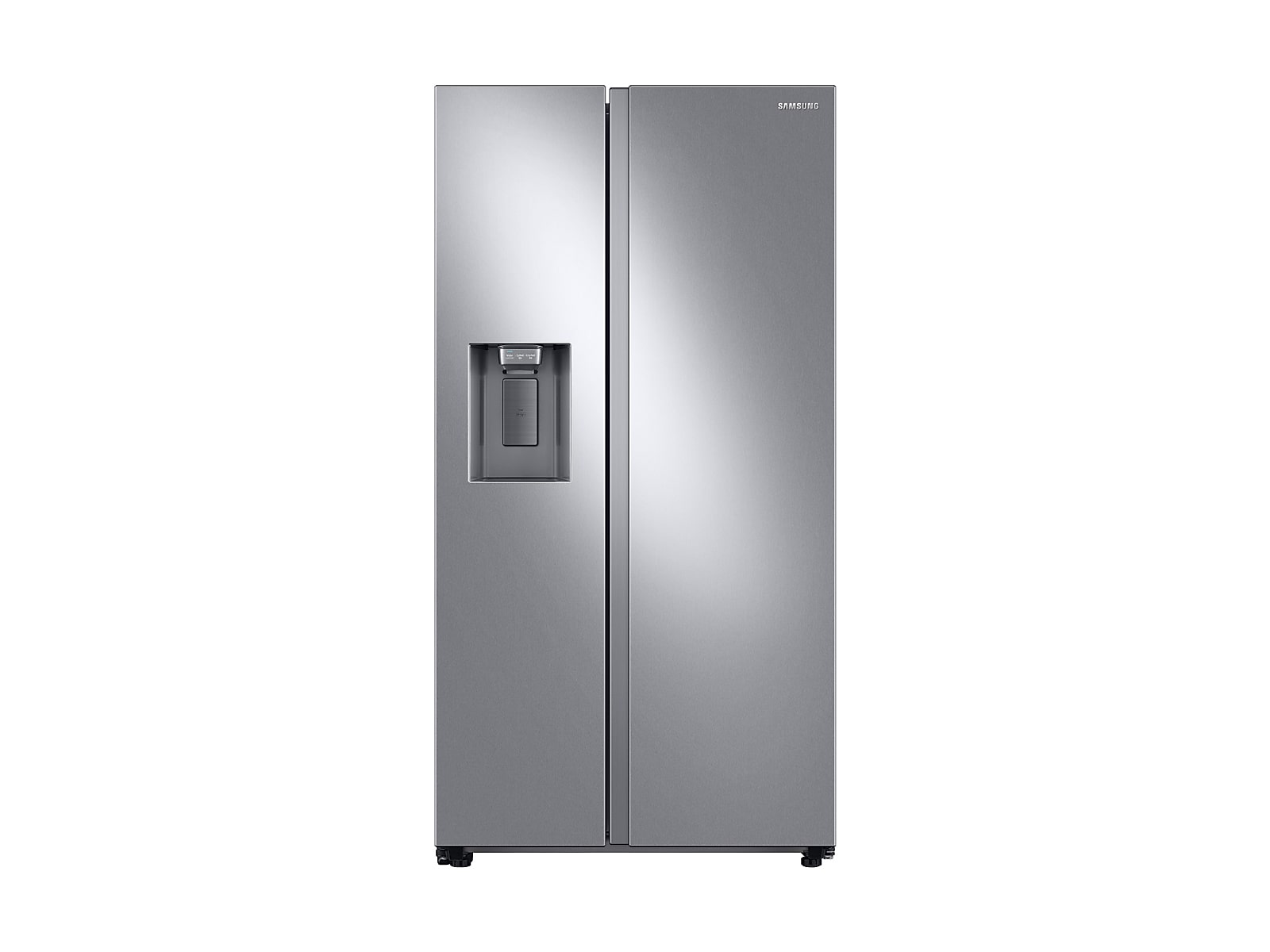
Getting the right size fridge is a big deal. You want enough space for all your food and emergency supplies, but it also has to fit where you need it. Here’s a quick guide:
Energy Efficiency and Power Options: Keeping the Lights On
An energy-efficient fridge saves you money and keeps your backup power from getting drained. Look for fridges with an Energy Star rating—they use less power.
You also want a fridge that can run on different power sources:
Standard electrical outlet: Easy and common.
Battery backup: Handy when the power goes out.
Solar power: Great for off-grid living.
For outdoor adventures or off-grid living, a portable wine freezer can be a lifesaver with its flexible power options.
Temperature Control: Keeping It Cool
Keeping your food at the right temperature is key. Your prepper fridge should let you adjust the temperature for different foods. Plus, a good monitoring system helps you keep an eye on things.
Think about adding temperature alarms and monitoring systems. These will alert you if the temperature goes off track, saving your food from spoiling.
Temperature Feature
Why It Matters
Adjustable Thermostat
Set the perfect temp for different foods
Digital Display
Easily see the internal temperature
Temperature Alarm
Get alerts if the temp changes unexpectedly
For top-notch temperature control, look into a reach in smart fridge that lets you monitor and control the temperature remotely.
By focusing on these must-have features, you’ll make sure your prepper fridge is ready for anything. Need more tips on keeping your fridge organized? Check out Fridge.com guide on organizing the fridge.
Organization and Storage Tips
Keeping your prepper fridge tidy is key to making the most of your space and ensuring everything's easy to find. Here are some tricks to help you organize and manage your stash like a pro.
Make the Most of Your Space
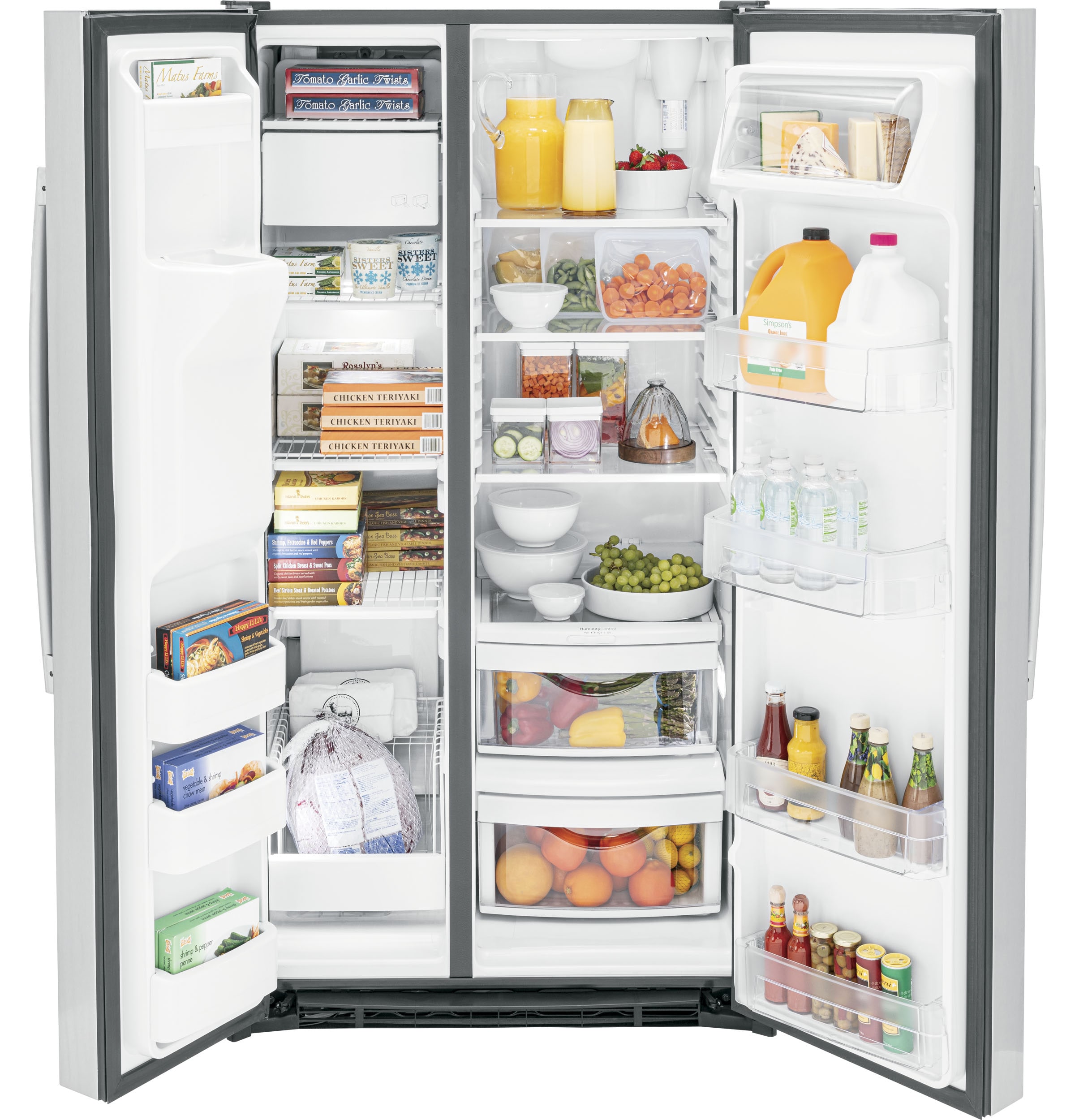
Using your fridge space wisely means placing and organizing items strategically. Here's how to get the best bang for your buck:
Clear Containers: See-through containers let you spot what’s inside without opening them, saving you time and hassle.
Label Everything: Labels on containers and shelves help you know what’s where at a glance.
Group Similar Items: Keep dairy with dairy, veggies with veggies, and meats with meats. It makes finding stuff a breeze.
Shelf Organizers: These can divide space and keep things from falling over.
Use Door Space: Perfect for smaller items like condiments, drinks, and snacks.
Here's a quick guide to help you visualize your fridge setup:
Section
Suggested Items
Top Shelf
Leftovers, ready-to-eat foods, beverages
Middle Shelf
Dairy products, eggs
Bottom Shelf
Raw meat, fish (in clear containers)
Crisper Drawer
Fruits and vegetables
Door Shelves
Condiments, drinks, small jars
For more tips on organizing your fridge, check out Fridge.com article on organizing the fridge.
Food Rotation and Inventory Management
Keeping track of what’s in your fridge and using it before it goes bad is crucial. Here’s how to stay on top of it:
First In, First Out (FIFO): Use the oldest items first to avoid waste.
Regular Inventory Checks: Regularly check what’s in your fridge to see what needs to be used or replaced.
Use a Checklist: A checklist helps you keep track of what you have and what you need.
Date Labels: Label items with the date they were stored to keep track of freshness.
Store New Items at the Back: Put new items at the back and move older ones to the front.
Here's a simple table to help you manage your supplies:
Item
Date Stored
Expiry Date
Quantity
Milk
10/01/2023
10/10/2023
2 bottles
Carrots
09/28/2023
10/12/2023
1 bag
Chicken Breast
10/03/2023
10/08/2023
3 pieces
Butter
10/01/2023
11/01/2023
1 pack
Effective food rotation and inventory management ensure you always use the freshest items and minimize waste. For more tips, visit Fridge.com article on organize your freezer.
By following these organization and storage tips, you can keep your prepper fridge in top shape, making sure it’s always ready when you need it.
When it comes to prepping your fridge, non-perishable foods are your best friends. These goodies last forever and won't spoil on you. Think canned veggies, dried fruits, and those ready-to-eat meals that save the day when fresh stuff is MIA.
Food Item
Shelf Life (Months)
Canned Vegetables
12 - 24
Dried Fruits
6 - 12
Ready-to-Eat Meals
12 - 36
Canned Beans
12 - 24
Canned Soups
12 - 24
Need some tips on how to stash these efficiently? Check out Fridge.com article on organizing the fridge.
Long-Term Food Storage Options
For those "just in case" moments, long-term food storage is a lifesaver. We're talking freeze-dried foods, vacuum-sealed goodies, and dehydrated meals. These can last for years if you store them right, making them perfect for any prepper's stash.
Food Item
Shelf Life (Years)
Freeze-Dried Vegetables
20 - 25
Vacuum-Sealed Meats
2 - 3
Dehydrated Meals
5 - 10
Freeze-Dried Fruits
20 - 25
Dehydrated Snacks
5 - 10
Curious about more long-term storage hacks? Peek at Fridge.com guide on prepper chest freezer.
Emergency Supplies
Your prepper fridge isn't just for food. Stock up on emergency supplies too. From medical kits to water purification tablets, having these on hand can make a world of difference when things go south.
Supply
Purpose
First Aid Kit
Basic Medical Care
Water Purification Tablets
Safe Drinking Water
Flashlights
Emergency Lighting
Batteries
Power for Devices
Multi-Tool
Various Uses
Want to know more about must-have emergency supplies? Check out Fridge.com article on prepper refrigerator.
By picking and organizing your non-perishables, long-term foods, and emergency supplies, you'll have a prepper fridge that's ready for anything. For more organization tips, see Fridge.com guide on organize your deep freezer.
Taking care of your prepper fridge isn't just about keeping it running—it's about making sure your food stays fresh and safe. Here's how to keep your fridge in tip-top shape with some easy cleaning and inspection tips.
Cleaning and Sanitizing
A clean fridge means safe food and a happy fridge. Here's how to keep it sparkling:
Regular Wipe-Down: Give the inside and outside a good scrub once a month. Use warm water and a bit of mild soap to clean shelves, drawers, and walls.
Sanitize: After cleaning, mix a tablespoon of bleach with a gallon of water and wipe down the surfaces to kill any lingering germs.
Toss the Old Stuff: Check for expired or spoiled food every week and get rid of it. No one likes a stinky fridge.
Fight Odors: Stick a box of baking soda in there to keep things smelling fresh. Swap it out every three months.
Defrost: If your fridge doesn't defrost itself, do it regularly to avoid ice build-up that can mess with its efficiency.
Cleaning Schedule
Task
How Often
Clean Inside and Outside
Monthly
Sanitize
Monthly
Remove Expired Food
Weekly
Baking Soda Deodorizer
Every 3 Months
Defrost (if needed)
As Needed
Regular Check-Ups
Keeping an eye on your fridge can help you catch small problems before they become big headaches. Here's what to look for:
Temperature Check: Make sure your fridge stays between 35-38°F (1.6-3.3°C). Use a thermometer to keep tabs on it.
Seal the Deal: Check the door seals for cracks or wear. A good seal keeps the cold in and your energy bill down.
Watch for Water: Excess condensation inside can mean trouble with the cooling system or door seals.
Listen Up: Weird noises? They could be a sign of mechanical issues. Fix them before they get worse.
Power Check: If you're using solar or battery power, make sure everything's working right and giving you steady power.
Inspection Checklist
Task
How Often
Check Temperature
Weekly
Inspect Door Seals
Monthly
Look for Condensation
Monthly
Listen for Noises
Monthly
Check Power Source
Monthly
By sticking to these simple cleaning and inspection routines, your prepper fridge will stay efficient and reliable. For more tips on organizing your fridge and keeping it in great shape, check out other Fridge.com articles.
DIY Prepper Fridge Hacks
Want to make your prepper fridge more reliable and efficient? Let's talk about two game-changing upgrades: temperature alarms and monitoring systems, and backup power solutions.
Temperature Alarms and Monitoring Systems
Keeping your fridge at the right temperature is key to making sure your food stays fresh and safe. Temperature alarms and monitoring systems are your best friends here, helping you keep tabs on your fridge's internal conditions and alerting you to any hiccups.
Why You Need Temperature Alarms and Monitoring Systems
Keep an eye on the temperature 24/7
Get alerts if the temperature goes haywire
Sleep easy knowing your food is safe
You can slap on a digital thermometer with an alarm to get real-time updates on your fridge’s temperature. Some systems even let you check the status from your phone, so you can keep an eye on things no matter where you are.
Here's a quick comparison of different temperature monitoring systems:
Feature
Basic Thermometer
Digital Thermometer
Remote Monitoring System
Real-Time Monitoring
No
Yes
Yes
Temperature Alarms
No
Yes
Yes
Remote Access
No
No
Yes
Cost
Low
Medium
High
For more tips on organizing and monitoring your fridge, check out Fridge.com guide on organizing the fridge.
Backup Power Solutions
Power outages can be a nightmare, but a good backup power solution can keep your prepper fridge running smoothly. Here are a few options to consider:
Types of Backup Power Solutions
Portable Generators: Great for temporary power during outages
Solar Power Systems: Eco-friendly and sustainable
Uninterruptible Power Supply (UPS): Provides immediate power backup for short periods
Backup Power Solution
Duration of Power
Environmental Impact
Cost
Portable Generators
Medium to Long
High
Medium
Solar Power Systems
Long
Low
High
Uninterruptible Power Supply (UPS)
Short
Low
Medium
Picking the right backup power solution depends on what you need and how much you're willing to spend. Portable generators and solar power systems are perfect for outdoor and mobile settings, while a UPS is great for home use, giving you immediate power backup until you can set up something more long-term.
Learn more about backup power options and other cool upgrades for your prepper fridge in Fridge.com article on prepper refrigerator.
By adding temperature alarms, monitoring systems, and backup power solutions, you can make your prepper fridge way more reliable and efficient. These DIY hacks ensure your food and emergency supplies stay safe and ready to go, even when life throws you a curveball.
In mobile homes and tiny houses, space is tight. Here's how to pick a fridge that works for you:
Compact Design: Choose a fridge that fits your small space.
Multi-functionality: Get a fridge that can also freeze.
Energy Consumption: Pick a fridge that uses less power, especially if you're on solar.
For tips on using space efficiently in small areas, see Fridge.com article on organize small fridge.
No matter where you are—home, outdoors, or in a tiny house—a prepper fridge can keep you ready for anything. Explore more options and tips in Fridge.com related articles, like prepper freezer and prepper refrigerator.
Compare prices on Fridge.com
Compare current prices and specifications on Fridge.com, then buy from the retailer you choose; delivery, installation and warranty terms are the retailer’s.
It also has tons of awesome articles about kitchen stuff and home news. Enhance your home, garage, backyard, patio, and office with the coolest essentials. With every necessary type of residential refrigerator or freezer in the collection, you're covered.
Frequently Asked Questions
A prepper fridge is not just any old refrigerator. It's your go-to stash for emergencies. Think of it as your secret weapon against unexpected chaos like natural disasters or power outages. It's all about having the right stuff ready when you need it most.