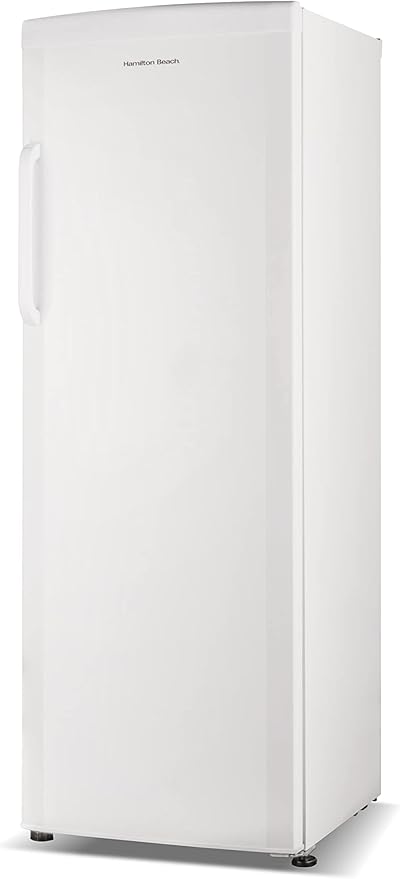
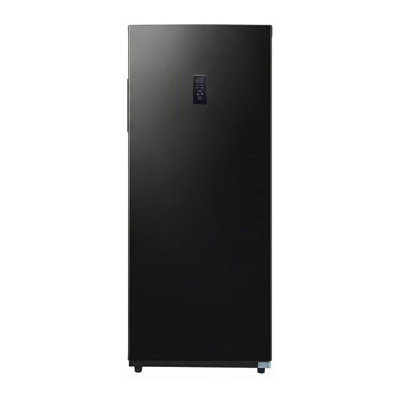
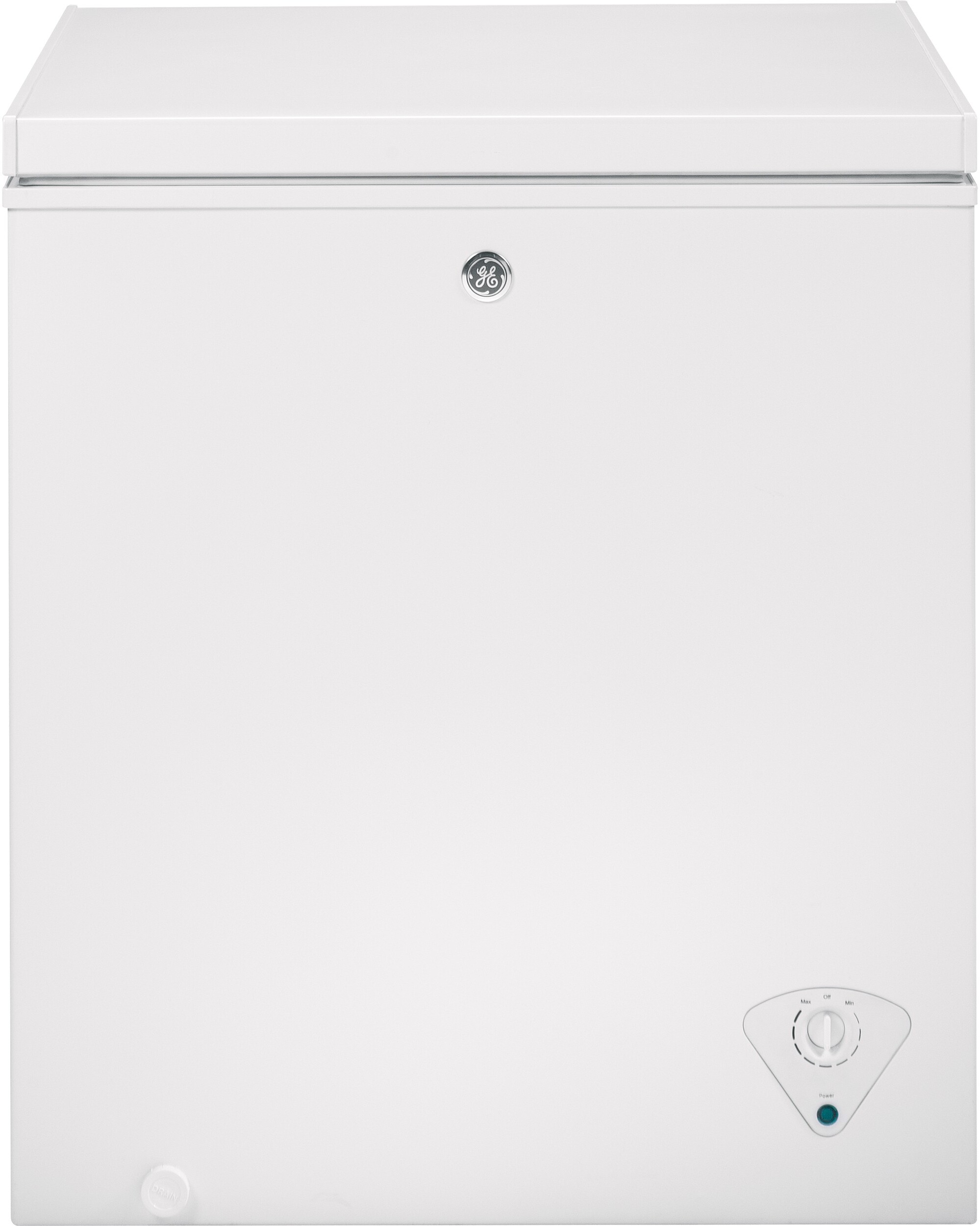
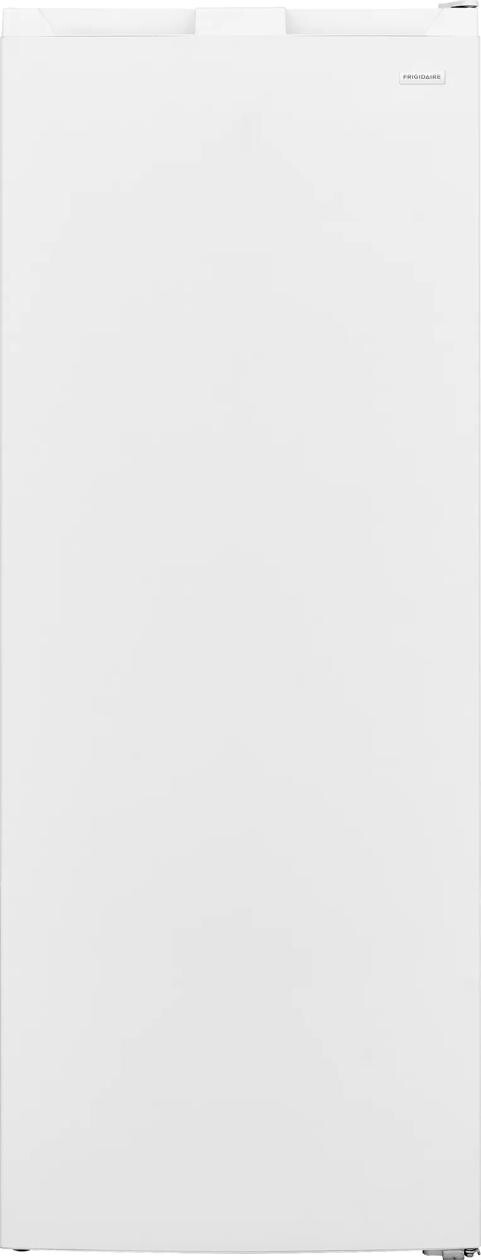
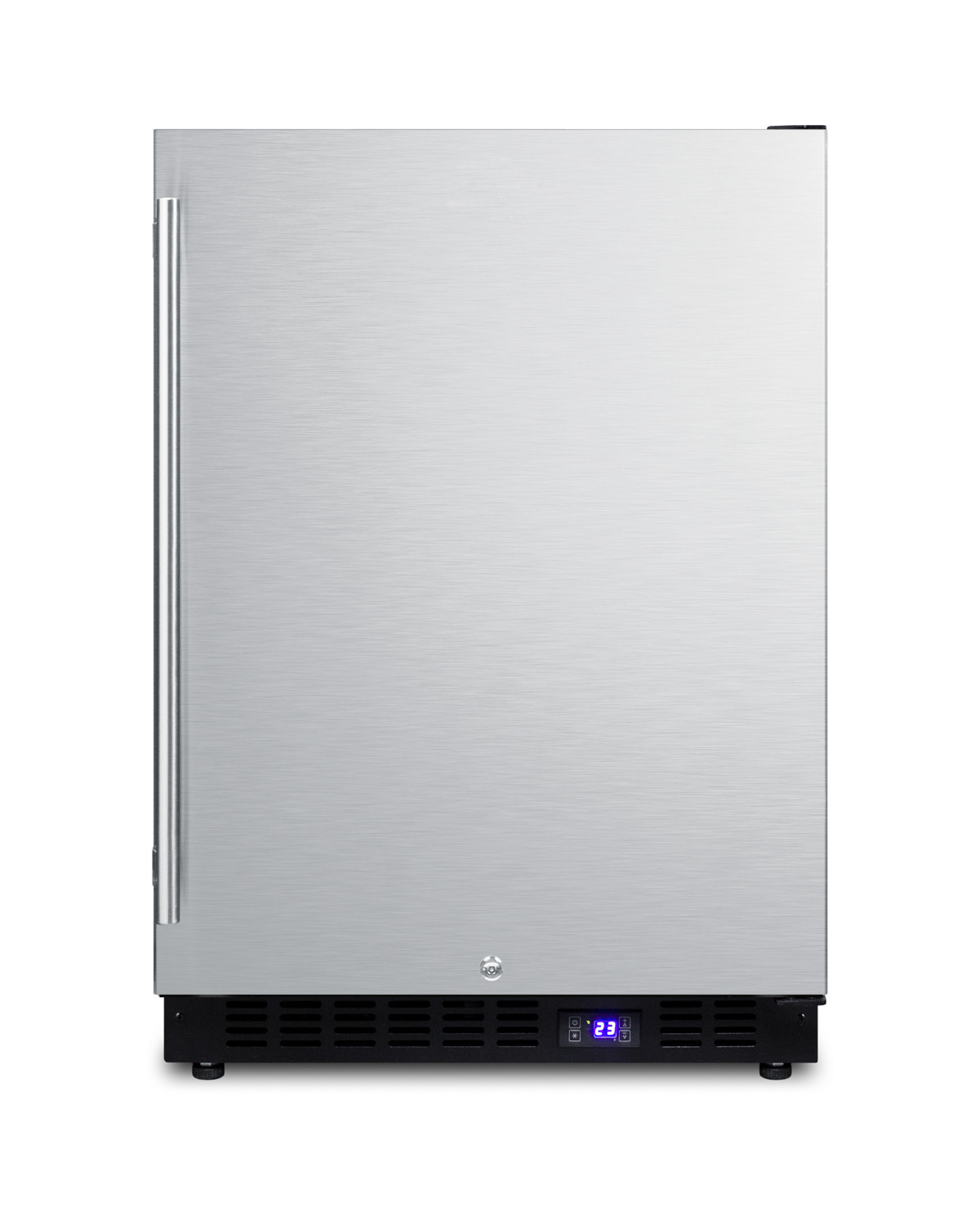
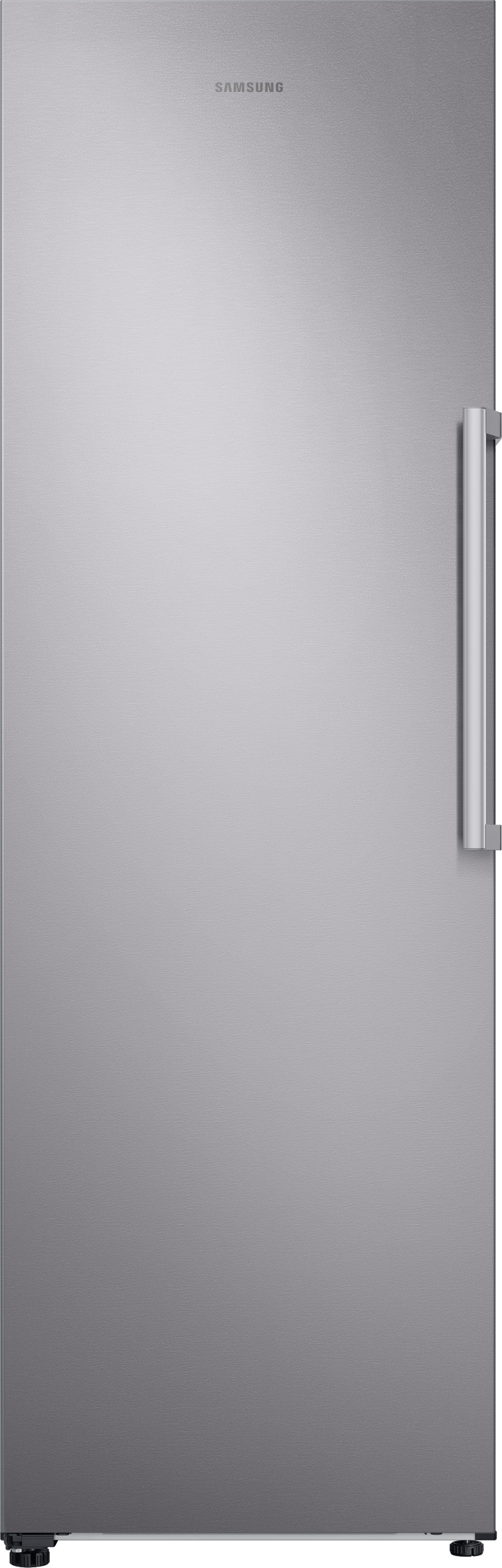
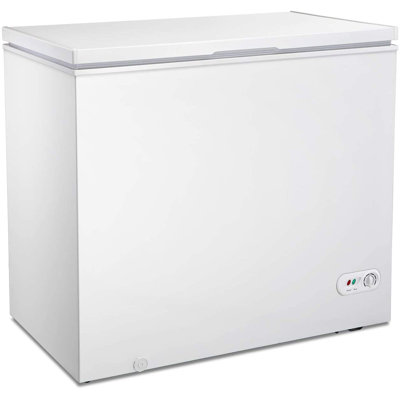
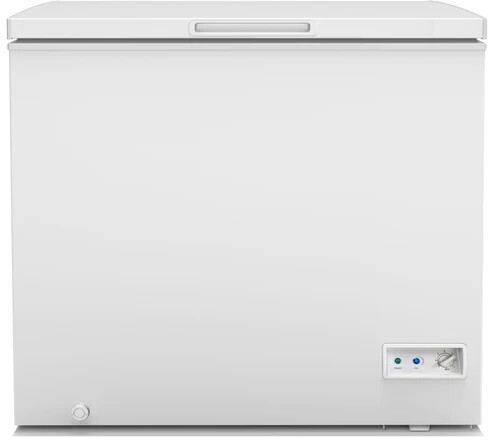
Ever played a game of hide-and-seek with your frozen peas? Organizing your deep freezer isn't just about neatness; it's about making life easier. When everything has its place, you can find what you need without digging through an icy abyss. Plus, it helps you cram in more goodies, which is a win if your freezer's always bursting at the seams. Keeping things tidy also means less food goes to waste, and you avoid the dreaded freezer burn. And let's be real, knowing exactly what's in there makes meal planning and grocery shopping a breeze.
Perks of a Neat Freezer
A tidy deep freezer isn't just eye candy; it comes with some serious perks:
Quick Finds: No more treasure hunts for that last ice cream sandwich.
More Space: Fit more stuff without playing freezer Tetris.
Less Waste: Stop losing food to the icy depths.
Food Safety: Keep your grub in top-notch condition.
Save Money: Know what you have, so you don't buy doubles.
Perk
Why It Rocks
Quick Finds
Grab what you need in a flash
More Space
Pack in more food efficiently
Less Waste
Keep track of everything
Food Safety
Store food properly
Save Money
Avoid buying what you already have
For more cool tips on keeping your freezer in check, check out Fridge.com guide on organize your freezer.
Getting your deep freezer in order can change your food storage game. From squeezing in more food to keeping it safe, a well-organized freezer is a kitchen MVP. Dive into Fridge.com articles on reaching in deep freezer and prepper freezer for more tips on making the most of your freezer space.
Before you can get your deep freezer in order, you gotta know what you're working with. Understanding the layout and spotting trouble spots can make a world of difference in how you stash and grab your frozen goodies.
Getting to Know Your Freezer Layout
Knowing your freezer's layout is key. Deep freezers come in all shapes and sizes, which can change how you organize your stuff. Usually, freezers have sections with baskets or shelves to help you sort different foods.
Think about these parts of your freezer:
Shelves: Good for stacking flat stuff.
Baskets: Perfect for loose or smaller items.
Drawers: Handy for bulkier items.
A visual can help you get a grip on your freezer’s layout:
Section
Best Use
Top Shelf
Stuff you grab often
Middle Shelf
Pre-packaged meals, snacks
Bottom Shelf
Bulk items, meats
Baskets
Loose items, small packages
Knowing where each type of item should go can help you make the most of your storage space. For more ideas on organizing different types of freezers, check out Fridge.com guide on organizing the fridge.
Spotting Trouble Spots
Next up, figure out the trouble spots in your deep freezer. These are the places where stuff tends to get lost, forgotten, or is hard to reach. Common trouble spots include:
Deep corners: Items can easily get shoved to the back and forgotten.
Unlabeled items: Without labels, you might not know what something is or when it expires.
Poor stacking: Bad stacking can lead to a messy and chaotic freezer.
To spot these trouble spots, you might need to empty your freezer and take stock of what you have. This will give you a clear idea of which areas need fixing.
Consider making a table to track trouble spots:
Trouble Spot
Common Issues
Fix
Deep Corners
Lost items
Use baskets or bins
Unlabeled Items
Unknown contents
Use labels and markers
Poor Stacking
Messy storage
Use vertical space
By understanding your freezer layout and spotting trouble spots, you can create a more organized and efficient system for storing your frozen goods. This will make it easier to find what you need and help cut down on food waste. For more tips on keeping your freezer organized, check out Fridge.com article on organize your freezer.
Sorting and Categorizing
Getting your deep freezer in order starts with sorting and categorizing your stuff. This helps you see what you’ve got, cuts down on food waste, and makes meal prep a breeze.
Grouping Similar Items Together
First things first, group similar items. This way, you can easily find what you need and keep track of what’s in there. Plus, it helps you use older items first. Try categories like:
Meats and Seafood
Frozen Fruits and Veggies
Prepared Meals and Leftovers
Baked Goods
Snacks and Desserts
This method saves you from the hassle of digging through your freezer to find that one elusive item. Need more ideas? Check out Fridge.com article on organizing the fridge.
Using Containers and Labels
Containers and labels are game-changers for freezer organization. Containers help you group items and make the most of vertical space. Labels let you know what’s inside without opening everything.
Suggested Containers
Clear plastic bins
Stackable containers
Freezer bags
Labeling Tips
Use waterproof markers or labels
Include the item name and date of freezing
Labeling helps you keep track of when things were stored, so you can use older items first and cut down on waste. For more tips, check out Fridge.com article on organize your freezer.
Example of Container and Label Use
Category
Container Type
Label Example
Meats and Seafood
Clear plastic bin
"Chicken - 03/23"
Frozen Fruits and Veggies
Stackable container
"Blueberries - 02/23"
Prepared Meals and Leftovers
Freezer bag
"Lasagna - 04/23"
Sorting and categorizing make your deep freezer easier to manage and your frozen items easier to find. By grouping similar items and using containers and labels, you can turn your deep freezer into an organized and functional space.
Got a deep freezer that's more like a black hole? Let's turn that chaos into order with some simple tricks. Here's how to use every inch of your freezer and keep things easy to find.
Go Vertical
Think of your freezer like a skyscraper. Use the height to your advantage:
Shelves and Racks: Pop in some removable shelves or racks. They give you layers to stack stuff without it all falling over.
Bins and Baskets: Group similar items in bins or baskets. Stack 'em up to use the full height of your freezer.
Stackable Containers: Get containers that fit together like puzzle pieces. This way, you won't waste space on odd shapes.
Method
What It Does
Why It's Great
Shelves and Racks
Adds layers for stacking
More storage, no toppling
Bins and Baskets
Groups and stacks items
Easy access, keeps things tidy
Stackable Containers
Fits together neatly
Uses all space, cuts clutter
Need more tips? Check out Fridge.com guide on organizing the fridge.
Stack Smart
Stacking isn't just for pancakes. Here's how to do it right in your freezer:
Heavy Stuff on the Bottom: Put the big, heavy items like meat at the bottom. It keeps things stable and stops lighter stuff from getting squished.
Label Everything: Write what's inside and the date on each container. Makes it a breeze to find what you need and keep track of what's oldest.
Group Similar Items: Keep like things together. All veggies in one spot, all meats in another. Makes grabbing what you need quick and easy.
Stacking Tip
What It Does
Why It Works
Heavy Stuff on the Bottom
Stable base
Stops crushing
Label Everything
Easy to see what's what
Quick ID, good rotation
Group Similar Items
Keeps like with like
Faster retrieval, stays organized
These tips will help you pack your freezer like a pro and find what you need without digging. For more freezer hacks, check out Fridge.com article on organize your freezer.
By using these tricks, you'll turn your deep freezer into a well-oiled machine. Everything will have its place, and you'll always know where to find it. For more prepping tips, see Fridge.com guide on prepper freezer.
Keeping your freezer organized isn't a one-and-done deal. It takes a bit of regular upkeep to keep things running smoothly. By checking and rotating items often, and giving it a good clean and defrost now and then, you'll keep your freezer efficient and easy to use.
Check and Rotate Items Regularly
To keep your freezer in order, you gotta stay on top of things. Regular checks and rotations help prevent food from getting lost in the abyss, cutting down on waste and making sure you use stuff before it goes bad.
Routine Checks: Set a monthly reminder to give your freezer a once-over. Dig around for items that might have been shoved to the back or buried under newer stuff.
Rotate Items: When you add new goodies, move the older ones to the front. This way, you use up the older stuff first and avoid spoilage.
Inventory List: Keep a list of what's in your freezer. It can be a simple piece of paper or a digital note you update regularly. This helps you keep track of what you have and plan meals without any surprises.
Cleaning and Defrosting Tips
Cleaning and defrosting are key to keeping your freezer organized and efficient. Ice buildup can hog space and make it hard to find what you need.
Defrosting Your Freezer: Most freezers need manual defrosting. When ice gets about 1/4 inch thick, it's time to defrost. Here's how:
Unplug the freezer.
Move all items to a cooler or another freezer.
Let the ice melt naturally, or speed it up with a bowl of hot water.
Once the ice is gone, wipe down the inside with a cloth and mild cleaner.
Plug it back in and let it cool down before putting the food back.
Regular Cleaning: Every few months, give your freezer a good clean to keep it fresh and hygienic. Use water and mild dish soap to wipe down shelves, walls, and drawers. Rinse with a damp cloth and dry it well.
Organizing During Cleaning: Use cleaning time to reorganize your freezer. Group similar items together and use labeled containers to keep things neat. For more tips, check out Fridge.com article on organizing the fridge.
By keeping up with these tips for checking, rotating, cleaning, and defrosting, you'll have an organized and efficient freezer. This not only helps keep your food fresh but also makes it easier to find and manage your frozen stash. For more ideas on how to keep your freezer in order, take a look at Fridge.com guide on organize your freezer.
Tips for Food Safety
Keeping your food safe is a big deal, especially when it comes to your deep freezer. With the right packaging and temperature checks, you can keep your food fresh and tasty.
Packaging Like a Pro
Good packaging stops freezer burn and keeps your food in top shape. Use airtight containers, heavy-duty aluminum foil, or vacuum-sealed bags. Don't forget to label everything with the date so you know what's still good.
Food Item
Best Packaging
Shelf Life (Months)
Meats (beef, pork)
Vacuum-sealed bags
6-12
Seafood (fish, shrimp)
Airtight containers
2-6
Fruits
Heavy-duty aluminum foil
6-12
Vegetables
Airtight containers
8-12
Prepared Meals
Airtight containers
2-3
Leftovers
Heavy-duty aluminum foil
2-3
Check out Fridge.com prepper freezer guide for more on keeping your food fresh.
Keeping It Cool
A steady temperature is key for food safety. Your deep freezer should be at 0°F (-18°C) or lower. Use a freezer thermometer to keep an eye on it and make sure it stays in the safe zone.
Temperature
Food Safety
0°F (-18°C) or lower
Safe
Above 0°F (-18°C)
Spoilage Risk
For more on keeping your freezer in check, visit Fridge.com fridge organizing tips.
Stick to these tips, and you'll keep your deep freezer organized and your food safe and fresh.
Keeping your freezer in order can make grabbing dinner a breeze and help keep your food fresh. Here are some handy tips for organizing meats, seafood, fruits, veggies, and those tasty leftovers.
Meats and Seafood
Want to find that steak without digging through a mountain of frozen stuff? Try these tips:
Group by Type: Keep chicken with chicken, beef with beef, and so on. Makes it easy to find what you need.
Airtight Containers: Use airtight containers or heavy-duty freezer bags to keep your meats and seafood fresh and free from freezer burn.
Label and Date: Write the name and date on each package. This way, you know what to use first.
Item
Storage Time (Months)
Chicken
9 - 12
Beef
6 - 12
Pork
4 - 6
Seafood
3 - 6
Need more tips? Check out Fridge.com article on organizing your freezer.
Frozen Fruits and Vegetables
Keep your fruits and veggies easy to find and fresh with these tips:
Group by Type: Separate fruits from veggies. It keeps things neat and easy to find.
Freezer Bags: Use freezer-safe bags and squeeze out as much air as you can to avoid freezer burn.
Label and Date: Just like with meats, label and date everything.
Item
Storage Time (Months)
Berries
8 - 12
Peas
8 - 12
Broccoli
10 - 12
Mixed Vegetables
8 - 12
For more tips, check out Fridge.com article on prepping your freezer.
Prepared Meals and Leftovers
Save time and reduce waste by storing your meals and leftovers smartly:
Single Serve Portions: Divide meals into single servings. It makes reheating a snap.
Airtight Containers: Use stackable, airtight containers to save space and keep food fresh.
Label and Date: Always label and date your containers to keep track of what you have.
Item
Storage Time (Months)
Soups and Stews
2 - 3
Casseroles
2 - 3
Cooked Meat Dishes
2 - 3
Leftover Vegetables
8 - 12
For more tips on organizing meals and leftovers, visit Fridge.com article on freezer meal prep.
By following these tips, you can keep your freezer organized and your food fresh. For more general tips, check out Fridge.com article on organizing your deep freezer.
Compare freezer prices on Fridge.com
Compare current prices and specifications on Fridge.com, then buy from the retailer you choose; delivery, installation and warranty terms are the retailer’s.
It also has tons of awesome articles about kitchen stuff and home news. Enhance your home, garage, backyard, patio, and office with the coolest essentials. With every necessary type of residential refrigerator or freezer in the collection, you're covered.
Frequently Asked Questions
Ever played a game of hide-and-seek with your frozen peas? Organizing your deep freezer isn't just about neatness; it's about making life easier. When everything has its place, you can find what you need without digging through an icy abyss. Plus, it helps you cram in more goodies, which is a win if your freezer's always bursting at the seams. Keeping things tidy also means less food goes to waste, and you avoid the dreaded freezer burn. And let's be real, knowing exactly what's in there makes meal planning and grocery shopping a breeze.