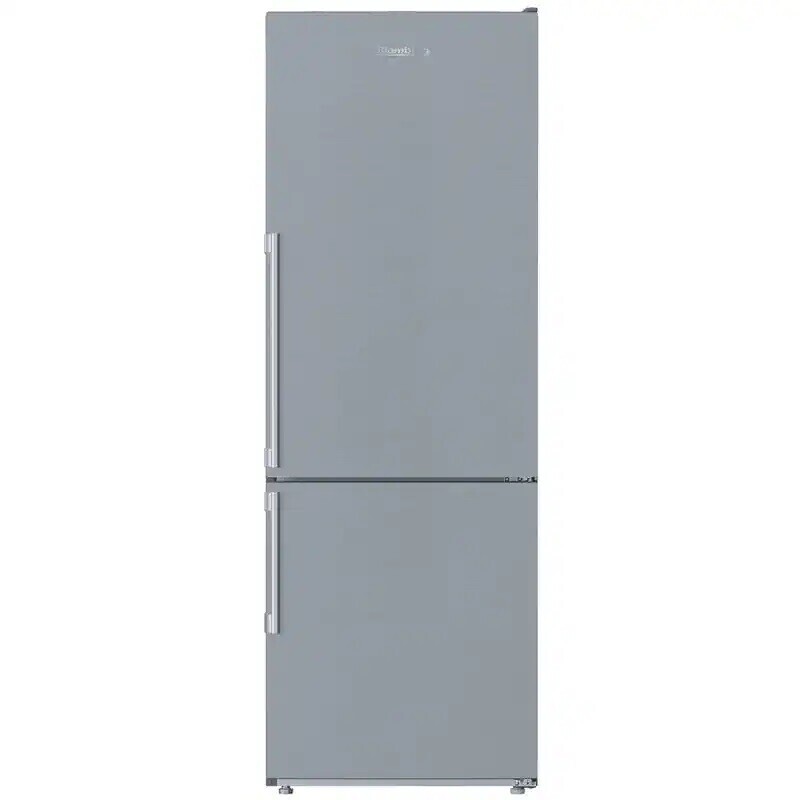
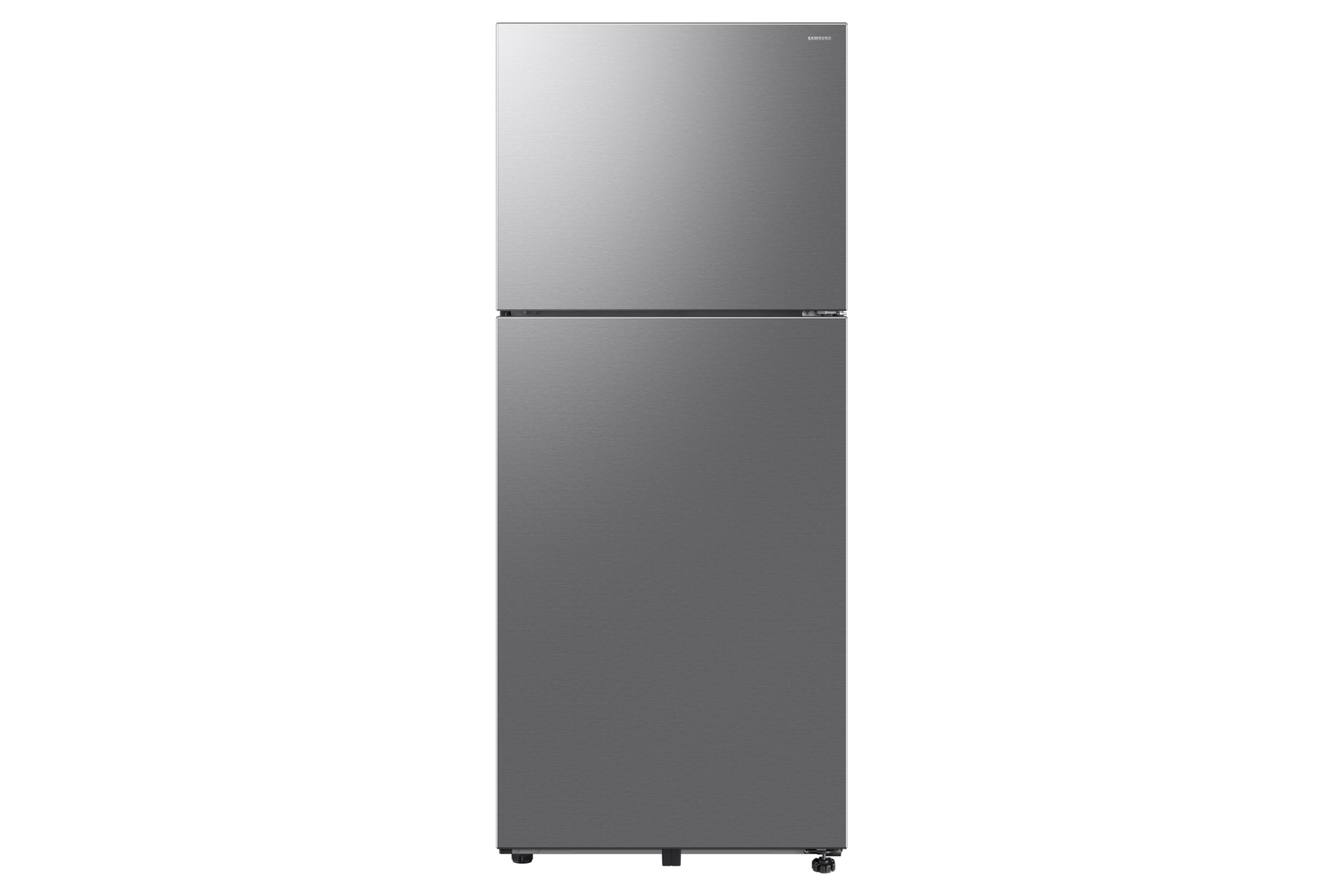
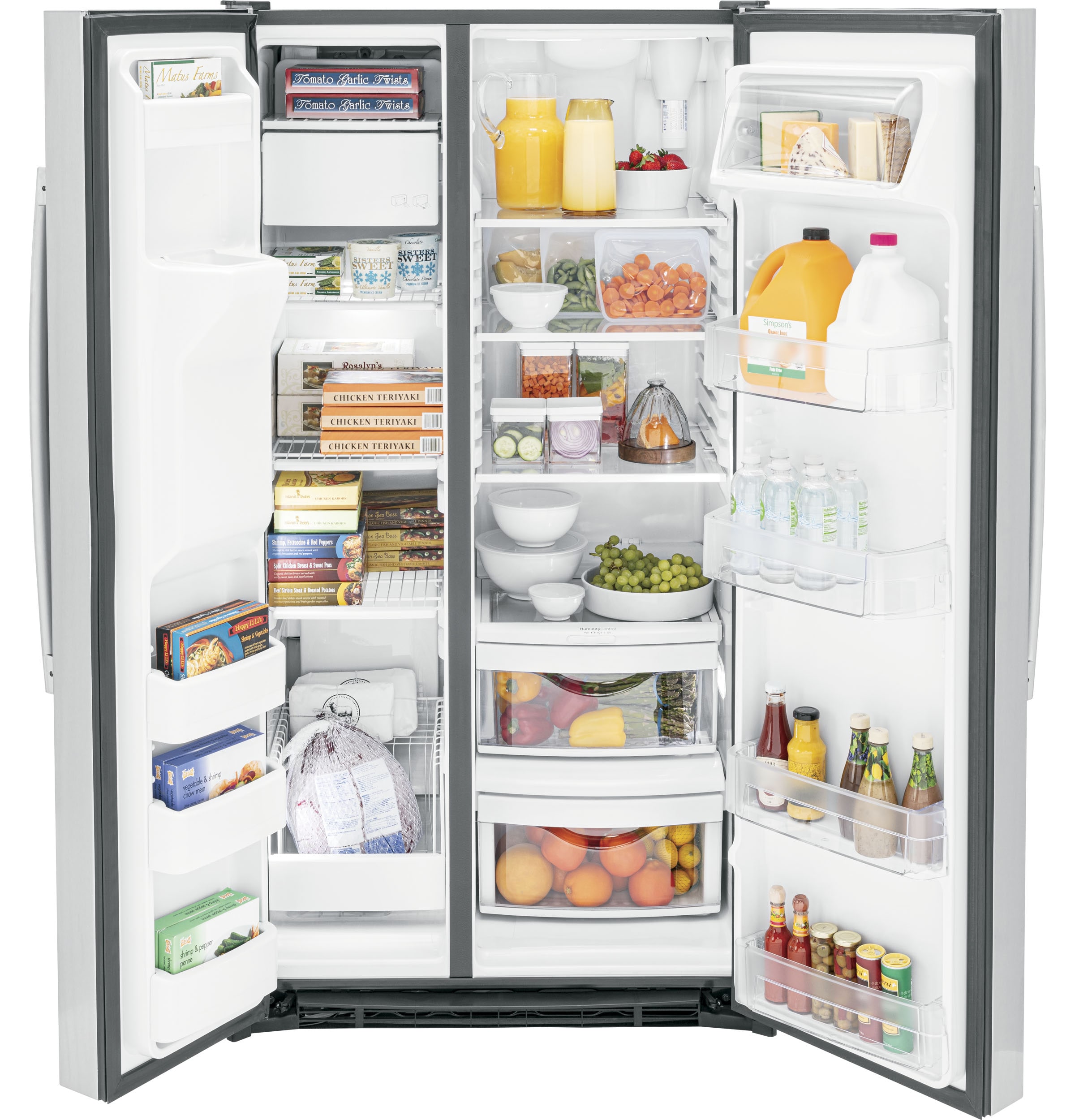
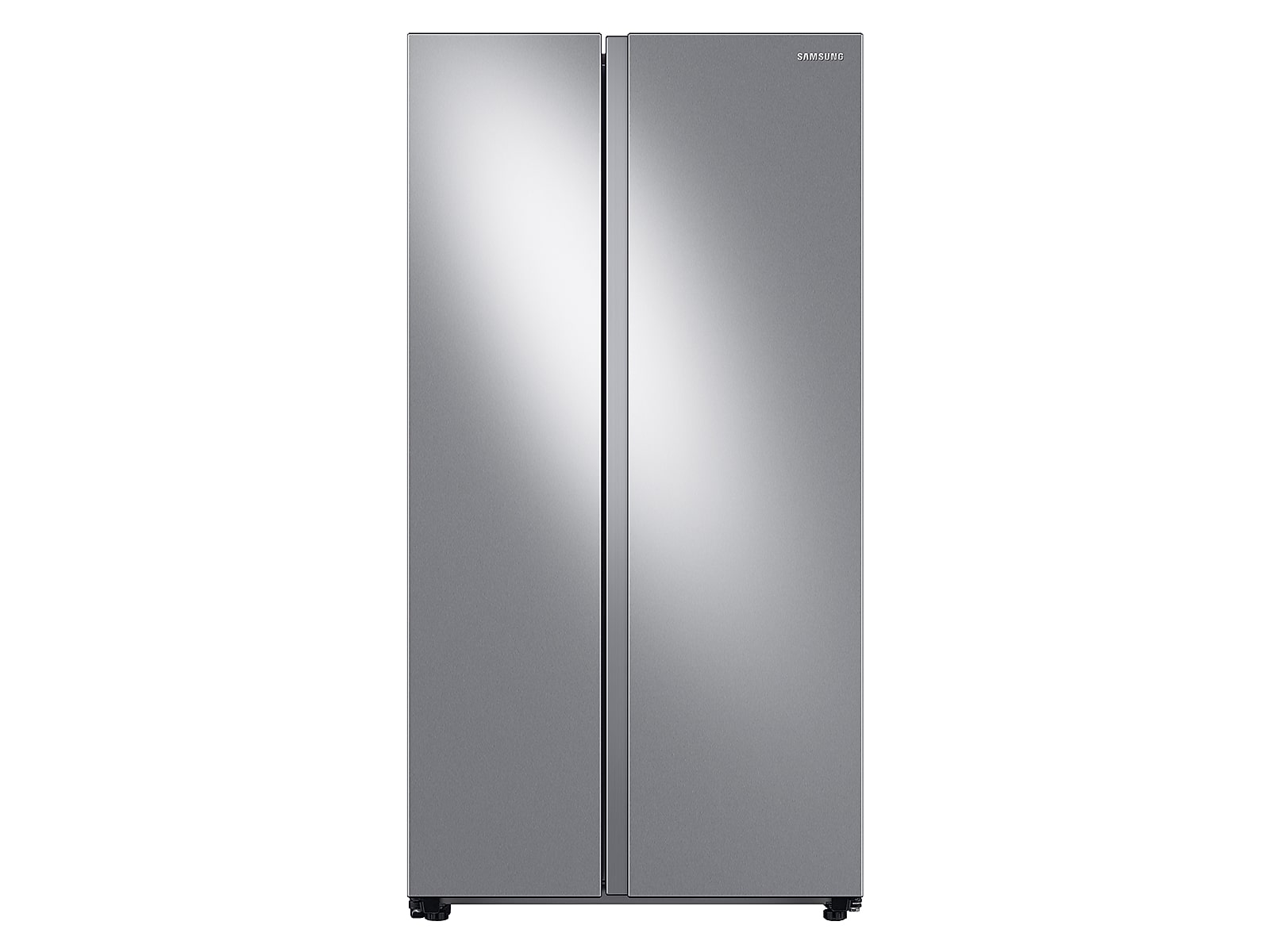
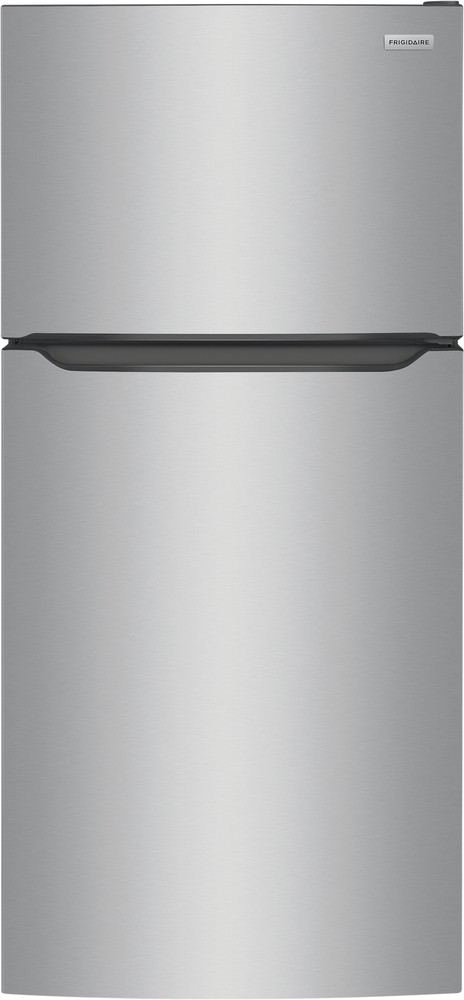
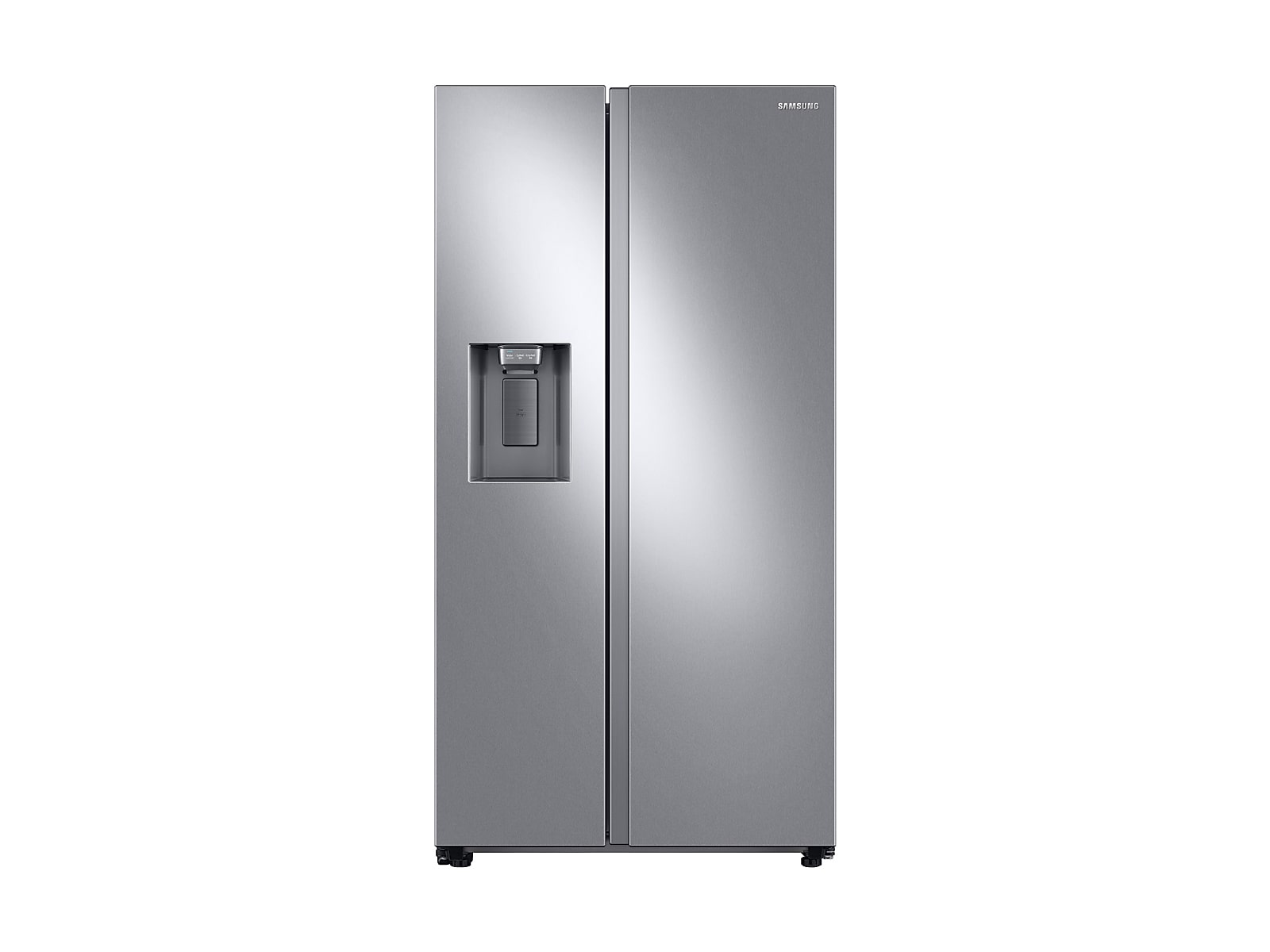
Getting your retro fridge ready for vacation isn't just a good idea—it's a must. If you skip this step, you might come back to spoiled food, higher energy bills, and even a busted fridge. Nobody wants that kind of welcome home.
Perks of Prepping Your Fridge Before You Go
Taking a few minutes to set your fridge up right before you leave can make a big difference:
Keep Food Fresh: Set the right temperature so your food stays good and safe to eat when you get back.
Save on Energy: Tweaking the settings and using energy-saving features can cut down on your electricity use, which means lower bills.
Make Your Fridge Last Longer: Regular check-ups and proper settings can help your fridge run smoothly for years to come.
By spending a little time prepping your retro fridge, you can head out on vacation knowing your food and appliance are in good shape.
Cleaning and Organizing
Before you head out on vacation, make sure your retro fridge is in tip-top shape. Cleaning and organizing it can save you from nasty odors, spoiled food, and wasted energy. Here's how to get your fridge vacation-ready.
Cleaning Out Expired Items
First things first, empty out the fridge. Check the expiration dates on everything and toss anything that's past its prime. This way, you won't come back to any unpleasant surprises.
Here's a quick checklist to help you out:
Empty the fridge.
Check expiration dates on:
Dairy products
Condiments
Leftovers
Beverages
Throw out expired items.
Wipe down shelves and drawers with a mild cleaner.
Cleaning and organizing your retro fridge is key to preparing a retro fridge for vacation. Proper maintenance keeps your fridge in great shape and ready for action when you get back.
Getting your retro fridge's temperature just right is a game-changer, especially before you head out on vacation. It keeps your food fresh and your energy bills low.
Setting the Right Temperature
To keep things cool and efficient, aim for a sweet spot between 35°F and 38°F (1.7°C to 3.3°C) for your fridge. This range is like the Goldilocks zone—not too cold to freeze your lettuce, but cold enough to keep your milk from turning into a science experiment.
Before you jet off, double-check those settings. A quick tweak can make sure your food stays fresh and safe while you're away. Need more tips? Check out Fridge.com guide on preparing a 2 door refrigerator for vacation.
Adjusting Freezer Settings
Don't forget about the freezer! Keep it at a steady 0°F (-18°C) to make sure your ice cream stays solid and your frozen peas don't turn into mush.
If your retro fridge has a separate freezer section, give it some love too. Whether it's a manual dial or a digital display, your fridge's user manual will have the lowdown on how to adjust it.
Section
Recommended Temperature
Refrigerator
35°F - 38°F (1.7°C - 3.3°C)
Freezer
0°F (-18°C)
Nailing these temperature settings is key to keeping your retro fridge running smoothly and your food in tip-top shape while you're off enjoying your vacation. For more handy tips on prepping other types of fridges and freezers, check out Fridge.com articles on preparing a top freezer refrigerator for vacation and preparing a chest freezer for vacation.
Before you jet off on your next adventure, give your retro fridge some TLC. A little maintenance now can save you from headaches later. Plus, it keeps your fridge running smoothly and lasting longer.
Sniffing Out Leaks and Spills
Leaks and spills are like uninvited guests—they bring trouble. Water damage, mold, bad smells, and pests are just a few of the issues they can cause. Here's how to spot them:
Peek Inside: Open up the fridge and freezer. Check under drawers and shelves for any sneaky spills or leaks.
Drip Pan Duty: Many fridges have a drip pan at the bottom. Make sure it's empty and clean.
Water Line Watch: If your fridge has a water dispenser or ice maker, inspect the water line for any signs of leakage.
Seals and Gaskets: The Unsung Heroes
The seals and gaskets on your fridge doors are the unsung heroes, keeping the cold air in and your fridge efficient. Here's how to give them a once-over:
Look and See: Check for any cracks, tears, or wear and tear on the door seals and gaskets.
Feel Around: Run your fingers along the gasket to detect any gaps or irregularities.
Dollar Bill Trick: Close the fridge door on a dollar bill. If you can easily pull it out, the seal might be compromised and needs fixing.
What to Check
What to Do
Inside the Fridge
Look for leaks, spills, odors
Drip Pan
Make sure it’s clean and empty
Water Line
Check for leaks
Door Seals/Gaskets
Look for cracks or gaps
Dollar Bill Test
Ensure a tight seal
Taking these steps ensures your retro fridge stays in tip-top shape while you're away. For more tips, check out Fridge.com guides on preparing a 2 door refrigerator for vacation and preparing a bottom freezer refrigerator for vacation. Happy travels!
Getting ready for a vacation? Don't forget about your retro fridge! A few power-saving tricks can cut down on energy use and keep your fridge running smoothly.
Energy-Saving Features
Retro fridges often come with cool energy-saving features. Using these can really lower your electricity bill while you're away. One handy feature is the energy-saving mode, which tweaks the internal temperature to save power when the fridge isn't being opened a lot.
Energy-Saving Feature
What It Does
LED Lighting
Uses less power than old-school bulbs
Smart Cooling Systems
Optimizes cooling cycles to save energy
Insulation Improvements
Keeps the cold in, reducing energy needed
Make sure to use these features to keep your fridge's energy use low. For more tips on getting different types of fridges ready for vacation, check out Fridge.com articles on preparing a 2 door refrigerator for vacation and preparing a french door refrigerator for vacation.
Unplugging Unnecessary Appliances
Before you leave, think about unplugging other appliances that share the same power source as your retro fridge. This can lower the overall power load and help avoid electrical issues.
Appliance
Why Unplug It
Microwave
Uses power even when not in use
Coffee Maker
Often left plugged in, wasting energy
Toaster Oven
Another standby power hog
Small Kitchen Gadgets
Many draw power even when off
Unplugging these gadgets not only saves energy but also helps your retro fridge run better without power surges. If you have other cooling appliances like a wine cooler or a beverage fridge, check out Fridge.com guides on preparing a wine cooler for vacation and preparing a beverage fridge for vacation.
By following these tips, you can keep your retro fridge in great shape and enjoy your vacation without worrying about wasting energy.
Keep Your Retro Fridge Closed Tight
Before you head out on vacation, make sure your retro fridge is locked up tight. This keeps it running smoothly and your food fresh. A well-sealed fridge door saves energy and keeps everything inside cool.
Check That Seal
The door seal (or gasket) is key to keeping the cold in and the warm out. Here's how to make sure it's doing its job:
Look for Damage: Check the gasket for any cracks or tears. If it's damaged, cold air can escape.
Clean It Up: Dirt can mess with the seal. Use a mild soap and a cloth to clean it.
Do the Paper Test: Close the door on a piece of paper or a dollar bill. If you can pull it out easily, the seal might need replacing.
Some retro fridges have a door latch for extra security. Here's how to make sure it's working:
Latch It Right: Make sure the latch is fully engaged to prevent accidental openings.
Check the Latch: Ensure the latch works properly. If it's broken, it won't keep the door shut.
Follow these steps, and you can relax knowing your retro fridge is secure while you're away. For other fridge types, see Fridge.com guides on prepping a French door fridge for vacation and getting a smart fridge ready for vacation.
Getting your retro fridge ready for vacation? Let's make sure you leave behind only what you need to avoid waste and keep things fresh. Plus, having an emergency contact list can be a lifesaver.
What to Leave Behind
Before you head out, decide what should stay in your fridge. Perishables that spoil quickly should be eaten or tossed. But some things can stick around.
Item Type
Why Keep It?
Condiments
They last forever and won't spoil easily
Non-perishable drinks
They won't go bad and are handy when you get back
Unopened dairy
If you're not gone too long, these can last
Frozen stuff
Safe in the freezer for ages
Organize your fridge to make this easier. Need tips? Check out our organizing food items section.
Emergency Contact List
An emergency contact list is a must, especially if you're gone for a while. This list should have info for neighbors, friends, or family who can help if something goes wrong with your fridge.
Contact Type
What to Include
Neighbor
Name, phone number, and address
Family Member
Name, phone number, and relationship
Maintenance Service
Name, phone number, and what they do
Stick this list somewhere obvious, like on the fridge door or a kitchen board. That way, anyone who needs to get into your house can find it easily. For more on keeping your fridge in check while you're away, see our maintenance checks section.
There you go! Now your fridge is ready for your vacation, and you can relax knowing everything's in order.
Final Checks Before Leaving
Making sure your retro fridge is ready for your vacation involves a few key steps. These checks will help keep your appliance running smoothly and your food safe while you're away.
Double-Check Temperature Settings
Before you head out, make sure the temperature settings on your retro fridge and freezer are spot on. This keeps your food fresh and your fridge working efficiently. Here's what you need:
Compartment
Ideal Temperature
Fridge
37°F (3°C)
Freezer
0°F (-18°C)
Adjust the settings if needed and make sure the internal thermometer readings match. This step is crucial to avoid any spoilage or malfunction while you're gone. For more tips on temperature settings for different types of fridges, check out preparing a top freezer refrigerator for vacation.
Confirming Doors Are Securely Closed
Making sure the doors of your retro fridge are tightly closed is vital for keeping the temperature steady and saving energy. Here's how to do it:
Inspect Door Seals and Gaskets: Look at the seals and gaskets around the fridge doors for any signs of wear or damage. Replace them if needed to ensure a tight closure.
Use a Door Latch: If your retro fridge has a door latch, use it to add extra security and prevent accidental openings.
Check for Obstructions: Make sure no food items are blocking the door from closing completely.
By following these steps, you can be sure your retro fridge will stay secure and efficient while you're on vacation. For more tips on securing your fridge, see preparing a built-in refrigerator for vacation.
Doing these final checks will help ensure your retro fridge runs smoothly while you're away, giving you peace of mind and keeping your food safe.
Compare prices on Fridge.com
Compare current prices and specifications on Fridge.com, then buy from the retailer you choose; delivery, installation and warranty terms are the retailer’s.
It also has tons of awesome articles about kitchen stuff and home news. Enhance your home, garage, backyard, patio, and office with the coolest essentials. With every necessary type of residential refrigerator or freezer in the collection, you're covered.
Frequently Asked Questions
Getting your retro fridge ready for vacation isn't just a good idea—it's a must. If you skip this step, you might come back to spoiled food, higher energy bills, and even a busted fridge. Nobody wants that kind of welcome home.