Comparing Outdoor Refrigerator and Shallow Depth Refrigerator
When deciding between an outdoor refrigerator and a shallow depth refrigerator, it's important to understand their distinct purposes. This section will help you grasp the key differences between these appliance types to make an informed choice.
Understanding the Purpose of Outdoor Refrigerators
An outdoor refrigerator is designed specifically for use in outdoor spaces like backyards, patios, and poolside areas. These refrigerators are built to withstand various weather conditions, including rain, humidity, and fluctuating temperatures. They are ideal for homeowners who love entertaining guests outdoors or need extra cooling space for beverages and snacks during outdoor activities.
Key purposes of outdoor refrigerators include:
Weather Resistance: Built to endure outdoor elements.
Convenience: Provides easy access to chilled beverages and food during outdoor gatherings.
Durability: Constructed with robust materials to handle environmental stress.
Understanding the Purpose of Shallow Depth Refrigerators
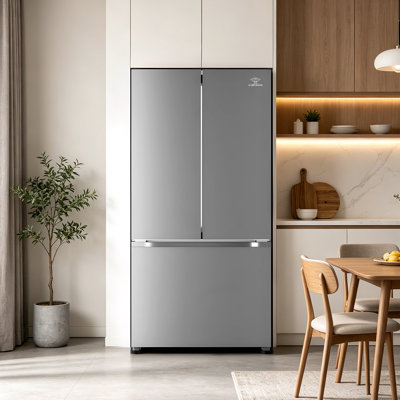
A shallow depth refrigerator, also known as a counter-depth refrigerator, is designed to align with the depth of your kitchen counters, providing a streamlined and integrated look. These refrigerators are ideal for kitchens with limited space or for those who prefer a modern, cohesive appearance without sacrificing storage capabilities.
Key purposes of shallow depth refrigerators include:
Space Efficiency: Fits flush with kitchen counters for a seamless look.
Aesthetic Appeal: Offers a built-in appearance without custom installation.
Accessibility: Easier to reach items due to reduced depth.
Understanding these differences will help you decide whether an outdoor refrigerator or a shallow depth refrigerator best suits your needs. Whether you're looking to enhance your outdoor entertaining experience or streamline your kitchen space, each type of refrigerator serves a unique purpose.
Design and Features
When comparing an outdoor refrigerator to a shallow depth refrigerator, it's essential to consider their design and features. Understanding these aspects will help you make an informed decision based on your specific needs.
Outdoor Refrigerator Design and Features
Outdoor refrigerators are designed to withstand the elements, making them suitable for use in patios, backyards, and other outdoor settings. These refrigerators are built with robust materials and specialized features to ensure optimal performance in varying weather conditions.
Key Features of Outdoor Refrigerators:
Weather-Resistant Construction: Typically made from stainless steel or other durable materials to resist rust, corrosion, and weather damage.
Enhanced Insulation: Improved insulation to maintain consistent temperatures and protect against extreme heat or cold.
Ventilation System: Advanced ventilation systems to ensure proper airflow and temperature regulation.
Locking Mechanism: Often includes locks to secure contents against theft.
Design Characteristics:
Feature
Description
Material
Stainless steel or weather-resistant materials
Size
Varies, but generally larger to accommodate more storage
Ventilation
Enhanced ventilation systems for proper airflow
Security
Locking mechanisms for added security
For more details on how outdoor refrigerators compare with other types, visit outdoor fridge Vs. small freezer chest.
Shallow Depth Refrigerator Design and Features
Shallow depth refrigerators, also known as counter-depth refrigerators, are designed to integrate seamlessly with your kitchen cabinetry. These refrigerators offer a streamlined look and are ideal for kitchens with limited space.
Key Features of Shallow Depth Refrigerators:
Space-Saving Design: Slimmer profile to align with kitchen counters, providing a built-in look without taking up excessive space.
Interior Organization: Multiple shelves, drawers, and compartments for efficient storage and easy access to items.
Energy Efficiency: Often designed with energy-saving features to reduce electricity consumption.
Aesthetic Appeal: Sleek and modern appearance to enhance kitchen décor.
Design Characteristics:
Feature
Description
Depth
Shallower than standard refrigerators to fit flush with cabinetry
Storage
Designed with multiple shelves and compartments for organization
Appearance
Sleek and modern design to complement kitchen aesthetics
For a detailed comparison of shallow depth refrigerators with other types, check out humidor refrigerator Vs. shallow depth refrigerator.
Understanding the design and features of both outdoor and shallow depth refrigerators will help you determine which type best suits your needs, whether it's for an outdoor entertainment area or a streamlined kitchen space.
When comparing an outdoor refrigerator and a shallow depth refrigerator, temperature regulation is a key factor. Each type of refrigerator has distinct temperature control mechanisms tailored to their intended environments.
Temperature Control in Outdoor Refrigerators
Outdoor refrigerators are designed to function in fluctuating temperatures. They are built to maintain a consistent internal temperature despite external weather conditions. This makes them ideal for garages, patios, and other outdoor spaces.
Feature
Outdoor Refrigerator
Temperature Range
32°F to 50°F
Control Type
Digital Thermostat
Environment Suitability
-20°F to 100°F
Insulation
Heavy-duty
Outdoor refrigerators often feature advanced insulation and robust compressors to ensure they can handle both hot and cold climates. The digital thermostat allows precise temperature settings, ensuring your food and beverages stay fresh regardless of the weather.
For more on how outdoor refrigerators compare to other types of refrigeration options, see Fridge.com article on outdoor fridge Vs. small freezer chest.
Temperature Control in Shallow Depth Refrigerators
Shallow depth refrigerators are typically used indoors, making temperature regulation a bit different. These units are designed to fit seamlessly into kitchen spaces, offering a slimmer profile without sacrificing capacity.
Feature
Shallow Depth Refrigerator
Temperature Range
35°F to 45°F
Control Type
Analog or Digital Thermostat
Environment Suitability
60°F to 85°F
Insulation
Standard
Shallow depth refrigerators usually have a narrower temperature range compared to outdoor refrigerators since they are not exposed to extreme temperatures. They often come with either analog or digital thermostats, allowing you to adjust the temperature to suit your needs. Their insulation is suitable for indoor environments, focusing more on energy efficiency and space-saving.
For further insights into how shallow depth refrigerators compare to other options, refer to Fridge.com article on humidor refrigerator Vs. shallow depth refrigerator.
Understanding the temperature control features of each type of refrigerator can help you make an informed decision based on your specific needs and the environment in which the refrigerator will be used.
When comparing an outdoor refrigerator Vs. a shallow depth refrigerator, it's crucial to consider their durability and construction. Each type of refrigerator is designed with specific environments and uses in mind, which directly impacts their longevity and resilience.
Durability of Outdoor Refrigerators
Outdoor refrigerators are engineered to withstand varying weather conditions and temperatures. They are often built with robust materials such as stainless steel, which resists rust and corrosion. This makes them suitable for environments like patios, decks, and outdoor kitchens.
To further enhance their durability, outdoor refrigerators typically feature reinforced insulation and weatherproof seals to protect the internal components from moisture and temperature fluctuations. This ensures that your unit remains operational even in extreme weather conditions.
Feature
Description
Material
Stainless Steel
Weather Resistance
High
Insulation
Reinforced
Seals
Weatherproof
For more insights on outdoor refrigeration options, check out Fridge.com comparison of outdoor fridge Vs. small freezer chest.
Durability of Shallow Depth Refrigerators
Shallow depth refrigerators, on the other hand, are designed primarily for indoor use. Their construction focuses on maximizing space efficiency while maintaining adequate durability for daily household usage. These refrigerators often feature materials such as tempered glass and high-grade plastics, which provide a balance of strength and lightweight design.
Although not built for extreme weather conditions, shallow depth refrigerators are constructed to handle the rigors of frequent use in kitchens, offices, and other indoor spaces. Their design often includes advanced cooling technologies that ensure consistent temperature maintenance and energy efficiency.
Feature
Description
Material
Tempered Glass, High-Grade Plastics
Weather Resistance
Low
Insulation
Standard
Seals
Standard
For a detailed look at similar indoor refrigeration solutions, you might find Fridge.com article on humidor refrigerator Vs. shallow depth refrigerator helpful.
Both outdoor and shallow depth refrigerators offer unique benefits depending on your specific needs. Understanding their durability and construction can help you make an informed decision that best suits your lifestyle and environment.
Installation and Placement
Shop this collection
Stainless Steel Counter Depth Refrigerators Under $5,000
When deciding between an outdoor refrigerator and a shallow depth refrigerator, understanding their installation requirements and placement considerations is crucial.
Installation Considerations for Outdoor Refrigerators
Outdoor refrigerators are designed to withstand various weather conditions and are typically installed in outdoor kitchens, patios, or near pools. Here are key factors to consider:
Weather Resistance: Choose a location that provides some shelter from extreme weather. Although outdoor fridges are built to endure the elements, placing them under a covered area can prolong their lifespan.
Ventilation: Ensure adequate airflow around the refrigerator. Poor ventilation can lead to overheating and reduced efficiency. Leave at least 1-2 inches of space around the unit.
Power Supply: Outdoor fridges require a dedicated, grounded power outlet. Make sure the outlet is weatherproof and located within reach to avoid using long extension cords.
Surface: Install the refrigerator on a flat, stable surface. Uneven ground can cause vibrations and affect the unit’s performance.
Security: Consider securing the refrigerator to prevent theft or tipping. This is especially important in open or semi-public spaces.
Installation Considerations for Shallow Depth Refrigerators
Shallow depth refrigerators are ideal for spaces where depth is limited, such as apartments, condos, and offices. Here are some installation tips:
Space Measurement: Measure the space where you plan to install the refrigerator. Ensure there's enough clearance for the doors to open fully and for ventilation.
Cabinet Integration: Shallow depth refrigerators often blend seamlessly with kitchen cabinetry. Make sure the refrigerator aligns with the surrounding cabinets for a cohesive look.
Ventilation: Just like outdoor fridges, shallow depth refrigerators need good airflow. Leave at least 1-2 inches of space on the sides and back.
Power Supply: Ensure the refrigerator is near a dedicated, grounded power outlet. Avoid using extension cords, as they can be a fire hazard.
Leveling: Place the refrigerator on a level surface to prevent doors from misaligning and to ensure proper operation.
Consideration
Outdoor Refrigerator
Shallow Depth Refrigerator
Weather Resistance
Designed for various weather
Not weather-resistant
Ventilation
Requires good airflow (1-2 inches)
Requires good airflow (1-2 inches)
Power Supply
Needs weatherproof, grounded outlet
Needs grounded outlet
Surface
Flat, stable surface
Flat, stable surface
Security
May require securing
Typically not necessary
Space Measurement
N/A
Requires precise space measurement
Cabinet Integration
N/A
Often integrates with cabinetry
For more information on fridge comparisons, explore other Fridge.com articles like chest refrigerator Vs. garage freezer and outdoor fridge Vs. small freezer chest.
Energy Efficiency
When comparing outdoor refrigerators and shallow depth refrigerators, energy efficiency is a crucial factor to consider. Efficient refrigerators not only reduce your electricity bills but also have a lesser impact on the environment.
Energy Efficiency of Outdoor Refrigerators
Outdoor refrigerators are designed to withstand varying weather conditions, which can affect their energy efficiency. These refrigerators often consume more electricity due to the need to maintain a consistent internal temperature, regardless of the external environment. The energy efficiency of outdoor refrigerators can be influenced by factors such as insulation, compressor quality, and temperature regulation technology.
Feature
Outdoor Refrigerator
Average Annual Energy Use
500-800 kWh
Insulation
Thick
Temperature Fluctuation
High
For more insights into outdoor refrigeration options, you might find Fridge.com comparison on outdoor fridge Vs. small freezer chest useful.
Energy Efficiency of Shallow Depth Refrigerators
Shallow depth refrigerators are typically more energy-efficient compared to their outdoor counterparts. These refrigerators are designed to fit seamlessly into indoor spaces and often come with advanced energy-saving features such as inverter compressors, energy-efficient lighting, and better insulation.
Feature
Shallow Depth Refrigerator
Average Annual Energy Use
350-600 kWh
Insulation
Moderate
Temperature Fluctuation
Low
When choosing between an outdoor refrigerator and a shallow depth refrigerator, consider your specific needs and usage patterns. For more information on various types of refrigerators, check out Fridge.com comparisons like humidor refrigerator Vs. shallow depth refrigerator and built in beverage center Vs. built in wine cellar.
When comparing the initial costs of outdoor refrigerators and shallow depth refrigerators, it's important to consider various factors like brand, size, and additional features. This section will help you understand the typical price ranges for both types of refrigerators.
Initial Cost of Outdoor Refrigerators
Outdoor refrigerators are designed to withstand external elements, making them generally more expensive than indoor models. Their durability and robust construction contribute to their higher price point. Below is a table outlining the typical price range for outdoor refrigerators.
Outdoor Refrigerator Type
Price Range ($)
Compact Outdoor Refrigerator
500 - 1,000
Mid-Size Outdoor Refrigerator
1,000 - 2,000
Large Outdoor Refrigerator
2,000 - 4,000
For additional features such as advanced temperature control or specialized compartments, the cost can increase further. For more information on outdoor refrigerators and their features, you can explore Fridge.com article on outdoor fridge Vs. small freezer chest.
Initial Cost of Shallow Depth Refrigerators
Shallow depth refrigerators, also known as counter-depth refrigerators, are designed to blend seamlessly with your kitchen cabinetry. They are typically less expensive than outdoor refrigerators but can still vary widely in cost depending on size and features. Below is a table outlining the typical price range for shallow depth refrigerators.
Shallow Depth Refrigerator Type
Price Range ($)
Compact Shallow Depth Refrigerator
800 - 1,500
Mid-Size Shallow Depth Refrigerator
1,500 - 2,500
Large Shallow Depth Refrigerator
2,500 - 4,000
Shallow depth refrigerators with advanced features such as smart technology, dual cooling systems, or specialized storage options may fall on the higher end of the price spectrum. For further comparisons, you might find Fridge.com article on humidor refrigerator Vs. shallow depth refrigerator useful.
Understanding the initial costs of both outdoor and shallow depth refrigerators can help you make an informed decision based on your budget and specific needs. For more comparisons between different types of refrigerators, check out Fridge.com article on 3 door refrigerator Vs. drawer refrigerator and other relevant resources.
Maintenance and Care
Proper maintenance and care are crucial for extending the life of your refrigerator and ensuring it operates efficiently. Below are specific maintenance tips for both outdoor refrigerators and shallow depth refrigerators.
Maintenance Tips for Outdoor Refrigerators
Outdoor refrigerators are built to withstand varying weather conditions, but they still require regular upkeep to ensure optimal performance.
1. Clean the Exterior and Interior Regularly:
Wipe down the exterior surfaces with a damp cloth to remove dirt and grime. For the interior, use a mild detergent to clean the shelves and compartments. This helps prevent mold and bacteria buildup.
2. Check and Replace Gaskets:
Inspect the door gaskets for any signs of wear and tear. Damaged gaskets can cause cold air to escape, leading to inefficiency. Replace them as needed to maintain a proper seal.
3. Monitor Temperature Settings:
Ensure the temperature settings are appropriate for the contents stored. Regularly check the thermostat to make sure it is functioning correctly.
4. Defrost the Freezer:
If your outdoor refrigerator has a freezer compartment, defrost it periodically to prevent ice buildup. This can improve the appliance's efficiency.
5. Protect from Extreme Weather:
Although outdoor refrigerators are designed for various weather conditions, it is still advisable to provide some protection during extreme weather. Consider using a cover during heavy rain or snow.
6. Clean the Condenser Coils:
Dust and debris can accumulate on the condenser coils, causing the refrigerator to work harder. Clean the coils at least twice a year using a brush or vacuum.
Shallow depth refrigerators are designed to fit seamlessly into your kitchen, but they also need regular maintenance to function efficiently.
1. Clean the Interior and Exterior:
Use a damp cloth and mild detergent to clean both the interior and exterior surfaces. This helps to keep your refrigerator looking new and prevents contamination.
2. Inspect Door Seals:
Check the door seals for any cracks or damage. A tight seal is essential for maintaining the internal temperature. Replace any damaged seals to avoid energy loss.
3. Adjust Temperature Settings:
Regularly check and adjust the temperature settings to ensure your food stays fresh. The ideal temperature range for refrigerators is between 35°F and 38°F.
4. Defrost When Necessary:
Defrost the freezer compartment if ice starts to build up. This can help improve the efficiency of your refrigerator and provide more storage space.
5. Clean the Drip Pan:
Some shallow depth refrigerators have a drip pan that collects condensation. Clean the drip pan periodically to prevent mold growth and odors.
6. Maintain the Condenser Coils:
Dust and debris can gather on the condenser coils, making the refrigerator work harder. Clean the coils at least every six months to ensure efficient operation.
For further tips on maintaining different refrigeration units, check out Fridge.com article on humidor refrigerator Vs. shallow depth refrigerator.
Proper maintenance and care can significantly extend the life and efficiency of your refrigerator, whether it's an outdoor model or a shallow depth unit. Regular cleaning, inspection, and adjustments will help keep your appliance running smoothly.
Compare prices on Fridge.com
Compare current prices and specifications on Fridge.com, then buy from the retailer you choose; delivery, installation and warranty terms are the retailer’s.
It also has tons of awesome articles about kitchen stuff and home news. Enhance your home, garage, backyard, patio, and office with the coolest essentials. With every necessary type of residential refrigerator or freezer in the collection, you're covered.
Free tool
RV Refrigerator Size Calculator
Free interactive tool from Fridge.com — get a quick answer while you read.