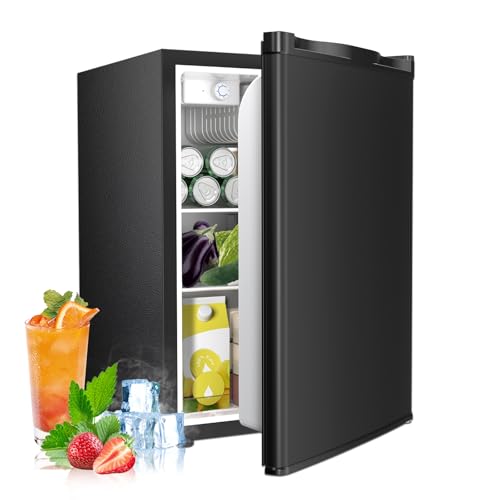
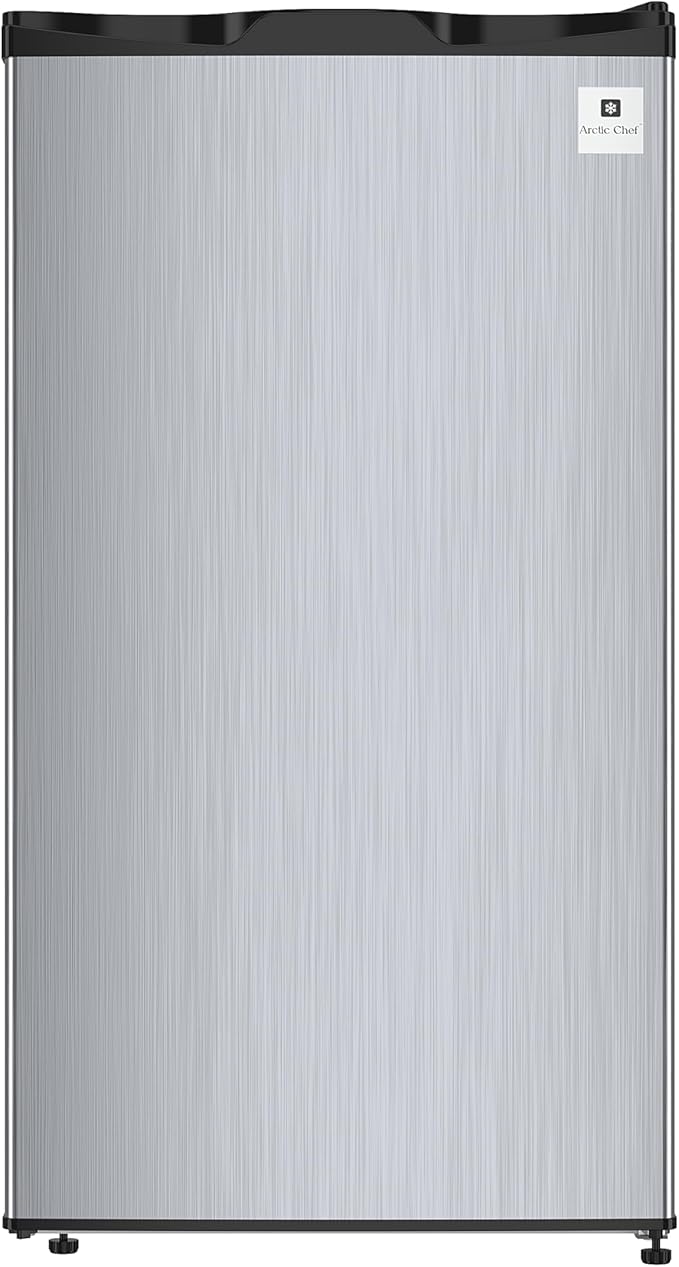
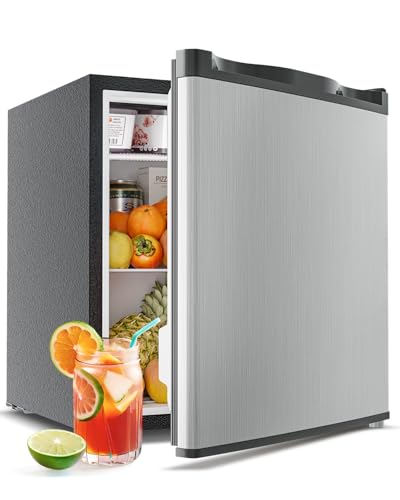
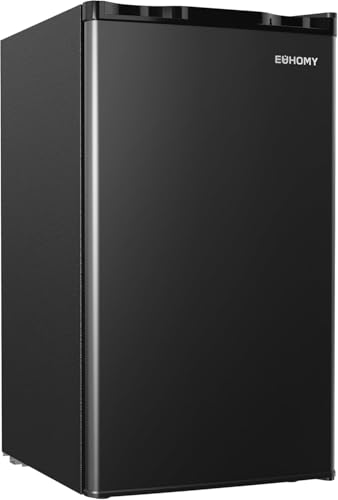
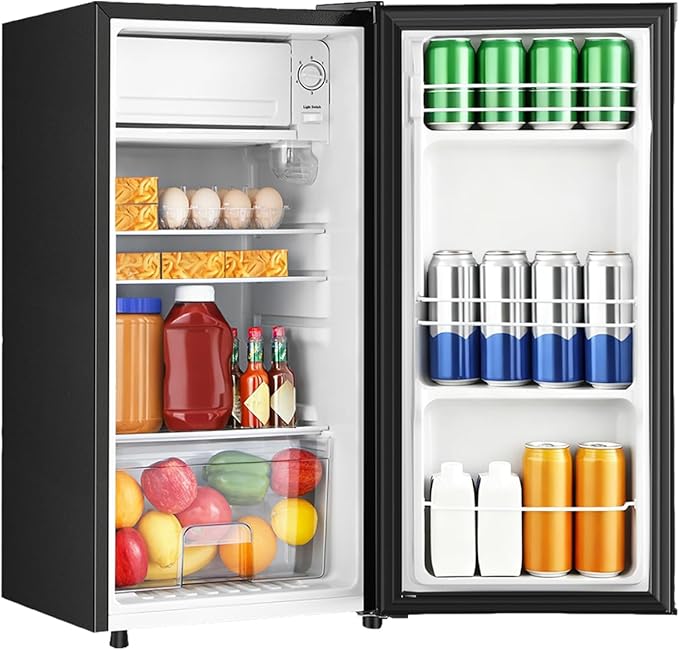
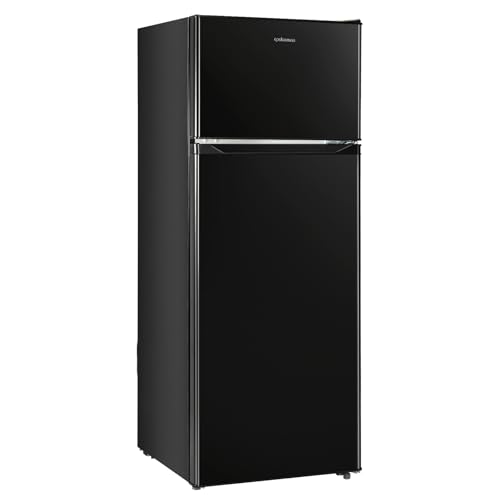
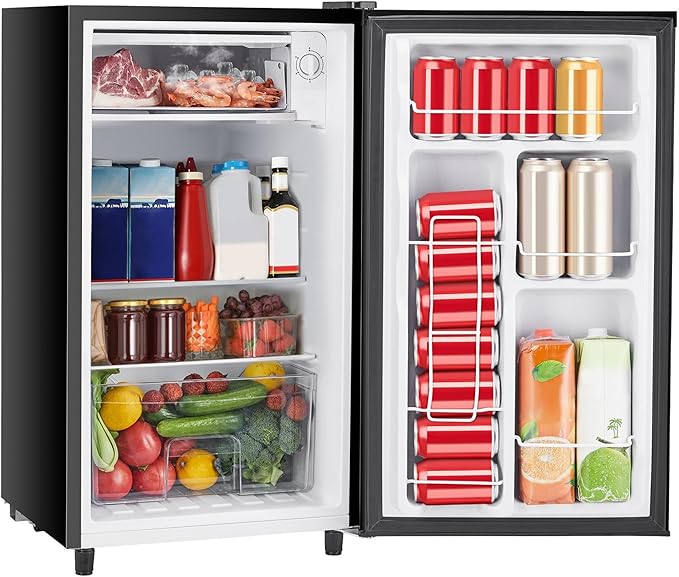
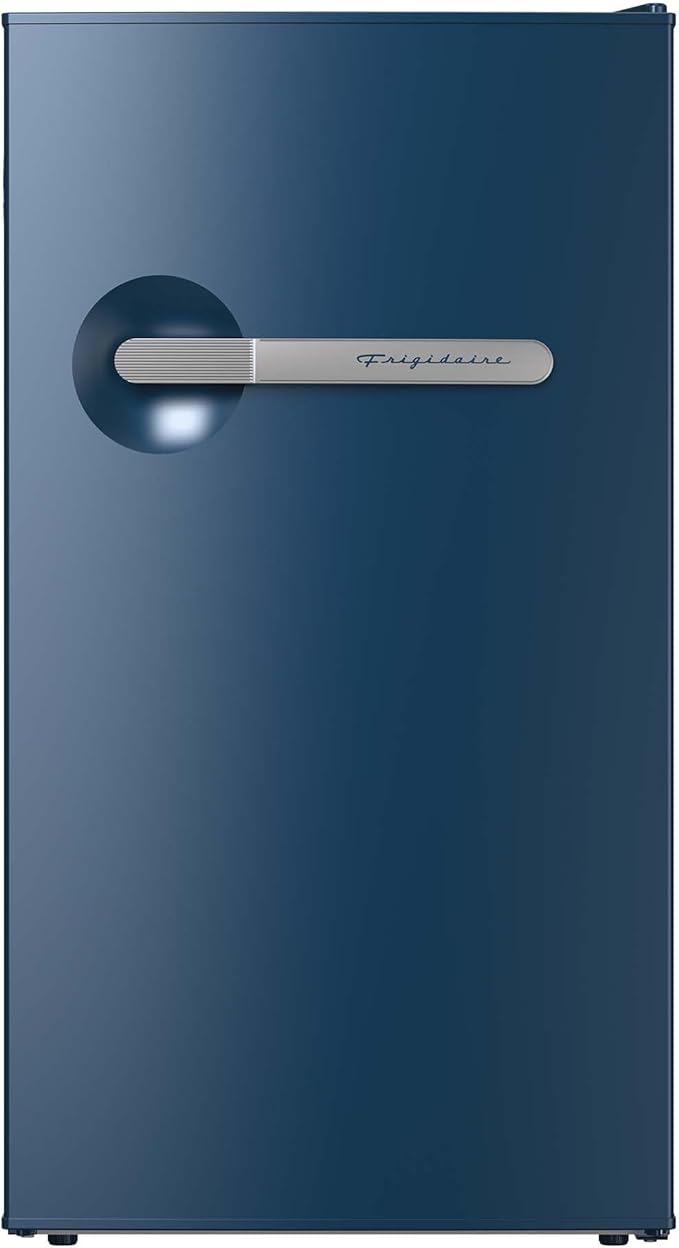
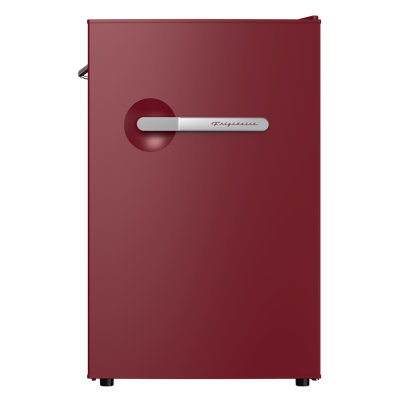
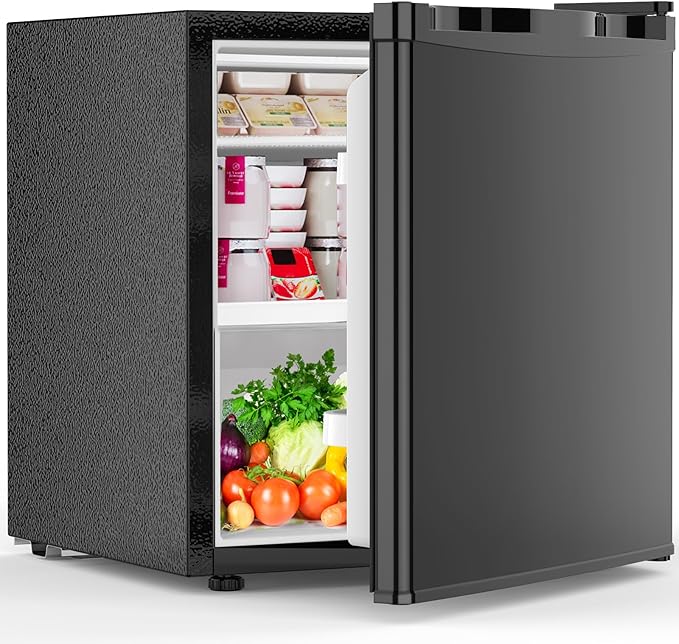
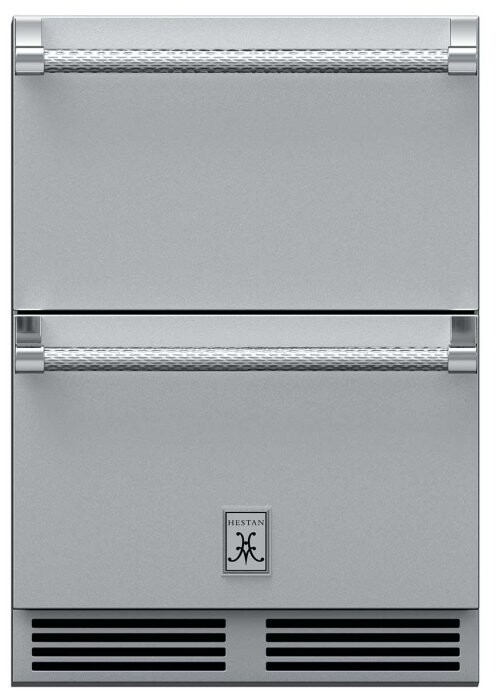
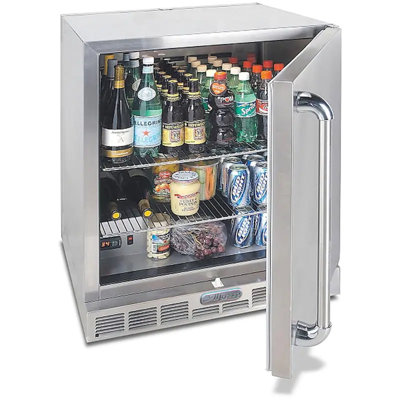
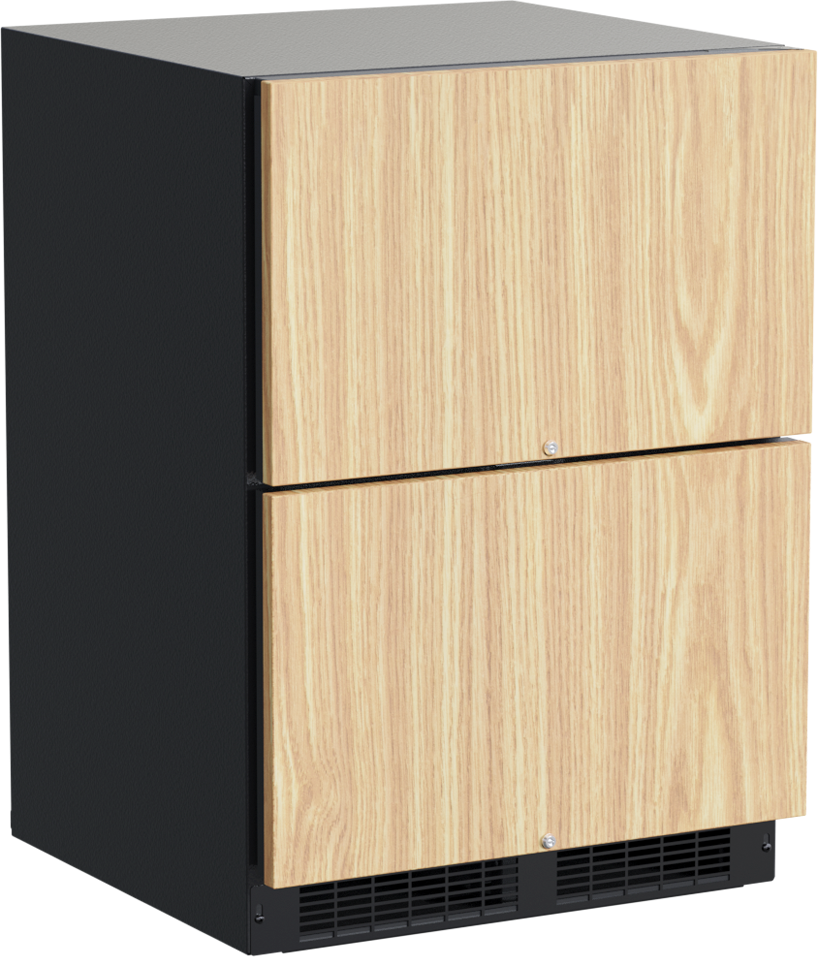
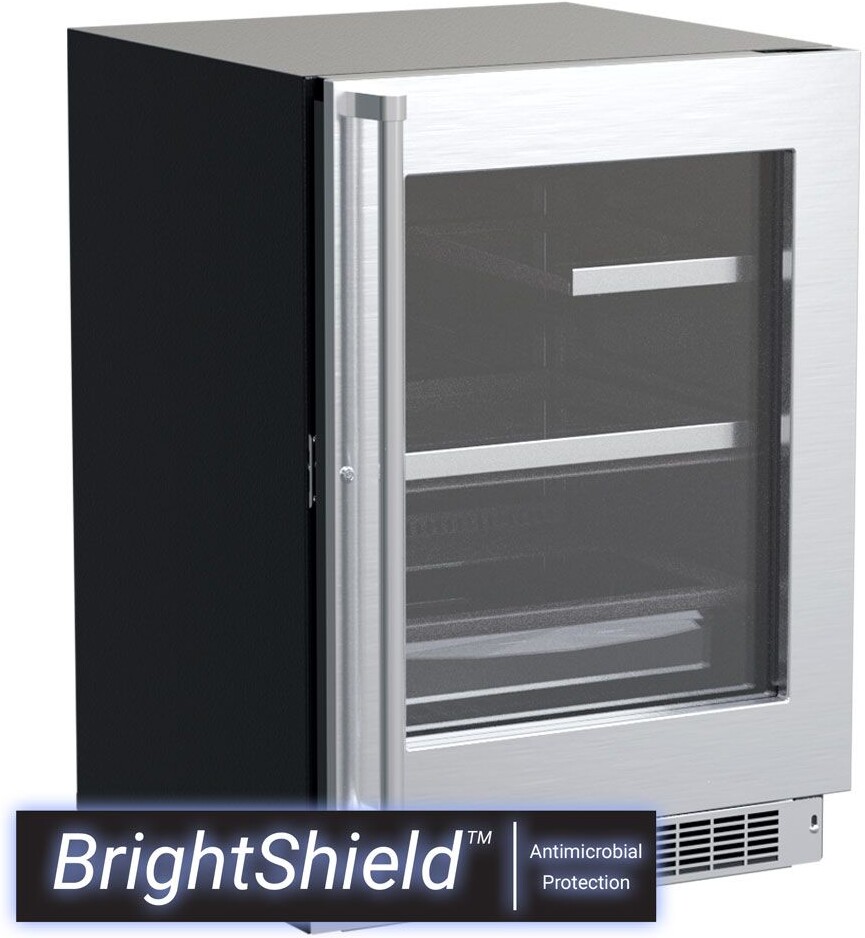
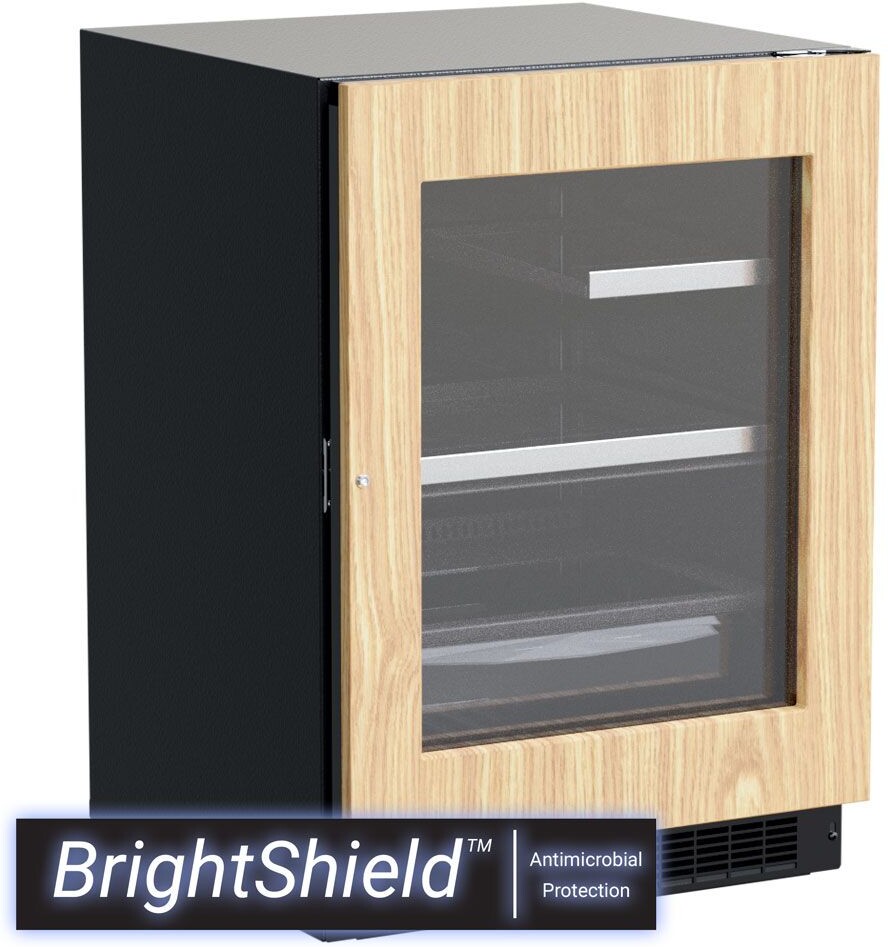
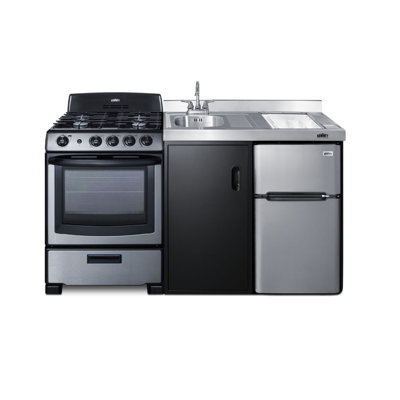
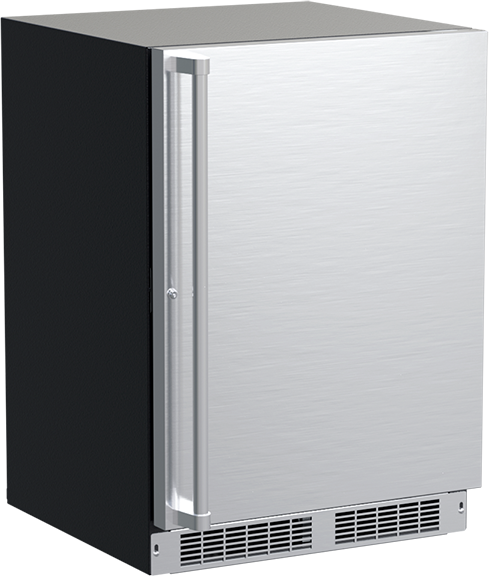
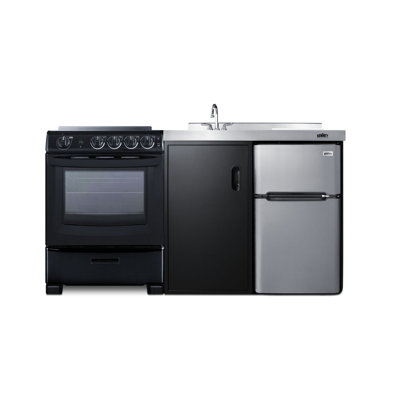
When deciding between a built-in refrigerator and a glass door mini fridge, it's important to consider several factors. Each option offers unique features and benefits that cater to different needs and preferences.
Feature
Built-In Refrigerator
Glass Door Mini Fridge
Size
Large
Compact
Installation
Requires professional installation
Easy to install
Capacity
High
Limited
Visibility
Solid door
Transparent door
Temperature Control
Advanced
Basic
Design
Blends with cabinetry
Standalone, stylish
Size: Built-in refrigerators are generally larger and offer more storage space, making them suitable for families and those who entertain frequently. Glass door mini fridges are compact, ideal for small spaces like apartments, offices, or dorm rooms.
Installation: Built-in refrigerators require professional installation and are integrated into your kitchen design. Glass door mini fridges are easy to install and can be placed in any convenient location.
Capacity: Built-in refrigerators provide ample storage, accommodating large quantities of food and beverages. Glass door mini fridges have limited capacity, suitable for storing drinks and small food items.
Visibility: Built-in refrigerators typically have solid doors, concealing the contents inside. Glass door mini fridges have transparent doors, allowing you to easily see the contents without opening the door.
Temperature Control: Built-in refrigerators often come with advanced temperature control features, ensuring optimal storage conditions. Glass door mini fridges usually have basic temperature controls.
Energy Efficiency: Energy efficiency varies among built-in refrigerators, with many models offering energy-saving features. Glass door mini fridges tend to be less energy-efficient due to the transparent door, which can affect insulation.
Design: Built-in refrigerators blend seamlessly with your kitchen cabinetry, providing a cohesive look. Glass door mini fridges are standalone units that add a stylish touch to any space.
When exploring refrigerator options, a built-in refrigerator offers a blend of functionality and elegance, perfectly suited for modern kitchens. This section delves into the features, benefits, and considerations for installing a built-in refrigerator.
Features and Benefits of Built-In Refrigerators
Built-in refrigerators come with a variety of features designed to enhance your kitchen experience. Here are some key benefits:
Integrated Design: Built-in refrigerators are designed to blend seamlessly with your cabinetry, providing a cohesive look.
Customizable Panels: Many built-in models allow for customizable door panels to match your kitchen decor.
Advanced Temperature Control: Enhanced temperature control systems ensure optimal storage conditions for your food.
Enhanced Storage Solutions: Built-in refrigerators often offer flexible storage options like adjustable shelves and door bins.
High-End Aesthetics: These refrigerators add a touch of luxury and sophistication to your kitchen.
Feature
Benefit
Integrated Design
Seamless look with cabinetry
Customizable Panels
Match with kitchen decor
Advanced Temperature Control
Optimal food storage
Enhanced Storage Solutions
Flexible organization
High-End Aesthetics
Luxury and sophistication
Considerations for Installing a Built-In Refrigerator
Installing a built-in refrigerator requires careful planning and consideration. Here are some factors to keep in mind:
Space Requirements: Built-in refrigerators need precise measurements to fit perfectly within your cabinetry. Ensure you have adequate space for installation.
Ventilation Needs: Proper ventilation is crucial for built-in refrigerators to function efficiently. Ensure there is enough airflow around the unit.
Professional Installation: Due to their complexity, built-in refrigerators often require professional installation to ensure proper fit and operation.
Cost Implications: Built-in models tend to be more expensive due to their design and installation requirements. Consider your budget and long-term investment.
Maintenance: Regular maintenance is essential to keep your built-in refrigerator running smoothly. Be prepared for periodic servicing.
Consideration
Details
Space Requirements
Precise measurements needed
Ventilation Needs
Ensure adequate airflow
Professional Installation
Recommended for proper fit
Cost Implications
Higher upfront costs
Maintenance
Regular servicing required
By understanding the features and installation considerations of built-in refrigerators, you can make an informed decision that enhances your kitchen's functionality and aesthetics. For more comparisons on different types of refrigerators, visit Fridge.com article on humidor refrigerator Vs. shallow depth refrigerator.
Glass door mini fridges offer a stylish and practical solution for those who need extra refrigeration space. These fridges come with several features and benefits that make them an attractive option for various settings.
Visibility: The transparent glass door allows you to see the contents of the fridge without opening it. This can be particularly useful for quickly checking your stock of beverages or snacks.
Aesthetic Appeal: Glass door mini fridges often have a sleek and modern look, enhancing the visual appeal of your space. They can fit well in kitchens, home bars, offices, and entertainment areas.
Space Efficiency: These fridges are compact and can fit into smaller spaces, making them ideal for apartments, condos, and small homes. Despite their size, they offer ample storage for drinks and small food items.
Energy Efficiency: Many glass door mini fridges are designed to be energy-efficient, helping you save on energy costs. Look for models with good energy ratings to ensure you are making a cost-effective choice. For more on energy efficiency, check out Fridge.com article on understanding energy ratings.
Use Cases for Glass Door Mini Fridges
Glass door mini fridges are versatile and can be used in various scenarios:
Home Bars and Entertainment Areas: Perfect for storing beverages and snacks for parties and gatherings. The transparent door makes it easy for guests to find what they need without rummaging through the fridge.
Offices: Ideal for keeping drinks and small lunches fresh. The glass door adds a professional touch and allows employees to see what’s available.
Garages and Basements: Useful for additional storage space outside the main kitchen. They can hold extra drinks, perishable items, and even overflow from your primary refrigerator.
Outdoor Spaces: Great for backyards, near home pools, and patios. Ensure you choose a model designed for outdoor use to withstand varying temperatures and weather conditions. For more outdoor fridge options, visit Fridge.com article on outdoor fridge Vs. small freezer chest.
Mobile Homes and Tiny Homes: Their compact size makes them suitable for mobile living spaces where every inch counts. They provide necessary refrigeration without taking up too much space.
Cottages and Cabins: Ideal for vacation homes where you need a smaller, secondary fridge for convenience.
Use Case
Benefit
Home Bars
Easy access to drinks and snacks
Offices
Professional appearance and convenience
Garages
Additional storage
Outdoor Spaces
Convenience for outdoor entertaining
Mobile Homes
Space-saving refrigeration
Cottages
Secondary fridge for convenience
For those comparing different fridge options, you might also be interested in Fridge.com articles on chest refrigerator Vs. garage freezer and built in wine cellar Vs. retro mini fridge.
Design and Aesthetics
When choosing between a built-in refrigerator and a glass door mini fridge, the design and aesthetics can play a significant role in your decision. Both options offer unique styles that can complement different spaces and personal tastes.
Stylish Options for Your Space
A built-in refrigerator is designed to seamlessly blend into your kitchen cabinetry, creating a streamlined and cohesive look. These refrigerators can be customized with panels that match your existing cabinets, giving your kitchen a high-end, integrated appearance. Built-in refrigerators often come in various configurations, such as French doors, side-by-side, or bottom freezer models, allowing you to choose the style that best fits your space and storage needs.
On the other hand, a glass door mini fridge offers a modern and stylish aesthetic that can enhance the look of any room. The transparent door allows you to display your beverages and snacks, making it a great addition to entertainment areas, home bars, or even offices. Glass door mini fridges are available in various sizes and designs, from sleek and minimalistic to more vibrant and colorful options.
For more stylish options for different types of fridges, you might find Fridge.com article on built in wine cellar Vs. retro mini fridge helpful.
Feature
Built-In Refrigerator
Glass Door Mini Fridge
Customizable Panels
Yes
No
Transparent Door
No
Yes
Common Locations
Kitchen
Home Bar, Office, Entertainment Area
Blend with Your Home Decor
A built-in refrigerator is ideal for those who prefer a cohesive and integrated look in their kitchen. Since it can be customized to match your cabinetry, it blends seamlessly with your home decor, creating a unified and polished appearance. This type of refrigerator is perfect for homeowners who want their appliance to be unobtrusive and harmonize with the overall design of their kitchen.
In contrast, a glass door mini fridge can serve as a focal point in your room. Its transparent door and sleek design can add a touch of modernity and sophistication to your space. It's a great choice for those who want to showcase their beverages and snacks while adding a stylish element to their home decor. Glass door mini fridges are versatile and can be placed in various settings, such as home bars, offices, or entertainment areas.
By understanding the design and aesthetic differences between built-in refrigerators and glass door mini fridges, you can make a more informed decision on which option best suits your style and space. For more comparisons, check out Fridge.com article on basement refrigerator Vs. blue refrigerator.
When choosing between a built-in refrigerator and a glass door mini fridge, it's essential to assess your storage requirements. Built-in refrigerators typically offer larger storage capacities, suitable for families or those who entertain frequently. On the other hand, glass door mini fridges are ideal for smaller spaces or for use as a secondary fridge, perfect for offices, dorm rooms, or outdoor areas.
Fridge Type
Average Capacity (cu. ft.)
Built-In
20 - 25
Glass Door Mini
3 - 5
Understanding your storage needs will help you determine which fridge type best suits your lifestyle. If you need ample space for groceries, leftovers, and beverages, a built-in refrigerator might be the better choice. However, if you require a compact solution for drinks and snacks, a glass door mini fridge could be more appropriate.
Optimizing Space Efficiency
Maximizing the storage efficiency of your fridge is crucial, regardless of its size. Built-in refrigerators often come with adjustable shelves, door bins, and crisper drawers, allowing you to customize the interior layout to fit your needs. These features can help you organize your food items better and make the most of the available space.
Feature
Built-In Refrigerator
Glass Door Mini Fridge
Adjustable Shelves
Yes
Yes
Door Bins
Yes
Limited
Crisper Drawers
Yes
No
Wine Racks
Optional
Optional
Glass door mini fridges, while smaller, often feature removable shelves and compact storage options that can be tailored to suit your needs. These units are great for storing beverages, snacks, and smaller items, and their transparent doors allow for easy visibility of contents, making it simple to find what you need quickly.
For more information on maximizing your fridge space, check out Fridge.com articles on built in wine cellar Vs. retro mini fridge and basement refrigerator Vs. blue refrigerator.
By assessing your storage needs and optimizing space efficiency, you can make an informed decision between a built-in refrigerator and a glass door mini fridge. Whether you need a large, versatile appliance or a compact, stylish unit, understanding these factors will help you choose the best option for your home.
When comparing a built-in refrigerator with a glass door mini fridge, energy efficiency is a crucial factor to consider. Understanding energy ratings and how they can save you on electricity costs will help you make an informed decision.
Understanding Energy Ratings
Energy ratings provide a measure of how efficiently a refrigerator uses electricity. These ratings are typically displayed on an Energy Guide label, which gives you an estimate of the appliance's annual energy consumption in kilowatt-hours (kWh).
Refrigerator Type
Average Annual Energy Consumption (kWh)
Energy Star Rating
Built-In Refrigerator
400 - 600
Yes
Glass Door Mini Fridge
200 - 300
Yes
An Energy Star rating indicates that the appliance meets or exceeds energy efficiency guidelines set by the Environmental Protection Agency (EPA). Both built-in refrigerators and glass door mini fridges can have Energy Star ratings, making them more environmentally friendly and cost-effective in the long run.
Saving on Energy Costs
Choosing an energy-efficient refrigerator can lead to significant savings on your electricity bills. Here are a few tips to help you maximize energy efficiency:
Proper Placement: Ensure your fridge is placed away from heat sources like ovens or direct sunlight. This reduces the workload on the refrigerator, making it more energy-efficient.
Temperature Settings: Maintain the recommended temperature settings. For refrigerators, set the temperature between 35°F and 38°F. For freezers, set it at 0°F.
Regular Maintenance: Clean the coils and check door seals regularly to ensure they are airtight. This helps the fridge operate more efficiently.
Minimize Door Openings: Keep the door open for as short a time as possible. Frequent or prolonged openings cause the fridge to work harder to maintain its temperature.
For more information on how to optimize the energy efficiency of your refrigerator, you can explore Fridge.com articles on chest refrigerator Vs. garage freezer and outdoor fridge Vs. small freezer chest.
By understanding energy ratings and implementing these energy-saving tips, you can make an informed choice between a built-in refrigerator and a glass door mini fridge, ensuring that you maintain an energy-efficient and cost-effective home.
Proper maintenance and understanding the durability of your fridge are crucial aspects when comparing a built-in refrigerator and a glass door mini fridge. This section will provide you with cleaning and maintenance tips as well as insights into the longevity and reliability of both options.
Cleaning and Maintenance Tips
Maintaining your refrigerator ensures it operates efficiently and extends its lifespan. Here are some practical tips for both built-in refrigerators and glass door mini fridges:
Built-In Refrigerator
Regular Cleaning: Clean the interior and exterior regularly to prevent the build-up of grime and odors.
Defrosting: If your built-in refrigerator isn't frost-free, make sure to defrost it periodically.
Dusting Coils: Clean the condenser coils every six months to prevent dust accumulation that can hinder performance.
Check Seals: Regularly inspect the door seals for any gaps or wear that might affect the cooling efficiency.
Glass Door Mini Fridge
Wipe Down Glass: Clean the glass door frequently to maintain visibility and aesthetic appeal.
Interior Maintenance: Similar to built-in refrigerators, clean the inside regularly.
Ventilation: Ensure there is adequate ventilation around the fridge to prevent overheating.
Seal Check: As with built-in models, check the door seals to ensure they are intact and functioning properly.
Maintenance Task
Built-In Refrigerator
Glass Door Mini Fridge
Interior Cleaning
Frequent
Frequent
Exterior Cleaning
Regular
Regular
Coil Dusting
Every 6 months
Optional
Defrosting
Periodic (if needed)
Periodic (if needed)
Door Seal Inspection
Regular
Regular
Longevity and Reliability
The longevity and reliability of your refrigerator can significantly impact your overall satisfaction and value for money. Here's what you should know:
Built-In Refrigerator
Built-in refrigerators are designed to be durable and long-lasting. They often come with robust construction and high-quality materials that enhance their lifespan. Proper maintenance can ensure that your built-in refrigerator serves you reliably for many years.
Glass Door Mini Fridge
Glass door mini fridges are generally less durable compared to built-in refrigerators, but they can still offer reliable performance with proper care. These fridges are often used in more compact spaces and for specific purposes, such as beverages and snacks, which can limit wear and tear.
Aspect
Built-In Refrigerator
Glass Door Mini Fridge
Typical Lifespan
10-15 years
5-10 years
Construction Quality
High
Moderate
Material Durability
Robust
Variable
Reliability with Maintenance
High
Moderate
Understanding the maintenance needs and durability of both built-in refrigerators and glass door mini fridges can help you make an informed decision. For more comparisons, check out Fridge.com articles on built in wine cellar Vs. retro mini fridge and outdoor fridge Vs. small freezer chest.
Cost Comparison
When comparing a built-in refrigerator to a glass door mini fridge, understanding the cost implications is crucial. This section breaks down the differences in upfront costs and long-term value, as well as budget-friendly options for each.
Upfront Costs Vs. Long-Term Value
The initial investment for these two types of refrigerators can vary significantly. Built-in refrigerators generally come with a higher upfront cost due to their size, advanced features, and the need for professional installation. On the other hand, glass door mini fridges are more affordable initially and are often easier to install.
Fridge Type
Average Upfront Cost
Installation Cost
Estimated Lifespan
Built-In Refrigerator
$2,000 - $10,000
$200 - $500
15 - 20 years
Glass Door Mini Fridge
$100 - $500
$0 - $100
5 - 10 years
While built-in refrigerators require a higher initial investment, they often offer better long-term value. Their longer lifespan and greater storage capacity can be more cost-effective over time. Additionally, built-in models can increase the resale value of your home, making them a worthwhile investment for homeowners.
Budget-Friendly Options
For those looking to save money, there are budget-friendly choices within both categories. Glass door mini fridges are generally more affordable and can be an excellent option for smaller spaces, such as apartments or offices. They are also ideal for those who need a secondary fridge for beverages and snacks.
Budget-Friendly Options
Price Range
Suitable For
Basic Glass Door Mini Fridge
$100 - $200
Dorm rooms, offices, small apartments
Mid-Range Glass Door Mini Fridge
$200 - $350
Home bars, studios, guest rooms
Entry-Level Built-In Refrigerator
$2,000 - $3,000
Small kitchens, compact spaces
Choosing the right fridge depends on your specific needs and budget. If you require more storage and plan to stay in your home long-term, a built-in refrigerator might be the best choice. If you need a compact and affordable solution, a glass door mini fridge could be the ideal option.
For more information on different types of refrigerators and their uses, check out Fridge.com articles on outdoor fridge Vs. small freezer chest and built in wine cellar Vs. retro mini fridge. By comparing various options, you can make an informed decision that aligns with your budget and lifestyle needs.
When deciding between a built-in refrigerator and a glass door mini fridge, it's essential to evaluate your specific needs and preferences. Each option offers unique benefits that may cater to different aspects of your lifestyle.
Consider the following questions to help guide your decision:
How much storage space do you require?
What is your budget for both initial purchase and ongoing energy costs?
How important is the aesthetic integration with your existing home decor?
Do you need a fridge for a large family or a compact option for limited spaces like apartments or offices?
Are you looking for a refrigerator that can serve dual purposes, such as a beverage center or a display fridge?
Factors to Help You Make a Decision
To make an informed choice, consider the key factors that differentiate built-in refrigerators from glass door mini fridges.
Factor
Built-In Refrigerator
Glass Door Mini Fridge
Storage Capacity
Larger, more suitable for families
Smaller, ideal for beverages and snacks
Installation
Requires professional installation
Generally easy to set up
Aesthetics
Customizable to blend with kitchen decor
Stylish, modern look with glass door
Maintenance
Requires regular maintenance
Easier to clean and maintain
Cost
Higher upfront cost, long-term investment
More affordable initially, may have higher long-term costs
Choosing the right fridge ultimately depends on your specific needs and how you plan to use it. Assess your requirements, compare the features, and select the option that best fits your lifestyle. For further guidance on different types of refrigerators, check out Fridge.com comparisons on outdoor refrigerator Vs. shallow depth refrigerator and basement refrigerator Vs. blue refrigerator.
Compare prices on Fridge.com
Compare current prices and specifications on Fridge.com, then buy from the retailer you choose; delivery, installation and warranty terms are the retailer’s.
It also has tons of awesome articles about kitchen stuff and home news. Enhance your home, garage, backyard, patio, and office with the coolest essentials. With every necessary type of residential refrigerator or freezer in the collection, you're covered.
From Fridge.com research
Figures below come from data Fridge.com builds and maintains. Each links to the record behind it.
Fridge.com Energy Index, built on U.S. EPA and DOE ENERGY STAR records
Across 1,728 ENERGY STAR certified compact refrigerator models, median use is 246 kWh per year — 11% better than the federal standard.