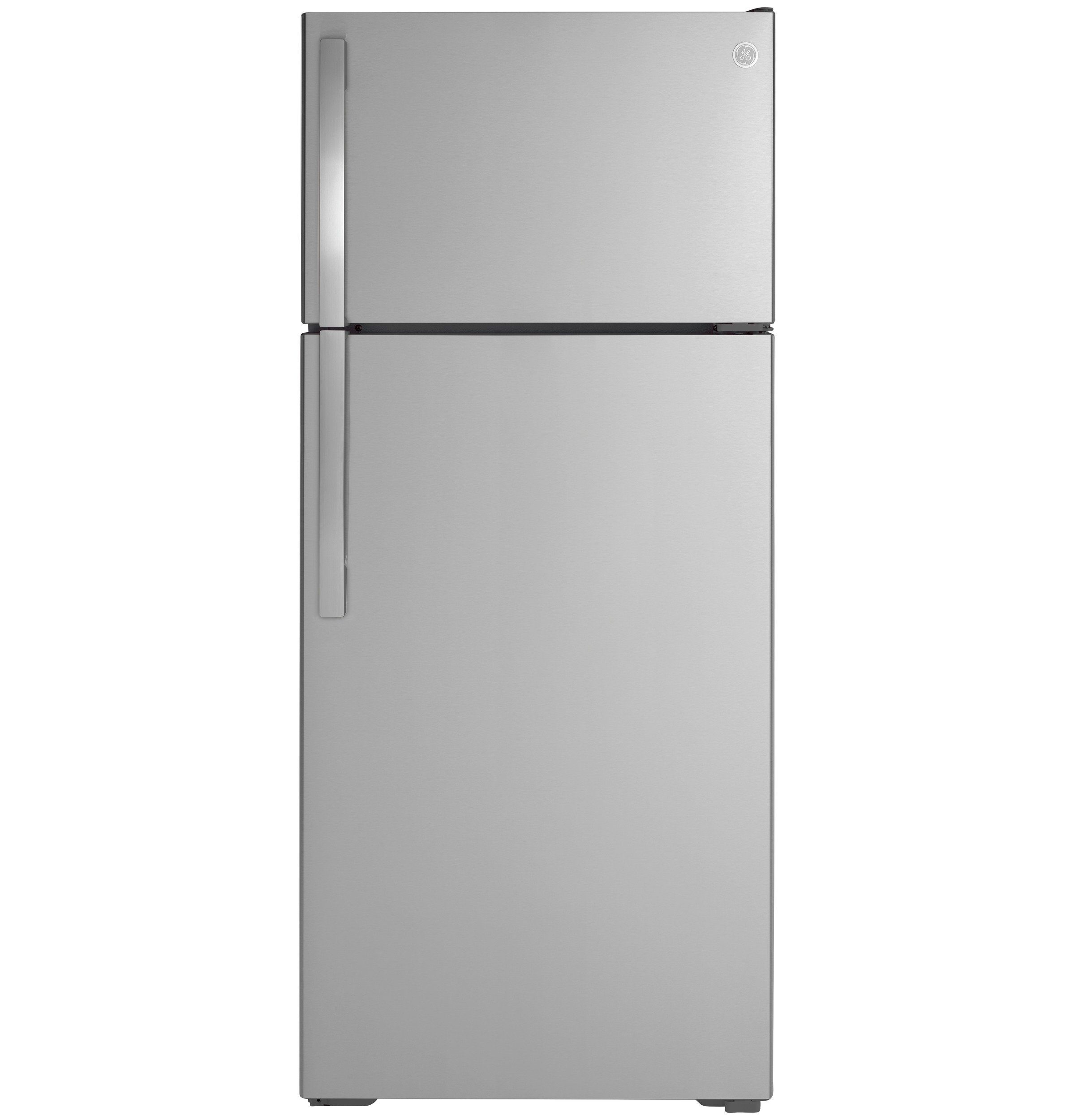
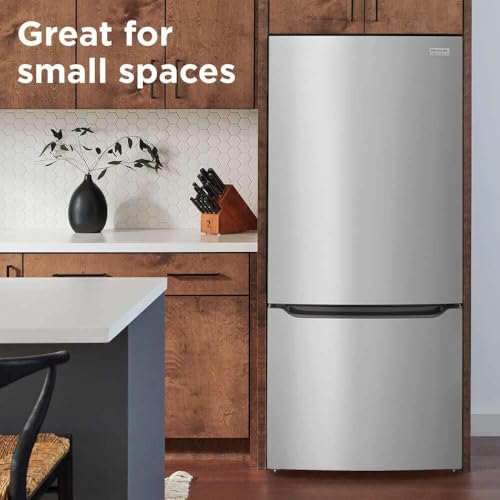
When deciding between a 3-door refrigerator and a drawer refrigerator, several factors should be considered to ensure you make the best choice for your needs.
Here are some practical tips for maintaining and cleaning both 3-door and drawer refrigerators.
Water Filter: If your 3-door refrigerator has a water dispenser or ice maker, change the water filter every six months or as recommended by the manufacturer.
By following these maintenance tips, you can ensure that both your 3-door and drawer refrigerators remain in optimal condition.
When it comes to choosing the perfect refrigerator for your home, it's important to understand the different types available. In this section, Fridge.com will introduce you to 3-door refrigerators and drawer refrigerators, highlighting their unique features and benefits.
Introduction to 3-Door Refrigerators
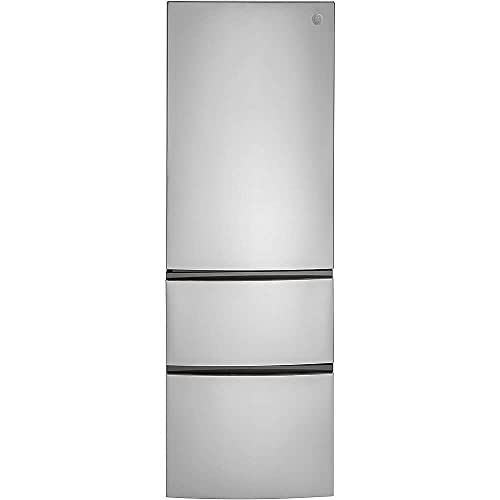
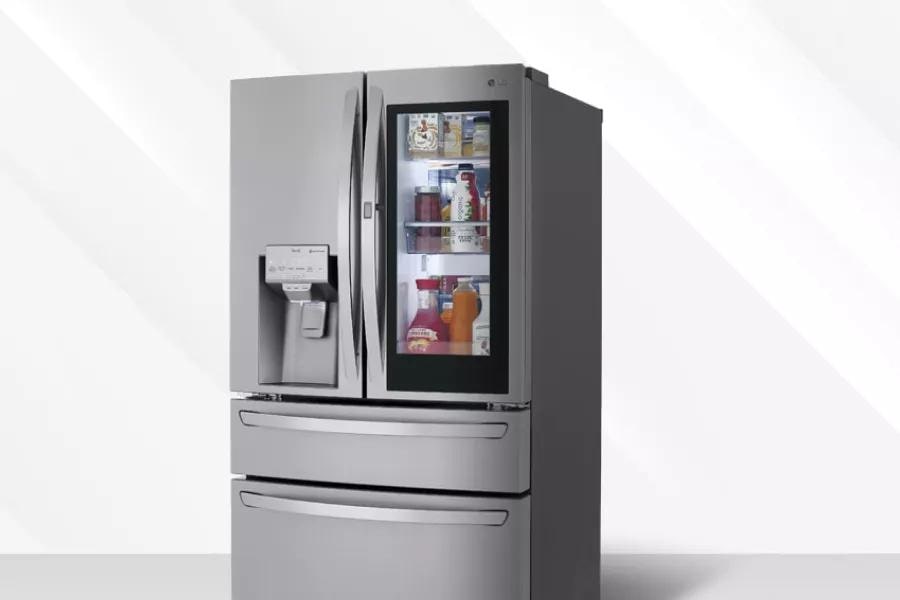
A 3-door refrigerator, also known as a French door refrigerator, is designed with two narrow doors on top and a bottom freezer drawer. This type of refrigerator combines the benefits of side-by-side doors for the fridge compartment with the convenience of a pull-out freezer drawer.
Key Features:
Top Refrigerator Compartment: The refrigerator section is located at eye level, making it easy to access frequently used items without bending.
Bottom Freezer Drawer: The freezer drawer allows for better organization of frozen foods and provides ample storage space.
Wide Shelves: The side-by-side doors create wide shelves, ideal for storing large items like platters and pizza boxes.
Drawer refrigerators, also known as under-counter refrigerators, feature multiple pull-out drawers instead of traditional doors. These refrigerators are designed to be installed under countertops, making them ideal for kitchens with limited space or for use as additional storage.
Key Features:
Pull-Out Drawers: Easy access to stored items, reducing the need to bend or reach.
Compact Design: Fits seamlessly into your kitchen layout, providing a sleek and modern look.
Flexible Storage Options: Different drawer configurations allow for customized storage solutions.
Understanding the differences between 3-door and drawer refrigerators can help you make an informed decision based on your specific needs and kitchen layout. Each type offers unique advantages, catering to different preferences and lifestyles.
Design and Layout
When deciding between a 3-door refrigerator and a drawer refrigerator, understanding their design and layout features can help you make an informed choice. Each type offers unique benefits that cater to different needs and preferences.
Features of 3-Door Refrigerators
A 3-door refrigerator typically includes two doors for the fresh food compartment and a bottom drawer for the freezer. This design helps keep frequently used items at eye level while providing easy access to frozen goods in the lower section. Here are some key features:
French Door Design: The two upper doors open to a wide fresh food compartment, offering ample space for large items.
Bottom Freezer Drawer: The lower drawer is dedicated to frozen foods, making it easier to organize and access items.
Adjustable Shelves: Many models come with adjustable shelves and bins, allowing you to customize the interior to fit your needs.
Spill-Proof Shelves: These help contain spills and make cleaning easier.
Door Bins: Additional storage on the door for smaller items like condiments and beverages.
Feature
Description
Door Configuration
Two upper doors, one bottom drawer
Shelf Adjustability
Adjustable shelves and bins
Spill Prevention
Spill-proof shelves
Door Storage
Multiple door bins
For more insights on refrigerator designs, check out Fridge.com comparison on 2 door refrigerator Vs. 3 door refrigerator.
Features of Drawer Refrigerators
Drawer refrigerators are designed with multiple pull-out drawers instead of traditional doors. These can be integrated into kitchen cabinetry, offering a seamless look. Here are some notable features:
Multiple Drawers: Usually includes two or more drawers, which can be independently temperature controlled.
Ergonomic Design: Drawers are easy to pull out, providing effortless access to stored items.
Flexible Storage: Each drawer can be used for different purposes, such as fresh produce, beverages, or frozen foods.
Compact Size: Ideal for smaller kitchens or as supplementary storage in larger kitchens.
Customizable Interiors: Some models offer dividers and adjustable compartments for better organization.
Feature
Description
Drawer Configuration
Two or more pull-out drawers
Temperature Control
Independent temperature settings for each drawer
Storage Flexibility
Customizable compartments and dividers
Ergonomics
Easy pull-out design
For more details on drawer refrigerators, you can explore Fridge.com comparison on apartment size refrigerator Vs. drawer fridge freezer.
By understanding the design and layout features of both 3-door and drawer refrigerators, you can determine which type best suits your needs and kitchen space. For those interested in other refrigerator comparisons, visit Fridge.com article on chest refrigerator Vs. garage freezer.
When choosing between a 3-door refrigerator and a drawer refrigerator, understanding the storage capacity of each option is essential. This section will explore the storage capacities of both types, helping you make an informed decision based on your needs.
Storage Capacity of 3-Door Refrigerators
3-door refrigerators, also known as French door refrigerators, offer a spacious and versatile storage solution. These units typically feature two doors on the top section and a freezer drawer at the bottom. The design allows for easy access to fresh food items while keeping frozen goods organized below.
Feature
3-Door Refrigerator
Total Storage Capacity
20 - 30 cubic feet
Refrigerator Section
13 - 20 cubic feet
Freezer Section
5 - 10 cubic feet
Shelves
Adjustable
Drawers
Crisper drawers, deli drawer
The adjustable shelves and multiple drawers, including crisper drawers for fruits and vegetables, help you organize your food efficiently. The bottom freezer drawer offers ample space for frozen items, making it easy to store and retrieve them.
Storage Capacity of Drawer Refrigerators
Drawer refrigerators offer a different approach to food storage, featuring multiple drawers that can be used for both refrigeration and freezing. These units are popular in kitchens where space is a premium or where specific storage needs must be met.
Feature
Drawer Refrigerator
Total Storage Capacity
4 - 6 cubic feet per drawer
Number of Drawers
2 - 4
Refrigerator Section
2 - 4 cubic feet per drawer
Freezer Section
Optional drawers
Customization
High (can dedicate drawers for specific items)
Drawer refrigerators provide a flexible and customizable storage solution, allowing you to dedicate specific drawers to different types of food. This can be particularly useful for storing beverages, snacks, or specialty items. The compact design also makes drawer refrigerators a great choice for smaller kitchens or as a secondary fridge in other areas of the home.
When comparing the storage capacities of 3-door refrigerators and drawer refrigerators, consider your household's needs and how you plan to use the available space. For more information on different refrigerator types, visit Fridge.com article on double drawer refrigerator Vs. freestanding drawer freezer.
By evaluating the storage features and capacities, you can determine which refrigerator type best suits your lifestyle and storage requirements. Whether you need the extensive space of a 3-door refrigerator or the flexible organization of a drawer refrigerator, understanding these differences will help you make the right choice. For further comparisons, check out 2 door refrigerator Vs. 3 door refrigerator.
When choosing between a 3-door refrigerator and a drawer refrigerator, understanding the organization and accessibility features can help you make an informed decision. Each type offers unique advantages that cater to different needs and preferences.
Organization Features of 3-Door Refrigerators
3-door refrigerators typically consist of a French door design, with a double-door refrigerator on top and a freezer drawer at the bottom. This layout provides several organizational benefits:
Multiple Shelves and Drawers: The refrigerator compartment usually includes adjustable shelves, door bins, and crisper drawers, allowing you to customize the space according to your needs.
Dedicated Compartments: Some models feature designated compartments for specific items like dairy, meats, and vegetables, helping you keep your food organized.
Easy Access: The double-door design allows you to access frequently used items without opening the entire fridge, saving energy and maintaining internal temperature.
Feature
3-Door Refrigerator
Shelves
Adjustable
Door Bins
Multiple
Crisper Drawers
Yes
Dedicated Compartments
Dairy, Meats, Vegetables
Freezer Accessibility
Bottom Drawer
For more details on the functionality of 3-door refrigerators, you might find Fridge.com comparison article on 2 door refrigerator Vs. 3 door refrigerator helpful.
Organization Features of Drawer Refrigerators
Drawer refrigerators are designed with accessibility and convenience in mind. They often feature multiple drawers that slide out, making it easy to see and reach your stored items. Here are some key organizational features:
Sliding Drawers: The sliding drawers provide easy access to your food items, reducing the need to bend down or reach into deep spaces.
Flexible Storage Options: Many drawer refrigerators come with adjustable dividers and bins, allowing you to customize the storage space for various items.
Temperature Zones: Some models offer separate temperature zones for different drawers, enabling you to store different types of food at their optimal temperatures.
Compact Design: Ideal for small spaces, drawer refrigerators can fit under countertops or in tight spots, making them a versatile option for apartments or secondary refrigeration needs.
Feature
Drawer Refrigerator
Sliding Drawers
Yes
Adjustable Dividers
Yes
Temperature Zones
Multiple
Compact Design
Yes
Accessibility
Easy
For those considering a drawer refrigerator for smaller spaces, Fridge.com article on apartment size refrigerator Vs. drawer fridge freezer provides additional insights.
By evaluating the organization and accessibility features of both 3-door and drawer refrigerators, you can determine which type best suits your lifestyle and storage needs. For further comparisons, explore Fridge.com articles on built in beverage center Vs. built in wine cellar and double drawer refrigerator Vs. freestanding drawer freezer.
When comparing the energy efficiency of 3-door refrigerators and drawer refrigerators, it's important to consider factors such as energy consumption, insulation quality, and design features that contribute to overall efficiency.
Energy Efficiency of 3-Door Refrigerators
3-door refrigerators, also known as French door refrigerators, typically feature two side-by-side doors for the refrigerator compartment and a bottom freezer drawer. The energy efficiency of these models can vary based on design and technological advancements.
Key factors influencing the energy efficiency of 3-door refrigerators include:
Insulation: High-quality insulation reduces the amount of energy required to maintain internal temperatures.
Compressor: Modern compressors are designed to operate more efficiently, reducing overall energy consumption.
Lighting: LED lighting is more energy-efficient compared to traditional incandescent bulbs.
Temperature Control: Advanced temperature controls help maintain consistent temperatures, reducing energy spikes.
Feature
3-Door Refrigerator
Annual Energy Consumption (kWh)
400 - 600
Insulation Quality
High
Compressor Efficiency
High
Lighting
LED
For more information on different refrigerator styles, you can check out Fridge.com article on 2 door refrigerator Vs. 3 door refrigerator.
Energy Efficiency of Drawer Refrigerators
Drawer refrigerators offer a unique design with multiple drawers for easy access and organization. These models are often used as supplementary refrigerators in kitchens, bars, or outdoor areas.
Key factors influencing the energy efficiency of drawer refrigerators include:
Insulation: Effective insulation helps maintain internal temperatures with minimal energy use.
Compressor: Energy-efficient compressors reduce overall energy consumption.
Lighting: LED lighting is typically used, offering energy savings.
Temperature Zones: Multiple temperature zones allow for precise temperature control, enhancing energy efficiency.
Feature
Drawer Refrigerator
Annual Energy Consumption (kWh)
200 - 400
Insulation Quality
High
Compressor Efficiency
High
Lighting
LED
To explore more about different types of refrigerators and their features, visit Fridge.com article on apartment size refrigerator Vs. drawer fridge freezer.
When deciding between a 3-door refrigerator and a drawer refrigerator, it's essential to consider the installation requirements and space considerations for each type. Both options offer unique benefits and challenges, depending on your kitchen layout and available space.
Installation Requirements for 3-Door Refrigerators
A 3-door refrigerator, typically featuring a French door design with a bottom freezer, requires careful planning for installation. Here are some key points to consider:
Space Requirements: Ensure adequate space for the refrigerator, considering both its depth and width. Standard 3-door refrigerators often range from 30 to 36 inches in width and require sufficient clearance for the doors to open fully.
Ventilation: Proper ventilation is crucial to maintain the efficiency of the refrigerator. Leave at least 1 inch of space on the sides and back for air circulation.
Power Supply: Ensure a nearby electrical outlet is available to power the refrigerator. Most 3-door refrigerators require a standard 110-120V outlet.
Flooring: The floor must be level and sturdy to support the weight of the refrigerator. Consider reinforcing the floor if necessary.
Feature
Requirement
Width
30-36 inches
Clearance for Doors
1-2 inches
Electrical Outlet
110-120V
Ventilation Space
1 inch (sides and back)
Floor Support
Level and sturdy
Installation Requirements for Drawer Refrigerators
Drawer refrigerators, known for their sleek and accessible design, have different installation considerations:
Space Requirements: Measure the space where you plan to install the drawer refrigerator. These models typically fit under countertops and require specific dimensions for installation.
Ventilation: Like 3-door refrigerators, drawer refrigerators need proper ventilation. Ensure there is enough space around the unit for air circulation.
Power Supply: Verify the availability of a nearby electrical outlet. Drawer refrigerators usually operate on a standard 110-120V outlet.
Flooring: Ensure the floor is level and can support the weight of the refrigerator, especially if installing multiple drawer units.
Feature
Requirement
Width
Varies (measure space)
Clearance for Drawers
Specific to model
Electrical Outlet
110-120V
Ventilation Space
Adequate clearance
Floor Support
Level and sturdy
Understanding the installation and space requirements for both 3-door and drawer refrigerators can help you make an informed decision. For more detailed comparisons between different refrigerator types, check out Fridge.com articles on 2 door refrigerator Vs. 3 door refrigerator and apartment size refrigerator Vs. drawer fridge freezer.
Proper maintenance and cleaning are essential to keep your refrigerator running efficiently and to extend its lifespan. Here are some practical tips for maintaining and cleaning both 3-door and drawer refrigerators.
Maintenance Tips for 3-Door Refrigerators
Regular Cleaning: Clean the interior at least once a month. Remove all food items and shelves, then wipe down the surfaces with a mixture of water and mild dish soap. Dry thoroughly before replacing items.
Defrosting: If your refrigerator is not frost-free, defrost it regularly to prevent ice build-up, which can affect efficiency.
Temperature Settings: Maintain the recommended temperature settings. For the refrigerator, keep it between 37°F and 40°F, and for the freezer, set it at 0°F.
Seal Check: Inspect the door seals (gaskets) regularly for cracks or tears. A poorly sealed door can lead to energy loss. Clean the seals with a damp cloth and replace them if damaged.
Condenser Coils: Vacuum the condenser coils located at the back or bottom of the fridge every six months to remove dust and debris. This helps the refrigerator run more efficiently.
Water Filter: If your 3-door refrigerator has a water dispenser or ice maker, change the water filter every six months or as recommended by the manufacturer.
Maintenance Tips for Drawer Refrigerators
Routine Cleaning: Similar to 3-door refrigerators, clean the interior of your drawer refrigerator monthly. Use a mixture of water and mild dish soap to wipe down surfaces, and ensure everything is dry before replacing items.
Defrosting: Regularly defrost your drawer refrigerator if it is not equipped with an automatic defrost feature. Ice build-up can hinder performance.
Temperature Control: Keep the temperature settings consistent. For the refrigerator, maintain it between 37°F and 40°F, and for the freezer, set it to 0°F.
Seal Inspection: Regularly check the door seals for any signs of wear and tear. Clean the seals with a damp cloth and replace them if necessary to ensure an airtight seal.
Condenser Coils: Clean the condenser coils every six months to prevent dust accumulation, which can impact the efficiency of your refrigerator.
Drawer Mechanism: Ensure the drawer tracks are clean and free from debris. Lubricate the tracks if needed to keep the drawers operating smoothly.
Task
3-Door Refrigerator
Drawer Refrigerator
Cleaning Frequency
Monthly
Monthly
Defrosting
Regularly if not frost-free
Regularly if not frost-free
Temperature Setting
Fridge: 37°F - 40°F, Freezer: 0°F
Fridge: 37°F - 40°F, Freezer: 0°F
Seal Maintenance
Inspect and clean regularly
Inspect and clean regularly
Condenser Coil Cleaning
Every 6 months
Every 6 months
Water Filter Change
Every 6 months (if applicable)
N/A
By following these maintenance tips, you can ensure that both your 3-door and drawer refrigerators remain in optimal condition. For more detailed comparisons, you can check out similar articles like chest refrigerator Vs. garage freezer and apartment size refrigerator Vs. drawer fridge freezer.
Making Your Decision
Choosing the right refrigerator can significantly impact your daily life and overall kitchen experience. When deciding between a 3-door refrigerator and a drawer refrigerator, several factors should be considered to ensure you make the best choice for your needs.
Factors to Consider
Here are some key factors to consider when comparing a 3-door refrigerator and a drawer refrigerator:
Feature
3-Door Refrigerator
Drawer Refrigerator
Design and Layout
French doors with a bottom freezer
Multiple drawers for different temperature zones
Storage Capacity
Larger overall capacity
Efficient use of space with customizable sections
Organization
Adjustable shelves and bins
Separate compartments for better organization
Accessibility
Easy access to fresh food items
Convenient drawers for specific items
Space Requirements
Requires more vertical space
Requires more horizontal space
Maintenance
Easy to clean with removable shelves
Separate drawers can make cleaning more manageable
Choosing the Right Refrigerator for Your Needs
When choosing the right refrigerator for your needs, consider the following:
Kitchen Layout: Evaluate your kitchen space and layout. A 3-door refrigerator may be more suitable if you have ample vertical space, while a drawer refrigerator might be ideal for kitchens with more horizontal space.
Storage Needs: Think about your storage requirements. If you need a large capacity for family meals and entertaining, a 3-door refrigerator might be the better option. For those who prefer organized compartments and easy access to specific items, a drawer refrigerator offers customizable storage solutions.
Energy Efficiency: Consider the energy efficiency of each type. Both options generally offer energy-efficient models, but be sure to check the specific ratings and features of each refrigerator to ensure it meets your energy-saving goals.
Accessibility: Assess how often you access different types of food. A 3-door refrigerator provides easy access to fresh food items at eye level, while a drawer refrigerator allows for convenient access to specific items stored in separate compartments.
Maintenance: Take into account the maintenance requirements. Both types offer easy-to-clean features, but drawer refrigerators may provide a slight advantage with separate compartments that can be cleaned individually.
For more detailed comparisons and additional refrigerator options, explore articles such as 2 door refrigerator Vs. 3 door refrigerator and apartment size refrigerator Vs. drawer fridge freezer to help you make an informed decision.
Compare prices on Fridge.com
Compare current prices and specifications on Fridge.com, then buy from the retailer you choose; delivery, installation and warranty terms are the retailer’s.
It also has tons of awesome articles about kitchen stuff and home news. Enhance your home, garage, backyard, patio, and office with the coolest essentials. With every necessary type of residential refrigerator or freezer in the collection, you're covered.