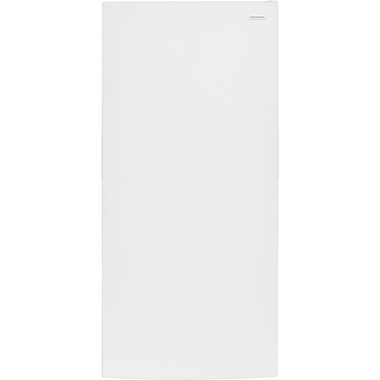
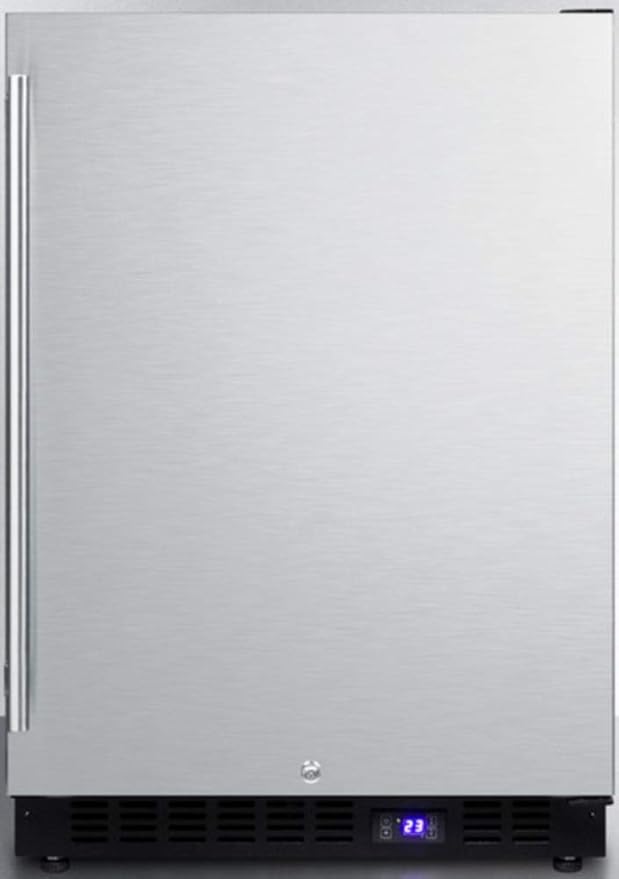
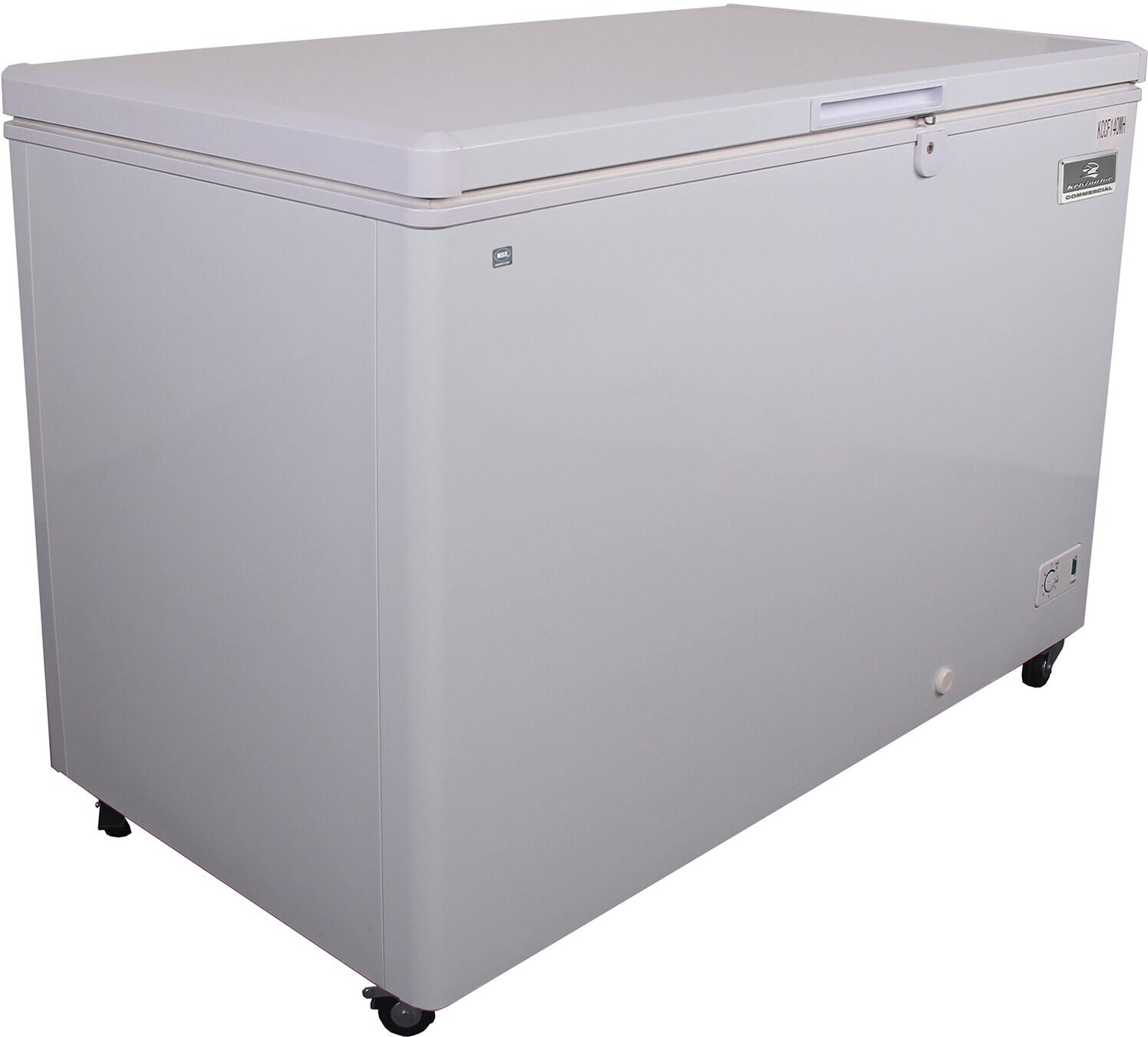
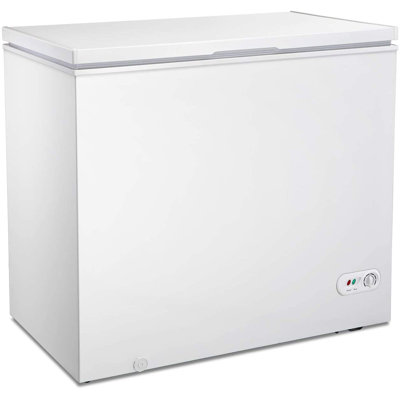
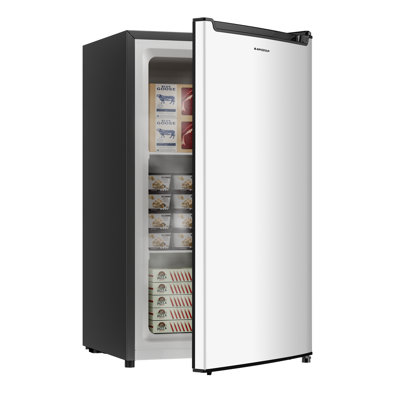
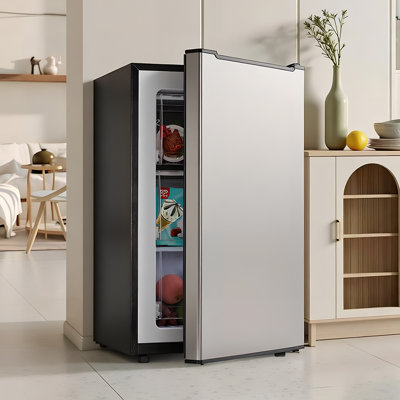
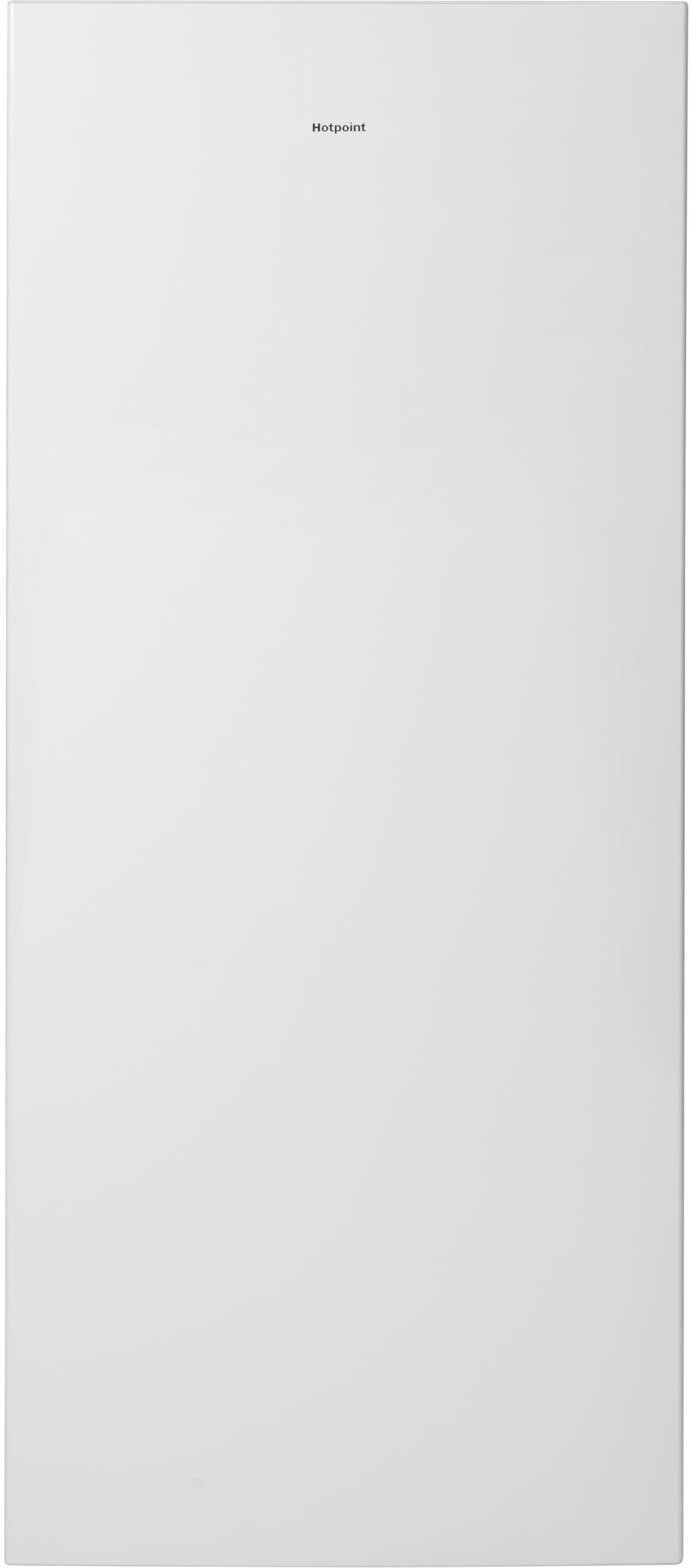
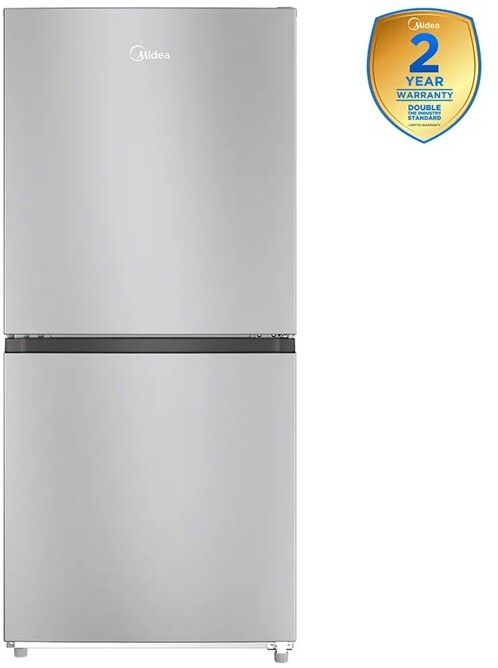
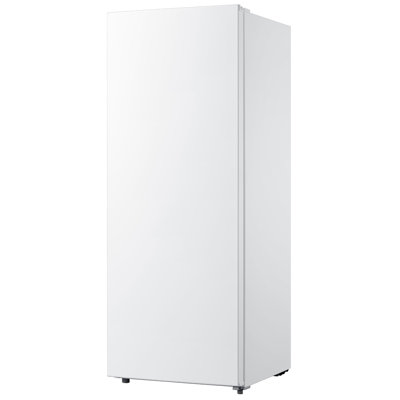
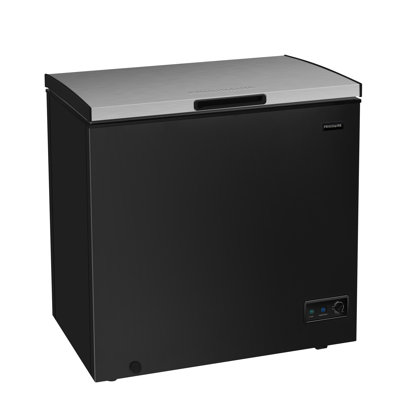
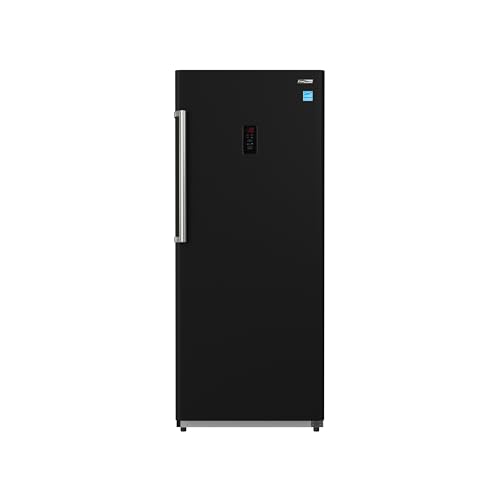
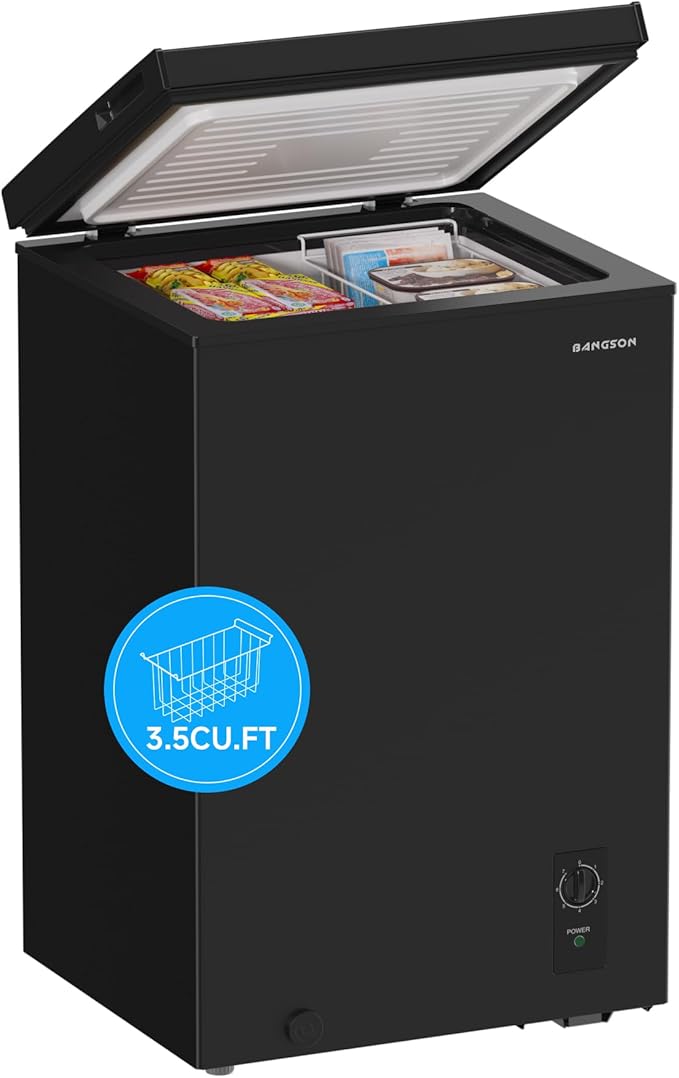
Got too much food and not enough space? An outdoor freezer might just be your new best friend. Whether you're a busy parent, a BBQ enthusiast, or someone who loves to stock up on frozen goodies, an outdoor freezer can make your life a whole lot easier.
Why You Need an Outdoor Freezer
Here’s why an outdoor freezer is a game-changer:
More Room for Food: Perfect for big families or those who love to entertain, an outdoor freezer gives you that extra space you desperately need.
Handy Access: Imagine grabbing ice cream or burger patties right from your backyard. No more running inside while grilling!
Energy Savers: Many outdoor freezers are designed to be energy-efficient, so you won't see a scary spike in your electric bill.
Better Organization: With an extra freezer, you can keep your meats, veggies, and desserts neatly separated.
What to Think About Before Getting an Outdoor Freezer
Before you rush out to buy one, keep these things in mind:
Weather-Proofing
Your freezer will face the elements, so make sure it’s built to last through rain, snow, and heat. Check out our weatherproof outdoor freezer options.
Regular upkeep is essential. Learn how to keep your freezer in top shape with Fridge.com tips on cleaning and defrosting.
By keeping these points in mind, you’ll be well on your way to setting up an outdoor freezer that works perfectly for you. For more tips, check out Fridge.com articles on outdoor chest freezers and outdoor upright freezers.
Picking the perfect spot for your outdoor freezer is key to keeping it running smoothly and lasting longer. Let's break down the important stuff you need to know about where to put your freezer and how to shield it from the elements.
Finding the Sweet Spot for Your Outdoor Freezer
When you're figuring out where to place your outdoor freezer, think about how easy it is to get to, how well it's protected, and if it has enough breathing room. Here’s the lowdown:
Easy Access: Make sure your freezer is in a spot that's simple to reach, especially if you're grabbing or stashing stuff often.
Keep It Cool: Direct sunlight can make your freezer overheat and work overtime. Find a shady spot or set up a canopy to keep it cool.
Let It Breathe: Leave some space around the freezer for good airflow. This helps keep the temperature steady and stops it from overheating.
Shielding Your Freezer from the Weather
Outdoor freezers face all kinds of weather. To keep yours running well, you need to protect it from the elements:
Weatherproofing: Go for a weatherproof outdoor freezer that can handle rain, snow, and humidity. These are built tough for the outdoors.
Lift It Up: Raise your freezer a bit off the ground to avoid water damage from rain or snow. Pallets or a sturdy platform work great.
Cover It Up: Use a waterproof cover to guard your freezer against dust, debris, and rain. This helps extend its life.
Insulate: In extreme weather, insulate around the freezer. This is super important for an outdoor winter freezer to keep the inside temperature from dropping too low.
Weather Condition
Protection Measure
Rain/Snow
Weatherproof freezer, elevation, waterproof cover
Sunlight
Shade, canopy
Dust/Debris
Waterproof cover
Extreme Cold
Insulation
By picking the right spot and taking steps to protect your freezer from the weather, you can make sure your outdoor deep freezer works well and lasts longer. For more tips on keeping your outdoor freezer in top shape, check out Fridge.com article on maintaining your outdoor freezer.
Power Source and Connectivity
Setting up reliable power and ensuring proper connectivity are key to keeping your outdoor freezer running smoothly. Let's break down how to keep your freezer powered up and safe.
Keeping the Power Steady
Your outdoor freezer needs a steady power source to keep your food frozen. Make sure the outlet you use is just for the freezer to avoid overloading the circuit. Don't plug in other high-power gadgets into the same outlet.
If your freezer is in a garage or shed, think about installing a grounded outdoor-rated outlet. These outlets are built to handle the weather and provide a safer connection.
Power Tip
Why It Matters
Dedicated Outlet
Stops circuit overload
Grounded Outdoor Outlet
Safe and weather-resistant
Check what voltage your freezer needs. Most freezers use a standard 120V outlet, but double-check with your model. Regularly inspect the power cord for any damage to avoid hazards.
Using Extension Cords and Surge Protectors
Sometimes the power outlet is too far away, and you need an extension cord. Not all extension cords are up to the task. Use a heavy-duty, outdoor-rated extension cord with the right gauge for your freezer's power needs.
Cord Gauge
Max Length
Best For
10 gauge
Up to 100 feet
High-power devices
12 gauge
Up to 50 feet
Medium-power devices
14 gauge
Up to 25 feet
Low-power devices
Avoid using thin or indoor extension cords—they can't handle the load and might cause a fire. Make sure the extension cord is rated for your freezer's power use.
Using a surge protector is also a smart move to shield your freezer from power surges. Pick one designed for outdoor use with a high joule rating for good protection.
For more tips on keeping your outdoor freezer in top shape, like cleaning and defrosting, check out Fridge.com articles on freezer outdoors and weatherproof outdoor freezer.
Follow these tips to keep your outdoor freezer running safely and efficiently, ensuring your frozen goods stay in perfect condition.
Keeping your outdoor freezer organized can make a world of difference in maintaining efficiency and prolonging the life of your stored items. Here are some practical strategies for making the most of your space and keeping your food fresh.
Making the Most of Your Space
Maximizing space in your outdoor freezer is all about smart organization. Here are some tips to help you get started:
Use Bins and Baskets: Group similar items together in bins or baskets. This keeps things tidy and makes it easier to find what you need.
Label Everything: Label bins, baskets, and even individual items. Use waterproof labels so they last.
Vacuum Seal Bags: Vacuum-sealed bags take up less space than traditional containers and help preserve food quality.
Stackable Containers: Use stackable containers to make the most of vertical space. Clear containers let you see what's inside at a glance.
Item Type
Best Storage Method
Meats
Vacuum-sealed bags, stackable bins
Vegetables
Stackable containers, labeled bins
Prepared Meals
Clear stackable containers
Ice Cream
Original packaging, labeled
Frozen Fruits
Vacuum-sealed bags, labeled bins
For more tips on organizing your freezer, check out Fridge.com article on outdoor freezer chest.
Keeping Food Fresh with a Rotating System
A rotating system ensures that older items are used first, reducing waste and keeping your food fresh. Here’s how to set one up:
First In, First Out (FIFO): Store newer items behind older ones so you use the older items first.
Inventory List: Keep an inventory list of all items in your freezer. Update it regularly to track what you have and when it was stored.
Date Labels: Date everything you store. Use waterproof markers or labels to ensure the dates don’t fade.
Designate Zones: Assign specific zones in your freezer for different types of food. For example, keep all meats in one section and vegetables in another.
Zone
Food Category
Top Shelf
Ice cream, prepared meals
Middle Shelf
Meats, fish, poultry
Bottom Shelf
Vegetables, fruits
Door Compartment
Small items, snacks, ice packs
Implementing these strategies can make your outdoor freezer more efficient and user-friendly. For more detailed guides, visit Fridge.com articles on outdoor deep freezer and weatherproof outdoor freezer.
Keeping Your Outdoor Freezer in Tip-Top Shape
Want your outdoor freezer to last longer and work better? Follow these simple tips to keep it running smoothly.
Clean and Defrost Regularly
Cleaning your freezer isn't just about looks; it keeps it running efficiently. Ice buildup can mess with storage space and performance. Here's how to keep it clean and frost-free:
Unplug It: Safety first—always unplug before cleaning.
Empty It Out: Move all your food to a cooler to keep it cold.
Defrost: Let the ice melt naturally or use a defrosting tool. Skip the sharp objects—they can damage the inside.
Clean Inside: Mix warm water with mild detergent to wipe down the interior. Rinse and dry it thoroughly.
Clean Outside: Use a damp cloth to wipe down the exterior.
Plug It Back In: Once dry, plug it back in and let it cool down before restocking.
Task
How Often?
Unplug and Defrost
Every 6 months
Clean Inside
Monthly
Clean Outside
Monthly
Keep an Eye on Temperature and Performance
Monitoring your freezer's temperature and performance can help you catch problems early. Here's what to do:
Use a Thermometer: Stick a thermometer inside to keep an eye on the temperature. Aim for 0°F (-18°C).
Check Seals: Look at the door seals regularly to make sure they're airtight. Bad seals let cold air escape, making the freezer work harder.
Listen Up: Strange noises? Could be a problem with the compressor or other parts.
Inspect Power Supply: Check the power cord and outlet. A surge protector can save your freezer from power surges.
Adjust Settings: Extreme weather? You might need to tweak the temperature settings.
Monitoring Task
How Often?
Check Temperature
Weekly
Inspect Door Seals
Monthly
Listen for Noises
Weekly
Inspect Power Supply
Monthly
Adjust Settings
Seasonally
By sticking to these tips, your outdoor freezer will stay efficient and reliable. Regular cleaning and monitoring can help you spot issues early, keeping your freezer outdoor in great shape for years. For more handy tips, check out Fridge.com guide on outdoor chest freezer care.
Keeping Your Outdoor Freezer Safe and Sound
How to Keep Thieves Away from Your Outdoor Freezer
Got your freezer outside? Let's make sure it stays there. Here’s how to keep it safe from sticky fingers:
Lock It Up: A solid lock is your first line of defense. Look for outdoor freezers with locks that are built tough.
Fence It In: A fence or enclosure around your freezer can make thieves think twice.
Smile, You're on Camera: Security cameras can scare off would-be thieves and help catch them if they do strike.
Light It Up: Good lighting, especially motion-sensor lights, can make your outdoor freezer less appealing to crooks.
Security Measure
Why It Works
Lock It Up
Keeps unauthorized hands off
Fence It In
Adds a physical barrier
Smile, You're on Camera
Deters theft and helps catch thieves
Light It Up
Makes thieves think twice
Weather-Proofing Your Outdoor Freezer
Mother Nature can be a real pain. Here’s how to keep your outdoor freezer running smoothly, no matter what she throws at it:
Weatherproof It: Invest in a weatherproof outdoor freezer that can handle the elements.
Smart Placement: Put your freezer somewhere sheltered, like under a patio or in a garage. If that’s not an option, use a sturdy cover to protect it from rain, snow, and sun.
Insulate: Extra insulation helps keep the inside temperature steady, making your freezer work less hard.
Check It Regularly: Keep an eye on seals and gaskets to make sure they’re doing their job. This keeps the cold in and the warm out.
Weather Condition
What to Do
Rain and Snow
Use a durable cover, place under shelter
Direct Sunlight
Position in a shaded area
Extreme Cold
Add extra insulation, regular checks
High Winds
Securely anchor the freezer
Want more tips? Check out Fridge.com guide on outdoor freezer maintenance. By following these steps, you can keep your outdoor freezer safe and running smoothly all year long.
Stick to these tips to keep your outdoor freezer running like a champ. For more tips, check out Fridge.com articles on freezer outdoors and weatherproof outdoor freezer.
Compare freezer prices on Fridge.com
Compare current prices and specifications on Fridge.com, then buy from the retailer you choose; delivery, installation and warranty terms are the retailer’s.
It also has tons of awesome articles about kitchen stuff and home news. Enhance your home, garage, backyard, patio, and office with the coolest essentials. With every necessary type of residential refrigerator or freezer in the collection, you're covered.
Free tool
Upright Freezer Shelf Planner
Free interactive tool from Fridge.com — get a quick answer while you read.