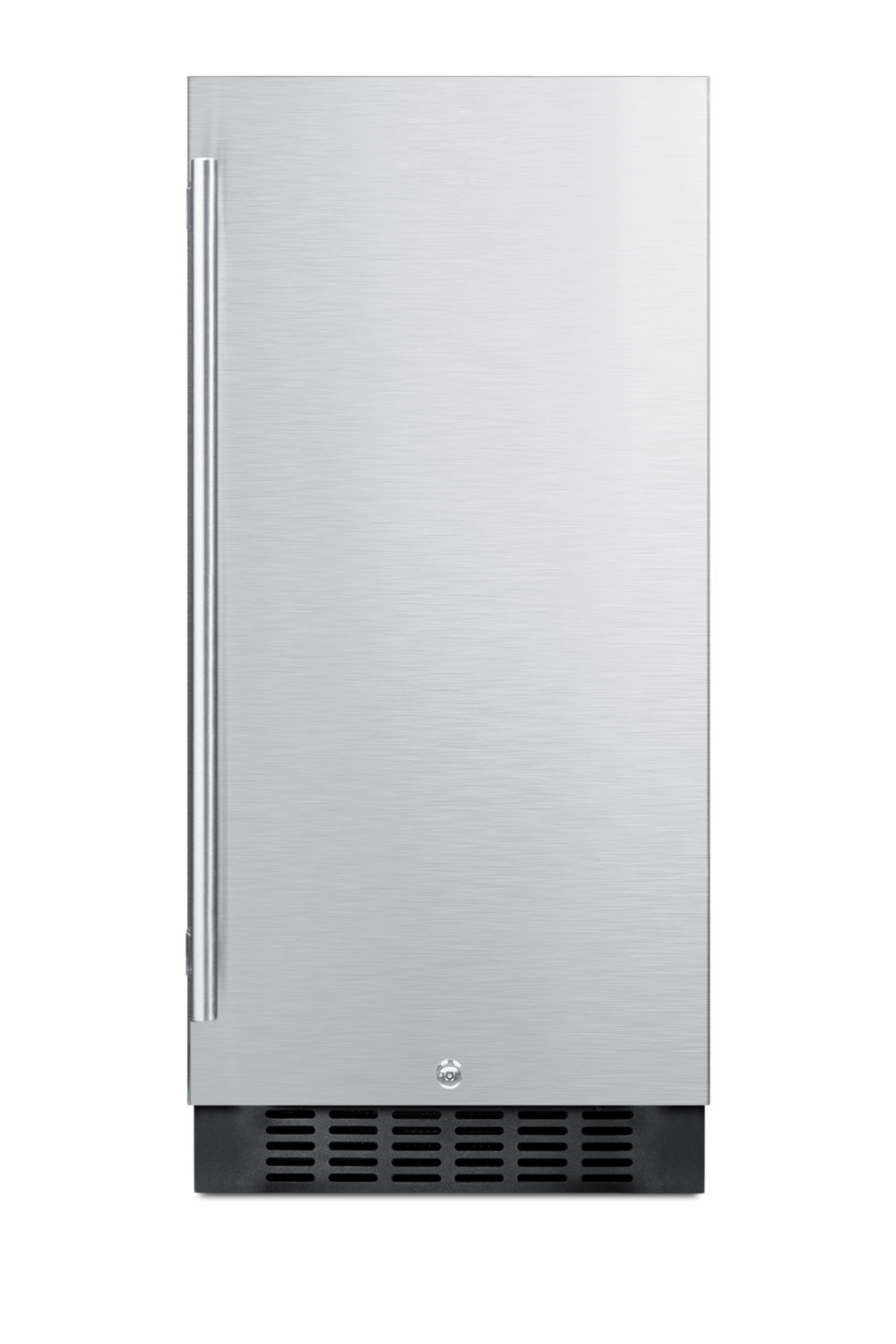
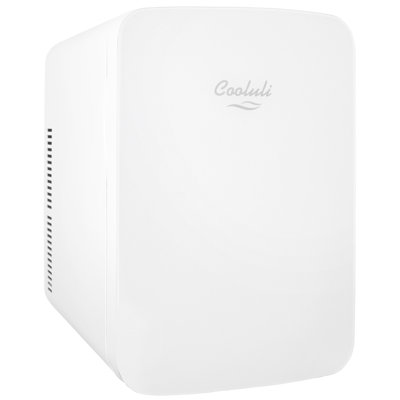
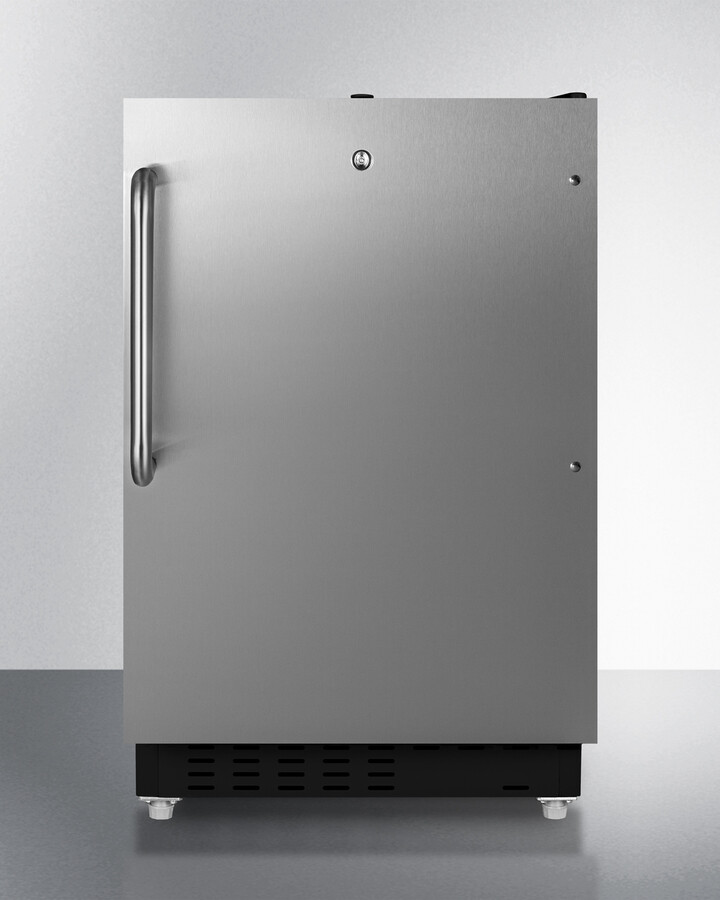
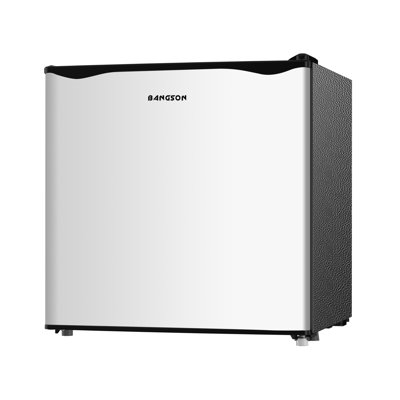
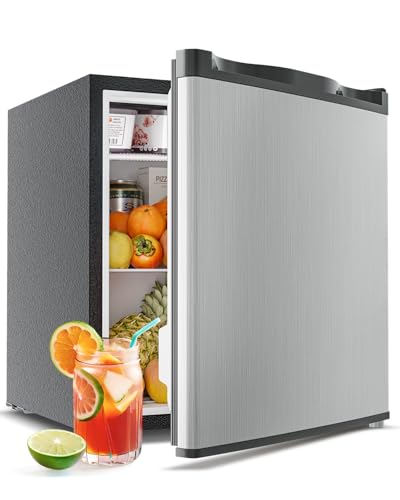
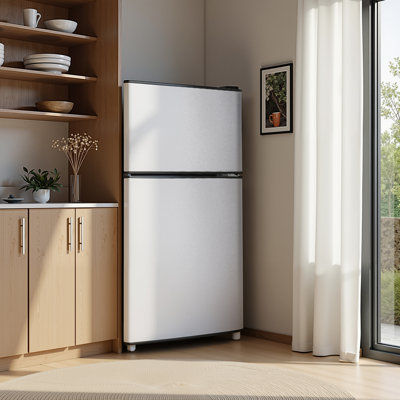
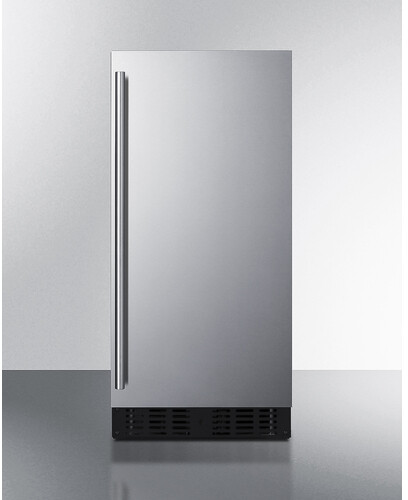
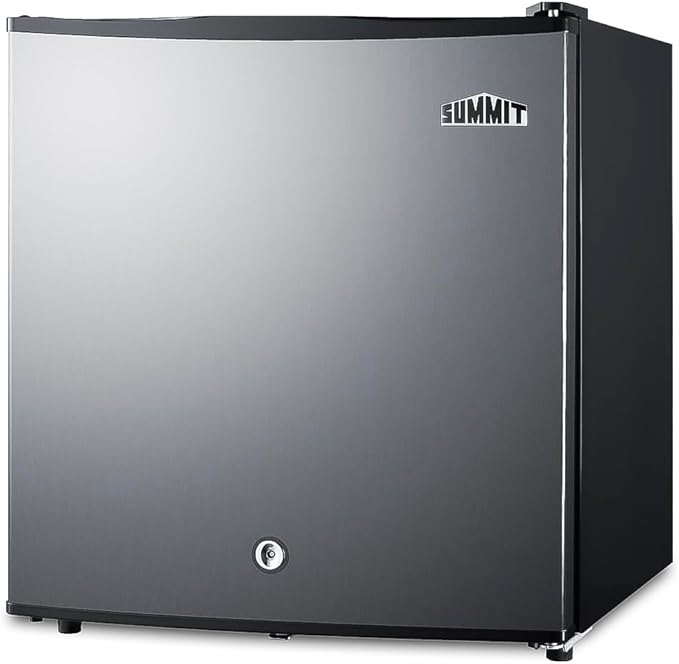
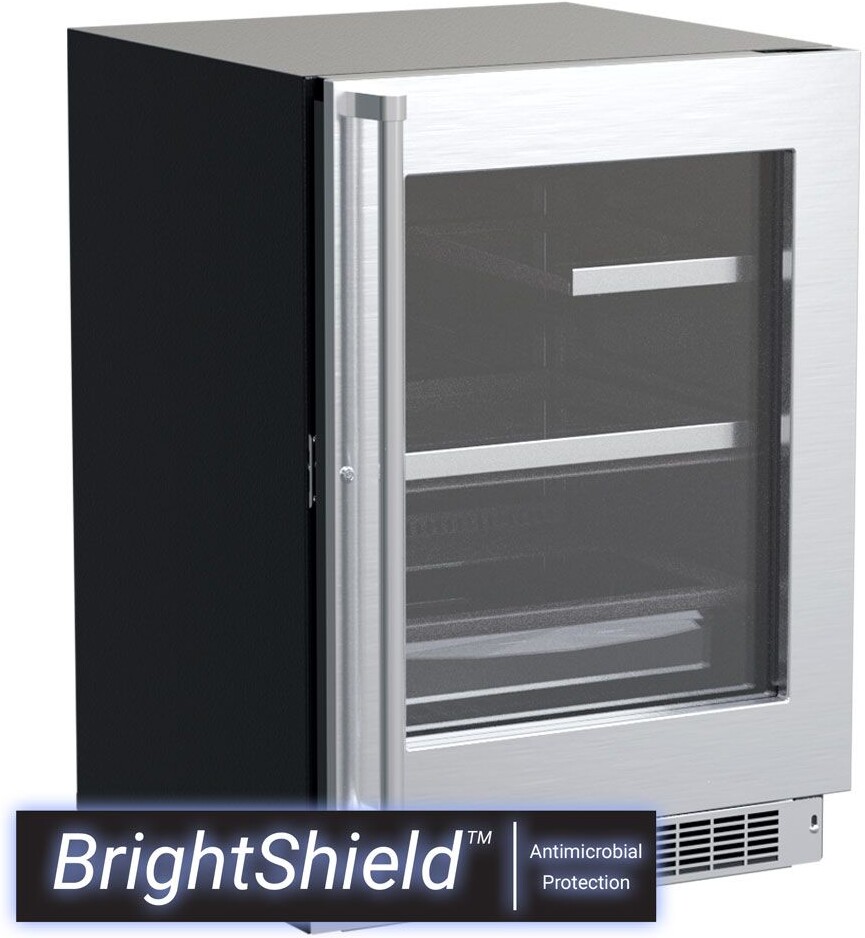
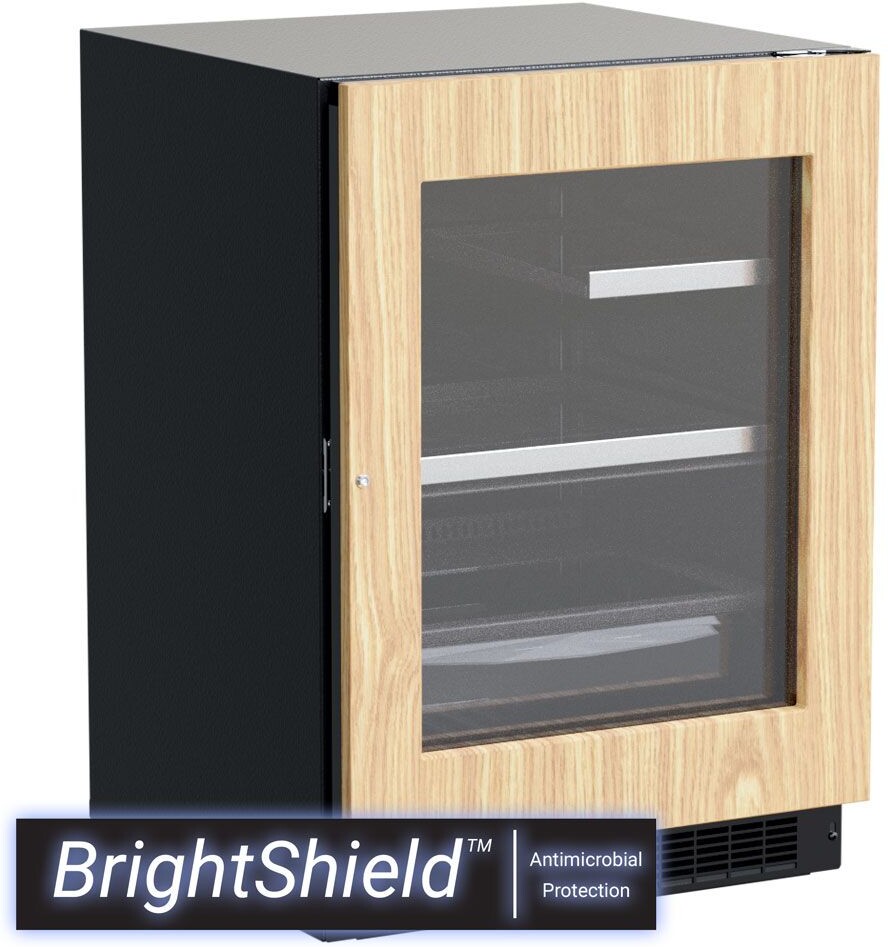
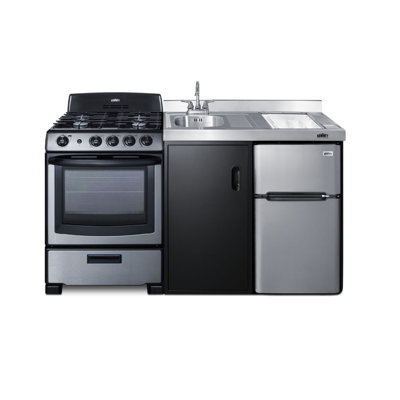
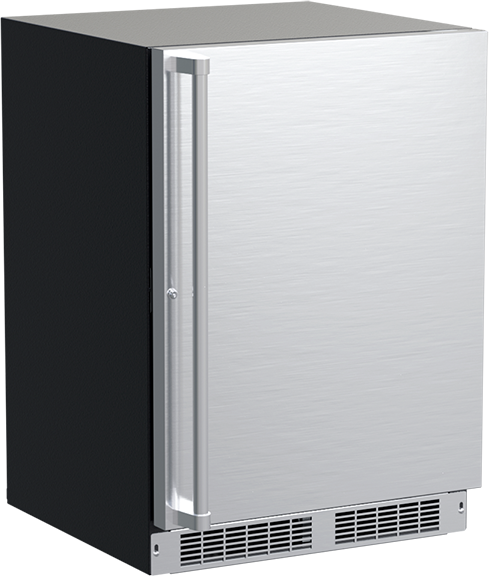
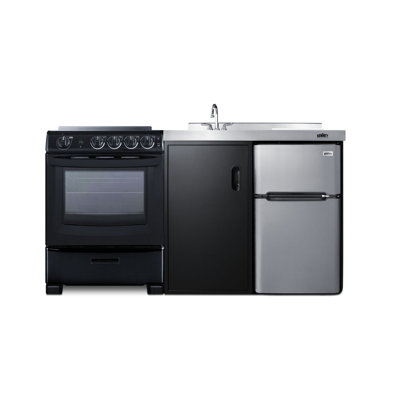
When deciding between a mini fridge freezer and a small upright freezer, understanding the fundamentals of each option is essential. These appliances serve different purposes and come with unique features that cater to various needs and preferences.
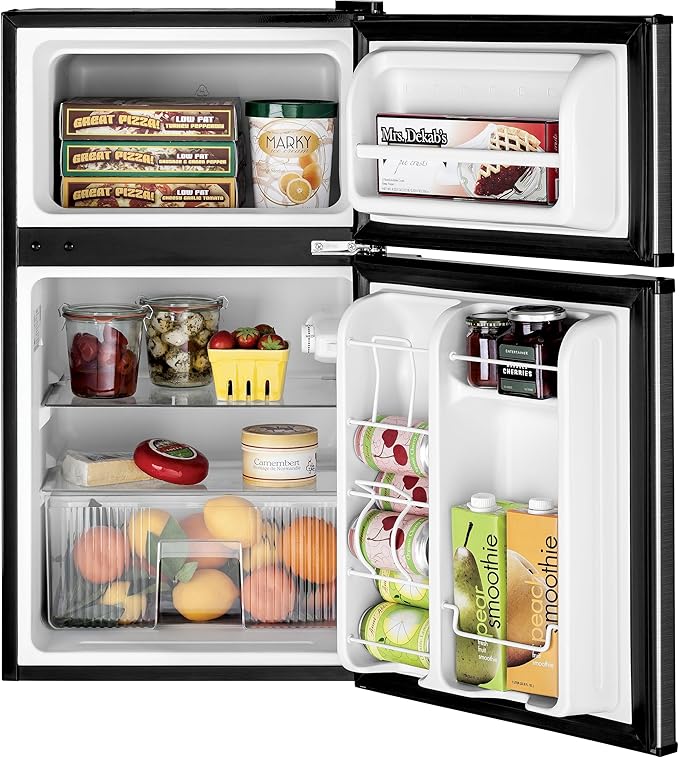
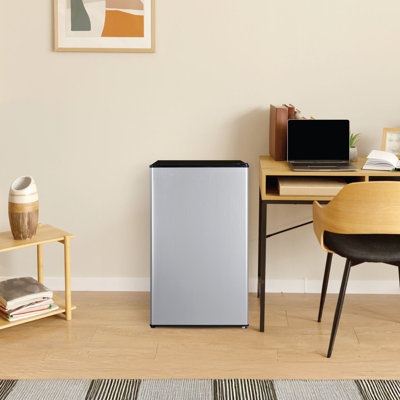
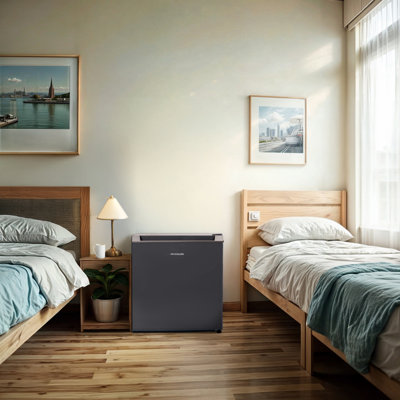
A mini fridge freezer is a compact appliance that combines both refrigeration and freezing functions in a single unit. Typically found in dorm rooms, offices, or small apartments, it is designed to fit into tight spaces while providing essential cooling and freezing capabilities.
On the other hand, a small upright freezer is dedicated solely to freezing and is often used to supplement the primary freezer in a household. This type of freezer is ideal for those needing additional storage space for frozen foods without taking up too much room.
Understanding the basics of mini fridge freezers and small upright freezers helps you make an informed decision based on your specific needs and available space. Explore further to determine which option aligns best with your lifestyle and storage requirements.
Mini Fridge Freezer
Features and Benefits
A mini fridge freezer is a versatile appliance that combines refrigeration and freezing capabilities in a compact unit. This makes it ideal for small spaces such as dorm rooms, offices, and apartments. Here are some of the key features and benefits:
Compact Size: Mini fridge freezers are designed to fit into tight spaces, making them perfect for areas where a full-sized refrigerator would be impractical.
Dual Functionality: These units offer both cooling and freezing options, allowing you to store a variety of items, from beverages to frozen foods.
Energy Efficiency: Many mini fridge freezers are designed to be energy-efficient, helping you save on electricity bills while keeping your food fresh.
Portability: Due to their smaller size, mini fridge freezers are easier to move and can be relocated as needed.
Cost-Effective: Generally, mini fridge freezers are more affordable than full-sized refrigerators, making them an economical choice for those on a budget.
The capacity of a mini fridge freezer can vary, but they typically offer enough space for the essentials. Here's a breakdown of the storage options you can expect:
Feature
Description
Total Capacity
Ranges from 1.5 to 4.5 cubic feet
Fridge Compartment
Often includes adjustable shelves and door bins
Freezer Compartment
May have one or two small shelves or compartments
Door Storage
Usually offers space for bottles, cans, and smaller items
Drawers
Some models come with crisper drawers for fruits and vegetables
Capacity Range
Ideal Use
1.5 - 2.5 cu. ft.
Dorm rooms, small offices
2.6 - 3.5 cu. ft.
Apartments, condos
3.6 - 4.5 cu. ft.
Small families, shared living spaces
For those who need more storage or specific features, comparing with other types of refrigeration units can be beneficial. For example, Fridge.com article on mini fridge Vs. portable refrigerator offers insights into different storage solutions.
The mini fridge freezer is a practical choice for various settings, from dorm rooms to offices, providing flexibility and convenience in a compact form.
Small Upright Freezer
For those seeking a dedicated freezing unit, a small upright freezer offers a practical solution. Let's explore the features, benefits, and storage options of this appliance.
Features and Benefits
A small upright freezer provides several advantages for homeowners and apartment dwellers. One of the primary features is the vertical design, which allows for easy organization and access to frozen items. Unlike chest freezers, upright freezers enable you to view and retrieve items without having to dig through layers of food.
Key features include:
Adjustable Shelves: These allow you to customize the interior layout based on your storage needs.
Auto Defrost: This feature reduces the need for manual defrosting, saving you time and effort.
Temperature Control: Precise temperature settings ensure optimal freezing conditions for different types of food.
Compact Footprint: Ideal for small spaces such as apartments, condos, or garages.
Capacity and Storage Options
When comparing the capacity and storage options of a small upright freezer, it's important to consider your specific needs. Small upright freezers typically range from 3 to 6 cubic feet, making them suitable for individuals or small families.
Feature
Description
Capacity
3 - 6 cubic feet
Shelves
Adjustable and fixed shelves for flexible storage
Door Storage
Additional storage space in the door for smaller items
Drawers
Pull-out drawers for easy access to frequently used items
The storage options in a small upright freezer are designed to maximize space and accessibility. Adjustable shelves allow you to accommodate larger items, while door storage provides a convenient place for smaller packages or frequently used items. Some models also include pull-out drawers, making it easier to organize and access your frozen goods.
Choosing the right freezer depends on your specific needs and space constraints. By understanding the features and storage options of a small upright freezer, you can make an informed decision that best suits your lifestyle and freezing requirements.
When deciding between a mini fridge freezer and a small upright freezer, size and space considerations are essential. Understanding the dimensions and ideal placement for each type can help you make an informed choice.
Dimensions and Placement
The dimensions of mini fridge freezers and small upright freezers vary, affecting how they fit into your living space. Below is a comparison table to help you visualize the typical sizes of each type.
Appliance Type
Height (inches)
Width (inches)
Depth (inches)
Mini Fridge Freezer
20 - 35
18 - 24
20 - 25
Small Upright Freezer
34 - 50
20 - 28
22 - 30
Mini fridge freezers are more compact, making them ideal for smaller spaces such as dorm rooms, offices, or under countertops. Small upright freezers, while larger, offer more storage capacity and are suitable for garages, basements, or utility rooms where space is less of a constraint.
Ideal Locations for Each Type
Selecting the optimal location for your appliance ensures both convenience and efficiency. Here are some ideal locations for each type:
Mini Fridge Freezer:
Dorm Rooms: Fits well in tight spaces and provides easy access to snacks and beverages.
Offices: Compact size suits workspaces, keeping your lunch and refreshments close by.
Under Countertops: Can be seamlessly integrated into kitchen counters for additional storage without taking up floor space.
Bedrooms: Convenient for late-night snacks and drinks without needing to go to the kitchen.
Small Upright Freezer:
Garages: Perfect for additional storage of bulk food items and can handle temperature fluctuations better.
Basements: Utilizes generally underused space to store extra frozen goods.
Utility Rooms: Keeps the main kitchen area free for daily use items while storing long-term frozen goods separately.
Large Kitchens: Provides extra freezer space for households that cook and store food in bulk.
For more detailed comparisons on placing and utilizing different types of refrigerators and freezers, you can explore Fridge.com articles on refrigerator Vs. fridge and mini fridge Vs. portable refrigerator.
Understanding the dimensions and ideal locations for mini fridge freezers and small upright freezers helps you make an informed decision based on your specific needs and available space.
When considering the energy efficiency of a mini fridge freezer versus a small upright freezer, it's essential to examine their energy consumption. Both appliances serve different purposes, and their energy usage reflects these functions. Here's a comparison of typical energy consumption rates for each type:
Appliance Type
Average Energy Consumption (kWh/year)
Mini Fridge Freezer
200 - 300
Small Upright Freezer
300 - 500
Mini fridge freezers usually consume less energy than small upright freezers. However, this can vary based on factors like usage patterns, the efficiency of the specific model, and the ambient temperature of the environment where the appliance is placed. For more detailed comparisons, explore Fridge.com article on convertible freezer refrigerator Vs. mini fridge with freezer.
Environmental Impact
The environmental impact of using these appliances is closely tied to their energy consumption. Lower energy consumption generally translates to a smaller carbon footprint. Here's a brief overview of how each appliance might affect the environment:
Appliance Type
Carbon Footprint (kg CO2/year)
Mini Fridge Freezer
150 - 225
Small Upright Freezer
225 - 375
Mini fridge freezers, due to their lower energy consumption, tend to have a lower carbon footprint compared to small upright freezers. It's also important to consider the materials used in the production of these appliances and their potential for recycling.
For those looking to minimize their environmental impact, it’s advisable to look for Energy Star-rated appliances and consider the long-term energy savings. Explore more options and considerations in Fridge.com article on black slate refrigerator Vs. freestanding drawer freezer.
Understanding these aspects will help you make an informed decision when choosing between a mini fridge freezer and a small upright freezer, ensuring you select the best option for your needs while being mindful of energy consumption and environmental impact. For more guidance on selecting the right appliance, check out Fridge.com article on mini fridge Vs. portable refrigerator.
Temperature Control and Maintenance
Maintaining the right temperature and proper upkeep are crucial for both mini fridge freezers and small upright freezers. These aspects ensure the longevity and efficiency of your appliance.
Temperature Settings
Both mini fridge freezers and small upright freezers come with adjustable temperature settings to suit your needs. Understanding the optimal temperature ranges for each type can help in preserving your food better.
Appliance Type
Optimal Temperature Range
Mini Fridge Freezer
32°F to 40°F (fridge), 0°F (freezer)
Small Upright Freezer
0°F to -10°F
Mini fridge freezers typically feature two compartments: one for refrigeration and one for freezing. The refrigerator section should be set between 32°F and 40°F, while the freezer should be at 0°F. Small upright freezers, on the other hand, are dedicated solely to freezing and should be maintained between 0°F and -10°F for optimal performance.
For more insights into temperature settings, visit Fridge.com guide on refrigerator Vs. fridge.
Cleaning and Maintenance Tips
Regular cleaning and maintenance ensure that your mini fridge freezer or small upright freezer runs efficiently and lasts longer. Here are some essential tips for each type:
Mini Fridge Freezer Maintenance:
Defrosting: Regularly defrost the freezer compartment to prevent ice buildup, which can hinder performance.
Cleaning: Clean the interior with a mixture of baking soda and water to eliminate odors and bacteria.
Check Seals: Inspect door seals to ensure they are airtight. Replace if they are damaged or loose.
Ventilation: Make sure the unit has proper ventilation to avoid overheating.
Small Upright Freezer Maintenance:
Defrosting: As with mini fridge freezers, defrost the upright freezer periodically.
Cleaning: Use a mild detergent and water to clean the interior to maintain hygiene.
Inspect Coils: Check the condenser coils at the back of the freezer. Clean them to maintain energy efficiency.
Seal Check: Ensure door seals are intact to maintain consistent temperature.
By following these temperature control and maintenance tips, you can ensure that both your mini fridge freezer and small upright freezer operate efficiently, keeping your food fresh and safe for longer periods. For more comparisons, check out Fridge.com articles on convertible freezer refrigerator Vs. mini fridge with freezer and portable freezer Vs. tall refrigerator.
Analyzing the costs associated with a mini fridge freezer versus a small upright freezer involves considering both the initial investment and the long-term expenses and savings.
Initial Investment
When deciding between a mini fridge freezer and a small upright freezer, the initial cost is a significant factor. Generally, mini fridge freezers are less expensive than small upright freezers. However, the price can vary based on brand, size, and features.
Type
Average Initial Cost ($)
Mini Fridge Freezer
100 - 300
Small Upright Freezer
200 - 500
Long-Term Expenses and Savings
Long-term costs include electricity consumption, maintenance, and potential repairs. Mini fridge freezers typically consume less electricity compared to small upright freezers due to their smaller size. This can result in lower utility bills over time.
Type
Average Annual Energy Consumption (kWh)
Average Annual Electricity Cost ($)
Mini Fridge Freezer
200 - 400
24 - 48
Small Upright Freezer
300 - 600
36 - 72
Additionally, consider other factors such as the cost of maintaining the appliance, including regular cleaning and potential part replacements. Both types require routine maintenance to ensure optimal performance, but the costs may vary slightly based on the model and frequency of use.
To explore more about the different types of refrigerators and freezers, you can visit Fridge.com detailed comparisons such as refrigerator Vs. fridge and convertible freezer refrigerator Vs. mini fridge with freezer.
When comparing a mini fridge freezer to a small upright freezer, it's essential to consider their various applications. Both appliances serve unique purposes and can be highly versatile in different settings.
Mini Fridge Freezer:
Ideal for dorm rooms, offices, and bedrooms where space is limited.
Perfect for storing snacks, beverages, and small amounts of frozen food.
Useful in recreational spaces like game rooms, basements, or home bars.
Convenient for outdoor areas such as patios or near pools during gatherings.
Small Upright Freezer:
Suitable for kitchens or garages requiring additional freezer capacity.
Great for bulk storage of frozen meals, meats, and other perishables.
Useful in small businesses or cafes needing extra storage without taking up much space.
Ideal for cabins, mobile homes, or cottages where large freezers are impractical.
Flexibility in Different Settings
The flexibility of these appliances extends to various environments, making them adaptable to different needs and preferences.
Mini Fridge Freezer:
Home Use: Fits easily in tight spaces, providing both refrigeration and freezing capabilities.
Office Use: Keeps lunch and snacks fresh, with a small freezer section for ice packs or frozen treats.
Outdoor Use: Portable enough to be used during picnics, camping trips, or poolside events.
Entertainment Use: Perfect for home bars or entertainment rooms to keep drinks and quick bites readily available.
Small Upright Freezer:
Kitchen Use: Acts as a secondary freezer for households needing extra storage for bulk purchases.
Garage Use: Convenient for storing overflow items that won't fit in the primary kitchen freezer.
Business Use: Helpful for small eateries or cafes that need additional frozen storage without the footprint of a large commercial freezer.
Seasonal Use: Ideal for storing seasonal items like holiday desserts, meats, or summer produce.
For more insights into choosing the right appliance for your needs, check out Fridge.com article on mini fridge Vs. portable refrigerator.
Feature/Setting
Mini Fridge Freezer
Small Upright Freezer
Home Use
✓
✓
Office Use
✓
-
Outdoor Use
✓
-
Entertainment Use
✓
-
Kitchen Use
✓
✓
Garage Use
-
✓
Business Use
-
✓
Seasonal Use
-
✓
The versatility of both mini fridge freezers and small upright freezers makes them valuable additions to various settings. Whether you need a compact solution for keeping your beverages cold or require extra storage for frozen goods, these appliances offer the flexibility to meet your needs. For more detailed comparisons, explore Fridge.com articles on convertible freezer refrigerator Vs. mini fridge with freezer and portable freezer Vs. tall refrigerator.
Compare prices on Fridge.com
Compare current prices and specifications on Fridge.com, then buy from the retailer you choose; delivery, installation and warranty terms are the retailer’s.
It also has tons of awesome articles about kitchen stuff and home news. Enhance your home, garage, backyard, patio, and office with the coolest essentials. With every necessary type of residential refrigerator or freezer in the collection, you're covered.
From Fridge.com research
Figures below come from data Fridge.com builds and maintains. Each links to the record behind it.
Fridge.com Energy Index, built on U.S. EPA and DOE ENERGY STAR records
Across 1,728 ENERGY STAR certified compact refrigerator models, median use is 246 kWh per year — 11% better than the federal standard.