When choosing between a mini freezer and a tall refrigerator, there are several factors to consider. This section will compare their storage capacities and energy efficiency.
Comparing Storage Capacities
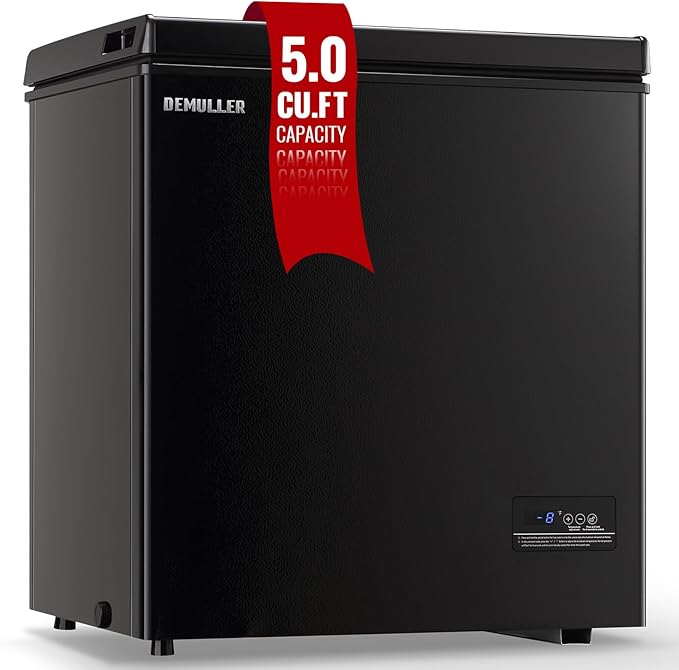
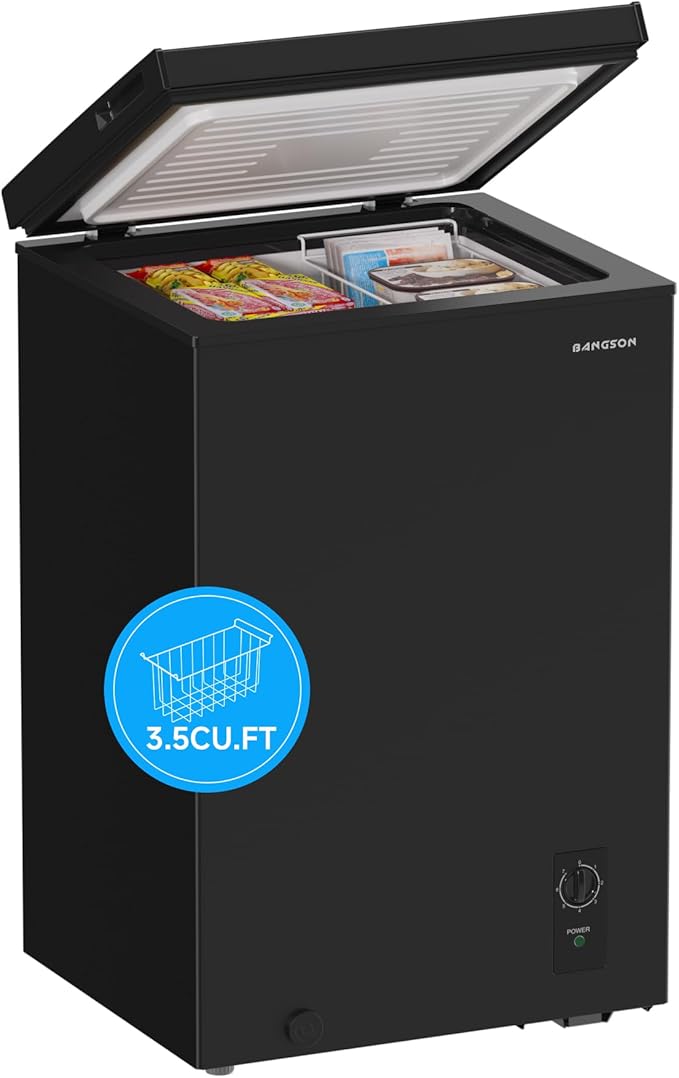
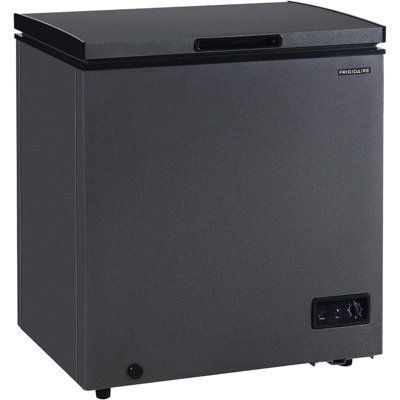
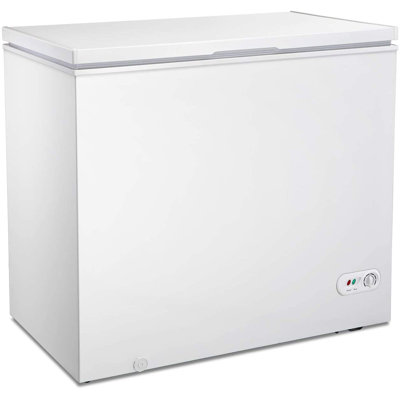
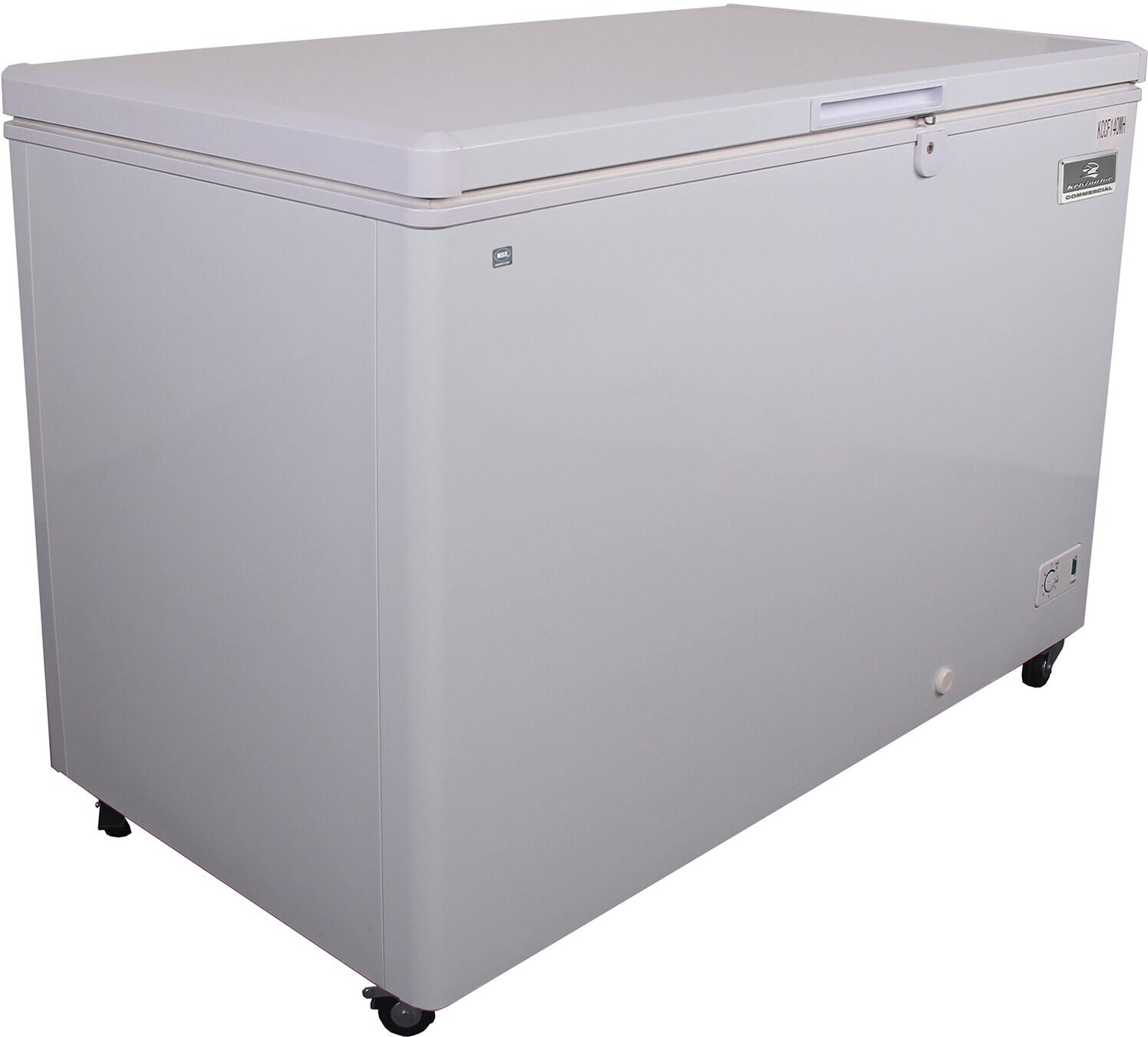
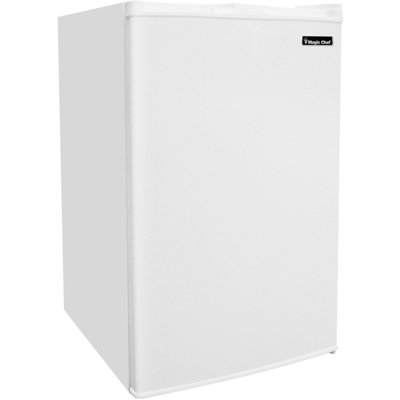
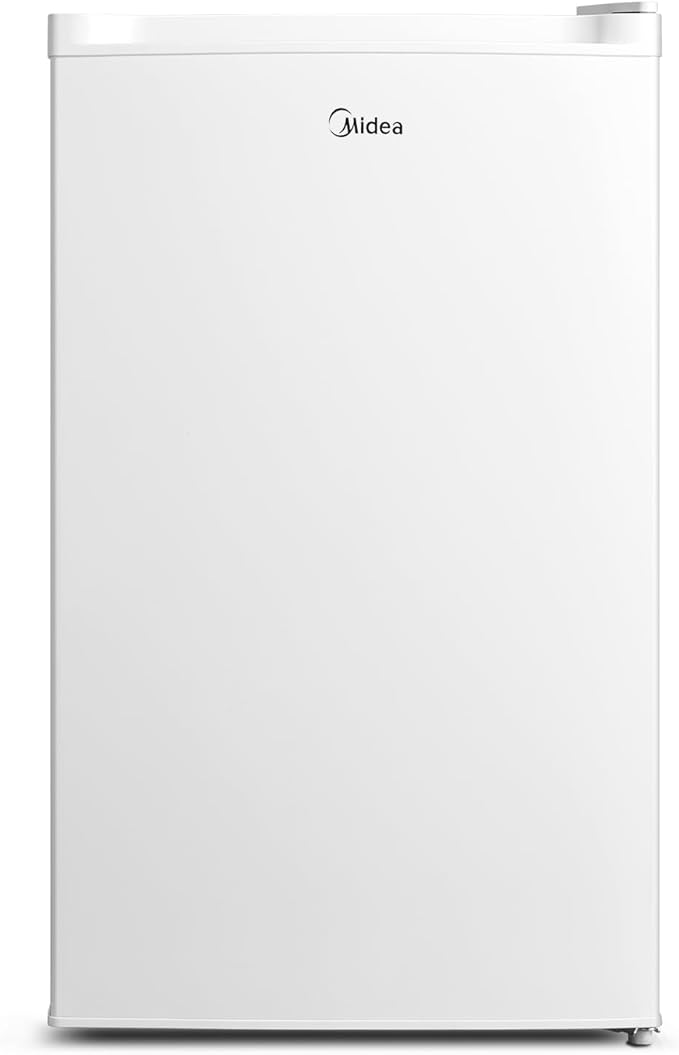
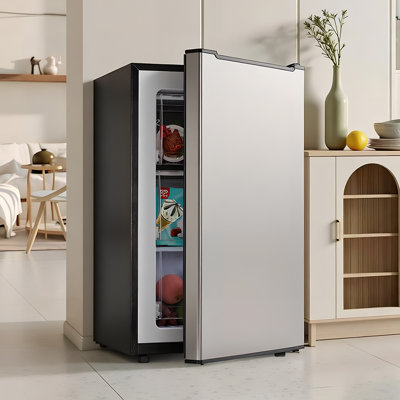
The storage capacity of a mini freezer and a tall refrigerator can significantly impact your decision. Mini freezers are compact and ideal for storing a limited amount of items. They are perfect for small spaces like dorm rooms, offices, or as an additional freezer for your home.
Appliance Type
Average Storage Capacity (Cubic Feet)
Mini Freezer
1.1 - 5.0
Tall Refrigerator
10.0 - 25.0
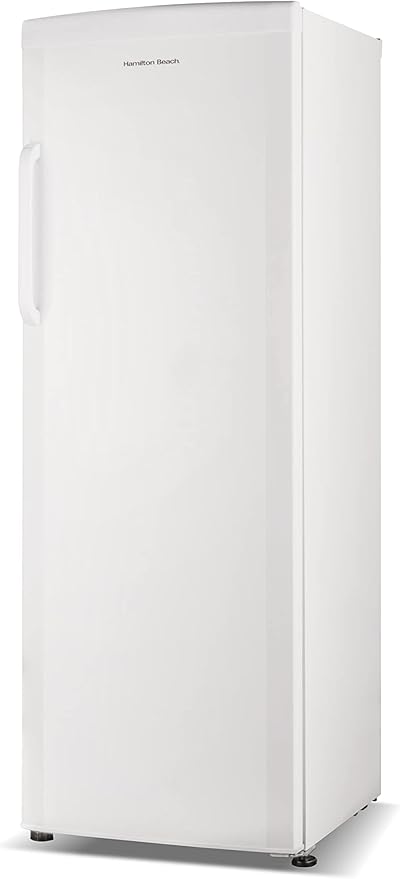
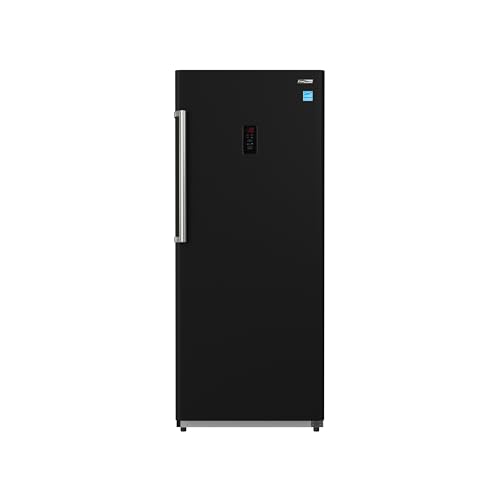
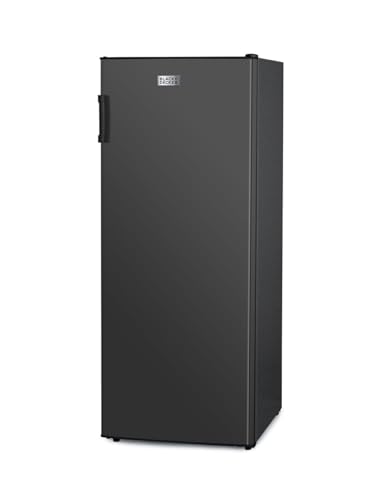
A tall refrigerator, on the other hand, offers much more storage space and is suitable for families or individuals who require ample space for fresh and frozen foods. It provides multiple compartments, shelves, and drawers to organize your food efficiently.
Energy Efficiency Considerations
Energy efficiency is another crucial factor to consider when comparing a mini freezer and a tall refrigerator. Energy-efficient appliances can help reduce your utility bills and have a lower environmental impact.
Appliance Type
Average Annual Energy Consumption (kWh)
Energy Star Rated
Mini Freezer
200 - 350
Yes
Tall Refrigerator
400 - 700
Yes
Mini freezers typically consume less energy than tall refrigerators due to their smaller size. However, modern tall refrigerators are designed with energy-saving features that can make them quite efficient. Look for Energy Star-rated models to ensure you are choosing an appliance with the best energy efficiency.
When choosing between a mini freezer and a tall refrigerator, space considerations play a crucial role. Understanding fit and placement options along with usage flexibility can help you make an informed decision.
Fit and Placement Options
Mini freezers and tall refrigerators offer different fit and placement options suitable for various living arrangements and purposes.
Mini Freezers:
Compact and can fit in small spaces.
Ideal for under-counter placement or in tight corners.
Suitable for use in apartments, offices, mobile homes, and tiny homes.
Can be easily moved if needed.
Tall Refrigerators:
Require more vertical space.
Typically placed in kitchens, basements, or garages.
Better suited for larger homes, families, or spaces with ample room.
Less portable due to size and weight.
Here's a comparison table for fit and placement options:
Feature
Mini Freezer
Tall Refrigerator
Size (Height x Width x Depth)
28" x 18" x 19"
68" x 30" x 30"
Ideal Placement
Under-counter, small spaces
Kitchen, basement, garage
Portability
High
Low
For additional insight on placement options, you might find Fridge.com article on mini freezer Vs. undercounter refrigerator helpful.
Usage Flexibility
The flexibility in usage between a mini freezer and a tall refrigerator can influence your decision based on your specific needs and lifestyle.
Mini Freezers:
Excellent for storing frozen goods in small quantities.
Great as an additional freezer space for overflow items.
Perfect for specialized uses like storing ice cream or frozen meals for quick access.
Tall Refrigerators:
Provide a balanced mix of refrigeration and freezing capacities.
Suitable for storing a wide variety of foods and beverages.
Ideal for households needing more storage space for fresh produce, meats, and leftovers.
Here's a comparison table for usage flexibility:
Feature
Mini Freezer
Tall Refrigerator
Storage Capacity
Low
High
Versatility
Specialized use
General use
Ideal For
Small quantities of frozen goods
Mixed storage of fresh and frozen items
Whether you are looking for a compact solution for your bar fridge Vs. dry age fridge needs or a substantial refrigerator for family use, consider how each option fits into your lifestyle and space.
Temperature Control and Features
Understanding temperature control and additional features is crucial when comparing a mini freezer and a tall refrigerator. Both appliances offer unique advantages that cater to different needs.
Consistency and Performance
Consistency in temperature control is essential for preserving the quality of your food. Mini freezers and tall refrigerators differ significantly in this aspect.
Mini Freezer:
Designed to maintain a consistently low temperature, ideal for long-term storage of frozen goods.
Often have fewer temperature fluctuations compared to larger units.
Tall Refrigerator:
Offers a broader range of temperature settings to accommodate both fresh and frozen foods.
Typically equipped with separate compartments for different types of food, ensuring optimal storage conditions.
Appliance
Temperature Range
Temperature Fluctuation
Mini Freezer
-10°F to 0°F
±2°F
Tall Refrigerator
32°F to 40°F (fridge), 0°F to 5°F (freezer)
±3°F
For more about maintaining your fridge at optimal temperatures, check out Fridge.com article on fridge at 60 degrees.
Additional Functions
Both mini freezers and tall refrigerators come with additional features that enhance their functionality and user experience.
Mini Freezer:
Compact and portable, suitable for small spaces.
Often includes manual defrost options.
Limited compartmentalization but efficient for straightforward freezing needs.
Tall Refrigerator:
Multiple compartments and shelves for organized storage.
Advanced features like frost-free technology, humidity control, and digital temperature displays.
Some models come with built-in ice makers and water dispensers.
By understanding the consistency, performance, and additional functions of both mini freezers and tall refrigerators, you can make an informed decision based on your specific needs and preferences.
When deciding between a mini freezer and a tall refrigerator, understanding the price and cost of ownership is crucial. Both initial investment and long-term maintenance costs play significant roles in your decision.
Initial Investment
The initial cost of a mini freezer is generally lower than that of a tall refrigerator. Mini freezers are compact and typically designed for smaller storage needs, which reflects in their price. Tall refrigerators, on the other hand, offer more storage capacity and additional features, which can make them more expensive.
Appliance Type
Average Initial Cost ($)
Mini Freezer
100 - 300
Tall Refrigerator
500 - 1500
For those looking to save on the initial purchase, a mini freezer could be a cost-effective option. However, if you require more storage space and features, the investment in a tall refrigerator might be justified.
Long-Term Maintenance Costs
Long-term maintenance costs are another important factor. These include energy consumption, repairs, and potential part replacements over time.
Mini freezers, due to their smaller size, often consume less energy than tall refrigerators. However, energy efficiency can vary based on the model and usage patterns. Tall refrigerators, especially those with advanced features, might incur higher energy costs but offer more versatility and storage options.
Appliance Type
Average Annual Energy Cost ($)
Average Annual Maintenance Cost ($)
Mini Freezer
50 - 100
20 - 50
Tall Refrigerator
100 - 200
30 - 80
When considering long-term costs, it's important to factor in both energy efficiency and potential repair costs. Mini freezers might have lower annual maintenance costs due to their simplicity. Tall refrigerators, while potentially more costly to maintain, offer greater storage and functionality, which might justify the expense.
For more detailed comparisons and tips on maintaining your appliances, you can explore Fridge.com articles on bar fridge Vs. dry age fridge and drawer freezer Vs. undercounter freezer.
Understanding both the initial and long-term costs will help you make an informed decision tailored to your needs and budget.
When it comes to choosing between a mini freezer and a tall refrigerator, style and design play a crucial role. Both options offer unique aesthetics and customization possibilities to suit your preferences and space requirements.
Aesthetics and Integration
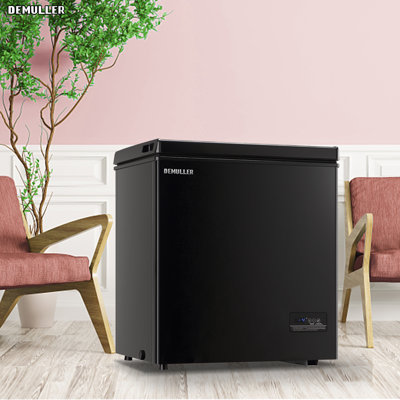
Aesthetics are often a significant factor in deciding between a mini freezer and a tall refrigerator. Mini freezers typically have a compact and sleek design, making them suitable for smaller spaces such as apartments, condos, and offices. Their minimalist look allows them to blend seamlessly into various environments without taking up too much space.
On the other hand, tall refrigerators often become a focal point in kitchens and larger spaces. They provide ample storage and can come in various finishes, such as stainless steel, matte black, or custom panel-ready options, allowing you to match them with your kitchen decor. Tall refrigerators offer a more traditional look and can be integrated into cabinetry for a built-in appearance.
Customization options vary significantly between mini freezers and tall refrigerators. Mini freezers often come with adjustable shelves and compartments that allow you to optimize storage based on your needs. Some models even offer reversible doors, giving you flexibility in placement and access.
Tall refrigerators, being larger, provide more extensive customization possibilities. Many models feature adjustable shelving, door bins, and crisper drawers to accommodate different food items. Advanced features like temperature-controlled drawers, humidity settings, and built-in water dispensers add to the versatility.
When considering customization, think about how you plan to use the appliance. For example, if you need a refrigerator for entertaining or specific culinary needs, you might be interested in the best fridge for national lasagna day or the best fridge for noodle ring day.
Feature
Mini Freezer
Tall Refrigerator
Adjustable Shelves
Yes
Yes
Reversible Doors
Yes
No
Built-in Water Dispenser
No
Yes
Temperature-Controlled Drawers
No
Yes
Custom Finishes
Limited
Extensive
Both mini freezers and tall refrigerators offer distinct advantages in terms of style and design. Your choice will depend on your space, aesthetic preferences, and the level of customization you require. For more ideas on how to enhance the appearance of your appliances, visit Fridge.com article on ways to decorate a mini fridge.
Compare prices on Fridge.com
Compare current prices and specifications on Fridge.com, then buy from the retailer you choose; delivery, installation and warranty terms are the retailer’s.
It also has tons of awesome articles about kitchen stuff and home news. Enhance your home, garage, backyard, patio, and office with the coolest essentials. With every necessary type of residential refrigerator or freezer in the collection, you're covered.
From Fridge.com research
Figures below come from data Fridge.com builds and maintains. Each links to the record behind it.
Fridge.com Energy Index, built on U.S. EPA and DOE ENERGY STAR records
Across 5,455 ENERGY STAR certified refrigerators and freezers from 263 brands, median use is 360 kWh per year.