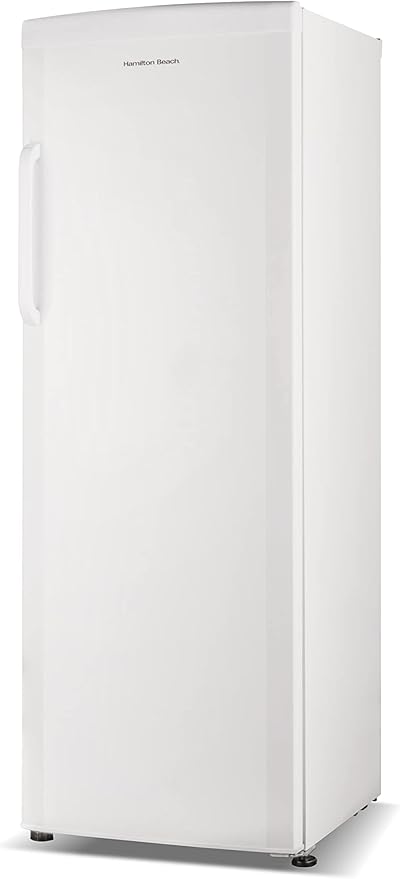
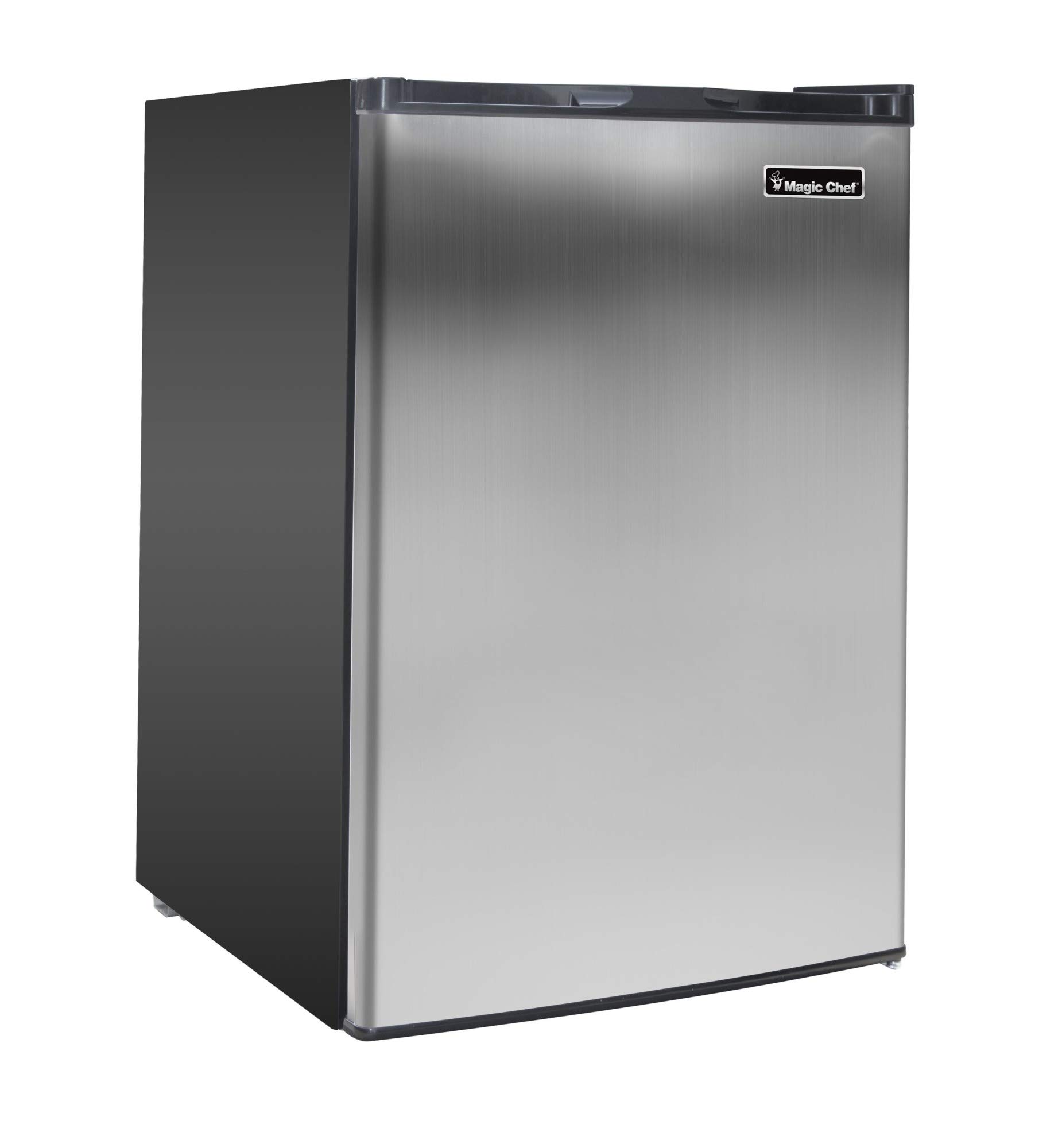
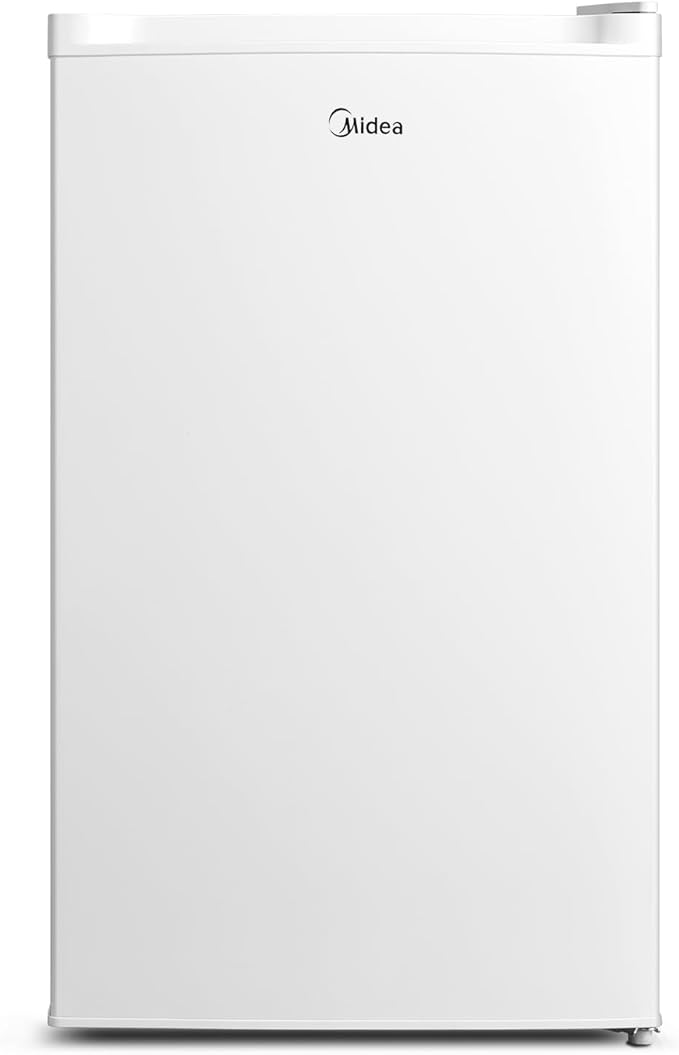
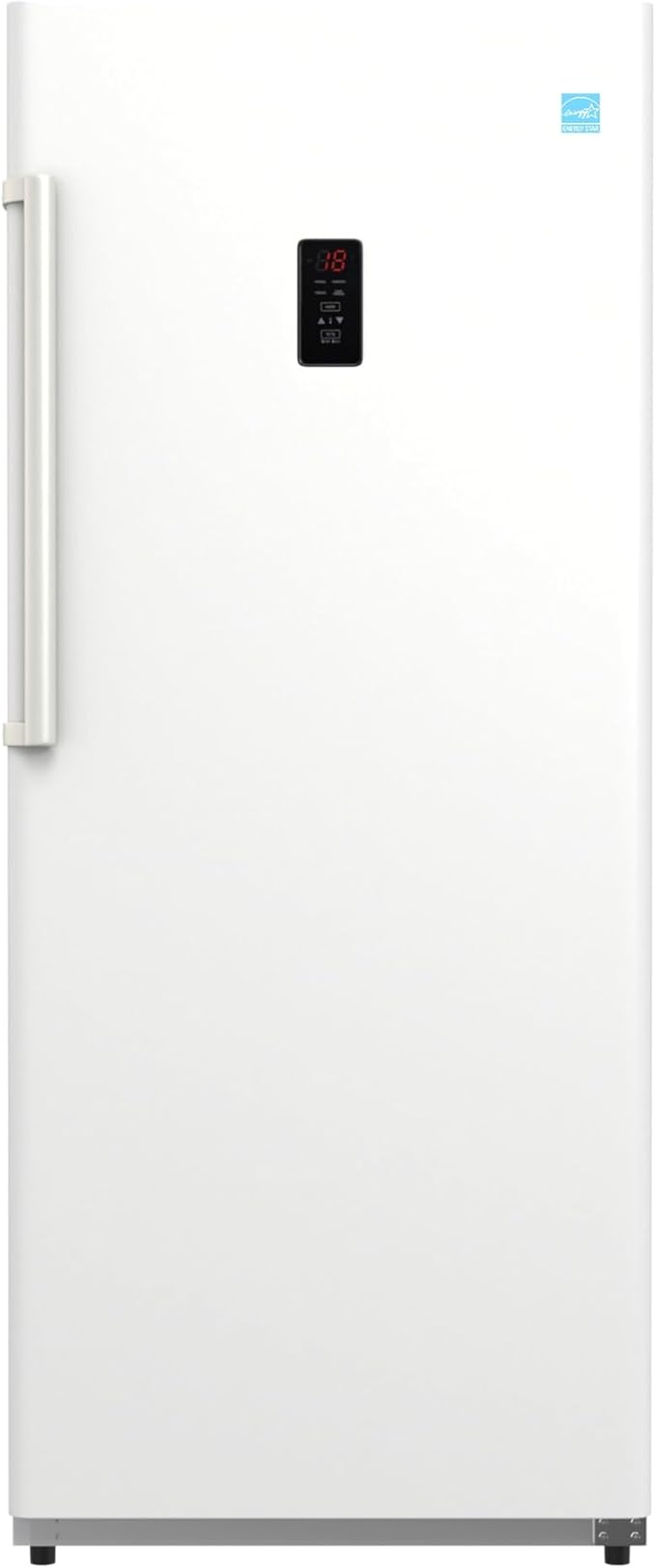
When it comes to choosing the right freezer for your needs, there are various options to consider. Two popular choices are drawer freezers and undercounter freezers. Understanding the differences between these two types can help you make an informed decision.
Drawer Freezer Overview
Drawer freezers are designed with multiple drawers that slide out, providing easy access to your frozen items. They are often integrated into kitchen cabinetry, offering a seamless look. Drawer freezers are known for their convenience and organization, allowing you to categorize and store food items efficiently.
Key Features:
Multiple Drawers: Typically, drawer freezers come with two or more drawers.
Ease of Access: Drawers slide out smoothly, making it easy to reach items.
Space-Saving Design: Integrated into cabinetry, they save kitchen space.
Temperature Control: Individual drawers often have separate temperature settings.
Feature
Description
Number of Drawers
2-4
Average Capacity
3-7 cubic feet
Temperature Zones
2-3
For more information, you can explore Fridge.com guide on upper right freezer.
Undercounter Freezer Overview
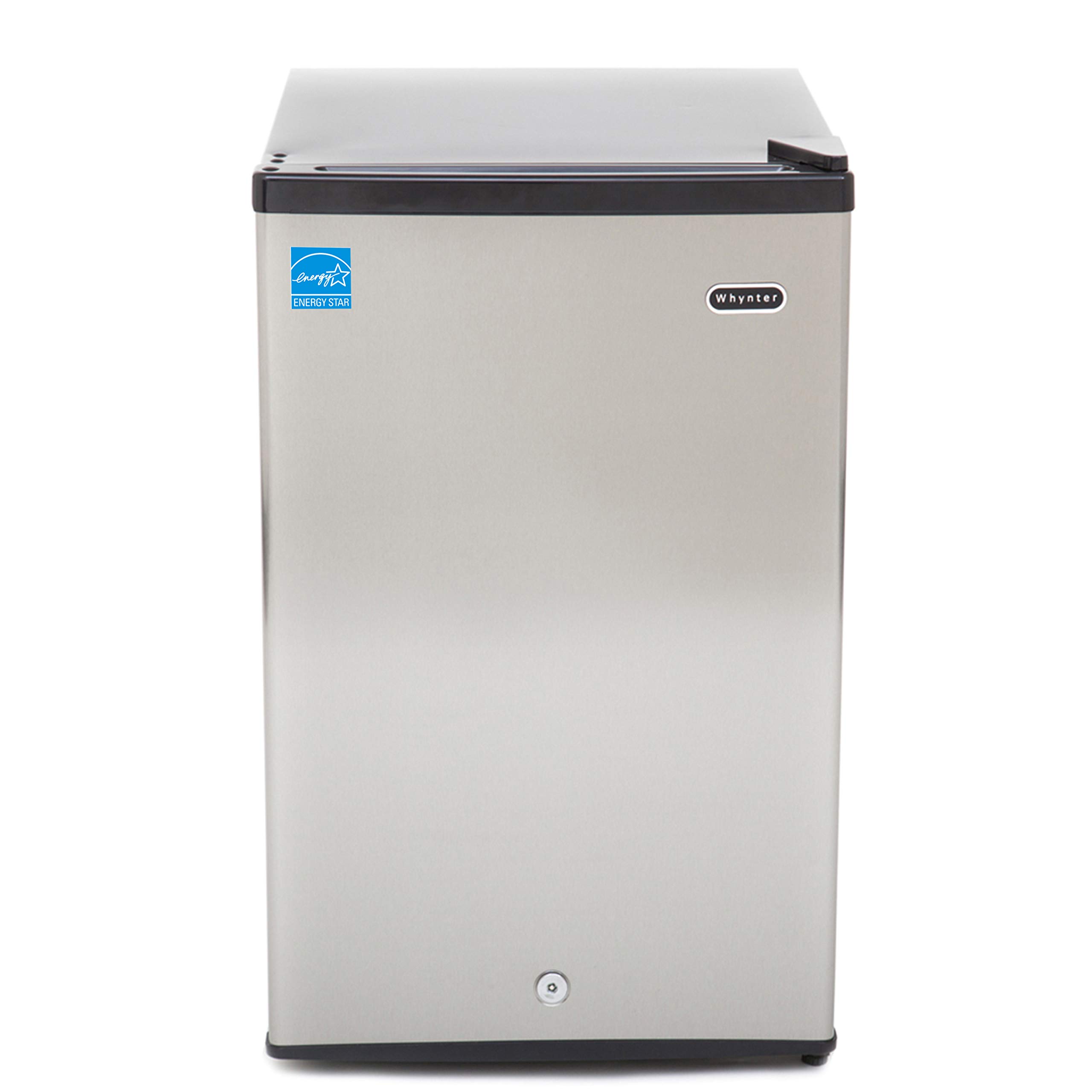
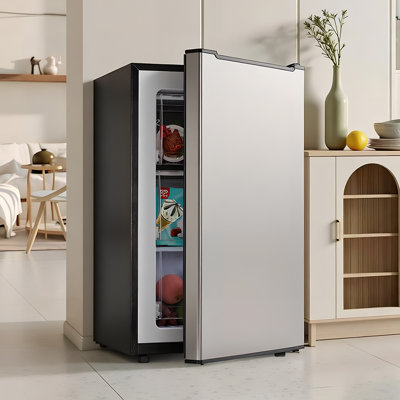
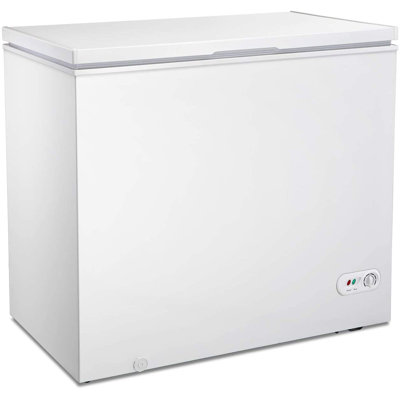
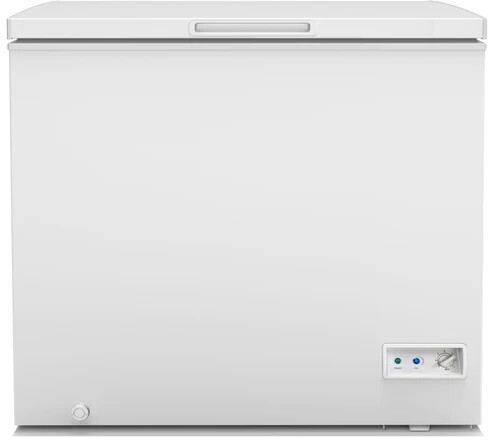
Undercounter freezers are compact units designed to fit under kitchen counters or islands. They are ideal for maximizing space in smaller kitchens, apartments, or offices. These freezers provide ample storage without taking up too much room, making them a popular choice for those with limited space.
Key Features:
Compact Size: Fits under counters, saving floor space.
Single Compartment: Usually consists of one main compartment with shelves.
Versatility: Can be used in various settings, including kitchens, offices, and bars.
Energy Efficiency: Often designed to be energy-efficient.
Both drawer freezers and undercounter freezers offer unique benefits and features, catering to different needs and preferences. Understanding these options will help you make the best choice for your kitchen or other spaces.
Understanding the functionality and design of drawer freezers and undercounter freezers can help you decide which option best suits your needs. Both types offer unique features that cater to different storage requirements and preferences.
Drawer Freezer Features
Drawer freezers are designed for convenient access and organization. They typically feature pull-out drawers that allow you to easily see and reach your stored items. Here are some key features of drawer freezers:
Multiple Drawers: Drawer freezers often come with multiple drawers, providing separate compartments for organizing different types of food.
Temperature Control: Many drawer freezers have individual temperature controls for each drawer, allowing you to adjust the temperature based on the type of food stored.
Compact Design: Drawer freezers are designed to fit into tight spaces, making them ideal for apartments, condos, and small kitchens.
Ease of Access: The pull-out drawer design allows for easy access to all items, reducing the need to bend down or reach deep into the freezer.
Feature
Description
Drawers
Multiple pull-out drawers for organization
Temperature Control
Individual controls for each drawer
Design
Compact and space-saving
Access
Easy access to stored items
Undercounter Freezer Features
Undercounter freezers are designed to fit seamlessly under kitchen counters, providing additional freezer space without taking up much room. They are ideal for those who need extra freezer capacity but have limited space. Key features of undercounter freezers include:
Built-In Design: Undercounter freezers are designed to fit under standard kitchen counters, providing a built-in look.
Storage Capacity: These freezers offer ample storage space for their size, making them suitable for both residential and commercial use.
Temperature Control: Most undercounter freezers come with adjustable temperature settings to ensure optimal storage conditions.
Durable Construction: Undercounter freezers are often built with sturdy materials to withstand frequent use.
Feature
Description
Design
Built-in to fit under counters
Storage Capacity
Ample space for a compact unit
Temperature Control
Adjustable settings for optimal storage
Construction
Durable and sturdy materials
When comparing drawer freezers and undercounter freezers, consider how each design meets your specific needs for space, accessibility, and storage capacity. For more information on similar appliances, check out Fridge.com articles on portable coolers AC/DC and mini freezer Vs. undercounter refrigerator.
When deciding between a drawer freezer and an undercounter freezer, understanding the space considerations is crucial. Each type of freezer has unique placement requirements that can impact your decision based on your home's layout and available space.
Drawer Freezer Placement
Drawer freezers are designed to be integrated seamlessly into your cabinetry. They offer a sleek and modern look, making them a popular choice for kitchens with a minimalist design. These freezers typically require sufficient depth within the cabinet structure to accommodate the drawers.
Placement Factor
Drawer Freezer
Installation
Built-in under countertops
Depth
Standard cabinet depth (24 inches)
Accessibility
Easy pull-out drawers
Space Efficiency
High, blends into cabinetry
Ideal Locations
Kitchen, island, pantry
Drawer freezers are often placed in kitchens where space is at a premium, and a clean, cohesive look is desired. They can also be installed in kitchen islands, providing easy access to frozen goods while cooking or entertaining. For more kitchen cooling solutions, explore Fridge.com article on the best fridge for national junk food day.
Undercounter Freezer Placement
Undercounter freezers, as the name suggests, are installed beneath countertops. These freezers can be standalone units or integrated into cabinetry, depending on your preference and space availability. They are generally more flexible in placement compared to drawer freezers.
Placement Factor
Undercounter Freezer
Installation
Freestanding or built-in
Depth
Standard appliance depth (24-30 inches)
Accessibility
Front-opening door
Space Efficiency
Moderate, requires clearance for door swing
Ideal Locations
Kitchen, bar area, garage, office
Undercounter freezers are versatile and can be installed in various locations, including kitchens, bar areas, and even garages or offices for additional storage. They are particularly useful in spaces where a full-sized freezer would be impractical. For more information on versatile cooling solutions, check out Fridge.com comparison of mini freezer Vs. undercounter refrigerator.
Understanding the placement and space requirements of drawer freezers and undercounter freezers can help you make an informed decision based on your specific needs and available space. Whether you prioritize a seamless kitchen design or versatile placement options, each type of freezer offers unique benefits to suit different environments.
When deciding between a drawer freezer and an undercounter freezer, understanding the advantages of each type can help you make an informed decision based on your specific needs.
Advantages of Drawer Freezers
Drawer freezers offer a unique design and functionality that cater to various household settings. Below are some key benefits of choosing a drawer freezer:
Easy Organization: The drawer design allows you to organize your frozen items efficiently, promoting better visibility and accessibility.
Space-Saving: These freezers can be installed in tight spaces, making them ideal for small kitchens, apartments, and condos.
Ergonomic Design: The pull-out drawer mechanism reduces the need for bending and reaching, providing easier access to stored items.
Flexible Installation: Drawer freezers can be incorporated into cabinetry or kitchen islands, offering a seamless look.
Temperature Control: Many drawer freezers come with adjustable temperature settings, allowing you to customize the environment to suit different food items.
Advantages of Undercounter Freezers
Undercounter freezers are another popular option, especially for those looking to maximize space and functionality. Here are some of the benefits of undercounter freezers:
Compact Size: These freezers fit neatly under countertops, making them suitable for kitchens with limited space.
Aesthetic Appeal: Their sleek design and ability to blend with existing cabinetry make them an attractive choice for modern kitchens.
Versatility: They can be used in various settings, such as garages, offices, or outdoor kitchens, providing additional storage without occupying much space.
Energy Efficiency: Many undercounter freezers are designed to be energy-efficient, helping you save on electricity bills.
Convenient Access: The undercounter position allows for easy access to frozen goods without the need to reach high shelves or bend down frequently.
Feature
Drawer Freezer
Undercounter Freezer
Easy Organization
Yes
No
Space-Saving
Yes
Yes
Ergonomic Design
Yes
No
Flexible Installation
Yes
Yes
Temperature Control
Yes
Yes
Compact Size
No
Yes
Aesthetic Appeal
Yes
Yes
Versatility
Yes
Yes
Convenient Access
Yes
Yes
Understanding the pros and cons of drawer freezers and undercounter freezers can help you determine which type best meets your needs. For more information on optimizing your kitchen space and choosing the right appliances, explore Fridge.com articles on mini freezer Vs. undercounter refrigerator and ways to decorate a mini fridge.
Suitability for Your Needs
When deciding between a drawer freezer and an undercounter freezer, it's important to consider your specific needs and preferences. Each type of freezer offers unique benefits and may be better suited for different situations.
Choosing Between Drawer and Undercounter Freezers
Selecting the right freezer for your needs involves understanding the key differences between drawer freezers and undercounter freezers. Here are some factors to help you make an informed decision:
Accessibility: Drawer freezers offer easy access to frozen items without having to bend down. Undercounter freezers may require more bending, but they can be more convenient for larger kitchens or spaces where counter space is at a premium.
Storage Capacity: Drawer freezers typically have multiple compartments, making it easier to organize and access your items. Undercounter freezers may offer more overall storage space but can be less organized.
Space Utilization: Drawer freezers are ideal for tight spaces where a traditional freezer might not fit. Undercounter freezers, on the other hand, can be integrated seamlessly into your kitchen cabinetry.
Factors to Consider Before Making a Decision
Before you make your final decision, consider the following factors:
Kitchen Layout: Think about the layout of your kitchen or the space where you plan to place the freezer. Drawer freezers are great for small kitchens or where you need easy access. Undercounter freezers work well in larger kitchens with ample counter space.
Usage Frequency: If you frequently access frozen items, a drawer freezer may be more convenient. For less frequent use, an undercounter freezer might suffice.
Energy Efficiency: Both types of freezers can be energy efficient, but it's essential to check the energy ratings and compare them.
Budget: Consider your budget and compare the cost of drawer freezers versus undercounter freezers. Keep in mind that additional features and technology can affect the price.
Aesthetics: Think about the overall look you want to achieve in your kitchen. Drawer freezers can blend in seamlessly with your cabinetry, while undercounter freezers may be more noticeable.
Here's a quick comparison table to help you evaluate the key factors:
Feature
Drawer Freezer
Undercounter Freezer
Accessibility
High
Moderate
Storage Capacity
Organized
Larger
Space Utilization
Compact
Requires More Space
Budget
Moderate to High
Low to Moderate
By weighing these factors, you can determine which type of freezer best suits your needs. For more information on freezer placement and additional tips, check out Fridge.com articles on mini freezer Vs. undercounter refrigerator and bar fridge Vs. dry age fridge.
Proper maintenance and care of your freezer are essential to ensure its efficiency and longevity. Here, Fridge.com outlines the cleaning and maintenance tips for both drawer freezers and undercounter freezers.
Cleaning and Maintenance Tips for Drawer Freezers
Maintaining a drawer freezer involves regular cleaning and occasional checks to ensure everything is functioning correctly. Here’s a list of steps to help you keep your drawer freezer in peak condition:
Cleaning Steps:
Unplug the Freezer: Always unplug the appliance before cleaning to ensure safety.
Remove Contents: Take out all the food items and place them in a temporary cooler.
Defrost: If there is any ice buildup, allow the freezer to defrost. This step may not be necessary for frost-free models.
Clean Drawers: Remove the drawers and wash them with warm, soapy water. Rinse and dry them thoroughly.
Wipe the Interior: Use a mixture of baking soda and water to wipe down the interior surfaces. This helps to neutralize any odors.
Clean the Exterior: Wipe down the exterior with a damp cloth. Pay special attention to the door seals, ensuring they are free from food particles and grime.
Maintenance Tips:
Check Seals: Inspect the door seals regularly to ensure they are intact and sealing properly.
Temperature Control: Periodically check the temperature settings to ensure they are optimal. For more on temperature settings, visit Fridge.com article on fridge at 60 degrees.
Inspect Drawers: Ensure the drawers are sliding smoothly and are not cracked or damaged.
Cleaning and Maintenance Tips for Undercounter Freezers
Undercounter freezers also require regular cleaning and maintenance to function efficiently. Here’s how to keep your undercounter freezer in top shape:
Cleaning Steps:
Unplug the Freezer: Always unplug the appliance before starting the cleaning process.
Remove Items: Take out all the stored items and place them in a temporary cooler.
Defrost: Allow the freezer to defrost if there is ice buildup. This step may not be necessary for frost-free models.
Clean Shelves and Bins: Remove any shelves or bins and wash them with warm, soapy water. Rinse and dry them thoroughly.
Wipe the Interior: Use a solution of baking soda and water to clean the interior surfaces. This helps to eliminate any lingering odors.
Clean the Exterior: Wipe down the exterior with a damp cloth, focusing on the door seals to ensure they are free from food debris and grime.
Maintenance Tips:
Check Seals: Regularly inspect the door seals to ensure they are providing a proper airtight seal.
Temperature Settings: Monitor the temperature settings periodically to ensure optimal freezing conditions. More details on temperature settings can be found in Fridge.com article on mini freezer Vs. undercounter refrigerator.
Inspect Components: Check that the shelves and bins are in good condition and securely in place.
By following these cleaning and maintenance tips, you can extend the life of your freezer and keep it running efficiently. For more tips on maintaining your appliances, visit Fridge.com articles on best fridge for national junk food day and best fridge for national all or nothing day.
Compare prices on Fridge.com
Compare current prices and specifications on Fridge.com, then buy from the retailer you choose; delivery, installation and warranty terms are the retailer’s.
It also has tons of awesome articles about kitchen stuff and home news. Enhance your home, garage, backyard, patio, and office with the coolest essentials. With every necessary type of residential refrigerator or freezer in the collection, you're covered.
Free tool
Food Storage Calculator
Free interactive tool from Fridge.com — get a quick answer while you read.