Stashing your citrus the right way is key to keeping that zingy taste and all those good-for-you vitamins. A little care slows down the rot clock, making sure your lemons, oranges, and grapefruits don't turn mushy too soon. These fruits are finicky about their environment, so a slip-up can mean they'll end up less tasty and more, well, blah.
Here's the scoop on smart citrus storage:
Longer Life: Keep 'em right, and they'll hang around for weeks.
Flavor Fiesta: Freshness means a juicy burst of flavor with every bite.
Nutrient Hold-Up: Stores those vitamins where they belong—inside the fruit!
Common Mistakes to Avoid
When it comes to stashing your citrus stash, watch out for these slip-ups. Steer clear of these common traps to make sure every slice stays tasty and fresh:
Mistake
What's Wrong
A Better Bet
Avoiding the Fridge
Room temp = speedy rotten town.
Pop your citrus in the cold zone to keep it crisp.
Improper Packaging
Plastic bags = moisture party and mold.
Go for mesh or holes—a bit of breathing room.
Ignoring Contamination
Unwashed fruits might invite their grubby pals.
Clean those bad boys before chill time.
Mixing Varieties
They spoil at different speeds.
Keep lemons with lemons for a longer shelf life.
Dodge these blunders, and your citrus will keep its pep far longer. Want more on how to get the best from your fridge? Check out how long can a fridge be off before it goes bad? for tips on maximizing your storage power.
Keep your citrus in tip-top shape with a little bit of prep work. Washing and drying might seem like no-brainers, but doing it right keeps the good stuff fresh and tasty in your fridge. Here's the lowdown:
Washing Your Citrus
Giving your citrus a good wash is like armor against dirt, pesticides, and mold. Follow this easy routine to get your citrus squeaky clean:
Let the water flow: Rinse each citrus fruit under cool, running water.
Brush it up: If there's grime that won't quit, grab a soft brush and gently scrub it away.
Ditch the soap: Soap and citrus are a no-go. It can leave behind weird stuff that messes with the flavor.
Give a good rinse: Make sure to wash off every last bit from your citrus.
Drying Your Citrus
After their little bath, your citrus pals need to dry off to avoid getting moldy. Here's how to do it right:
Pat them dry: Gently dry each piece with a clean cloth or paper towel until moisture's gone.
Air out a bit: If they're still wet, lay them on a rack or paper towel and give them a few minutes to dry off.
Step
Task
Duration
1
Rinse under cool water
1-2 minutes
2
Scrub with a soft brush
1-2 minutes
3
Pat dry with a cloth
2-3 minutes
4
Air dry (if necessary)
5-10 minutes
These quick steps make sure your citrus is set for the fridge. Properly cleaned and dried, your citrus stays fresh, tasty, and ready for all your yummy recipes. Want extra tips on storing citrus? Take a look at Fridge.com article on how to fridge store citrus for lasting flavor.
Got a bunch of citrus fruits you're itching to keep fresh and zesty? Here's the lowdown on how to store 'em in the fridge so they don't lose their mojo.
Choosing the Right Storage Container
Picking the right storage container can be a game-changer. Here's the scoop on the best ways to stash those oranges, lemons, and limes:
Container Type
Features
Notes
Produce Bags
Breathable material
Lets citrus breathe; don't pack 'em in tight
Plastic Containers
Airtight seal
Keeps things moist, but don't overdo it or they'll get grotty
Glass Jars
No funky chemicals
Perfect for sliced fruit; keeps it fresh and tight
Choose something that lets your citrus breathe a bit but protects them from getting soggy. If you go with plastic bags, give 'em space to avoid squishing.
Ideal Placement in the Fridge
Where you put your citrus in the fridge matters more than you might think. Here's a quick guide on the sweet spots:
Fridge Area
Ideal for Citrus
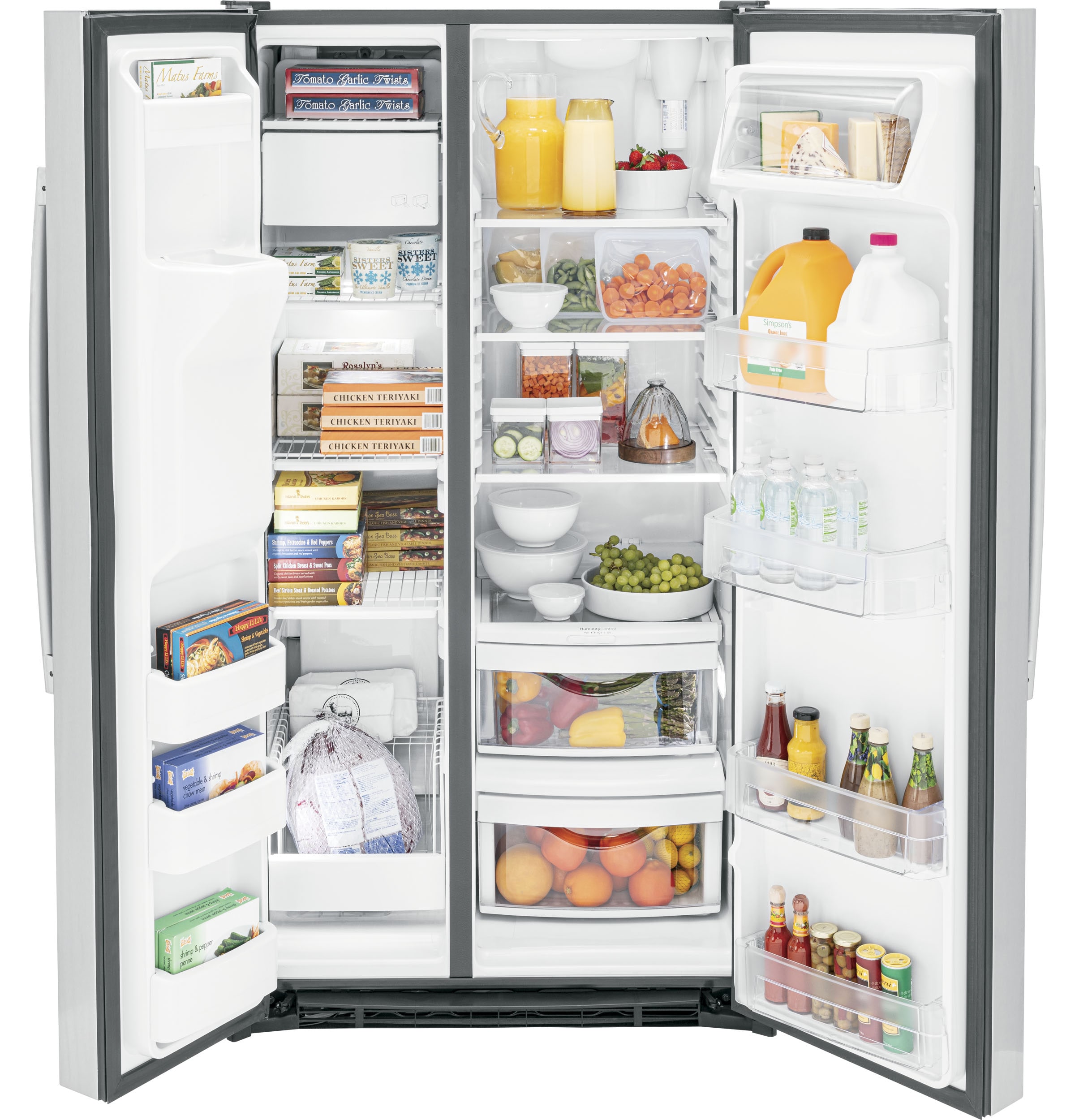
Crisper Drawer
The go-to spot; keeps things humid without the sogginess
Middle Shelf
Works for whole fruits, but not as good as the crisper
Door Shelves
A no-go; temp changes can mess up your citrus vibe
Tuck your citrus in the crisper drawer for the win. It keeps humidity in check and protects from those sneaky temperature swings that happen in the door.
Keeping citrus fruits fresh is simpler than you think. Let’s break it down on how you can keep that zesty goodness going longer.
Proper Humidity Levels
When it comes to making citrus last, your fridge’s humidity is where the magic happens. Citrus is kinda like Goldilocks—they want their environment just right. Aim for an 85% to 95% humidity level. Not too dry, not too soggy—just perfect for avoiding those shriveled oranges of doom and keeping mold at bay.
Check out this quick cheat sheet on humidity levels for citrus storage:
Storage Spot
Sweet Spot Humidity
Fridge Shelf
85% - 95%
Closed Container
70% - 80% (also not bad)
Got a humidity-controlled crisper drawer? It’s like a spa day for your citrus, helping them stay plump and tasty.
Checking for Spoilage
Peek at your citrus regularly—think of it as a little TLC. Here’s what you don’t want to find:
Feeling Squishy: If your citrus is one squeeze away from juice, it’s time to toss it.
Color Change: Spot any funky dark blotches or a faded skin? Yep, might be bad news.
Mold Alert: Check the surface for any suspicious fuzz.
Nasty Whiff: If it stinks like a fruit gone wrong, that’s your hint.
If you’re scratching your head over how long citrus typically holds up in the fridge, here’s a guideline to keep handy:
Citrus Type
Fridge Lifespan
Oranges
1-2 weeks
Lemons
1-2 weeks
Limes
1-2 weeks
Grapefruits
1-2 weeks
Keep your citrus stored right, and you’ll squeeze every bit of freshness out of them. Want more on keeping citrus flavorful for long? Pop over to Fridge.com nifty article on how to fridge store citrus for lasting flavor.
Reviving Citrus
Hey there, tangy treat lover! Got a few shriveled citrus fruits on the counter? No worries, they're not beyond saving. Let's bring those zesty friends back from the brink with some quick fixes and hacks. Here’s how you can get them juicy again and turn them into something wonderful.
Rejuvenating Dried Out Citrus
Crunchy oranges or lemons? A little CPR (Citrus Preservation Revival, if you will) can do wonders. Here’s what you need to know:
Soaking Method
Plop your citrus into a bowl of warm water, letting them take a nice little bath for around 10–15 minutes. Give them some time to soak in that moisture and feel juicy again.
Juicing
Got a shriveled fruit that doesn't quite make the cut for eating? Squeeze out whatever juice you can! It might be just perfect to splash into your drinks or dishes and keep that citrusy kick alive.
Microwave Method
Pop them in the microwave for a quick 10-second zap. Think of it like a warm-up stretch—it gets them soft and ready without turning them into citrus rocks! Just don’t go overboard.
Method
Time Required
Result
Soaking
10-15 minutes
Juice boost
Juicing
Varies
Extraction heaven
Microwave
10 seconds
Soft and supple
Tips for Using Near-Expired Citrus
Squeezy friends almost saying goodbye? Before they hit the trash, here’s how to give them a second act:
Citrus Infusions
Slide them into water or tea, and voila—a splash of citrusy freshness! Find out more in Fridge.com Citrus Infusions guide.
Flavoring Dishes
Zest it up! Even the marginally dried fruit can still perform magic in marinades, dressings, or sauces. Add some zing to your cooking!
Baking
Get your bake on! Lemon muffins or orange cakes benefit hugely from citrus zest and juice. That unused orange is the surprise hero of your baking.
Frozen Treats
Juice + ice tray = citrus ice cubes. Perfect for jazzing up your soda or making fun popsicles for the kids (or yourself, we don’t judge).
Saving those citrus soldiers not only beats waste but also amps up meals and drinks. Curious about keeping them fresh from day one? Check out Fridge.com piece on how to fridge store citrus for lasting flavor. Enjoy!
Getting the best from your citrus can sprinkle life into meals and drinks. Wanna know how to keep 'em fresh and funky? Let’s spill the beans on some handy tricks that'll jazz up your kitchen game.
Citrus Infusions
Citrus infusions will crank up those bland waters, teas, or cocktails. Here’s how you whip up some killer infused drinks:
Pick Your Citrus: Grab your trusty oranges, lemons, limes, or grapefruits—whatever floats your boat.
Chop ‘Em Up: Give 'em a wash, then slice into thin rounds or wedges.
Flavor It Up: Toss the slices into a pitcher, fill it with water or whatever drink suits your fancy.
Chill Out: Let it hang out in the fridge for a couple of hours—overnight for a flavor boost!
Voila! You’ve got yourself a refresher perfect for get-togethers or just keeping hydrated. Remember, guzzle it down within a few days, while it's still minty-fresh.
Citrus Type
Infusion Time
Best For
Lemon
1-2 hours
Water, tea
Lime
2-4 hours
Cocktails
Orange
Overnight
Smoothies
Grapefruit
4 hours
Water
Freezing Citrus Juice
Wanna keep citrus juice on tap for cooking or baking? Here’s the freeze-down low:
Squeeze It Out: Get all juicy with your citrus into a bowl.
Ice Cube Magician: Pour it into ice cube trays, three-quarters full.
Lock it in: Freeze until solid.
Bag 'Em Up: Pop 'em out and toss into a labeled freezer-safe bag or box. Note the date and citrus type.
Now you've just gotta grab a cube when the recipe calls for it, no waste, no fuss. Peek into Fridge.com fridge off guide to learn more about freezing good stuff.
Citrus Type
Juice Yield (per fruit)
Freezer Life
Lemon
2-3 tablespoons
3-6 months
Lime
2 tablespoons
4-6 months
Orange
1/4 cup
6-12 months
Grapefruit
1/4 cup
6-12 months
These nifty tricks mean always having citrusy goodness by your side, saving you from tossing precious fruit. Dive into these ideas to waste less and keep those flavor bombs ready to roll.
Free tool
Food Storage Calculator
Free interactive tool from Fridge.com — get a quick answer while you read.