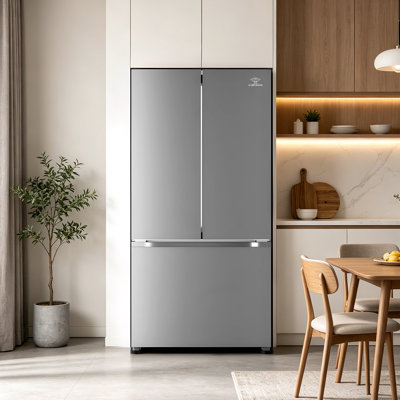
The Importance of a Functioning Fridge
Understanding the Role of Your Fridge
Think of your fridge like the VIP of your kitchen crew, tirelessly keeping your food safe and fresh. It's got one big job: slow down those sneaky bacteria that love to spoil our goodies. Stuff like milk, meats, fruits, and veggies stay their best when nestled in its chilly hug. Knowing its ins and outs means you can make sure it's firing on all cylinders.
| Temperature Zone | Ideal Temperature (°F) | Food Types |
|---|---|---|
| Freezer | 0 | Frozen meats, veggies, ice cream |
| Refrigerator | 32-40 | Dairy, meats, leftovers, fruits, veggies |
Why a Working Fridge Matters
Let's chat about why a buzzing fridge is more than just nice to have:
-
Food Safety: A reliable fridge is like your food's bodyguard, standing watch to keep it at safe temps. Once the fridge fails, food can hit danger zones quicker than a cat on catnip, paving the road to spoilville.
-
Cost Efficiency: Losing food to spoilage is like throwing cash straight in the trash. A sharp fridge means less waste and more savings for your pocket.
-
Convenience: A well-organized fridge evens out your meal prep game. Forget scrambling through a wonky setup; your next meal's ingredients are right where you left them—no sudden grocery runs interrupting dinner plans.
-
Longer Food Shelf Life: Keeping your fridge humming along means your food sticks around longer, saving you time and effort. It's like having an extra week on your bread's calendar.
In case your fridge decides to take a vacation, it's good to know how long your food can party without cooling support. Check out handy insights on how long can a fridge be off before it goes bad?.
Factors Affecting Food Spoilage
The inside workings of your fridge are like a superhero for your groceries. But when the power takes a nap, you've got some thinking to do if you want dinner to still taste good.
Temperature Control in Your Fridge
Your fridge isn't just a box that hums—it’s magic lies in keeping things chill at around 32°F to 40°F. This frosty zone takes on those pesky bacteria, helping your grub stay fantastic much longer. But hey, if the power goes on a holiday, guess what? That temperature can jump up faster than your heart when you misplace your phone. It's a good idea to keep an eye on it when things go dark.
Here's a little cheat sheet for how cold different munchies need to be:
| Food Type | Safe Temperature Range |
|---|---|
| Meat and Poultry | 32°F to 40°F |
| Dairy Products | 32°F to 40°F |
| Vegetables | 32°F to 40°F |
| Leftovers | 32°F to 40°F |
When your refrigerator decides to take a break, keeping tabs on how warm it gets inside helps know what’s still good to eat.
The Impact of Food Temperature Fluctuations
Too many mood swings in your fridge’s temp can send your food on the fast track to funky town. When it creeps above 40°F, bacteria decide it's party time, which isn't exactly a bash you wanna join.
Risk Levels for Food Going Bad:
| Duration Without Power | Risk Level |
|---|---|
| Up to 4 hours | Still got a chance |
| 4 to 6 hours | Spoilage’s coming for ya |
| 6 hours or more | Say adios to edible eats |
Peep your food for changes in look, touch, or smell—if it's feeling off, probably best to say goodbye. Need more tips? Check out our piece on how long can you leave cooked foods unrefrigerated?.
Knowing how your fridge works and what happens when it glitches means you can save your food from waste and keep yourself munching happily.
How Long Can Your Fridge Be Off?
Wondering how long your fridge can sit silent before your grub starts to go bad? Let's cut to the chase to keep your family's meals safe and sound.
Duration Before Food Spoils
Rule of thumb: Don't let perishable eats loiter without cooling for over two hours, or you're cruising for a spoilage bruising. When that fridge goes kaput, how long your goodies stay safe boils down to the room vibes and what's chilling inside. Here's a nifty chart to eyeball how different foods hold up without fridge power:
| Food Type | Safe Duration Without Power |
|---|---|
| Dairy Products | 1-2 hours |
| Meat and Poultry | 1-2 hours |
| Fish | 1-2 hours |
| Eggs | 2 hours |
| Fruits and Vegetables | 2-3 hours |
| Condiments | 1 month |
Heads up, if it feels like a slow roast over 90°F, slice those times in half—it ain't friendly to your food.
Signs That Food Has Gone Bad
Want to sniff out if your food's gone rogue? Catch these telltale signs that your chow’s doing the spoilage shuffle:
Visual Signs
- Color Shift: Watch out for weird hues in your meats or veggies.
- Mold Alert: Spot any fuzzies? Time to ditch it, fast.
Smell
- Funky Odor: If it smells sour or just plain yucky, it’s a get-out-of-my-fridge card.
Texture
- Slime Factor: If your hands meet slimy meats or veggies, it’s game over.
Curious about how long you can park cooked food out of the fridge? Dive into our deep dive on leaving cooked food unrefrigerated.
Stick to these pointers, and you'll be the boss of your food's safety during those unexpected cooling crashes.
Steps to Take When Your Fridge Is Off
When your fridge decides to take a break, don't panic. Here's how you can quickly step in to save your food from turning into science experiments.
Temporary Measures to Preserve Food
-
Keep the Door Closed
Rule number one: don't tempt fate by opening that door! Keeping it shut keeps the cold in and your food chilly for longer. If it's stocked up, even better. A full fridge hangs onto the cold like it's its job, which, let's face it, it kinda is. -
Use Ice
Think your fridge will be on vacation for a while? Arm yourself with ice packs or just bags of ice. Nestle them inside to keep things cool as a cucumber. -
Group Similar Items Together
It's like a buddy system for your groceries. Let similar items hang out tight — dairy next to dairy, meats next to meats. They'll chill together, literally, which helps maintain a steady coolness. -
Transfer Essential Items to a Cooler
For stuff that's at risk of turning on you, shove them into a cooler packed with ice. We're talking your dairy, meats, and anything you've slaved over on the stove.
Inspection and Cleaning Tips
Once the lights and chilling action return, it's check-up time for your fridge and its contents. Here's how to do it:
-
Check Food for Spoilage
Go through everything like a detective on a mission. Anything that smells funky, looks different, or was holidaying above 40°F for more than a couple of hours needs to go.

| Food Item | Storage Time Off Fridge | Safe To Consume? |
|---|---|---|
| Dairy Products (milk, cheese) | 1 - 2 hours | Yes, if still cool |
| Meats (fresh, poultry) | 1 - 2 hours | No |
| Leftovers | 2 - 4 hours | No |
| Eggs | 1 - 2 hours | Yes, if still cool |
| Condiments (mustard, ketchup) | 1 - 2 hours | Yes |
-
Clean Spills and Residue
Had any unexpected science projects in there? Clean it up. Mix warm water with a bit of soap, and give the shelves and surfaces a good wipe down. -

Check the Temperature Settings
Double-check those temperature settings have got your back. Aim for a chill 37°F in there once everything's up and running again.

For more saucy details on keeping your fridge and food safe and sound, check our article on how long your fridge can chill without power here.
Seeking Professional Help
When to Call a Technician
Sometimes, your fridge is just being a drama queen and needs a pro to step in. Here's when you should definitely pick up the phone:
- Your fridge won't chill out even after you restart it.
- It's making odd noises like a beatbox gone wrong.
- You spot leaks or any suspicious marks that scream danger.
- There's a funky smell lingering no matter how much you scrub.
These signs are like your fridge waving the "Help me!" flag—suggesting it's time for a professional look-see. While you might tackle minor stuff with a little elbow grease, sometimes it’s best to let the experts take over for safety and top performance.
Maintenance Tips to Prevent Future Incidents
Keep your trusty fridge running like a champ and avoid unwanted surprises. Here’s your to-do list:
| Maintenance Task | How Often | What to Do |
|---|---|---|
| Clean those coils | Every 6 months | Dust loves these like teenagers love Wi-Fi. Keep them free from gunk to stop overheating. |
| Check door seals | Monthly | Look for any cracks or tears. A snug seal keeps your cool air where it belongs. |
| Sort your food | As needed | Don’t jam-pack it. Let the air dance around so things stay chilled. |
| Watch the temps | Monthly | Keep it at 37°F (3°C) for the fridge and 0°F (-18°C) for the freezer. No frozen lettuce allowed! |
| Get a pro check-up | Annually | Have a tech give it a health check to catch hiccups before they develop into big issues. |
Stick to these easy habits and your fridge will be your kitchen buddy for years to come. If you're on the hunt for a new one, peek at our refrigerator for sale section where you'll find lots of cool styles and sizes!