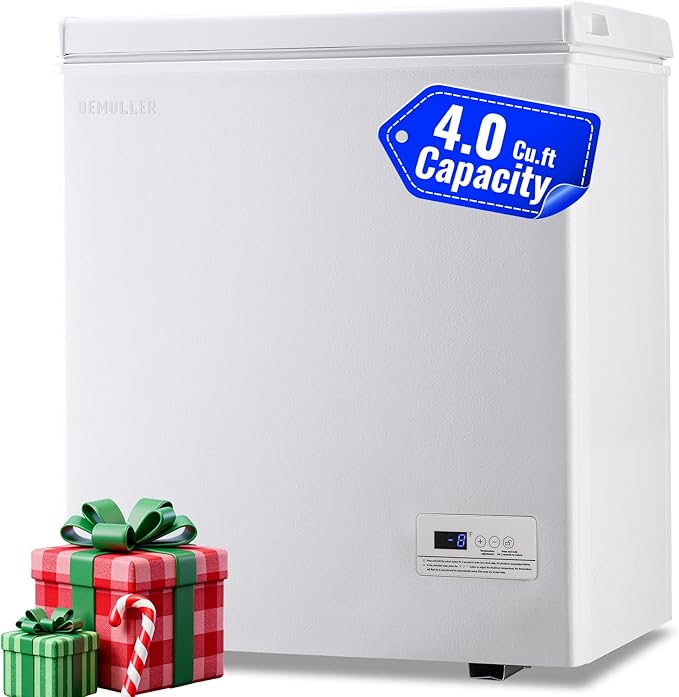
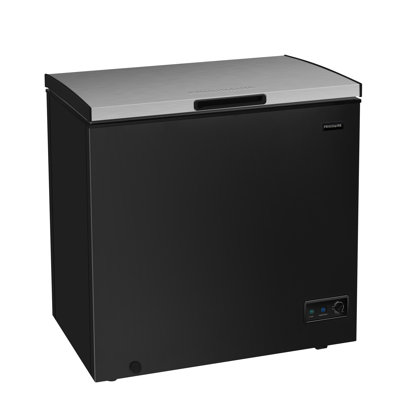
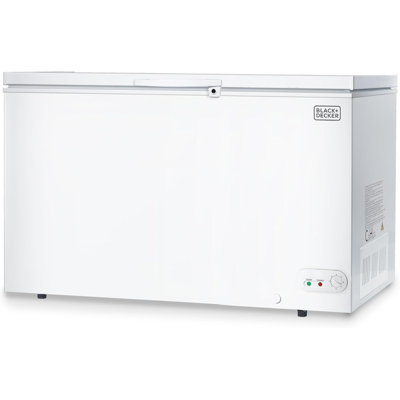
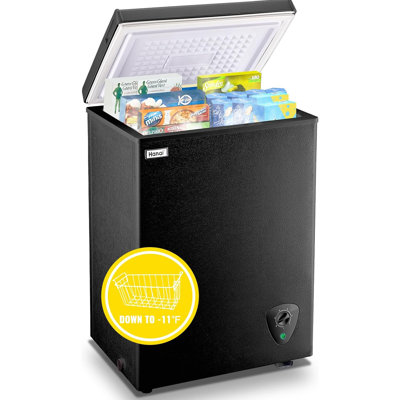
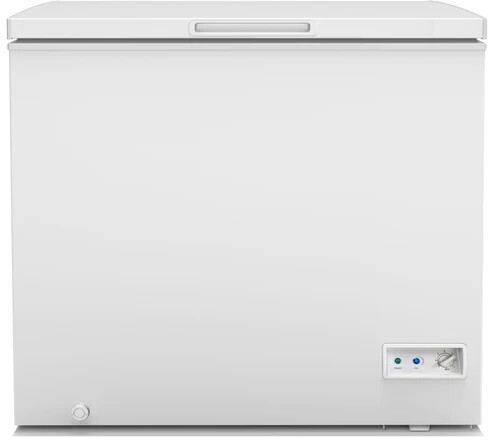
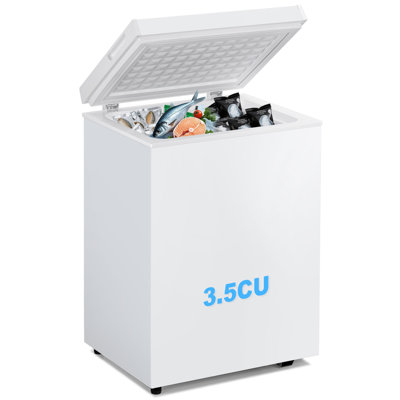
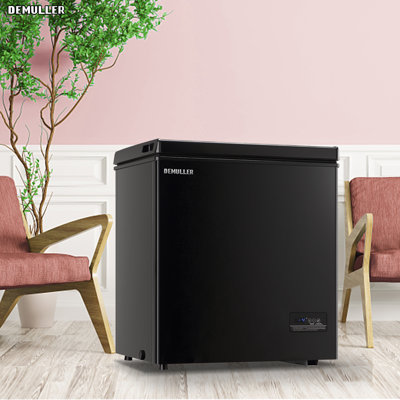
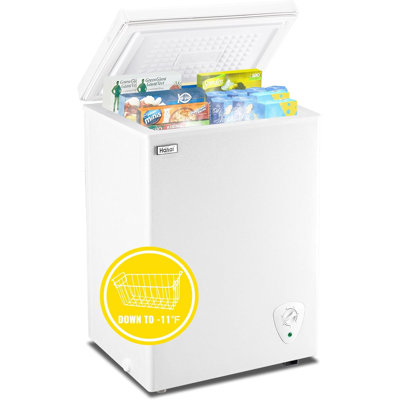
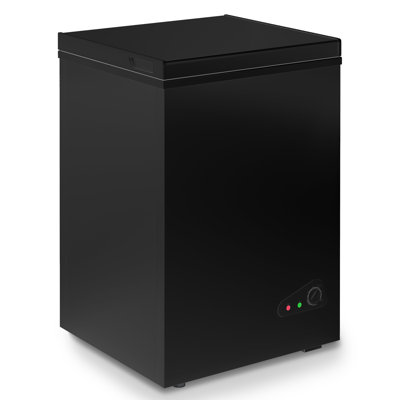
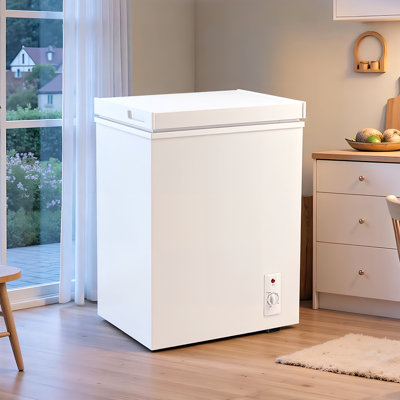
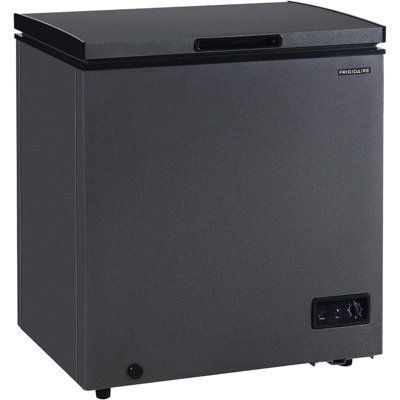
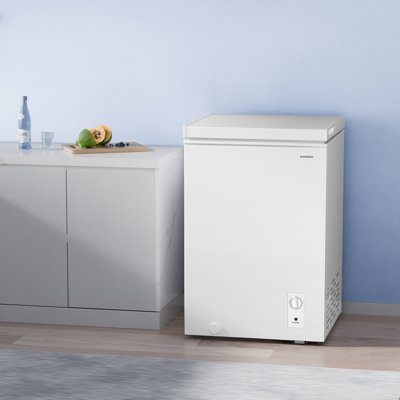
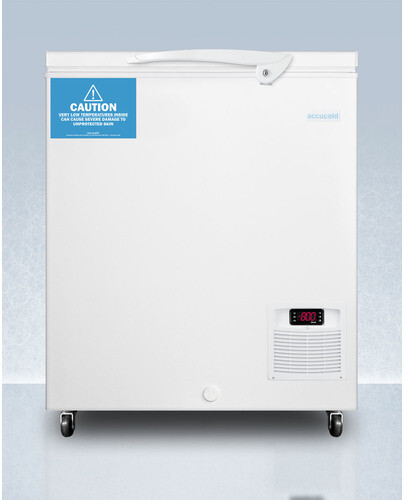
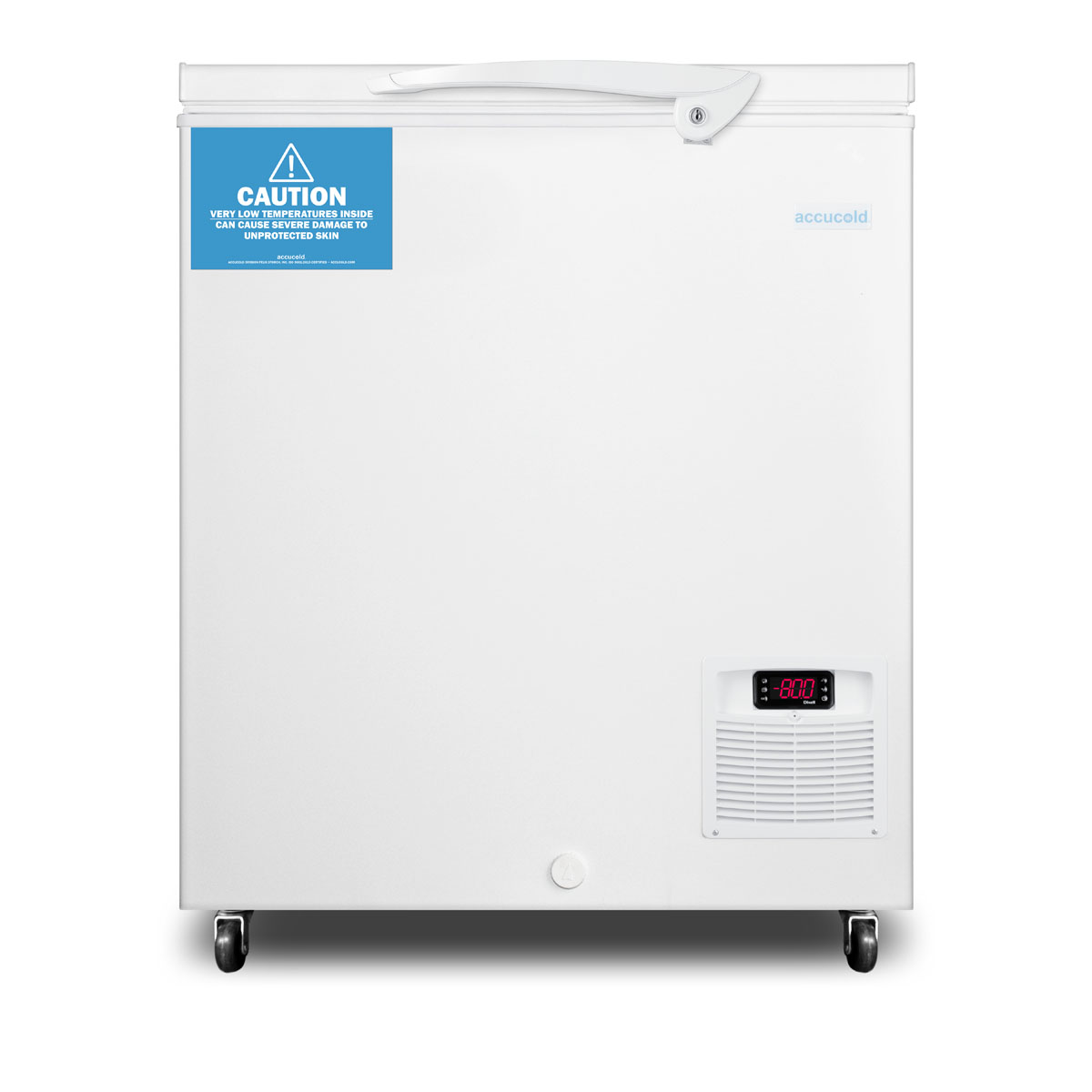
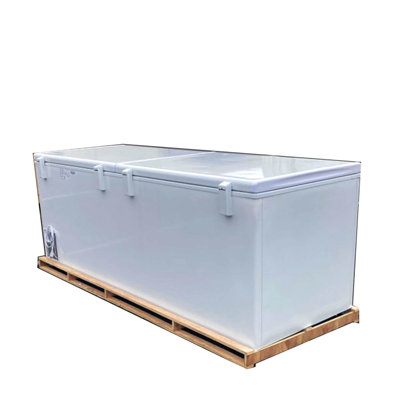
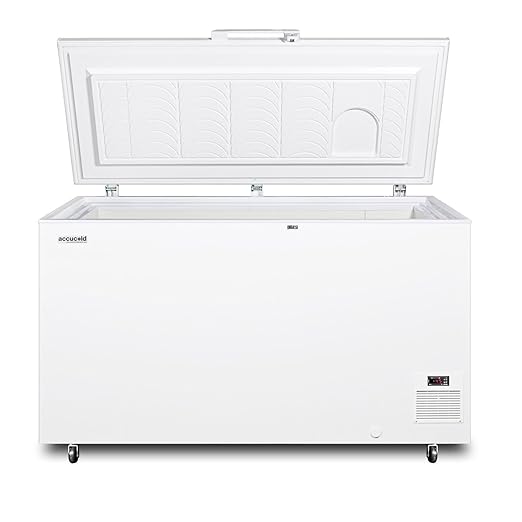
Thinking about your chest freezer's electricity usage will make you wanna know about its wattage. Wattage basically tells you how much juice it needs to run. Most chest freezers sip between 100 and 400 watts, based on how big they are and what fancy features they've got. Wrapping your head around how much power they gobble up helps you pick something that won't blow up your electric bill or hurt Mother Earth.
Here's a quick look at typical wattage based on freezer size:
Freezer Size
Wattage Range
Small (5 - 7 cu ft)
100 - 200 watts
Medium (8 - 12 cu ft)
200 - 300 watts
Large (13 - 20 cu ft)
300 - 400 watts
Note: Watts can vary depending on the model, so make sure you eyeball those specs.
Why Wattage Matters for Your Bills
Knowing your chest freezer's watts helps keep your wallet happy and Mother Nature smiling. The lower the freezer's wattage, the less energy it eats up, which means a lighter electricity bill. Plus, eco-friendly freezers are money-savers in the long run, pulling their weight when it comes to food safety.
Some tips for pinching pennies on energy:
Energy Star Rating: Go for freezers with Energy Star ratings. They tend to be kinder to both your bills and the planet.
Usage Habits: Knowing how you use your freezer lets you tweak for less power munching. For example, a stocked freezer keeps its cool easier than a half-empty one.
Temperature Setting: Stick to the sweet spot temperature-wise – between 0°F and -10°F. Don’t miss our handy ideal chest freezer temperature guide for more cool tips.
Armed with this info, you're ready to snag a chest freezer that keeps energy costs low and your family happy.
Knowing what influences your chest freezer's wattage helps you get a handle on energy use. Here's the lowdown on what affects those watts.
Size and Capacity of the Chest Freezer
Size matters when it comes to freezers, and it’s a big deal for wattage. Big freezers gulp more juice to keep everything chilly, while the small ones sip gently. Check out this ballpark wattage based on different sizes.
Size of Chest Freezer
Estimated Wattage (Watts)
5 - 7 cubic feet
100 - 200
8 - 12 cubic feet
200 - 400
13+ cubic feet
400 - 700
Temperature and Climate Conditions
Where you live does its bit too. Hotter days or living spaces means your freezer works overtime, burning extra energy to do its job. Cooler days let it chill out a bit, saving on power. Here’s how the climate plays out:
Climate Condition
Effect on Wattage
Mild (50°F - 70°F)
Lower power usage
Warm (71°F - 85°F)
Moderate power usage
Hot (86°F and above)
Increased power usage
Usage Patterns and Frequency
How you use the freezer really matters. Flipping that lid a lot? Warm air barges in, demanding more energy to keep things frosty. Less frequent openings mean less energy needed. Here’s how it all shakes out:
Usage Pattern
Effect on Wattage
Rarely Opened
Lower power usage
Occasionally Opened
Moderate power usage
Frequently Opened
Higher power usage
Keeping an eye on these factors can help you run your freezer efficiently. Curious about keeping it chill? Peek at Fridge.com article on what is the ideal chest freezer temperature?.
Calculating Wattage for a Chest Freezer
Figuring out how much power your chest freezer gobbles up can save a load on your energy bill. Let’s break down the steps to figure out power ratings, switch watts to amperes, and keep an eye on how much juice your freezer uses.
Understanding Power Ratings
Power ratings are all about spelling out the wattage your freezer needs to run smoothly. Usually, there’s a handy label on the back or side telling you this info. Knowing these numbers helps you get a grip on your power needs.
Chest Freezer Size
Average Wattage (Watts)
Small (5-7 cu ft)
150-200
Medium (8-12 cu ft)
200-300
Large (13-18 cu ft)
300-400
Use this table to get a rough idea of the power your chest freezer, or the one you’re eyeing, might need.
Wattage Conversion to Amperes
Switching from watts to amperes helps you get the lowdown on how much current your freezer is sipping. Here's a quick formula:
Want to save some cash and the planet while keeping your frozen treats chilly? Let's make sure your chest freezer runs as smooth as a hot knife through butter with these easy tips.
Proper Chest Freezer Placement
Where you park that freezer makes a big difference in how hard it has to work. Stick it somewhere cool, with plenty of air moving around, and keep it far from things like stoves or heaters. No one likes sweating, not even your freezer!
Here's where it should chill:
Placement Type
What to Do
Indoor Areas
Keep it away from things like ovens
Outdoor Areas
Pop it in a shady spot
Garage Locations
Make sure there's a breeze
Think of it like putting on sunscreen: less exposure means less energy spent, which is gonna shine on your power bill.
Maintaining Chest Freezer Temperature
Love your food enough to freeze it right. Keep that freezer at a comfy 0°F. It keeps fish sticks crunchy, and ice cream cold, and your energy bill low. Just have an internal thermometer handy to give it a frequent check-up.
Temperature (°F)
Food Situation
0°F (-18°C)
Happy frozen dinners
Above 32°F (0°C)
Uh-oh, food might spoil
Crackin' it open all willy-nilly will mess with the temp, so try and be quick with those late-night snack hunts.
Organizing Your Chest Freezer Efficiently
A little order goes a long way. Organizing your freezer isn't just for neat freaks; it's prime for airflow, making it work like a champ. Here's how to get started:
Group Like Items: Keeping veggies with veggies, meats with meats. It’s like keeping your socks in pairs—makes life easier.
Use Bins or Baskets: Get some bins to sort out things. Labels are a lifesaver! They make hunting for frozen peas feel like treasure hunting.
Don’t Overfill: Pile it too high and the air can’t flow. Think of it as giving your food some elbow room.
Neatness is kindness—to you and your freezer! And for some more cool advice, check out our story on ideal freezer temps.
Follow these tips, and you'll have a freezer that's not just chillin' in peace, but also saving you some green while keepin' your groceries fresh!
Figuring out how much juice your chest freezer uses might seem like a nerdy detail, but it can actually make a big impact on your home life and savings. Once you get a handle on the wattage, you'll make smarter choices about using your appliance and keeping it running smooth for years.
Keep Your Energy Bills in Check
Figuring out the wattage helps you guess how much power your freezer's gulping down. This little insight is your wallet's best friend when it comes to trimming those electricity bills.
Here's a simple trick to whip up your monthly electric cost using wattage:
[ \text{Monthly Cost} = \left( \frac{\text{Wattage} \times \text{Hours of Use per Day}}{1000} \right) \times \text{Cost per kWh} \times 30 ]
Take a peek at this table showing what you might spend based on wattage and a common price per kWh.
Wattage
Daily Use (Hours)
Monthly Cost ($0.12 per kWh)
100
24
$86.40
200
24
$172.80
300
24
$259.20
Keeping an eye on your freezer’s wattage might just show you some easy ways to cut back and stash away more cash.
Make That Chest Freezer Last
Being tuned into the wattage also means you can keep your freezer in top-notch shape. Overloading a circuit or running a freezer that sucks up too much power can backfire.
Regular check-ups and tweaking it according to its wattage rating will fend off stress on the machine, meaning fewer headaches and a longer hang time. And hey, by getting organized—as in neat and tidy—you can boost how it works. Check out some placement tips to keep it running smoothly.
Get the Best Out of Your Chest Freezer
Knowing your freezer's wattage lets it perform like a champ. High bills could be a hint that something’s off, like poor insulation or a glitch.
A bit of TLC (like defrosting when needed and keeping things clean) will help it run like new. If you're curious about ideal freezer temps, peek at Fridge.com guide on what is the ideal chest freezer temperature?.
With wattage smarts, you're in the know and ready to tackle any freezer challenges, making sure whether it's ice cream or frozen pizzas, you're always ready for a culinary adventure.
From Fridge.com research
Figures below come from data Fridge.com builds and maintains. Each links to the record behind it.
Fridge.com Energy Index, built on U.S. EPA and DOE ENERGY STAR records
Across 5,455 ENERGY STAR certified refrigerators and freezers from 263 brands, median use is 360 kWh per year.