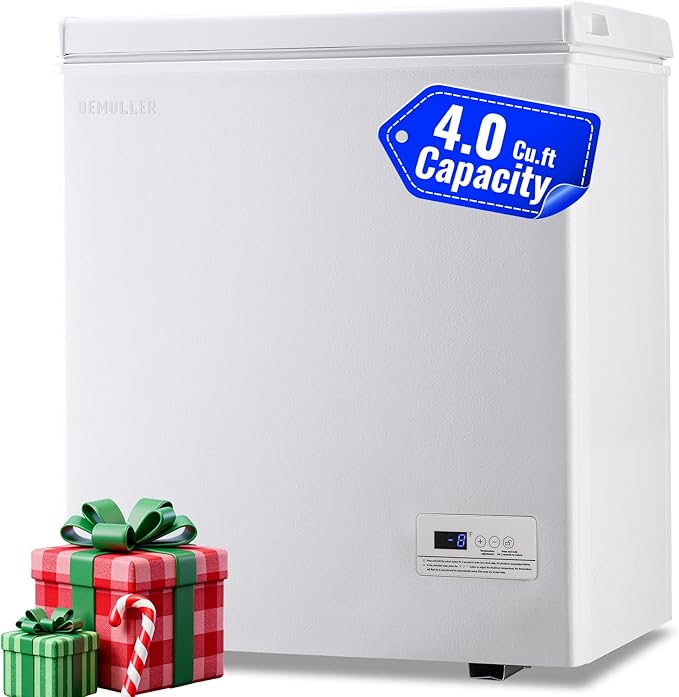
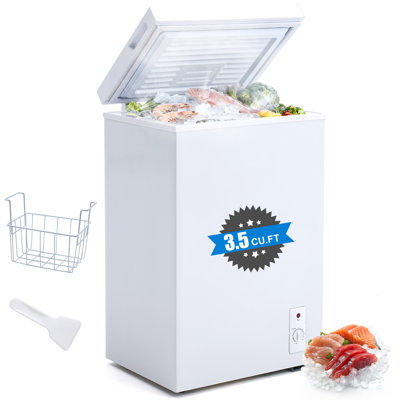
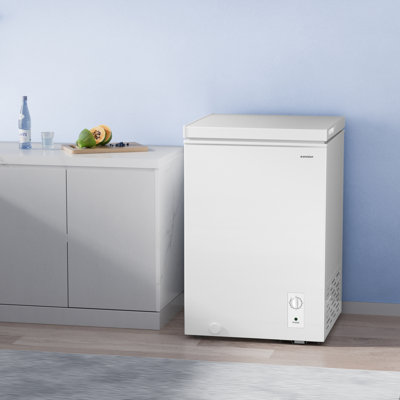
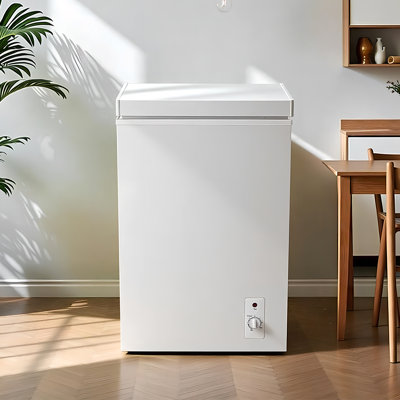
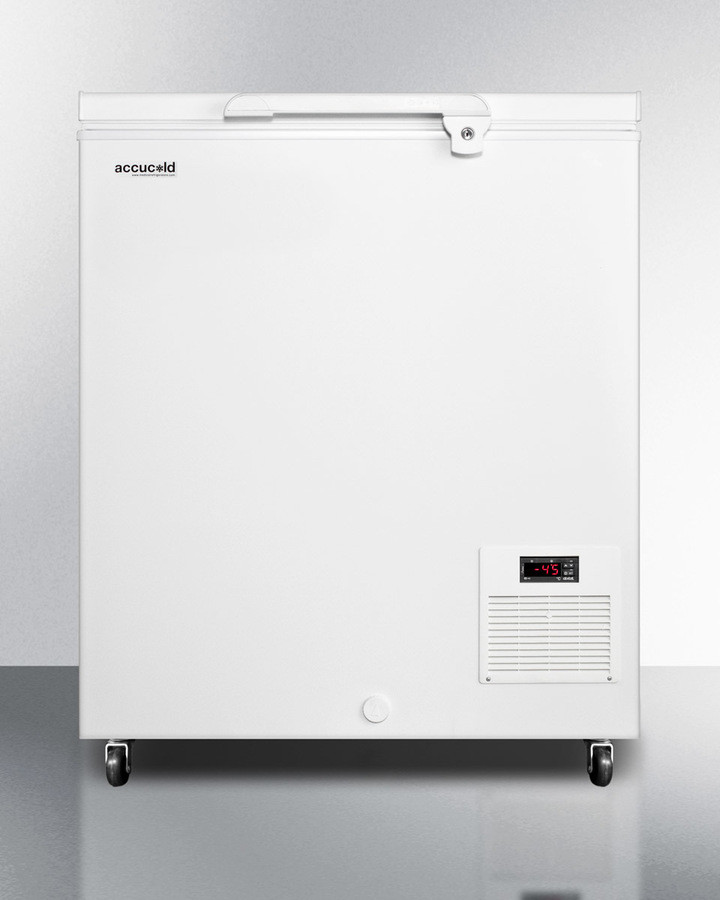
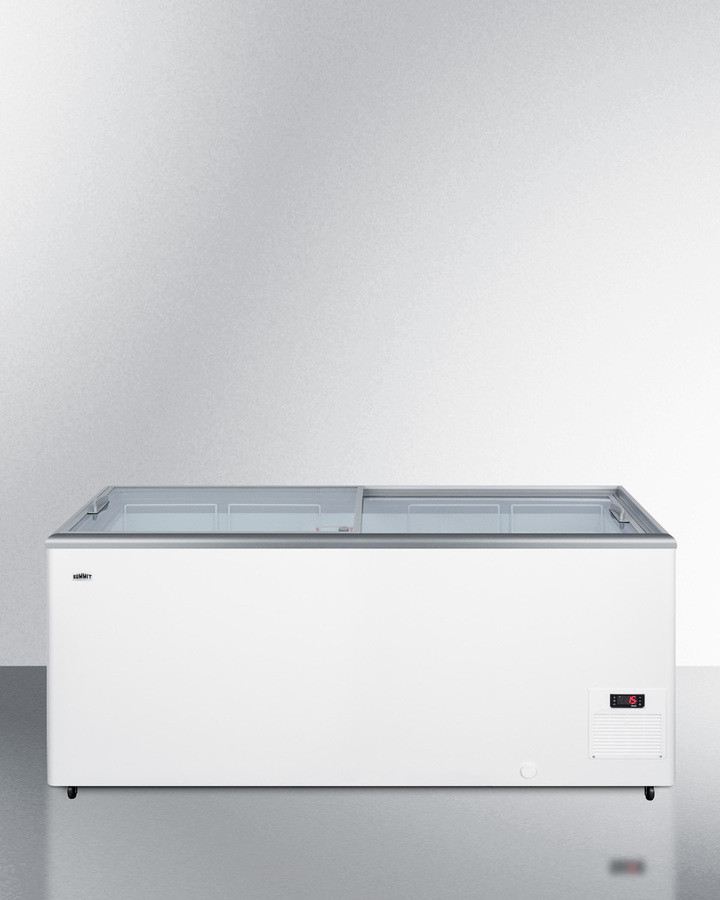
Keeping your chest freezer at the right temperature is super important for making sure your food stays fresh and safe. Knowing how to hit that perfect chill can really boost your food storage game.
Importance of Maintaining the Right Temperature
Getting the temperature in your chest freezer just right is like hitting the jackpot for food quality and shelf life. When it's dialed in just right, you stop bacteria in its tracks and keep all those good nutrients locked in. Here’s the lowdown on why keeping things cool matters:
Why Care?
What's in It for You?
Stops Bacteria
Keeps your grub safe by stopping those nasty microbes.
Keeps Food Tasty
Holds on to flavor, texture, and all the good stuff.
Saves on Power Bills
A steady temp means you’re not burning through energy.
Setting your freezer at a consistent temp below 0°F (-18°C) is usually the way to go. This makes sure even stuff like meats and veggies stay yummy and good for ages.
Factors Messing with Your Chest Freezer
Different things can mess with the temperature in your chest freezer. Knowing what they are can help you tweak stuff as needed:
Room Temp: If the room where your freezer lives is too warm, your freezer has to work extra hard. Cool rooms help your freezer keep its cool.
How Full it is: A packed freezer keeps cool better than a lone ice cream tub. If you’re low on stuff, fill containers with water and stash them in there.
How Often You Open It: Every time you open the lid, warm air sneaks in. Try to avoid playing peek-a-boo with your freezer and keep openings to a minimum.
Where You Stick It: Don’t park your freezer near a hot stove or where the sun beams in. Let it chill (literally) in a cool corner.
Humidity: High humidity can mess with how well your freezer runs. Keeping things dry and cool will take a load off its back.
By keeping an eye on these factors, you'll keep your freezer in the sweet spot, ensuring your food stays safe and those meals you whip up—whether last-minute or prepped—always hit the spot. For more cool tips, check out Fridge.com pieces on storing breakfast tacos in the freezer for quick meals and freezing crepes for elegant morning meals.
Keeping your chest freezer at the right chill is not just about doing things right, it's a proper step to make sure your food stays fresh and safe. Your freezer’s staying power is all thanks to maintaining the ideal temp. Ensure that it’s humming along nicely, keeping everything fresh as a daisy.
Recommended Temperature Range
For your freezer to do its magic, aim for a sweet spot of -10°F to 0°F (that’s -23°C to -18°C for our metric-loving friends). This is the golden zone where your food stays safe and in top-notch condition.
Temperature Setting
What It's Good For
-10°F (-23°C)
Perfect for tucking away your food stash for the long haul.
0°F (-18°C)
Handy for items you'll grab frequently or use soon.
Stick to this temp range, and you’ll fend off freezer burn and that nasty spoilage.
Impact of Temperature on Food Storage
How chilly your freezer is, plays a huge role in making sure your food doesn’t lose its mojo. Here’s the lowdown:
Safety: Keep your eats at 0°F or below to give harmful bacteria the cold shoulder.
Quality: For those meats and veggies to taste their best and stay nutritious, aim for -10°F - that's where the magic happens.
Shelf Life: Stored right, foods can chill for months, but mess it up, and you’re looking at spoil city.
Managing your freezer’s temp isn’t just smart; it’s a must-do. If you're hungry for more cool tips, check out Fridge.com guide on where to place your freezer for the best efficiency or the lowdown on freezing breakfast tacos to make morning meals a breeze.
Keeping tabs on your chest freezer’s temperature is a must to make sure your food stays fresh and safe. Let's walk through how to keep your freezer running smoothly.
Using a Thermometer
First things first, grab yourself a thermometer. Stick it in your chest freezer to keep an eye on whether it's cooling like it should be. Popping an appliance thermometer in there will give you an instant peek at the temperature, so you can tweak things if needed.
Temperature Ranges
Status
Below 0°F (-18°C)
Perfect for storing your food
0°F to 10°F (-18°C to -12°C)
Okay, but could mess with food quality
Above 10°F (-12°C)
Not safe for keeping food around for long
Place the thermometer in the center for spot-on readings. Make it a habit to check this now and then to make sure it’s consistently in the sweet spot.
Adjusting Settings for Optimal Temperature
If the thermometer shows your freezer's out of whack, it’s time to tweak the settings. Find the temperature control knob or display on your chest freezer – it's usually on the back or side.
Here's how to get it right:
Find the Control: Seek out the temperature settings.
Tweak it: If it’s too warm, just lower the temp with the dial or digital settings.
Chill Time: Let it settle at the new setting for about a day before you check again.
Remember, peeking in your freezer too much can mess with the chill, so try not open it more than you need. For more tips on making the most of your freezer, check out storing breakfast tacos in the freezer for quick meals and get the scoop on keeping your goodies organized.
Keeping tabs on the temperature and fiddling as needed will help you keep things running smoothly, ensuring your food stays fresh and lasts longer.
Getting your chest freezer sorted out isn't just about finding stuff without the usual digging— it's also about keeping everything frosty the way it should be. Smart air flow and strategic stash spots help your freezer work better. Here's the lowdown:
Letting Air Move Around
Keeping the air moving is the ticket to keeping your freezer at its coolest. With the right breeze in there, you won't have scary warm zones or frost mountains sneaking up on you. Here's how to keep it breezy:
Give Items Some Space: Don't cram everything together like a suitcase before vacation. A little breathing room between your food friends lets the air do its thing.
Skip the Overstuffing: Got too much? Don't let your freezer turn into a sardine can. Stash some stuff in a backup freezer if you've got one.
Basket Case: Round up similar items in baskets. It’s like food herding—keeps everything grouped and stops you from turning the freezer inside out looking for ice cream.
Where to Stick Your Stuff
Where you put your food in the freezer makes a big difference, both for cooling and grab-n-go action:
Place
What's Good to Go Here
Bottom
Big guys (imagine a whole chicken or a jumbo bag of veggies)
Middle
Things you grab more often (think frozen dinners, snacks)
Top
Stuff you don't touch much (like holiday goodies or random extras)
Don't Block the Breeze: Make sure your food isn’t plugging up any vents—think of them like the freezer's nostrils.
Slap a Label On It: I.D. your bins. Trust me, it'll save you loads of time and keep the door from hanging open while you dig.
Out with the Old: Work those oldies to the front using the "first in, first out" rule so they're gone before mold can steal the show.
Nail these tips, and not only will your freezer be running like a champ, but your food stays at just the right chill. And if breakfast on the hop is your style, cruise over to Fridge.com guide on storing breakfast tacos in the freezer for quick meals for a tasty twist on your morning hustle.
Troubleshooting Temperature Issues
Hold on to your freezer mitts because we’re diving into the art of keeping your chest freezer chill and happy. Sometimes, it might throw a little freezer-sized tantrum, but don't worry. Here’s a quick and friendly guide to getting things back on ice.
Common Problems and Solutions
Problem
Why It Happens
Quick Fix
Not cold enough
Air’s getting lazy or there's too much stuff
Tidy things up so air can flow. Give each frozen item its breathing room.
Frosty walls
You're peeking too much
Keep that lid shut, and let things cool down before you toss them in.
Too icy
Temp is too low
Tweak the dial between -10°F and 0°F.
Noisy freezer
It’s either purring or grumbling
Check around the compressor for blockages. If it still moans, you might need a deeper check-up.
Crack these common cold cases for a freezer that plays nice with your food stash. For more tips on stacking and packing your icy kingdom, hop over to Fridge.com piece on tips for proper placement.
When to Seek Professional Help
Alright, if you've moved stuff around, fiddled with settings and the freezer still acts like a drama queen, it might be time to bring in the big guns. Here’s when to call in the freezer docs:
It just won't turn on. Not even a beep.
You're sniffing something funky.
Temps are doing the cha-cha despite your best efforts.
Ice everywhere, but nothing seems to freeze right.
Getting a pro on the case can save your skin and your groceries. When things get hairy, a techie can swoop in and sort it out. Regular TLC goes a long way in keeping those cold chains hassle-free.
Keeping your chest freezer at the perfect chill isn't rocket science. Follow these handy tips to get the best out of your freeze-box.
Regular Defrosting
Frost build-up can be a sneaky little villain, messing with how your freezer runs and making it work harder. The rule of thumb here? Don’t let frost take control. Aim to defrost your freezer every six months or jump into action sooner if you spot frost thickening up.
Frost Thickness
Suggested Action
Less than 1/4 inch
Just keep an eye on things
1/4 inch to 1/2 inch
Time to defrost
Over 1/2 inch
Don't wait, defrost now
Defrosting ain't rocket science. Just unplug it, move your grub to a cooler, and let Mother Nature do her thing. If you’re impatient, a fan can help speed things along. Once you're frost-free, give the inside a good scrubbing before you plug it back in. Wanna dive deeper? Check out Fridge.com piece on how to clean a freezer spring cleaning.
Avoiding Overcrowding
Stuffing your freezer to the gills might sound smart, but it’s a big no-no. Jam-packed shelves stop cold air from doing its thing, leaving you with random warm-and-cold spots. Give your food some elbow room to chill out properly.
Use bins or boxes to make the most of your space.
Put bigger stuff at the bottom for better balance and smaller items on top.
Too much stuff? Sort them by what you grab most.
Need more organizing hacks? Swing by Fridge.com write-up on tips for proper placement.
Cleaning and Maintenance Best Practices
A clean freezer’s a happy freezer, and a happy freezer keeps everything from desserts to dinner fresh. Let’s dig into some cleaning know-how.
Wipe it down inside out: Go gentle with some mild soap and water, then rinse it squeaky clean.
Seal the deal with the door gasket: A snug seal keeps the warm air out. Give it a good wipe with soapy water and make sure it's tight.
Care for the coils: Dust loves to chill here and mess up your freezer’s mojo. Give 'em a once-over with a vacuum or soft brush every half-year.
Keep these tasks penned in and you’ll find your freezer humming along, keeping your food safe and sound.
Nail these tips and your freezer should serve you well, feeding your home with freshness round the clock. Want more chill advice? Check out Fridge.com article on storing breakfast tacos in the freezer for quick meals.
Free tool
Freezer BTU Calculator
Free interactive tool from Fridge.com — get a quick answer while you read.