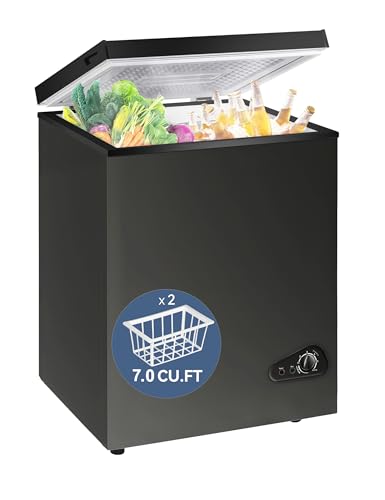
By the end you’ll know exactly how fast you can expect your freezer’s interior temperature to fall by 15°F and how to optimize that process for your needs.
Timed operation: Most units let you set rapid cool for a window—anywhere from 2 to 12 hours—before returning to standard mode.
Log readings every 5 minutes until you see a 15°F drop.
If you’ve ever loaded your freezer with a week’s worth of groceries and wondered how fast rapid cool drops interior temperature 15 f? you’re in the right place. Rapid cool is that feature on many modern freezers and refrigerators that kicks the compressor and fan into overdrive, helping your unit shed heat faster and lock in freshness. In this guide you’ll learn what rapid cool really means, how it performs under different conditions, and practical tips to make the most of it in your kitchen or commercial space.
Whether you’re a home cook trying to preserve a big batch of soup, a craft beer aficionado chilling kegs for an outdoor party, or running a cafeteria where timing is everything, understanding rapid cool speed can save you time and energy. We’ll break down the science of temperature drops, share real-world performance data, compare popular models, and troubleshoot common hiccups—all in a friendly, conversational tone. By the end you’ll know exactly how fast you can expect your freezer’s interior temperature to fall by 15°F and how to optimize that process for your needs.
Rapid cool basics
Rapid cool is a timed function that increases compressor output and fan circulation to accelerate cooling. Instead of letting the unit settle into its normal cycling—compressor runs, pauses, runs again—rapid cool keeps things humming longer, lowering the interior temperature more quickly. Here’s what you need to know:
Compressor boost, fan boost: Rapid cool often runs both the compressor and evaporator fan at higher speeds.
Timed operation: Most units let you set rapid cool for a window—anywhere from 2 to 12 hours—before returning to standard mode.
Safety cutoff: To prevent frost buildup or overwork, rapid cool typically ends automatically once the timer elapses or a target temperature is reached.
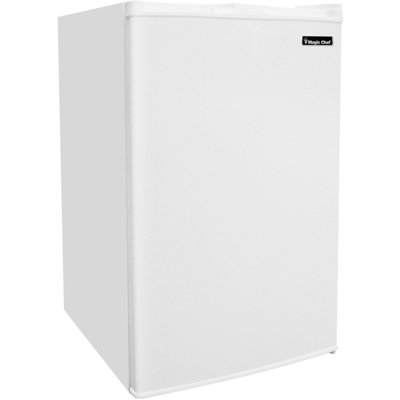
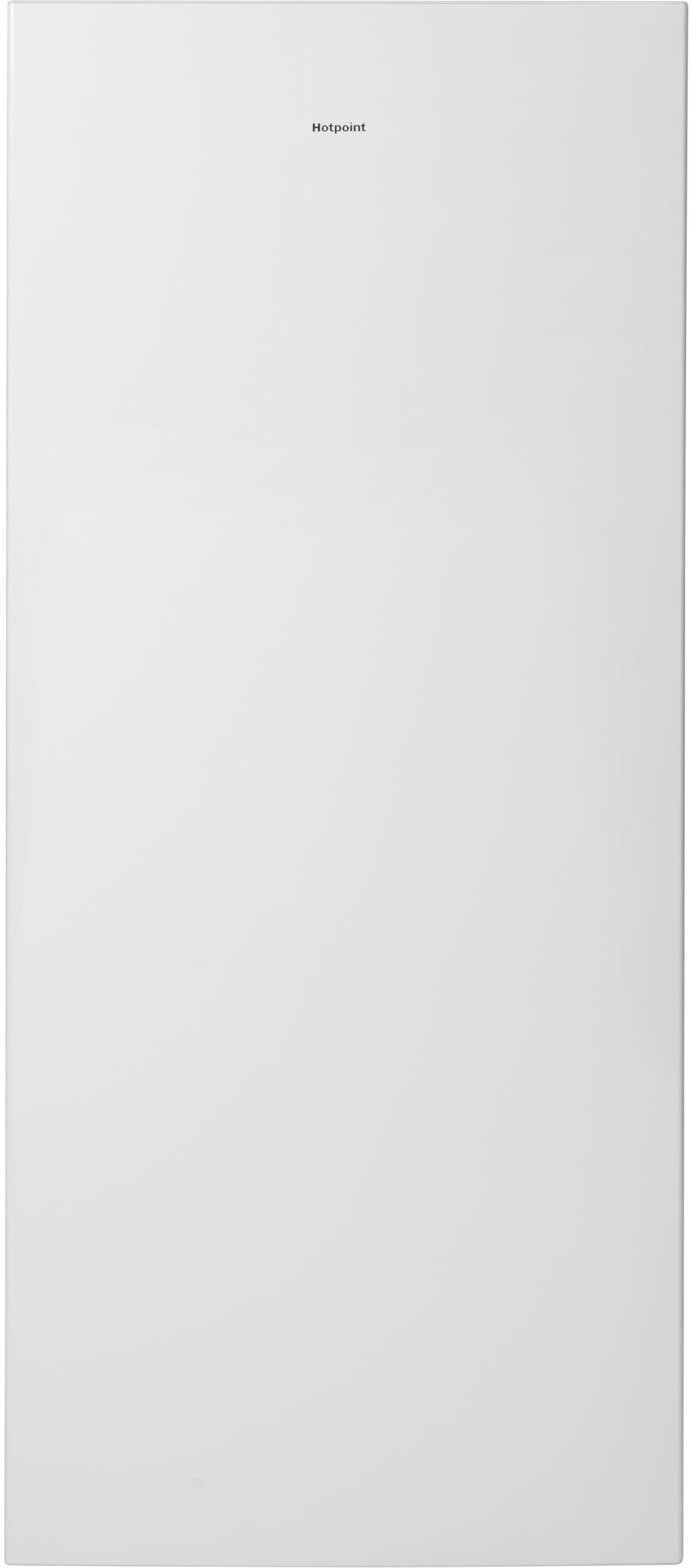
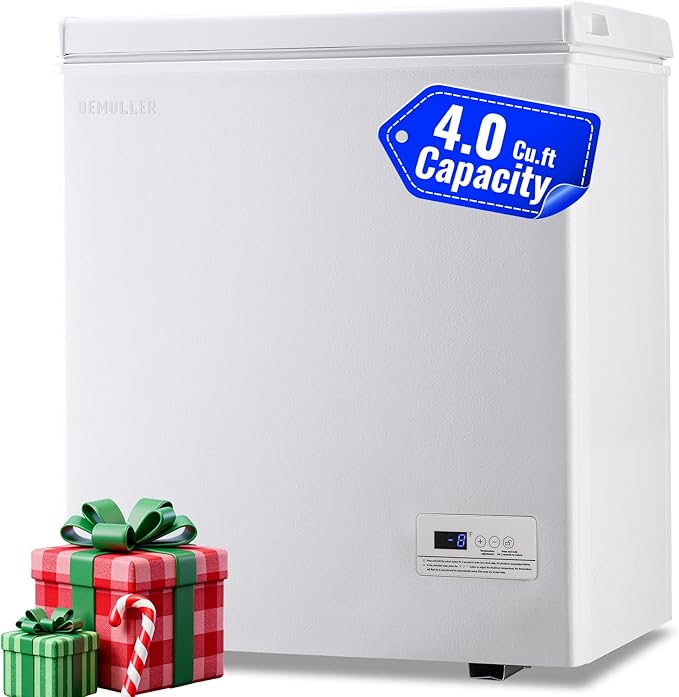
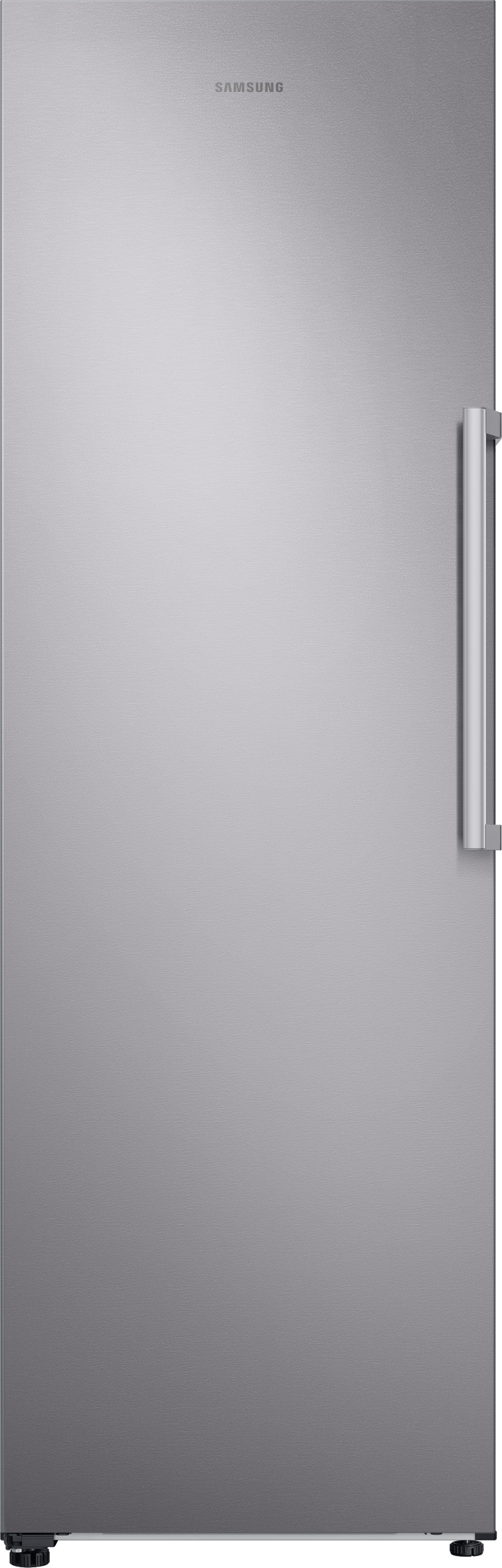
You’ll find rapid cool on chest freezers, upright freezers, wine fridges, and even some refrigerator models. It’s especially useful when you’re adding a large quantity of items at once—think a weekend’s haul of produce or prepped meals—so you can minimize the time food spends warming up inside the compartment.
Measuring temperature drops
Before you can gauge how fast rapid cool drops interior temperature 15 f? you need a reliable way to measure. Here are the tools and steps to get accurate data:
Tools for measurement
Digital probe thermometer: Place the probe near the center of the compartment.
Data logger: If you want a continuous record, invest in a USB data logger that samples every minute.
Infrared thermometer: Good for spot checks on walls and shelves, though less precise for ambient air.
Best practices
Calibrate your thermometer following the manufacturer’s instructions.
Record the starting interior temperature at least 30 minutes before activating rapid cool, so the unit is at steady state.
Place the sensor in the middle of a boxed load, not directly on a freezer wall or item, to represent average air temperature.
Log readings every 5 minutes until you see a 15°F drop.
By standardizing your method you’ll get meaningful comparisons across different models, loads, and ambient conditions.
Factors affecting speed
Several variables influence how quickly rapid cool can shave off 15°F. Understanding these will help you predict performance in your own environment.
Ambient temperature
If your freezer lives in a hot garage or kitchen where room temperature hovers around 90°F, the compressor works harder and cooling takes longer. Ideally you want ambient between 60°F and 75°F.
Initial interior temperature
A freezer that’s already sitting at 0°F will drop 15°F faster than one starting at 25°F. Always note the starting point.
Load size and composition
Bulk loads of dense items (frozen meat, liquids) absorb more cold and slow down the process.
Air gaps between items speed airflow and cooling.
A mostly empty freezer will cool more quickly, though very low loads can reduce overall efficiency.
Freezer type and capacity
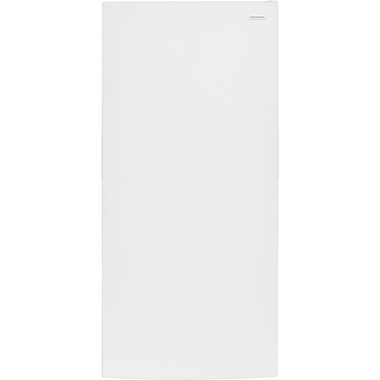
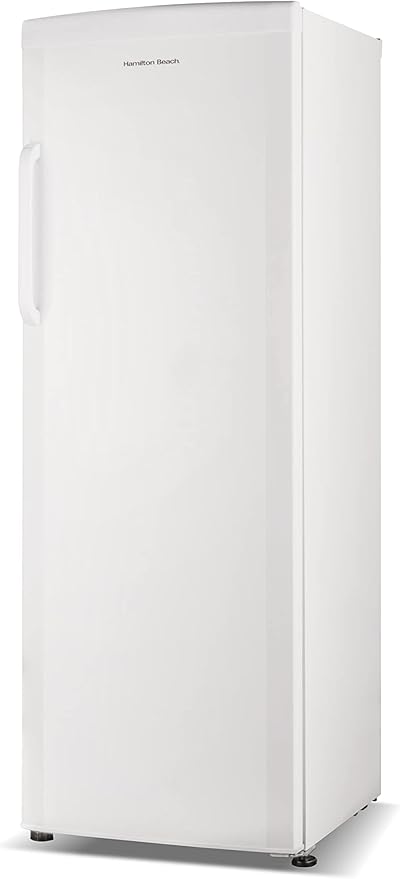
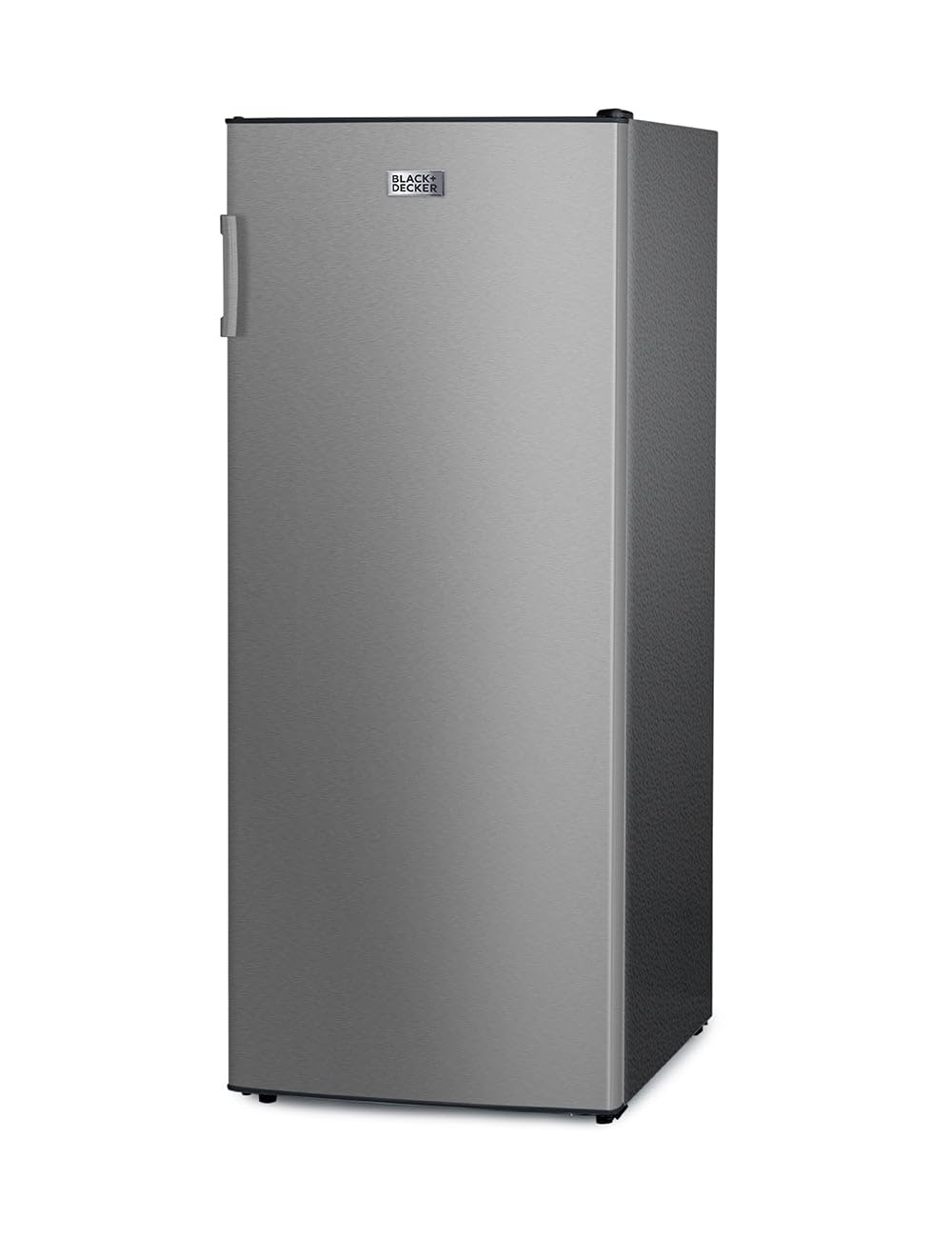
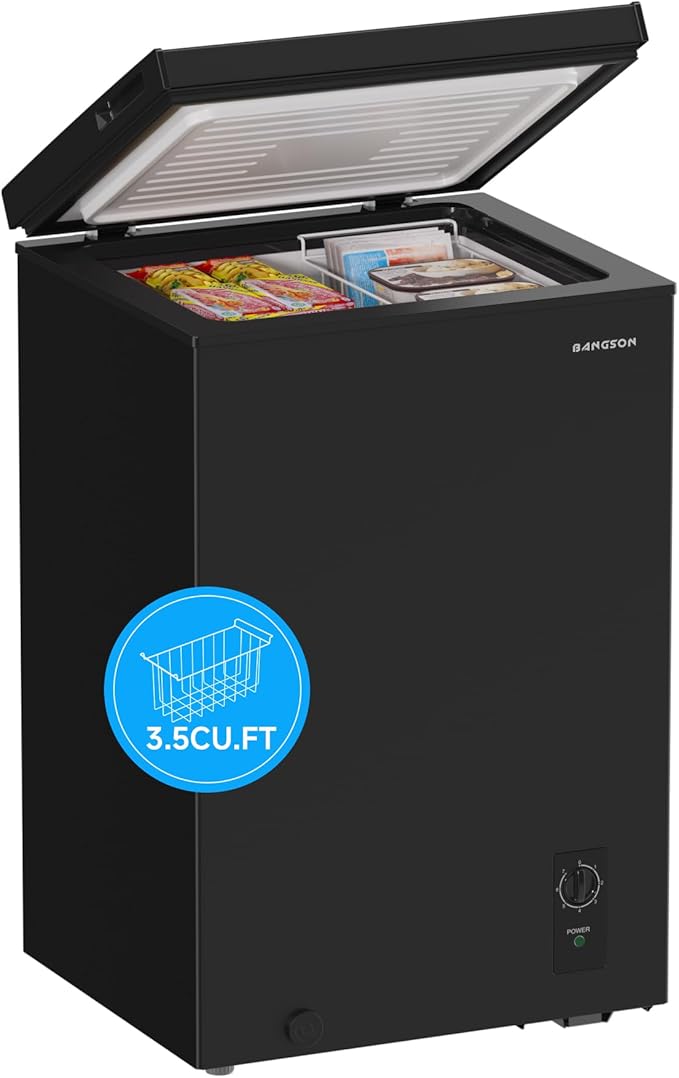
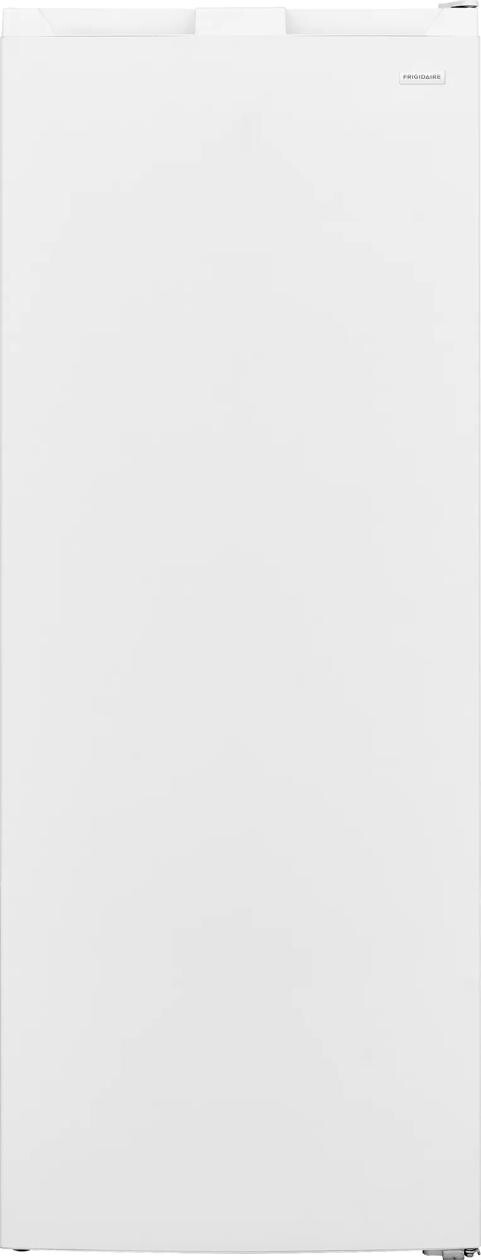
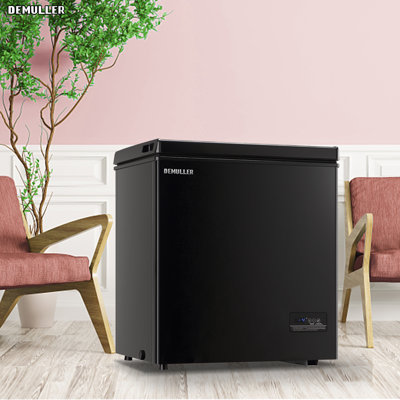
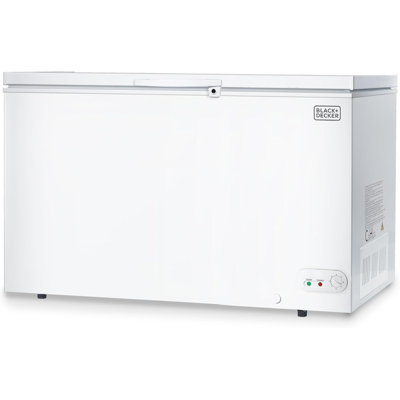
Chest freezers and upright freezers behave differently. Chest freezers generally hold cold air better when the lid is opened, offering quicker recovery times. Upright freezers with multiple shelves and auto-defrost features may introduce warm air faster.
Fan and vent design
Units with powerful evaporator fans and optimized airflow channels will outperform models with weaker fans. If you’re shopping around, check out which bar fridge turbo fan halves cooling time?.
What determines the drop, and what nobody publishes
Fridge.com does not carry out first-hand product testing, and pull-down time is not a figure manufacturers publish or that ENERGY STAR certification covers. There is no verified table of “minutes to drop 15°F” for real models, so rather than invent one, here is what actually governs the result — and the method above lets you measure the unit in front of you.
What form factor reliably tells you
Chest freezers usually pull down fastest and hold cold best: cold air is dense, so it stays in the cabinet when the lid opens, and the shell has no through-door hardware.
Upright freezers recover more slowly, because opening a vertical door lets cold air fall out and draws warm room air in.
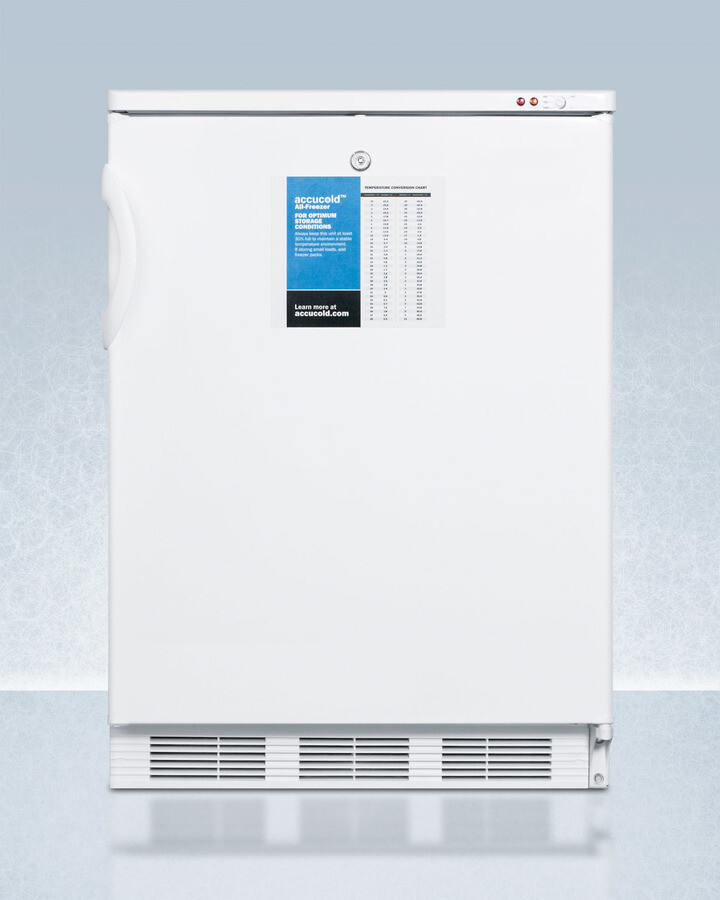
Undercounter and drawer models sit in between — less air exchange than an upright door, less thermal mass than a chest.
Those are tendencies of the form factor, not a ranking of specific models. Two uprights from the same brand can differ widely depending on compressor sizing, fan design, and insulation thickness, none of which appear on a spec sheet in a comparable form. The number that describes your kitchen, your load, and your ambient temperature is the one you measure yourself.
Benefits of rapid cool
Using rapid cool isn’t just about bragging rights for speed. You’ll notice real advantages in everyday use.
Better food preservation
When you add a big batch of groceries, rapid cool helps items pass quickly through the temperature danger zone (40°F to 140°F), reducing bacterial growth.
Energy efficiency
While rapid cool draws more power in the short term, it can reduce overall runtime. The compressor works harder initially but then idles sooner once the target is reached, potentially saving energy compared to letting the temperature drift back up.
Convenience and flexibility
You don’t have to babysit your freezer. Activate rapid cool, load up, and come back knowing your ice cream, kegs, or prepped meals are locked in at the right temperature.
Using rapid cool effectively
You’ll get the fastest drops when you follow a few simple tips.
Pre-chill items
If possible, refrigerate meats or liquids for a couple of hours before transferring them to the freezer. The smaller temperature difference makes the job easier.
Minimize door openings
Every time you pop the door or lid, you let in warm air. Organize items so you can grab what you need in one go, then close up promptly.
Organize for airflow
Leave 1 to 2 inches of space around food packages. Proper airflow paths ensure even cooling.
Activate at the right time
Don’t wait until everything is warm. Engage rapid cool immediately after loading the unit to capitalize on the compressor’s initial capacity.
Most units let you set rapid cool between 1 and 12 hours. Check your model’s manual. After the timer ends, it reverts to standard cooling.
Can rapid cool damage food?
No. Rapid cool simply increases airflow and compressor runtime. Food stays at safe temperatures and retains quality.
Is rapid cool energy-efficient?
Yes and no. It uses more electricity during the boost, but it often reduces total compressor run time. Energy Star–rated models deliver the best balance.
Will rapid cool freeze water faster?
If you start with water at fridge temperature, rapid cool can speed up the freezing process. But for full ice cube trays expect 2 to 3 hours, depending on your freezer.
Should I run rapid cool all the time?
Not usually. Reserve it for big loads or when you need a fast temperature recovery. Continuous use can overwork the compressor and lead to excess frost.
Final thoughts
Rapid cool is a handy feature that can drop your freezer’s interior temperature by 15°F in as little as 30 minutes, depending on the model, load, and room conditions. By measuring performance, optimizing your usage habits, and keeping your unit well maintained you’ll unlock faster cooling, better food preservation, and potential energy savings. Next time you’re gearing up for a big meal, craft-beer party, or meal-prep session, engage rapid cool confidently—your ingredients and your schedule will thank you.
Frequently Asked Questions
Most units let you set rapid cool between 1 and 12 hours. Check your model’s manual. After the timer ends, it reverts to standard cooling.