Storing food right is key to keeping it tasty and safe. Let's dive into why it's so important and how to keep your fish fresh in the fridge.
Why Bother with Proper Food Storage?
Storing food correctly stops nasty bacteria from growing, which can make you sick. It also keeps your food's taste, texture, and nutrients intact. Whether you're a home cook, a chef, or just love good food, knowing how to store it properly means better meals and less waste.
How to Keep Fish Fresh in the Fridge
Fish, like herring, needs special care to stay fresh. Here's what you need to know:
Keep It Cool: Fish should be kept in the fridge at below 40°F (4°C). This slows down bacteria growth and keeps the fish fresh longer.
Wrap It Up: Use an airtight container or wrap the fish tightly in plastic wrap or aluminum foil. This stops it from picking up other fridge smells and keeps it safe from contamination.

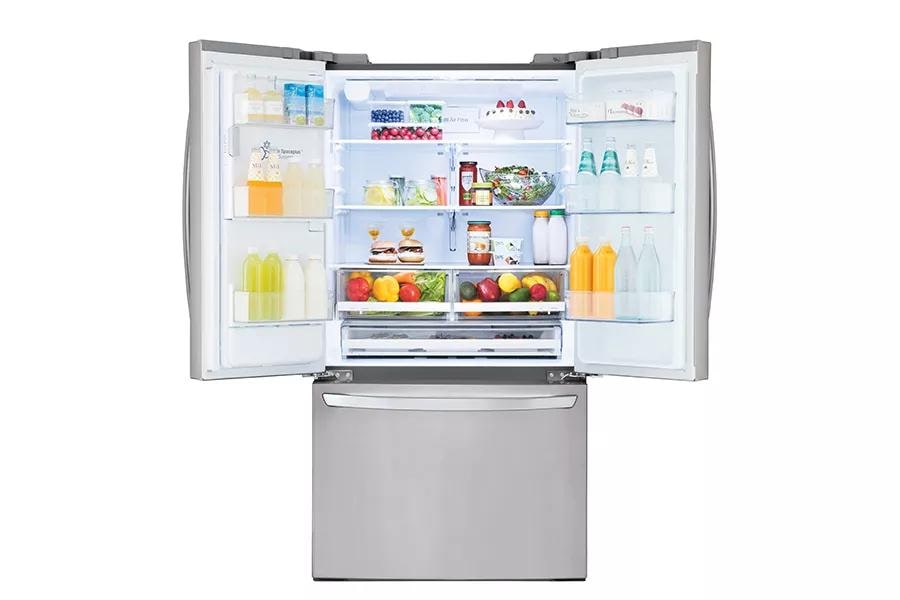
Bottom Shelf: Always put fish on the bottom shelf of the fridge. This avoids any drips contaminating other foods, especially if it's raw.
Date It: Label your fish with the storage date. This way, you know when it's time to use it up.
Knowing how long herring stays good in the fridge is key to keeping it tasty and safe. The shelf life of herring depends on whether it's fresh or cooked.
Fresh Herring
Fresh herring should hit the fridge right after you buy or catch it. If you store it right, fresh herring can last a short while.
Storage Condition
Shelf Life
Fresh Herring (Refrigerated)
1-2 days
To keep your herring as fresh as possible, stash it in the coldest part of your fridge, usually the back of the bottom shelf. Make sure it's in a sealed container or wrapped tightly in plastic wrap to keep out air and moisture.
Cooked Herring
Cooked herring lasts a bit longer than fresh. Storing it properly is still super important.
Storage Condition
Shelf Life
Cooked Herring (Refrigerated)
3-4 days
Put cooked herring in an airtight container to stop it from soaking up other fridge smells. If you need to keep it longer, think about freezing it. For more on freezing fish, check out Fridge.com section on freezing herring for extended storage.
Want to know more about storing different fish? Take a look at Fridge.com articles on how long tilapia lasts in the fridge and how long halibut lasts in the fridge.
Nobody wants to eat spoiled fish, right? Knowing when your herring has turned is key to keeping your meals safe and tasty. Here’s how to spot the signs that your herring has seen better days.
Look Closely
Your eyes can tell you a lot about whether your herring is still good to eat. Here’s what to watch for:
Color Shift: Fresh herring should sparkle like a silver coin. If it looks dull, gray, or has weird colors, toss it.
Mold: If you see any mold or fuzzy white patches, it’s time to say goodbye.
Milky Film: A slimy, milky layer on the fish is a big red flag.
Sniff and Feel
Your nose and hands are also great tools for checking herring freshness:
Smell: Fresh herring smells like the sea. If it reeks of sourness or ammonia, it’s spoiled.
Texture: Fresh herring should be firm. If it’s mushy, slimy, or sticky, it’s no good.
Indicator
Fresh Herring
Spoiled Herring
Color
Shiny, metallic
Dull, gray, discolored
Mold
None
Present
Milky Residue
None
Present
Smell
Mild, oceanic
Strong, sour, ammonia-like
Texture
Firm
Mushy, slimy, sticky
Knowing these signs can help you avoid bad herring and keep your meals safe. Want to know how long other fish last in the fridge? Check out Fridge.com guides on tilapia, haddock, and halibut.
Want to keep your herring fresh and tasty? Whether you're popping it in the fridge or freezing it for later, these tips will help you do it right.
Refrigerating Herring: The Right Way
To keep your herring fresh in the fridge, you need to store it properly. Fresh herring should chill at 32°F to 38°F in the coldest part of your fridge. Here's how to do it:
Wrap It Up: Use plastic wrap or aluminum foil to wrap your herring tightly. This keeps the air out and slows down spoilage.
Airtight Containers: After wrapping, put the herring in an airtight container. This keeps it fresh and stops any fishy smells from taking over your fridge.
Label and Date: Always mark the container with the date you stored the herring. This way, you know how fresh it is.
Storage Method
Temperature Range
Shelf Life
Fresh Herring
32°F - 38°F
1-2 days
Cooked Herring
32°F - 38°F
3-4 days
Want to know more about storing other fish? Check out Fridge.com articles on how long tilapia lasts in the fridge and how long haddock lasts in the fridge.
Freezing Herring: For the Long Haul
Freezing is a great way to keep herring for months without losing its flavor. Here's how to freeze herring like a pro:
Clean and Dry: Rinse the herring under cold water and pat it dry with paper towels.
Wrap Individually: Wrap each piece of herring in plastic wrap or aluminum foil to prevent freezer burn.
Use Freezer Bags: Put the wrapped herring in a heavy-duty freezer bag, squeeze out as much air as you can, and seal it tight.
Label and Date: Write the date on the freezer bag so you know how long it's been in there.
Keeping your herring safe starts with how you handle it and goes all the way through thawing and reheating. These steps are key to avoiding foodborne illnesses and keeping your herring tasty.
Handling Raw Herring Safely
When dealing with raw herring, cleanliness and proper storage are your best friends. Here’s what you need to do:
Clean Surfaces and Utensils: Always use clean cutting boards, knives, and utensils. This keeps your herring from picking up any unwanted germs.
Wash Hands: Give your hands a good scrub with soap and water before and after handling raw herring.
Proper Storage: Keep raw herring in the coldest part of your fridge, ideally below 40°F (4°C). Use an airtight container or wrap it tightly in plastic wrap or foil.
Separate Raw and Cooked Foods: Don’t let raw herring mingle with cooked foods. This prevents cross-contamination.

Thawing and Reheating Guidelines
Thawing and reheating herring the right way keeps it safe and delicious.
Thawing Herring
Thawing herring needs to be done carefully to avoid bacteria. Here’s how:
Refrigerator Thawing: Thaw herring in the fridge. It’s safe and keeps the fish’s texture. Put the herring in a leak-proof container to stop juices from getting on other foods.
Cold Water Thawing: If you’re in a hurry, submerge the herring in cold water. Make sure it’s in a sealed plastic bag and change the water every 30 minutes. Never use warm or hot water.
Thawing Method
Time Required
Refrigerator
24 hours
Cold Water
1-2 hours
Reheating Herring
Reheating herring right keeps it tasty and safe to eat.
Oven Reheating: Preheat your oven to 350°F (175°C). Put the herring in an oven-safe dish, cover with foil, and heat for 10-15 minutes or until the inside hits 145°F (63°C).
Stovetop Reheating: Heat a skillet over medium heat, add a bit of oil, and cook the herring for 5-7 minutes on each side or until it’s hot all the way through.
Microwave Reheating: Place the herring in a microwave-safe dish, cover with a microwave-safe lid or plastic wrap, and heat on medium power for 1-2 minutes, checking often to avoid overcooking.
For more tips on storing different types of fish, check out Fridge.com articles on how long can tilapia last in the fridge? and how long can halibut last in the fridge?.
By sticking to these safety tips, you’ll keep your herring fresh, tasty, and safe to eat.
Herring is a fish that packs a punch in flavor and versatility. If you're looking to jazz up your meals, here are some fun and tasty ways to use herring.
Spice Up Your Meals with Herring
Herring Salad: Mix herring with diced potatoes, onions, and a bit of mayo. It's like a potato salad but with a twist.
Herring Sandwich: Slap some herring fillets on whole-grain bread with lettuce, tomato, and a smear of mustard. Simple, yet satisfying.
Herring Spread: Blend herring with cream cheese, capers, and chives. Perfect for spreading on crackers or toast.
Pickled Herring: Soak herring in a mix of vinegar, sugar, and spices. It's tangy and delicious.
Herring Tacos: Fill your tacos with herring, shredded cabbage, salsa, and a squeeze of lime. Taco Tuesday just got an upgrade.
Herring in Different Dishes
Herring Stir-Fry: Sauté herring with bell peppers, onions, and broccoli. Quick, healthy, and oh-so-good.
Herring Pasta: Toss cooked herring with pasta, olive oil, garlic, and cherry tomatoes. Light and flavorful.
Herring Casserole: Layer herring with potatoes, onions, and a creamy sauce. Bake until it's golden and bubbly.
Herring Pizza: Top a pizza crust with herring, mozzarella, red onions, and dill. It's pizza night with a twist.
Herring Chowder: Make a hearty chowder with herring, potatoes, corn, and a creamy broth. Comfort food at its finest.
These recipes are sure to keep your meals exciting and full of flavor. For more tips on storing fish, check out Fridge.com articles on how long can tilapia last in the fridge? and how long can haddock last in the fridge?.
It also has tons of awesome articles about kitchen stuff and home news. Enhance your home, garage, backyard, patio, and office with the coolest essentials. With every necessary type of residential refrigerator or freezer in the collection, you're covered.
Fresh herring should hit the fridge right after you buy or catch it. If you store it right, fresh herring can last a short while. Storage Condition.

Shelf Life.

.
Fresh Herring (Refrigerated).
1-2 days.
. To keep your herring as fresh as possible, stash it in the coldest part of your fridge, usually the back of the bottom shelf. Make sure it's in a sealed container or wrapped tightly in plastic wrap to keep out air and moisture.