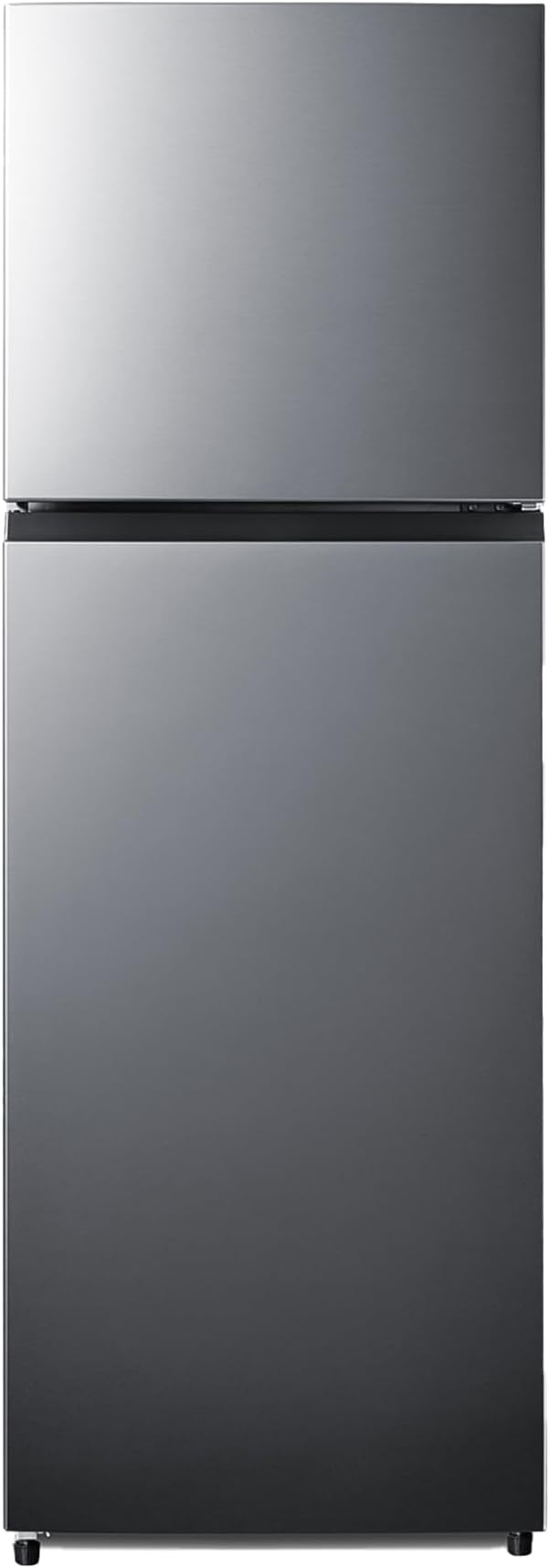
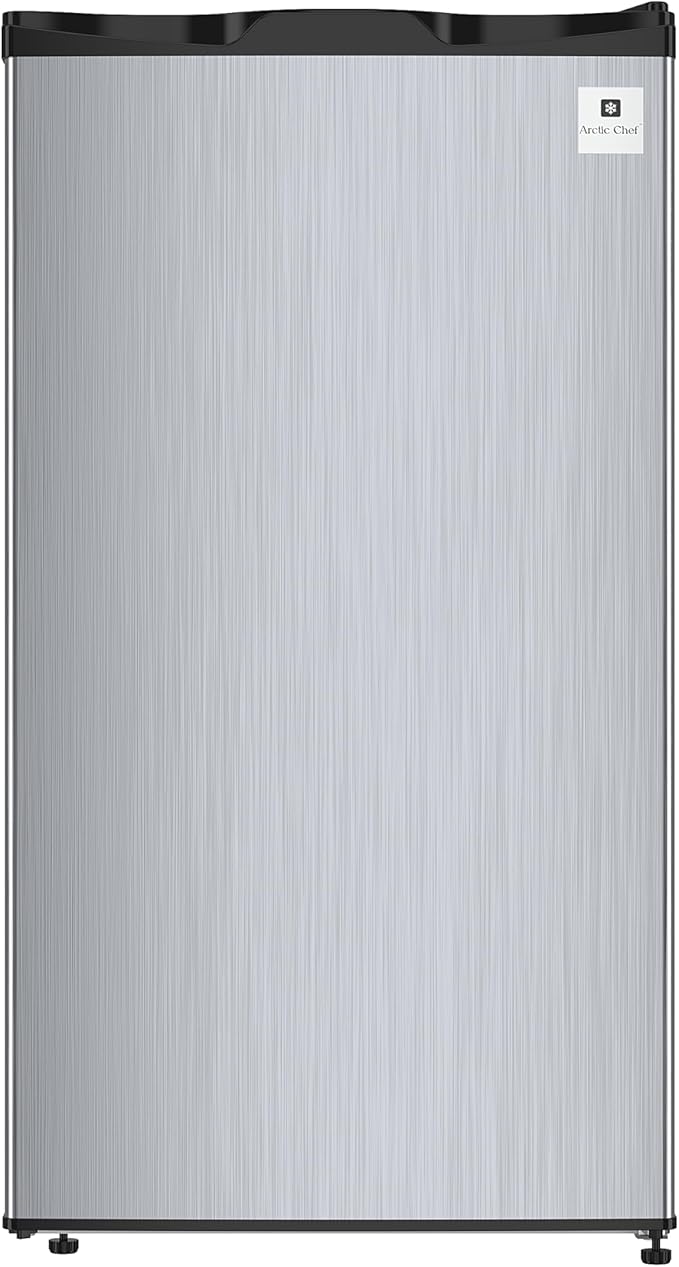
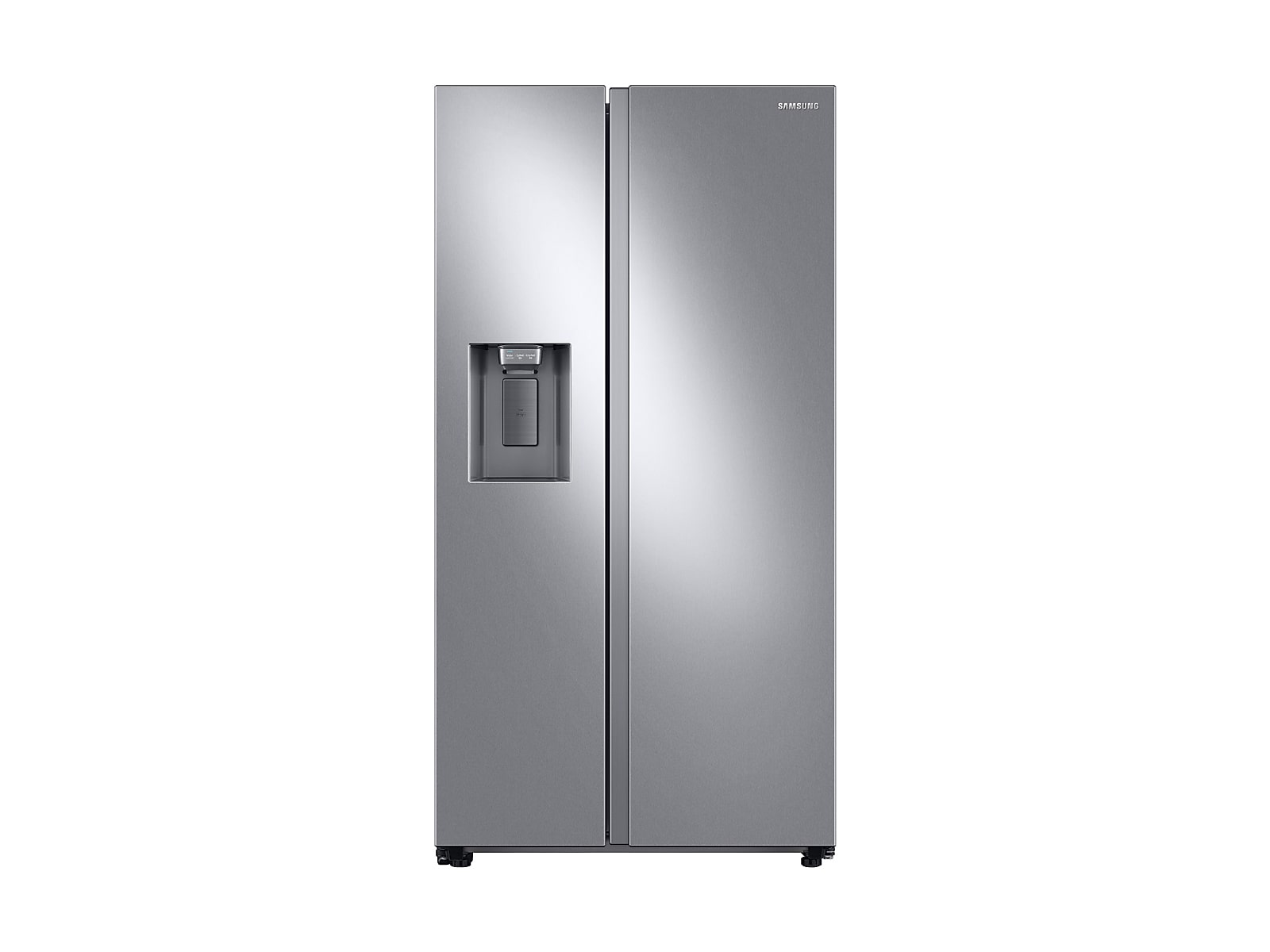
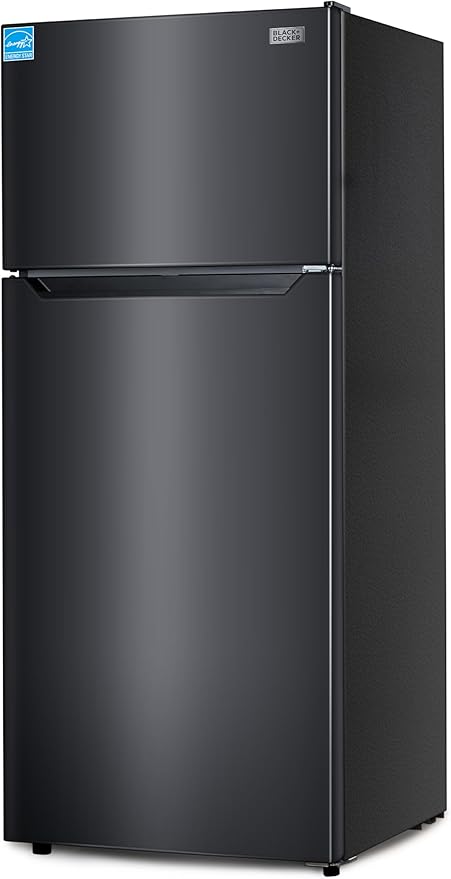
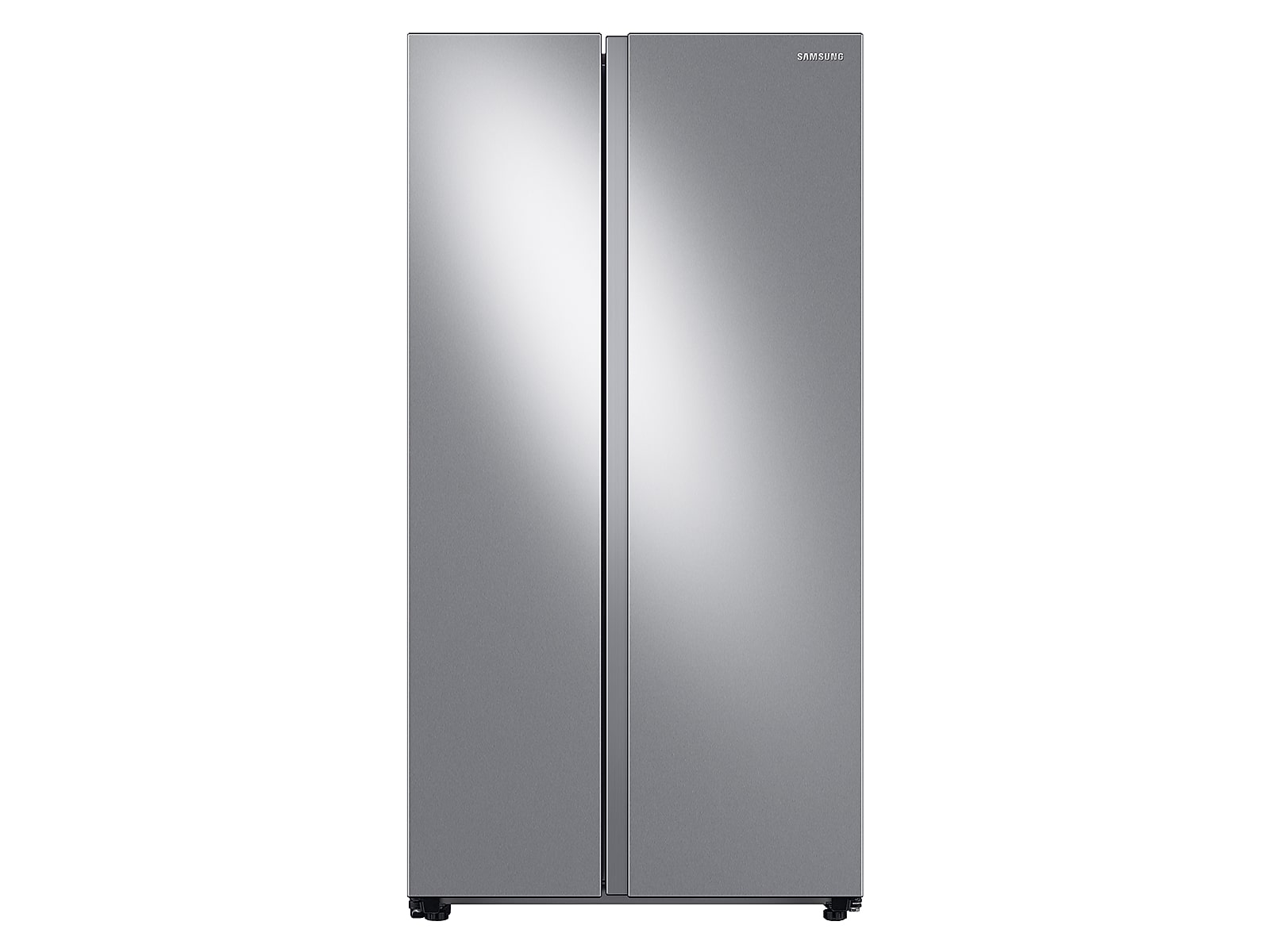
If you need a lighter unit and can live with slightly slower cooling, a compressor fridge around 90 pounds might be ideal.
If you’re gearing up for an RV adventure or simply upgrading your mobile kitchen, you’ve probably asked yourself: how heavy is a 9 cu ft camper refrigerator?
When you understand the typical heft of a 9 cu ft camper refrigerator, you can plan for the right tools, manpower, and support brackets.
Not all 9 cu ft camper refrigerators weigh the same.
If you’re gearing up for an RV adventure or simply upgrading your mobile kitchen, you’ve probably asked yourself: how heavy is a 9 cu ft camper refrigerator? Knowing the weight of your fridge isn’t just trivia—it affects your towing capacity, floor loading, ease of installation, and even fuel economy. In this guide, you’ll discover why weight matters, typical weight ranges by fridge type, model-specific examples, vehicle considerations, accessory weights, safe handling advice, and maintenance tips to keep your camper fridge humming for years to come.
understand refrigerator weight
When you’re dealing with a compact space like an RV or camper van, every pound counts. A refrigerator that’s too heavy can throw off your vehicle’s center of gravity, reduce your cargo-carrying capacity, and even push you past your Gross Vehicle Weight Rating (GVWR). On the other hand, an ultra-light fridge may cut corners on insulation or performance. Striking the right balance between capacity and weight is key to a comfortable, safe journey.
Weight also influences installation complexity. A 120-lb fridge may need two people and a dolly to lift it into place, while a 90-lb unit might be manageable by you and a friend. When you understand the typical heft of a 9 cu ft camper refrigerator, you can plan for the right tools, manpower, and support brackets.
compare weight by type
Not all 9 cu ft camper refrigerators weigh the same. Differences in cooling technology, materials, and power options create a spectrum of weights you should factor in when choosing a model.
compressor-powered models
Compressor fridges rely on a refrigerant cycle similar to home refrigerators. They tend to have thicker walls and heavier compressors, but they cool quickly and handle high ambient temperatures well.
Typical weight: 85–105 pounds
Pros: efficient cooling, fast temperature recovery
Cons: slightly heavier, may require more battery capacity
absorption-powered models
Absorption refrigerators run on propane, AC, or DC power and use a heat source to circulate ammonia. They’re prized for silent operation and multi-fuel flexibility.
Typical weight: 100–140 pounds
Pros: can run off propane, very quiet
Cons: slower to cool, heavier build
dual-power models
Some fridges combine compressor and absorption technologies, letting you switch between DC, AC, and propane. These versatile units often fall between the two above in weight.
Typical weight: 90–130 pounds
Pros: ultimate flexibility on the road
Cons: mid-range weight, potentially higher cost
review model weight examples
To give you a real-world sense of heft, here are a few 9 cu ft camper refrigerators and their approximate weights. Always double-check manufacturer specs before you buy or install.
Model
Type
Capacity
Weight (lbs)
Dometic DM2852
Absorption
9 cu ft
~120
Norcold N9X
Compressor
9 cu ft
~100
Isotherm Cruise 100
Compressor
9 cu ft
~95
Avanti RVF95W0
Compressor
9.5 cu ft
~105
Keep in mind that trim packages, extra insulation, or built-in ice makers can add a few pounds. If you find multiple versions of the same fridge, compare their datasheets to spot any weight differences.
Once you know your fridge’s weight, check your vehicle’s limits. Carrying too much can affect handling, braking, and safety.
towing weight limits
Your RV or tow vehicle has a GVWR, which includes passengers, water, propane, luggage, appliances, and fuel. Subtract your estimated load from GVWR to see how much room you have left. A fridge that’s 20–30 pounds heavier than you thought could push you over the limit.
floor loading capacity
Some camper floors have weight-bearing sections and lighter panels elsewhere. Make sure you mount your fridge over a reinforced area—usually near a wall stud or on a platform designed for heavy gear. If you’re unsure, consult your RV’s owner manual or a dealership.
account for accessory weight
The fridge itself isn’t the only added weight—consider the gear that makes it run.
propane or battery bank
If you opt for an absorption or dual-power fridge, factor in a propane tank (20–30 pounds full) or an upgraded battery bank to handle DC loads.
Standard 20-lb propane cylinder: ~37 pounds full
100 Ah deep-cycle battery: ~60 pounds each
mounting hardware
Brackets, screws, anti-vibration mounts, and trim kits can add 5–10 pounds. If you choose a slide-out shelf or cabinet surround, that adds weight too. Always tally these extras into your total.
plan safe handling
Lifting and positioning a bulky fridge can be a challenge—do it the right way to avoid injury or damage.
moving and lifting tips
Use a two-person lift whenever possible.
Secure with straps on a hand truck or dolly rated for at least 200 pounds.
Remove internal shelves and drawers to reduce weight and prevent parts from shifting.
Keep the fridge upright—tilting can disturb refrigerant and damage the unit.
professional installation
If you’re nervous about handling hundreds of pounds of appliance, hire an RV service shop. They’ll have vehicle-specific mounting kits and the right tools to fasten your fridge to floor joists securely. A pro install can cost $150–$300, but it buys peace of mind and warranty compliance.
A well-maintained fridge runs more efficiently, which can indirectly save you weight in fuel and battery drain.
clean inside and out
Dust on coils and grime in the door gasket make compressors or burners work harder. Schedule a quarterly wipe-down and coil vacuum. For step-by-step guidance, see how to clean your fridge the right way.
adjust temperature settings
Running your fridge colder than necessary eats extra power. Aim for around 35–38°F in the fresh-food section and 0°F in the freezer. Learn more tips in our guide to fridge temperature regulation and adjustment.
choose the right fridge
By now you know that “how heavy is a 9 cu ft camper refrigerator?” isn’t a one-size-fits-all question. When comparing models, think about:
Your vehicle’s GVWR and floor load
The power sources you’ll use (propane, AC, DC)
Installation complexity and available manpower
Cooling performance and energy efficiency
If you need a lighter unit and can live with slightly slower cooling, a compressor fridge around 90 pounds might be ideal. If you value silent, propane-powered operation, budget for the extra weight of an absorption model and a full propane cylinder.
Ultimately, the best fridge is the one that fits your tow vehicle, matches your power setup, and keeps your groceries chilled without a second thought. With these weight considerations in mind, you’ll be well on your way to choosing a 9 cu ft camper refrigerator that keeps your road trips cool and carefree.
Free tool
Display Cooler Calculator
Free interactive tool from Fridge.com — get a quick answer while you read.