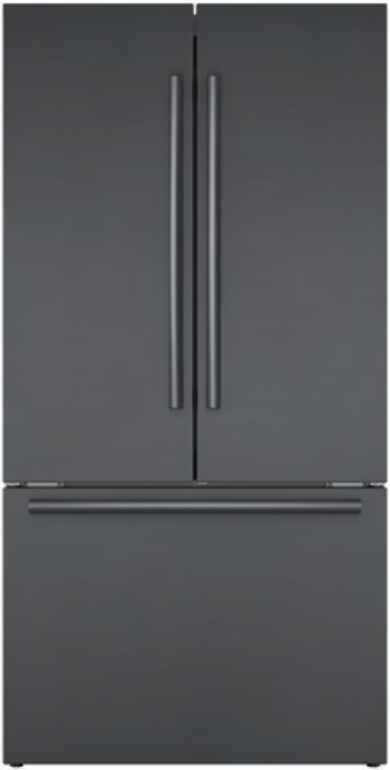
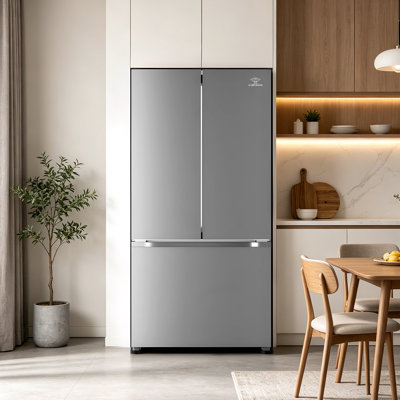
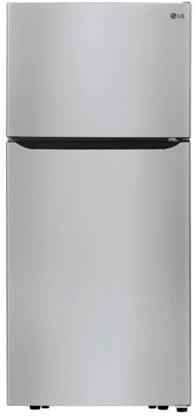
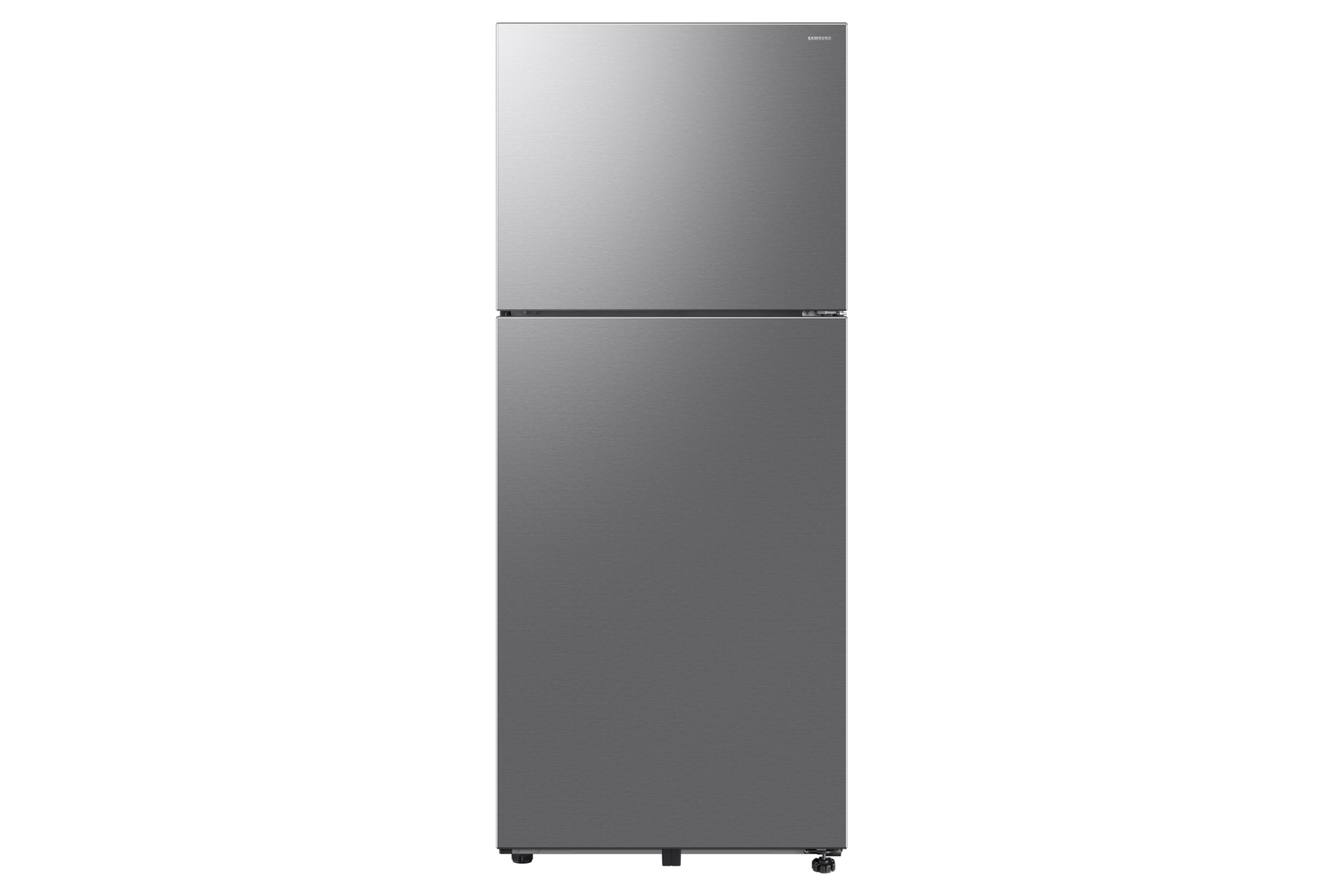
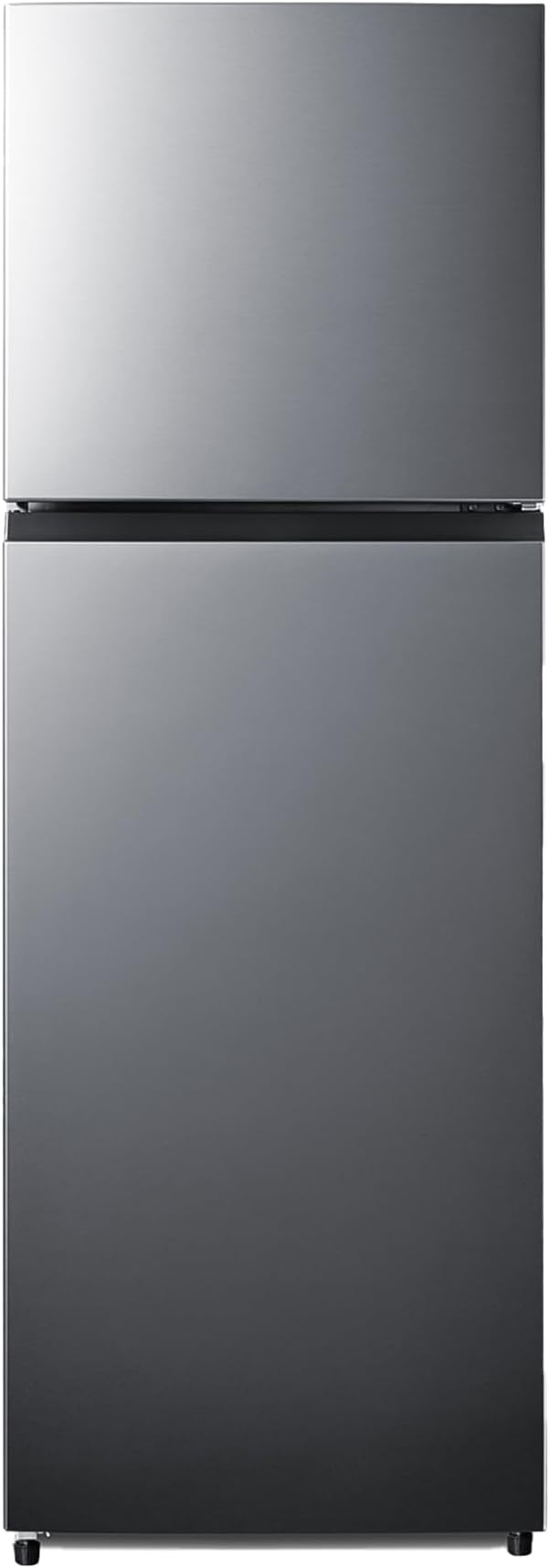
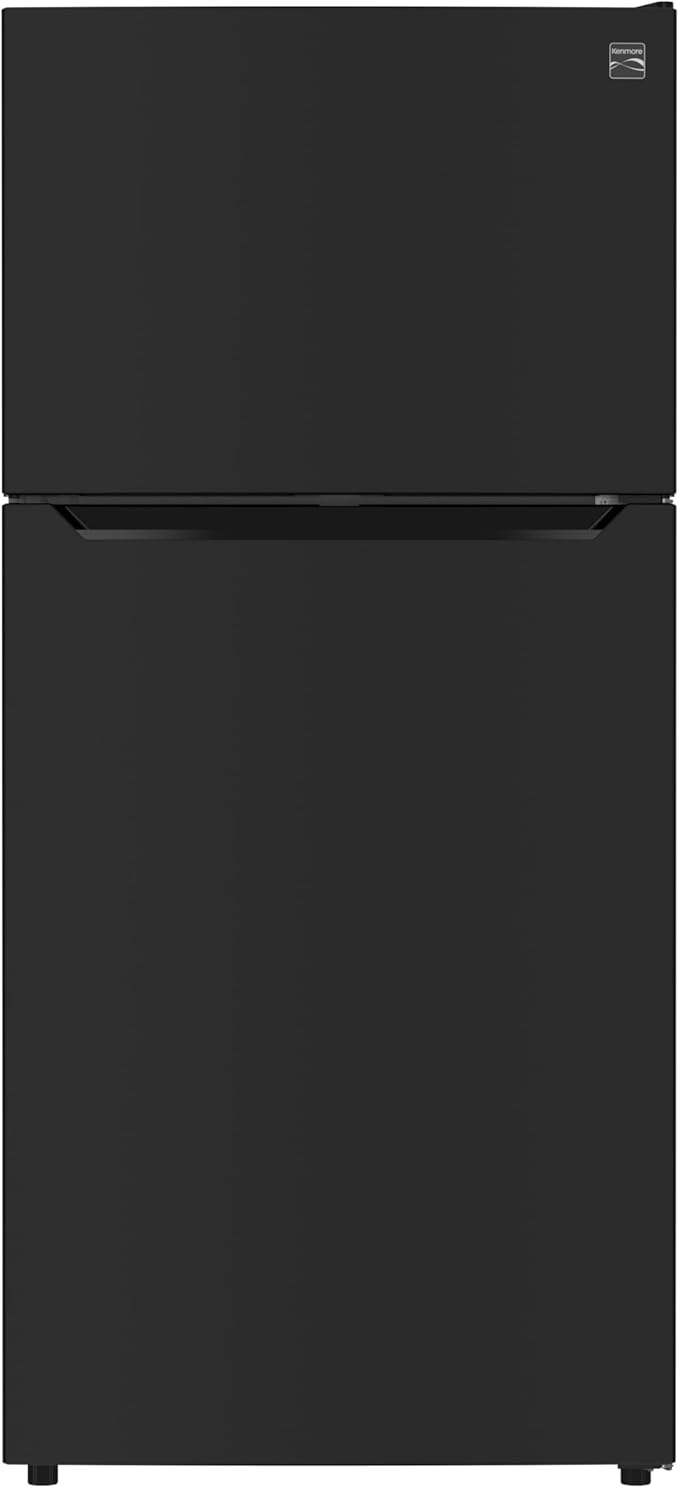
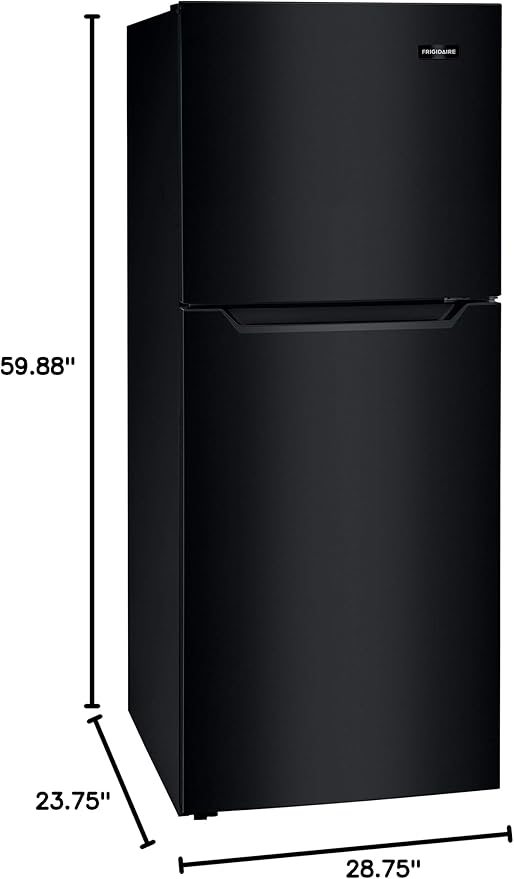
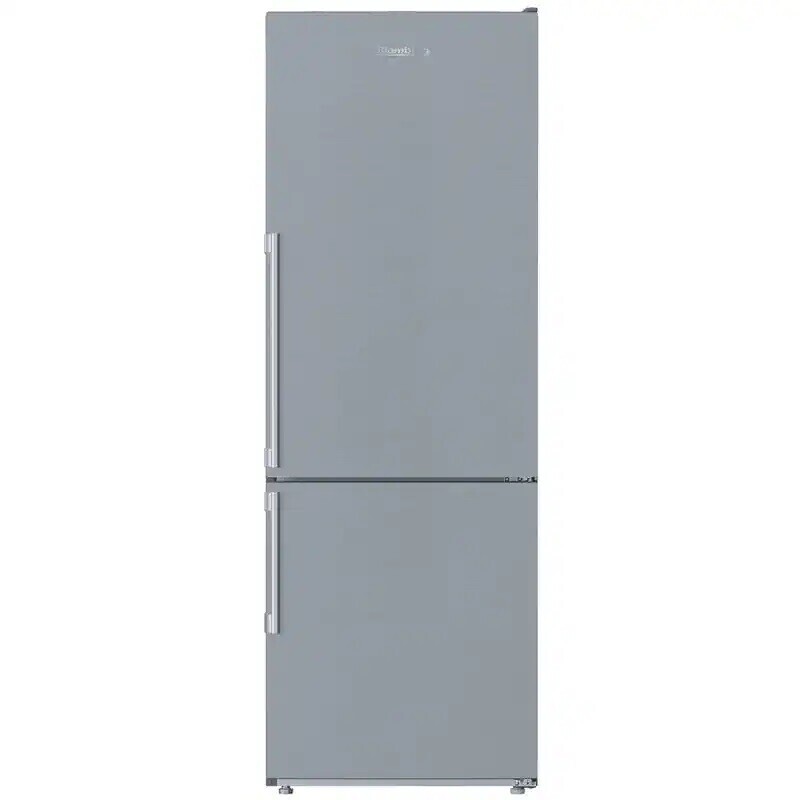
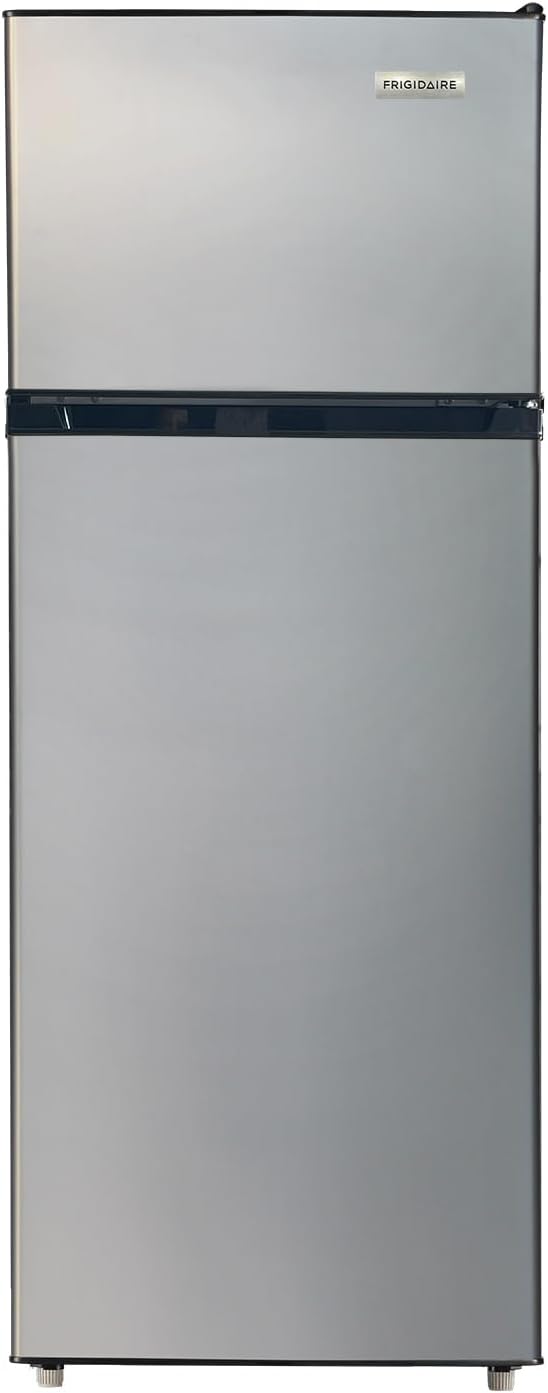
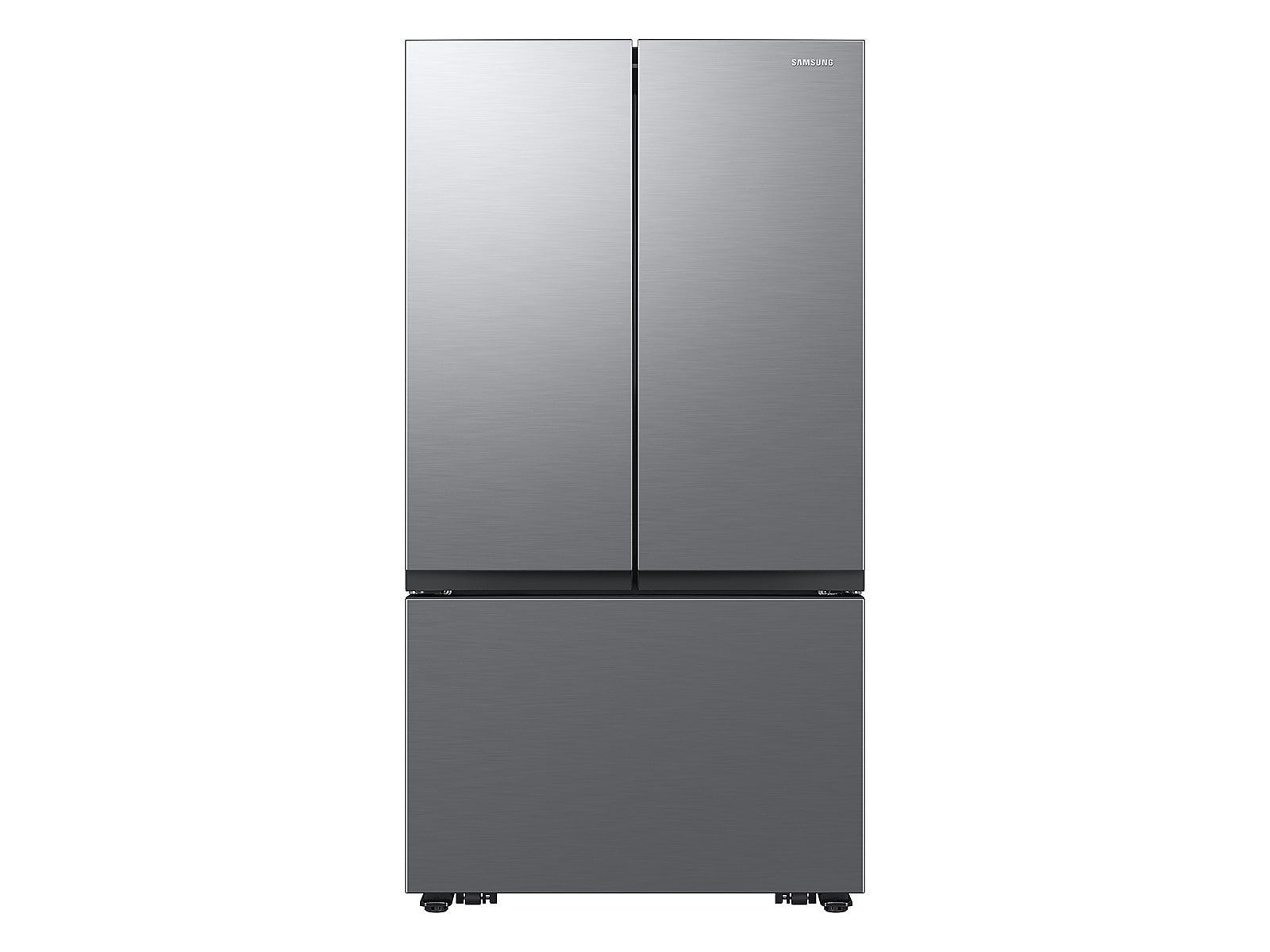
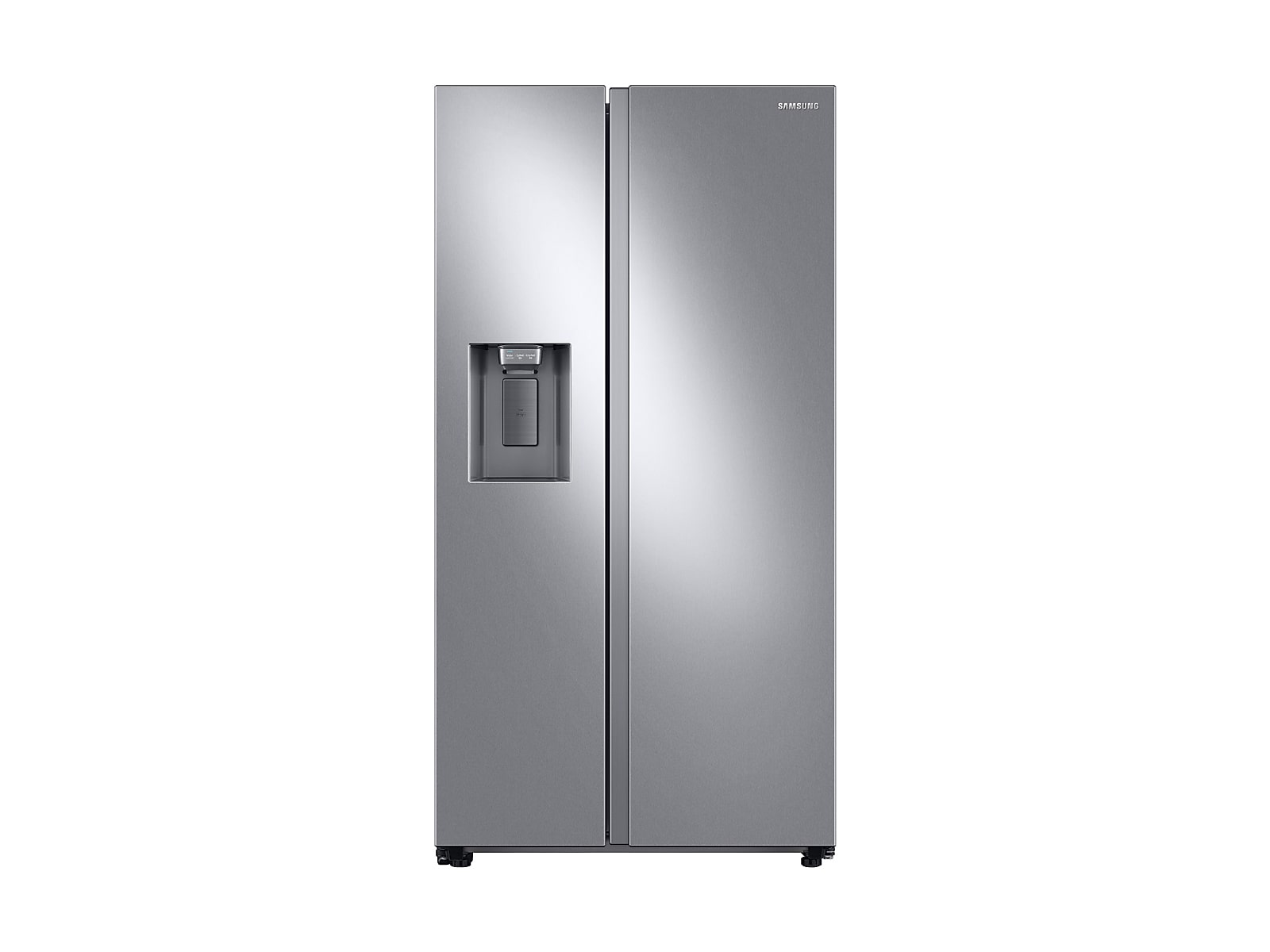
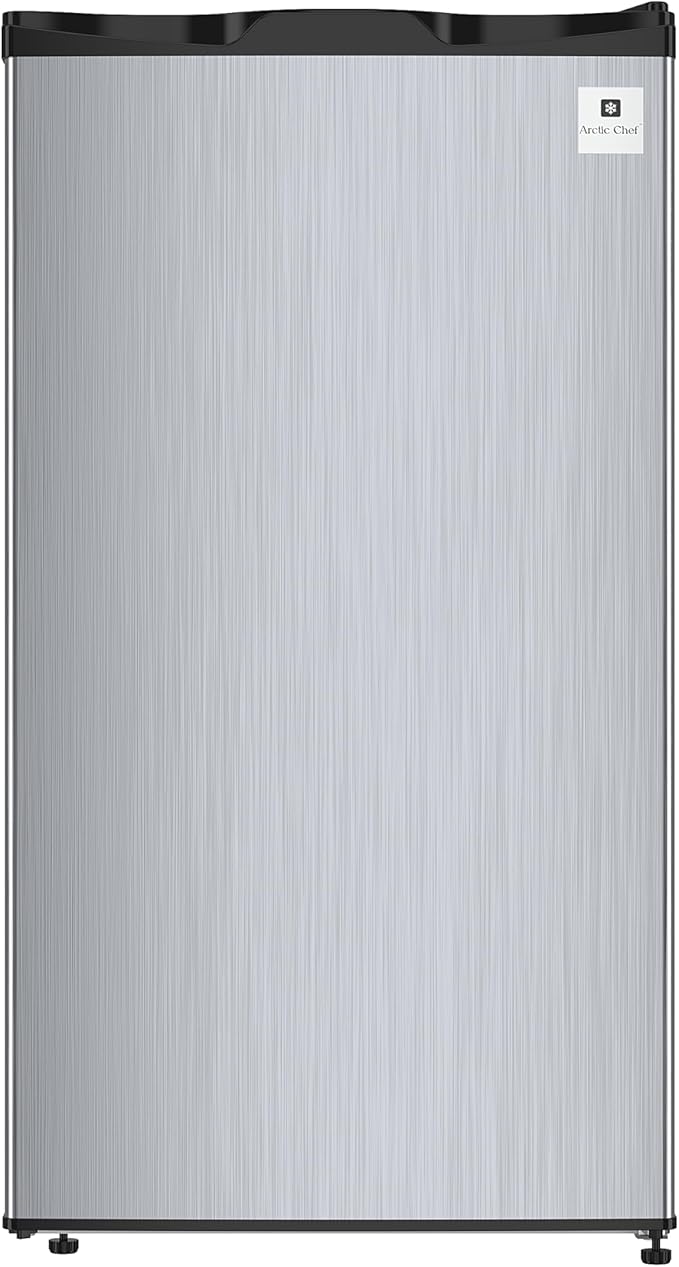
By understanding the features and ideal placements of tall refrigerators, you can make an informed decision that best suits your lifestyle and storage needs.
When choosing between a garage refrigerator and a tall refrigerator, several factors should be taken into account to ensure you make the best decision for your needs.
Ideal Ambient Temperature Range (°F).
When choosing between a garage refrigerator and a tall refrigerator, it's important to understand the key differences to make an informed decision.
When choosing between a garage refrigerator and a tall refrigerator, it's important to understand the key differences to make an informed decision. Both types have their unique features and benefits, catering to different needs and preferences.
A garage refrigerator is designed to withstand varying temperatures typically found in uninsulated spaces like garages. This type of refrigerator is built to perform well in both hot and cold environments, ensuring your food stays fresh regardless of exterior conditions. In contrast, a tall refrigerator is typically designed for indoor use where temperature fluctuations are minimal. Tall refrigerators are often more spacious and come with advanced features for everyday household use.
Below is a table summarizing the main differences between garage refrigerators and tall refrigerators:
Feature
Garage Refrigerator
Tall Refrigerator
Temperature Range
-10°F to 110°F
35°F to 95°F
Ideal Placement
Garage, basement, outdoor sheds
Kitchen, pantry, indoor spaces
Size and Capacity
Smaller, compact
Larger, more storage
Durability
High, weather-resistant
Moderate, indoor use
Additional Features
Often basic, minimal
Advanced features like smart connectivity, ice dispensers
For those considering a garage refrigerator, it's essential to acknowledge its ability to handle temperature extremes, making it suitable for non-climate-controlled environments. On the other hand, a tall refrigerator is perfect for indoor settings where additional features and larger storage capacities are beneficial.
Garage refrigerators are specifically designed to function optimally in environments that experience wide temperature fluctuations. They are an excellent choice for those who need extra refrigeration space in areas like garages, basements, or outdoor sheds.
Features and Benefits
Garage refrigerators come with several features and benefits that make them suitable for varying conditions:
Temperature Range: These refrigerators are built to handle extreme temperature variations, from freezing cold to sweltering heat. This makes them reliable for use in uninsulated spaces.
Durability: Typically constructed with robust materials, garage refrigerators can withstand harsher environments compared to standard indoor models.
Energy Efficiency: Some models are designed to consume less energy, even when the ambient temperature changes drastically. This is particularly useful for reducing energy bills.
Storage Capacity: Garage refrigerators often feature ample storage space, making them ideal for storing bulk items, beverages, or overflow from your primary refrigerator.
Feature
Benefit
Temperature Range
Handles extreme temperatures
Durability
Withstands harsh environments
Storage Capacity
Ideal for bulk storage
Ideal Placement and Usage
To maximize the benefits of a garage refrigerator, it is essential to place and use it correctly:
Optimal Placement: Place your garage refrigerator in a spot that is away from direct sunlight or any heat sources. Ensure there is enough space around it for proper ventilation.
Usage Tips: Regularly check the temperature settings to ensure optimal performance. Store items that can endure minor temperature fluctuations, such as beverages, canned goods, and non-perishable items.
Seasonal Adjustments: In extremely hot or cold seasons, consider adjusting the thermostat to maintain the desired internal temperature.
By understanding the features and ideal usage of garage refrigerators, you can make an informed decision on whether this type of refrigerator meets your needs. For those considering alternatives, the next section will delve into the features and benefits of tall refrigerators.
Tall refrigerators are designed to maximize vertical storage space, making them an excellent option for households that need to store a variety of food items while conserving floor space. These refrigerators typically feature a large capacity and come with various compartments to help you organize your groceries efficiently.
Some key features of tall refrigerators include:
Adjustable Shelves: Allows you to customize the interior layout to fit larger items.
Multiple Drawers: Provides dedicated space for fruits, vegetables, and dairy products.
Door Bins: Ideal for storing condiments, beverages, and smaller items.
Advanced Cooling Technology: Ensures even temperature distribution to keep your food fresh longer.
Energy Efficiency: Many tall refrigerators come with Energy Star ratings, helping you save on electricity bills.
Here's a quick look at some typical specifications for tall refrigerators:
Feature
Specification
Height
65 - 70 inches
Width
28 - 36 inches
Capacity
18 - 25 cubic feet
Ideal Placement and Usage
Tall refrigerators are versatile and can be placed in various locations within your home. They are commonly found in kitchens, but they can also be suitable for other areas like basements, garages, or even outdoor spaces near a pool.
Kitchen: The most common placement, where it serves as the main refrigerator for everyday use.
Basement: A secondary storage option for bulk items or beverages, freeing up space in the kitchen fridge.
Garage: Ideal for those who need extra storage for drinks, frozen foods, or seasonal items. Learn more about garage refrigerator Vs. tall refrigerator.
When deciding on the placement, consider the following factors:
Space Availability: Ensure there is enough room for the refrigerator to fit comfortably and allow for door clearance.
Temperature Control: Make sure the location maintains a consistent temperature to ensure the refrigerator operates efficiently.
Accessibility: Place the refrigerator in a convenient spot where it can be easily accessed by everyone in the household.
For more tips on choosing the right refrigerator for your specific needs, check out Fridge.com articles on best fridge for national father-in-law day and best apartment size refrigerator for a detached villa.
By understanding the features and ideal placements of tall refrigerators, you can make an informed decision that best suits your lifestyle and storage needs.
Factors to Consider
When choosing between a garage refrigerator and a tall refrigerator, several factors should be taken into account to ensure you make the best decision for your needs.
Space Availability
The first factor to consider is the available space where you plan to place the refrigerator. Garage refrigerators are often designed to fit in smaller or more confined spaces, such as a garage, basement, or utility room. On the other hand, tall refrigerators typically require more vertical space and are best suited for larger kitchens or areas with sufficient ceiling height.
Refrigerator Type
Average Height (inches)
Average Width (inches)
Average Depth (inches)
Garage Refrigerator
60 - 66
28 - 32
30 - 34
Tall Refrigerator
66 - 72
32 - 36
30 - 36
Depending on the space you have, you may need to measure the dimensions carefully to ensure a proper fit. For more details on optimizing space, check out Fridge.com article on best apartment size refrigerator for a detached villa.
Temperature Control
Temperature control is another crucial factor, especially when considering a refrigerator for a garage, which may be subject to fluctuating temperatures. Garage refrigerators are often designed to handle a wider range of external temperatures, maintaining a consistent internal temperature despite the ambient conditions. Tall refrigerators, typically designed for indoor use, may not perform as well in environments with extreme temperature variations.
Energy efficiency is an important consideration for anyone looking to manage their utility bills effectively. Garage refrigerators may consume more energy due to the need to maintain a stable internal temperature in varying ambient conditions. Tall refrigerators, designed for more stable indoor environments, may offer better energy efficiency.
By taking into account space availability, temperature control, and energy efficiency, you can make a more informed decision between a garage refrigerator and a tall refrigerator. For additional tips on choosing the right refrigerator, check out Fridge.com related article on best fridge for national thermal engineer day.
Pros and Cons
Garage Refrigerator
A garage refrigerator offers unique advantages and disadvantages that cater to specific needs and environments.
Pros:
Temperature Resilience: Designed to operate in varying temperatures, making it ideal for unheated or non-climate controlled spaces like garages.
Additional Storage: Provides extra storage space, particularly useful for bulk items, beverages, or seasonal foods.
Durability: Often built to withstand tougher conditions compared to regular indoor refrigerators.
Cons:
Energy Consumption: May consume more energy to maintain optimal temperatures in extreme weather conditions.
Limited Features: Typically lacks advanced features, focusing more on functionality over aesthetics.
Noise Levels: Can be noisier than standard indoor refrigerators, which might be a consideration for placement near living areas.
Tall Refrigerator
Tall refrigerators, commonly found in kitchens, offer distinct benefits and limitations.
Pros:
Convenience: Designed for easy access with multiple compartments and adjustable shelves.
Energy Efficiency: Generally more energy-efficient due to stable indoor conditions.
Advanced Features: Often equipped with modern features like water dispensers, ice makers, and smart technology.
Cons:
Space Requirements: Requires adequate indoor space, which can be a challenge in smaller homes or apartments.
Temperature Sensitivity: Not suitable for extreme temperature environments; best kept in climate-controlled spaces.
Cost: Can be more expensive due to advanced features and aesthetic design.
Feature
Garage Refrigerator
Tall Refrigerator
Temperature Resilience
Yes
No
Storage Capacity
High
Moderate
Advanced Features
Limited
Extensive
Noise Levels
Higher
Lower
When comparing a garage refrigerator Vs. tall refrigerator, these pros and cons can help guide your decision based on your specific needs. For more insights on choosing the right refrigerator, explore Fridge.com articles on best fridge for national father-in-law day and is it ok to lay a fridge on its side?.
When choosing between a garage refrigerator and a tall refrigerator, it's essential to match your needs and consider long-term factors.
Matching Your Needs
Understanding your specific requirements will help you determine which type of refrigerator is best for you. Assess the following factors:
Storage Capacity: Garage refrigerators often have a larger capacity, making them suitable for bulk storage and additional groceries. Tall refrigerators, on the other hand, are more common in kitchens and provide ample space for everyday use.
Placement: Garage refrigerators are designed to withstand fluctuating temperatures, making them ideal for non-climate-controlled environments such as garages or basements. Tall refrigerators are better suited for indoor use, typically in kitchens and living spaces.
Usage: Consider how you will use the refrigerator. If you need extra storage for beverages or overflow from your main fridge, a garage refrigerator may be the better choice. For regular daily use, a tall refrigerator is more convenient.
Long-Term Considerations
When making a long-term decision, consider the following aspects:
Energy Efficiency: Evaluate the energy consumption of each type. Garage refrigerators may consume more energy due to their ability to operate in varied temperatures. Tall refrigerators tend to be more energy-efficient, which can result in lower utility bills over time.
Maintenance and Durability: Consider the long-term maintenance and durability of the refrigerator. Garage refrigerators are built to withstand harsher conditions, potentially offering greater durability. Tall refrigerators may require less maintenance if used in a controlled environment.
Cost: Compare the initial purchase price and the long-term operational costs. While garage refrigerators may have a higher upfront cost due to their specialized features, tall refrigerators might offer savings through lower energy consumption.
Feature/Consideration
Garage Refrigerator
Tall Refrigerator
Storage Capacity
Larger, bulk storage
Standard, daily use
Placement
Garages, basements
Kitchens, living spaces
Maintenance
More durable
Less maintenance
Cost
Higher upfront cost
Lower operational cost
In summary, matching your needs and weighing long-term considerations will guide you in making the right choice between a garage refrigerator and a tall refrigerator. For more insights on specific refrigerator types, you can explore Fridge.com articles on best fridge for national father-in-law day and best fridge for national oatmeal muffin day.
From Fridge.com research
Figures below come from data Fridge.com builds and maintains. Each links to the record behind it.
Fridge.com Energy Index, built on U.S. EPA and DOE ENERGY STAR records
Across 5,455 ENERGY STAR certified refrigerators and freezers from 263 brands, median use is 360 kWh per year.